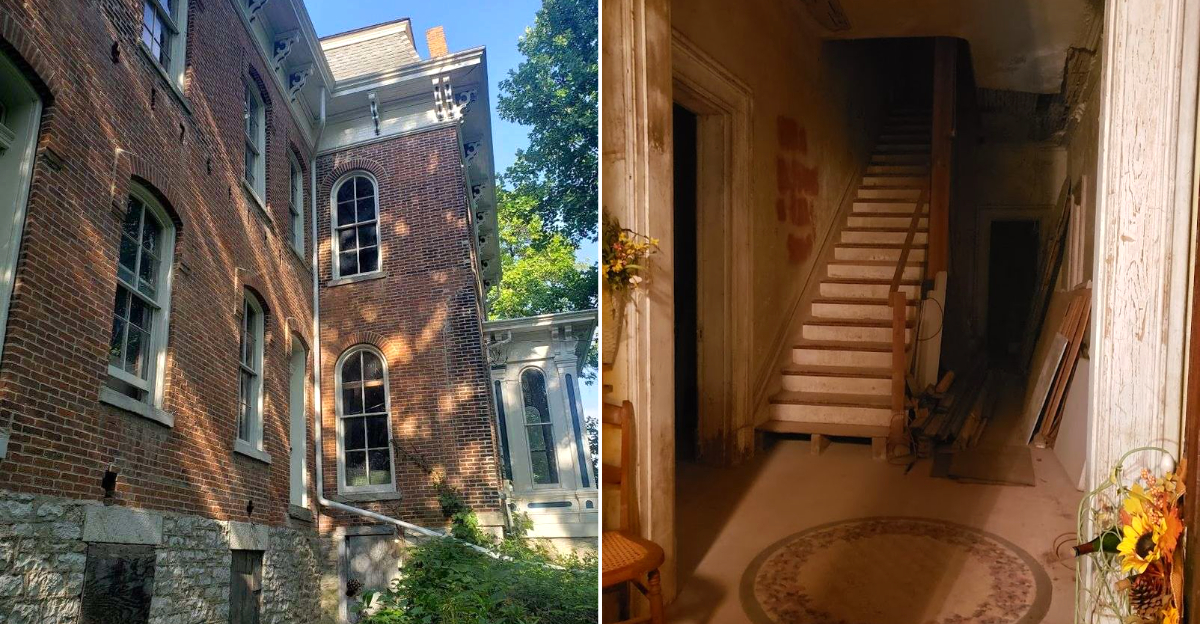
You think you are signing up for a normal mansion tour, and then someone casually mentions the underground vault like it is the main character. This haunted Illinois mansion tour keeps circling back to that one locked-away space, because it is the detail everyone remembers and the story everyone repeats on the way out.
The house itself sets the mood fast, with old rooms, heavy doors, and that quiet that makes your footsteps sound too confident. You move through elegant spaces that look calm on the surface, but the atmosphere feels watchful, like the building is listening for new gossip.
Then the vault comes up, and the whole group subtly leans in. People start asking the same questions, what was stored down there, why it feels different, and why the air seems to change when you get near it.
Even skeptics get quieter, because underground spaces do something to the imagination. Add in the mansion’s history and the guide’s careful pacing, and the tension builds without needing cheap tricks.
By the end, you will remember the stairway, the door, and that lingering feeling that the vault is holding back one detail it does not want to share.
Arrive On Alby Street And Take In The Hilltop “Mount Lookout” Setting
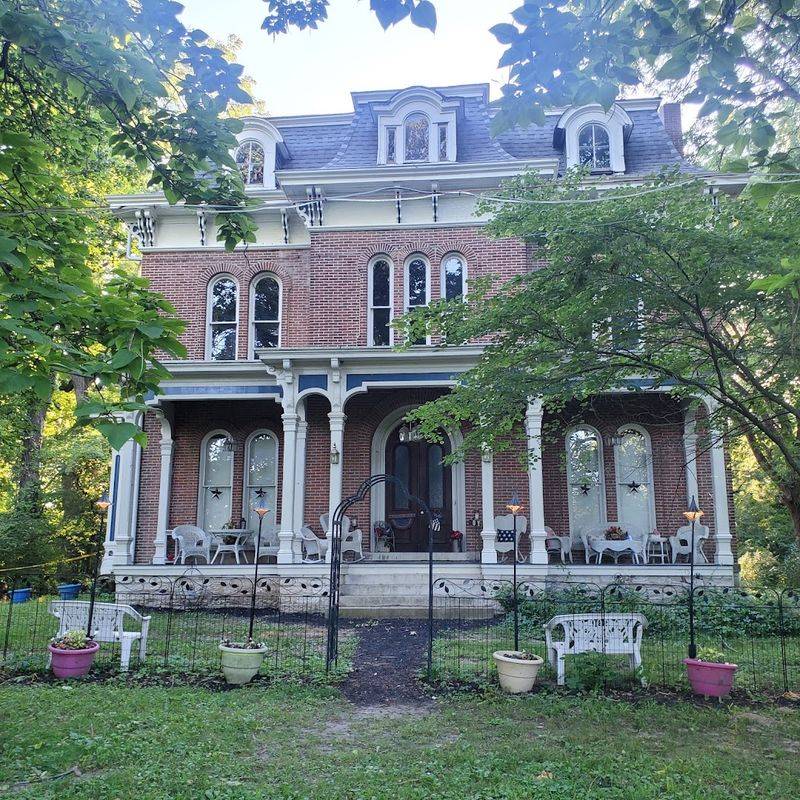
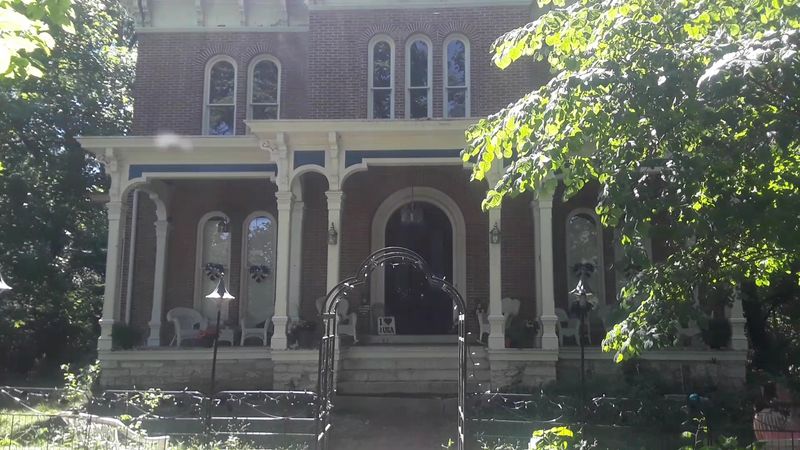
Pull up to McPike Mansion and pause before you even park, because the hill does half the storytelling for you. The address is 2018 Alby St., Alton, IL 62002, and the name Mount Lookout finally makes sense once you stand there and take in the slope and the river air.
The street is quiet in that Midwestern way, and the house sits like it knows more than it will say at first pass.
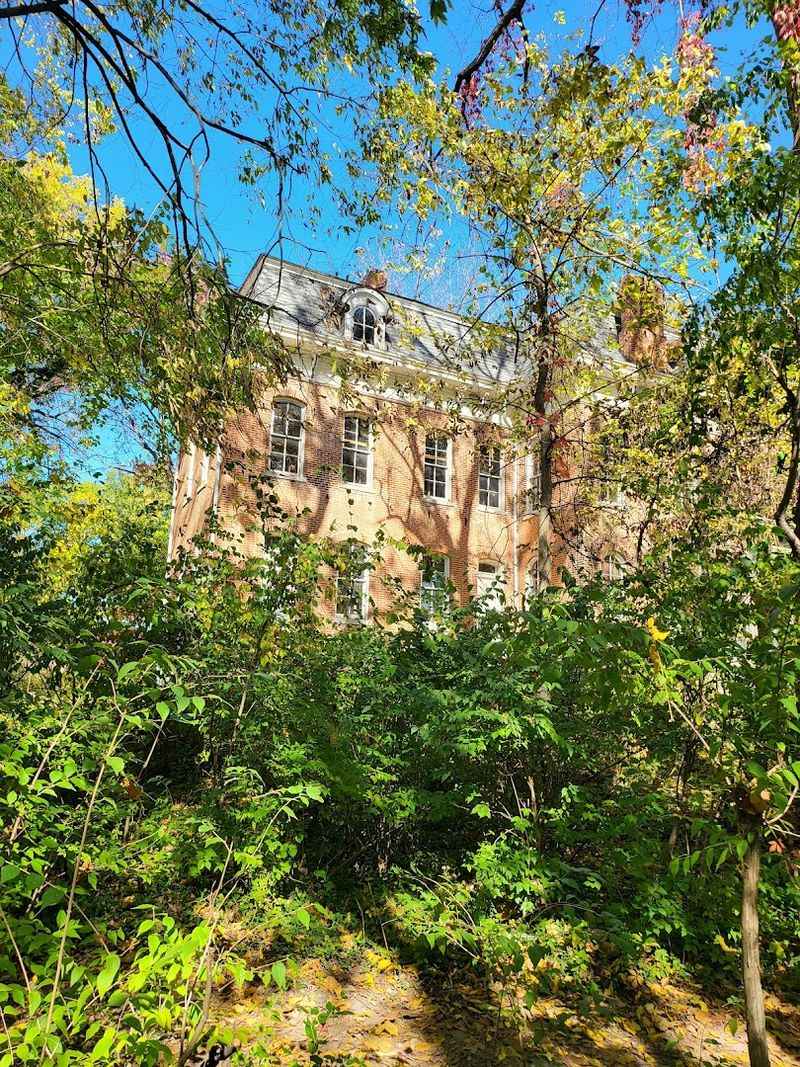
From the curb, the roofline feels taller than it should, and your eyes climb automatically, tracing windows and angles like you are reading a sentence out loud. You can feel how Illinois light shifts across brick and slate, soft one moment and a little brooding the next.
It is not theatrical, but it does not have to be, because the hill and the house do that slow burn together.
Give yourself a second to walk the sidewalk and listen to the small sounds, because that is how you sync with the tour before it begins. Maybe you clock the front steps, maybe you catch a draft you cannot place, and maybe you just notice how the neighborhood carries the weight of an old story.
Either way, this is the moment where you settle in and let the place choose the pace.
Quick 1869 Backstory On Henry Guest McPike And Why The House Was Built Big
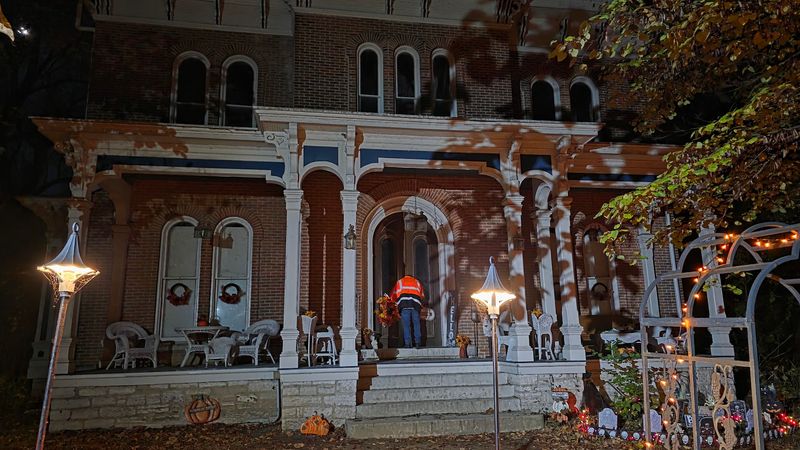
Here is the short version you actually remember, because anything longer just slips away while you are staring at the roofline. Henry Guest McPike was the kind of figure who needed a house that could host, work, and speak for him when he was not talking.
Big rooms, strategic halls, and a footprint that said the family expected to be here for the long haul.
In Illinois, that kind of confidence showed up as square footage, yes, but it also showed up as position on the hill and solid materials that could handle weather mood swings. Picture the daily life moves tucked into those choices, with arrivals, visits, and business discussed in rooms that kept voices from carrying.
You can read it in the spacing of doors and the way stair landings gather people naturally.
Why build big? Because reputation and hospitality and practical storage all needed room to breathe, and a small footprint would have cramped the message.
The mansion was built like a statement that could host heavy seasons without buckling. Standing inside, you feel how decisions stack, and that is why the vault talk makes sense later, because this place was always about function wrapped in presence.
Second Empire Details That Make It Feel More Mansion Than Home
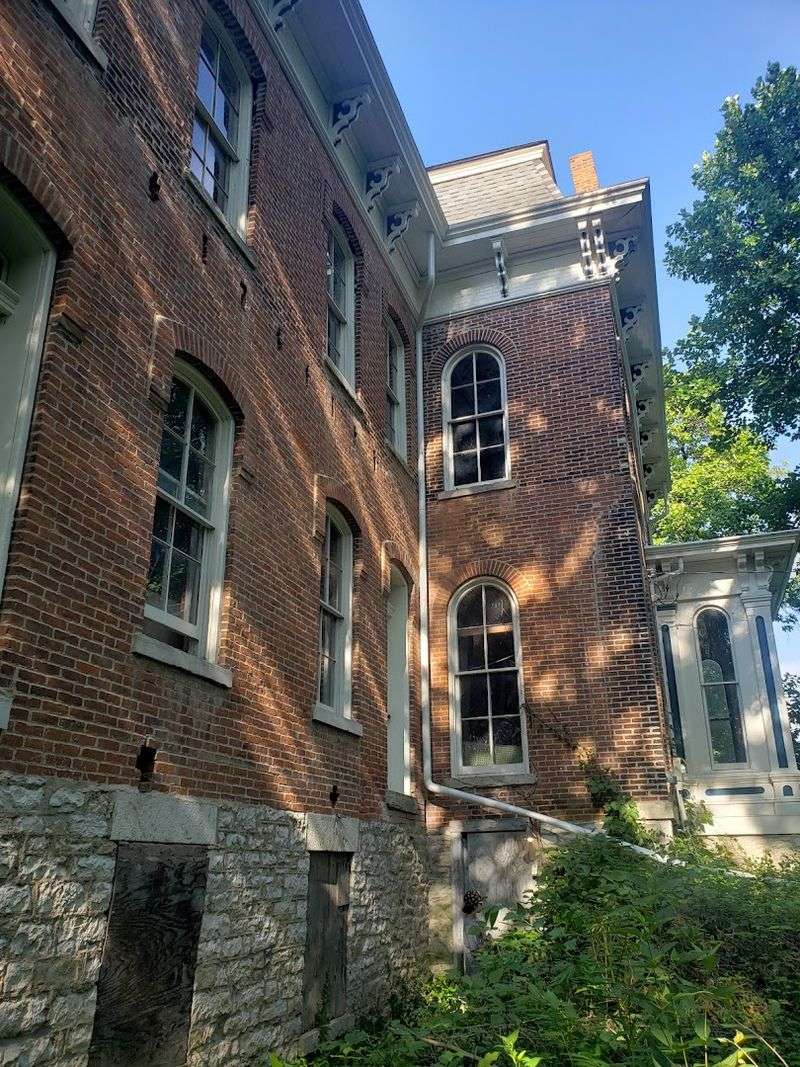
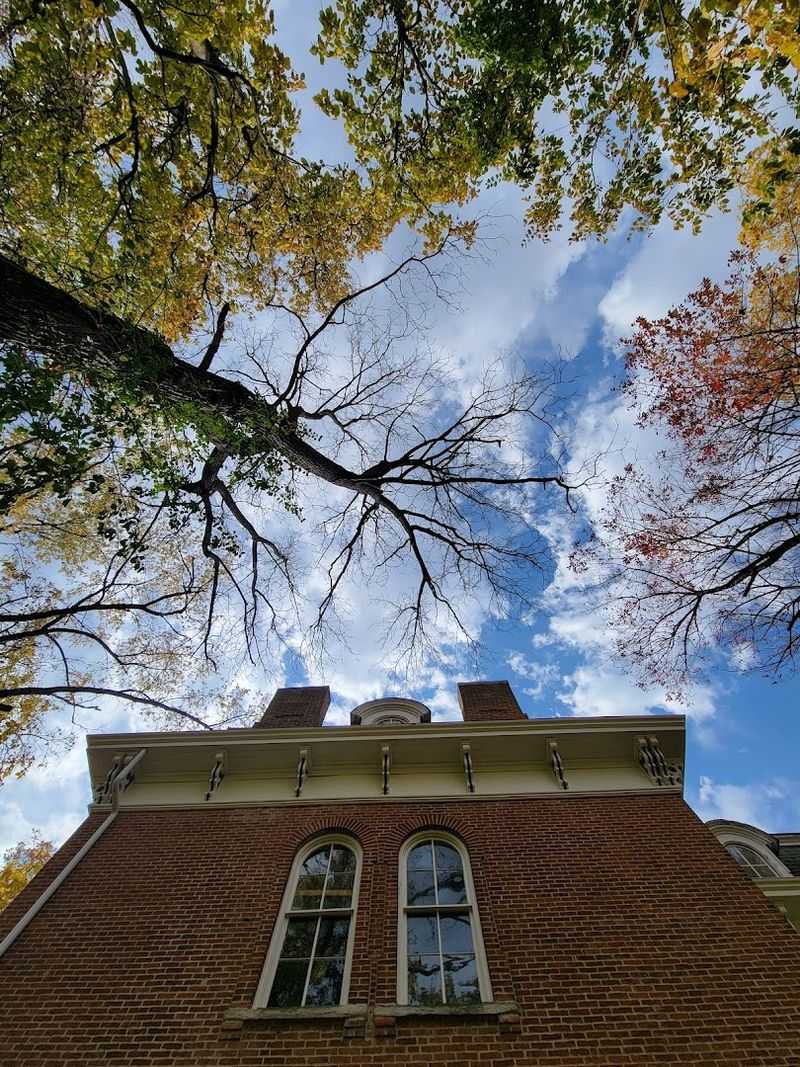
Look up at the mansard roof and tell me it does not flex a little, because that steep cap gives the whole place posture. The dormers sit like watchful eyes, and the brackets tuck under the cornice with that tidy, old?world precision that makes your shoulders drop a notch.
Illinois weather has scuffed the materials just enough to give the edges some texture without losing the intent.
Walk the perimeter and trace the window rhythm, which is long and narrow and strangely polite, almost like the house nods every few feet. You can see how light would pour down those tall panes and land in strips across floors, which makes the rooms feel taller even when you are not in them.
The masonry holds a quiet warmth, even when the air leans cool.
Inside, the door heights, staircase sweeps, and ceiling lines work like stage directions, nudging you to stand here, speak there, and pause just so on the landing. None of it is accidental, and you know it the second you feel the scale pressing lightly around you.
That is why it reads as mansion instead of just a big house, because the details control the tempo without you even noticing.
Head For The Basement Vault That Becomes The Main Talking Point
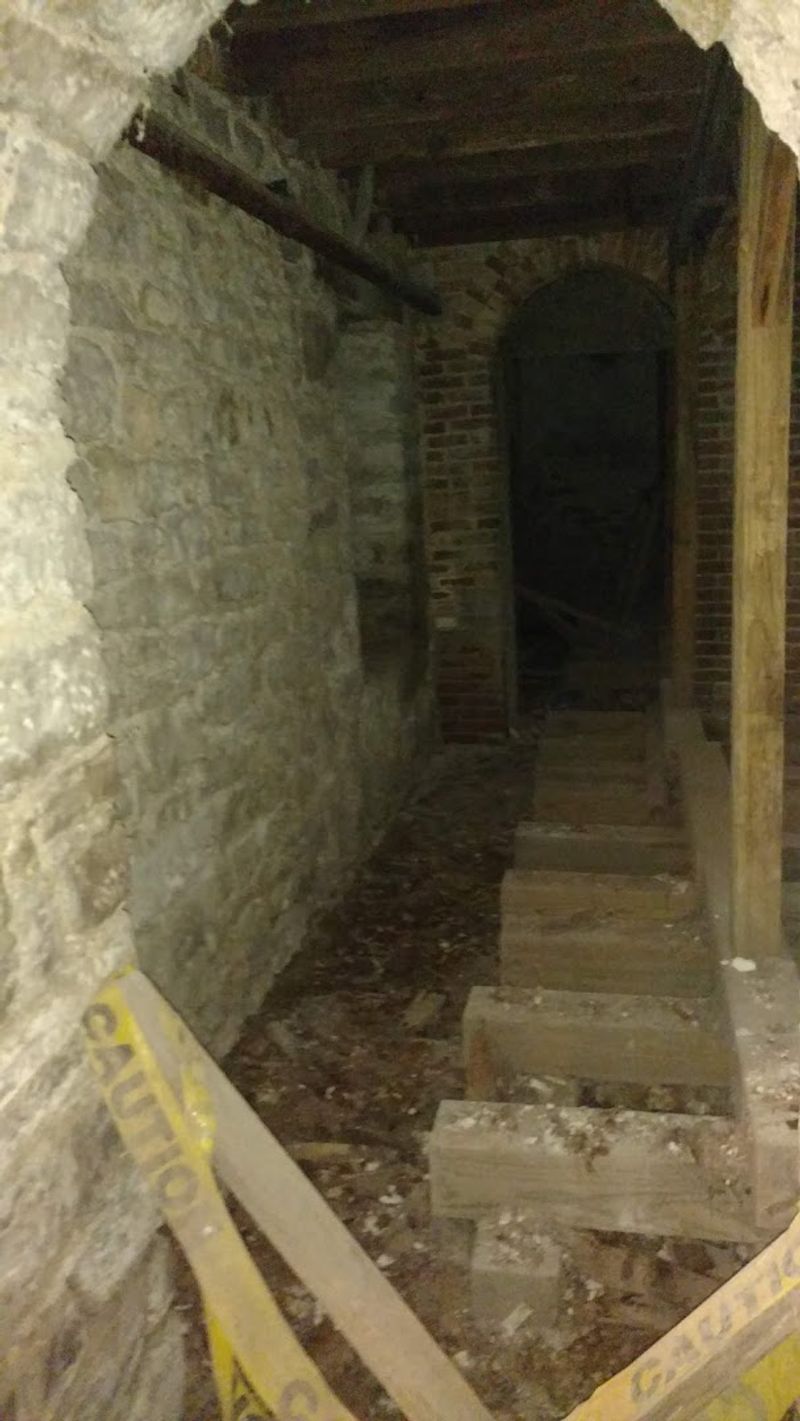
Alright, let us cut to it, because every path on the tour sort of tilts downhill toward that vault. You feel the temperature dip on the stairs, and the air shifts into that mineral smell that means stone, age, and quiet.
The guides do not rush, but you can tell they know this is the room where people lean closer.
The door is the star, thick and heavy, with hardware that looks like it does not mess around. The walls are brick and stone that absorbed a century of footsteps, and the echo has a short tail that makes whispers feel closer than they are.
Illinois basements have a type, and this one wears the uniform without apology.
When you step inside, your ears do more work than your eyes at first, because the dim takes a minute to settle. The air holds steady, like it is set on one setting, and that steadiness is part of the draw.
You are not just seeing a vault, you are feeling a decision someone made a long time ago to put something important in a controllable pocket of the house.
Why There’s A Vault Down There, And Practical Storage Logic
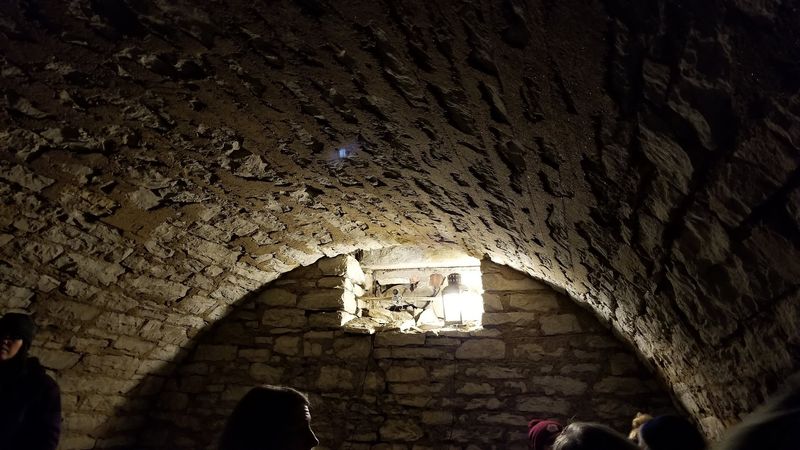
If you ask why there is a vault, the boring answer is the real one, and it is honestly satisfying. The space keeps steady temperature and protects whatever you stash there from swings upstairs, which makes it perfect for long?term storage that cannot be fussed with.
People toss around legends, but the practical roots sit close to the surface.
Think of it as a controlled pocket for valuables, documents, preserves, or anything that needed quiet and a firm door between it and the rest of life. In Illinois, where seasons flip quickly, that steadiness is worth its square footage.
The build tells you someone cared about reliability more than romance, even if the mood invites all kinds of stories.
Call it a wine?style cellar if that helps you map it, but really it is storage logic turned up a notch with a security layer. The heavy door speaks to access and trust, and the surrounding rooms show how traffic could be guided cleanly.
When you stand there, you can feel the original checklist humming under the floorboards, which is exactly why the place holds attention during the tour.
“Vault Vibes” After Dark, Temperature, Echo, And That Heavy Door Energy
After dark, the vault breathes different, and you notice it the second your foot hits the bottom step. The temperature holds steady like a stubborn setting, and your breath feels slower, which tricks your ears into hearing more than you expect.
That echo is short but insistent, and it answers you before anyone else does.
You catch yourself staring at the door hardware, because the iron has presence, and the wood looks like it could shrug off a storm. There is a pause that falls over people down there, the kind that makes even talkers choose their words.
Maybe it is the way the light stops cold at brick, or maybe it is the weight of history pacing behind the wall.
Either way, this is the stretch of the tour where most folks go quiet and just take a slow spin. In Illinois nights, the chill in a basement does not need theatrics to feel convincing.
You stand with the door at your shoulder and realize the vibe is a simple equation of air, mass, and memory doing their thing.
What Guides Share About The Vault, And What They Keep Vague On Purpose
Guides walk a good line down there, and you can feel it in how they frame the space. They tell you what the construction suggests, what past owners used, and which details match other Illinois homes of the era.
They also let the room breathe, because a vault loses its teeth if you label every shadow and button up every draft.
You will hear about steady temperatures, about secure storage, and about how the layout supports traffic that is easy to control. When someone asks a leading question, the answer often lands just shy of definitive, and that is not a dodge so much as respect for a space that earns its own pause.
There is a reason people keep coming back with their own impressions.
The best part is the timing, because a guide might let a pocket of silence sit right after a matter?of?fact detail. That beat gives the room a chance to respond, even if the response is just you noticing your shoulders have inched up.
It is not performance, it is rhythm, and it suits the vault more than any tidy list of facts ever could.
The Most Repeated Guest Moments From That Underground Stop
Ask around after the tour and the patterns show up fast, because people describe the same handful of beats without comparing notes. Someone always mentions feeling a small drop of cool air at ankle height that moves like a thread.
Another person talks about a sound that felt close but could not be found once the group held still.
Phones are a whole other thing, because the vault loves to throw a soft flare in a corner or a little blur near the door. Nobody tries to oversell it, and that is what makes it land, since the reactions are simple and specific instead of staged.
Illinois basements carry sound in tricky ways, and this one knows every path.
Then there is the shared, quiet laugh when the door creaks and absolutely everyone pretends they were not waiting for it. The guide gives space for the moment to pass and then keeps the train moving.
Later, outside, the details that stick are those ordinary oddities that feel like they chose you, which is exactly why the vault keeps getting brought up.
Best Photo Angles Upstairs, Since The Basement Is Not The Only Draw
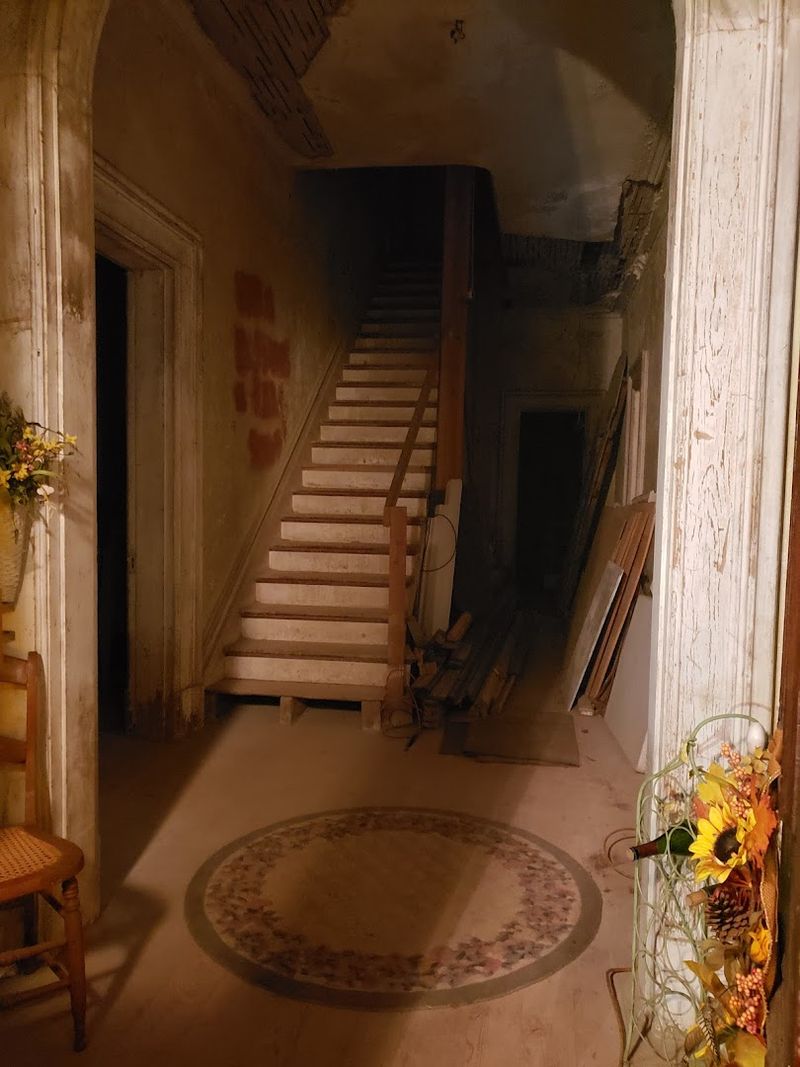
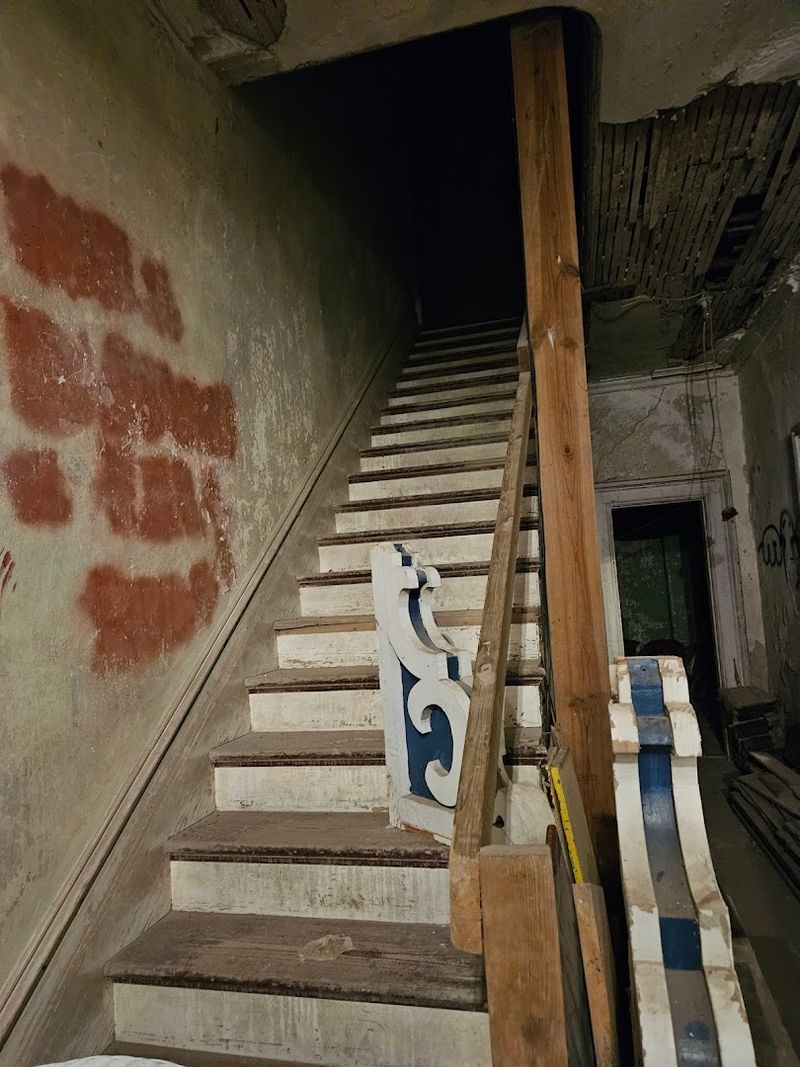
If you want photos that feel like the place without leaning on the vault, go upstairs and work the light. The staircase throws a beautiful line if you step back and aim upward where the banister curves into the landing.
Tall windows play nicely with Illinois sun, even on a mild day, and the shadows stack in clean frames.
Hallways give you leading lines, and doorways layer depth if you shoot through two thresholds at once. Look for textures where paint relaxes and wood holds old polish, because those surfaces read on camera without shouting.
A corner of ceiling detail paired with a slice of floorboard tells more story than any wide shot.
Outside, if you have time, back up to get the roof and dormers working together, but keep branches in the edge of frame to soften the shape. The point is to catch the lived?in dignity and let the house carry the mood.
When you leave, you will have pictures that feel steady and true, not just a pile of basement mystery.
Timing Tips For Tours, Parking, And Pairing It With Other Alton Stops
Timing this place is mostly about light and your own patience level, because smaller groups let the vault breathe. Late afternoon rolls into early evening smoothly, and that shift sets up the basement mood without forcing it.
Street parking along Alby usually works if you give yourself a little margin and keep it simple.
If you are making a day of it, pair McPike with a stroll around the riverfront and a look at Alton’s older streets that carry the same layered feel. You get a fuller picture of Illinois history that way, where industry, river trade, and layered neighborhoods all nod to each other.
It turns the mansion from a single stop into part of a comfortable loop.
Keep your shoes practical, bring a steady pace, and let the schedule flex, because good moments here show up between planned beats. Ask your guide about current access notes and any updates so you are not guessing on the fly.
Then take a breath on the sidewalk after and see what the hill gives you before you head out.
Dear Reader: This page may contain affiliate links which may earn a commission if you click through and make a purchase. Our independent journalism is not influenced by any advertiser or commercial initiative unless it is clearly marked as sponsored content. As travel products change, please be sure to reconfirm all details and stay up to date with current events to ensure a safe and successful trip.
