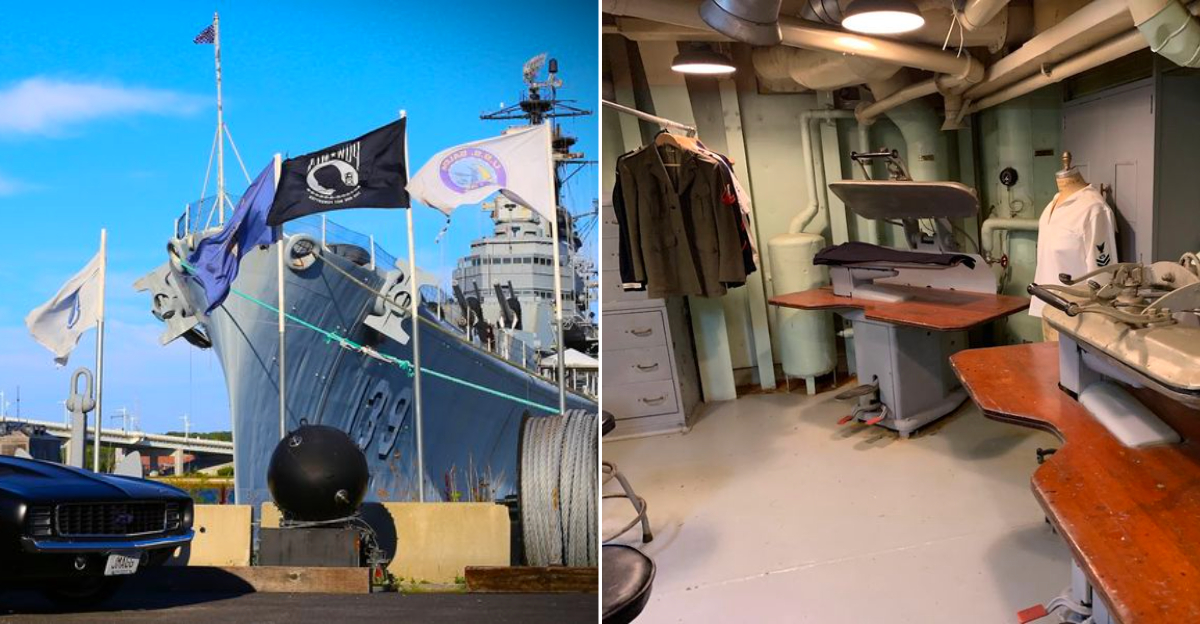
The weirder the details get, the harder it is to stop reading the story. This haunted Massachusetts ghost ship has a backstory that gets stranger the more you look, because every new fact seems to open another door you did not know was there.
At first, it feels like a simple spooky attraction with a dramatic vibe. Then you start hearing the timeline, the rumors, and the little inconsistencies that make the whole thing feel unsettled.
The setting does a lot of the work. Old wood, dim corners, and that salty, maritime atmosphere make every creak sound like it has meaning.
Even skeptics tend to lean in, because ships carry history differently than buildings do. They feel trapped between places, like they never fully belong anywhere once they stop sailing.
You end up scanning the structure for clues, staring at shadowy spaces, and replaying the story in your head as you move. By the time you leave, the ship is still with you, not as a jump scare, but as a lingering question you cannot quite close.
Ghost Ship Tour Format That Turns History Into After Dark Storytelling
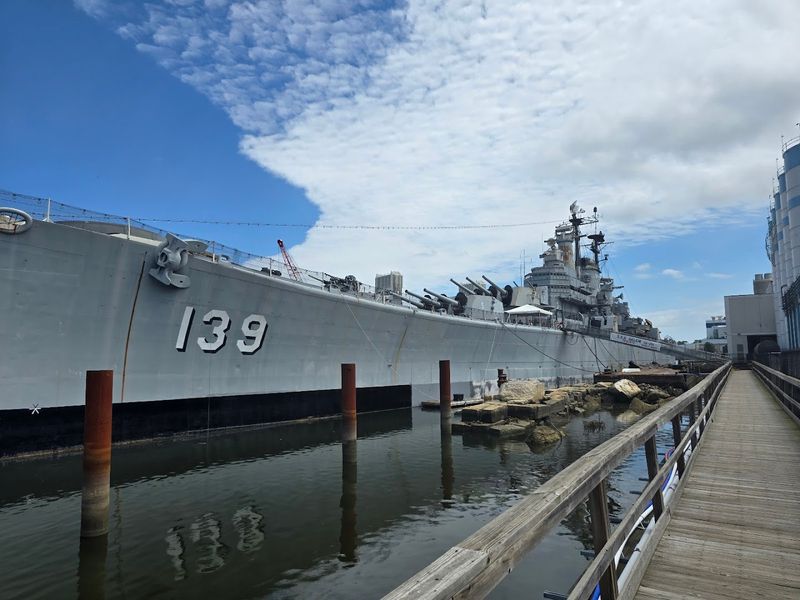
Here is how the night really flows at USS Salem, 549 South Street, Pier 3, Quincy, MA 02169. You arrive as the light thins, and the hull turns from industrial gray to something that feels almost theatrical, like the ship is waiting for its cue.
A guide keeps it casual, but the format is deliberate, easing you from history into story, and then nudging you toward the parts people whisper about. It is not jump scares so much as pacing, with pauses in the dark that give your senses time to argue with themselves.
First, you get bearings on the main deck and how this Massachusetts cruiser lived its working life, because the backstory matters when a ship wears a nickname like Sea Witch. Then you step below, where the air tightens, and you start catching small sounds that might be your imagination fighting the quiet.
The guide threads in witness notes and ship lore, but you keep deciding how much to believe. By the time you reach the lower spaces, the stories feel less like theater and more like a late conversation with the ship itself.
Warship Setting That Makes Every Footstep Echo Harder
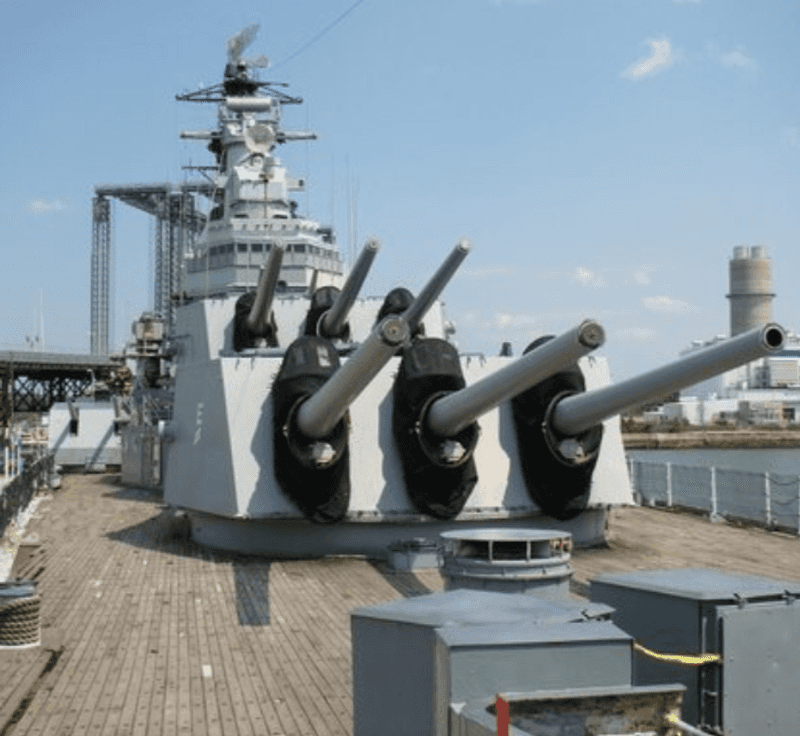
You hear yourself before you see much, which is half the trick of this ship. The steel takes every step and bounces it back, so even a patient walk sounds like a decision.
Overhead pipes crowd the lines of sight, and the deck plates carry a chill that lingers in your ankles. That echo is why a dropped key or a shifting strap can feel like company, because the sound stretches around corners and returns from places you have not reached.
When the guide dims the light, the familiar turns strange, and every bulkhead looks slightly closer than it did a moment ago. Photographs on the bulkheads remind you this was working metal, not a set, and that reality puts a knot in your throat.
The warship bones are honest, which means there is nowhere soft for a feeling to land, so it just keeps bouncing. If you are the type who listens more than talks, this setting meets you halfway and raises the volume on your thoughts.
The Sick Bay And Medical Spaces People Always Bring Up
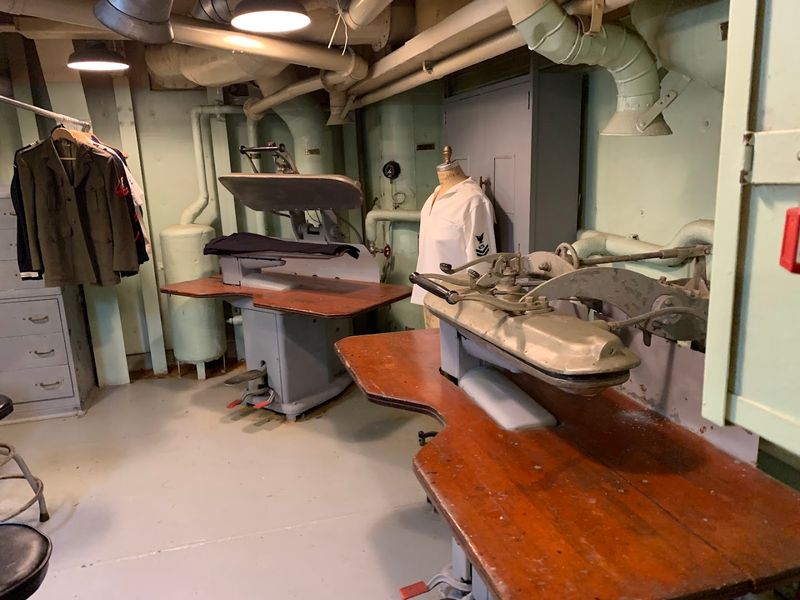
This is the room people mention in a whisper before they even know why. The bunks sit low, the cabinets still square their shoulders, and there is a tidy order to the place that somehow makes the hair on your arms think twice.
The stories tied here are heavy, and they do not need embellishment, because a medical space already asks your mind to replay scenes. You stand quietly and try not to imagine a breath you cannot place.
Guides will share accounts of footsteps between cots, the soft clink of instruments, and voices that never rise much above a murmur. Some guests feel a drift of cool air that has no business being that precise, like someone walked past without asking.
Whether you buy the paranormal angle or not, the room convinces you to be respectful. In a state like Massachusetts, where history is dense and layered, this corner of the ship sits heavier than most, and it lingers after you climb the next ladder.
Long Corridors And Tight Hatches That Change The Mood Fast
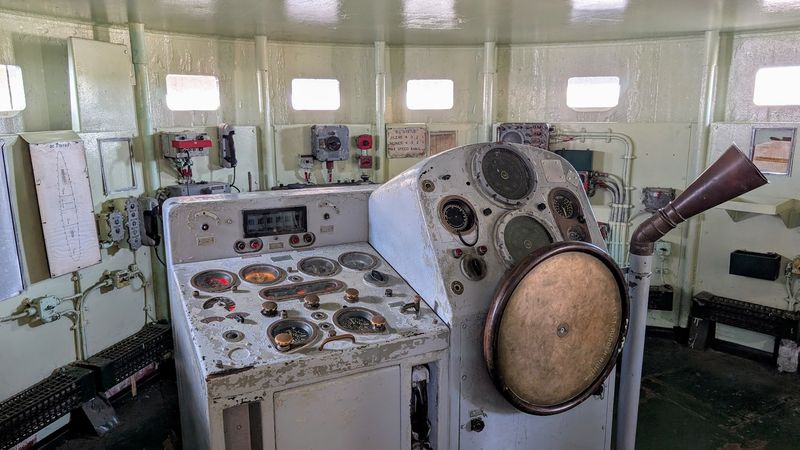
Those straight runs down the corridor look simple until you start walking them. The perspective stacks up like a deck of cards, and the watertight doors turn your stride into little chapters, each with its own echo.
Your shoulder brushes paint, your flashlight skims a valve tag, and suddenly the space feels personal in a way wide rooms never do. You tell yourself the buzz you hear is just a transformer, and then you hear it move.
Turning a hatch shifts the whole mood, because sound changes with the shape of the room, and your heartbeat learns the difference. A cold draft can behave like a sentence, landing on your neck as if someone had a thought.
You are still in the same ship, but your sense of distance slides, and that is when a story becomes a feeling. It sneaks up on you, and you do not need convincing to keep your voice low until you reach open air again.
The “Sea Witch” Reputation And Why It Stuck To This Ship
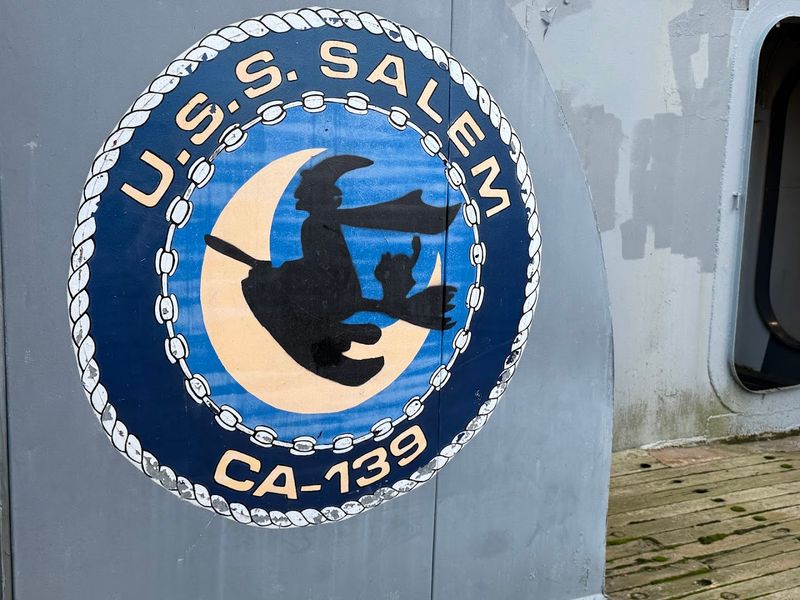
That nickname follows the tour like another guest, and you can feel the room lean in each time someone says it. Sea Witch is not cute here, and it is not a slogan, because sailors pick names that earn their keep.
The ship has a history of long nights, hard seas, and moments when it carried more grief than a hull should carry. People swear the name settled on her because the strange did not stop when the work did.
Ask a guide and you will get practical context, then you will get a pause, and then the layered tales that refuse to sit still. Crew accounts, visitor reports, and the museum’s patient catalog of odd timing begin to overlap in ways that make your eyebrows climb.
Maybe she kept company with more stories than statistics could hold, and the nickname just did the honest thing. By the end, you will call her Sea Witch without thinking, because the ship feels like it introduced itself that way.
Stories Guides Share Versus What Guests Claim They Felt
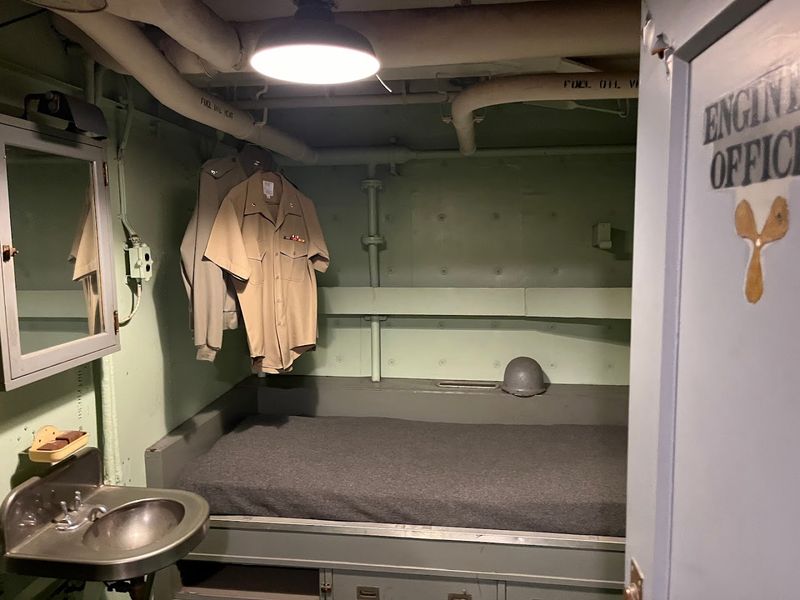
The guides stay grounded, which I appreciate, because they keep the line between history and experience clear. They will tell you what past crews reported, what the museum has logged, and where investigators set up their gear.
Then they will say what they personally heard or did not hear, and they leave space for you to decide. That tone feels respectful, and it keeps the night open instead of forcing belief.
Guests, on the other hand, tell stories that come from the body first. Somebody’s arm goes cold while everyone else is warm, and someone else hears a voice right behind their left ear when no one is there.
On some nights it is quiet as a library, and on others it is the little coincidences that stack up. Massachusetts has plenty of haunted talk, but this ship is where strangers compare notes and realize they started the night certain and ended it curious.
Safety And Mobility Reality: Stairs, Ladders, And Uneven Surfaces
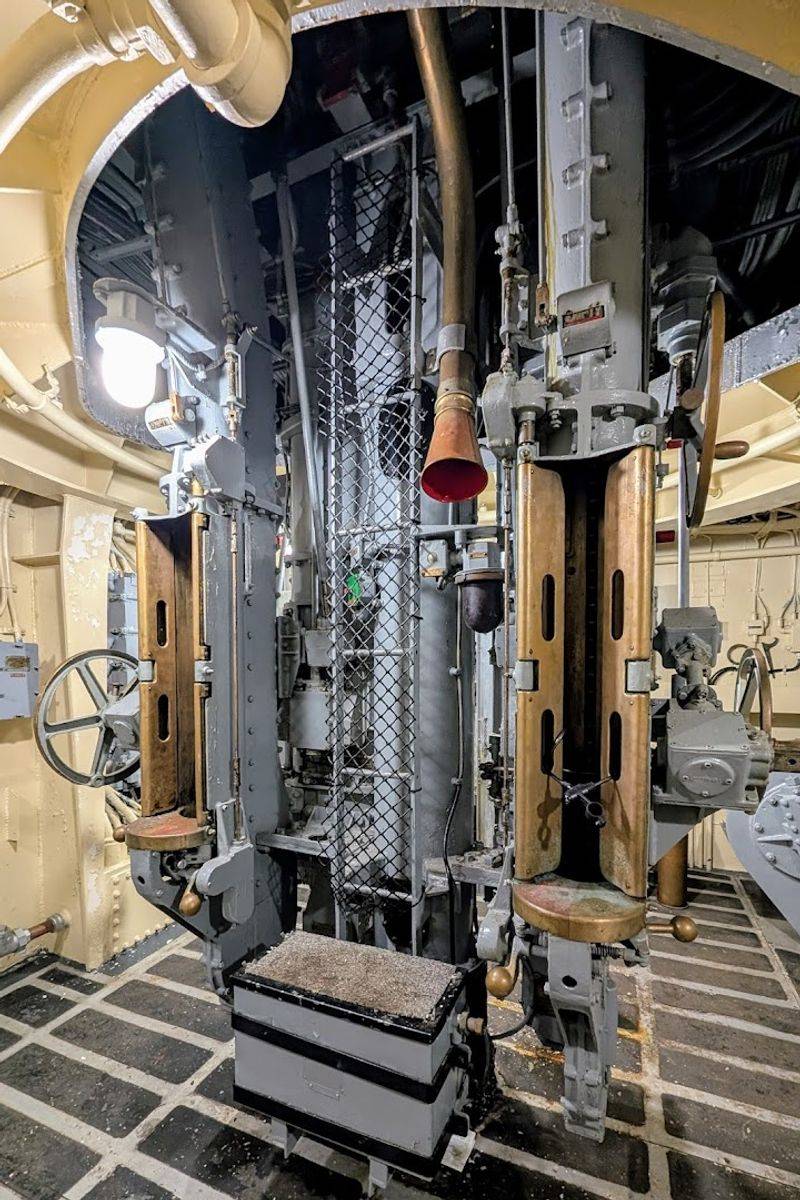
Let me be real about the logistics, because the vibe is only fun when everyone feels steady. This is a warship with shipboard stairs, angled ladders, and the kind of thresholds that catch a lazy toe.
You will want both hands free, a slow pace on the climbs, and a patient stride in the tight turns. If mobility is a concern, ask staff about route options and which sections make the most sense for your comfort.
Lighting at night stays deliberately low, which adds flavor but also means you are sharing space with shadows. Handrails are your friends, and so is speaking up if you need a breather before another set of steps.
The crew is kind and used to questions, and they want you leaving steady, not rattled. It is the common sense side of a Massachusetts ghost story, and it keeps the night memorable for the right reasons.
Best Photo Corners On Deck When The Lights Go Low
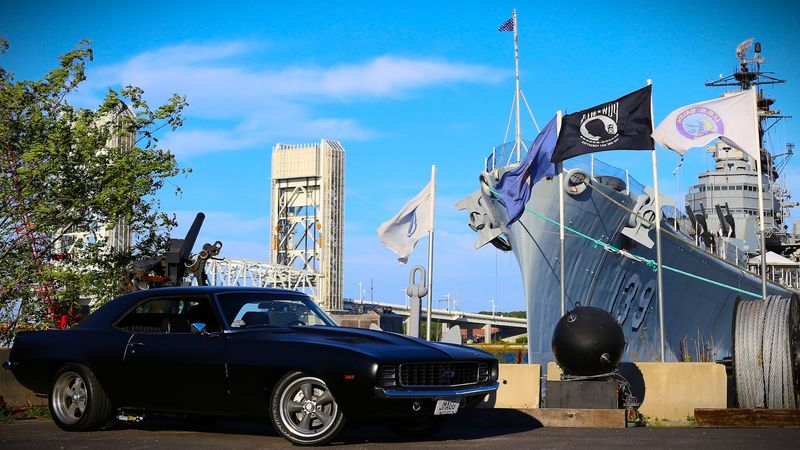
For photos, think shapes and contrast, because the ship gives you lines for days. The bow at night looks theatrical against the harbor, and the deck hardware throws perfect silhouettes when the safety lights glow.
A little angled perspective along the rail pulls the eye, especially if a low cloud catches the city shine. Give yourself a beat to breathe and let the scene settle, then press the shutter when the air goes still.
Below, small pools of light in the corridors make strong frames, and a hatchway can work like a ready made vignette. Try focusing on textures, like rivets and stenciled letters, because they read as truth in low light.
Keep people in the shot if you can, since a shoulder or a hand on a rail gives scale to the steel. These corners are patient, and they reward anyone who takes their time and listens for the moment the ship holds still.
Seasonal Hours And Timing Tips So You Catch The Right Tour Night
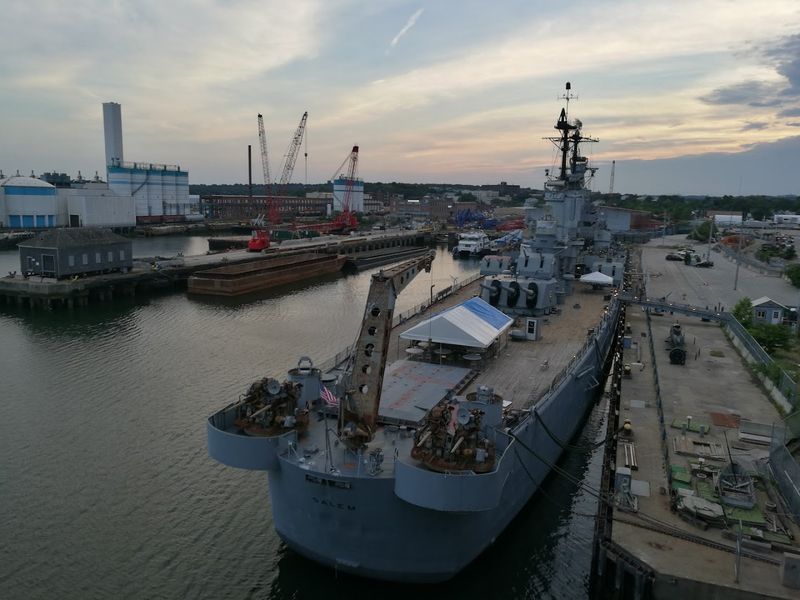
Timing matters if you want the full night flavor, so plan for dusk or later and give yourself a cushion. Check the museum’s calendar before you go, since special events can change what areas are open and when groups gather.
I like arriving early enough to adjust to the light, because your eyes relax and you notice more once the tour starts. If the forecast hints at a cooler breeze, bring a layer, since steel keeps the chill.
Weeknights can feel quieter, which makes every sound more noticeable, while weekends bring a livelier hum that cuts the silence. Either lane works, it just depends on what kind of mood you want to ride.
Keep an ear on local traffic, since Quincy can tighten up when the harbor gets busy. With a little planning, you will land the sweet spot and walk into that Massachusetts night ready for whatever the ship decides to share.
Dear Reader: This page may contain affiliate links which may earn a commission if you click through and make a purchase. Our independent journalism is not influenced by any advertiser or commercial initiative unless it is clearly marked as sponsored content. As travel products change, please be sure to reconfirm all details and stay up to date with current events to ensure a safe and successful trip.
