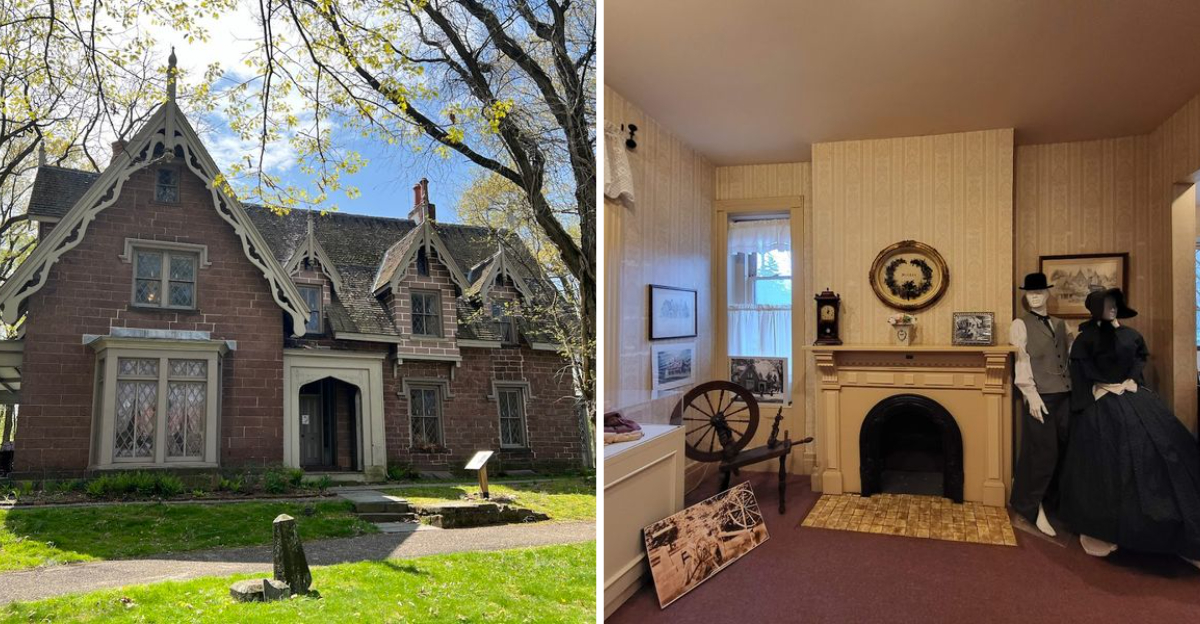
New Jersey has a mansion that looks like it was designed by someone who thought “haunted chic” was a lifestyle.
Its Gothic Revival style, with dramatic arches and shadow-filled halls, makes every visit feel like stepping into a living mystery.
History buffs love its famous past guests, while thrill-seekers come for the eerie vibes.
Even the floorboards seem to audition for a horror soundtrack.
It’s equal parts architectural gem and playful fright fest; proof that spooky can be stylish.
The Gothic Revival Architecture That Started It All
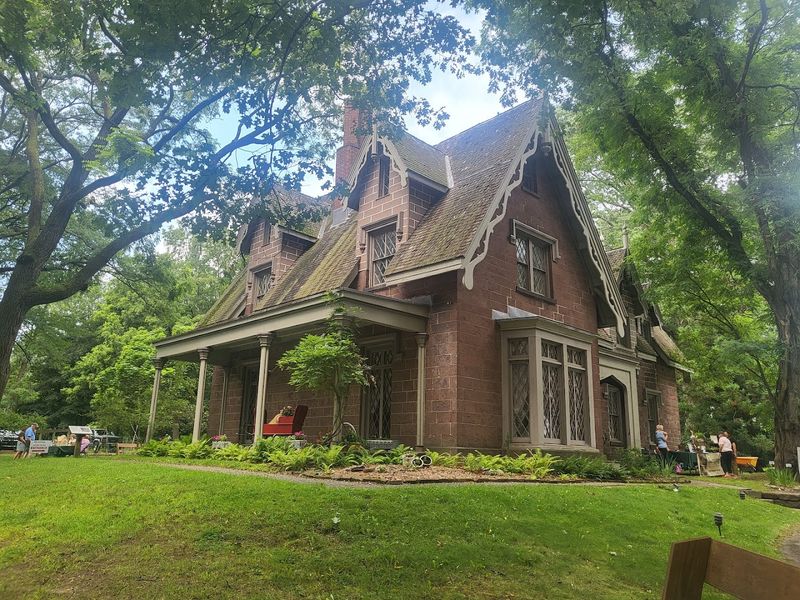
Standing in front of this house for the first time, the architecture alone makes your imagination run wild. The Hermitage was transformed into its current Gothic Revival style between 1847 and 1848 by architect William H.
Ranlett, and the result is something straight out of a storybook. Pointed arches frame every window.
Intricate wooden lacework drapes along the roofline like frozen lace.
Gothic Revival was a popular movement in mid-19th century America, and Ranlett was one of its most creative voices. He took what was originally an 18th-century farmhouse and gave it an entirely new personality.
The bones stayed, but everything else got a dramatic makeover.
What makes this building feel so alive is how well it has been preserved. The details are sharp, the proportions feel theatrical, and the whole structure seems to lean slightly toward you as you approach.
It is the kind of design that makes even skeptics stop mid-step and pull out a camera.
A History Stretching Back to the Revolutionary War
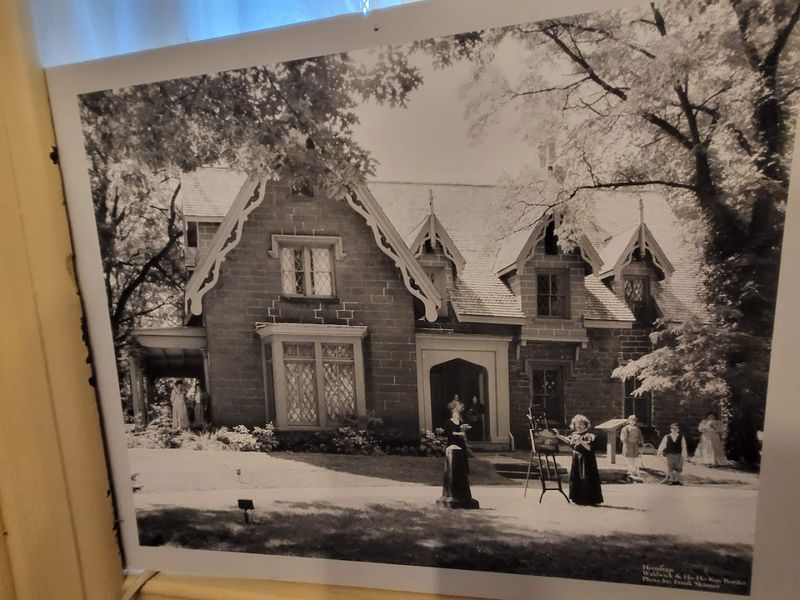
Few buildings in New Jersey carry as much Revolutionary War weight as this one. The Hermitage dates back to around 1760, placing it squarely in the middle of one of the most turbulent periods in American history.
General George Washington himself is said to have stayed here during the war, which gives the whole place an almost electric sense of significance.
Walking through the rooms, that history feels close enough to touch. The estate sat at the crossroads of military movement, political intrigue, and everyday colonial life.
It was not just a house but a witness to the birth of a nation.
Learning about these connections makes the visit feel surprisingly personal. History class never quite conveyed how real these events were until you are standing in the actual rooms where they unfolded.
The Hermitage bridges that gap between textbook facts and lived experience in a way that very few historic sites manage to pull off so effortlessly.
The Rosencrantz Family Legacy That Shaped Everything
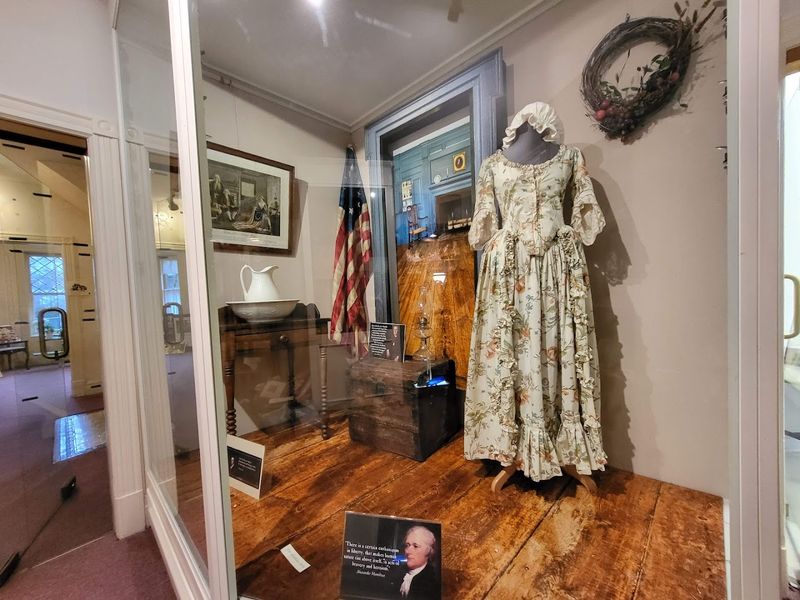
For over 160 years, one family shaped the identity of this estate. The Rosencrantz family owned The Hermitage from 1807 all the way until 1970, and their presence is still felt in nearly every corner of the house.
Many of the original family belongings remain on display, which gives the rooms a warmth and intimacy that replica-filled museums often lack.
What stands out most is the role that women in the family played in protecting and preserving the property. Generation after generation, they made decisions that kept the estate intact when it easily could have been sold off or demolished.
That story of quiet determination is genuinely moving.
The family artifacts scattered throughout the house tell a layered story of American domestic life across multiple centuries. From furniture to personal objects to decorative pieces, each item adds another brushstroke to the portrait of a family who clearly loved this place deeply.
Their legacy is the reason visitors get to experience it today.
Guided Tours That Bring the Walls to Life
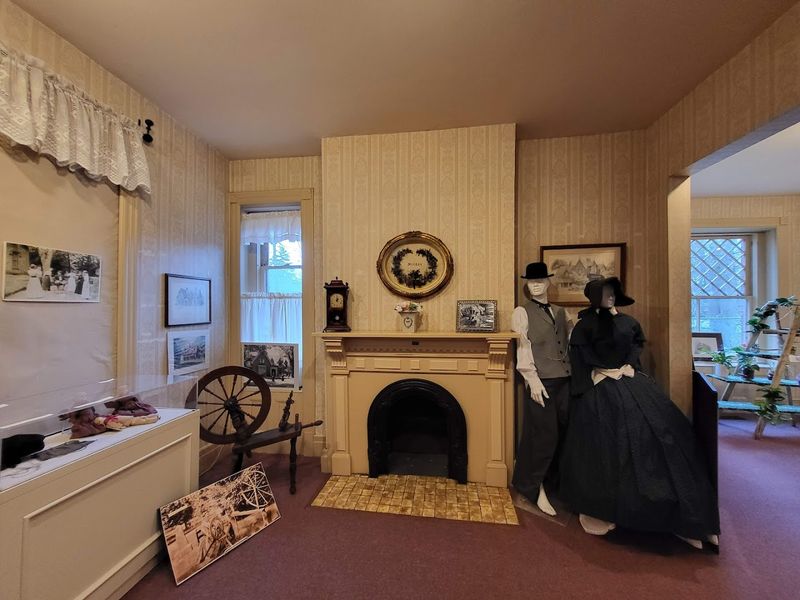
Guided tours here run Fridays through Sundays, and they are genuinely worth planning your schedule around. The tour guides bring an infectious enthusiasm to the history that makes every room feel like a new chapter being revealed.
You get the sense they could talk about this house for hours and never run out of fascinating things to share.
Each tour lasts roughly 45 minutes and moves through generations of history at a comfortable pace. There is enough detail to satisfy history buffs but enough storytelling to keep even younger visitors completely engaged.
The intimate size of the group means you can actually ask questions and get real, thoughtful answers.
Tours depart at 1:15 p.m., 2:15 p.m., and 3:15 p.m. on open days. Arriving a few minutes early gives you time to explore the grounds before heading inside.
The combination of knowledgeable guides and original artifacts creates an experience that feels far more personal than a typical museum visit ever could.
The National Historic Landmark Status It Earned
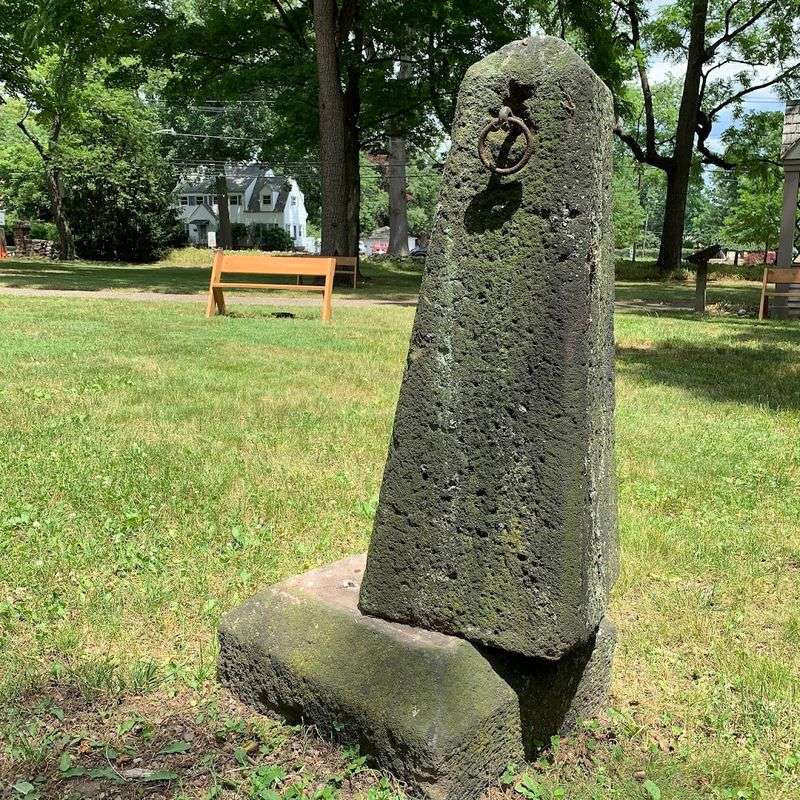
In 1970, The Hermitage was designated a National Historic Landmark, which is one of the highest recognitions the federal government gives to a historic property.
That same year, it was listed on both the National Register of Historic Places and the New Jersey Register of Historic Places.
The timing was not coincidental since the Rosencrantz family had just ended their ownership, and the designation helped secure the property’s future.
Being a National Historic Landmark means the site meets incredibly strict criteria for architectural integrity and historical significance. Not every old house qualifies.
The Hermitage earned it because of its remarkably intact Gothic Revival design and its deep connections to American history.
For visitors, that status translates into something tangible. The preservation standards are high, the research behind the exhibits is serious, and the experience feels authoritative rather than superficial.
You leave knowing that what you saw was the real thing, not a recreation or a guess at what once existed. That authenticity is rare and worth celebrating.
Special Events That Transform the Estate Year-Round
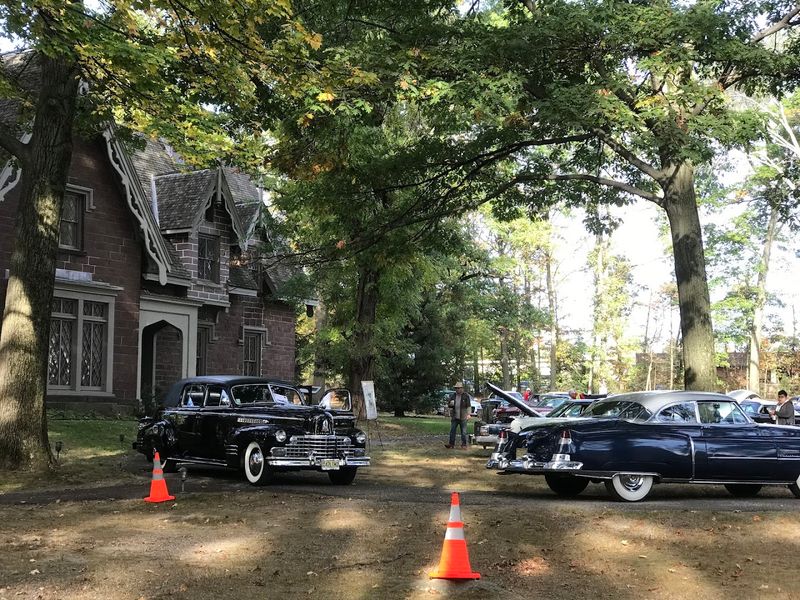
The Hermitage is not just a quiet house museum sitting still between weekday hours. Throughout the year, the estate comes alive with an impressive lineup of special events that draw visitors back again and again.
Civil War encampments, Revolutionary War reenactments, garden teas, plays, lectures, and craft fairs all find a home here.
The Christmas candlelight tours deserve special mention. Moving through the house by candlelight while the Gothic architecture looms overhead creates an atmosphere that is hard to describe and even harder to forget.
It feels theatrical and intimate at the same time.
Food truck festivals have also become a beloved tradition on the grounds, turning the estate into a lively outdoor gathering spot where history and good eating share the same afternoon. The grounds provide a stunning backdrop for any event, with mature trees and period landscaping framing everything beautifully.
Checking the event calendar before visiting is always a good idea because the experience shifts dramatically depending on what is happening that day.
The Grounds and Gardens Worth Exploring Slowly
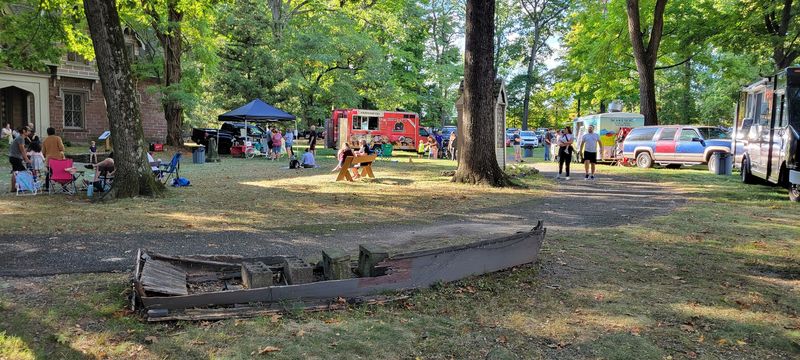
Before or after a tour, the grounds at The Hermitage are absolutely worth exploring at a slow, unhurried pace. The landscaping reflects the history of the estate, with plantings and garden areas that connect to different eras of the property’s past.
Learning about the flowers and heritage plants growing here adds an unexpected layer of botanical interest to the visit.
The mature trees framing the mansion give the property a storybook quality that photographs beautifully in every season. Spring brings blooms, summer fills everything in with lush green, autumn wraps the Gothic spires in warm color, and winter strips it all back to something stark and genuinely eerie.
Maple syrup tapping events have even been held on the grounds, celebrating the natural resources that once sustained the estate. Wandering the paths, you get a sense of how the land itself was as important as the building.
The Hermitage is not just four walls and a roof. It is a complete historic landscape that rewards curiosity at every turn.
The Gift Shop You Should Not Skip
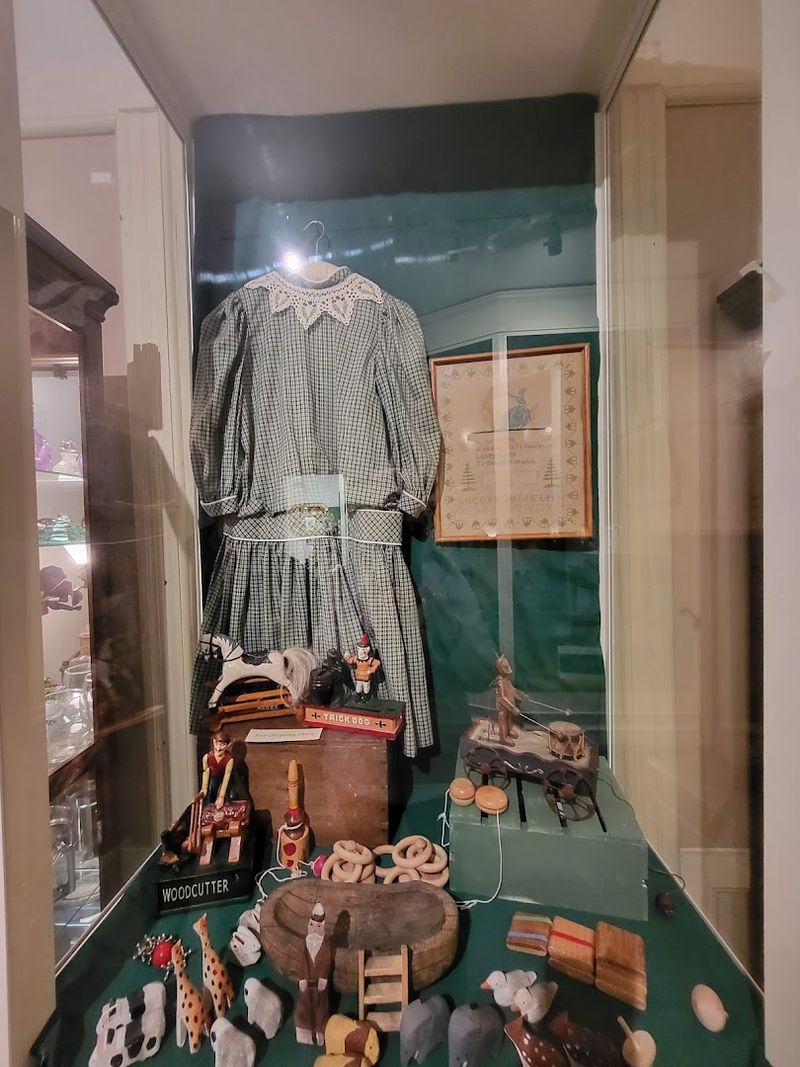
Right inside the estate, the gift shop at The Hermitage is one of those small surprises that ends up being a highlight of the visit. It carries a thoughtful selection of items connected to the history of the house, the region, and the broader themes of the museum.
History books, locally inspired gifts, and unique keepsakes make it a genuinely interesting place to browse.
Supporting the gift shop also supports the nonprofit organization that keeps the estate running. The Friends of the Hermitage, Inc. has operated the site since 1972, and every purchase helps fund restoration, maintenance, and programming.
Buying a book here feels more meaningful than it would at a chain store.
The selection tends to be curated rather than cluttered, which makes the browsing experience pleasant rather than overwhelming. Finding a small, meaningful souvenir from a place this historically rich feels satisfying in a way that airport gift shops never quite manage.
It is worth budgeting a few extra minutes at the end of the tour to look around properly.
Why The Hermitage Feels Like a Living Ghost Story
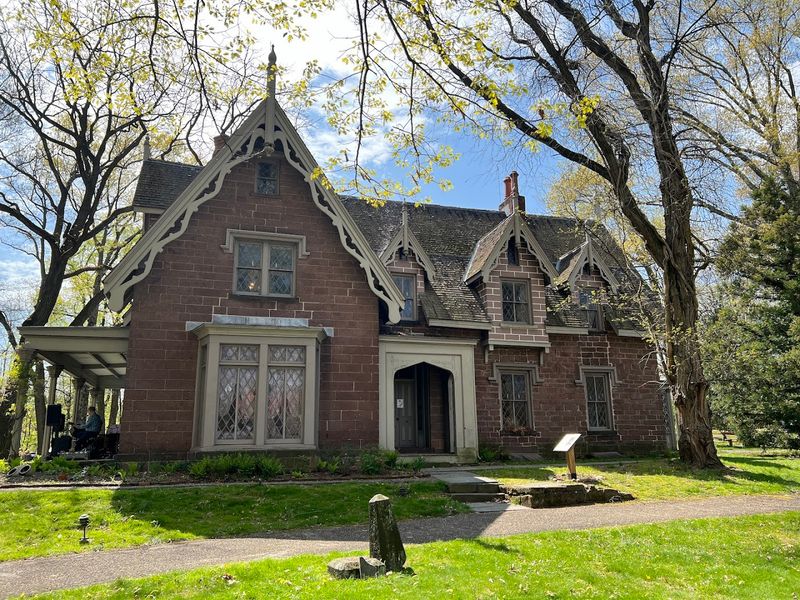
There is a quality to The Hermitage that is genuinely difficult to put into words. The pointed arches, the intricate trim, the original family belongings still arranged in the rooms, and the weight of centuries of history all combine into something that feels more like atmosphere than mere architecture.
It is the kind of place that stays with you after you leave.
Former visitors recall childhood memories of finding the house so unsettling they would run past it on the way to school. That reaction makes complete sense.
The building has a theatrical presence that goes beyond its physical dimensions. It seems to hold stories inside its walls the way old wood holds moisture.
But the ghost story quality here is not about fear. It is about depth.
Every room whispers about the lives that unfolded within it. Every artifact carries a history that predates living memory.
Visiting feels less like touring a museum and more like being allowed, briefly, into a world that has been quietly continuing without you all along.
Address: 335 Franklin Turnpike, Ho-Ho-Kus, NJ
