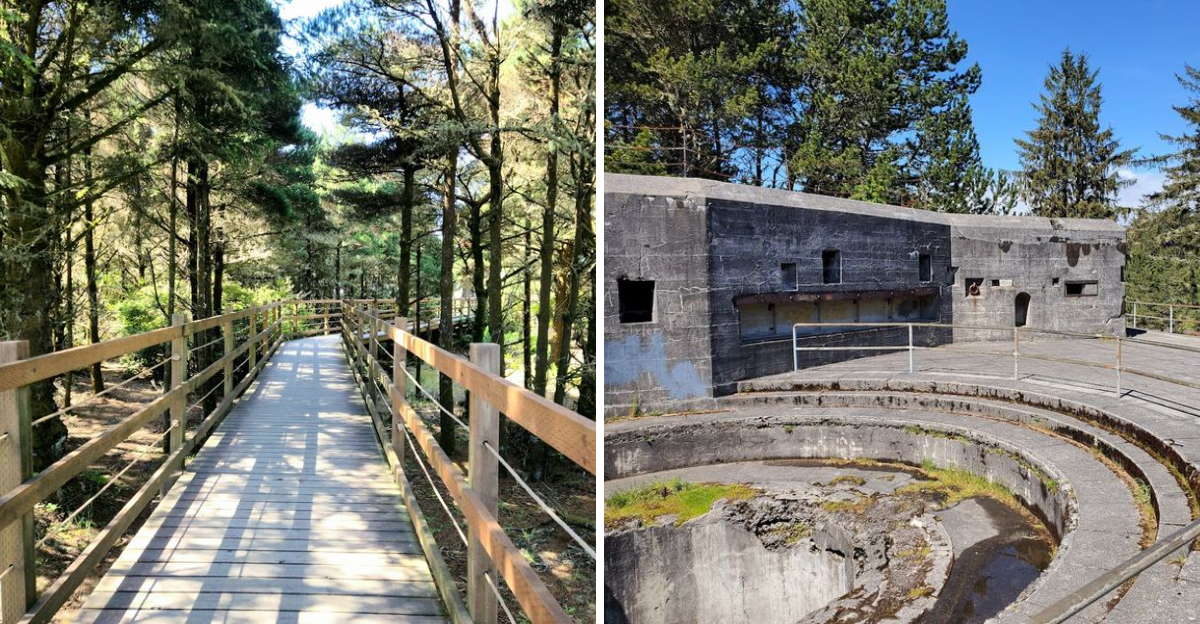
A fog-draped stretch of Oregon’s coast turns what should be a peaceful hike into something far more unsettling the moment you step onto the trail. Waves crash below, but it’s the silence between them that really gets under your skin.
I found myself glancing around more than usual, as if the landscape itself was quietly watching back. Old stories of hauntings cling to this place, and even if you don’t believe them, they have a way of settling into your thoughts.
Every bend in the path feels heavier than the last, like the air is carrying memories you can’t quite see. I kept moving just to keep the imagination from running wild.
Leaving felt less like finishing a hike and more like walking out of a story you’re not fully sure you escaped.
The Peter Iredale Shipwreck: Where the Ocean Claimed Its Prize
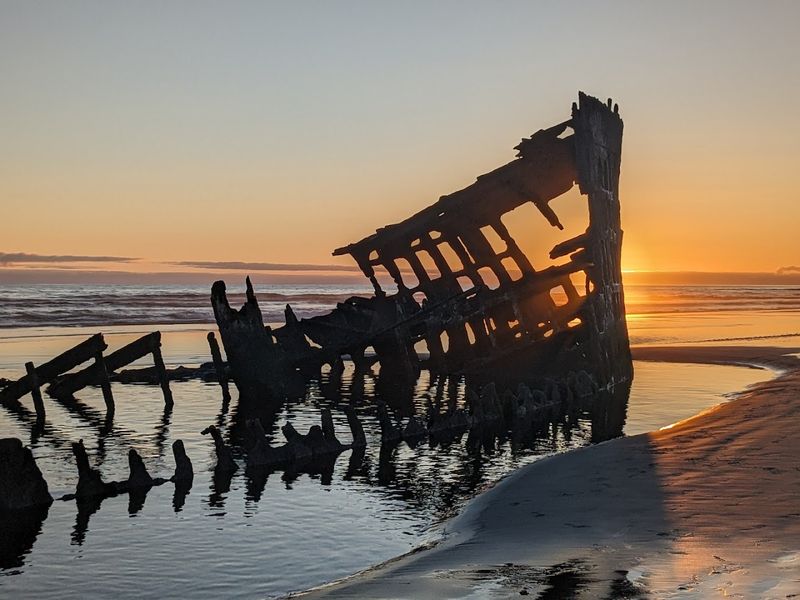
Few things stop you in your tracks the way a shipwreck does. The Peter Iredale ran aground in 1906, and its iron ribs still rise from the beach like something out of a ghost story.
Standing next to it feels surreal. The metal is warped and rusted, yet somehow still commanding.
At low tide, more of the skeleton appears. The sand around it turns dark, almost black, which makes the whole scene even more dramatic.
Visitors often gather quietly, just staring. Nobody really talks much here.
The wreck does all the speaking.
Catching it at the right tide makes a big difference. Morning visits hit differently, especially when the mist is still hanging over the water.
The light filters through in soft ways. Bring a camera.
No filter needed. The wreck sits near the park entrance off Peter Iredale Road, making it easy to find and impossible to forget.
It is the kind of place you keep thinking about for days.
Battery Russell: Bunkers Built for a War That Came Too Close
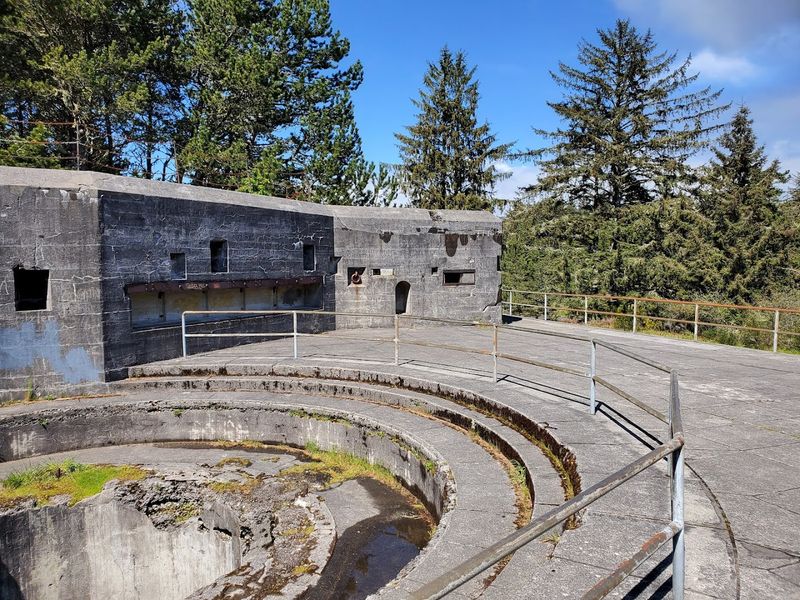
Battery Russell is the only military site on the US mainland to be fired upon by a foreign nation during World War II. A Japanese submarine shelled this very spot in 1942.
Walking through the old concrete bunkers now, that fact hits hard. The walls are thick, cold, and covered in moss.
The tunnels inside are dim and narrow. Sounds echo strangely.
Some visitors say they feel watched inside the battery, though that might just be the imagination running wild in dark spaces. The history here is real and heavy.
Kids and adults both find the bunkers fascinating. It is part military museum, part adventure playground.
Paved trails connect Battery Russell to other sites in the park, so exploring on foot or by bike is easy. The park even has bike rentals nearby.
Wear sturdy shoes because some surfaces are uneven. The battery is free to visit and open during regular park hours.
It is one of the most unique stops on the entire Oregon coast.
The Historic Fort Stevens Military Site: Layers of the Past
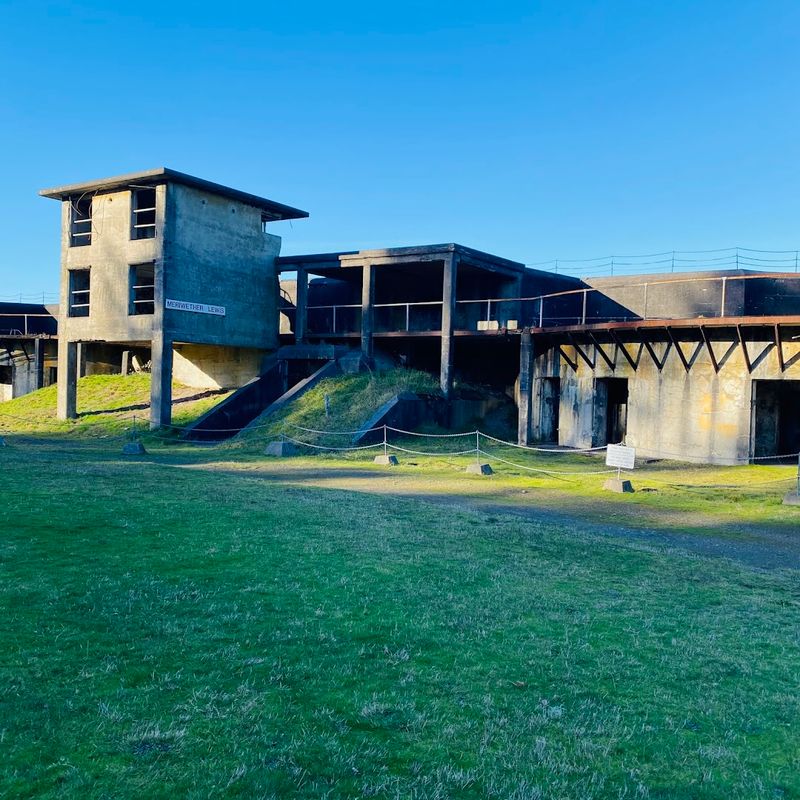
The military history at Fort Stevens stretches back to the Civil War era. The fort was built to protect the mouth of the Columbia River.
Layers of conflict, defense, and time have all left their marks on this land. Walking the grounds feels like flipping through a very old book.
The historic district has well-preserved structures and informative signs throughout. Rangers and staff are genuinely helpful and happy to answer questions.
Picking up a map at the ranger station before exploring is a smart move. The grounds are large and easy to get lost in, in the best way possible.
There is a palpable sense of solemnity here. Past soldiers trained, waited, and watched from these very positions.
The earthworks and old gun placements are still visible. Visiting on a grey, foggy morning makes the atmosphere even more intense.
The site is free to explore and sits within the larger state park boundary. History lovers will want to spend serious time here.
It never feels rushed or overcrowded.
The Haunted Trails Through Dense Forest: Not for the Faint-Hearted
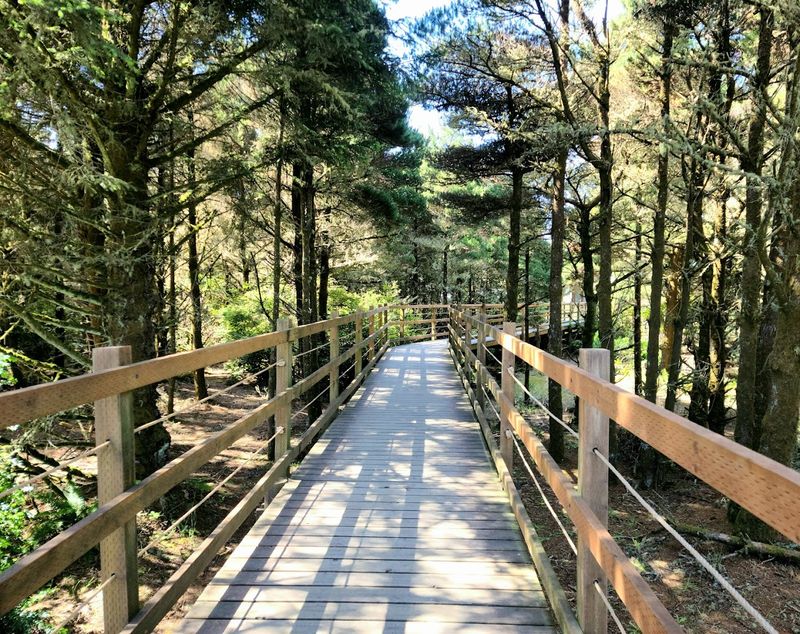
The wooded trails in the northern section of Fort Stevens are genuinely unsettling after dark. Even during the day, the canopy is so thick that sunlight barely reaches the ground.
The trees are tall and draped in moss. The silence between footsteps feels intentional.
Hikers have reported strange sounds and an odd sense of being followed on some of the quieter paths. No confirmed ghost sightings, but the atmosphere alone is enough to quicken your pulse.
The trails are well-maintained and clearly marked, which is reassuring when the fog rolls in.
The network of trails is extensive. Some paths weave through wetlands, cross small bridges, and pass under tunnels.
Each section of trail has its own personality. The wooded stretches feel ancient and untouched.
Going solo in the early morning is a particular kind of brave. Bring a trail map from the ranger station.
Cell signal is weak in many areas, so do not rely on your phone for navigation. The forest will humble you in the most wonderful way.
The Dark Sand Beaches: Strange Beauty Along the Columbia River
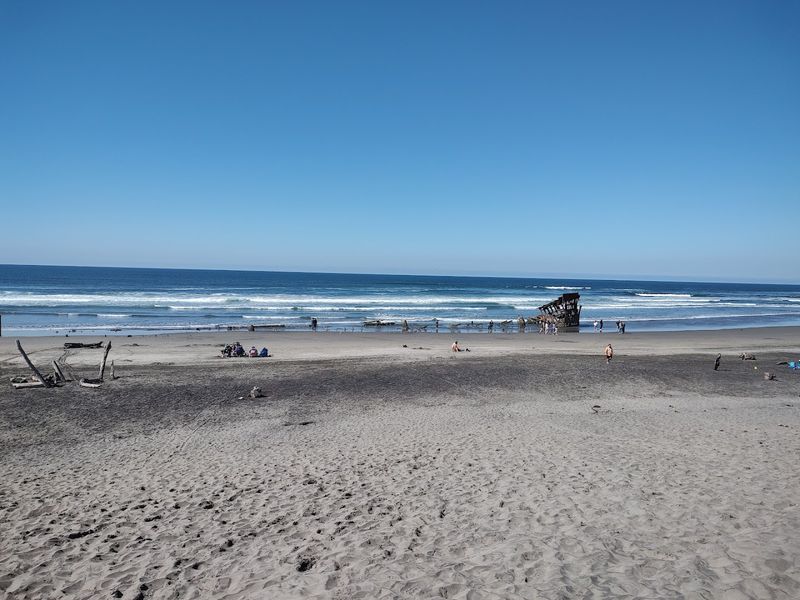
The beaches at Fort Stevens are not your typical golden-sand postcard scene. The sand here runs dark, almost charcoal in certain light.
It sparkles faintly when the sun breaks through the clouds. The effect is striking and a little otherworldly.
Walking along the shoreline near the mouth of the Columbia River, the scale of everything feels immense. The river meets the Pacific Ocean right here.
The wind can be strong and the waves unpredictable. Staying aware of the surf is important, especially with kids nearby.
During summer months, whale sightings from the beach have been reported by visitors. Elk have also been spotted wandering near the dunes.
The beach stretches far enough that finding a quiet spot is always possible. Driving vehicles is permitted on certain sections of the beach, which adds a unique element to the visit.
Sunrise and sunset light transform the dark sand into something almost magical. Pack layers because coastal temperatures shift fast.
The beach here earns its reputation as one of the most memorable on the entire Oregon coast.
Elk Sightings on the Trail: Wild Encounters You Will Not Forget
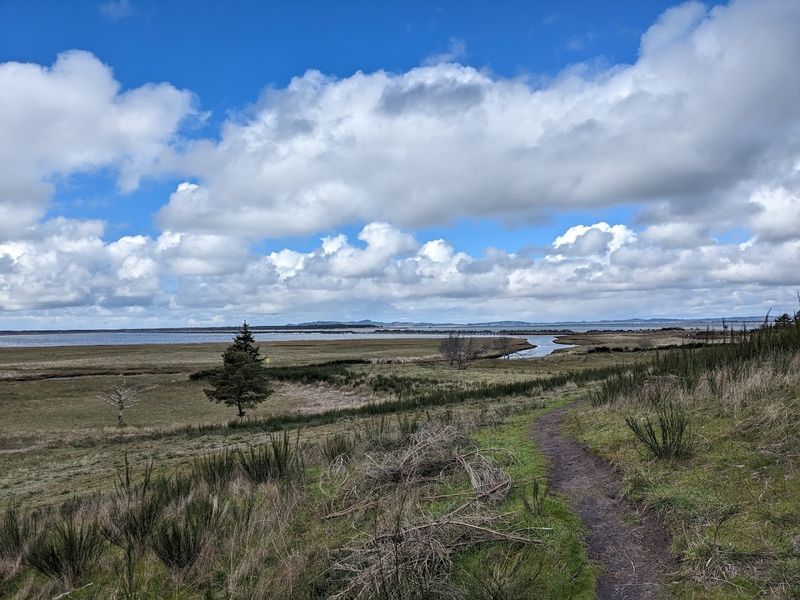
Rounding a trail bend and suddenly facing a herd of elk is not something you plan for. It just happens at Fort Stevens, and it is absolutely breathtaking.
A large herd roams the park regularly. Spotting them near the tree line in the early morning is a genuine thrill.
Keeping a safe distance is non-negotiable. Elk are powerful, wild animals.
They can move fast and react unpredictably if they feel threatened. Watching quietly from a distance is the right call.
Binoculars make the experience even better without disturbing the animals.
The park staff actively reminds visitors about elk safety. Signs are posted throughout the area.
Respecting the wildlife is part of what keeps Fort Stevens special for everyone who visits. The elk seem almost indifferent to human presence when given proper space.
Watching a massive bull elk stand motionless in the morning mist is something that does not leave your memory quickly. These encounters feel like gifts from the park itself.
Stay calm, stay back, and just absorb the moment fully.
Biking the Paved Trails: The Fastest Way to Feel the Park’s Energy
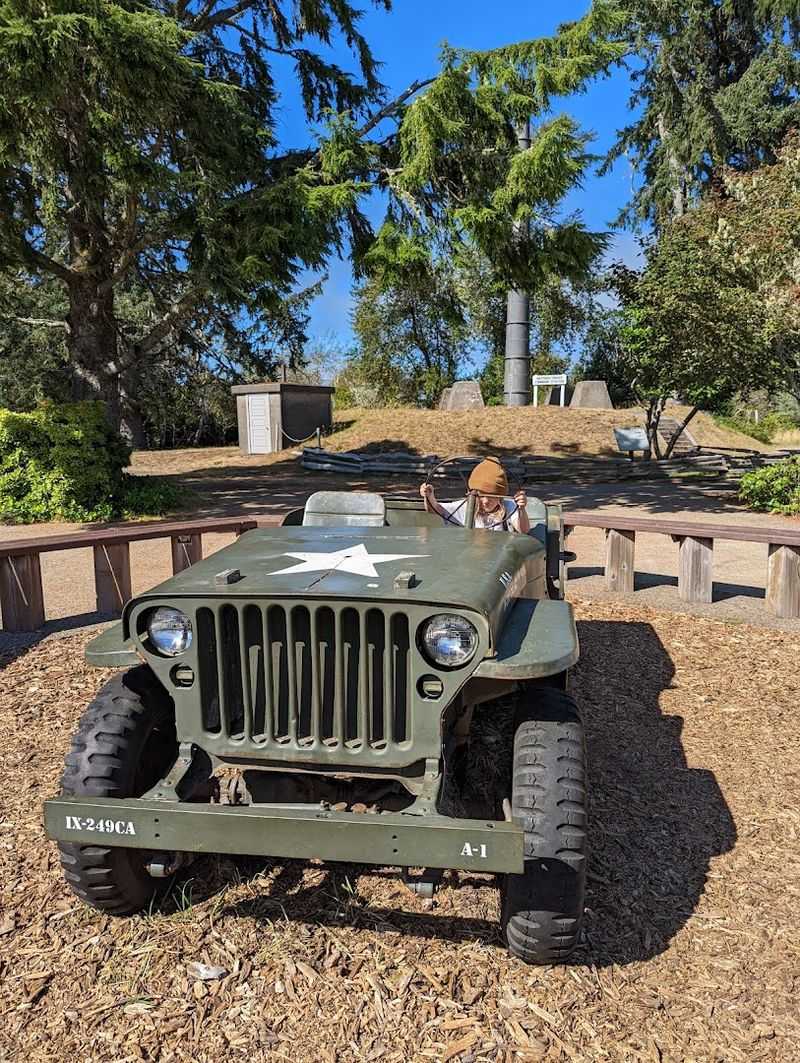
Fort Stevens has one of the most impressive paved trail systems of any state park in Oregon. The trails wind through dense woods, cross bridges, and pass wetlands.
Riding through the park by bike is genuinely fun and surprisingly fast. The layout makes it easy to hit multiple historic sites in a single ride.
Bike rentals are available right across from the visitor center. The staff there are friendly and loaded with useful park information.
Grabbing a trail map before heading out is a great habit. The tunnels along the bike route add a slightly spooky element to the ride.
Families with kids find the biking trails especially enjoyable. The paved surfaces are smooth and accessible.
Dogs on leashes are welcome at most sites, which makes the trip pet-friendly too. Weekend mornings tend to be busier, so an early start gives you more trail to yourself.
The sound of wind through the trees while pedaling is a small joy worth chasing. Fort Stevens rewards those who move through it slowly and curiously.
Camping Under the Stars: Spending the Night Where History Sleeps
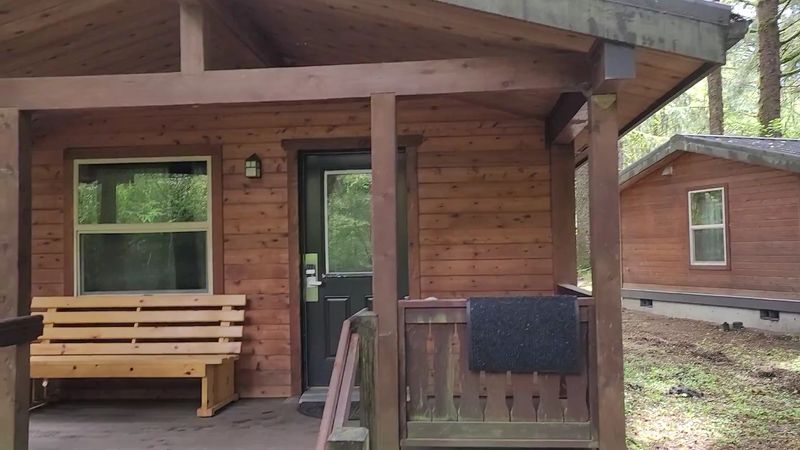
Spending the night at Fort Stevens hits differently than a day visit. Once the day-trippers leave and the park quiets down, the atmosphere changes completely.
The woods feel closer. Every sound becomes sharper.
It is the kind of camping that reminds you why people love being outdoors.
The campground offers yurts, tent sites, and RV hookups. The yurts are cozy and comfortable, a good option if tent camping feels like too much.
Reservations fill up fast, sometimes a full year in advance. Planning ahead is essential for anyone hoping to stay here.
Waking up to birdsong and cool coastal air is a simple pleasure that never gets old. The beach is a short drive or a thirty-minute walk from the campground.
Morning hikes before the park fills with visitors have a special quality. The staff keep the facilities clean and the grounds well-maintained.
Cell signal is limited in places, which honestly feels like a bonus. Disconnecting for a night inside this historic, forest-wrapped park is a genuinely restorative experience worth every bit of planning.
Mushroom Picking and Nature Walks: Slower Magic in the Woods
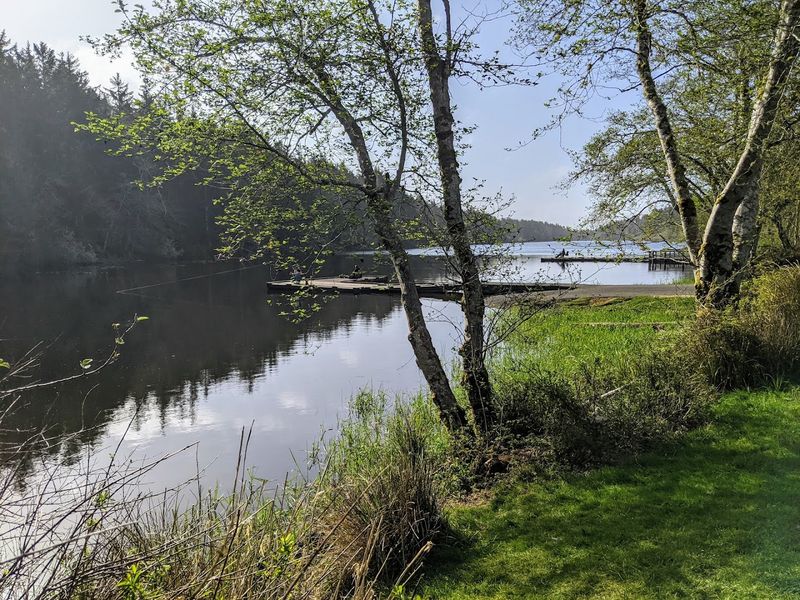
Not every visit to Fort Stevens has to involve bunkers or shipwrecks. The wooded sections of the park are rich with quiet, slow discoveries.
Mushroom picking is one of the more unexpected joys here. Foragers with some knowledge of local fungi find the forest floor surprisingly generous.
The northern half of the park is densely wooded and feels almost primordial. Walking slowly through it with no particular destination is oddly calming.
Ferns crowd the path edges. The smell of damp earth and pine is constant and grounding.
Nature walks here reveal details that faster visitors miss entirely. Tiny wildflowers between trail stones.
Lichen patterns on fallen logs. A sudden clearing where light drops in like a spotlight.
These small moments stack up into something memorable. The park office hands out information on what is permitted to pick and what must be left alone.
Following those guidelines keeps the ecosystem healthy. Fort Stevens rewards patient visitors with a kind of beauty that feels personal and unhurried.
Slow down and the forest gives more than expected.
South Jetty and Coastal Views: Where the River Meets the Sea
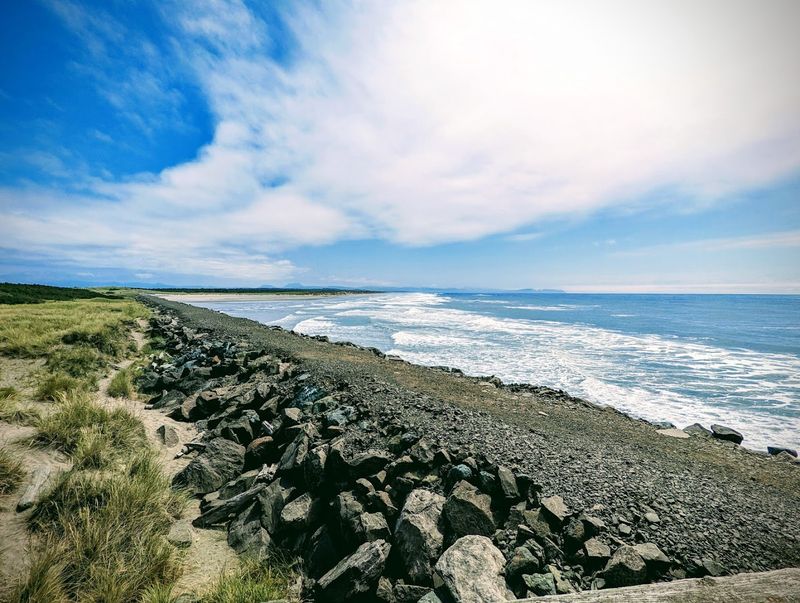
Standing at the South Jetty at Fort Stevens, the sheer power of the place is undeniable. The Columbia River pours into the Pacific Ocean right here.
The water churns and the wind pushes hard. It is not a gentle spot.
It is raw and honest and completely alive.
The jetty itself offers some of the best views in the entire park. Whale sightings happen here too, especially during migration season.
Birdwatchers find the area rewarding throughout the year. Binoculars are worth carrying for this stop specifically.
Part of the jetty road has been under renovation, so checking current park conditions before visiting is a smart move. Sunset from the jetty is a full sensory event.
The sky turns colors that feel almost too vivid to be real. The sound of the ocean competing with the river creates a constant, layered roar.
Even on cloudy days, the view commands attention. Fort Stevens State Park sits at 1675 Peter Iredale Rd, Hammond, OR 97121.
Dear Reader: This page may contain affiliate links which may earn a commission if you click through and make a purchase. Our independent journalism is not influenced by any advertiser or commercial initiative unless it is clearly marked as sponsored content. As travel products change, please be sure to reconfirm all details and stay up to date with current events to ensure a safe and successful trip.
