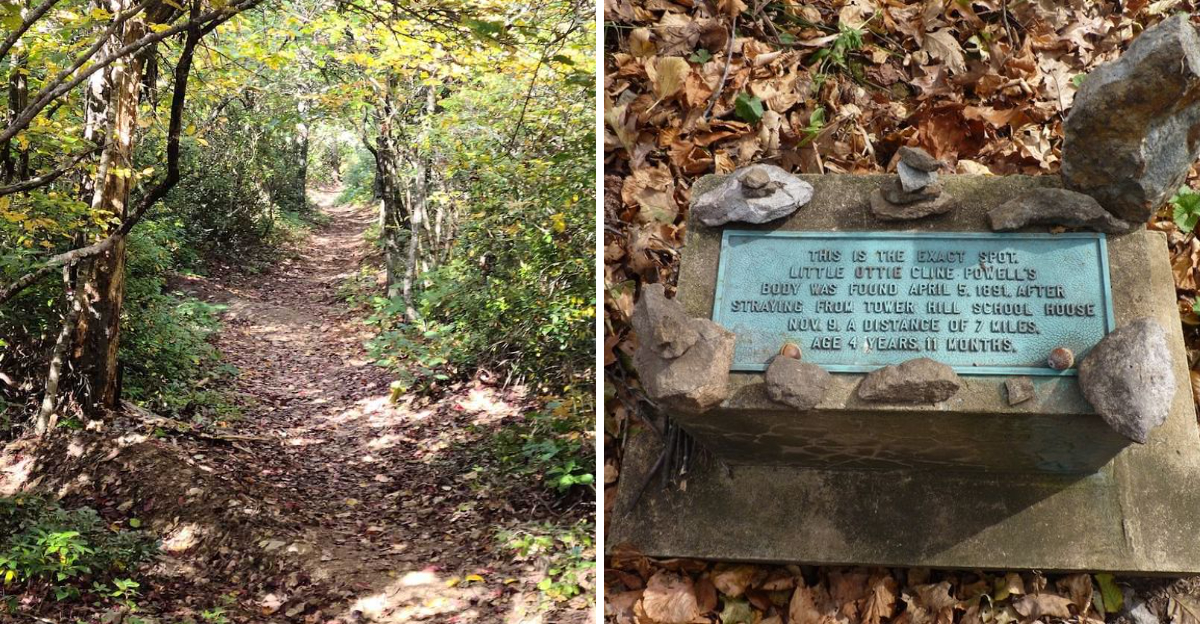
Some trails offer stunning views and peaceful solitude. Others carry a weight that no map can prepare you for.
Deep in the heart of Virginia, tucked inside the George Washington National Forest, one particular mountain path has earned a reputation that sends chills down the spines of even the most seasoned hikers. Locals whisper about it, paranormal enthusiasts seek it out, and first-timers rarely forget the feeling of standing at the summit, suddenly aware that something about this place is profoundly, unmistakably different.
Is it the history? The isolation?
Or something else entirely? Pack your boots, steel your nerves, and get ready for the most unforgettable hike Virginia has to offer.
The Legend That Started It All: Ottie Cline Powell
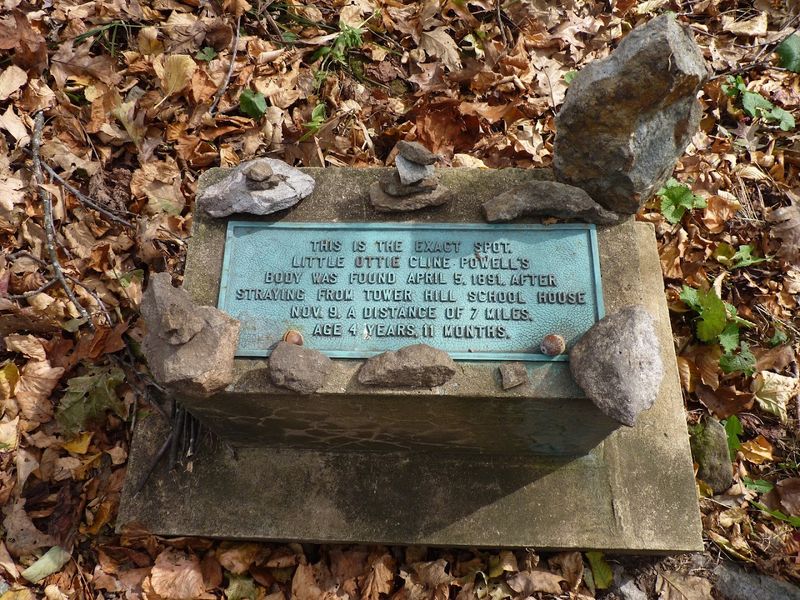
Few stories in Virginia hiking lore hit as hard as the one that gave Bluff Mountain its haunted reputation. Back in November 1891, a four-year-old boy named Ottie Cline Powell wandered away from his schoolhouse while gathering firewood during recess.
Despite a massive search effort that gripped the surrounding community, little Ottie was never found alive.
Months later, in April 1892, his small body was discovered near the summit of Bluff Mountain, miles from where he had last been seen. The distance was staggering for a child so young, and to this day, nobody fully understands how he got there.
A bronze memorial plaque now marks the spot where Ottie was found, and it remains one of the most emotionally striking landmarks on the entire Appalachian Trail. Standing beside it feels genuinely heavy.
The forest around the summit grows quiet in a way that feels intentional, almost respectful. Many hikers leave small tokens or flowers at the plaque, turning the summit into an informal memorial.
That single story transforms this trail from a pleasant nature walk into something far more meaningful and deeply moving.
A Trail With Serious Appalachian Trail Credentials
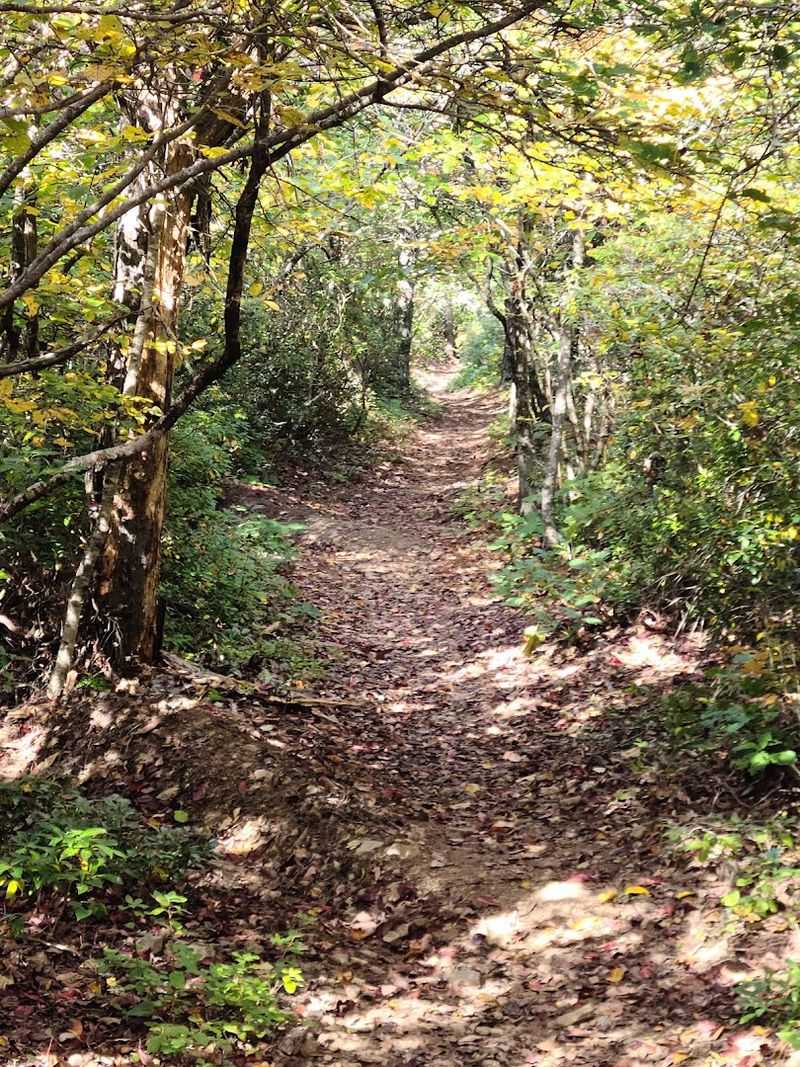
Bluff Mountain is not some obscure dirt path known only to locals with topographic maps. This trail runs directly along the Appalachian Trail, one of the most iconic long-distance hiking routes in the entire country.
That gives it an immediate credibility that casual hikers and serious backpackers both appreciate.
The route is a moderate out-and-back hike, roughly four miles round trip, with an elevation gain that keeps your legs honest without destroying your spirit. The climb is steady and occasionally steep, rewarding persistence with increasingly dramatic forest scenery along the way.
Virginia is one of the longest states on the Appalachian Trail, and this particular stretch through the George Washington National Forest showcases everything that makes the state such a beloved destination for outdoor enthusiasts. Tall hardwoods line the path, seasonal wildflowers dot the trailside, and the canopy shifts beautifully with each passing season.
Hikers who time their visit for peak autumn foliage are treated to a fiery display of reds, oranges, and golds that almost makes you forget the ghost stories. Almost.
The Summit Views Are Absolutely Worth the Climb
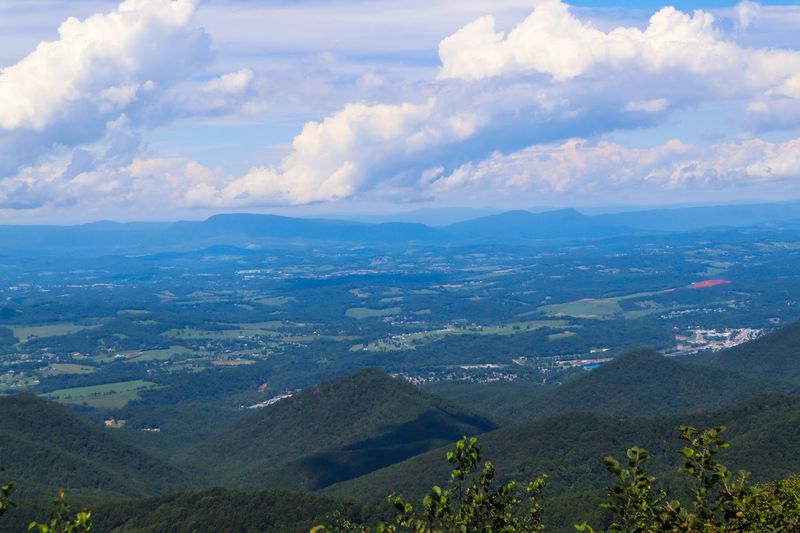
All the spooky history aside, Bluff Mountain delivers genuinely spectacular scenery at the top. The summit opens up into sweeping panoramic views of the Blue Ridge Mountains, offering one of those rare moments where you stop mid-breath and just stare.
On clear days, the ridgelines stack up in layers of blue and green, fading into the horizon like a watercolor painting. The George Washington National Forest stretches out in every direction, a vast, unbroken sea of trees that reminds you just how wild and untamed Virginia still is in its most remote corners.
Autumn is arguably the best season to make the climb. The canopy transforms into a blazing tapestry of color, and the cooler temperatures make the uphill sections much more manageable.
Spring brings a softer beauty, with fresh green growth and the occasional wildflower tucked along the trail edges. Summer hikers should start early to beat the heat.
No matter the season, reaching that summit feels like a genuine accomplishment, and the view is the kind that earns a long, satisfied pause before heading back down.
Punchbowl Shelter: Where the Creepiness Gets Real
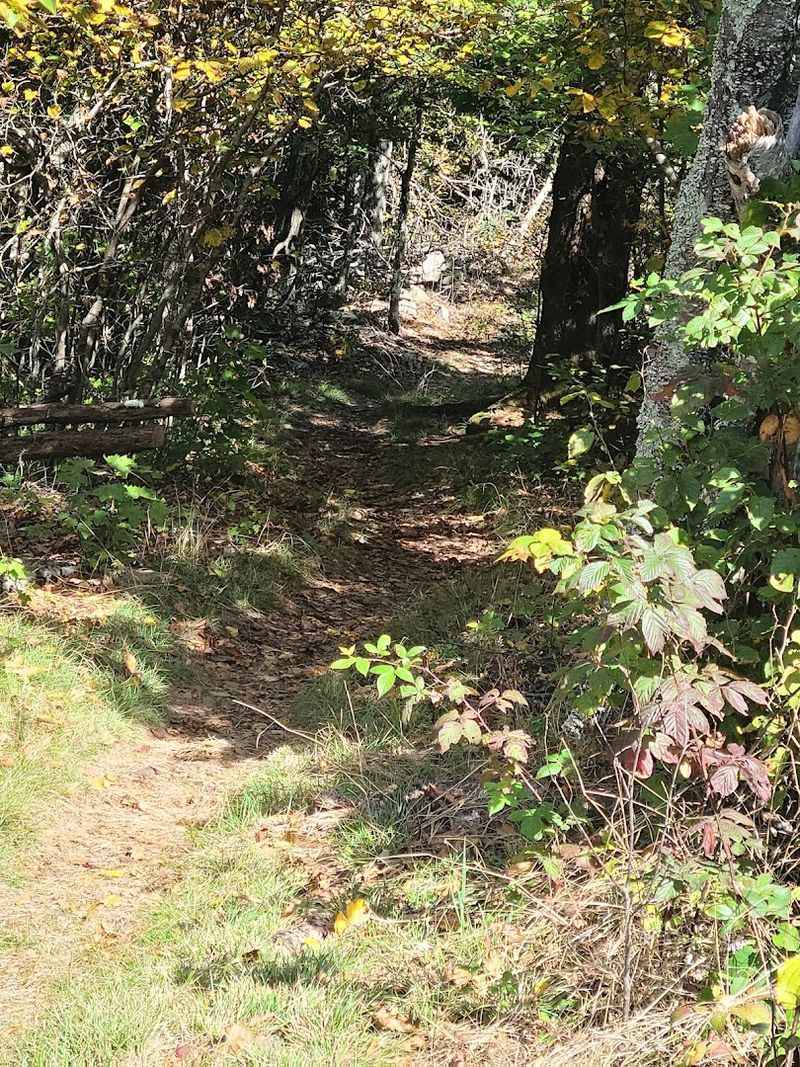
Before you even reach the summit of Bluff Mountain, the trail passes near the Punchbowl Shelter, a classic Appalachian Trail three-sided wooden lean-to nestled in the forest. On paper, it is a practical rest stop for long-distance hikers.
In practice, it has become one of the most talked-about eerie spots on this stretch of trail.
Multiple accounts over the years describe hikers sheltering here during storms and noticing something unsettling. A small figure crouched in the corner.
Sounds that do not match the wind. A presence that feels distinctly childlike and deeply out of place.
Skeptics dismiss these reports as tired imaginations playing tricks after long miles on the trail.
Still, the shelter carries a certain atmosphere that is hard to shake even in broad daylight. The surrounding trees press in closely, the light filters in at odd angles, and the silence between gusts of wind can feel almost theatrical.
Spending a night here requires either exceptional bravery or a complete disregard for local ghost lore. Most day hikers pick up their pace and move on quickly, which honestly seems like the sensible choice.
Strange Sounds and Unexplained Phenomena on the Trail
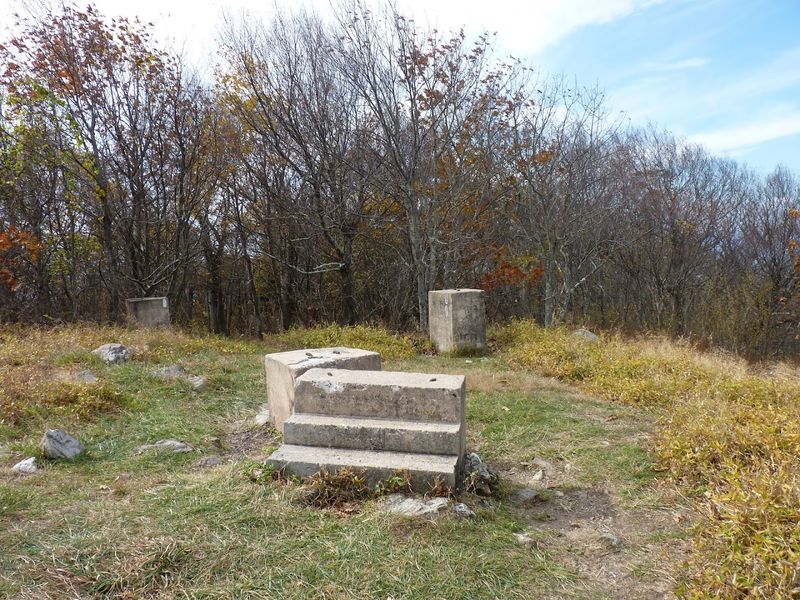
One of the most consistently reported experiences on Bluff Mountain involves sound. Hikers describe hearing things that have no obvious natural explanation, particularly in the upper sections of the trail near the summit.
Soft crying. A child’s voice calling out from somewhere just off the path.
Footsteps that do not belong to anyone in the hiking party.
Temperature drops are another frequently mentioned phenomenon. Even on warm days, certain sections of the trail feel noticeably colder than the surrounding air, the kind of chill that raises the hair on your arms before your brain has fully registered the change.
Virginia has no shortage of haunted locations, from colonial-era battlefields to old plantation estates. But there is something particularly raw about a haunted trail in the middle of a national forest, far from any town or streetlight.
The wilderness amplifies everything. Every snapped twig, every shifting shadow, every unexplained rustle in the underbrush takes on extra weight when you know the story of Ottie Powell.
Your imagination becomes the scariest thing on the mountain, and the forest is more than happy to play along.
How to Get There Without Getting Lost
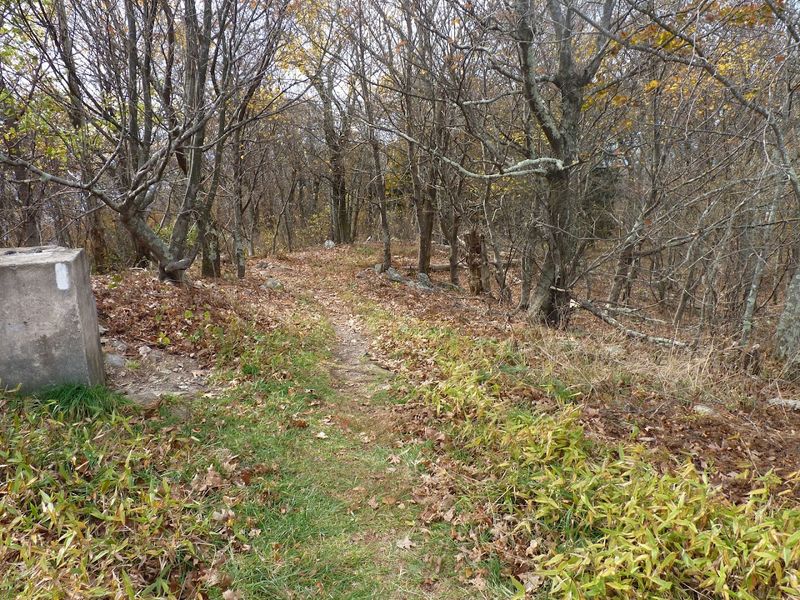
Finding Bluff Mountain requires a bit of planning, but the drive itself is part of the experience. The trailhead is accessible via the Blue Ridge Parkway, one of the most scenic drives in all of Virginia.
The approach alone is worth savoring, with the parkway winding through forested ridges and offering occasional overlooks that hint at the landscapes waiting ahead.
From Lexington, head east on Washington Street, then turn onto East Nelson Street, which becomes US-60. Continue through Buena Vista and connect with the Blue Ridge Parkway.
Drive roughly five and a half miles along the parkway to reach the parking area near milepost 51.7. The trailhead is well-marked from there.
Cell service gets spotty once you are deep in the George Washington National Forest, so download offline maps before you leave. Arriving early is strongly recommended, especially on weekends when parking fills up faster than you might expect.
The lot is modest, and latecomers sometimes have to improvise. A physical trail map tucked in your pack is never a bad idea out here.
Old-school navigation suddenly feels very relevant when your phone signal disappears entirely.
What to Pack for a Haunted Mountain Hike
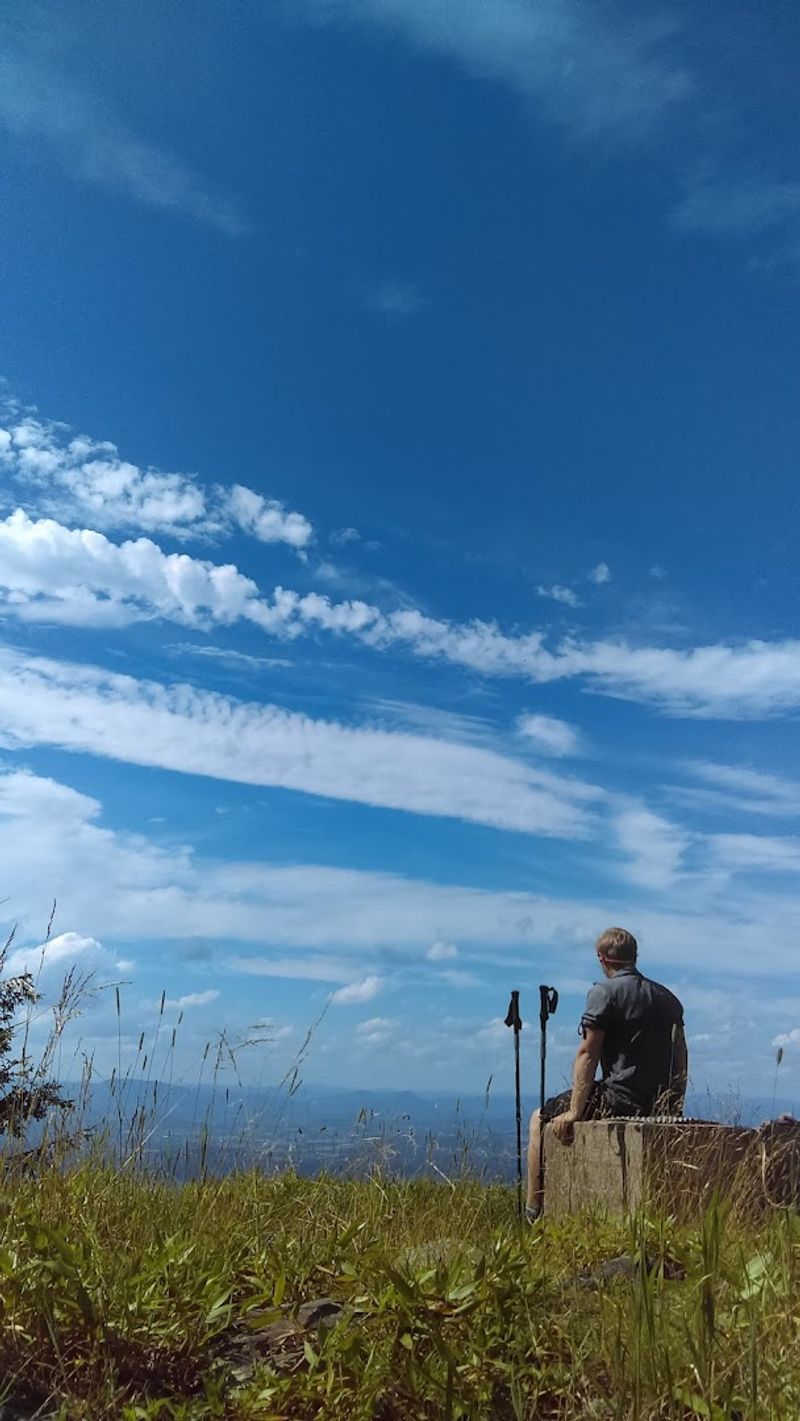
Preparation makes the difference between a great hike and a miserable one, and Bluff Mountain has enough natural challenges to humble even confident hikers. The elevation gain is real, the terrain includes some rocky and uneven sections, and the weather in the George Washington National Forest can shift surprisingly fast.
Sturdy hiking boots with ankle support are non-negotiable. The trail surface varies from packed dirt to loose rock, and a rolled ankle halfway up is nobody’s idea of adventure.
Trekking poles help significantly on the steeper sections, both going up and coming down.
Carry more water than you think you need. There are no reliable water sources along the trail, and dehydration sneaks up quickly during uphill sections.
A headlamp is smart even for day hikes, since clouds can roll in and the forest canopy darkens the trail faster than expected. Layers are essential in Virginia’s mountain climate, where temperatures can swing dramatically between the trailhead and summit.
And if you plan to linger at the memorial plaque or take your time with the views, a light jacket will feel like the best decision you made all day.
The Emotional Weight of the Memorial Plaque
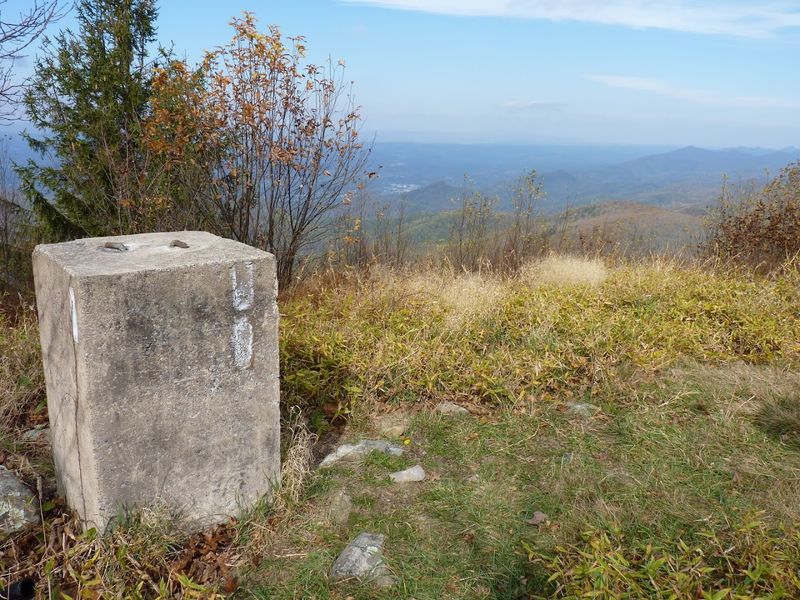
Arriving at the summit of Bluff Mountain and seeing the memorial plaque for Ottie Cline Powell is a genuinely moving experience. The plaque is simple and direct, marking the spot where the child was found and honoring his brief, tragic life.
It sits quietly among the trees, unpretentious and permanent.
Hikers often grow noticeably quieter as they approach it. Groups that were laughing and chatting on the way up tend to fall into a respectful silence at the top.
There is a collective recognition that this place carries real human sorrow, not just spooky folklore for entertainment purposes.
Many people leave small offerings at the base of the plaque: smooth stones, wildflowers, tiny toys. The accumulation of these gestures over the years creates something unexpectedly tender at the summit of what is otherwise a rugged mountain trail.
Virginia has many historical landmarks, but few feel quite this intimate or this quietly heartbreaking. Standing there, looking out at the Blue Ridge ridgelines stretching into the distance, it is easy to understand why this story has endured for well over a century and why it still resonates so deeply with everyone who makes the climb.
Best Times of Year to Hike Bluff Mountain
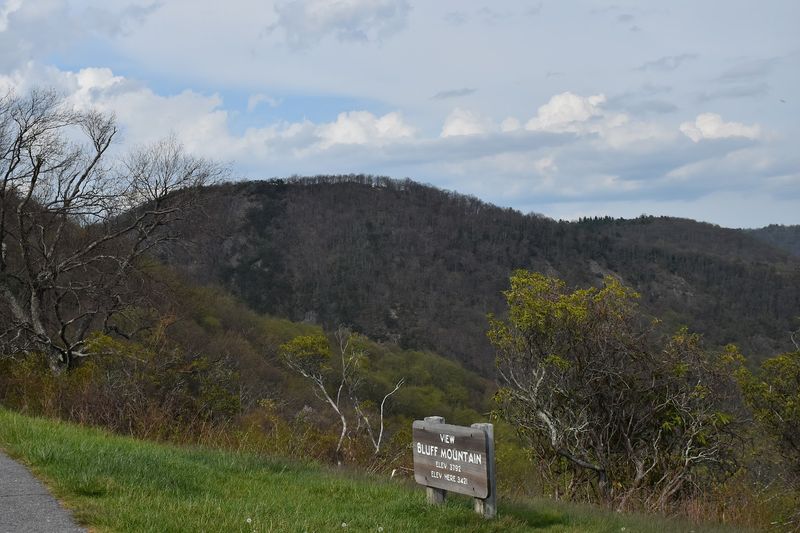
Timing your visit to Bluff Mountain can dramatically shape the whole experience. Each season brings its own personality to the trail, and none of them are bad choices, though some are decidedly more atmospheric than others.
Autumn is the undisputed champion. The foliage along the George Washington National Forest reaches peak color between mid-October and early November, turning the entire trail into a corridor of gold, crimson, and burnt orange.
The cooler air makes the climb comfortable, and the low-angle autumn light creates dramatic shadows that add to the trail’s already moody character.
Spring is a close second, offering fresh greenery, blooming trailside plants, and considerably fewer crowds than the fall rush. Summer hiking is perfectly doable but demands an early start to avoid afternoon heat and the occasional thunderstorm that rolls in without much warning.
Winter visits are for the bold and the well-prepared. Snow and ice transform the trail into a completely different challenge, and the bare trees open up views through the forest that simply do not exist in leafier seasons.
Every version of this mountain has its own particular magic.
Plan Your Visit: Location, Access, and Final Tips
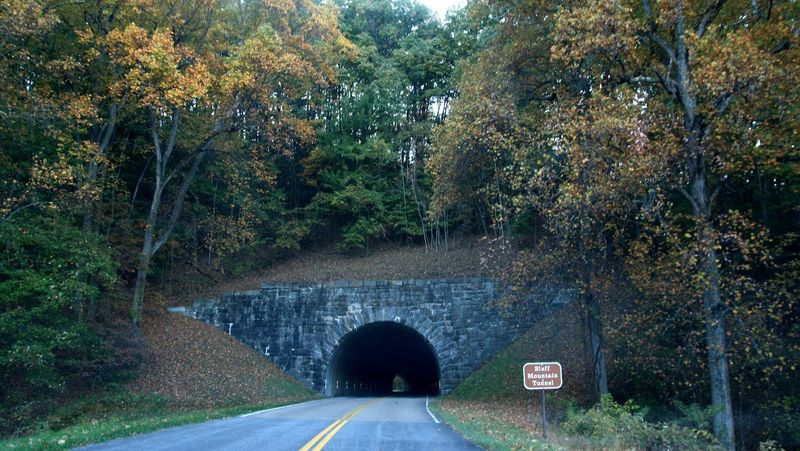
Bluff Mountain sits in Rockbridge County, Virginia, within the George Washington National Forest. The address associated with the trailhead area is Virginia 24574, and the parking area is located near Blue Ridge Parkway milepost 51.7.
No entry fee is required to hike the trail, which is maintained as part of the Appalachian Trail corridor.
The hike is classified as moderate, making it accessible to most reasonably fit hikers. That said, do not underestimate the elevation gain.
Take your time on the ascent, pace yourself on the steeper switchbacks, and save some energy for the return trip downhill, which puts different demands on your knees and ankles.
Hiking during daylight hours is strongly recommended. The forest gets genuinely dark quickly after sunset, and navigating rocky terrain by headlamp while thinking about ghost stories is an experience most people regret.
Stick to marked paths, leave no trace, and be respectful at the Ottie Powell memorial. Virginia’s outdoor spaces thrive because the people who use them treat them well.
This mountain has carried its story for generations, and every hiker who visits becomes part of that ongoing history. Respect it, enjoy it, and maybe bring a friend or two along for moral support.
Dear Reader: This page may contain affiliate links which may earn a commission if you click through and make a purchase. Our independent journalism is not influenced by any advertiser or commercial initiative unless it is clearly marked as sponsored content. As travel products change, please be sure to reconfirm all details and stay up to date with current events to ensure a safe and successful trip.
