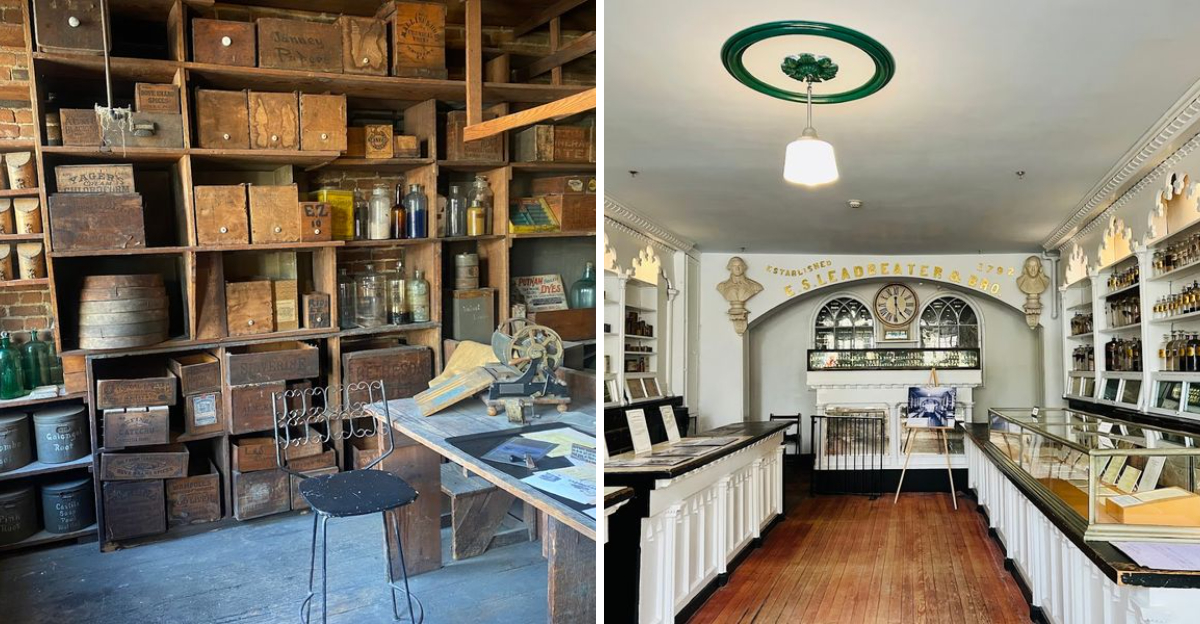
Some places in Virginia carry stories that go far beyond what any history textbook could ever capture. Tucked along the cobblestone streets of Old Town Alexandria sits a building that feels like time simply forgot to keep moving.
Dusty glass bottles, mysterious herbal powders, and the faint echo of footsteps that nobody can explain await you inside. If you think old pharmacies are boring, this one is about to completely change your mind.
A Building Frozen in Time
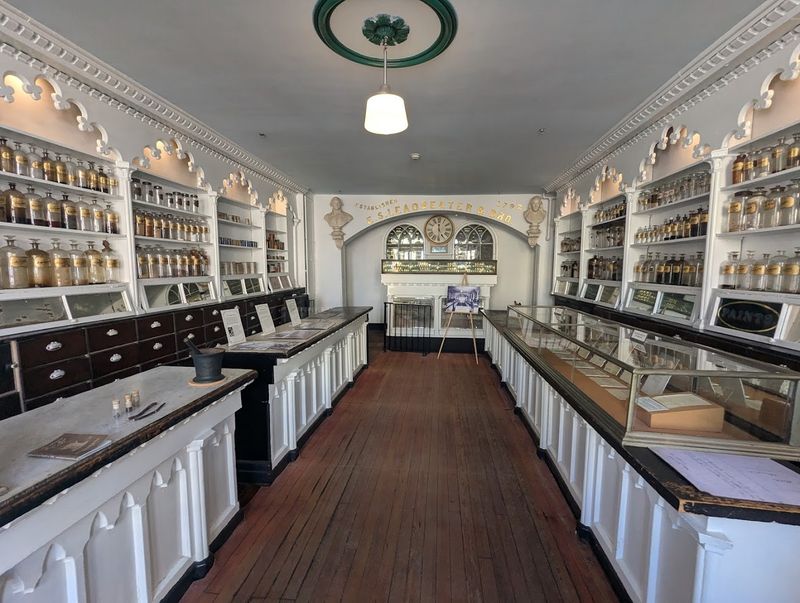
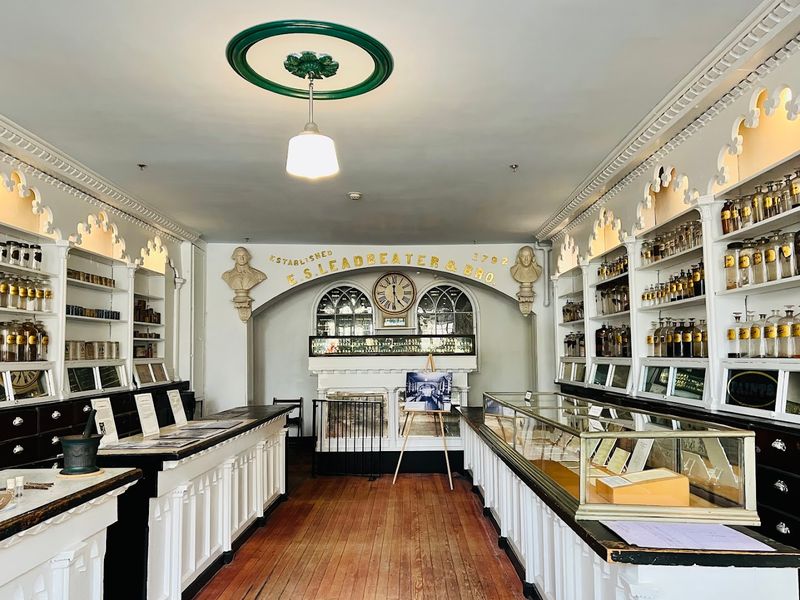
Walking up to the Stabler-Leadbeater Apothecary Museum for the first time feels like stepping through a portal. The building sits quietly on South Fairfax Street in Old Town Alexandria, looking almost exactly as it did when it was still an operating pharmacy.
Nothing about the exterior screams “museum” in a flashy, modern way. It simply stands there, patient and proud, daring you to come closer.
Virginia has no shortage of historical landmarks, but this one carries a particular kind of magic. The original wooden shelving, hand-painted labels, and antique fixtures are all still in place.
No dramatic renovations. No sleek modern updates.
Just raw, unfiltered history preserved with extraordinary care.
The shop operated continuously for over a century before finally closing its doors in the early twentieth century. After closing, the owners recognized how rare and valuable the untouched interior was, so they worked to preserve everything exactly as it stood.
That decision turned an ordinary apothecary into one of the most remarkable time capsules in the entire country. Old Town Alexandria honestly could not have a more fitting treasure sitting right at its heart.
The Jaw-Dropping Bottle Collection
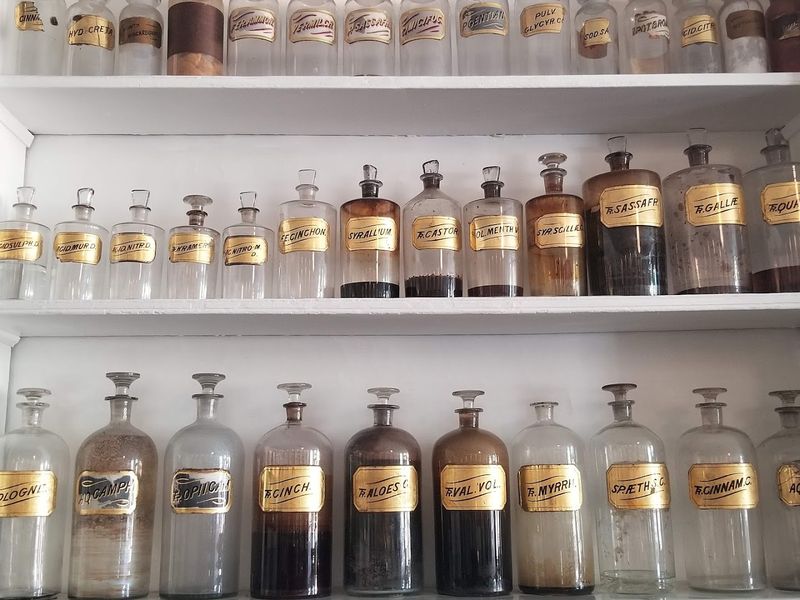
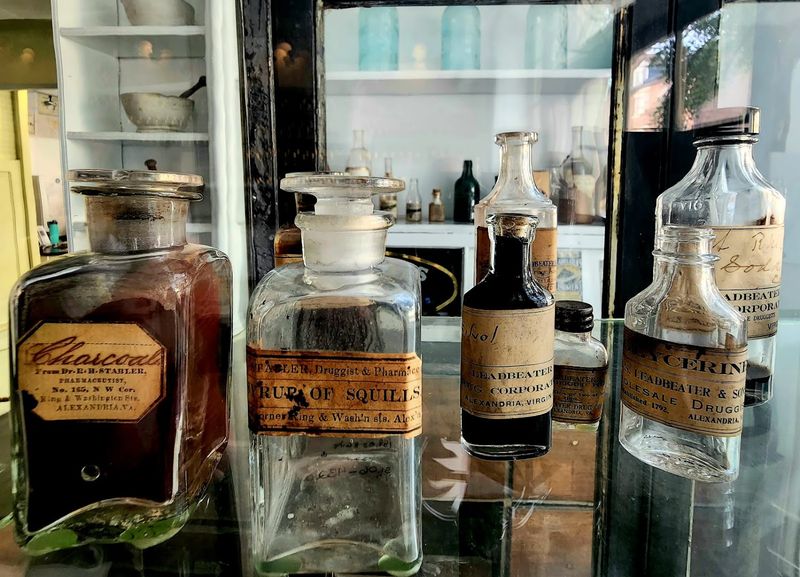
Prepare yourself, because the bottle collection inside the Stabler-Leadbeater Apothecary Museum is something truly extraordinary. Hundreds of hand-blown glass bottles line the original wooden shelves from floor to ceiling, each one containing remnants of herbs, powders, and tinctures that date back well over a century.
The colors alone are stunning, ranging from deep cobalt blues to rich amber greens.
Many of the original contents are still sealed inside. That detail alone makes this collection unlike anything most people have ever seen in a museum setting.
Curators have carefully documented each bottle, and the sheer variety of ingredients reflects just how creative and sometimes alarming early American medicine truly was.
Some substances that were once considered perfectly acceptable remedies are now recognized as toxic or even deadly. That contrast between past confidence and modern knowledge makes browsing the shelves genuinely fascinating.
Every bottle tells a small story about what people believed, what they feared, and how desperately they wanted to heal. Virginia holds many historical collections worth admiring, but very few match the visual drama and educational depth packed into this single, spectacular room of glass.
The Infamous Poison Tour
If the standard museum tour leaves you wanting more, the special poison tour will absolutely deliver. This guided experience zeroes in on the substances that were once prescribed as cures but are now classified as dangerous poisons.
It is equal parts horrifying and completely captivating, and it has quickly become one of the most talked-about experiences in all of Old Town Alexandria.
Arsenic, mercury compounds, and various toxic botanicals were all part of the regular apothecary inventory back in the day. Doctors and pharmacists genuinely believed these substances could heal people, and the museum does a brilliant job explaining the medical logic, however flawed, behind each one.
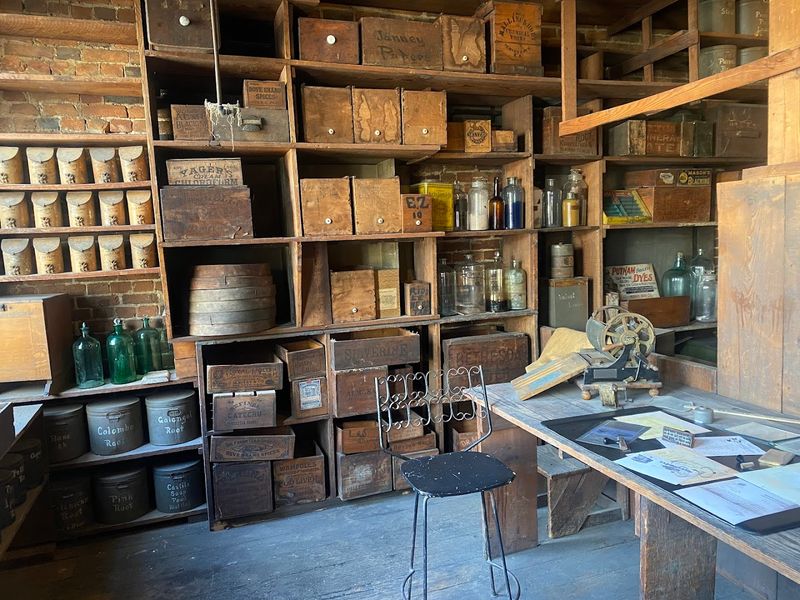
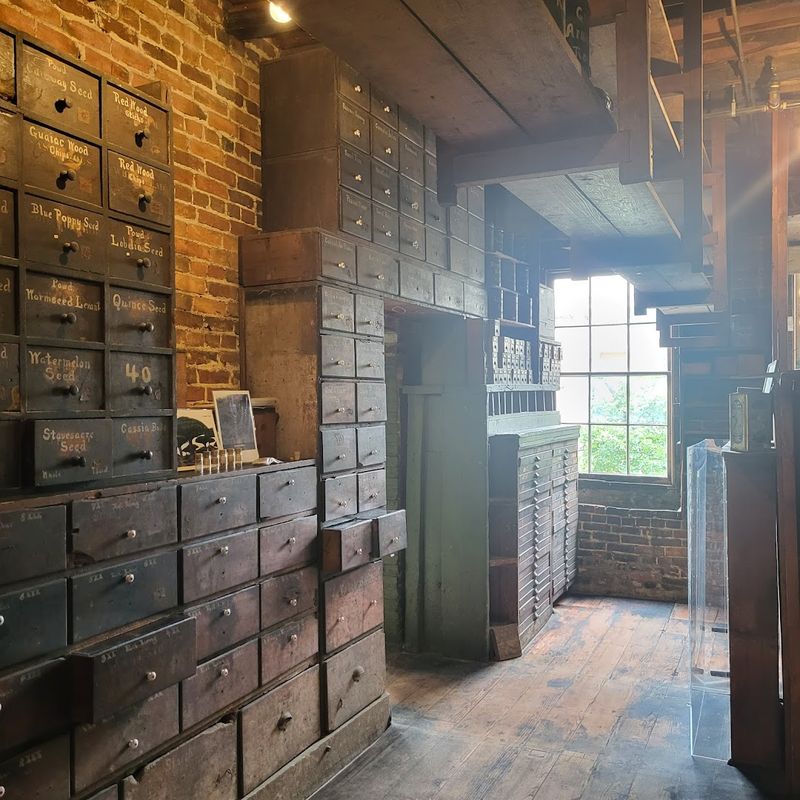
The upstairs storage and laboratory area, which is only accessible on guided tours, contains original ingredients and tools that have sat untouched for generations.
Standing in that upstairs room feels genuinely eerie. The wooden bins still hold their original contents.
The air feels thick with history. More than a few people have walked out of that room looking a little pale, and not just because of the lighting.
If you only do one thing at the Stabler-Leadbeater Apothecary Museum, make it this tour. You will not regret it, probably.
Martha Washington’s Famous Letter
Few artifacts in any museum carry the kind of star power that a handwritten letter from Martha Washington delivers. The Stabler-Leadbeater Apothecary Museum holds exactly that, a genuine correspondence from Martha Washington herself ordering supplies from the shop.
Seeing it in person produces a very specific kind of historical vertigo that is hard to describe but impossible to forget.
The letter is a direct, tangible link to the founding era of the United States. George Washington’s presidency feels like a distant, almost mythological chapter of American history, yet here is a piece of paper connecting that era directly to a pharmacy on a quiet street in Virginia.
It grounds the abstract into something you can almost reach out and touch.
For history enthusiasts, this letter alone justifies the trip. For everyone else, it serves as a compelling reminder that the Stabler-Leadbeater Apothecary Museum was not just some small neighborhood shop.
It served some of the most prominent figures in early American life. Knowing that the same shelves you are standing next to once fulfilled orders for the Washington household adds an entirely different layer of meaning to every single bottle and drawer in the building.
The Paranormal Side of the Shop
Not everything inside the Stabler-Leadbeater Apothecary Museum can be explained by history books. Staff members and tour participants have reported cold spots appearing suddenly in rooms with no drafts.
Some have described the strong sensation of being watched, even when standing completely alone. A few have claimed to see shadowy figures moving between the shelves, dressed in clothing that looked nothing like anything from this century.
Apparitions in period attire have been described more than once, and the consistency of the reports across different people at different times is genuinely difficult to dismiss. Alexandria’s ghost tour community has embraced the museum as one of the most reliably active paranormal locations in all of northern Virginia.
That reputation has only grown stronger over the years.
Whether you are a true believer in the supernatural or a committed skeptic, the atmosphere inside the museum absolutely plays into the experience. The low lighting, the antique surroundings, and the knowledge that people lived and died relying on these remedies creates a psychological environment that is ripe for unexplained feelings.
Bring your skepticism if you want, but keep your eyes open. Old buildings in Virginia have a way of surprising even the most rational minds.
Original Furniture and Fixtures That Survived the Centuries
Most museums display replicas. Some display restored originals.
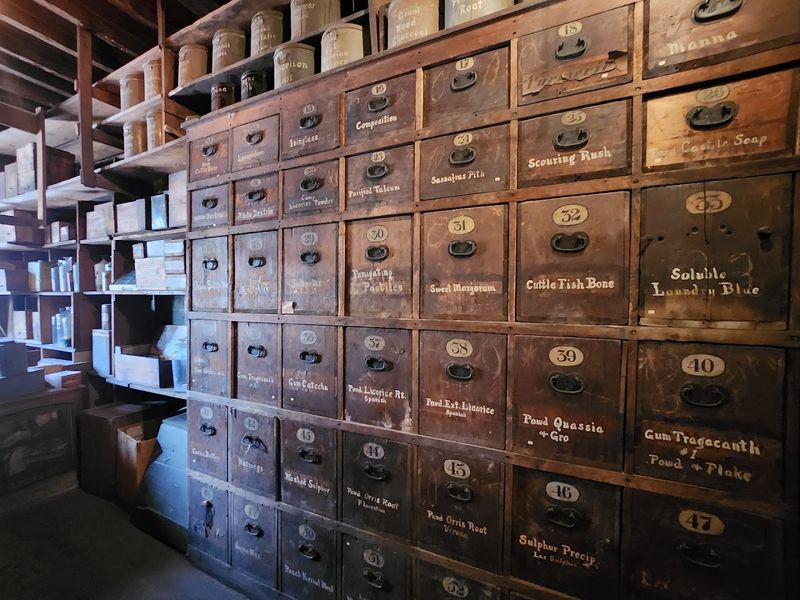
The Stabler-Leadbeater Apothecary Museum does something far more remarkable: it displays the actual, untouched originals, exactly where they have always been. The wooden counters, the rows of labeled drawers, the pill-making equipment, and the cork-sizing machine are all genuine artifacts that have never been moved to storage or replaced with modern reproductions.
Running your eyes across those original surfaces creates an almost meditative experience. You start noticing the wear patterns on the counter edges, the faded lettering on the drawer labels, the subtle warping of wood that has absorbed over a century of humidity and heat.
Each imperfection is a data point from the past, a small whisper of the thousands of people who stood in that same spot seeking relief from pain or illness.
The preservation effort here is extraordinary by any standard. Many historic sites in Virginia struggle to maintain authenticity while keeping spaces accessible and safe.
This museum has managed to do both without sacrificing the soul of the original space. Pill-making tools, herb-grinding equipment, and dispensing scales sit exactly where apothecary workers left them, waiting patiently for someone to appreciate how remarkable their survival truly is.
Herbal Botanicals That Tell a Wild Medical Story
Early American medicine was a fascinating, sometimes frightening, always creative experiment in human ingenuity. The herbal botanical collection at the Stabler-Leadbeater Apothecary Museum puts that reality on full, gloriously weird display.
Dozens of dried plants, roots, and botanical extracts remain in their original containers, labeled in faded handwriting that somehow still manages to be legible.
Some of the remedies on display were surprisingly effective by modern standards. Willow bark, which contains the active ingredient in aspirin, sits alongside preparations that would make any contemporary pharmacist flinch.
The range of conditions these botanicals were meant to treat covers everything from fevers and headaches to far more serious ailments that required far more courage than actual science.
What makes this collection so compelling is the sincerity behind it. The apothecaries who stocked these shelves genuinely believed they were helping people, and often they were the most educated and trusted professionals in their communities.
Seeing the gap between their best efforts and modern medicine is humbling rather than mocking. It is a reminder that every generation does its best with what it knows, and future generations will probably look back at us with equal parts admiration and bewilderment.
The Upstairs Workshop: Where the Real Magic Happened
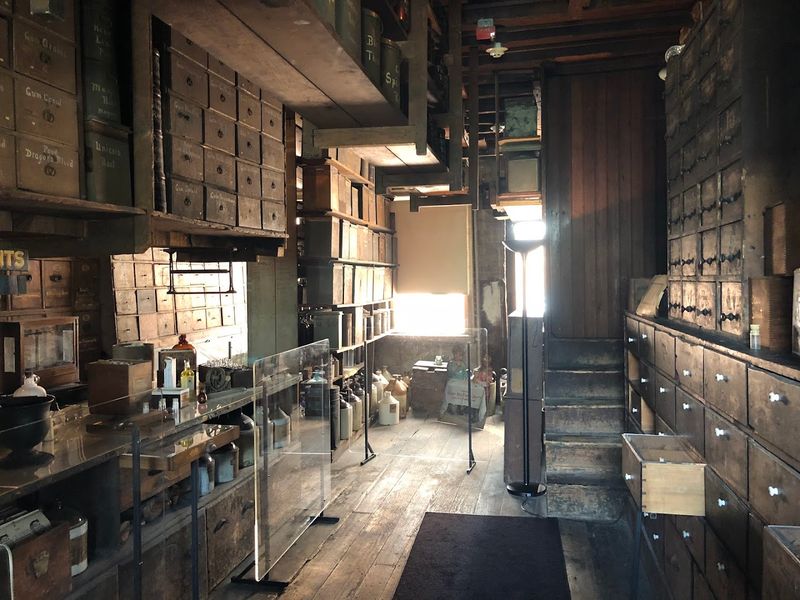
Most people do not realize the Stabler-Leadbeater Apothecary Museum has a second floor, and that upstairs space is arguably the most extraordinary part of the entire experience. Access is only granted on guided tours, which makes reaching it feel like earning a reward.
The moment you step through the doorway at the top of those old stairs, the temperature feels different and the air feels heavier.
Rows of original storage bins line the walls, each one still containing the raw ingredients that apothecary workers used to compound their remedies. The tools for grinding, measuring, and mixing are arranged as if someone simply stepped away for a quick break and never came back.
That sense of suspended time is deeply unsettling in the best possible way.
Tour guides with genuine expertise bring the space to life with stories about how each tool was used, what the daily workflow looked like, and which preparations caused more harm than good. One guide on a recent tour was a licensed pharmacist, which added a layer of professional context that made the historical information land even harder.
Upstairs at the Stabler-Leadbeater Apothecary Museum is where the building stops being a museum and starts feeling like a living memory.
The Gift Shop Hiding Unexpected Treasures
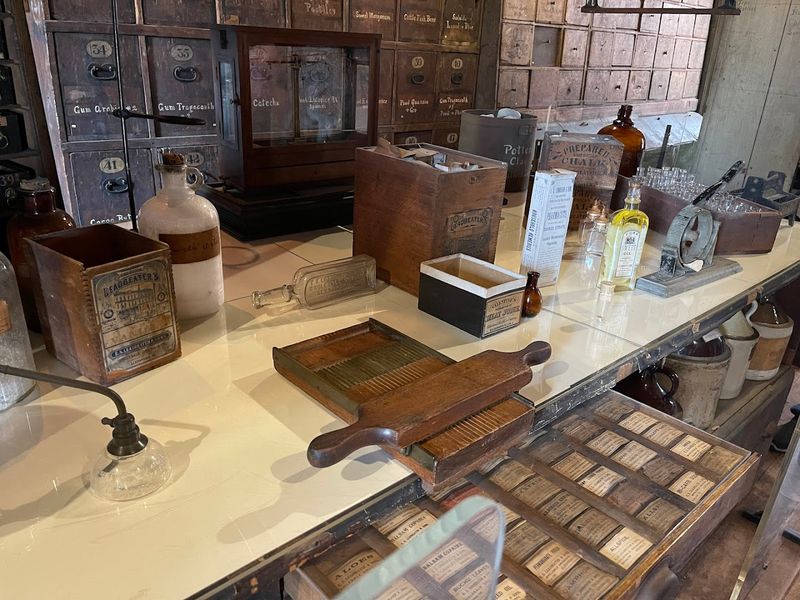
Gift shops at historical museums can feel like afterthoughts, stacked with generic magnets and postcards that have nothing to do with the actual experience. The gift shop at the Stabler-Leadbeater Apothecary Museum breaks that mold in a genuinely satisfying way.
The selection leans into the museum’s unique identity with books on historical pharmacy, apothecary-themed stickers, and specialty items that actually feel connected to what you just learned.
Book lovers will find titles on historical medicine, poison history, and early American life that are hard to locate anywhere else. The selection feels curated rather than commercial, which makes browsing it a natural extension of the tour rather than a jarring commercial interruption.
Picking up a book about the history of poisons or early pharmaceutical practices as a souvenir is a very specific kind of wonderful.
Stickers, small prints, and other collectibles round out the inventory for those who prefer something lighter to carry home. The shop is compact but thoughtfully stocked, and the staff members who manage it are just as knowledgeable and enthusiastic as the tour guides.
Leaving without at least one item feels like missing the final chapter of a really good story. Alexandria, Virginia clearly takes its historical identity seriously, right down to the merchandise.
Plan Your Visit to This Unforgettable Alexandria Landmark
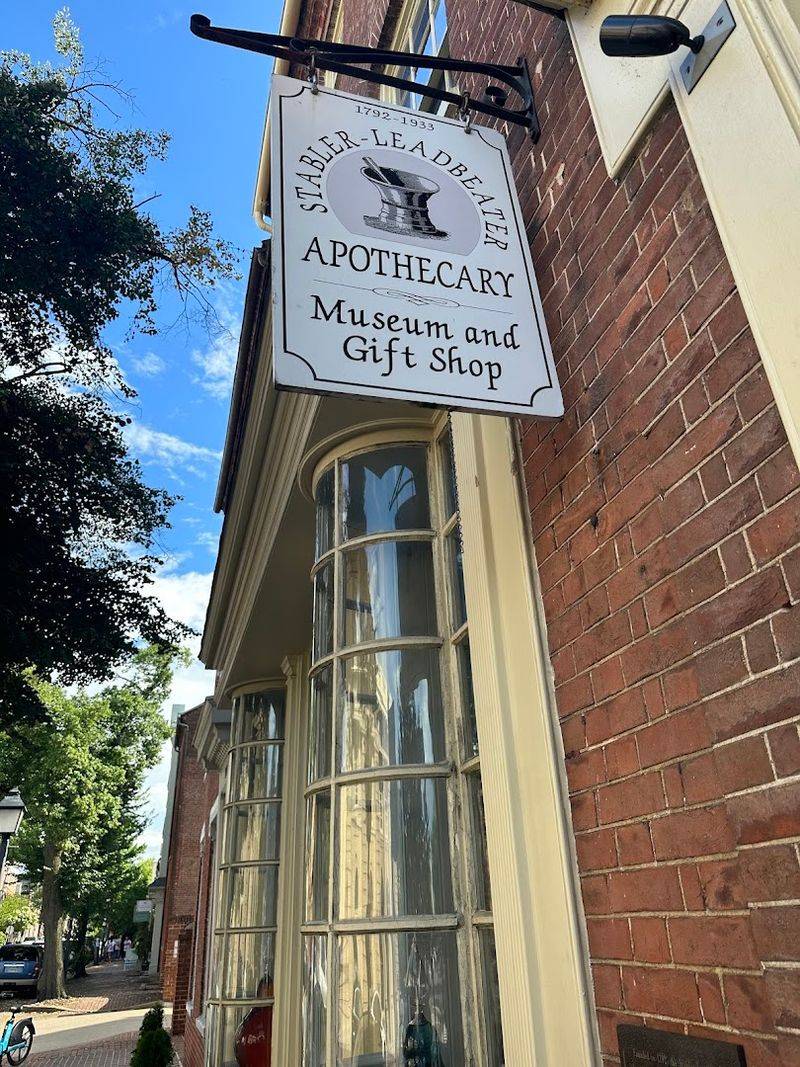
Planning a trip to the Stabler-Leadbeater Apothecary Museum is straightforward, and the experience it delivers is anything but ordinary. The museum is located at 105-107 S Fairfax St, Alexandria, VA 22314, right in the heart of Old Town, making it easy to combine with a broader exploration of the neighborhood’s remarkable historic district.
Parking nearby is manageable, and the surrounding streets are absolutely worth wandering before or after your visit.
The museum opens Wednesday through Friday at 11 AM and stays open until 4 PM. Saturday hours extend to 5 PM, while Sunday hours run from 1 PM to 5 PM.
The museum is closed on Mondays and Tuesdays, so planning ahead is essential. Calling ahead at +1 703-746-3852 or checking the official website at alexandriava.gov/Apothecary is always a smart move, especially if you want to reserve a spot on one of the specialty guided tours.
Alexandria residents enjoy free admission, which is a genuinely lovely community perk. For everyone else, the entry cost is minimal and absolutely worth every cent.
Virginia has a remarkable concentration of historical sites, but the Stabler-Leadbeater Apothecary Museum stands apart as a truly one-of-a-kind experience. Pack your curiosity, maybe leave the faint of heart at home, and go see what history actually smells like.
Dear Reader: This page may contain affiliate links which may earn a commission if you click through and make a purchase. Our independent journalism is not influenced by any advertiser or commercial initiative unless it is clearly marked as sponsored content. As travel products change, please be sure to reconfirm all details and stay up to date with current events to ensure a safe and successful trip.
