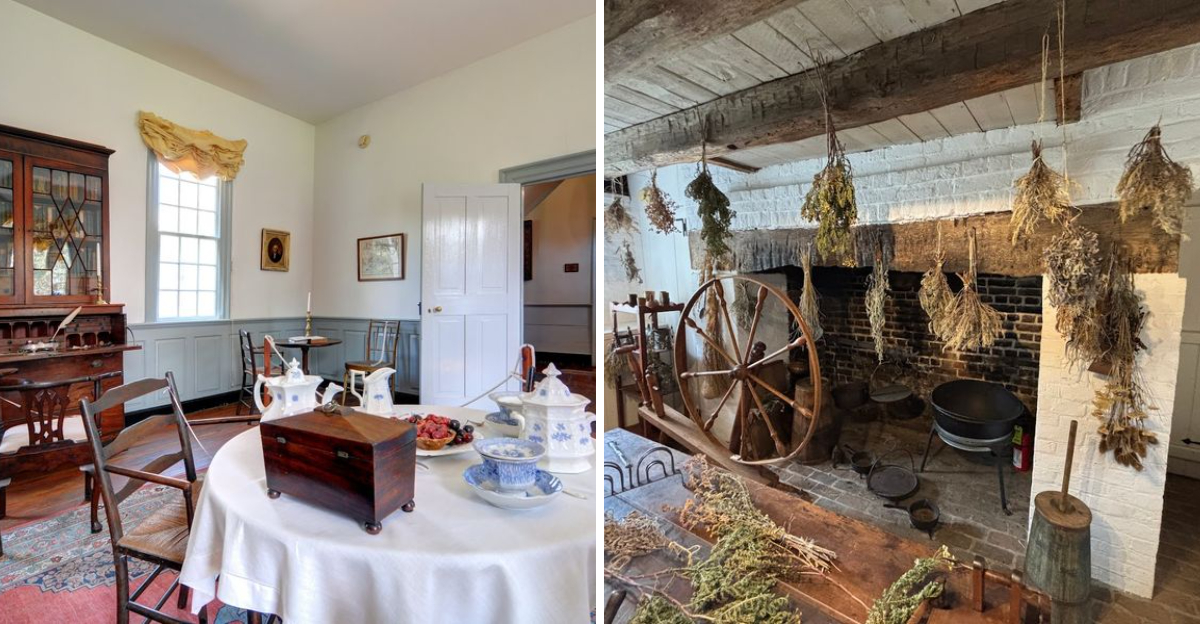
Few places make history feel this immediate, where the weight of the past seems to settle in the air the moment you arrive. In the heart of Blacksburg, this estate stands as a striking reminder that Virginia’s story is far more layered than it first appears.
Its colonial architecture draws you in with symmetry and elegance, but the deeper you look, the more complex the narrative becomes. Stories of triumph sit alongside darker chapters and lingering legends that continue to shape how the place is experienced today.
It is not just a landmark to admire, but one that challenges what you think you know about the region’s past.
The Colonial Origins That Started It All
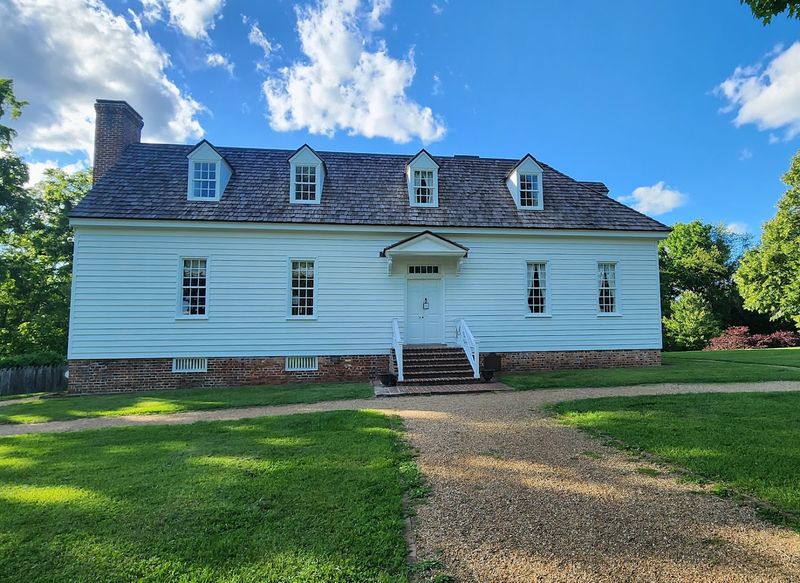
Colonel William Preston was not a man who did things halfway. A powerful surveyor, Revolutionary War patriot, and community leader, he built his estate between the early to mid-1770s as both a family home and the operational heart of a working farm in the Virginia frontier.
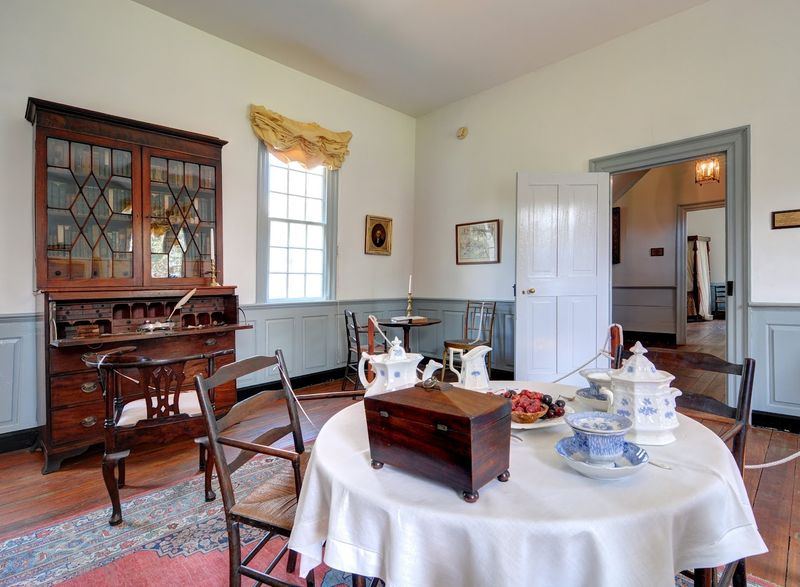
The property reflects the ambitions of its builder at every turn. High ceilings, generously proportioned rooms, and a striking Chinese Chippendale stair railing give the interior a refined elegance that feels almost surprising for a frontier settlement.
Preston clearly wanted his home to signal status, permanence, and sophistication all at once.
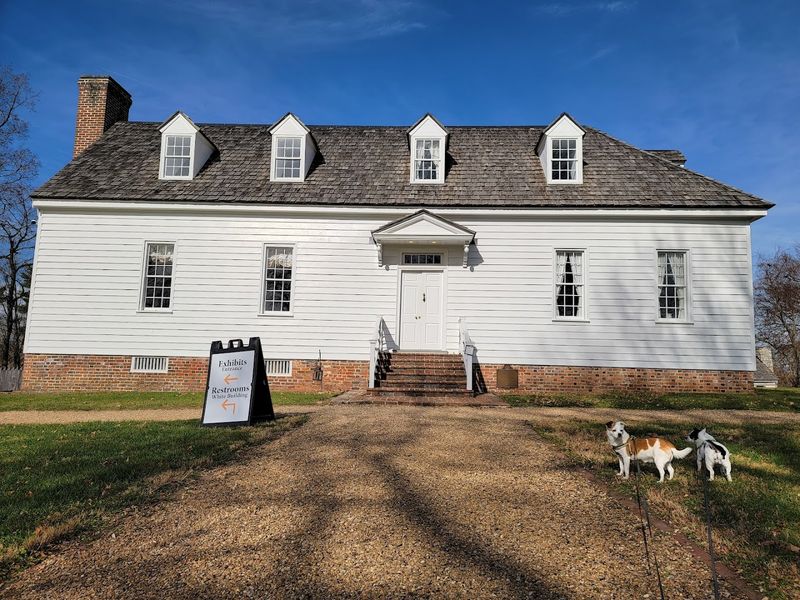
Walking through those original rooms today, you get a genuine sense of colonial life in Virginia, not a sanitized version, but the real, complicated thing. The structure itself has survived wars, changing ownership, and centuries of weather, standing as one of the most authentically preserved examples of 18th-century plantation architecture in the entire region.
Few buildings can claim that kind of staying power.
Ghostly Encounters Reported on the Grounds
Cold spots that appear without explanation. Footsteps echoing in empty hallways.
The faint outline of a figure standing near a window that nobody occupies. Smithfield Plantation has earned its reputation as one of the most genuinely unsettling historic sites in Virginia, and the stories keep coming.
The presence of more than two hundred enslaved individuals who lived and worked on this property is central to understanding the haunting atmosphere. Their stories were largely unrecorded for generations, yet many believe their energy still lingers across the grounds in ways that are difficult to dismiss or explain rationally.
Local ghost tour operators have long included the plantation as a key stop on Blacksburg haunted routes, citing firsthand accounts of unexplained phenomena. Whether you believe in the paranormal or prefer a more grounded explanation, the atmosphere here is undeniably charged with something that goes beyond ordinary historical weight.
Standing on these grounds at dusk, with the old house looming and the trees swaying, even the most skeptical mind starts to wonder what exactly is sharing the air around you.
The Birthplace of Two Virginia Governors
Not every historic house can claim to have produced one governor, let alone two. Smithfield Plantation holds that remarkable distinction as the birthplace of both James Patton Preston and John B.
Floyd, both of whom went on to serve as governors of Virginia.
That political legacy adds a fascinating layer to an already rich story. The Preston family was deeply embedded in the fabric of Virginia’s growth as a state, and the plantation served as a kind of incubator for leadership during one of the most turbulent periods in American history.
Power, ambition, and civic responsibility were all shaped within these very walls.
Costumed interpreters on guided tours bring this political history to life with remarkable depth and detail. Hearing about the family’s influence over Virginia’s early governance while standing in the actual rooms where those leaders were born creates a connection to the past that no textbook can replicate.
It is one of those rare moments when history stops feeling like something that happened to other people and starts feeling deeply, personally real.
The Enslaved Community Whose Stories Demand to Be Told
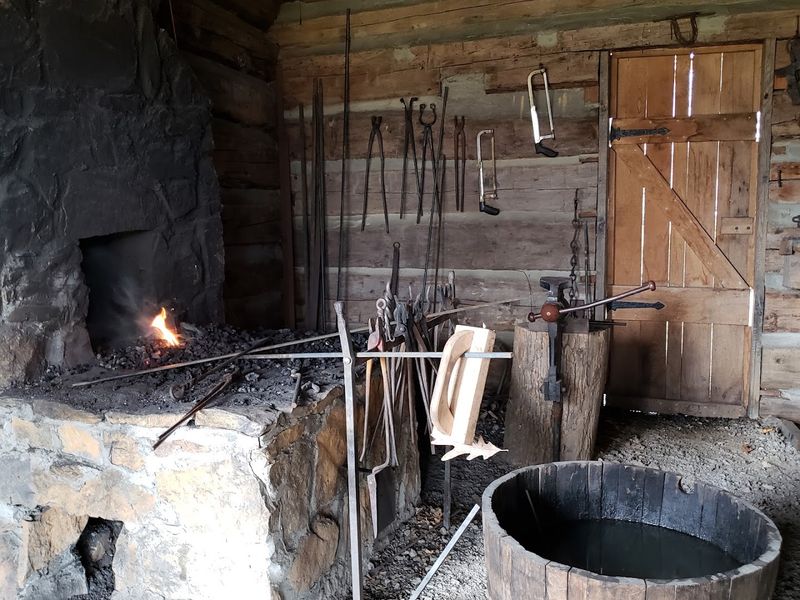
History told honestly is rarely comfortable, and Smithfield Plantation does not flinch from that responsibility. More than two hundred enslaved people lived and labored on this property, and their experiences form an essential part of what this place truly represents.
Memorial Day programming in recent years has specifically honored the memory of the enslaved community, acknowledging the full complexity of the plantation’s history rather than presenting only the story of the white landowning family. That commitment to inclusive storytelling sets this site apart from many historic properties that still struggle with honest representation.
Informational signage throughout the grounds highlights specific aspects of enslaved life here, from labor conditions to the remarkable instances of individuals who escaped in search of freedom. Reading those accounts while standing on the actual land where those lives unfolded is a quietly powerful experience.
Virginia has a long, complicated history with slavery, and places like this one play a vital role in ensuring that complexity is never forgotten or glossed over for the sake of comfortable nostalgia.
Architecture That Makes Historians Stop and Stare
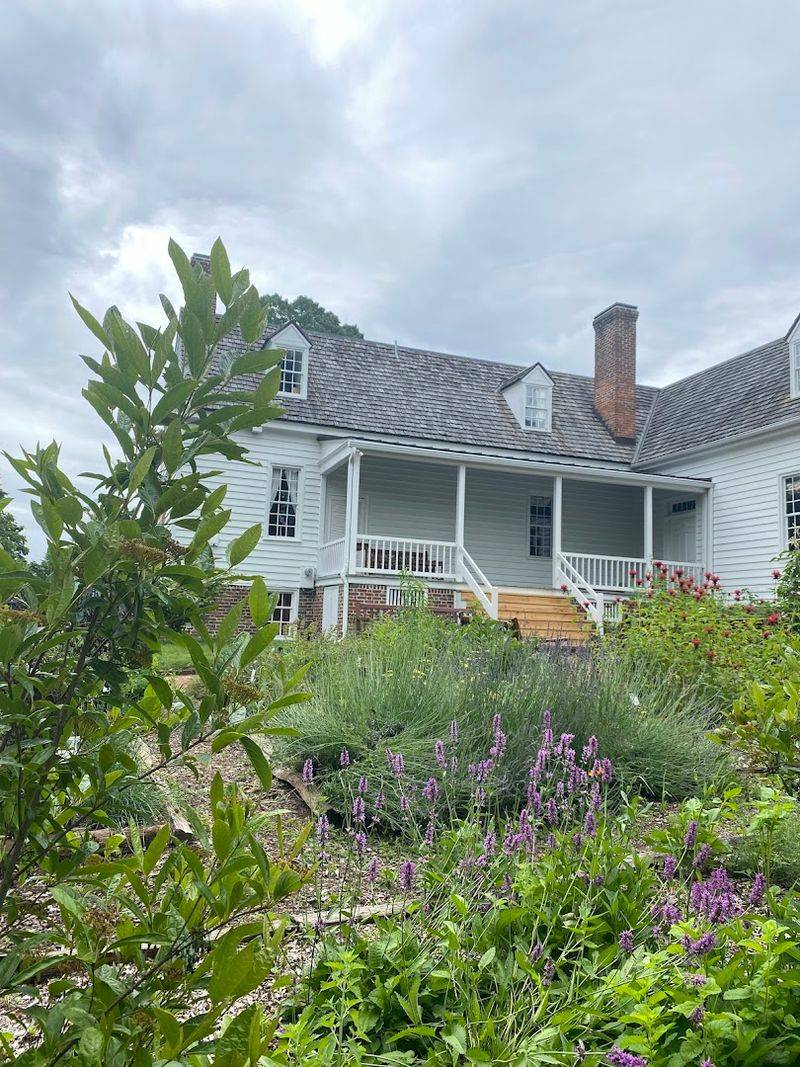
Most colonial-era buildings in Virginia are impressive. Smithfield Plantation is something else entirely.
The Chinese Chippendale stair railing alone is enough to make architectural historians do a double take, representing a design sensibility that was fashionable, expensive, and deeply deliberate.
Colonel Preston clearly had access to skilled craftsmen and the resources to use them well. The proportions of the rooms, the placement of windows to maximize natural light, and the careful attention to decorative detail all point to a builder who understood architecture as a form of communication.
Every element of this house was meant to say something specific about its owner.
Ongoing restoration efforts have preserved much of the original fabric of the building, allowing modern visitors to experience the space largely as it would have appeared in the 18th century. The furnishings, portraits, and artifacts displayed throughout the house span both the colonial and Civil War eras, creating a visual timeline of American domestic life that is both educational and genuinely beautiful.
Smithfield Plantation is a masterclass in how to preserve a building without suffocating the life out of it.
Guided Tours That Bring the 18th Century Roaring Back
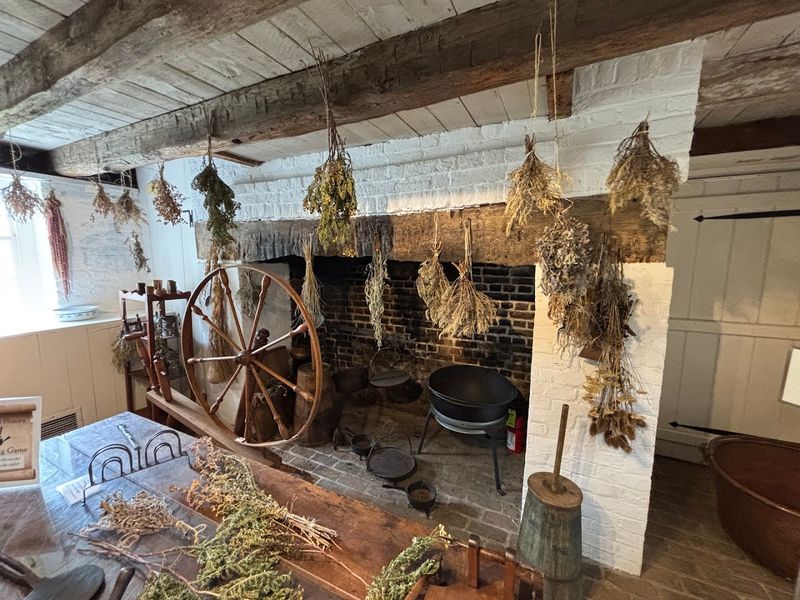
Forget dusty museum placards and monotone audio guides. Smithfield Plantation runs guided tours led by costumed interpreters who know this history inside and out, and their enthusiasm is genuinely infectious.
You will not be bored. That is a promise.
Each room reveals a new chapter of the story, from the formal entertaining spaces used to impress frontier-era guests to the more intimate family quarters where the Preston children grew up. Interpreters field questions with impressive depth, connecting individual rooms and objects to broader historical events happening across Virginia and the young nation at large.
Families with children find the tours particularly engaging because the guides have a talent for calibrating their storytelling to different age groups without dumbing anything down. The six-year-old in the group gets a sense of wonder, and the history enthusiast gets genuine substance.
Tours typically run seasonally, so checking the official website before planning a visit is strongly recommended. Smithfield Plantation rewards those who come prepared to listen, look closely, and let the past do its very best to reach across the centuries and grab you by the collar.
The Demonstration Gardens Worth Wandering Through
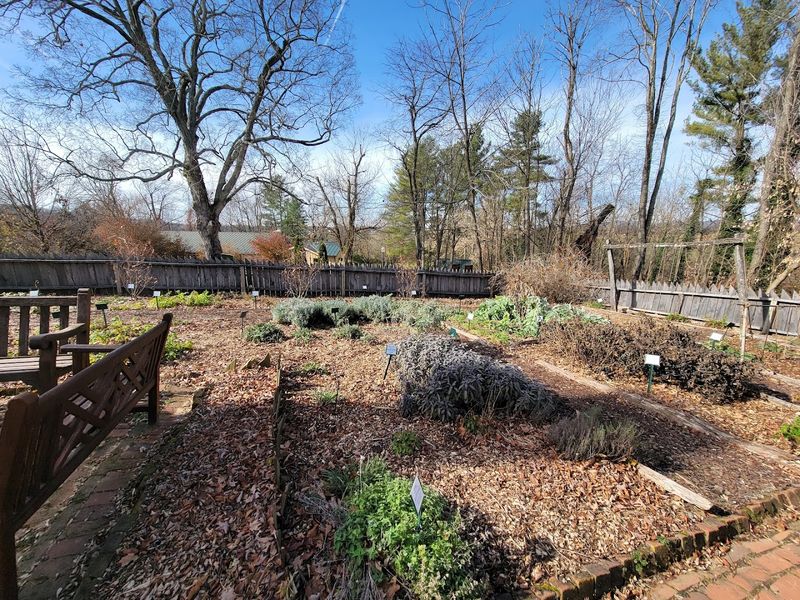
Beyond the main house, the grounds at Smithfield Plantation offer their own quiet rewards. The demonstration gardens are a particular highlight, showcasing the kinds of plants, herbs, and crops that would have been cultivated here during the colonial period, tended with care by dedicated volunteers.
Walking through these garden spaces provides a grounding counterpoint to the interior tour. Out here, history becomes tactile and sensory in a completely different way.
The smell of heritage herbs, the sight of heirloom plant varieties, and the sound of bees working through the flowering sections all contribute to an atmosphere that feels genuinely transported in time.
A volunteer naturalist named David tends the garden spaces with obvious dedication, and the results speak for themselves. Beehives located along one of the property trails add another layer of living history to the experience, connecting visitors to the agricultural rhythms that shaped daily life on this Virginia estate for generations.
Even those who consider themselves strictly indoor history enthusiasts tend to linger longer in these gardens than they originally planned. The grounds have a way of slowing you down in the best possible sense.
Halloween Legends and Seasonal Spooky Events
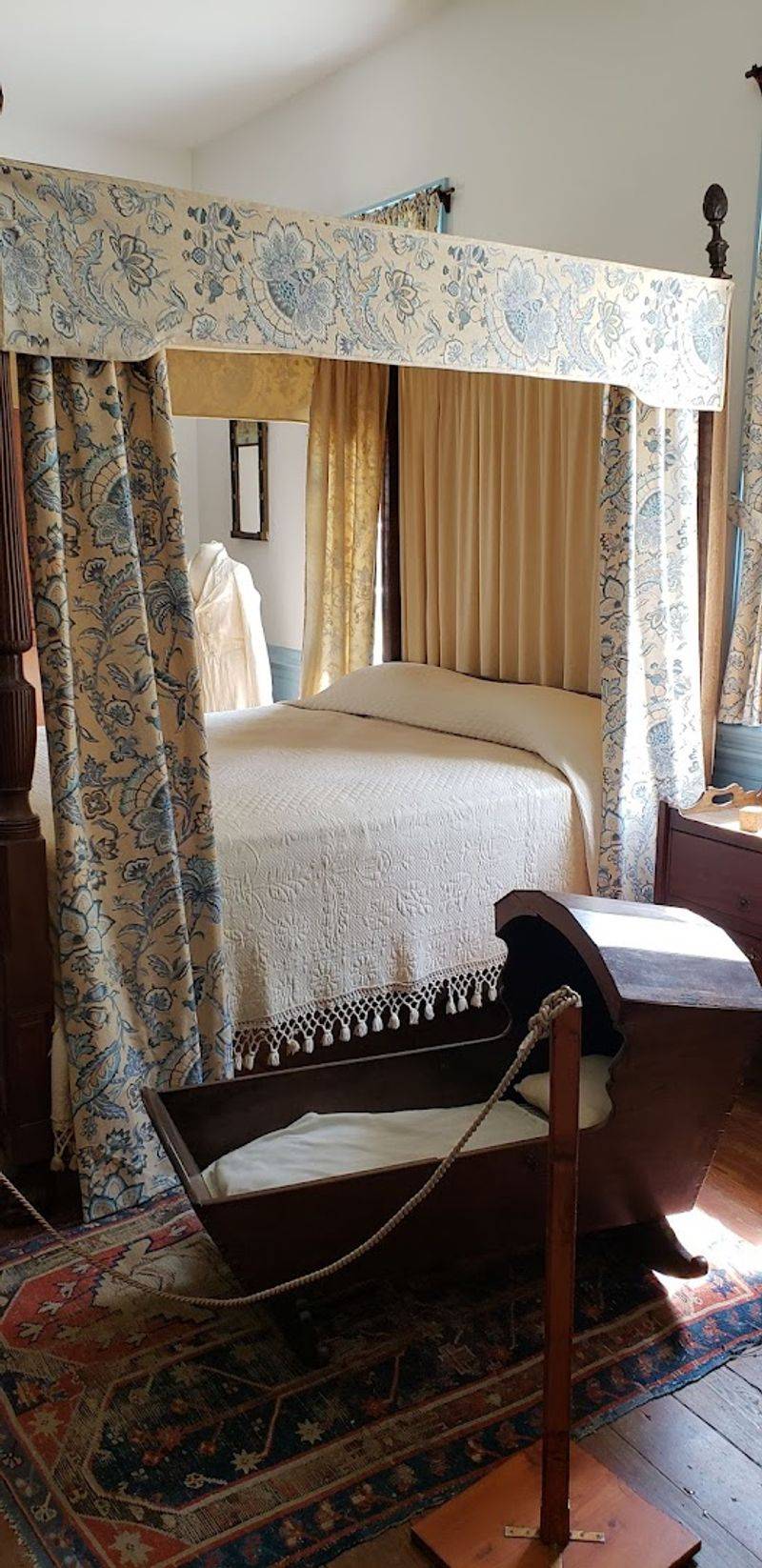
October at Smithfield Plantation is something special. The already atmospheric grounds take on an extra charge when autumn arrives and the plantation leans into its reputation for the uncanny.
Special Halloween programming has been a beloved tradition here, drawing curious locals and out-of-town visitors eager to experience the property after dark.
The combination of genuine historical haunting lore and festive seasonal programming creates an experience that manages to be both spooky and educational simultaneously. Ghost stories tied to real documented history hit differently than manufactured haunted house scares, and that authenticity is what makes the Halloween events here so memorable.
Virginia has no shortage of historic sites claiming paranormal activity, but few can back up the atmosphere with as much documented historical weight as this one. The colonial setting, the complex legacy of enslaved people whose stories were suppressed for so long, and the physical age of the structure all combine to make October visits feel genuinely electric.
If you plan to experience Smithfield Plantation at its most atmospheric, autumn is absolutely the season to do it. Pack a light jacket, keep your eyes open, and try not to jump at shadows.
Events, Festivals, and Community Life on the Grounds
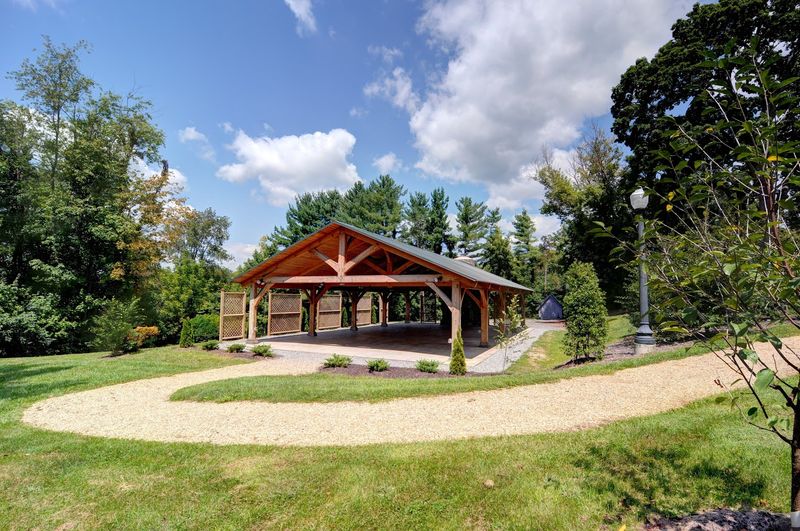
Smithfield Plantation is far from a static museum piece. Throughout the year, the property hosts a lively calendar of festivals, cultural events, and community gatherings that give the grounds an energy entirely different from a quiet weekday tour.
Colonial dancing events held at the pavilion have become a particular crowd favorite.
The reading of the Declaration of Independence is another annual highlight, drawing attendees who find the experience of hearing those words spoken aloud in a genuine 18th-century setting unexpectedly moving. History performed in situ carries a weight that a classroom recitation simply cannot match, and the plantation provides a setting that makes every word land harder.
Free festivals occasionally open the grounds to the broader community, reinforcing the plantation’s role not just as a museum but as an active civic space. The gift shop stocks locally made items including handcrafted candles that make genuinely excellent souvenirs.
Virginia Tech tailgating passes are also available for football season, making the property a gathering point for Hokies fans as well as history enthusiasts. Smithfield Plantation manages the impressive trick of being many things to many people without losing its essential character.
Planning Your Visit to This Blacksburg Landmark
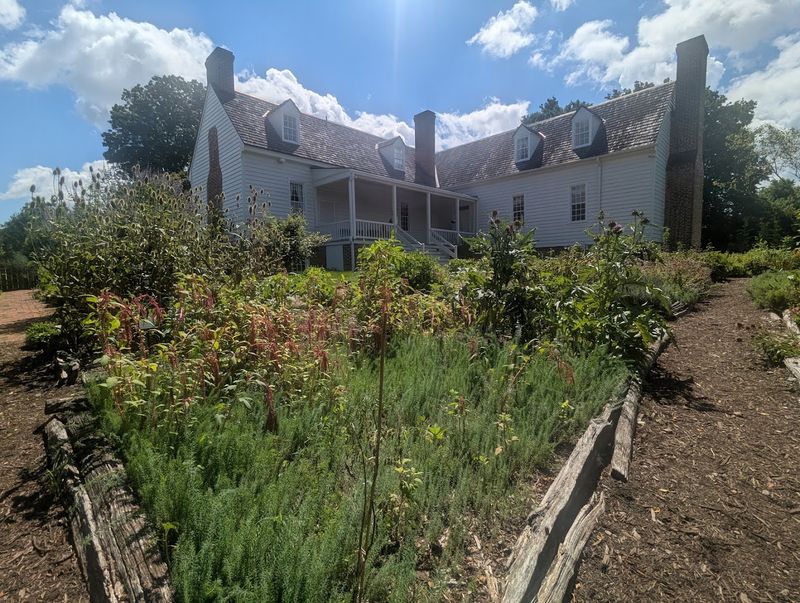
Getting to Smithfield Plantation is straightforward, and the address is easy to find: 1000 Merry Oak Way, Blacksburg, VA 24060. Nestled within the Virginia Tech campus, the property benefits from beautiful surrounding landscapes that make even the walk from the parking area feel like part of the experience.
Tours run seasonally, so the official website at historicsmithfield.org is the best place to check current hours and upcoming events before making the trip. The grounds themselves are accessible outside tour hours for self-guided walks, with informational signage throughout that makes independent exploration genuinely rewarding.
Smithfield Plantation sits at an interesting crossroads of Virginia history, ghost lore, architectural preservation, and community engagement. It is the kind of place that surprises you, regardless of what you think you already know about colonial-era Virginia.
First-time visitors often find themselves booking a return trip before they have even left the parking lot. So go ahead and put this on your calendar, call ahead to confirm tour availability, and prepare to have your understanding of Virginia’s layered, complicated, and endlessly fascinating past permanently expanded.
This landmark earns every bit of its reputation.
Dear Reader: This page may contain affiliate links which may earn a commission if you click through and make a purchase. Our independent journalism is not influenced by any advertiser or commercial initiative unless it is clearly marked as sponsored content. As travel products change, please be sure to reconfirm all details and stay up to date with current events to ensure a safe and successful trip.
