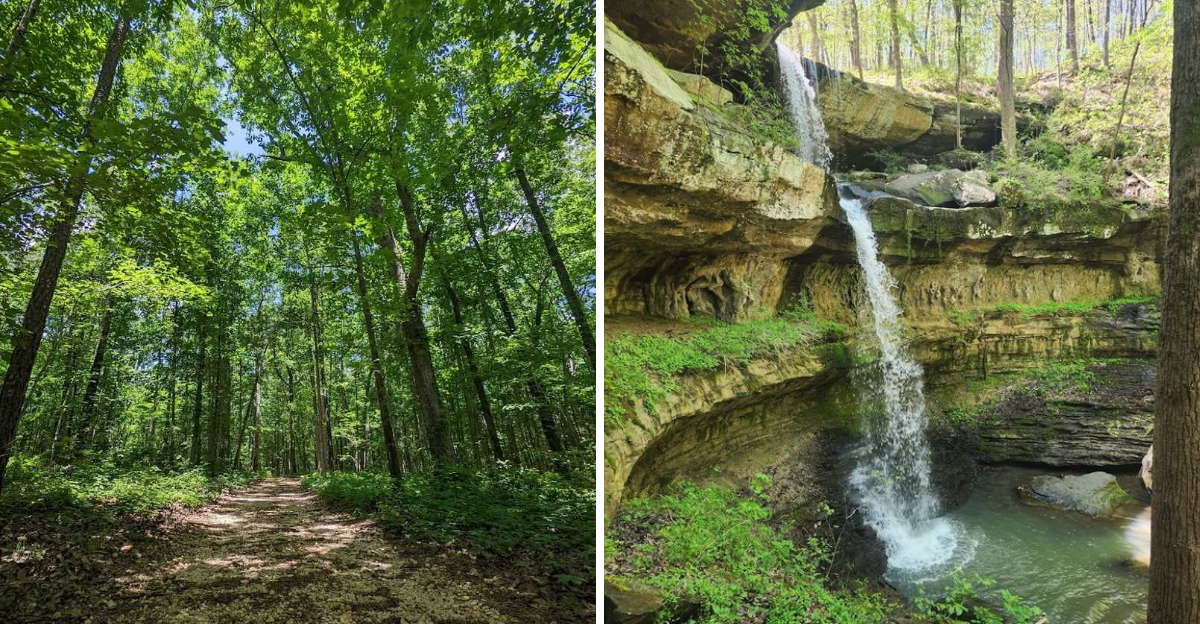
Most people drive through northwest Alabama without knowing one of the most stunning natural canyons in the Southeast is just off the road.
A privately protected nature preserve in Colbert County offers towering sandstone bluffs, cascading waterfalls, and forested trails that feel remarkably untouched by modern life.
Spanning hundreds of acres, this free-to-visit sanctuary delivers an impressive concentration of natural beauty, from rugged canyon walls to peaceful streams hidden beneath dense tree cover.
The trails range from easy walks to more challenging hikes, giving visitors a chance to explore at their own pace while taking in ever-changing scenery.
Wildlife sightings, seasonal wildflowers, and quiet overlooks add to the sense of discovery throughout the journey. If you love hiking, photography, or simply spending time outdoors, this hidden canyon escape is absolutely worth the trip.
You Can Walk Beneath That Massive Sandstone Citadel
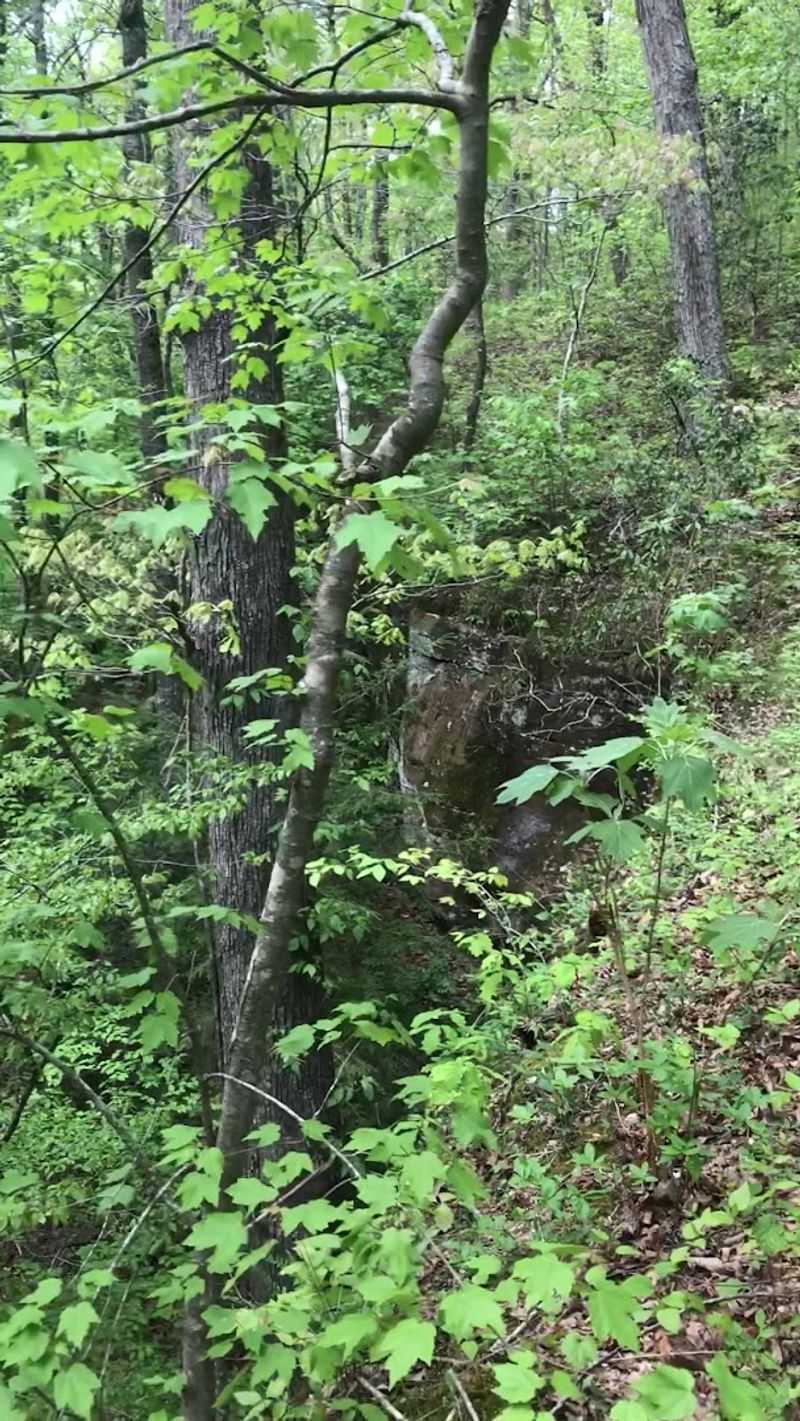
Standing at the base of The Citadel feels like being inside a painting that no artist could fully do justice. This massive sandstone bluff rises roughly 350 feet above the canyon floor, and its sheer scale is something you have to experience in person to really understand.
Most hikers stop walking the moment they spot it, just to stare upward for a while.
The Citadel is one of the most recognizable landmarks inside Cane Creek Canyon Nature Preserve, located at 251 Loop Rd, Tuscumbia, AL 35674. The bluff was carved over millions of years as Cane Creek slowly cut through layers of sandstone and shale.
That slow, patient work by water created a wall of rock that now towers over the entire canyon.
From certain vantage points on the trail, you can see the full height of the bluff framed by old hardwood trees and patches of sky. The color of the sandstone shifts throughout the day as sunlight moves across the canyon.
Early morning light turns it a warm amber, while late afternoon gives it a deep, rich orange glow. Bring a camera and plan to spend a good chunk of time just absorbing the view.
The Citadel alone makes the drive to Colbert County, Alabama worth every mile.
Plan To Spot Rare Wildflowers Found Almost Nowhere Else
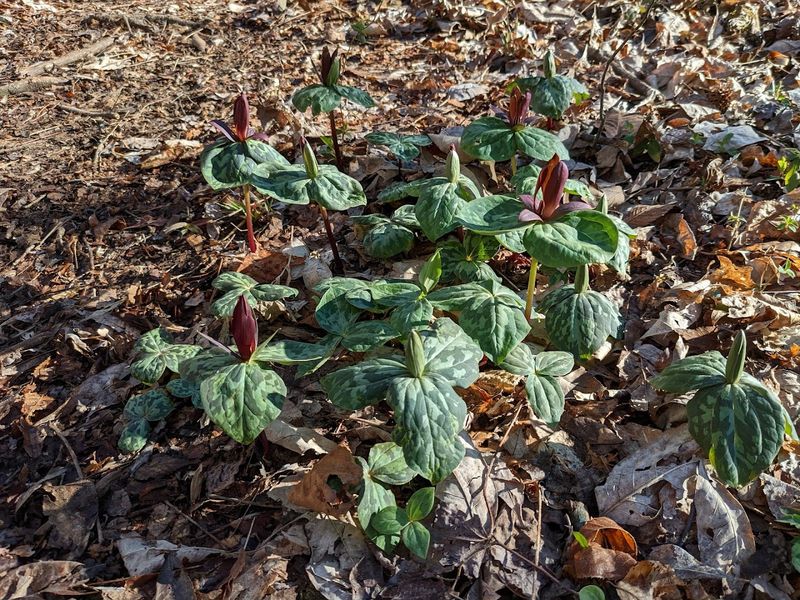
Botanists have been making the trip to Cane Creek Canyon Nature Preserve for years, and once you understand why, it makes perfect sense. The preserve contains wildflower glades that support rare plant species found in very few other locations across the entire state of Alabama.
That is not a small claim, and it is backed up by the ecology of the canyon itself.
The dramatic elevation changes inside the canyon create multiple microclimates within a relatively small area. One section of trail might feel cool and shaded while another sits in full sun on a rocky ledge.
Those contrasting conditions allow an unusual variety of plants to survive side by side, which is part of what makes the preserve so ecologically interesting.
Butterfly enthusiasts also flock to these wildflower areas during peak bloom seasons. The combination of rare plants and diverse insect life makes certain sections of the trail feel like a living field guide.
Spring is generally the best season for wildflower viewing, though the canyon holds visual interest throughout the year. If you have never paid much attention to plants on a hike before, Cane Creek has a way of changing that habit.
The sheer variety of what grows here naturally pulls your eyes toward the ground and the rocky ledges in equal measure. Go slowly, look carefully, and you will notice things most casual hikers walk right past.
Come See Waterfalls Dropping Over Ancient Rock Ledges
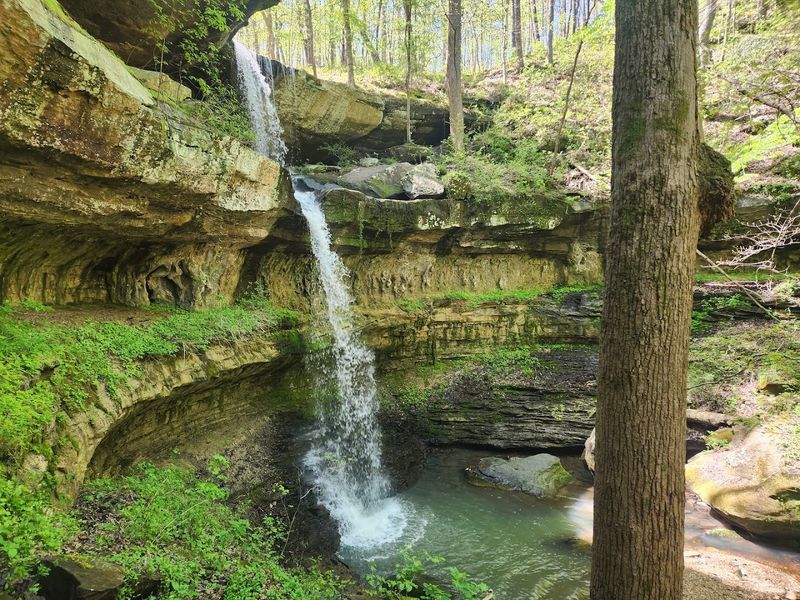
Few things wake up your senses like the sound of rushing water echoing off canyon walls. Cane Creek Canyon Nature Preserve is home to roughly 12 to 15 cascades, including one impressive 60-foot waterfall that drops over ancient sandstone ledges in a way that looks almost unreal.
Water has been shaping these formations for millions of years, and the result is breathtaking.
One especially memorable feature is a small waterfall where the trail actually passes behind the falls inside a natural rock cavern formed by the cliff above. Walking behind a waterfall is the kind of experience that sticks with you long after the hike is over.
The sound is completely surrounding, and the cool mist coming off the water feels incredible on a warm day.
Even during drier seasons, many of the cascades continue to flow at some level, keeping the canyon feeling alive and active. The trails leading to the waterfalls are well marked, so you will not spend your day guessing which path to take.
Loaner hiking sticks are available at the entrance kiosk, which is genuinely helpful on the steeper sections near the falls. Plan to visit on a Friday, Saturday, or Sunday between 7 AM and 5 PM, since those are the only days the preserve is open to the public.
Getting there early gives you the best chance of having the waterfalls mostly to yourself.
Do The Shelf Trail Through Old Loblolly Pine Forest
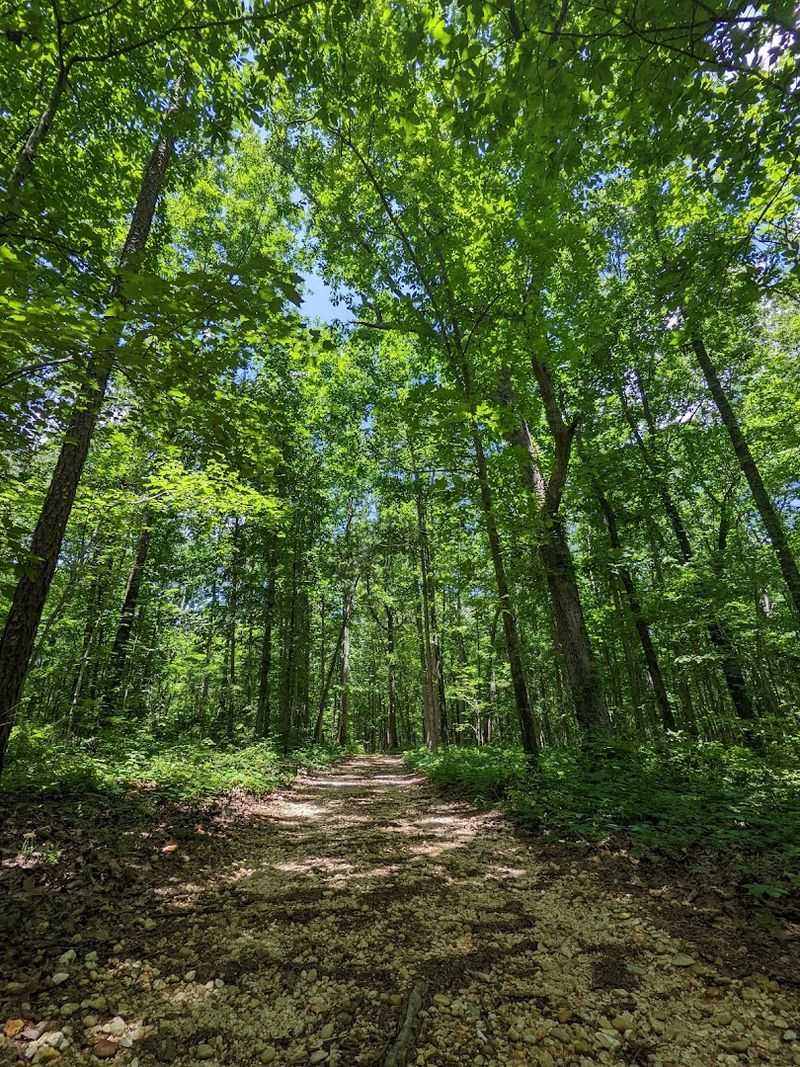
Not every great trail has to be steep and punishing to be worth your time. The Shelf Trail at Cane Creek Canyon Nature Preserve is one of those routes that rewards patience and observation over raw endurance.
It winds through a forest of loblolly pines, persimmons, and old hardwoods that create a canopy thick enough to block out most of the midday sun.
Walking this trail feels genuinely quiet in a way that is hard to find close to cities or towns. The trees here are old, and you can sense that as you move through them.
The forest floor is layered with decades of fallen leaves, pine needles, and mossy rocks that muffle your footsteps and make the whole experience feel a little otherworldly.
Birdwatchers will find plenty to keep them busy along this section of trail. The forest supports a wide range of wildlife, and if you move slowly and stay alert, you might spot lizards, snakes, or even a bald eagle soaring above the canyon rim.
The preserve as a whole contains over 25 miles of marked trails, so the Shelf Trail is just one chapter in a much longer story. First-time visitors often say they cannot cover everything in a single day, and that is honestly part of the appeal.
Coming back to explore a new trail each visit is one of the best reasons to make this a regular destination.
Skip Nothing When You Find The Native American Rock Shelters
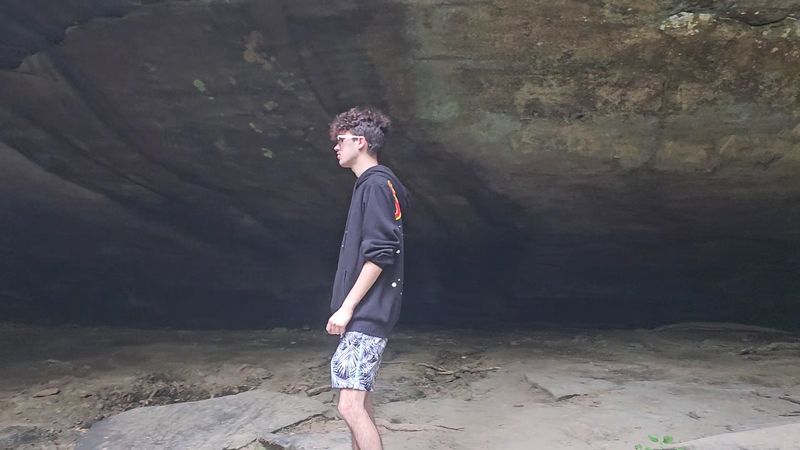
History does not always live in museums. Sometimes it hides under a rock ledge deep inside a canyon, waiting for a curious hiker to find it.
Cane Creek Canyon Nature Preserve contains ancient Native American rock shelters, including one known as Tree Fern Cave, which is also recognized as an archaeological site. These shelters were used by people long before anyone thought to put a trail through this landscape.
Standing inside one of these rock shelters and looking out at the canyon gives you a very different perspective on the landscape. You start to understand why people chose these spots.
The overhanging rock provides natural protection from rain and wind, and the canyon itself would have offered water, food, and shelter in abundance. It is a surprisingly moving experience for something that requires no ticket or guided tour.
The preserve also includes pioneer cabin sites that add another layer of human history to the canyon. Devil’s Hollow, a moody and atmospheric section of the preserve, was once used by bootleggers as a hideout, which adds a genuinely interesting footnote to the trail map.
These historical details are part of what separates Cane Creek from a standard hiking destination. You are not just walking through pretty scenery.
You are moving through a place where people lived, worked, and survived across many different eras. That kind of depth makes every step feel more meaningful.
Try Creek Swimming In The Famous Boulder Pool Area
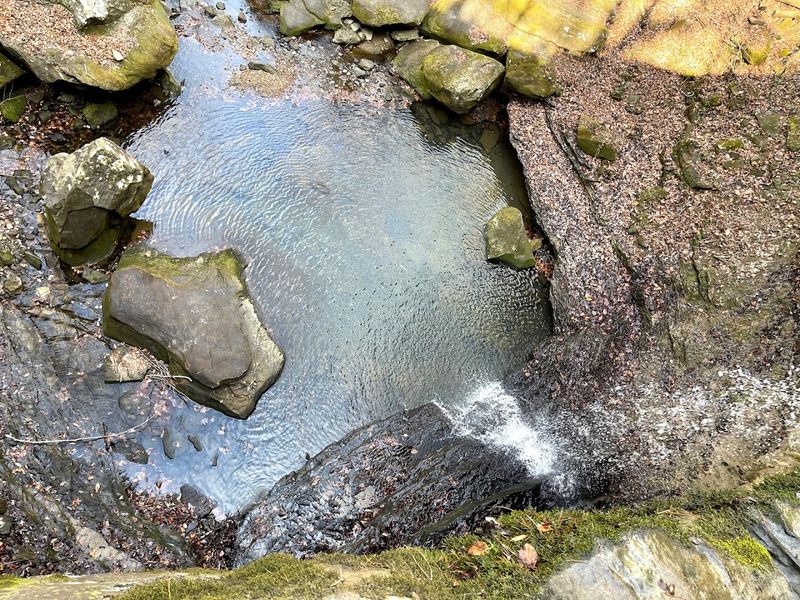
On a hot Alabama afternoon, stumbling onto the boulder pool at Cane Creek Canyon feels like finding a reward you did not know you were working toward.
The creek runs crystal clear through sections of the canyon, pooling between large smooth boulders in spots that are perfect for wading, cooling off, or just sitting with your feet in the water.
Families with kids especially love this part of the preserve.
The creek bed itself is full of interesting finds. Fossils, agates, and occasional pieces of petrified wood turn up among the rocks, and visitors are welcome to look closely at what the water has sorted and shaped over centuries.
Kids who would normally lose interest on a long hike tend to get completely absorbed by the creek bed, which is a win for everyone involved.
Some visitors bring water shoes and swimsuits tucked into their packs specifically for the creek sections. The water is cold even in summer, fed by springs and shaded by the canyon walls for much of the day.
Freshwater stations are available along the trails so you can refill your water bottle without hauling a heavy pack. Picnic areas near the preserve give families a place to rest and eat before heading back out.
Access to the preserve is completely free, though donation boxes are available and very much appreciated by the Land Trust of North Alabama, which now manages and maintains the entire property.
Make The Canyon Rim Overlook Your Last Stop Before Leaving
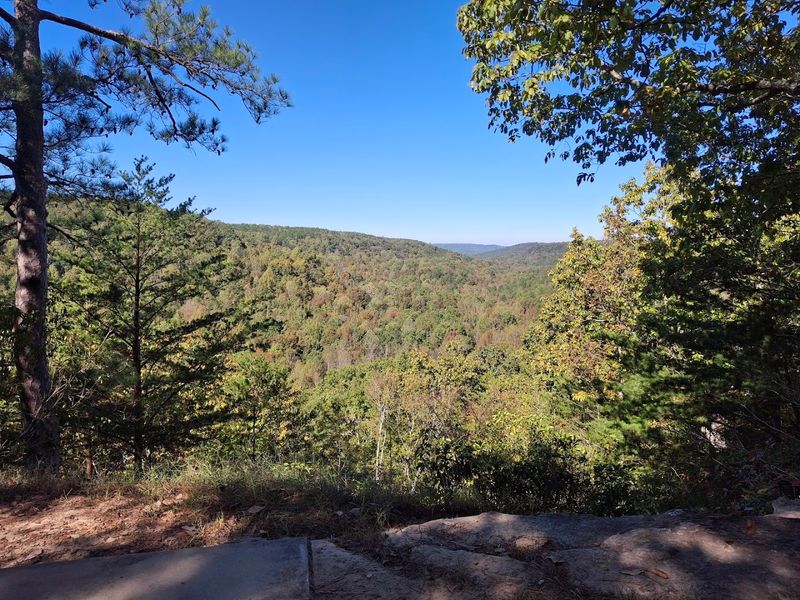
Ending a hike with a view that stops you in your tracks is one of the best feelings in outdoor recreation. The canyon rim overlook at Cane Creek Canyon Nature Preserve delivers exactly that kind of moment.
From the top, you can look down into the full depth of the canyon, watching the creek glint far below between walls of sandstone and old growth canopy.
The elevation drop from the rim to the creek level is roughly 350 feet, which sounds like a number until you are actually standing at the edge looking down. The scale of what Cane Creek carved through solid rock over millions of years becomes suddenly very real.
It is the kind of view that makes you want to sit down, be quiet, and just take it in for a while.
Bringing a pair of binoculars to the overlook is a smart move. Bald eagles have been spotted soaring at or above rim level, riding thermals that rise out of the canyon.
The view changes completely with the season, from bare winter branches that open up long sightlines to the lush green wall of summer foliage that makes the canyon feel almost jungle-like. No matter when you visit, the overlook rewards the climb to reach it.
It is the kind of spot you photograph, then put the camera away, because some views deserve to be experienced without a screen between you and them.
