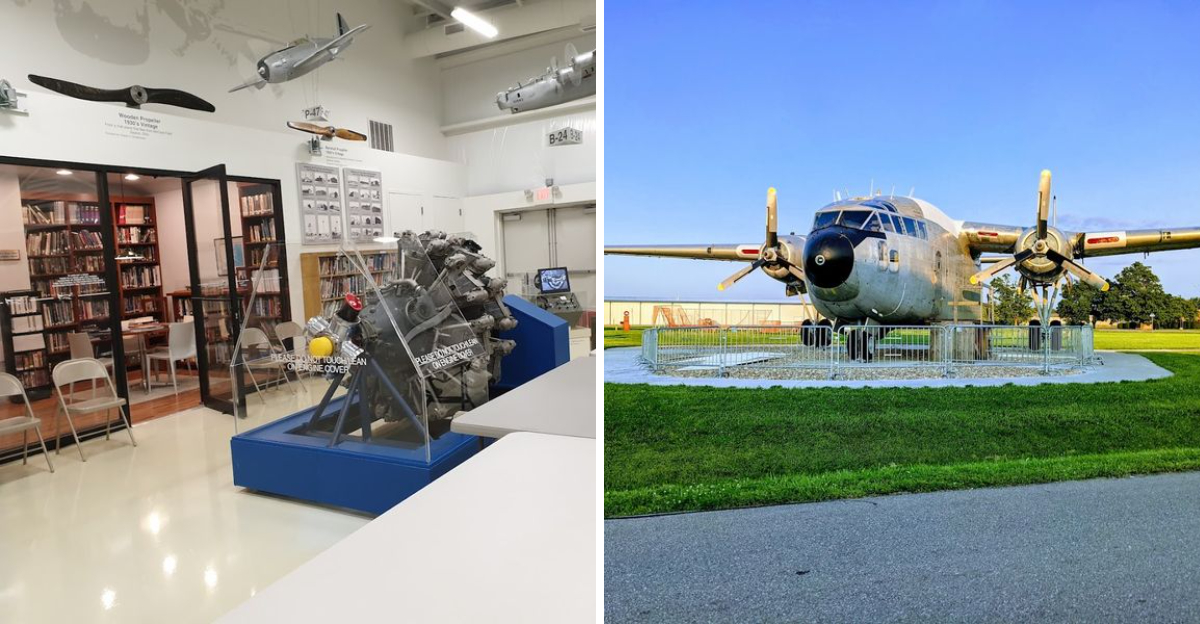
Not every great museum needs a massive building or a famous zip code to leave a lasting impression. A volunteer-run aviation museum in Columbus, Indiana proves that passion and preservation can create an unforgettable experience.
Located on the grounds of a former military airfield, it brings decades of aviation history to life through thoughtfully curated exhibits, military memorabilia, and impressive handcrafted aircraft replicas.
The stories shared throughout the museum highlight the service and sacrifice of the men and women connected to the base, giving visitors a personal look at an important chapter of American history.
Despite its modest size, the museum offers a depth of history that surprises many first-time visitors. Whether you are fascinated by military aircraft, enjoy learning about local history, or simply appreciate hidden roadside gems, this museum is well worth adding to your next road trip.
Giant 15-Foot Scale Replicas of Historic Warbirds
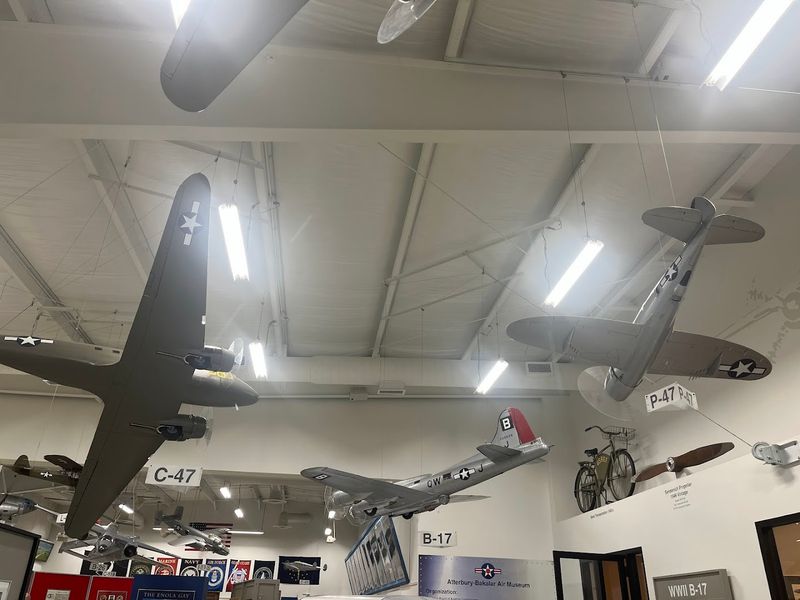
Imagine standing next to a model airplane so big it barely fits in the room. That is exactly what you get at the Atterbury-Bakalar Air Museum, located at 4742 Ray Boll Blvd, Columbus, IN 47203.
The museum is home to an extraordinary collection of 1/8th scale aircraft models, with some wingspans stretching all the way to fifteen feet.
These are not your average hobby store kits. Each replica is handcrafted with incredible attention to detail, representing real aircraft tied to the history of the former Bakalar Air Force Base.
The B-24 Bomber model alone is enough to stop you in your tracks. Experts in the field consider these among the finest scale models of their type anywhere in the United States.
What makes them even more meaningful is the personal connection behind each one. Many were built by museum volunteers who actually flew or worked on similar aircraft during their service years.
You can feel the pride in every rivet and panel line. Kids love standing next to them for photos, and adults find themselves genuinely amazed by the level of skill involved.
Plan to spend real time in this section because it rewards slow, careful looking.
Rich Historical Context of Bakalar Air Force Base
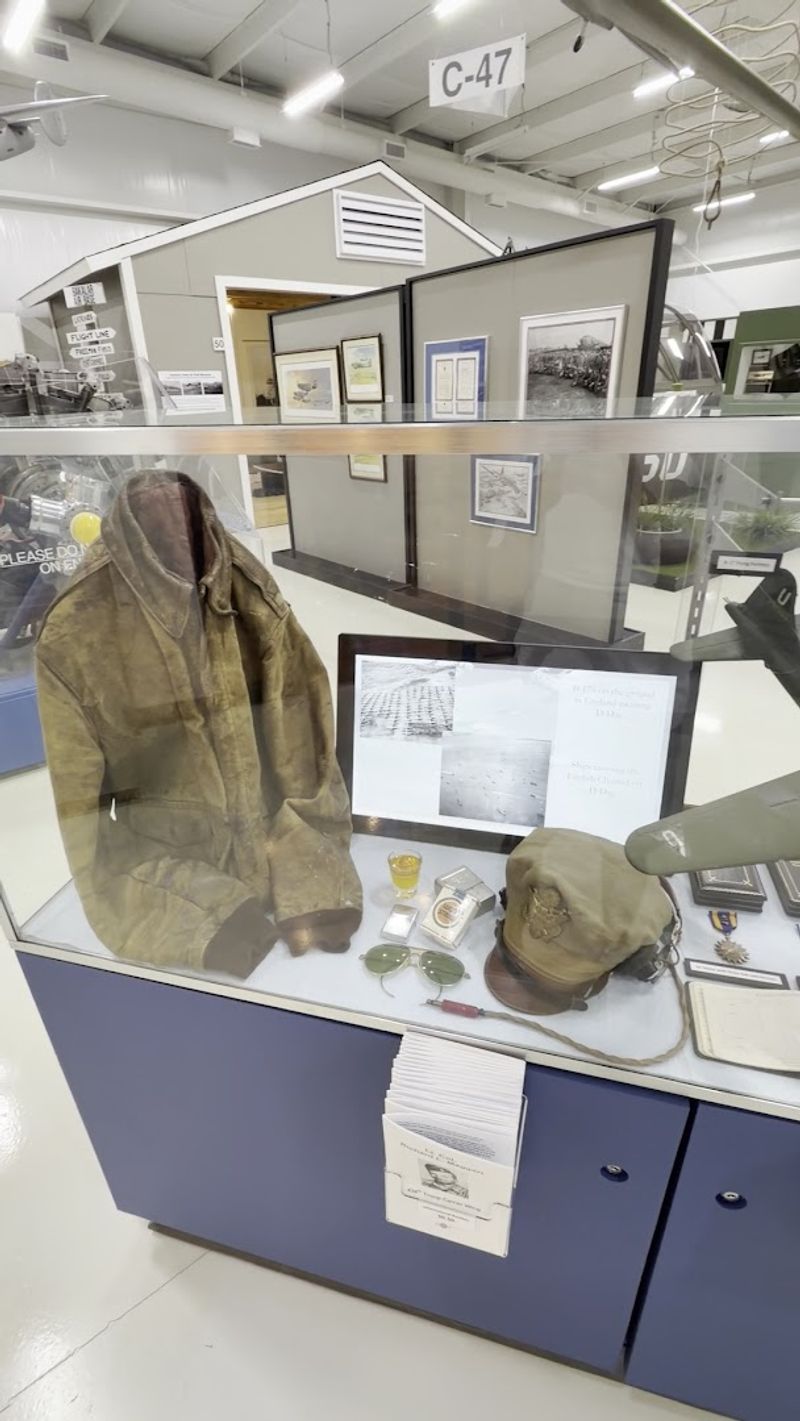
History hits differently when it happened right where you are standing. The Atterbury-Bakalar Air Museum preserves the full story of the former Atterbury Army Air Field and Bakalar Air Force Base, covering nearly three decades of military aviation activity from 1942 to 1970.
That span touches World War II, the Korean War, and the Vietnam conflict all in one place.
Walking through the exhibits feels like flipping through a living timeline. Photographs, documents, uniforms, and equipment tell the story of a base that trained thousands of American service members and played a quiet but important role in shaping the nation’s military aviation capability.
Columbus, Indiana may not be the first place you think of when you think military history, but after visiting this museum, that changes completely.
The museum does a smart job of connecting large historical events to the local community. You learn not just about wars and aircraft but about the people of this Indiana town who showed up, served, and came home changed.
That local angle makes the history feel less like a textbook and more like a conversation with someone who was actually there. Whether you are a history enthusiast or someone who just wandered in curious, this context gives every other exhibit in the building a deeper meaning and a stronger emotional weight.
Immersive Full-Size Aircraft Displays
Some museums keep you behind ropes and glass. Not this one.
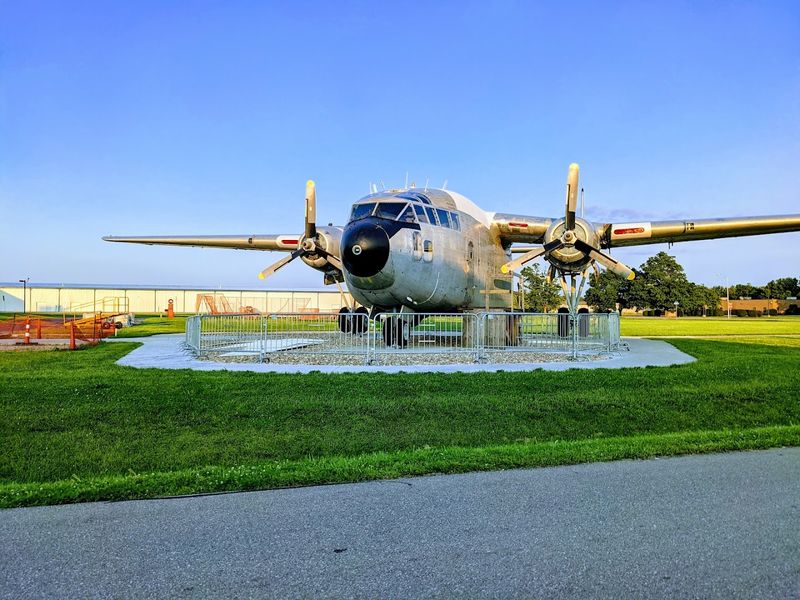
The Atterbury-Bakalar Air Museum gives you a chance to get up close to real full-size aircraft, and on certain days, even step inside one. The star of the outdoor display is an F-4C Phantom II fighter jet, a powerful Cold War-era machine that looks every bit as fierce parked on the ground as it did in the sky.
The real crowd-pleaser, though, is a restored Fairchild C-119 Flying Boxcar nicknamed Charlie 119. This massive cargo plane was brought all the way from Wyoming and reassembled right on site by dedicated volunteers.
On the second Saturday of most months, the interior of the C-119 is open to the public, giving visitors a rare chance to walk through a piece of living aviation history.
Standing inside Charlie 119 puts things in perspective fast. You start to understand just how much equipment and how many people these planes moved during wartime operations.
The sheer size of the cargo bay is humbling. Families with kids especially enjoy this part because it turns history into something you can actually touch and feel.
Personal Stories and the Human Element
Numbers and dates can only tell you so much. What really makes history stick is the story of one person and what they went through.
The Atterbury-Bakalar Air Museum understands this completely, and it shows in how the exhibits are designed. The focus here is on real people, not just machinery and medals.
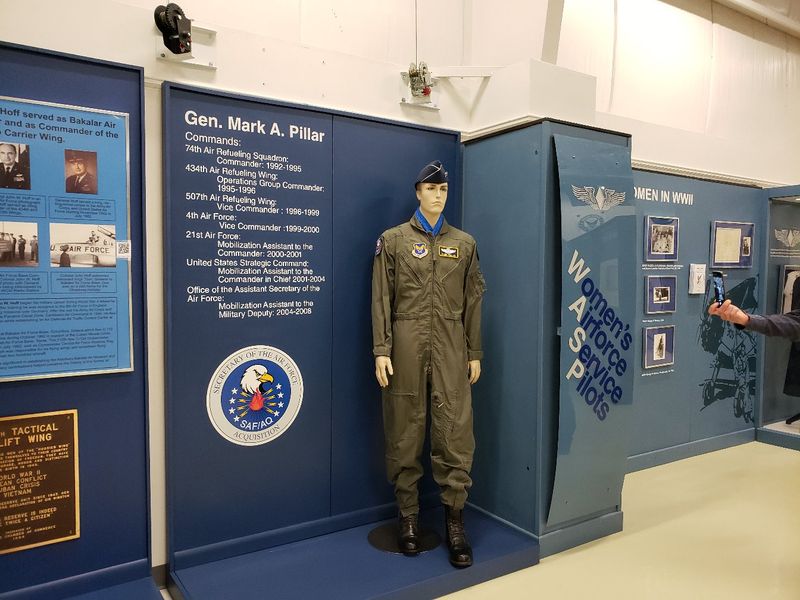
One of the most powerful sections honors the Women Airforce Service Pilots, known as WASPs, who trained at Atterbury during World War II. These women flew military aircraft across the country at a time when few people believed women belonged in cockpits.
Their stories are told with honesty and respect. The exhibit also highlights the Tuskegee Airmen and World War II glider pilots, bringing voices to the forefront that are sometimes overlooked in broader military histories.
There is something quietly powerful about reading a personal letter or seeing a worn photograph of someone who served decades ago. The museum curates these moments carefully, making sure visitors leave with more than facts.
You leave with feelings. Parents visiting with teenagers will find this section sparks real conversations about courage, equality, and sacrifice.
It is the kind of history lesson that does not feel like a lesson at all. Plan to linger here longer than you expect because these stories have a way of pulling you in and holding your attention with ease.
Unique and Interactive Exhibits
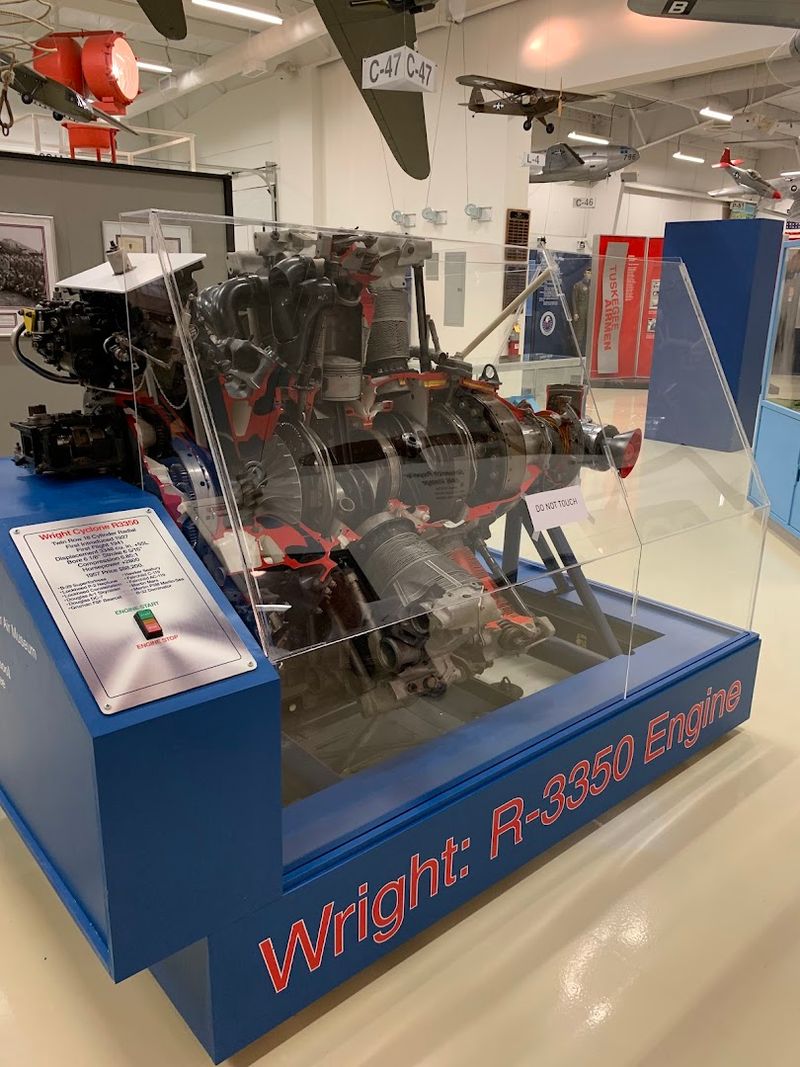
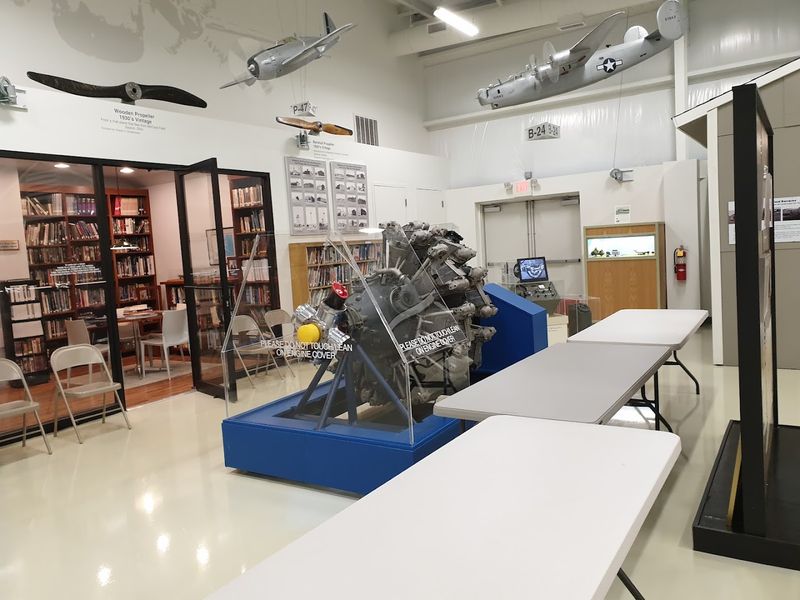
Pressing a button and watching a massive engine come to life is a genuinely thrilling moment, no matter how old you are. The Atterbury-Bakalar Air Museum has a motorized cutaway of an R-3350 radial engine that does exactly that.
This mid-century powerplant was recently repaired and brought back to working condition, and seeing its internal parts move together is both educational and oddly mesmerizing.
Beyond the engine, the museum offers a CG-4A glider nose section that puts the logistical reality of World War II airborne operations into sharp focus. A reproduction barracks display adds another layer, helping visitors picture what daily life looked like for the men and women stationed at the base.
These are not just props. They are carefully researched recreations built to teach.
Kids especially respond well to this section because it moves beyond looking and invites actual engagement. There is also a flight simulator that younger visitors have a blast with, and a dedicated kids area stocked with flight-themed coloring materials, books, and toys.
The museum does a great job of making sure families with children of all ages have something to connect with. Interactive exhibits like these turn a casual visit into an active learning experience.
You are not just absorbing information here. You are participating in it, which makes the whole visit feel lively and worth every minute of the drive.
A Century of Flight Exhibit and Wright Flyer Replica
Right when you walk through the front door, something stops you cold. A beautifully crafted 1:4 scale replica of the Wright Flyer hangs in the museum lobby, setting the tone for everything you are about to see.
It is the centerpiece of the exhibit titled A Century of Flight, and it earns that title without any exaggeration.
The Wright Flyer replica is more than a decoration. It anchors the entire narrative of the museum by reminding visitors where powered aviation began.
From those first shaky seconds at Kitty Hawk to the jet-powered aircraft on the museum grounds outside, the progression of human flight becomes tangible and awe-inspiring. Seeing that fragile wooden and fabric structure in the same building as jet engine displays is a genuinely powerful contrast.
Photography lovers will want to spend time here because the lobby lighting makes the replica look stunning from multiple angles. The selfie station set up near the entrance area has become a favorite spot for visitors who want a fun and memorable photo from their trip.
It is a small touch that shows the museum knows how to make people feel welcome from the very first moment. Whether aviation history is your passion or you are just along for the ride, this opening exhibit sets an exciting stage for everything else the museum has in store for you during your visit.
Free Admission and Volunteer-Driven Experience
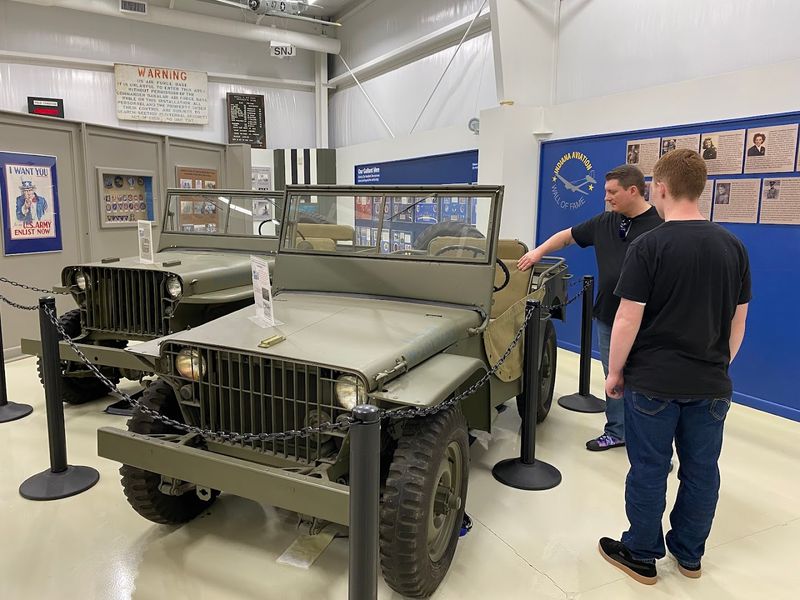
Free admission is rare enough that it always feels like a gift. At the Atterbury-Bakalar Air Museum, every single visitor walks in without paying a cent, which makes it one of the most accessible cultural destinations in Indiana.
Open Thursday through Saturday from 10 AM to 4 PM, the museum keeps reasonable hours that work well for weekend road trips and weekday outings alike.
What truly sets this place apart is the people running it. Every staff member you meet is a volunteer, and most of them bring deep personal knowledge of aviation, military history, or both.
They are not reading from scripts. They are sharing stories they genuinely care about, and that enthusiasm is contagious.
Visitors consistently leave talking about the conversations they had with the docents as much as the exhibits themselves.
The museum also has a small selection of used books for sale, and donations are warmly welcomed to help keep everything running. If you happen to visit on the second Saturday of the month, you get the bonus of the C-119 interior tour on top of an already packed experience.
Groups, families, solo travelers, and school-age kids all find something meaningful here. The combination of no cost, passionate guides, and genuinely impressive exhibits makes the Atterbury-Bakalar Air Museum one of those rare finds that exceeds expectations every single time someone gives it a chance.
