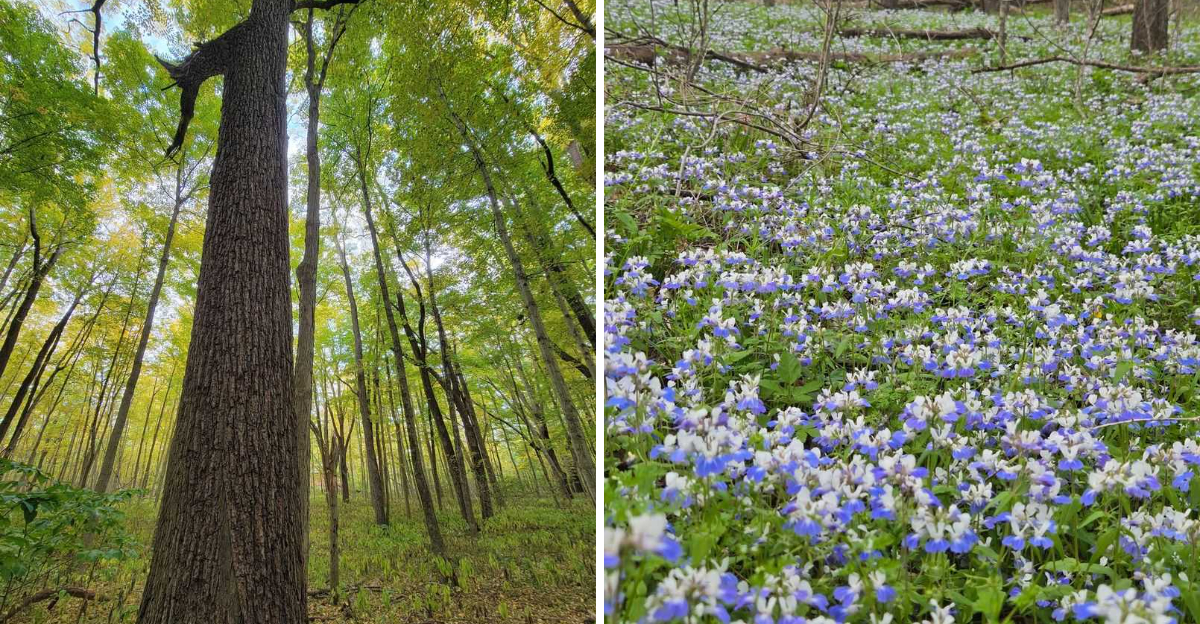
What if you could wander through a forest where some of the trees have been standing for centuries? One hidden Indiana nature preserve offers a rare chance to walk beneath towering old-growth trees that have survived for generations.
The peaceful woodland feels worlds away from busy roads and developed areas, with massive trunks and a thick canopy creating an atmosphere that is increasingly difficult to find.
As you follow the trails, the age and scale of the forest become part of the experience, making even a simple walk feel like a journey into the past.
If you love discovering quiet natural places where the landscape itself tells a story, this remarkable preserve deserves a spot on your list.
A Forest That Remembers Early Indiana
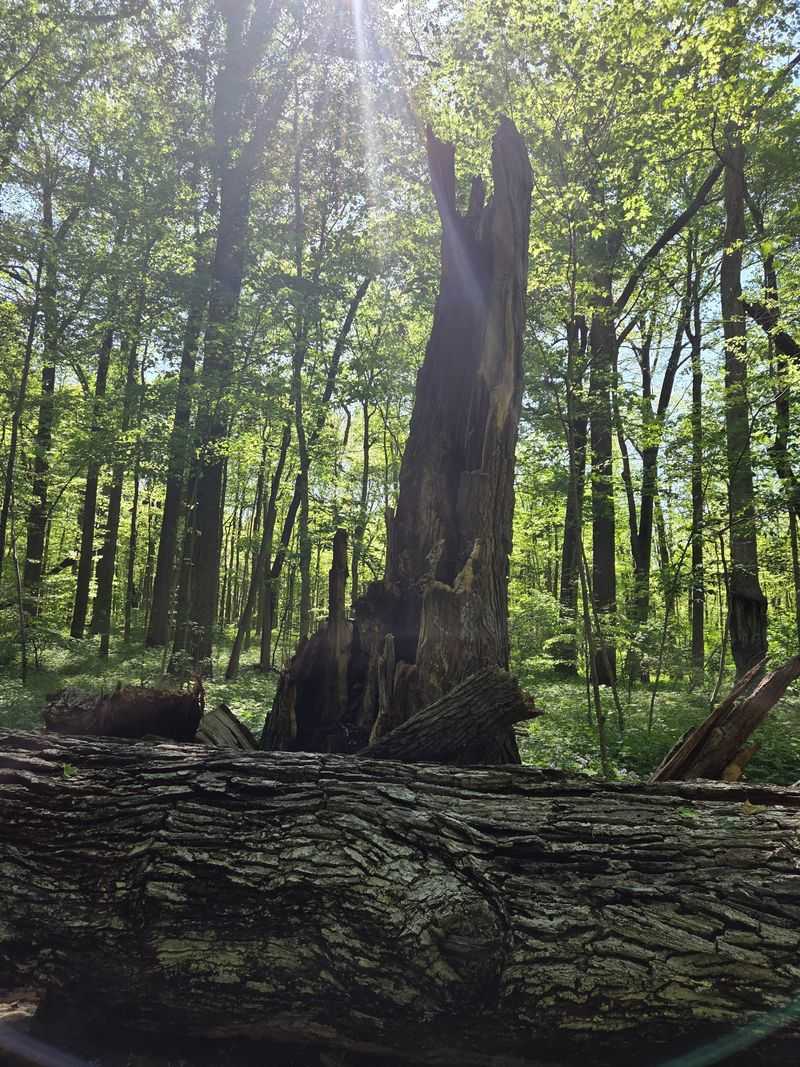
My first surprise was how quickly the woods changed the mood of the day. Road noise faded, sunlight broke into small patches, and huge trunks rose above an unusually open forest floor, creating a view that felt both peaceful and wonderfully untidy.
Shrader-Weaver Woods protects a rare old-growth upland forest of about 28 acres within a larger nature preserve.
Unlike timberlands that were cut and later regrew, its oldest section escaped logging, so visitors can see features that once shaped much of Indiana, including tall canopy layers, hollow trees, fallen logs, and natural gaps where storms have opened the sky.
Many trees have lived for more than two centuries, while some oaks began growing before the American Revolution. Their age matters because old forests develop slowly, giving plants, fungi, insects, and animals many kinds of shelter that younger woodlands cannot quickly replace.
Follow the established path rather than moving close to trunks or climbing over decaying wood. Fallen branches may look messy, but they return nutrients to the soil and provide homes for small creatures, so leaving everything untouched helps the forest continue its ancient cycle.
A quiet pace works best here. Pause occasionally, look from the ground to the canopy, and notice how seedlings, mature trees, standing dead wood, and soft logs represent several stages of one living system.
That wider view turns an easy woodland outing into a memorable lesson about what Indiana looked like before farms, roads, and towns changed the landscape.
Meet the Giants Above the Trail
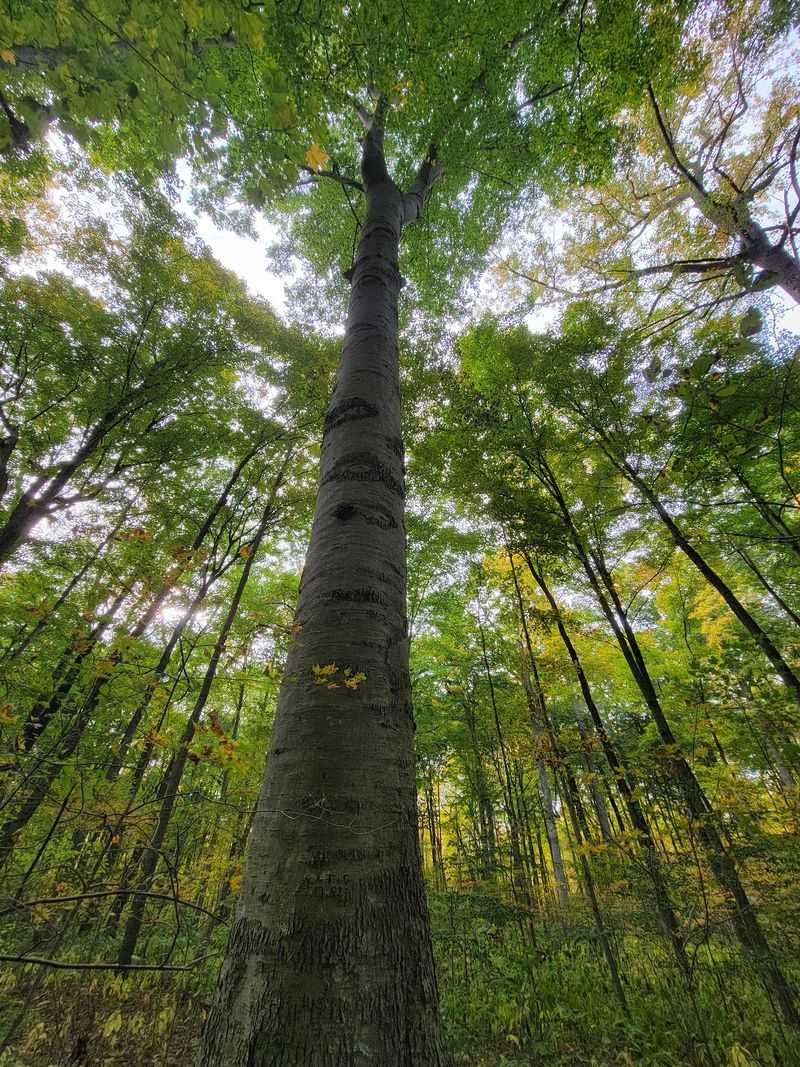
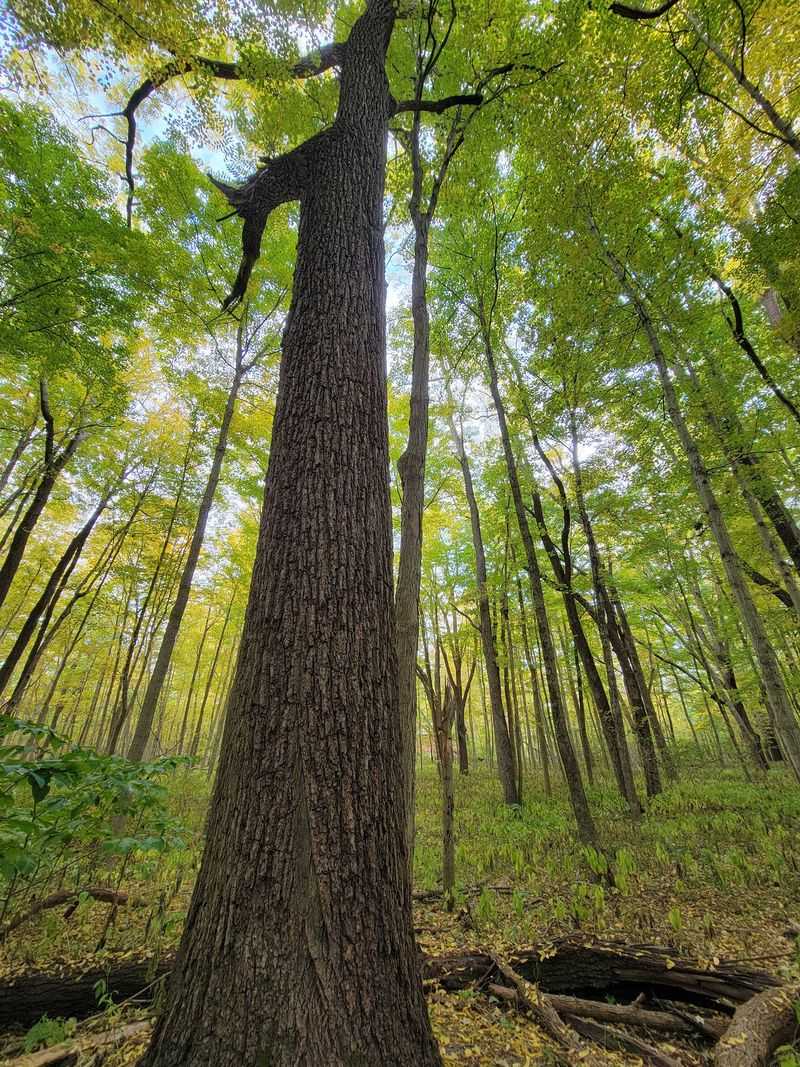
Neck craned and feet planted, I tried to follow one massive trunk all the way into the leaves. The canopy seemed determined to hide its highest branches, which made the tree appear even larger than it looked from farther down the trail.
Shrader-Weaver Woods is known for remarkable hardwoods, including an immense black walnut recognized among Indiana’s largest examples. A bur oak measuring more than five feet across has also been identified as the biggest tree in the woods, while other mature oaks add their own thick columns and wide crowns to the scene.
Size is only part of their appeal. Deep bark grooves, broken limbs, cavities, and uneven shapes record years of wind, lightning, insects, growth, and recovery, offering details that perfectly shaped park trees rarely display.
Bring binoculars if you have them, even when birds are not your main interest. They help reveal fungi on distant bark, tiny openings used by wildlife, and twisting branches that disappear far overhead.
Photography requires patience because the trees resist fitting into a single frame. A person placed safely on the trail can provide scale, but a low angle, wide view, or close study of bark often captures their character better than a hurried snapshot.
Please admire every giant without carving bark, touching fragile growth, or leaving the marked route. Compacted soil can damage roots extending well beyond a trunk, and respectful distance keeps these living landmarks healthier for future visitors.
Come See Spring Paint the Ground
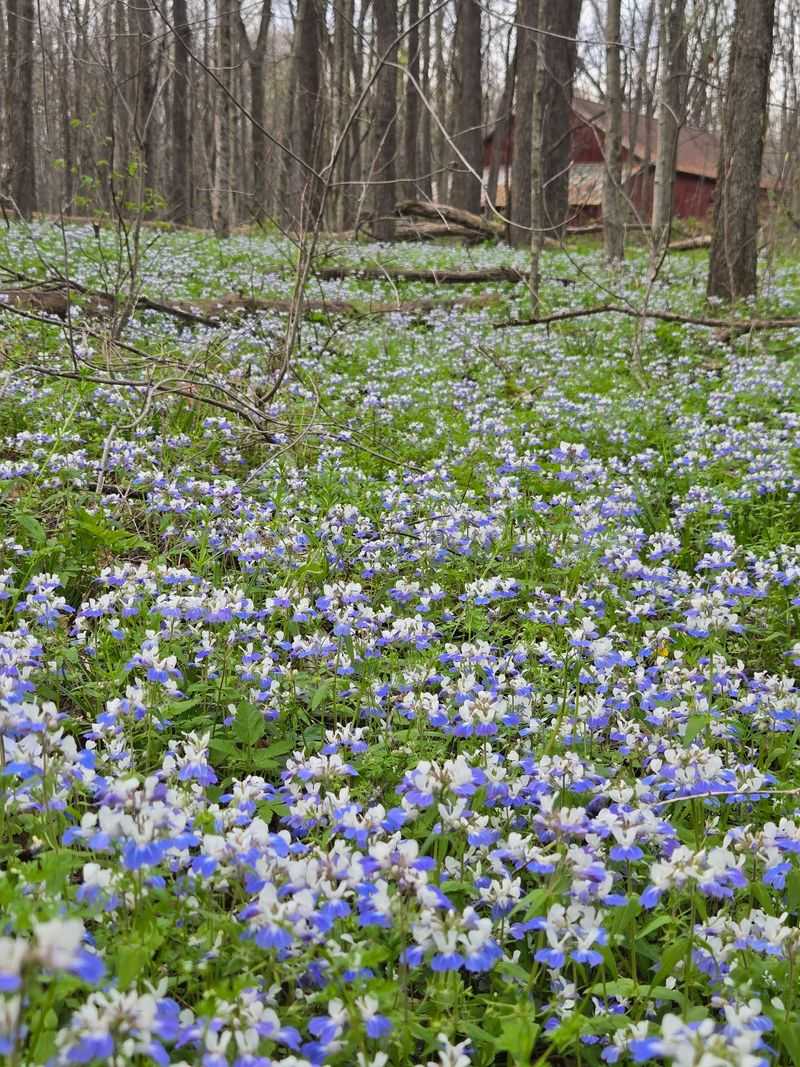
Spring made me look down almost as often as I looked toward the treetops. Beneath the bare and newly budding branches, small flowers gathered into broad patches of blue, white, yellow, pink, and green, turning the forest floor into its own attraction.
From late March through early May, Shrader-Weaver Woods can produce an impressive display of native woodland wildflowers. Blue-eyed Mary is a celebrated highlight, while nodding trillium, jack-in-the-pulpit, Solomon’s plume, and twinleaf reward anyone willing to slow down and study the edges of the path.
Bloom dates shift with temperature, rainfall, and the timing of leaf growth overhead, so no calendar can promise the fullest show. Checking current information from Indiana nature preserve managers before traveling can improve your chances without relying on reports from past years.
An overcast morning is excellent for photographs because softer light preserves flower color and reduces harsh shadows. Kneel only where the trail safely allows, use a zoom setting, and avoid arranging plants for a picture, since thin stems and shallow roots are easily harmed.
Wildflowers must remain in the preserve. Picking one removes seeds and may disturb nearby plants, while stepping into a colorful patch can crush growth that took years to establish.
Late spring brings a different scene as the canopy fills and shade deepens. That brief change gives the bloom its magic, so take time to notice tiny shapes, unusual leaves, and insects quietly visiting blossoms before the woodland ceiling closes above them.
You Can Take the Day Slowly Here
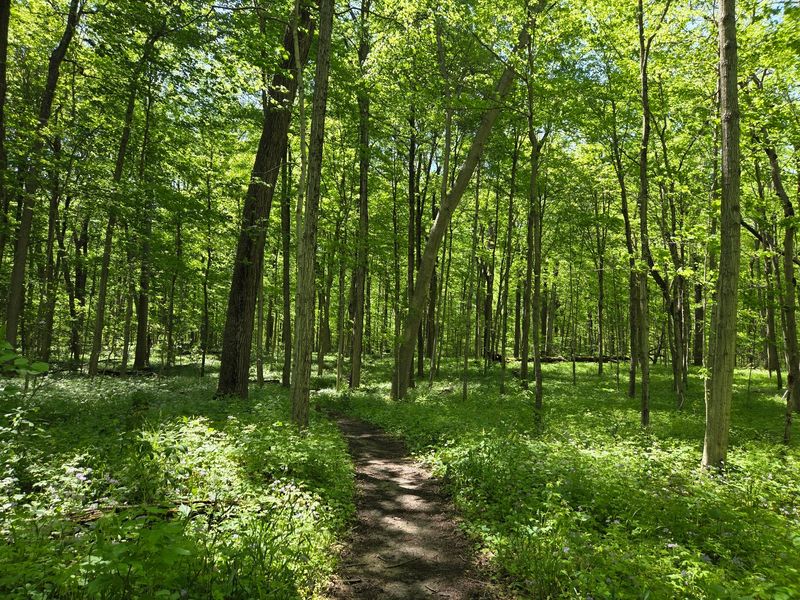
After several minutes on the path, I stopped caring how far I had traveled. The pleasure came from the small changes around each bend, from brighter young woodland to shadowed old growth, rather than from reaching a dramatic finish line.
The preserve has roughly two miles of generally easy to moderate walking routes, arranged so visitors can explore without committing to a long backcountry trip.
Its Old Growth Woods Trail runs through the ancient stand, while the Succession Trail helps reveal how a younger forest develops differently over time.
Marked stations along the old-growth route match features explained in an interpretive brochure when materials are available. Reading as you go can turn bark, openings, wet ground, and fallen timber into clues rather than background scenery.
Wear sturdy shoes because roots, mud, leaves, and storm debris can make a short trail surprisingly uneven. A downloaded map or photographed trail map is useful in case markers are unclear, and staying on the route protects plants while reducing the chance of getting turned around.
Carry water, insect repellent, and any snack you may need, but plan to eat outside the preserve because picnicking is not allowed. Visitors should also prepare for the lack of restroom facilities and take every wrapper or tissue away with them.
The manageable distance makes the woods suitable for a relaxed morning or afternoon. Allow extra time anyway, since enormous trees, birdsong, flowers, and changing light have a habit of delaying even determined walkers.
Can You Spot the Ice Age Clues
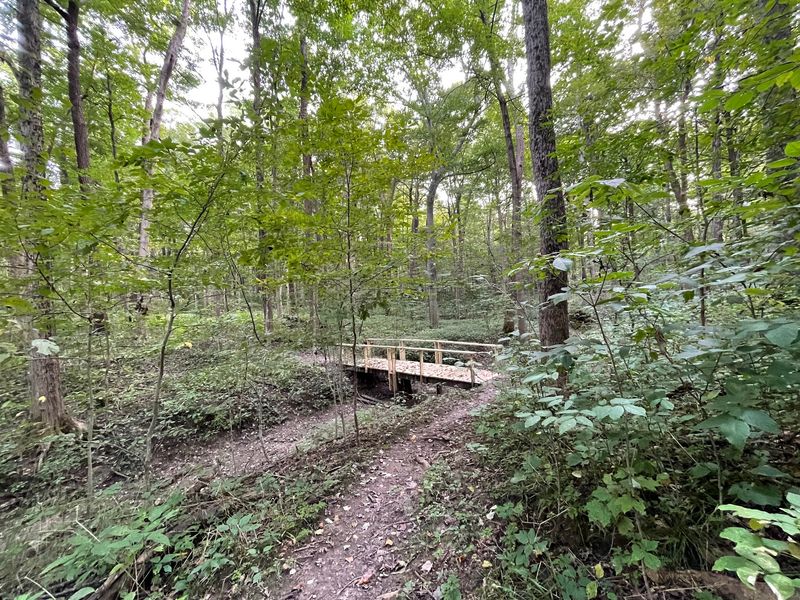
A damp patch beside the trail first looked ordinary, but it told a story far older than any nearby tree. Water, rocks, soil, and slope quietly reveal how geology continues to shape the preserve from below the roots.
Groundwater-fed seeps occur where water slowly reaches the surface, producing cool, moist pockets with growing conditions unlike those on drier upland ground. Specialized plants and small animals can use these habitats, adding variety to a woodland that might appear uniform during a quick walk.
Glacial boulders provide another link to deep time. Ice carried these rocks into the region thousands of years ago, then left them behind as glaciers retreated, so a stone resting among the trees may have traveled farther than many modern visitors.
Look for changes in leaf color, moss, mud, and plant density near wet areas without leaving the path. Waterproof footwear helps after rain, while careful steps protect both delicate seep communities and hikers from slick ground.
Children and curious adults can make a simple observation game from the landscape. Compare a dry slope with a moist hollow, examine boulders from a respectful distance, and consider why certain plants gather in one place but not another.
Nothing should be moved or collected, including small rocks and interesting pieces of wood. When each feature remains where natural forces placed it, researchers and future guests can read the same evidence, making the preserve an outdoor record of Indiana’s ecological and geological past.
Listen for Life in Every Forest Layer
Birdsong seemed to move through the woods before I could locate a single singer. One call came from the high canopy, another sounded near the understory, and rustling leaves suggested that plenty of residents preferred to remain unseen.
The preserve’s layered habitat supports woodland birds such as barred owls, great crested flycatchers, red-eyed vireos, wood thrushes, and Acadian flycatchers.
Seasonal visitors may include cerulean warblers, scarlet tanagers, blue-gray gnatcatchers, ovenbirds, and Baltimore orioles, although sightings always depend on timing, weather, and luck.
Old trees are valuable because they offer more than living leaves. Cavities, loose bark, dead standing trunks, and fallen logs can provide shelter or feeding places for woodpeckers, owls, flying squirrels, insects, fungi, and many smaller organisms.
Early morning often brings more bird activity, but quiet behavior matters at any hour. Keep voices low, silence phone alerts, and pause for several minutes in one spot so natural sounds can return after your arrival.
Binoculars make canopy watching easier, while a bird identification guide can help connect calls with species. Avoid playing recorded bird sounds, which may interrupt feeding, nesting, or territorial behavior, especially during the breeding season.
Wildlife encounters are better when animals choose the distance. Never feed, chase, handle, or approach them for photographs, and leave nests completely alone.
Even without a clear sighting, listening reveals how busy an old forest can be. The woods become a layered community rather than a collection of impressive trees.
History Gives the Quiet Woods More Meaning
The deeper meaning of the preserve did not arrive all at once for me. It grew from realizing that this peaceful place survived because people recognized its value and chose to protect a woodland that could never be quickly replaced.
Shrader-Weaver Woods became a National Natural Landmark in 1974, confirming its national importance as an outstanding natural area.
The designation recognizes the rare old-growth forest and helps visitors understand that its giant trees are part of a larger conservation story, not simply impressive scenery.
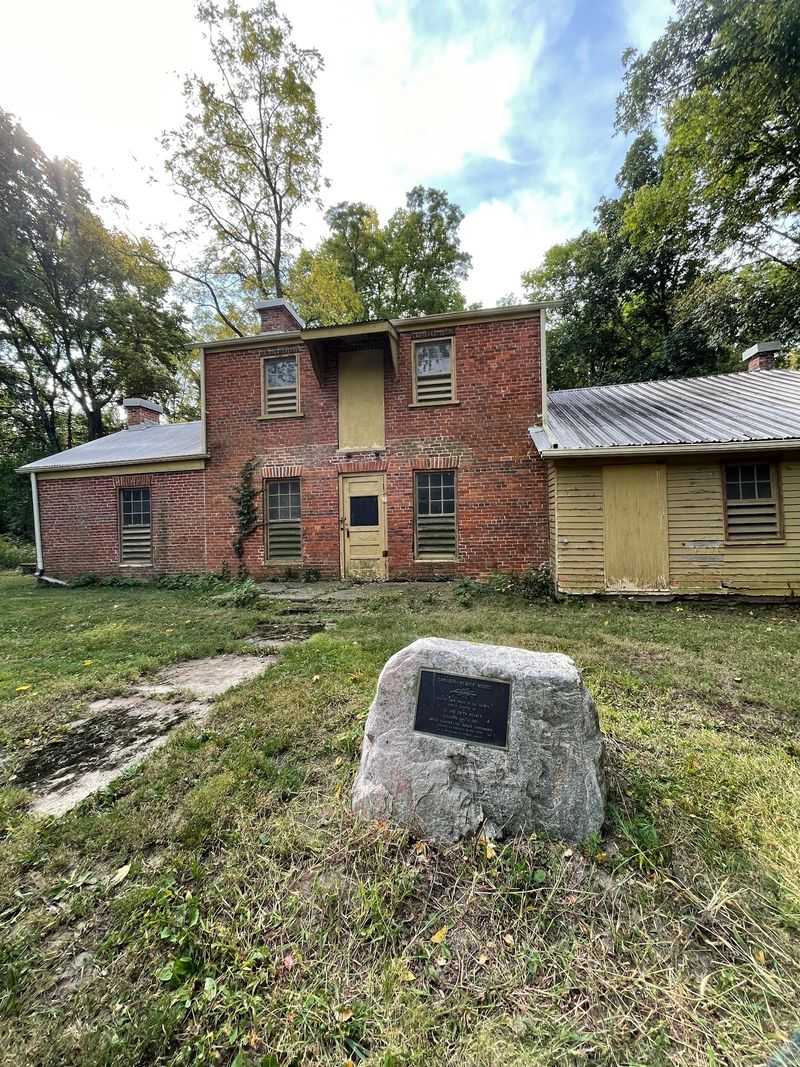
Laz and Edith Weaver gave the property for preservation, allowing its ecological record to continue beyond their lifetimes. Remnants connected with an early homestead, including the history of Philip Shrader’s 1830 home, add a human layer to land best known for features much older than settlement.
Historic structures near the preserve may be on private property, so view boundaries carefully and never enter neighboring land. Respecting fences, signs, and closures protects local relationships as well as sensitive natural resources.
Before leaving, take one final slow look at the canopy and the decaying wood below it. Conservation includes both grand trees and ordinary processes, such as a fallen trunk becoming soil for another generation.
Plan ahead because facilities are limited, pack out everything you bring, and confirm current access guidance with Indiana officials before making a special trip. The preserve is located along a rural county road, and its full destination address is provided here for navigation.
Address: 5299 N County Road 450 W, Connersville, IN 47331.
