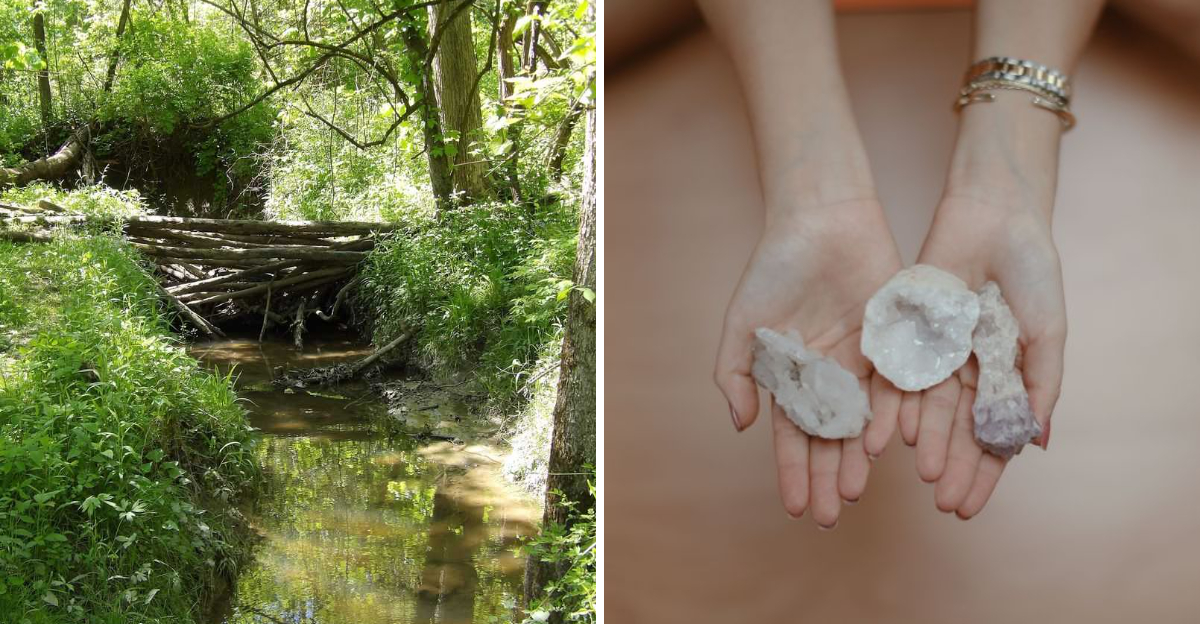
What if a quiet creek bed was hiding hundreds of ancient treasures in plain sight? One secret Indiana creek has become a fascinating destination for anyone who loves discovering unusual pieces of the natural world.
Scattered among the rocks and gravel are geodes formed millions of years ago, with some hiding sparkling crystals inside their plain-looking outer shells.
The real fun comes from knowing that an ordinary-looking stone could turn out to be something much more remarkable once you get a closer look.
If you enjoy finding unexpected natural wonders and exploring places with a little mystery, this creek is one discovery worth knowing about.
The Creek Bed That Doubles As A Treasure Map
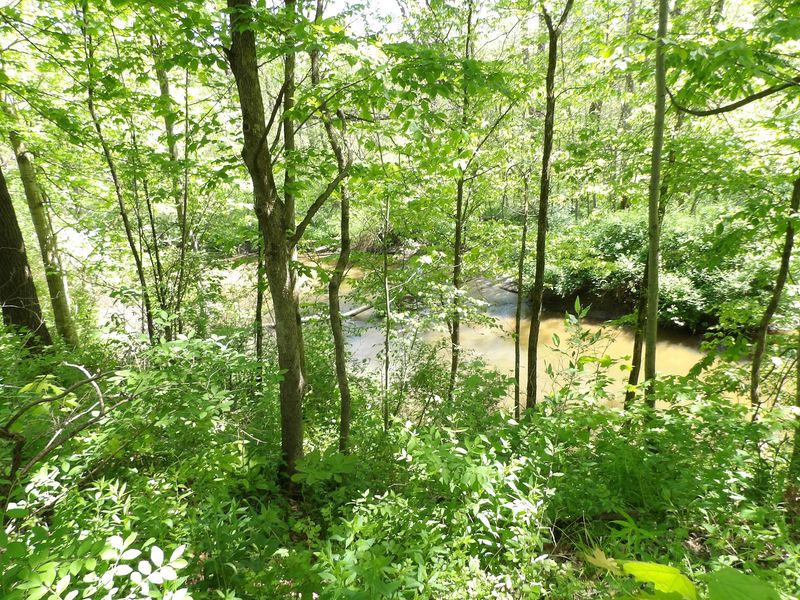
Gravel bars were the first thing that caught my eye, long pale stripes of stone curving along the bends of the water. Salt Creek drains straight through Indiana’s Mississippian geode belt, which is a fancy way of saying the ground here has been producing these rocks for a very long time.
Geodes weather out of the Harrodsburg and Salem limestones, tumble down the slopes, and settle in the streambed. So the creek does most of the collecting work for you.
Lawrence County has a long reputation among rock hunters for exactly this reason. The limestone that made Bedford famous is the same limestone that cradled these hollow stones millions of years ago.
What surprised me was how quickly my eye adjusted. After twenty minutes I started noticing the difference between a plain river rock and a geode, which usually looks bumpy, round, and oddly light or oddly heavy depending on what is inside.
You do not need a geology degree to enjoy this. Bring a mesh bag, wear shoes you do not care about, and move slowly along the shallow edges where the water sorts stones by size.
Honestly, the hunting part is half the fun. Even the ones I left behind felt like small victories.
You Are Literally Holding Indiana’s Backstory
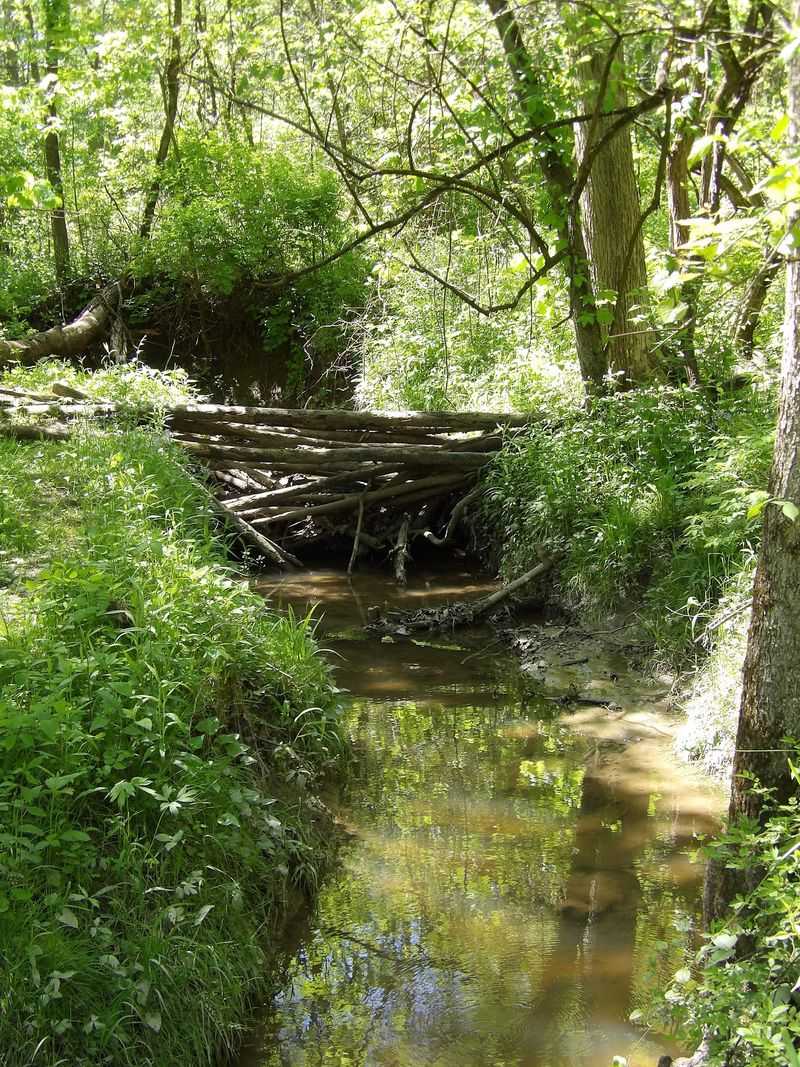
Bedford calls itself the Limestone Capital of the World, and that title is not just a slogan on a sign. The stone quarried around here has traveled to buildings across the country, and the same ancient seabed responsible for those blocks is responsible for the geodes rolling around in the creek.
Standing near a cut bank, you can see the layers stacked like pages.
The creek’s name has its own story. Brine springs seep along parts of its course, salty water pushing up through underground rock, and early settlers named the waterway after that quirk.
I did not expect a geology lesson to feel emotional, but holding a stone shaped by millions of years of slow chemistry has a strange weight to it. Not physical weight.
The other kind.
Kids especially seem to catch this feeling fast. Handing a seven year old a rock and telling them it is older than every mountain they have ever seen tends to get a reaction.
So bring the family. Bring a curious friend.
The creek turns into a classroom without anybody trying to make it one, and the lesson sticks a lot better than a textbook chapter ever could.
Meet A Crystal Older Than Everything
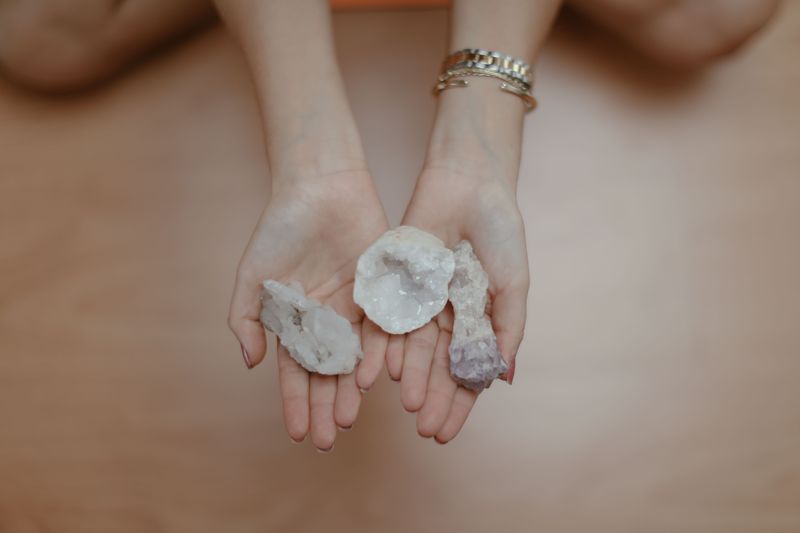
Nothing quite prepares you for the moment a dull gray rock splits open and throws light back at you. The geodes along Salt Creek are usually lined with quartz crystals, sometimes with soft druzy sparkle covering the whole inner wall.
Others hide calcite clusters, chalcedony banding, or on lucky days a bluish tint that collectors get genuinely excited about.
Sizes vary quite a bit. In the Hoosier National Forest stretch of the creek, most of what I saw ranged from golf ball to softball, which is a comfortable size to carry and later cut or crack.
Here is a detail I found fascinating. Some geodes in this region are pseudomorphs, meaning they formed around ancient fossils and kept the shape of a creature that died long before dinosaurs existed.
That thought stuck with me while I was rinsing mud off my hands.
If you want to see the inside, a rock saw gives the cleanest cut and shows off the banded chalcedony shell beautifully. A chisel and hammer work too, though the break is rougher and a bit more dramatic.
Either way, wear eye protection. Flying stone chips are not the souvenir anybody wants from a good day outdoors.
When To Show Up If You Want The Good Stuff
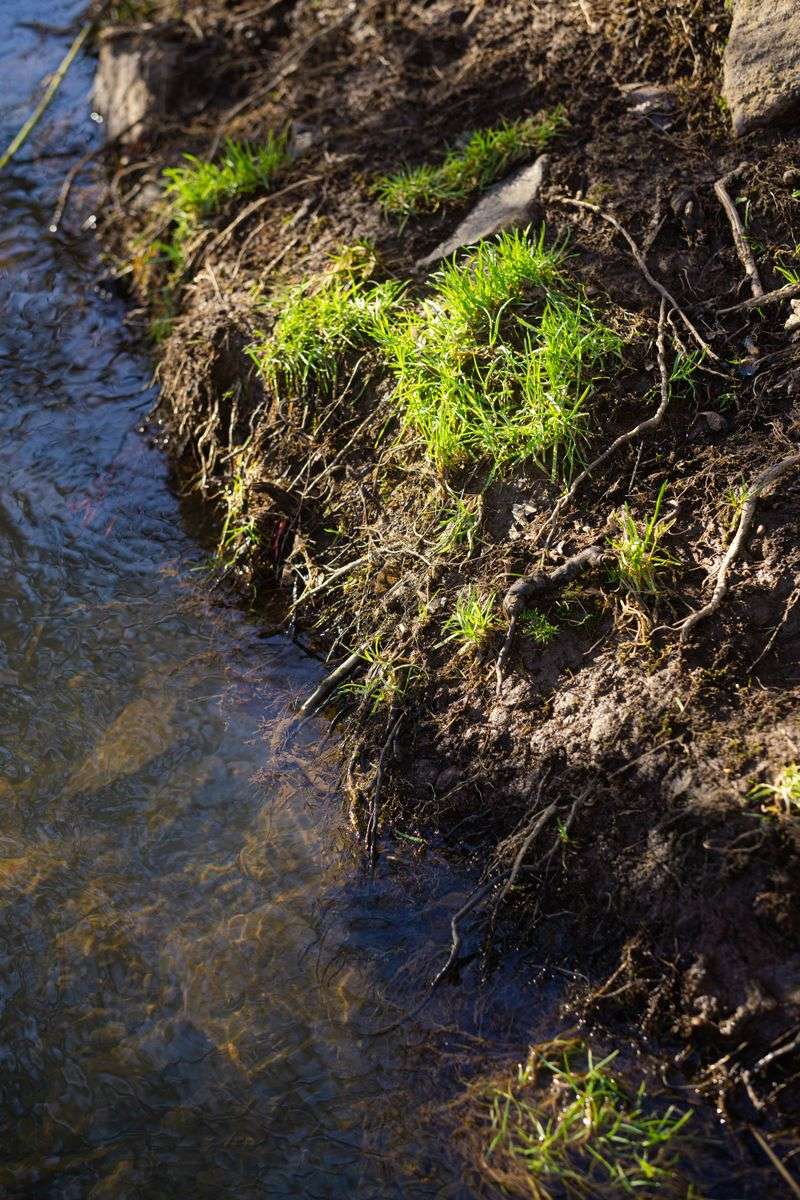
Rain is your best friend here, oddly enough. After a heavy storm, water scours the banks and shoves fresh material into the streambed, exposing geodes that were buried the week before.
Give it a day or two so the current settles, then go looking.
Early spring works well because flow is strong and the banks are actively eroding. Autumn is arguably even better, since water levels drop and gravel bars that were underwater all summer suddenly become walkable.
Summer has its own charm. Wading feels great when it is humid, and the shallow sections make easy searching for anyone who does not mind wet socks.
Winter is the tricky one. Frozen ground and icy footing turn a relaxed hunt into a chore, so I would skip it unless you really enjoy suffering for your hobby.
A few practical notes from my own trip. Check water levels before driving out, wear closed-toe shoes with grip, and expect mud on everything you own.
I brought a small towel and was extremely glad about it.
Also pack water and snacks, because there is nothing nearby once you are down in the creek and time disappears faster than you would believe.
Ready To Wander Into The Hoosier National Forest Side
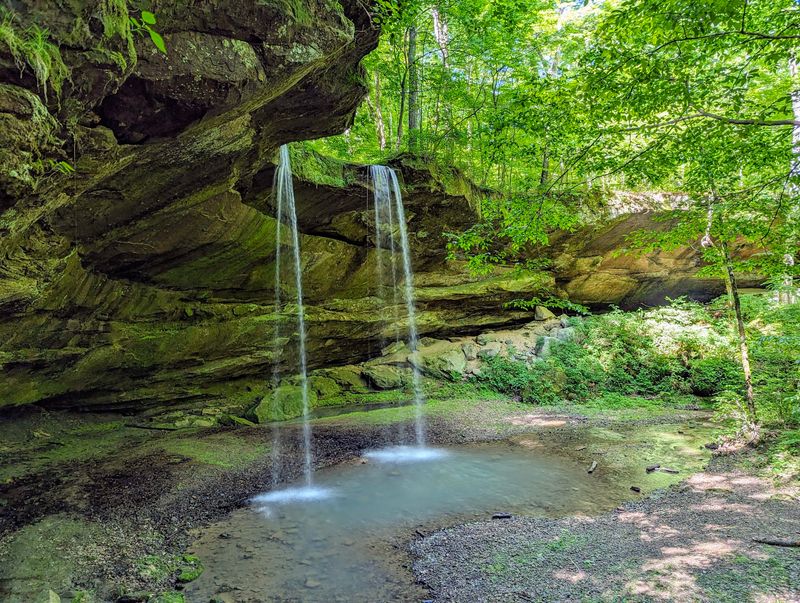
Big chunks of Salt Creek run through Hoosier National Forest, and that changes the whole mood of the trip. The hills get steeper, the hollows get deeper, and the tree cover closes in until the water sounds louder than anything else.
I stopped hunting for a while and just listened.
The South Fork carves through some genuinely rugged terrain, popular with paddlers who want a wilderness route rather than a lazy float. Hardwood forest lines both sides for long stretches.
Upstream of Lake Monroe, the North Fork spreads into quiet backwater that feels wonderfully forgotten. Wildlife watching is excellent there, and nesting bald eagles have been spotted in the area, which is reason enough to bring binoculars.
Because the land is protected, the scenery stays wild in a way that is getting harder to find. No billboards.
No traffic hum.
Just remember that public land comes with rules, so check current Forest Service guidance about collecting before you fill a bucket.
Bug spray helps in warmer months, and a paper map is smarter than trusting your phone signal in the hollows.
Honestly, even if you found zero geodes, an afternoon here would still count as time well spent.
Trade Your Rock Bag For A Paddle Or A Saddle
Geodes were my excuse for the trip, but the area kept offering other things to do. Paddling the Salt Creek watershed is a genuine highlight, especially in the North Fork backwaters near Lake Monroe where the water goes glassy and herons stand around like statues.
Kayaks and canoes both work fine there.
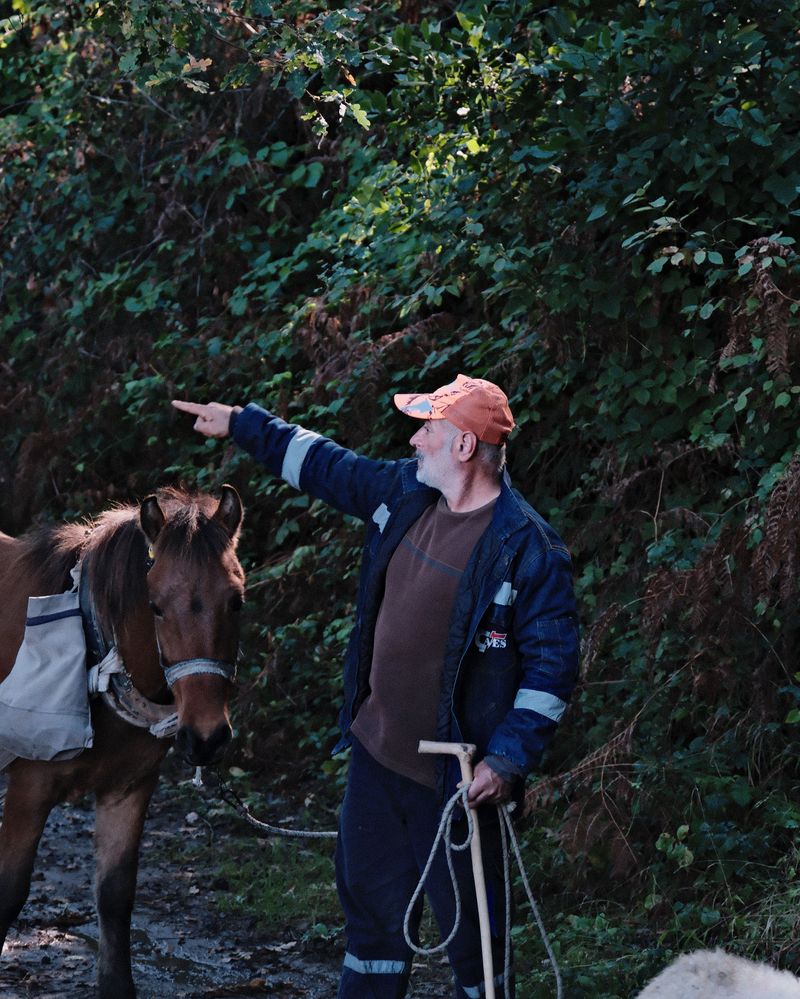
For anyone who prefers staying dry, Salt Creek Ranch nearby runs guided horseback rides through hills and stream crossings, with hidden waterfalls tucked into the route.
Beginners are welcome, which matters if your riding experience amounts to one pony at a county fair. Mine does.
Hiking is the third easy option. Trails throughout Hoosier National Forest range from short loops to longer routes with real elevation, and fall color here is worth planning a whole weekend around.
I liked mixing things up. Morning in the creek, afternoon on a trail, and the day felt twice as long as it actually was.
Pack layers, because shaded hollows stay noticeably cooler than open ridgelines even in summer.
The point is that Salt Creek is not a one-trick destination. Show up for the rocks and you will probably leave planning a second visit for everything else.
Small Town Character Waiting At The End Of The Day
Muddy, tired, and carrying a bag of rocks, I drove back toward Bedford and realized the town deserved more than a gas station stop. Limestone shows up everywhere in the local architecture, a quiet reminder of what this community has been shaping for generations.
The craftsmanship is genuinely impressive up close.
Lawrence County also has a space connection that surprised me. Three astronauts came from here, including Virgil I.
Grissom, one of the original Mercury Seven, and you can learn about him at the Grissom boyhood home or the memorial inside Spring Mill State Park.
Not many rural counties can claim that.
Driving the back roads, I kept spotting barn quilts, those big painted geometric panels mounted on barn walls. They add unexpected color to the farmland and make a slow scenic drive feel intentional.
If you enjoy poking through odd collections, Salt Creek Flea Market and Auction Services sits just outside town and opens on weekend mornings. It leans toward the treasure-hunting crowd, which honestly matches the whole theme of the day.
Ending a geode trip with a little local history feels right. You come for the crystals and leave with a better sense of the place that made them.
Address: 101 Oolitic Rd, Bedford, IN 47421
