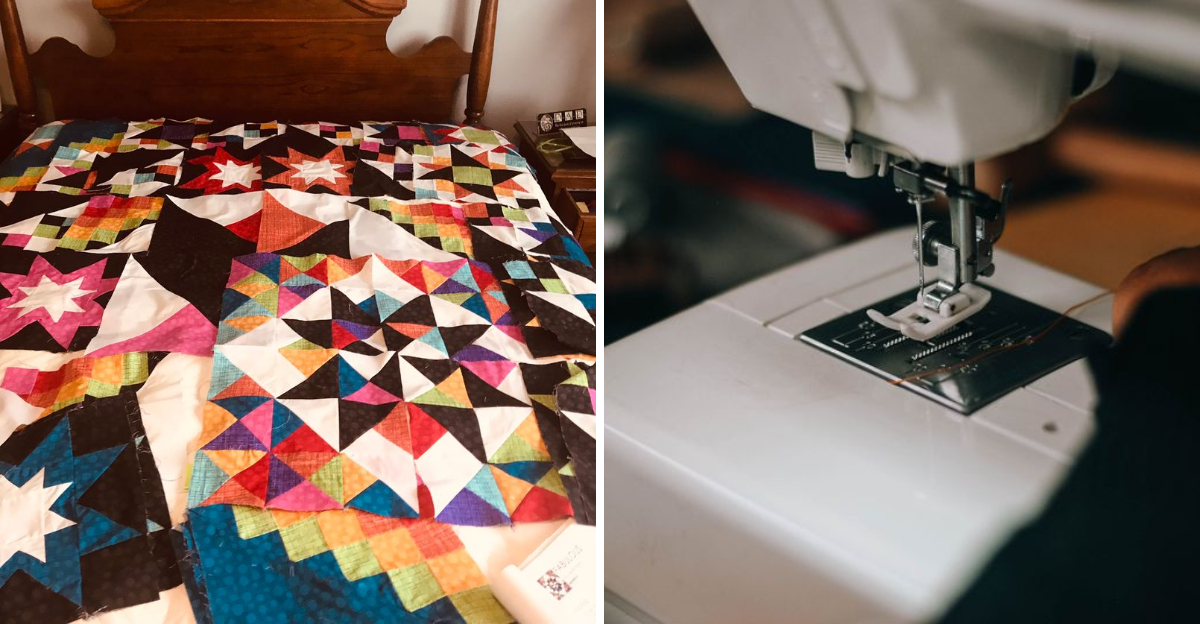
I came for a color. Unfortunately, the shop had approximately fifty thousand of them.
That is the sort of problem this Indiana quilt shop creates. Fabric is arranged so deliberately that choosing one shade quickly becomes a comparison of another, then another, until the original color has acquired an entire supporting cast.
Around the room, sewing machines hum and quilt tops appear across tables while people decide what belongs where. The displays feel more like an art gallery than a traditional fabric counter, but everything is still meant to be used.
That is what makes the place so tempting. The prettiest fabric is not behind glass.
It is waiting to become somebody’s next project.
Fabric Arranged Like Paintings On A Wall
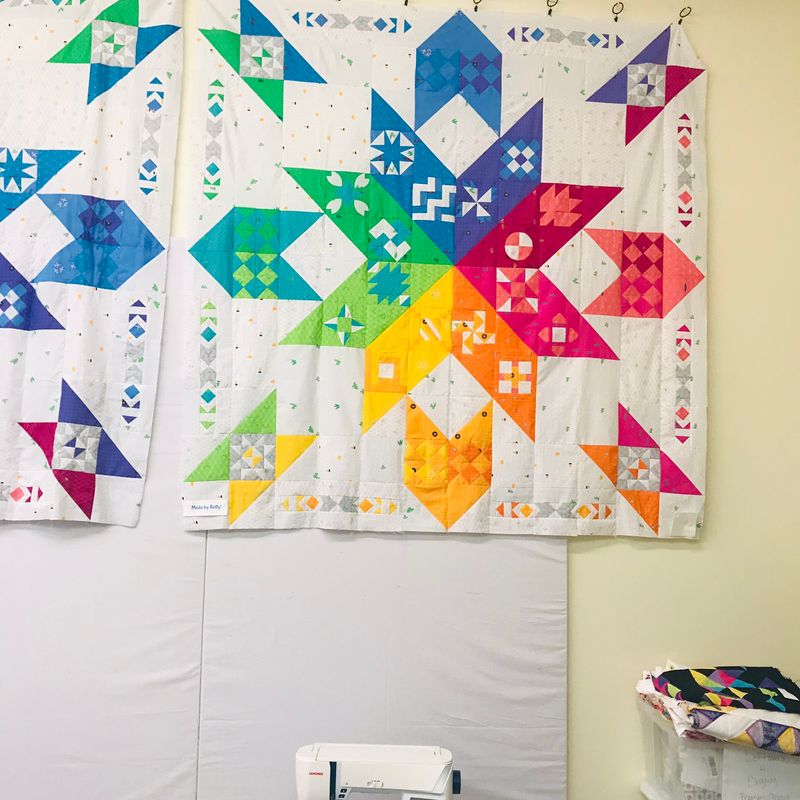
Color hits first. Rather than stacking bolts in tight rows where patterns fight each other, the shop groups fabric so each shade gets breathing room, and the effect is closer to browsing a gallery than shopping for supplies.
Modern prints dominate the selection, which means bold geometrics, clean solids, and playful novelty designs sit side by side without clashing. Shoppers often notice they slow down here.
It is hard to rush past a wall arranged in a smooth gradient.
The choice to skip the traditional open-bolt sprawl also makes decision-making easier for anyone who freezes up in fabric stores. When options are curated instead of dumped, picking a palette stops feeling like a math problem.
Photographers and design lovers who do not sew a stitch still find the space worth a look, and plenty of visitors admit they came for the visual and left with a project.
A practical tip for first-timers: bring a photo of the room or pattern the project is meant for. Holding a phone screen up against the arranged fabrics makes coordinating far simpler than guessing at home.
Natural light and thoughtful spacing do the rest of the work. The shop reads calm, uncluttered, and oddly restful, which is not a phrase usually applied to fabric shopping.
A Full Lineup Of Janome Machines Waiting To Be Tested
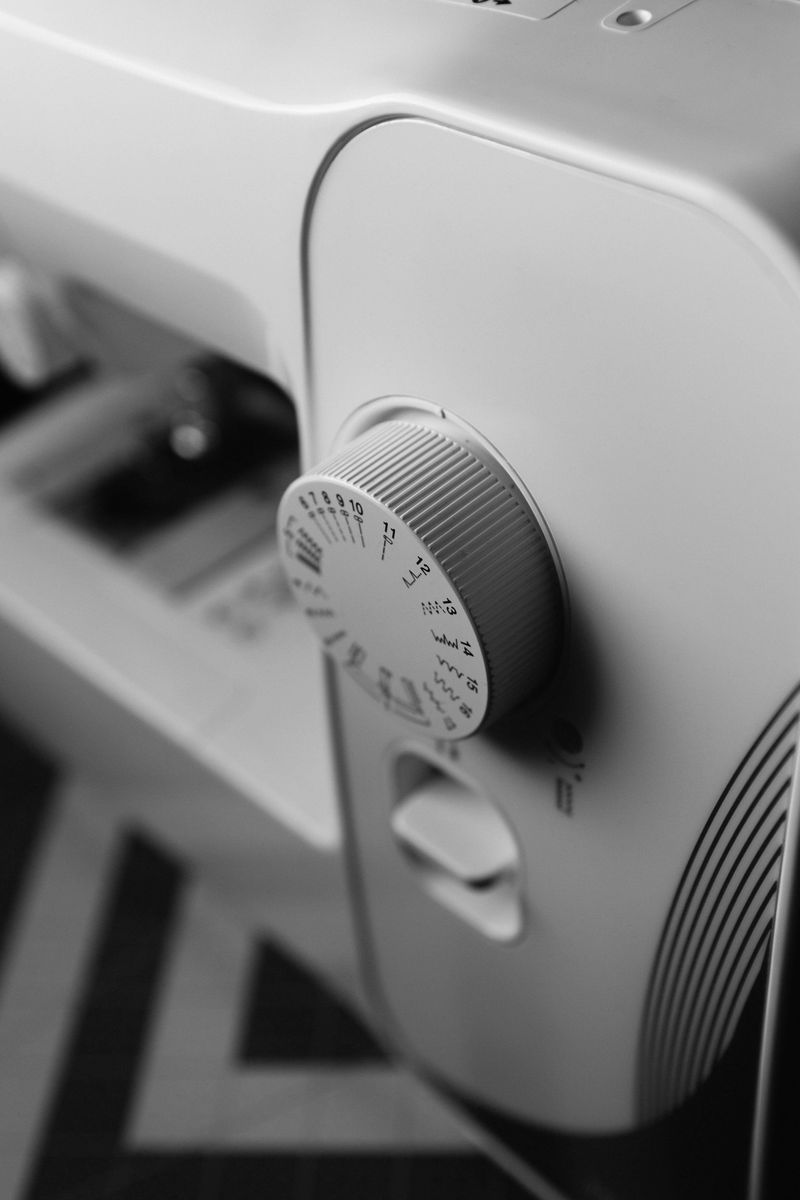
Trying a sewing machine before buying one changes everything, and the showroom here makes that possible. A full line of Janome machines sits ready, from compact models suited to apartment corners to larger workhorses built for heavy quilting.
Staff knowledge matters more than the spec sheet. Questions about stitch quality, throat space, and which model handles thick batting get answered with straight talk rather than sales pressure.
Shoppers upgrading from a hand-me-down machine often arrive unsure what they actually need. Sitting down, feeding fabric through, and listening to how a machine sounds under load tells more than any online review.
Beginners get something valuable too. Being shown how to thread, wind a bobbin, and adjust tension in person removes the fear that keeps a lot of new sewists stuck watching tutorials instead of stitching.
Accessories and feet for various techniques round out the offering, so a walking foot or free-motion setup can be matched to the machine on the spot.
Hours run Tuesday through Saturday, ten in the morning until four in the afternoon, and the shop closes Sunday and Monday. Machine shopping deserves an unhurried visit, so arriving early in the day gives plenty of time to test, compare, and ask everything twice.
Classes That Welcome Total Beginners And Seasoned Quilters Alike
Something happens when a room full of people all lean over their machines at once. The class schedule here stretches across quilting, garment sewing, and home decor projects, so the skill range in any given session tends to be wide.
Titles like T-Shirt Quilts draw people carrying grocery bags stuffed with old concert and team shirts, hoping to turn them into something they can actually use. Memory quilts are emotional projects.
Having guidance through the stabilizing and cutting steps saves a lot of heartbreak.
Other sessions tackle very different puzzles. Dead End Quilt Top exists for anyone with an unfinished project shoved in a closet, while Make Up or Binding Help Day gives stragglers a chance to catch up on skipped steps.
Bag makers get their own track through the ByAnnie classes, including Cubicle Collective and the more advanced A Place for Everything, plus the popular Mondo Bag Class.
How to Use the Palette Scout focuses purely on color and fabric selection, which is exactly the skill most self-taught sewists never formally learn.
Clubs run alongside the classes, giving regulars a reason to keep showing up. Signing up early is smart since seats in a small classroom fill fast.
Long Arm Quilting That Finishes What Got Started
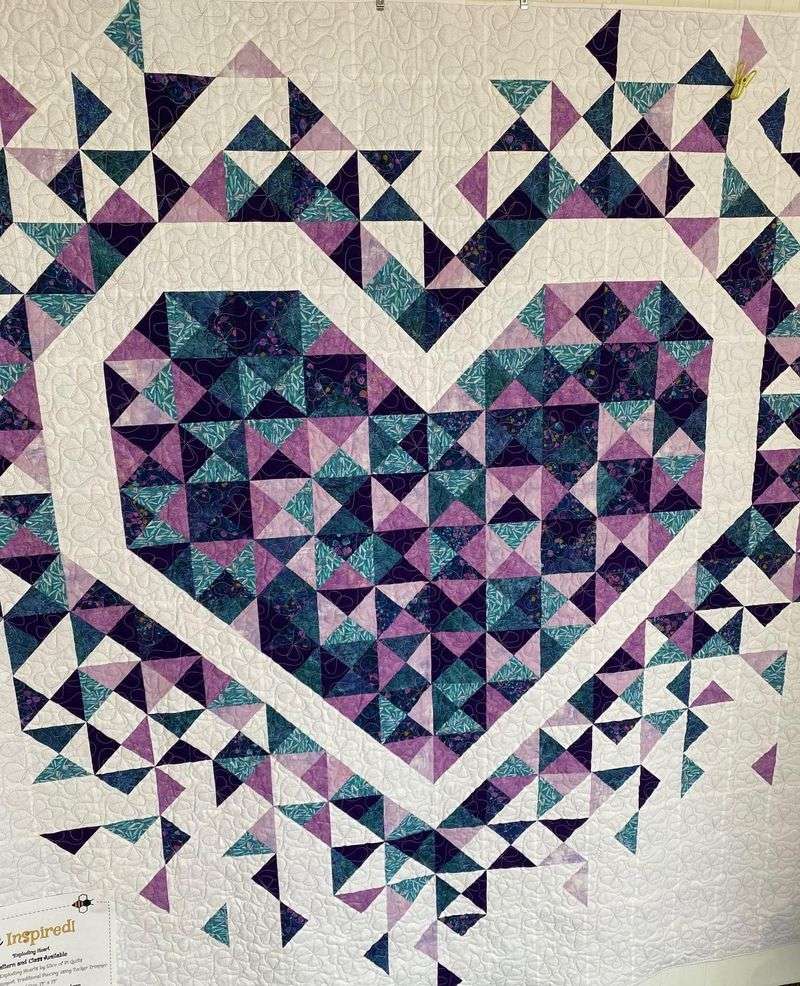
Piecing a quilt top is the fun part. Actually quilting all three layers together on a home machine is where enthusiasm tends to collapse, especially on a queen-size project that fights back at every turn.
Long arm quilting services solve that wall. Dropping off a finished top and backing means the dense stitching work gets handled on equipment built for the job, with even tension and space to move the fabric properly.
Plenty of quilters use the service for large pieces and stitch smaller items themselves, which keeps costs and effort balanced. Others hand over everything and focus on the creative side.
Preparing a top well makes the process smoother. Pressing seams flat, trimming loose threads, and squaring up the edges before drop-off helps the finished quilt hang straight instead of rippling at the borders.
Backing fabric should be cut generously larger than the top on all sides, a detail first-timers frequently miss.
Conversations about stitch pattern happen in person, which beats guessing from a website. Seeing sample swatches of different designs stitched out helps match the quilting style to the fabric.
Heirloom projects, baby quilts, and rescued unfinished tops all pass through, and each one leaves looking finished rather than forgotten.
Repair Service That Rescues A Struggling Machine
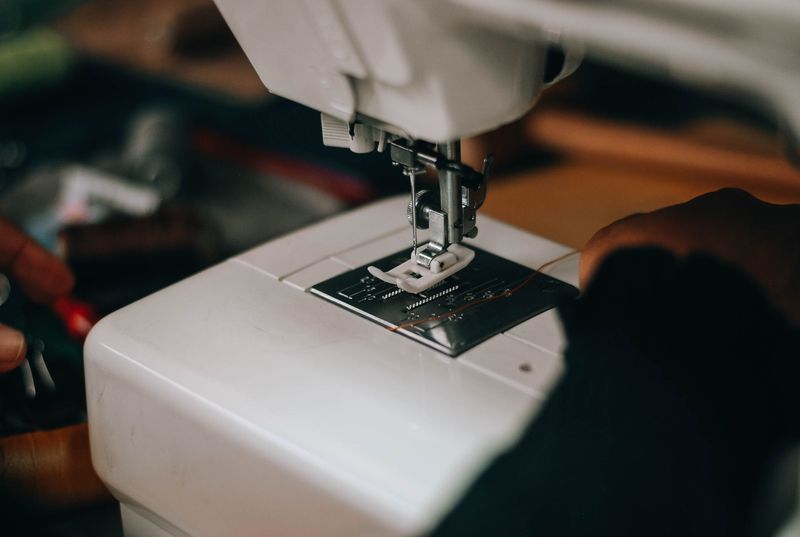
Skipped stitches, mysterious clunking, thread nests under the fabric. Every sewist eventually meets a machine that has decided to stop cooperating, usually mid-project and always at the worst moment.
Repair and cleaning services here mean that machine does not have to be shipped away or replaced. Lint packs into places most owners never open, and oil dries out over years of use, both of which cause problems that look far more serious than they are.
Older machines especially benefit. A well-built vintage model that has been sitting in a closet for a decade often runs beautifully again after a proper cleaning and tune-up.
Regular maintenance also prevents the bigger failures. Getting a machine serviced on a schedule, rather than only when something breaks, keeps stitch quality consistent and extends the machine’s life considerably.
Bringing the foot pedal, power cord, and bobbin case along helps the technician test everything as a complete setup.
Noting exactly what the machine does wrong, and with which fabric or thread, speeds up diagnosis. Vague complaints take longer to track down than specific ones.
Walking out with a machine that purrs again is genuinely satisfying. Projects that stalled for months suddenly start moving.
Notions, Threads, And The Little Things Nobody Stocks Nearby
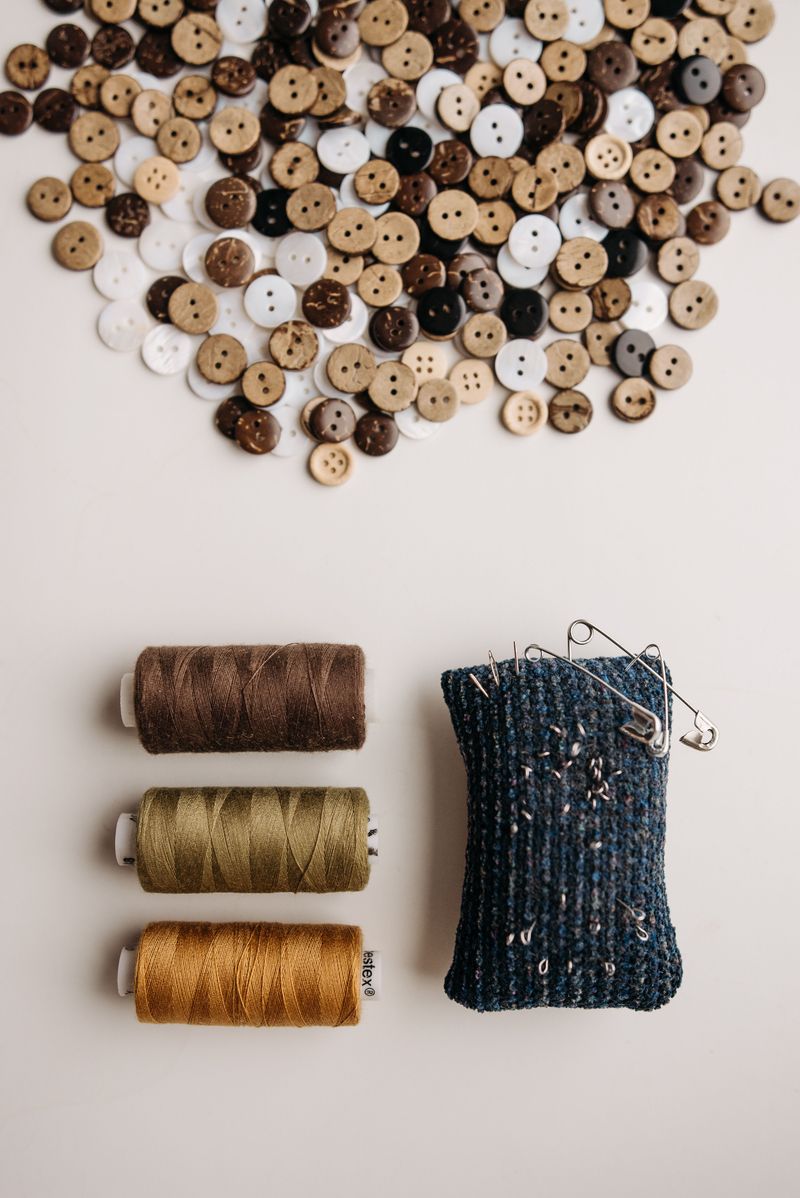
Half the battle in sewing is having the right small thing at the right moment. Thread in the exact shade, a specific stabilizer, batting in the correct loft, a button that finally matches.
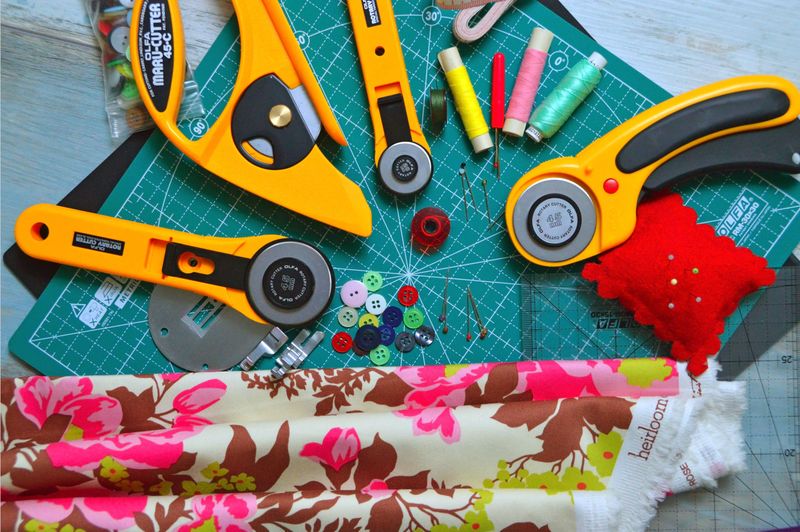
Shelves here carry the whole supporting cast: notions, patterns, kits, books, machine embroidery supplies, thread, batting, pillow forms, stabilizers, bags, buttons, ribbons, and rug kits.
Chain craft stores tend to stock the basics and stop there. Specialty items, particularly stabilizers and quality battings, are exactly what gets missed and exactly what changes how a finished project holds up.
Gift shoppers do well here too. Someone buying for a quilter without knowing much about quilting can find something genuinely useful rather than a guess.
Kits deserve a mention for anyone short on time or confidence. Everything comes pre-selected and coordinated, which removes the paralysis of choosing fabrics from scratch.
Books and patterns lining the shelves make good browsing even when nothing gets purchased. Flipping through a few pages often sparks the next project.
Rug kits sit slightly outside the usual quilting lane and tend to surprise visitors who did not expect them. Worth a look, even for the curious.
An Easy Northwest Indiana Stop Worth Building A Day Around
Location, at 1842 W 45th St Ste Bee, Munster, IN 46321, works in this shop’s favor more than most people realize. Munster sits in Northwest Indiana just past the Illinois line, which puts it within comfortable reach of Chicago drivers looking for a low-stress outing.
Parking is simple, traffic is calm, and the pace is nothing like shopping in the city. That alone makes the trip appealing on a Saturday morning.
Serving both the Northwest Indiana and Chicagoland sewing communities means the customer mix is varied, with modern sewists, longtime quilters, and curious first-timers all sharing the same aisles.
Timing the visit matters slightly. Doors open at ten and close at four, Tuesday through Saturday, with Sunday and Monday off, so a spontaneous Monday drive will end in disappointment.
Checking the newsletter or the shop’s YouTube channel before heading over gives a sense of what classes are running and what has recently arrived.
Pairing the trip with lunch somewhere in Munster stretches a quick stop into a proper outing, and 45th Street is easy to navigate.
Newcomers to quilting sometimes hesitate to walk into a specialty shop at all. Here, questions get answered without judgment, which is really the whole point.
