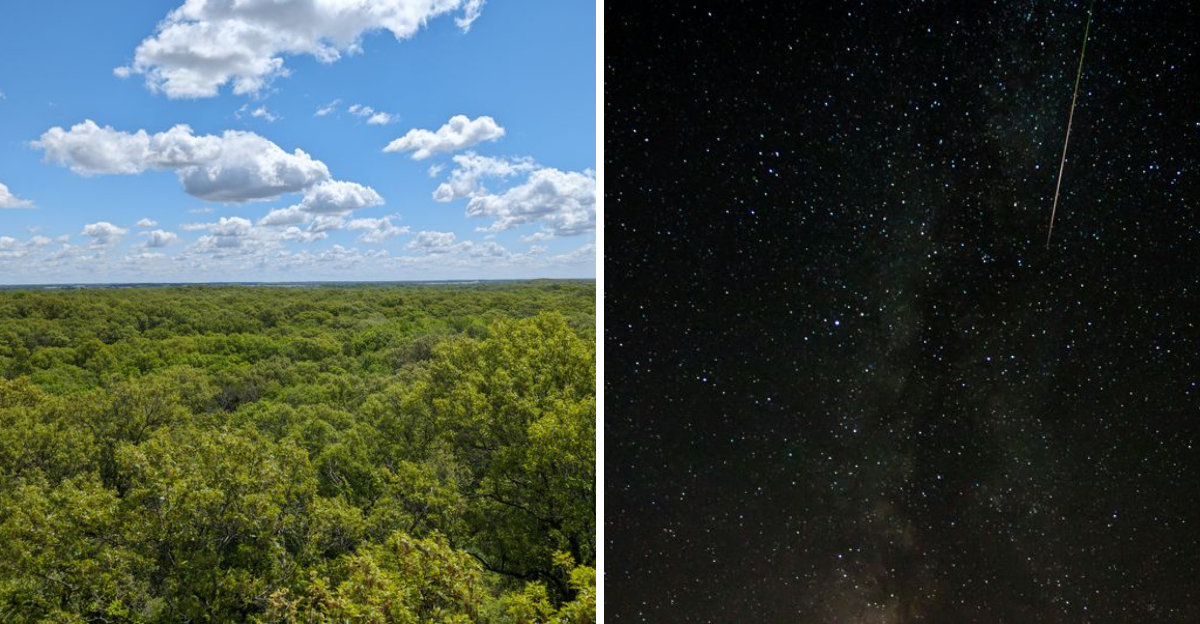
When darkness falls across northern Indiana, something magical happens at Tippecanoe River State Park near Winamac. The sky transforms into a glittering canvas of stars, planets, and constellations that most Hoosiers rarely get to see anymore.
Light pollution from cities like Indianapolis, Fort Wayne, and South Bend has robbed many of us of the night sky our grandparents knew. But this 2,761-acre park along the winding Tippecanoe River offers something increasingly rare: genuine darkness where the Milky Way stretches overhead like a cosmic river.
Located at 4200 N US Hwy 35 in Winamac, this state park sits far enough from major population centers to provide stunning celestial views. The towering oak trees, open fields, and elevated fire tower create perfect conditions for amateur astronomers and anyone who simply wants to reconnect with the night sky.
Whether you are a serious stargazer with a telescope or just someone who wants to lie on a blanket and count shooting stars, this park delivers an experience that feels worlds away from everyday life.
Minimal Light Pollution Creates Dark Sky Conditions
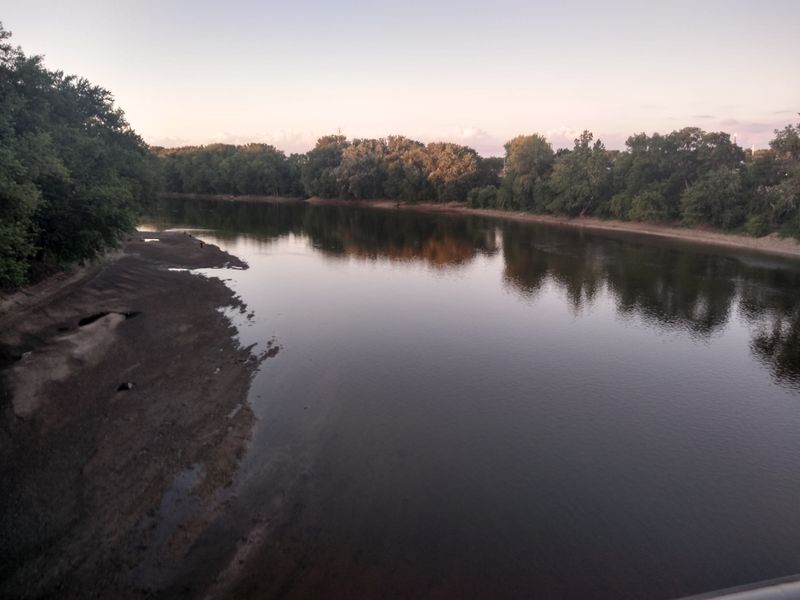
One of the biggest challenges for stargazers anywhere in Indiana is finding a spot far enough from city lights. Tippecanoe River State Park sits in rural Pulaski County, surrounded by farmland and small communities that produce very little artificial light at night.
This geographic isolation makes it one of the darkest accessible spots in the northern part of the state.
When you visit after sunset, your eyes need about 20 to 30 minutes to fully adjust to the darkness. Once they do, you will notice stars appearing that you never knew existed.
The Milky Way becomes visible as a faint band stretching across the sky, and during meteor showers like the Perseids in August, you can spot dozens of shooting stars per hour.
The park is located about 30 miles from any significant town, with Winamac being the closest at just over 5,000 residents. This distance from urban sprawl means the horizon stays dark in all directions, unlike spots closer to Lafayette or Kokomo where city glow creeps into the sky.
Visitors frequently mention the incredible darkness in their reviews. The deep oak forest surrounding the campground blocks out any stray light from nearby campsites, creating natural pockets of total darkness.
Fire Tower Provides Elevated Viewing Platform Above Treeline
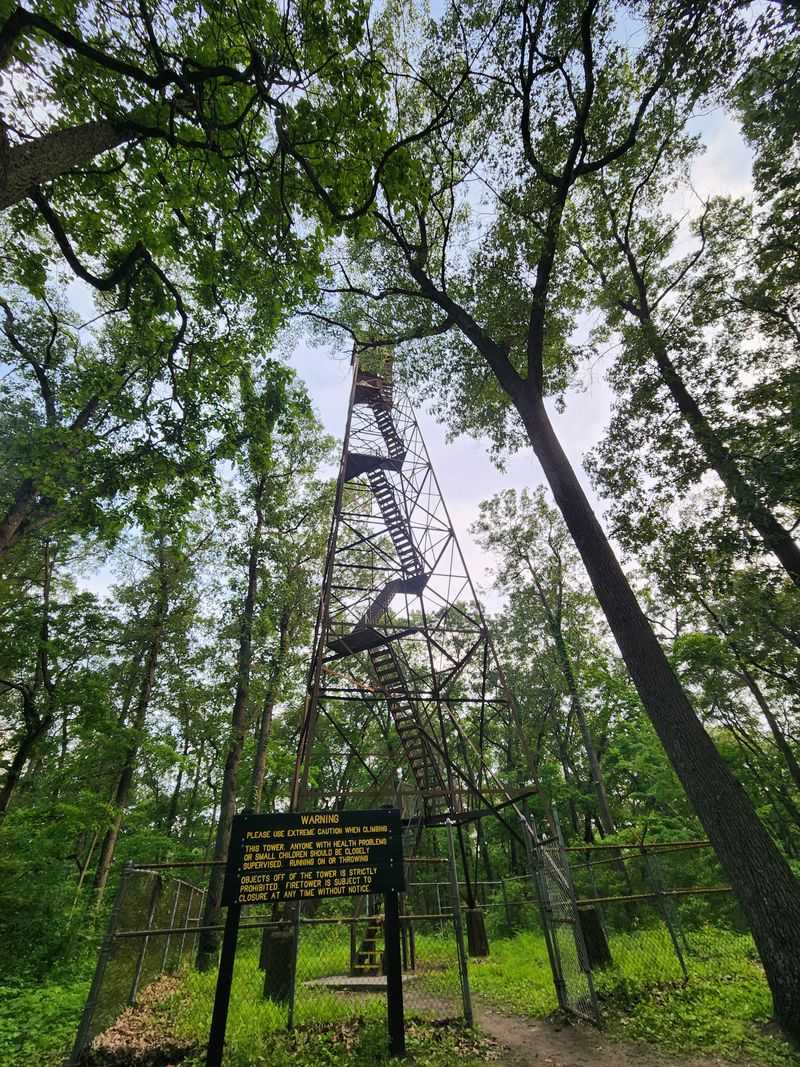
Rising high above the forest canopy, the historic fire tower at Tippecanoe River State Park offers stargazers an unbeatable vantage point. This vintage structure, originally built to spot forest fires, now serves as one of the best observation platforms for astronomy in the region.
Climbing to the top puts you above the surrounding oak trees, eliminating visual obstructions and opening up a full 360-degree view of the night sky.
The tower appears in reviews more than 40 times, with visitors consistently praising the incredible views from the top. One reviewer described it as offering “amazing views of the park, especially at Sunset,” and recommended it for anyone willing to make the climb.
Another mentioned the view is “like No other,” emphasizing how different the perspective becomes once you are above the treeline.
Getting to the tower requires a moderate hike through the woods, which adds to the adventure. The trail is well-marked and manageable for most fitness levels, though the climb up the tower stairs can be challenging if you have a fear of heights.
Once at the top, you are rewarded with an unobstructed panorama that makes you feel like you are floating among the stars.
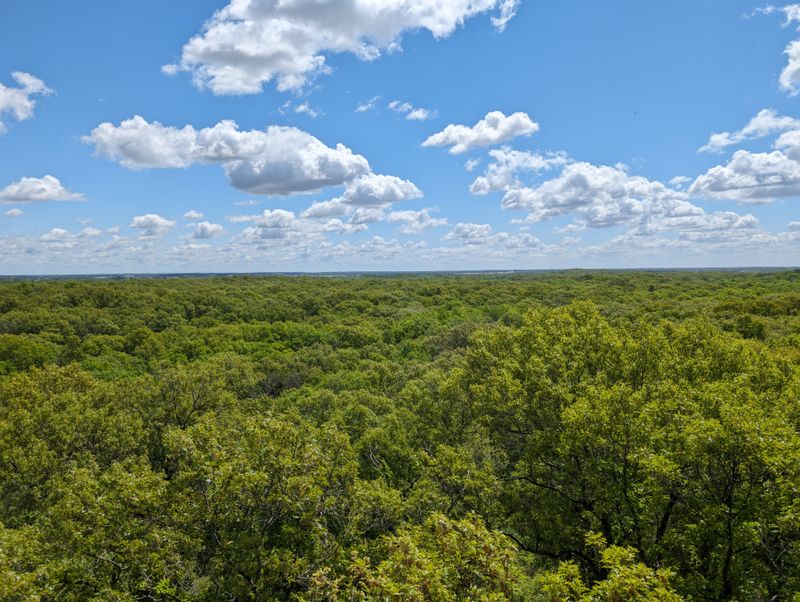
During the day, the tower provides sweeping views of the surrounding forest and river valley.
Remote Campground Location Eliminates Noise and Distractions
Nothing ruins a stargazing session faster than noise from traffic, crowds, or nearby activities. The campground at Tippecanoe River State Park sits deep within the forest, far from highways and surrounded by mature oak trees that create a natural sound barrier.
This isolation means you can focus entirely on the night sky without distraction.
Multiple campers have praised the peaceful atmosphere. One review specifically mentioned that sites are “tucked deep into the oak trees” and the campground is “noise free and dark at night.” Another visitor noted that even when the park was “pretty full of campers,” it remained “very quiet and in no way shape or form crowded.”
The campground features spacious sites with good separation between neighbors, reducing the impact of other campers on your experience. Each site includes a fire ring with a pivoting grate and a picnic table, giving you a comfortable base for nighttime observation.
The gravel pads are level, making it easy to set up chairs, blankets, or even a small telescope.
Cell service is nearly nonexistent in most of the park, which some visitors mention as a drawback but stargazers know as a blessing. Without phones constantly buzzing and screens lighting up, everyone naturally becomes more present and engaged with the environment.
Open Fields and River Access Provide Unobstructed Sky Views
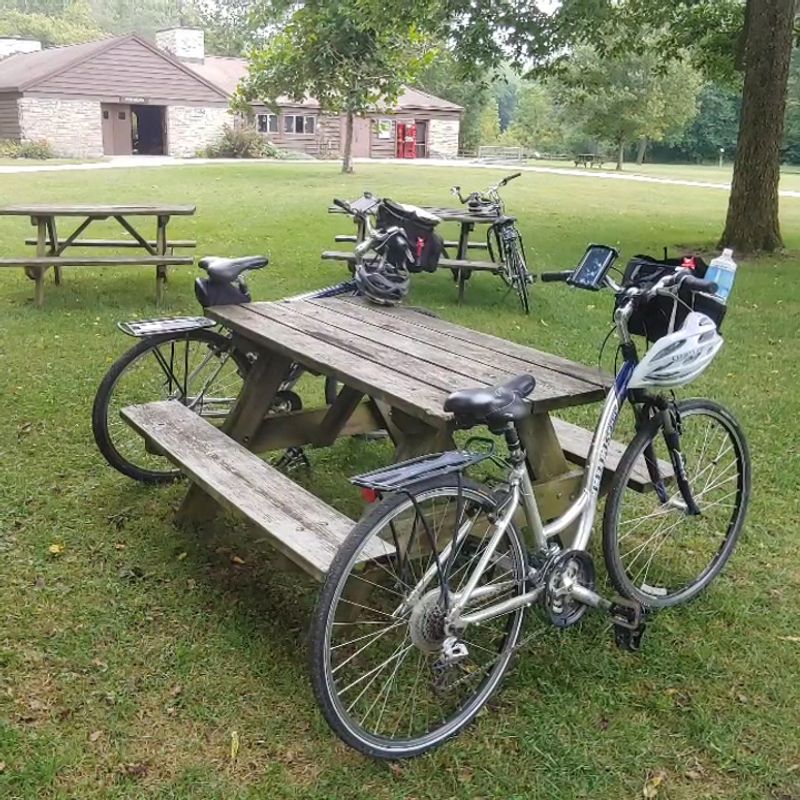
While the forest provides excellent darkness, the park also features open areas along the Tippecanoe River that give stargazers completely unobstructed views of the horizon. These clearings are essential for observing planets low on the horizon, watching meteor showers, or simply taking in the full expanse of the night sky without any trees blocking your view.
The river corridor cuts through the landscape, creating natural openings where the sky stretches from horizon to horizon. Several access points along the riverbank provide stabilized areas where you can set up equipment or simply spread out a blanket.
One reviewer mentioned the “stabilized bank at the river for kayaks and canoes,” which also works perfectly as a viewing platform for astronomy.
These open areas are particularly valuable during meteor showers when you want to see as much sky as possible. The Perseids in August and the Geminids in December are both excellent at this location, with the open fields providing ideal conditions for catching shooting stars in all directions.
During these events, you might see 50 to 100 meteors per hour under peak conditions.
The picnic areas near the river also serve as great stargazing spots. One family mentioned that “the picnic spot along the river was our family’s fav,” and these same locations work beautifully after dark.
Planetary viewing is another strength of these open areas. Jupiter, Saturn, Mars, and Venus all appear low on the horizon at various times of year, and you need a clear view to catch them.
Multiple Trail Systems Lead to Prime Viewing Locations
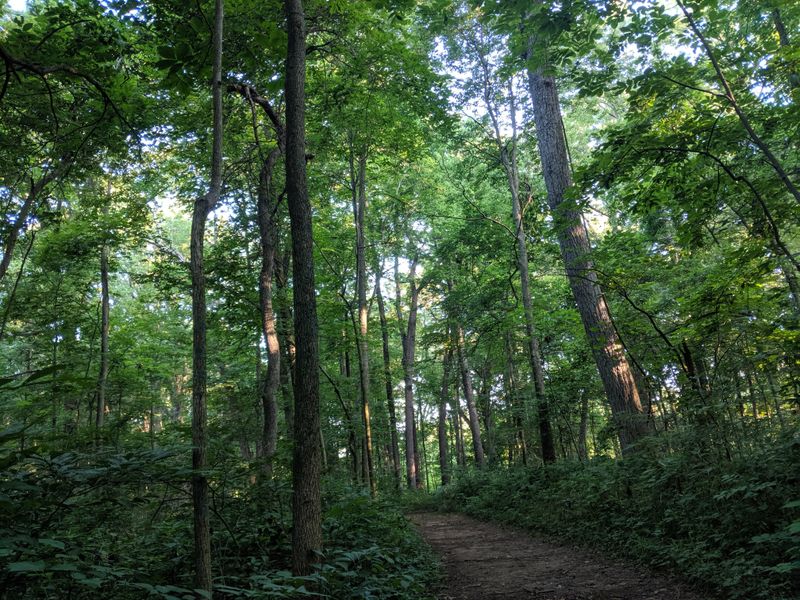
Tippecanoe River State Park features an extensive network of hiking, biking, and equestrian trails that wind through diverse habitats. These paths connect various parts of the park and lead to some of the best stargazing locations, from elevated ridges to riverside clearings.
Exploring during daylight helps you identify the spots you want to return to after dark.
Reviews consistently praise the trail system. One visitor mentioned “lots of fabulous walking trails” and encouraged others to “take the trail to fire watch tower.” Another noted “wide hiking trails” and “lots of cool fauna to look at,” indicating the paths are well-maintained and accessible.
The trails range from easy level-one walks to more challenging routes that climb to higher elevations.
The horse trails, covered in a thick layer of sand according to one equestrian visitor, wind through the backcountry and access some of the most remote parts of the park. These areas see less foot traffic and offer excellent solitude for stargazing.
Walking these trails at night with a red flashlight can lead you to spots where you will be completely alone under the stars.
Several trails lead to the nature center, which sits in an elevated area with good views. One reviewer mentioned enjoying “the views at the nature center,” and this location works well for evening observation sessions.
Seasonal Meteor Showers and Celestial Events
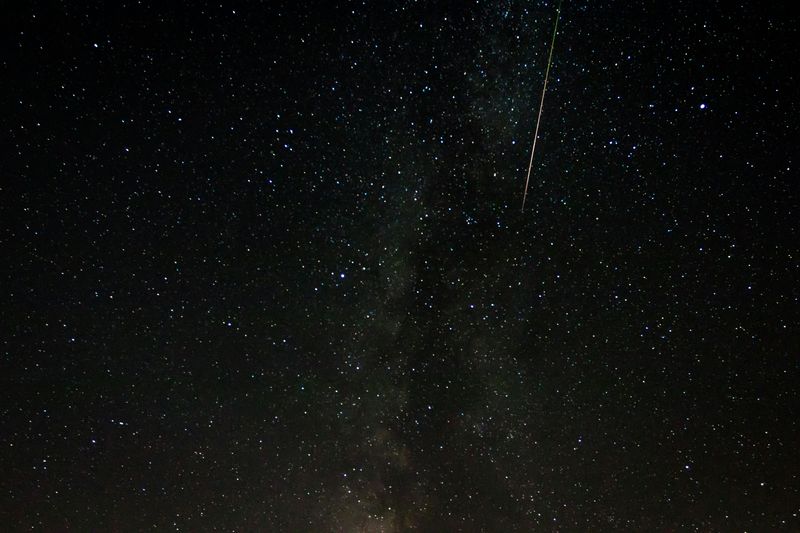
Throughout the year, Tippecanoe River State Park provides front-row seats to some of the most spectacular celestial events visible from Indiana. The park’s dark skies and open viewing areas make it an ideal location for observing annual meteor showers, planetary alignments, and other astronomical phenomena that urban dwellers often miss completely.
The Perseid meteor shower in mid-August is perhaps the most popular event, producing up to 100 meteors per hour under ideal conditions. The warm summer nights make it comfortable to stay outside for extended viewing sessions, though you will need to contend with mosquitoes, which reviews mention frequently.
Bring bug spray and long sleeves to make the experience more enjoyable.
The Geminid meteor shower in mid-December offers another spectacular show, often producing even more meteors than the Perseids. The cold December nights in northern Indiana require serious preparation with winter gear, sleeping bags, and hand warmers, but the crystal-clear winter air provides some of the sharpest views possible.
One reviewer who visited in December noted the park was nearly empty, meaning you might have the entire sky to yourself.
Beyond meteor showers, the park offers excellent opportunities to observe planetary conjunctions, lunar eclipses, and the changing positions of planets throughout the year. Jupiter and Saturn are particularly impressive, with their moons and rings visible through even a modest telescope or good pair of binoculars.
The park’s year-round accessibility means you can visit during any celestial event.
Proximity to Astronomy-Friendly Amenities and Resources
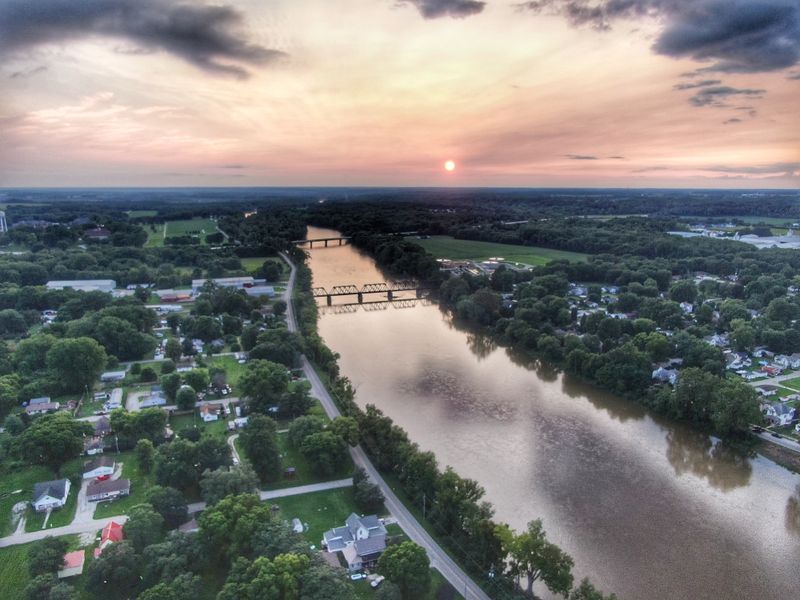
While the park itself is remote, it sits within reasonable driving distance of several communities that offer supplies, dining, and other amenities that make extended stargazing trips more comfortable. Winamac, the county seat located just a few miles away, provides grocery stores, restaurants, and gas stations where you can stock up before heading into the park for the night.
The park office, open from 8:30 AM to 4 PM daily, can provide information about current conditions, weather forecasts, and recommendations for the best viewing spots. The staff receives consistent praise in reviews for being “friendly and helpful” and “very accommodating.” They can help you choose a campsite with good sky access and advise on trail conditions if you plan to hike to remote viewing locations.
Clean bathroom facilities with hot showers are available in the campground, which reviewers describe as “the cleanest bathrooms and showers I have ever seen camping.” This makes multi-night trips much more comfortable, allowing you to freshen up between evening observation sessions. One visitor specifically mentioned “good water pressure” and “nice hot water,” which matters when you are spending long, cold nights outside.
The park’s proximity to other attractions in the area means you can combine stargazing with daytime activities. The town of Logansport, about 20 miles south, offers restaurants like Nick’s Kitchen at 506 E Broadway St, famous for its pork tenderloin sandwiches.
Royal Center, a small community even closer to the park, has a few local spots where you can grab supplies or a meal.
For serious amateur astronomers, the park welcomes telescopes and other equipment.
Dear Reader: This page may contain affiliate links which may earn a commission if you click through and make a purchase. Our independent journalism is not influenced by any advertiser or commercial initiative unless it is clearly marked as sponsored content. As travel products change, please be sure to reconfirm all details and stay up to date with current events to ensure a safe and successful trip.
