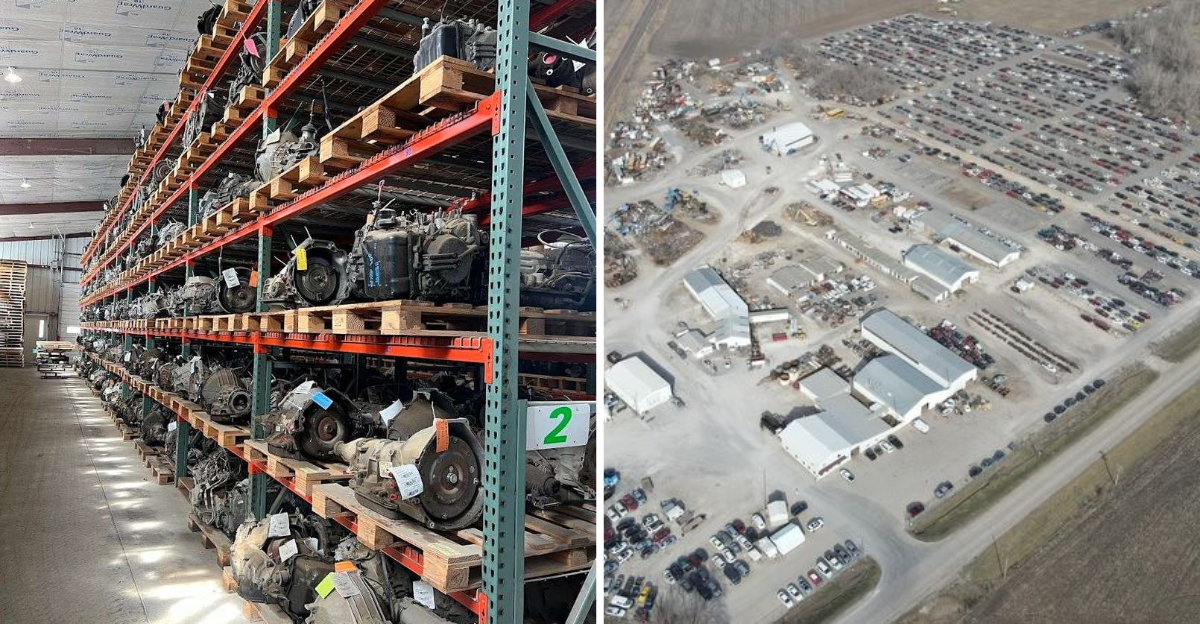
There is something unexpectedly peaceful about a place where old vehicles go to rest. Rows of cars, trucks, and SUVs in various stages of rust and slow decay stretch across a sprawling lot that feels like an open air museum of American road life. The first time I pulled up to this Iowa salvage yard, I was just looking for a used part.
I ended up staying longer than planned, just taking it all in. Some hoods have that bubbled, cratered texture from years of Iowa winters.
Others have faded to a chalky non color that used to be red or blue. There is a kind of beauty in the stillness of it, metal fading back into the earth, each vehicle carrying its own quiet story. A family operation has been running this place since nineteen forty eight, serving generations of locals who need affordable parts. The staff takes time to find what you need, even reaching out to other yards if it is not on site.
Late model vehicles arrive looking almost showroom ready, while older ones have surrendered entirely to the elements. Nothing here is wasted without reason. That philosophy is part of what makes this yard feel different from a simple junkyard.
It is a working ecosystem of metal and memory.
A Family Operation Rooted in Carroll Since 1948
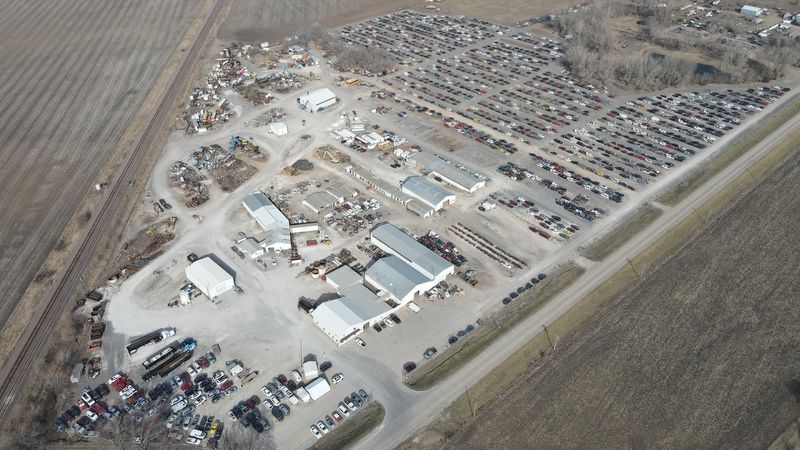
Some businesses feel like they have been part of a town forever, and Quandt Auto Salvage genuinely has. The operation started in 1948, which means it has been serving Carroll, Iowa, through decades of change, through the rise and fall of countless car models, and through generations of local families needing affordable parts.
Being family-owned matters here in a real, tangible way. You notice it in how staff actually take time to find what you need, sometimes going online if the part is not on-site.
That kind of effort is not something you get from a faceless corporation.
The facility sits on Kittyhawk Avenue, a quiet stretch of Carroll that does not feel like a commercial strip at all. It feels more like a working farm, except instead of crops, the fields hold the bones of thousands of vehicles.
There is a certain pride in how the place operates, organized, permitted, and genuinely community-focused. Reviews from customers across the country mention the staff by name, which tells you something real about the culture here.
Longevity like this does not happen by accident. It takes consistent service, honest dealing, and a community that keeps showing up.
Quandt has built all three over more than seven decades of steady work in one small Iowa town.
Farmers bring in old combines and tractors alongside suburbanites dropping off worn out sedans. The staff knows the difference between a part worth saving and one ready for the crusher.
That knowledge comes from years of hands on work, not a training manual. You can see it in the way they move through the yard, purposeful and sure.
The Slow Art of Rust and Mechanical Decay
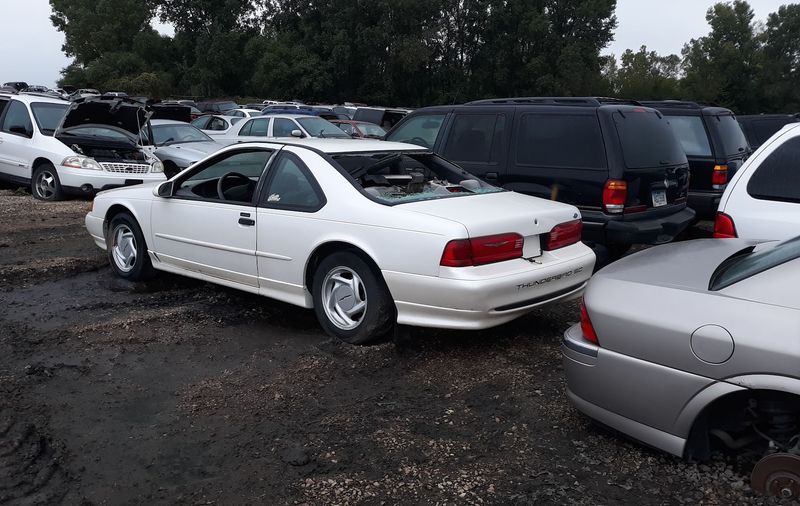
Rust is not just damage. At a place like Quandt, it becomes a kind of record-keeping.
The way metal oxidizes tells you roughly how long a vehicle has been sitting, how exposed it has been to Iowa winters, and what parts might still be worth saving underneath the surface layer of decay.
Late-model vehicles arrive looking almost showroom-ready, while older ones have surrendered entirely to the elements. Some hoods have that bubbled, cratered texture that comes from years of rain and freeze cycles.
Others have faded to a chalky non-color that used to be red or blue or white.
There is genuine craft in knowing what is salvageable and what is scrap. The team at Quandt processes vehicles carefully, pulling usable parts before the shell gets recycled.
That process keeps useful components in circulation and out of landfills. It is actually a pretty smart system when you think about it, part preservation, part recycling, and part practical economics.
For anyone who appreciates old machinery, watching this process is oddly satisfying. The decay is real, but so is the effort to find value within it.
Nothing here is wasted without reason, and that philosophy is part of what makes this yard feel different from a simple junkyard. It is a working ecosystem of metal and memory.
A 1960s pickup with a bent fender might still have a perfect tailgate. A sedan with no engine could donate its doors to a restoration project miles away.
The yard operates like a library of used parts, each vehicle cataloged not by title but by what it can still give. That efficiency is the result of decades of knowing exactly where to look.
Used Parts That Actually Show Up When You Need Them
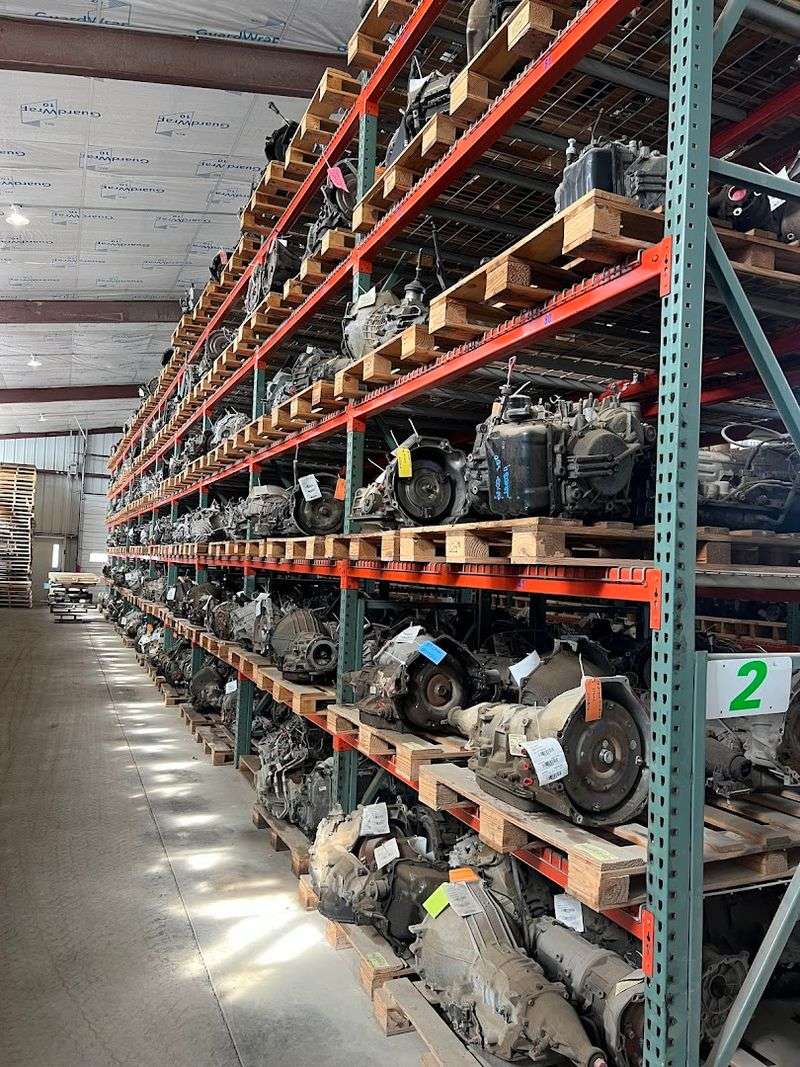
Finding a specific used auto part can feel like a scavenger hunt with no map. Quandt takes a lot of that frustration out of the process.
Their inventory covers late-model cars, trucks, and SUVs, and the staff genuinely try to track down what you need, even if it means reaching out to other yards.
One customer from Texas found a drive shaft for a Mitsubishi Montero through Quandt, got a photo texted to confirm it was the right one, and had it shipped all the way south. Another person looking for a taillight got proactive help when the original part turned out to be damaged, with Quandt sourcing a replacement from a partner yard before the customer even knew there was a problem.
That kind of service changes the experience completely. Most people expect salvage yards to be disorganized and indifferent.
Quandt flips that expectation pretty consistently. Parts are described accurately, packed carefully, and shipped quickly.
Customers from Massachusetts, Texas, and Michigan have all mentioned how smooth the process was. For anyone doing a restoration project or just trying to fix a daily driver without spending a fortune, having a reliable source like this is genuinely valuable.
The inventory is real, the communication is solid, and the pricing tends to land well below what dealers charge for the same components.
Scrap Metal and Appliance Recycling Done the Right Way
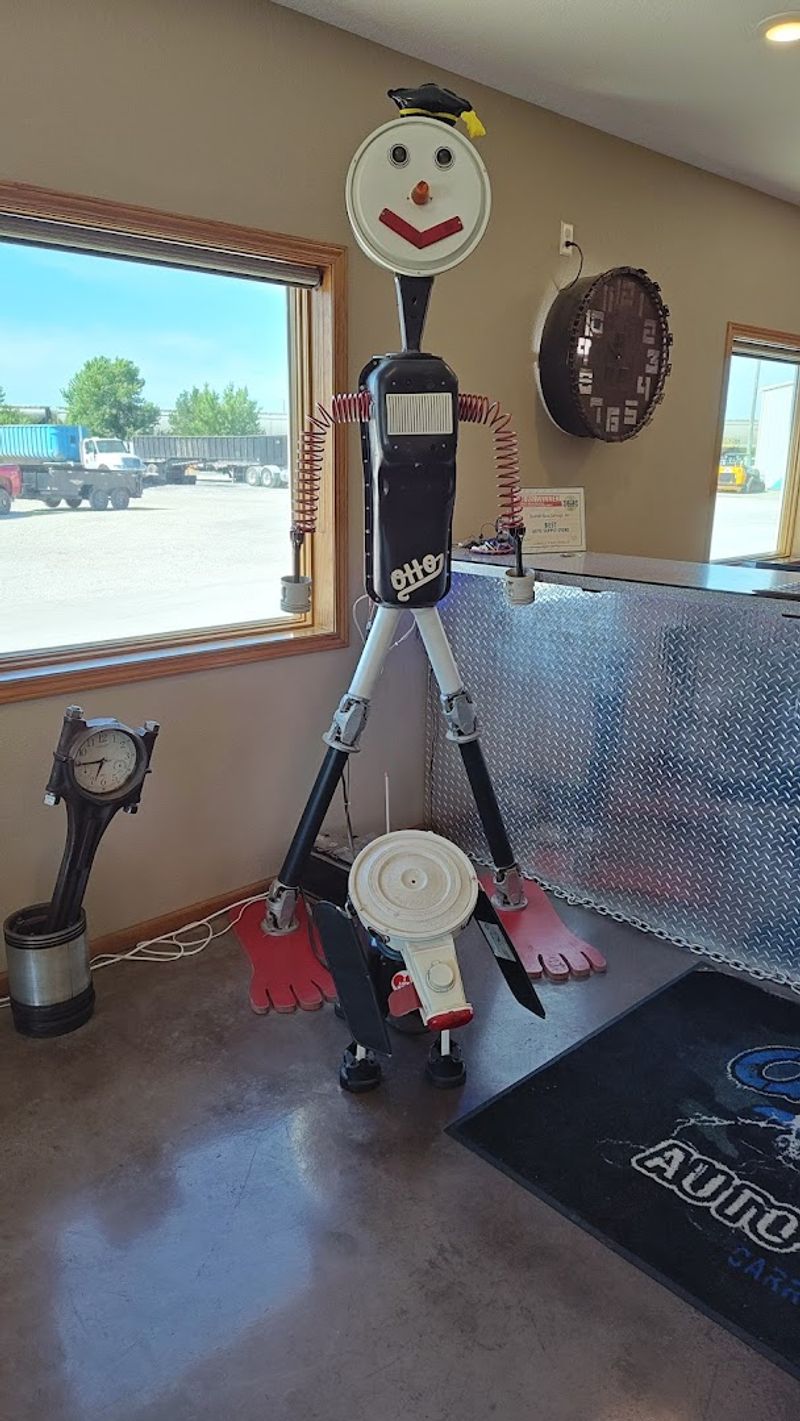
Beyond vehicles, Quandt operates as a full recycling facility for scrap metal and appliances. This side of the business is less glamorous than the parts operation, but it serves a real environmental purpose and keeps a lot of material out of landfills across western Iowa.
The appliance side has its own set of rules. As a permitted demanufacturer, Quandt follows Iowa DNR regulations for handling hazardous materials like refrigerants.
That means appliances go through a proper breakdown process before anything gets shipped out. There is a small fee involved, which reflects the actual cost of doing things correctly and safely.
Scrap metal recycling here is straightforward and efficient. Customers who bring in recyclable metals mention getting fair payouts and fast service.
The staff work to move people through quickly, which matters when you are hauling heavy loads and just want the transaction done. For farmers, contractors, and homeowners clearing out old equipment, this facility offers a legitimate and convenient option.
The fact that Quandt handles both vehicle salvage and broader recycling under one roof makes it a genuinely useful stop for the Carroll area community. Environmental responsibility and practical service do not always go together this smoothly, but at this yard, they seem to have figured out how to balance both without making it complicated for the customer.
A dropped off refrigerator gets its refrigerant captured properly. An old water heater becomes scrap metal within minutes.
The system runs on trust and routine, and after seventy five years, that routine is second nature to everyone working there.
Why Carroll Iowa Is Worth the Drive for This Experience
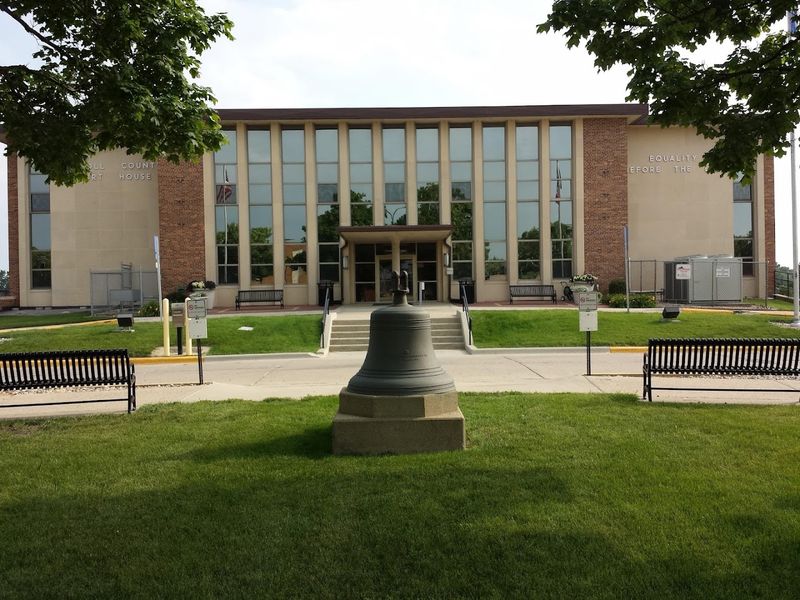
Carroll, Iowa is not a place most people put on their travel radar, but there is a real case for making the trip. The town sits in the middle of some of the flattest, most open land in the Midwest, and the drive out on Kittyhawk Avenue gives you that full Iowa sky experience that is hard to find anywhere else.
Quandt Auto Salvage has been drawing visitors from well outside the state for years. People come for parts, sure, but some come just to see the yard itself.
A 50 to 60-acre field of aging vehicles against a wide Iowa horizon is a genuinely striking sight. It does not look like anything else.
The hours run Monday through Friday, 7:30 AM to 5 PM, which makes it easy to plan a morning visit and still have time to explore the rest of Carroll before heading home. The website and phone line are both active, and the team responds quickly to inquiries, so you can check inventory before making the drive.
For road trippers, history enthusiasts, photographers, or anyone who finds beauty in industrial decay, this spot delivers something quietly memorable. It is not loud or flashy.
It is just honest, a working Iowa business with decades of stories sitting out in the open air, slowly returning to the earth.
Address: 18829 Kittyhawk Ave, Carroll, Iowa
