ou’ve probably driven past the exit without a second thought. But word is spreading about this lakeside town just outside the Twin Cities, and it’s quietly becoming one of Minnesota’s most talked-about hidden gems.
It’s got the kind of unhurried pace that makes you wonder why you don’t slow down more often.
The downtown is walkable and packed with character, from indie bookstores to eclectic shops and cozy cafes. Families love the splash pad, the music trail with interactive instruments, and the sandy beaches along the lake.
Then there’s the massive barn-turned-antique mall where collectors and casual browsers lose entire afternoons hunting for treasures.
The secret is out, but it’s still the kind of place where people set out lawn chairs for parades days in advance. And that’s exactly what makes this Minnesota town worth discovering.
Buffalo Lake And The Shoreline That Anchors Everything
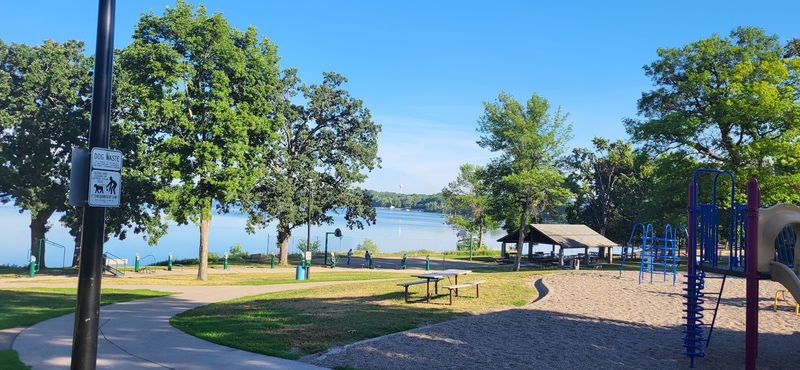
Most towns hide their best feature. Buffalo hands you a 1,500-acre lake at the end of the main street and lets you figure it out from there.
Buffalo Lake wraps around the eastern edge of downtown, and the shoreline path gives you easy access without any hiking boots required. Anglers work the shallows for panfish and northern pike, while paddlers stick closer to the reedy inlets where the water stays glassy.
In winter the whole thing transforms into a village of ice houses, and locals treat the frozen surface like an extension of the neighborhood.
What I appreciated was the accessibility. There are benches, docks, and open grass right where the town meets the water, so you can watch pelicans without committing to a whole afternoon.
Sunset is the move here. The western sky throws color across the surface and the noise level drops to almost nothing.
Bring bug spray in July. The mosquitoes near the cattails have opinions about visitors, and they express them enthusiastically.
Downtown Buffalo And Its Unpolished Charm
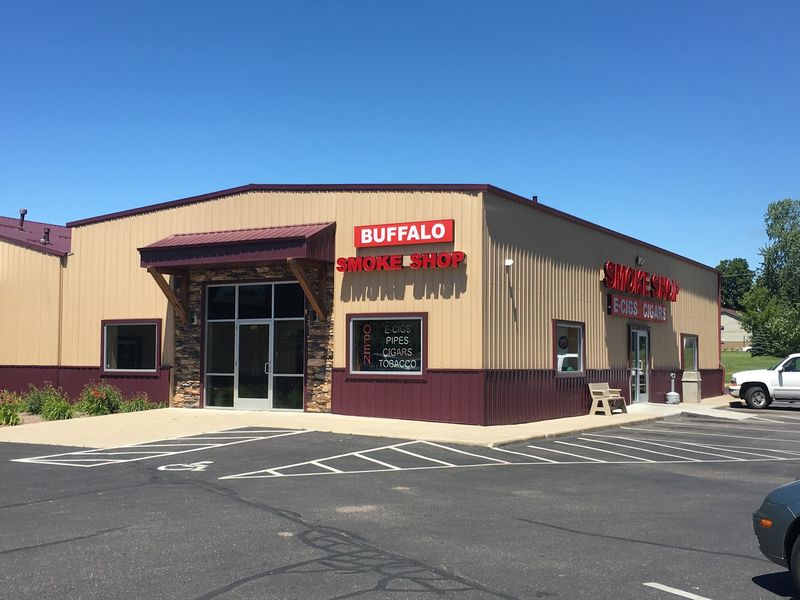
Brick buildings, hanging flower baskets, and sidewalks wide enough for a stroller and a dog to pass each other comfortably. Downtown Buffalo does not try to impress you, and that is exactly why it works.
Central Avenue and the surrounding blocks hold a mix of gift shops, salons, hardware stores, and family-run counters where somebody remembers your order. A few storefronts still carry original transom windows and painted signage from decades past.
Parking is free and plentiful, which sounds like a small thing until you compare it to any city visit.
Plan on an hour or two of wandering. Shops tend to keep shorter hours on Sundays, so a Friday or Saturday visit gives you the fullest experience.
What struck me was the pace. Nobody was rushing, and conversations spilled out onto the sidewalk in a way that felt genuinely neighborly.
Look for the murals tucked along side walls. They add unexpected color to otherwise plain brick.
Sturges Park, The Town’s Front Porch
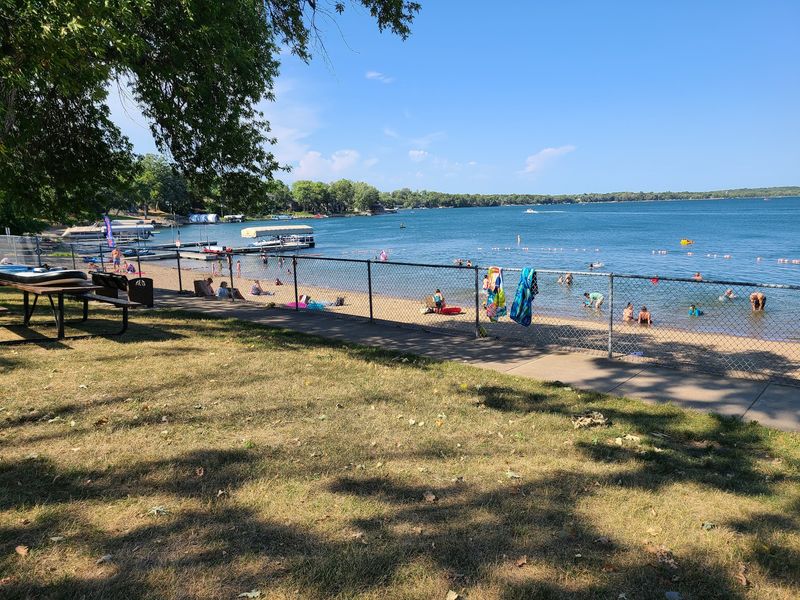
Every good small town has a gathering spot, and Buffalo’s sits right on the water with shade trees older than most of the houses nearby.
Sturges Park stretches along Buffalo Lake with a swimming beach, playground equipment, picnic shelters, and a bandshell that hosts summer concerts. Families claim tables early on hot weekends, and the beach fills with kids who have zero interest in leaving.
The paved paths make it easy to loop the water’s edge without much effort. I spent a while just watching sailboats drift past from a bench near the shoreline. It is that kind of place, low effort and high reward.
Come for a weekday evening if you prefer quiet. The light hits the water beautifully and you will likely have a picnic table to yourself. Restrooms and drinking fountains are available in season, which makes longer visits simple with little ones along.
Address: 700 1st Street South, Buffalo, Minnesota
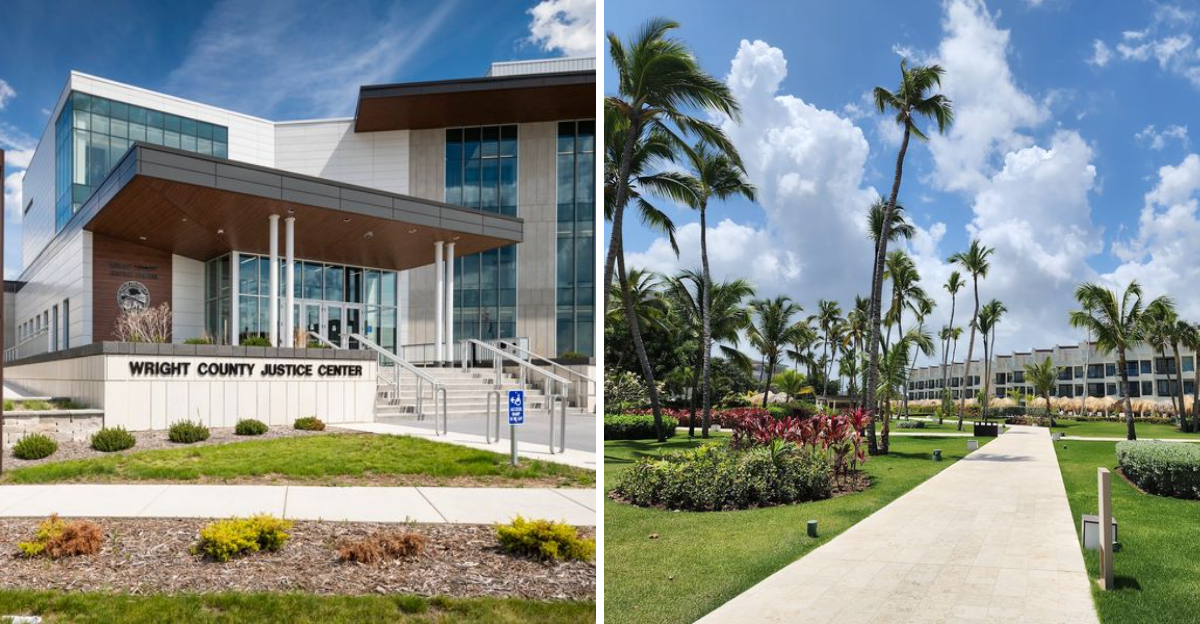
Wright County History Center Tells The Backstory
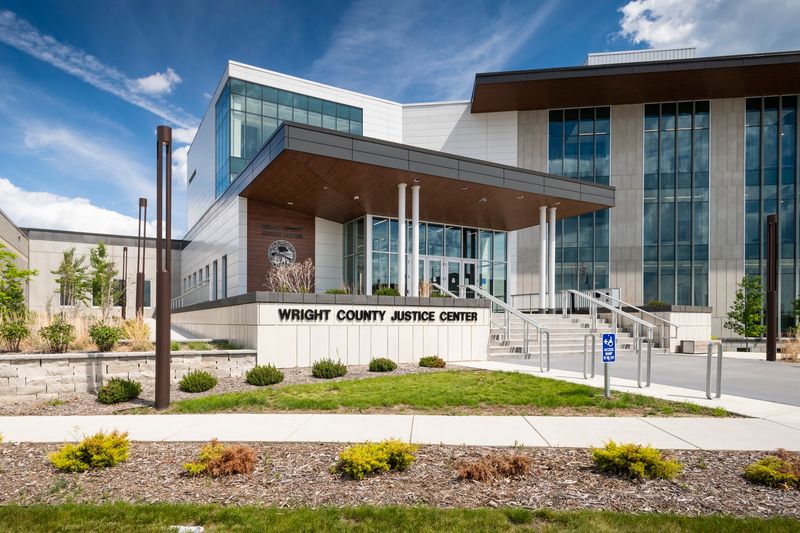
Curiosity about how a place got its name usually leads somewhere interesting. In Buffalo’s case, it leads to a museum full of farm equipment, old photographs, and county records.
The Wright County Historical Society operates a history center in Buffalo that covers settlement, agriculture, railroads, and daily life across the county. Exhibits rotate, and the research library holds genealogy materials that draw visitors tracing family lines.
Volunteers staff much of it, and their knowledge goes far beyond the placards. Give yourself about 45 minutes. The building is compact, but the details reward slow reading, especially the schoolhouse and household displays.
Hours can vary by season, so a quick check before driving over saves disappointment. Weekday afternoons are typically the safest bet.
Here is a fun bit. The city took its name from Buffalo Lake, which early settlers associated with buffalo fish rather than the shaggy plains animal most people picture.
Address: 2001 Highway 25 North, Buffalo, Minnesota
Cycling And Walking The Wright County Trails
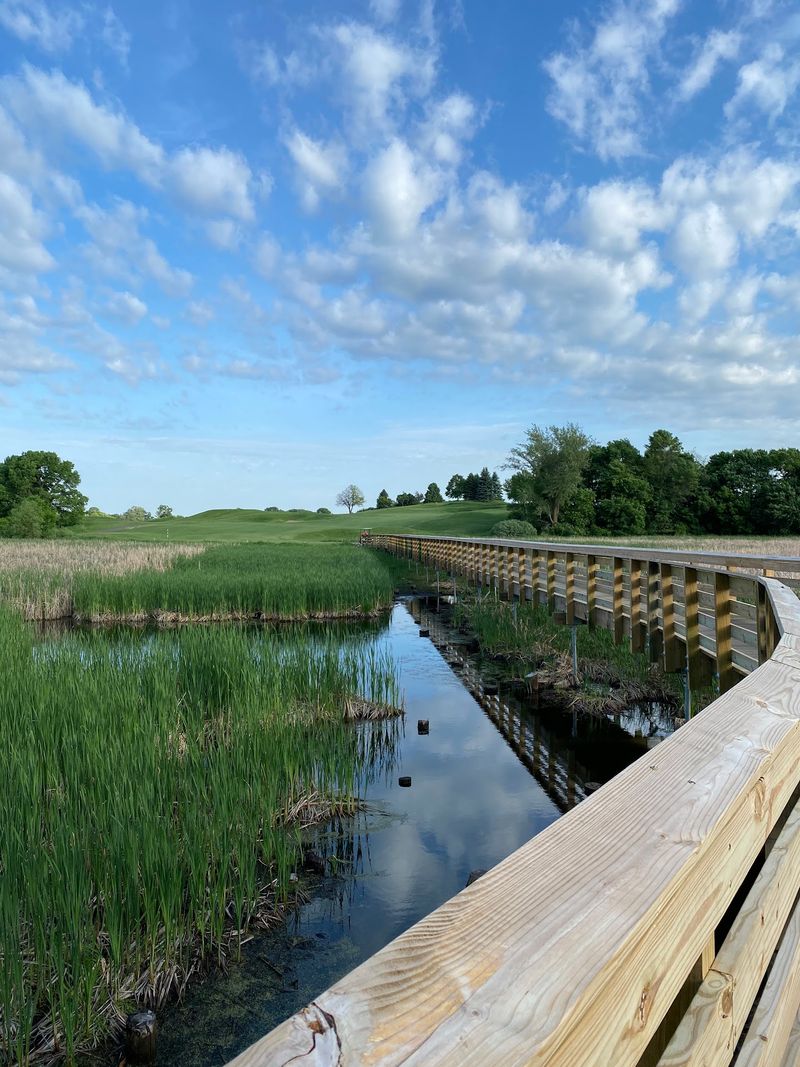
Cyclists have quietly figured out Buffalo. Paved trails link parks, neighborhoods, and lake overlooks, and the terrain stays forgiving enough for casual riders.
Routes around Buffalo Lake connect to wider Wright County trail systems, so you can piece together a short loop or a serious half-day ride depending on your energy. Sections run through prairie grass, tree cover, and past marshy edges where red-winged blackbirds perch on cattails.
Runners and dog walkers use the same paths, and everyone shares the space without much drama. Autumn is the standout season. Maples along the trail edges go orange and the air smells like dry leaves and cool water.
Rent nothing, bring your own wheels if you can. Bike shops in the area can handle basic repairs, but availability changes. My favorite stretch ran close to the water where the trail curved just enough to hide what came next. Small surprises keep a ride interesting.
Wear layers in spring. Wind off the lake bites harder than expected.
Coffee Shops And Bakeries Worth Slowing Down For

Good coffee changes how a town feels. Buffalo has a handful of independent spots where the espresso machine hisses and somebody behind the counter genuinely wants to chat.
Downtown cafes serve the usual lineup of lattes and cold brew alongside scones, muffins, and cinnamon rolls that disappear before noon. Seating tends to be limited, so mornings can get cozy in the best sense.
Several places double as informal community hubs where bulletin boards advertise everything from music lessons to garage sales. I grabbed a pastry and sat by the window watching pickup trucks and strollers pass in equal number. That mix tells you a lot about the place.
Arrive before ten if you want first pick of baked goods. Bakeries here bake what they think they will sell and then stop. Takeout works well too. Grab a cup and carry it down to the lakeshore, which is honestly the better plan on a clear morning.
Cash is rarely needed, but small shops appreciate patience during rushes.
Buffalo Days And The Summer Event Calendar
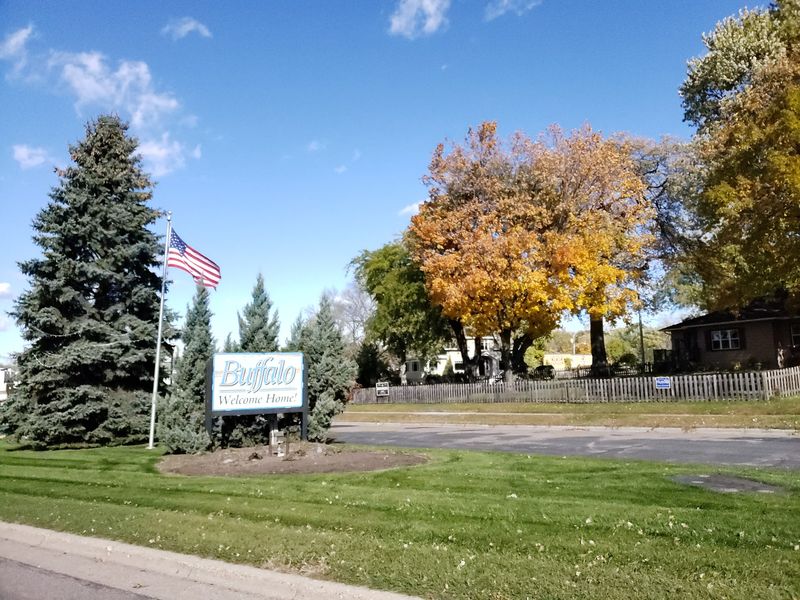
Ask anyone in town about the best weekend of the year and the answer arrives fast. Buffalo Days fills downtown and the parks with a parade, live music, food vendors, and events aimed squarely at families.
The celebration typically lands in early summer and pulls in visitors from across Wright County. Streets close, kids stake out curb spots for parade candy, and the bandshell schedule stays busy through the evening.
Beyond that single weekend, the city runs concerts, farmers market days, and holiday gatherings that keep the calendar full. Book lodging early if you want to stay overnight during festival weekend. Options are limited and fill quickly.
Even outside big events, something usually happens on summer weekends. Checking the city website before you drive out helps you time a visit well.
Fall brings pumpkin-themed activities and winter adds ice fishing contests on the lake. The town does not really hibernate. Parking near downtown gets tight during festivals, so arrive early or walk in.
Art, Music And Small Town Creativity
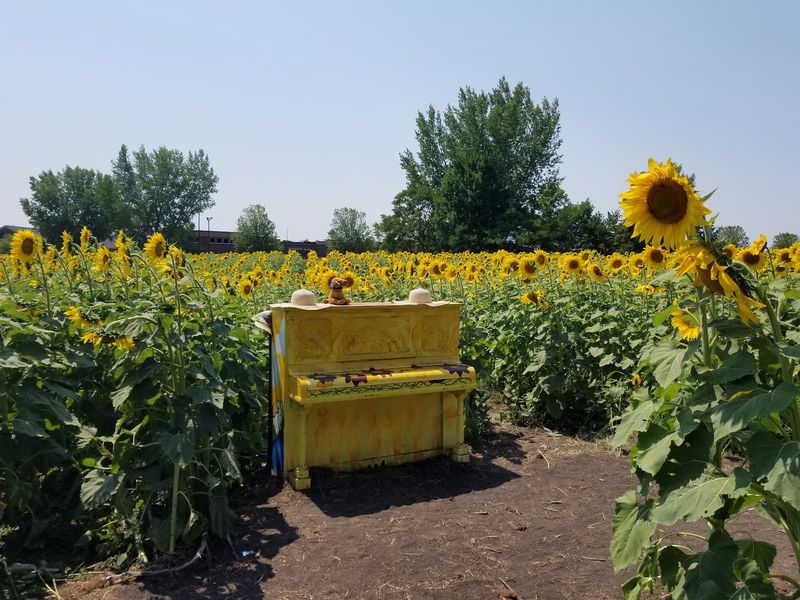
Nobody expects a lake town of sixteen thousand to have an active arts scene. Buffalo quietly does.
Local galleries and community spaces display work from Wright County painters, potters, photographers, and fiber artists. Shows rotate through the year, and openings tend to feel more like neighborhood get-togethers than formal receptions.
Public art appears in unexpected places too, including sculpture and mural work near downtown and the civic buildings. Summer concerts at the lakeside bandshell cover everything from polka to classic rock cover sets. Bring a folding chair and settle in on the grass.
School and community theater productions add another layer, especially during the colder months when indoor entertainment matters more. What I liked was the total lack of pretension. Artists talk about their work plainly, and prices reflect a community rather than a market.
Check listings ahead of time since many events run on short seasonal schedules. A little planning turns a decent afternoon into a memorable one. Photography is usually welcome, but asking first is simple courtesy.
Winter Turns The Lake Into A Neighborhood
Cold weather does not empty this town out. It relocates half of it onto the ice.
Once Buffalo Lake freezes solid, ice houses appear in clusters and trucks carve roads across the surface. Anglers drill holes for crappie and perch, and the whole scene takes on the feel of a temporary village with its own layout.
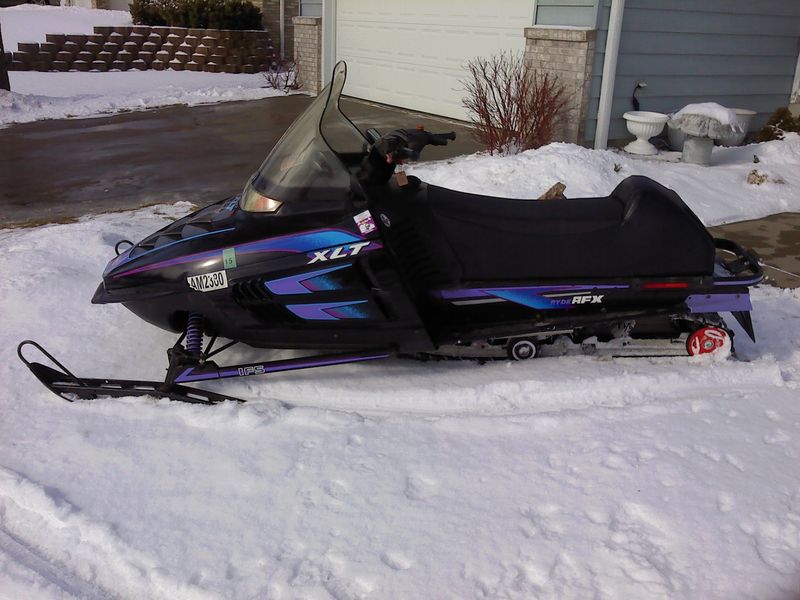
Snowmobile trails link the area to a broader network across Wright County, and cross-country skiers use park paths when snow cooperates. Safety first, always. Check local ice conditions before venturing out and follow posted guidance rather than guessing.
Sledding hills and outdoor rinks give families options that do not involve fishing at all. Warming shelters make the cold manageable. I visited on a clear January afternoon and the light bouncing off the snow was almost blinding. Sunglasses matter more in winter here than in summer.
Dress in real layers, not fashion layers. Wind crossing an open frozen lake finds every gap in your jacket.
Getting There And Making A Weekend Of It
Forty-two miles northwest of Minneapolis puts Buffalo in an easy spot. Close enough for a spontaneous day trip, far enough that the city noise fades completely.
Highway 55 and Highway 25 both run through town, and the drive from the Twin Cities takes roughly an hour depending on traffic. Farm fields and small lakes fill the windshield along the way, which beats interstate scenery by a wide margin.
Lodging in town is limited, so many visitors base themselves nearby or simply make it a single full day. Weekends work best for shops and events, while weekdays suit anyone chasing quiet lake time and open trails.
Pair a Buffalo stop with Monticello or Annandale if you want a longer loop through Wright County. The whole region rewards unhurried driving. My honest advice is to leave the schedule loose. The best parts of this town showed up when I stopped trying to plan them.
