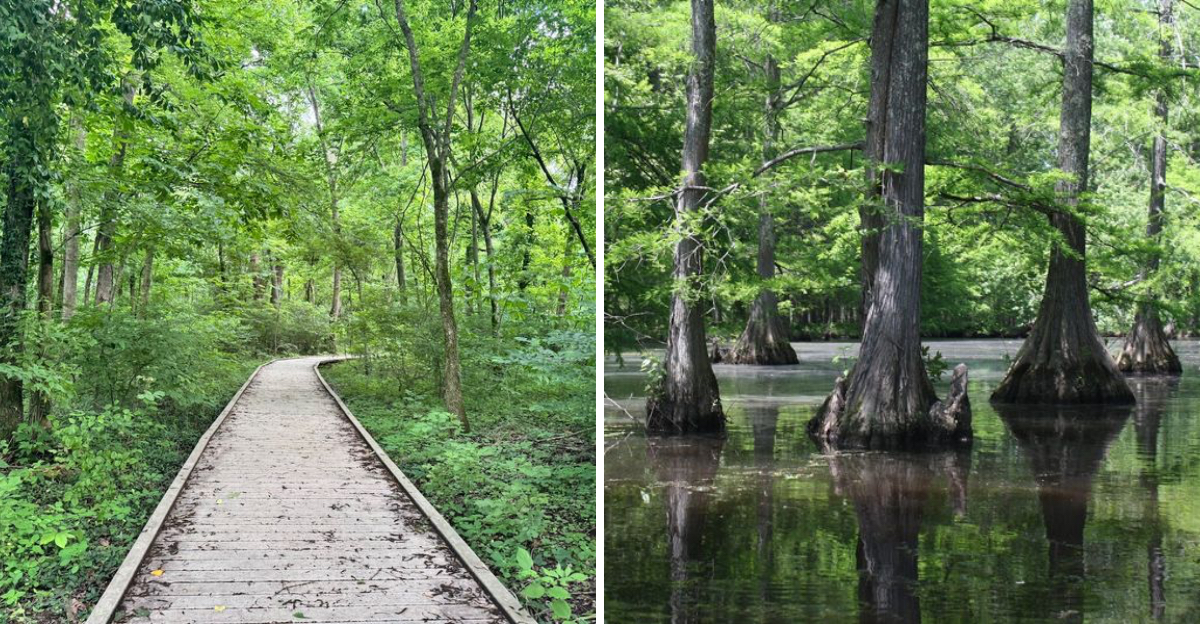
Most people drive right past it. The highway cuts through southeastern Missouri, and the swamp sits just off the road, hidden behind a wall of trees that looks like nothing special from the car.
But step onto the boardwalk, and the whole world changes.
The path winds through a cypress forest that feels ancient and alive. Towering trees rise from the dark water, their trunks flared at the base like they are drinking straight from the swamp.
Spanish moss drapes from the branches, and the air is thick with the sound of frogs, birds, and the occasional splash of something you cannot quite identify. The boardwalk keeps your feet dry while letting you wander deep into a landscape that feels untouched by time.
This is not a place you rush through. It is a place you slow down for, where the only decisions are which direction to look next and how many photos you can take before your phone battery gives out.
The Boardwalk That Puts You Inside the Swamp
There is something quietly thrilling about walking out onto a wooden boardwalk and realizing the ground has completely disappeared beneath you.
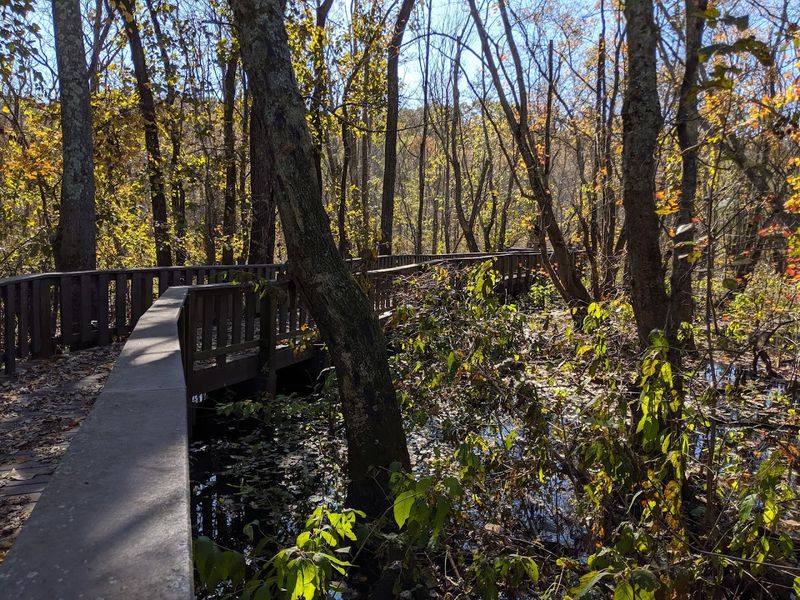
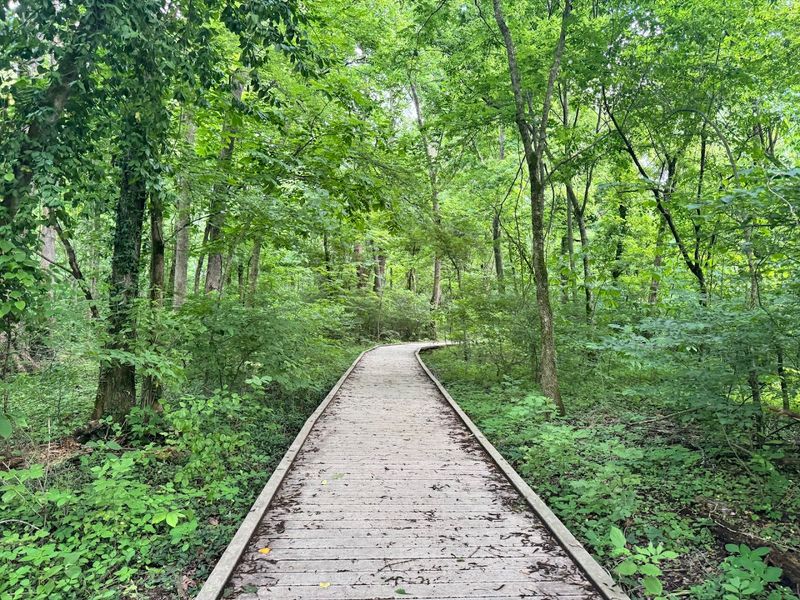
At Mingo National Wildlife Refuge, the boardwalk trail does exactly that. It carries you out over the swamp surface, past gnarly cypress knees poking up through dark water, and into a forest that feels ancient and alive all at once.
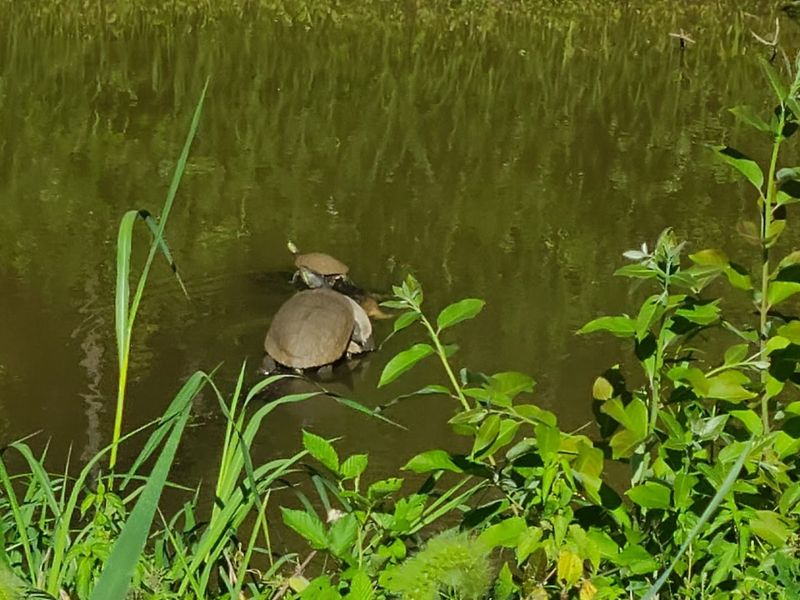
The walk itself is relatively short, so it never feels exhausting. But every few steps, something catches your eye: a painted turtle sunning on a half-submerged log, a great blue heron standing perfectly still in the shallows, or a dragonfly hovering at eye level like a tiny helicopter.
The boardwalk is well-maintained and easy to navigate, making it accessible for most ages and fitness levels. Flat, sturdy, and wide enough to share comfortably, it removes the usual obstacles of swamp hiking.
Standing in the middle of that boardwalk, surrounded by water on all sides and a canopy of cypress overhead, you get the full sensory experience of the Missouri swamp without getting your boots muddy. That is a rare and genuinely special thing.
Ancient Bald Cypress Trees and Why They Matter
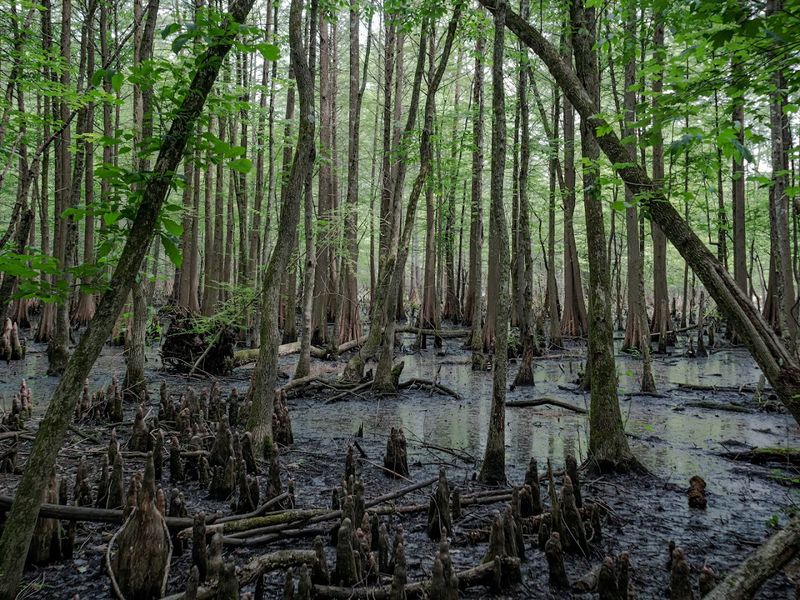
Bald cypress trees are among the oldest and most resilient trees in North America, and Mingo National Wildlife Refuge protects one of the northernmost natural stands of them in the entire country.
These trees are built for water. Their distinctive “knees,” which are woody projections that grow upward from the roots, help anchor them in the soft, saturated soil of the swamp floor.
Scientists still debate their exact purpose, but seeing them rise out of the dark water in clusters is one of the most visually striking sights in all of Missouri.
The trees themselves can live for hundreds of years. Some of the specimens at Mingo have been standing long before Missouri was even a state, quietly filtering water and providing habitat for countless species along the way.
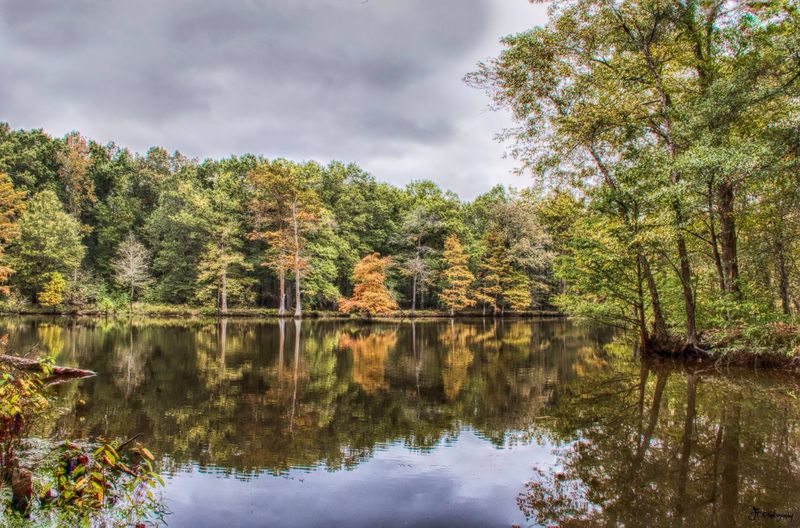
In autumn, bald cypress trees turn a warm copper-orange before dropping their needles, which surprises many people who assume conifers stay green year-round. That seasonal color show adds a completely different character to the swamp in fall.
Walking among these trees feels like stepping into a timeline that stretches far beyond anything human-built, and that perspective alone is worth the drive to Puxico.
Wildlife You Can Spot on a Single Visit
Few places in Missouri pack as much wildlife variety into a single visit as Mingo National Wildlife Refuge, and the boardwalk trail is ground zero for spotting it.
Birds are the obvious headliners. Prothonotary warblers, with their brilliant golden-yellow plumage, are a genuine treat during spring migration.
Great blue herons, red-tailed hawks, barred owls, and wood ducks all make regular appearances depending on the season.
Reptiles and amphibians are equally impressive here. Cottonmouth snakes, various turtle species, and an assortment of frogs and salamanders thrive in the wetland environment.
Spotting a cottonmouth gliding silently across the water surface is an experience that sharpens your attention very quickly.
Mammals are part of the picture too. White-tailed deer are common throughout the refuge, and beavers occasionally make appearances near the water’s edge, especially in the early morning hours.
The seasonal rhythm matters a great deal at Mingo. Spring and summer bring reptiles, amphibians, and nesting birds.
Fall and winter shift the focus to migratory waterfowl and raptors. Planning your visit around what you most want to see will make the experience even more rewarding.
The Auto Tour Route Through the Refuge
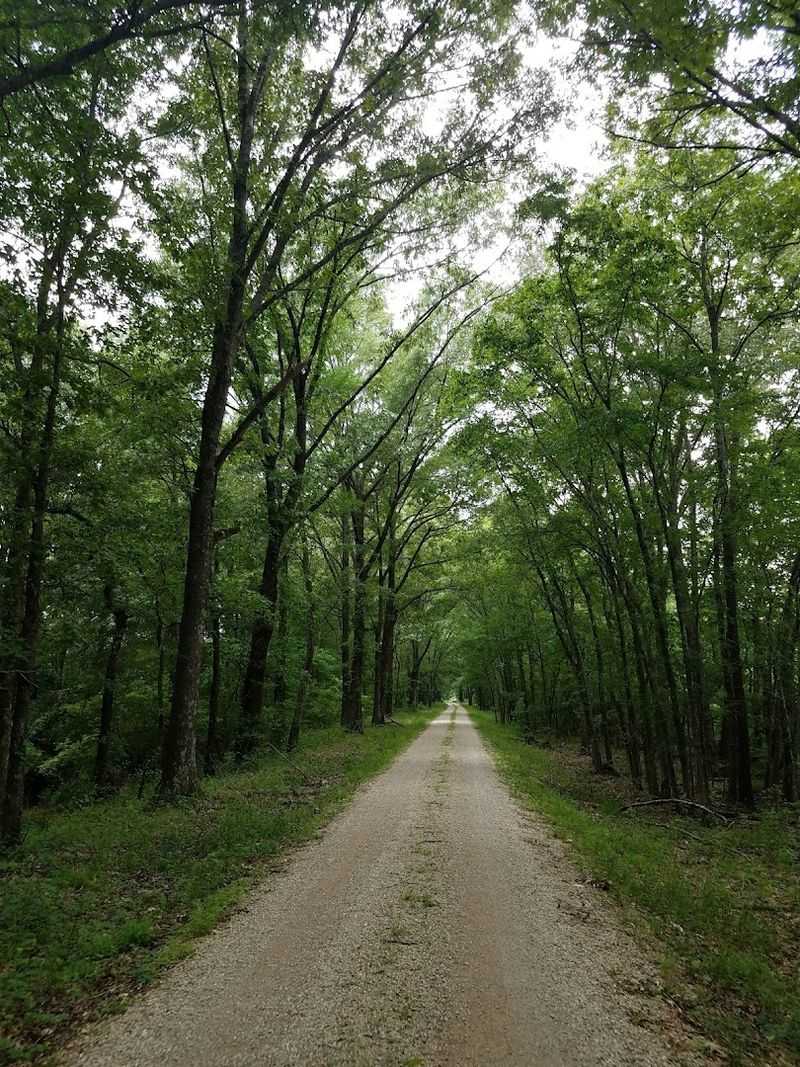
Not everyone wants to hike, and Mingo National Wildlife Refuge has a brilliant solution for that: a scenic auto tour route that loops through the heart of the refuge.
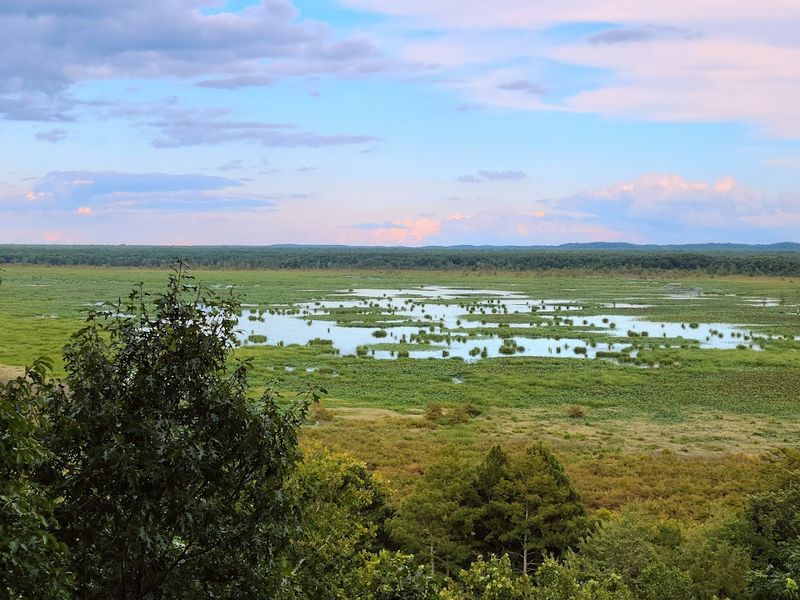
The drive winds past flooded impoundments, open water areas, and dense woodland edges, giving a broad view of the different habitat types the refuge manages. You can take it slowly, stop whenever something catches your eye, and cover a lot of ground without ever leaving your vehicle.
Deer are frequently spotted along the roadside, especially in the early morning or late afternoon. Waterfowl gather in large numbers on the impoundments during migration season, turning the open water into a noisy, colorful spectacle.
The auto tour is a great option for families with young children, older visitors, or anyone who simply wants a relaxed way to experience the landscape. It also works well as a warm-up before tackling the boardwalk trail on foot.
The ditches lining the roadway deserve attention too. They are surprisingly productive for spotting turtles, frogs, and water snakes going about their daily business.
Sometimes the best wildlife moments happen when you are not even looking for them.
Visiting the Refuge Visitor Center
The visitor center at Mingo National Wildlife Refuge is a genuinely worthwhile stop before heading out into the refuge itself, not just a formality.
Inside, you will find well-designed exhibits covering the ecology of the cypress swamp, the history of the refuge, and the remarkable variety of species that call it home. A small theater screens short films about the refuge’s natural environment, which is a helpful orientation if you are visiting for the first time.
The gift shop carries nature-themed items, field guides, and souvenirs. It is worth knowing that the gift shop operates on a cash-only basis, so coming prepared saves you from that particular surprise at the counter.
The staff at the visitor center are knowledgeable and genuinely enthusiastic about the refuge. Asking them about recent wildlife sightings is one of the smartest moves you can make before heading out on the trails.
The center is open Wednesday through Saturday from 9 AM to 4 PM. The refuge is located at 24279 MO-51, Puxico, MO 63960, and you can reach them at 573-222-3589.
Planning your visit around those hours ensures you get the full experience.
Bird Watching at Mingo Through the Seasons
Bird watching at Mingo National Wildlife Refuge is a year-round pursuit, and each season brings a completely different cast of characters to the stage.
Spring is arguably the most exciting time, when migratory songbirds pass through in waves. The prothonotary warbler is a genuine star of the spring season at Mingo, often seen flitting low over the water near the boardwalk.
Sitting quietly on one of the benches along the trail can reward you with surprisingly close encounters.
Summer brings nesting activity, with wood ducks, herons, and various wading birds raising young in and around the wetlands. The calls and activity levels are high, making early morning visits especially productive.
Fall migration brings a different energy entirely. Waterfowl begin moving through in large numbers, and the impoundments fill with ducks and geese on their southward journey.
Raptors like red-tailed hawks and bald eagles become more visible as the trees lose their leaves.
Winter strips the landscape bare and quiet, but that openness actually makes spotting wildlife easier. Owls, in particular, become more visible against the bare branches of the dormant cypress trees.
Mingo rewards patience in every season.
Canoeing and Fishing Opportunities on the Water
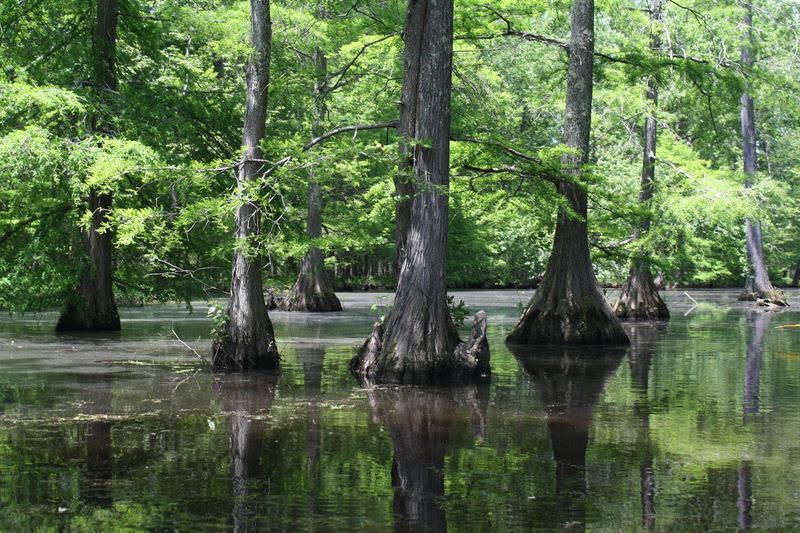
For those who want to experience the swamp from water level, Mingo National Wildlife Refuge offers a canoe trail that puts you directly into the heart of the wetland ecosystem.
Paddling through the cypress forest is a completely different experience from walking the boardwalk. The perspective shifts dramatically when you are sitting low in a canoe, eye-level with the water surface, with cypress trunks rising around you on all sides.
It is quiet, immersive, and genuinely unlike anything else in Missouri.
The canoe trail winds through the refuge’s waterways, and only non-motorized boats are permitted, which keeps the experience peaceful and undisturbed. Bringing your own canoe or kayak is the way to go, as rentals are not available on-site.
Fishing is also permitted within the refuge, with the standard Missouri fishing license required. The swamp waters hold bass, catfish, and various panfish species.
The fishing experience here is more about being surrounded by nature than chasing trophy catches, and that suits the atmosphere of the place perfectly.
Early morning is the best time to be on the water, when mist still hangs over the swamp and the wildlife is most active.
The History Behind the Refuge and Its Wetlands
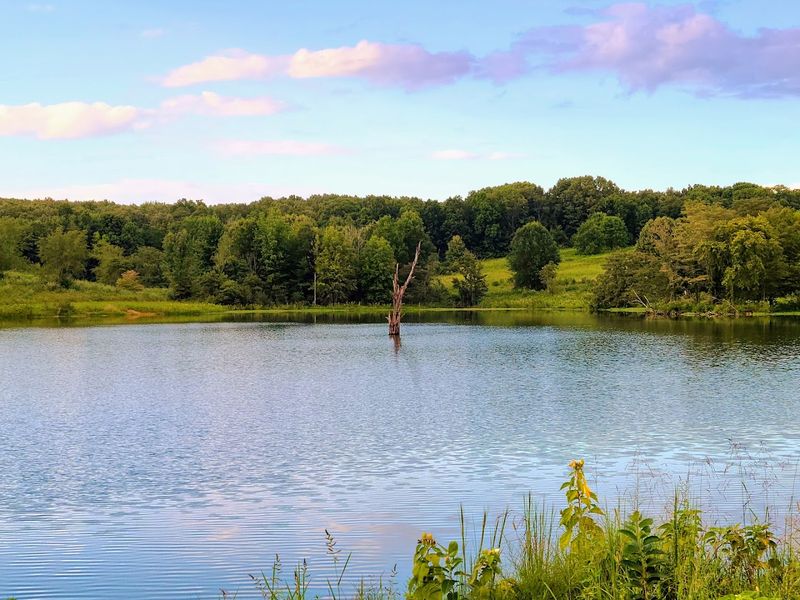
Mingo National Wildlife Refuge has a history that stretches back much further than its official establishment in 1944.
The land sits within what was once a much larger ancient swamp, part of the Mississippi Alluvial Plain that covered vast stretches of southeast Missouri. Over centuries, the region’s wetlands were systematically drained for agriculture, shrinking the original swamp dramatically.
Mingo represents one of the few remaining pieces of that original landscape.
The U.S. Fish and Wildlife Service established the refuge specifically to protect and restore this rare wetland ecosystem.
Today, the refuge covers approximately 21,592 acres of bottomland hardwood forest, cypress swamp, and managed wetland impoundments.
Water management is central to how the refuge operates. Staff actively control water levels in the impoundments throughout the year to support different wildlife needs at different times.
Raising water levels in fall attracts migrating waterfowl. Drawing them down in spring creates mudflat habitat for shorebirds.
Understanding that active management backstory adds a layer of appreciation to everything you see at Mingo. The wildlife is not just happening here by accident.
It is the result of decades of deliberate conservation work in one of Missouri’s most ecologically important corners.
Best Times to Visit and What to Expect
Timing a visit to Mingo National Wildlife Refuge makes a real difference in what you experience, and fortunately, the refuge has something worthwhile to offer in every season.
Spring, roughly March through May, is the top choice for most nature enthusiasts. Wildflowers bloom along the trails, migratory songbirds arrive in full force, and the Louisiana iris display in late March and early April is genuinely beautiful.
The swamp feels alive and energetic during this window.
Summer brings heat and humidity, which is expected in southeast Missouri, but also brings out reptiles, amphibians, and insects in abundance. Early morning visits in summer are strongly recommended to beat both the heat and the crowds.
Fall is stunning for a different set of reasons. The bald cypress trees turn copper-orange, waterfowl fill the impoundments, and the cooler temperatures make long walks genuinely pleasant.
October and November are particularly rewarding for birders focused on migration.
Winter is quiet but underrated. Bare trees improve visibility, owls become easier to spot, and the solitude of the refuge in the colder months has its own distinct appeal.
The visitor center and refuge trails are open Wednesday through Saturday, 9 AM to 4 PM, so plan accordingly.
Tips for Making the Most of Your Visit
A little preparation goes a long way at Mingo National Wildlife Refuge, and a few smart choices can turn a good visit into a genuinely memorable one.
Bring binoculars. This cannot be overstated.
Many of the most rewarding wildlife sightings at Mingo happen at a distance, across open water or high in the cypress canopy. A decent pair of binoculars transforms those distant shapes into identifiable, exciting encounters.
Wear layers and insect repellent. The Missouri swamp environment is beautiful, but it is also home to mosquitoes and other biting insects, especially in spring and summer.
Long sleeves and a reliable repellent make the experience far more comfortable.
Move slowly and quietly on the boardwalk. The wildlife at Mingo is not particularly shy, but noise and quick movements will clear an area fast.
Slow down, pause often, and let the swamp come to you.
Bring cash for the gift shop and check the visitor center hours before you go, since the center is only open Wednesday through Saturday. Arriving early in the morning maximizes both wildlife activity and comfortable temperatures.
The refuge website at fws.gov/refuge/mingo carries updated information on seasonal conditions and any access changes worth knowing before you make the drive.
Address: 24279 MO-51, Puxico, MO 63960
