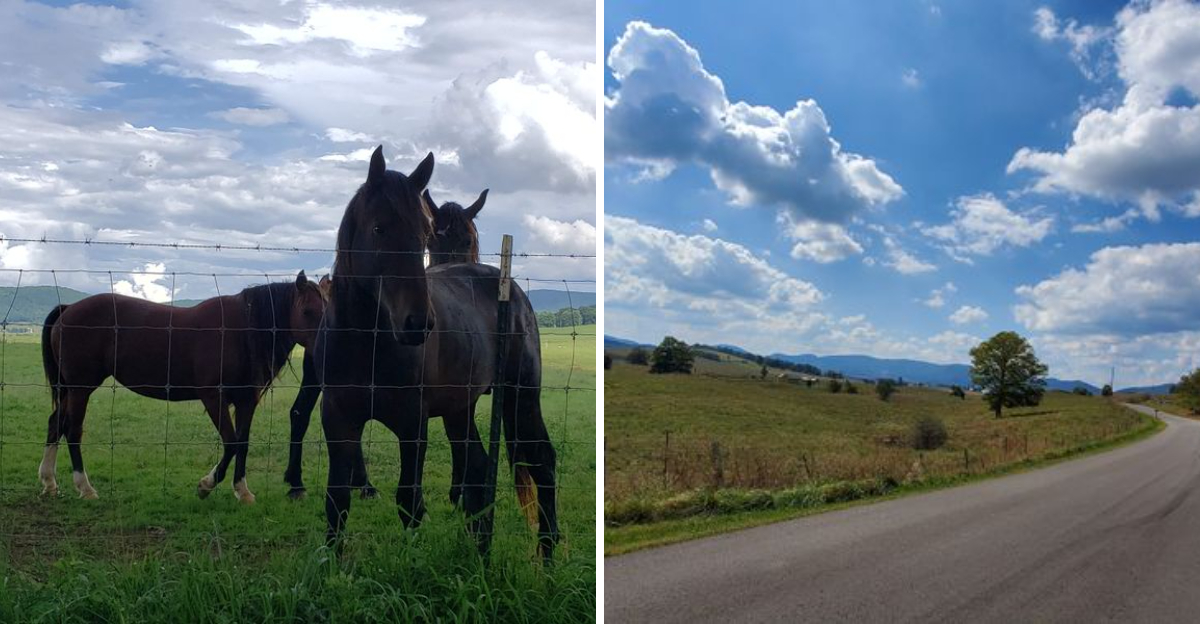
What if you could step into a valley so remote and untouched that nature decided to create species found absolutely nowhere else on the planet? Tucked into the Appalachian Mountains, there’s a place where time moves slower, where the air tastes different, and where evolution took a wildly unique turn.
This isn’t some faraway tropical island or exotic desert landscape. It’s right here in Virginia, hidden behind mountain ridges that kept it secret for centuries.
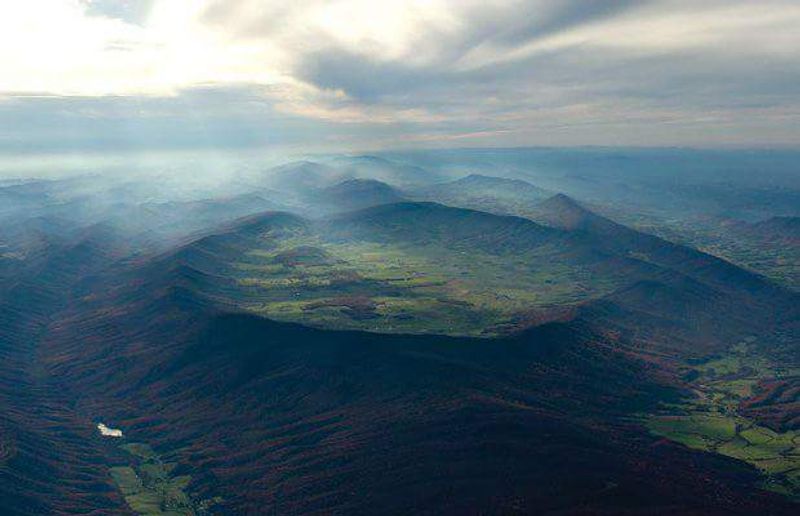
The locals call it God’s Thumbprint, and once you see it from above, you’ll understand why. This massive oval basin sits like a giant’s fingerprint pressed into the earth, completely surrounded by towering peaks.
Inside this natural fortress, rare plants, animals, and insects have thrived in isolation for thousands of years, creating an ecosystem scientists are still studying today.
The Valley That Time Forgot
Picture a massive bowl carved into the mountains, three thousand feet above sea level, stretching across fourteen thousand acres of pristine land. Garden Mountain forms a nearly perfect ring around this geological wonder, creating what looks like a thumbprint when viewed from the sky.
Scientists believe ancient geological forces shaped this valley millions of years ago, leaving behind rich limestone soil that farmers and nature both adore. The surrounding ridges act like fortress walls, keeping the valley sheltered from harsh weather and creating a microclimate unlike anywhere else in Virginia.
Only one road winds its way into this hidden paradise, snaking through a narrow gap in the mountains. That single entrance helped preserve the valley’s isolation for centuries, allowing unique species to evolve without outside interference.
Early settlers discovered this natural sanctuary in the late seventeen hundreds, and their descendants still farm the fertile valley floor today. The combination of altitude, protection, and isolation created perfect conditions for rare species to flourish.
Visiting feels like discovering a secret world that modern civilization forgot. The valley maintains an old-fashioned charm that makes you feel like you’ve traveled back several decades.
Species That Exist Nowhere Else
Evolution went wild in this isolated mountain valley, creating plants and insects found absolutely nowhere else on Earth. The valley’s unique conditions allowed certain species to develop characteristics that make them completely distinct from their relatives elsewhere.
Botanists have identified several plant varieties that evolved specifically within these mountain walls. The isolation meant these plants never cross-pollinated with outside populations, leading to unique genetic traits over thousands of years.
Rare insects also call this valley home, including species that scientists are still cataloging and studying. Some butterflies and beetles here display color patterns and behaviors not observed in any other location worldwide.
The valley’s limestone-rich soil contributes to this biological uniqueness, providing minerals that support plant life uncommon in surrounding regions. This special soil chemistry helped certain species thrive while keeping others out entirely.
Conservation efforts now protect these irreplaceable organisms from threats like invasive species and climate change. Researchers visit regularly to monitor populations and document new discoveries.
Walking through meadows here means potentially encountering living things that exist in this valley alone. That realization makes every wildflower and flying insect feel incredibly precious and worth protecting.
A Microclimate Like No Other
Weather behaves strangely inside this mountain-ringed bowl, creating conditions that puzzle meteorologists and delight farmers. The valley experiences temperatures often ten to fifteen degrees cooler than surrounding areas, even during summer heat waves.
Those protective mountain ridges trap cold air inside during winter, creating frost pockets that can damage crops but also support cold-loving plant species. Spring arrives later here than in nearby towns, and fall colors linger longer into November.
Rainfall patterns differ dramatically from areas just miles away outside the valley walls. The mountains force moisture-laden clouds upward, causing them to release precipitation directly over the valley floor with remarkable consistency.
Farmers have learned to work with these quirky weather patterns rather than fight them. They plant cold-hardy crops and adjust their growing schedules to match the valley’s unique seasonal rhythm.
Morning fog often fills the basin like milk poured into a bowl, creating ethereal landscapes that photographers dream about. By afternoon, sunshine breaks through and warms the valley floor to comfortable temperatures.
This microclimate directly contributes to the valley’s biological uniqueness, providing conditions that certain rare species require for survival. Without these specific weather patterns, many endemic organisms simply couldn’t exist here.
The Farming Community That Refuses To Change
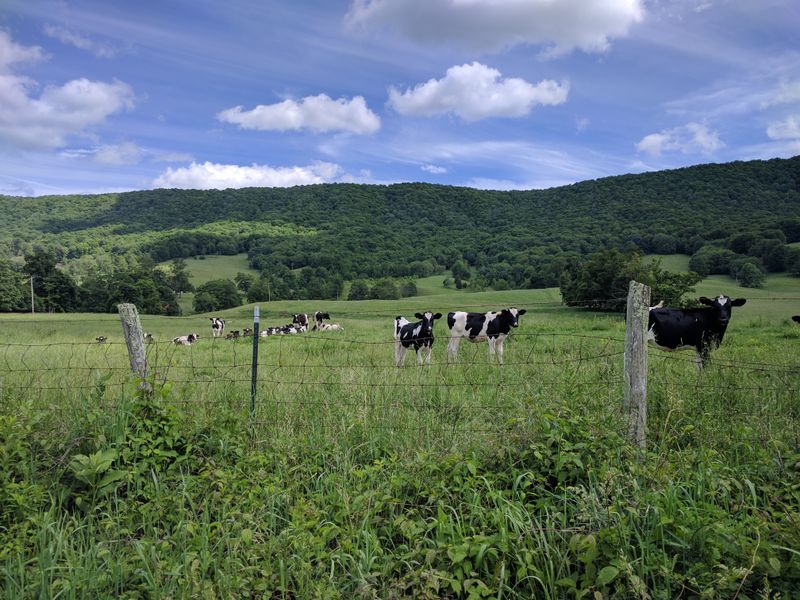
Families here have worked the same land for over two centuries, passing down farms through generations like precious heirlooms. Modern agricultural trends haven’t penetrated these mountain walls the way they’ve transformed other rural Virginia communities.
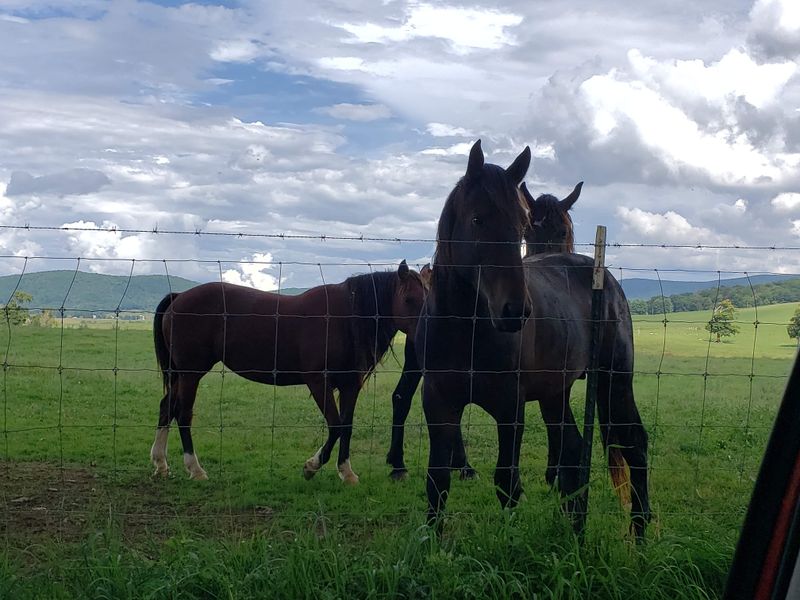
You’ll still see traditional farming methods practiced alongside more contemporary techniques. Hay bales dot the fields in summer, and cattle graze peacefully across rolling pastures that look unchanged from decades past.
The community deliberately resists rapid development, understanding that preserving their way of life also protects the valley’s ecological treasures. Residents voted against commercial tourism ventures that could bring money but destroy the character they cherish.
Local farmers maintain small operations rather than expanding into industrial-scale agriculture. This approach keeps the land healthy and reduces environmental impacts that could threaten rare species living among the crops.
Neighbors still help each other during harvest season, gathering for barn raisings and community events that strengthen social bonds. This tight-knit culture creates a living museum of rural American life.
Visiting means witnessing authentic agricultural traditions that have mostly vanished elsewhere. The farmers’ dedication to preservation protects both their heritage and the valley’s irreplaceable natural resources simultaneously.
The Lutheran Church That Anchors Everything
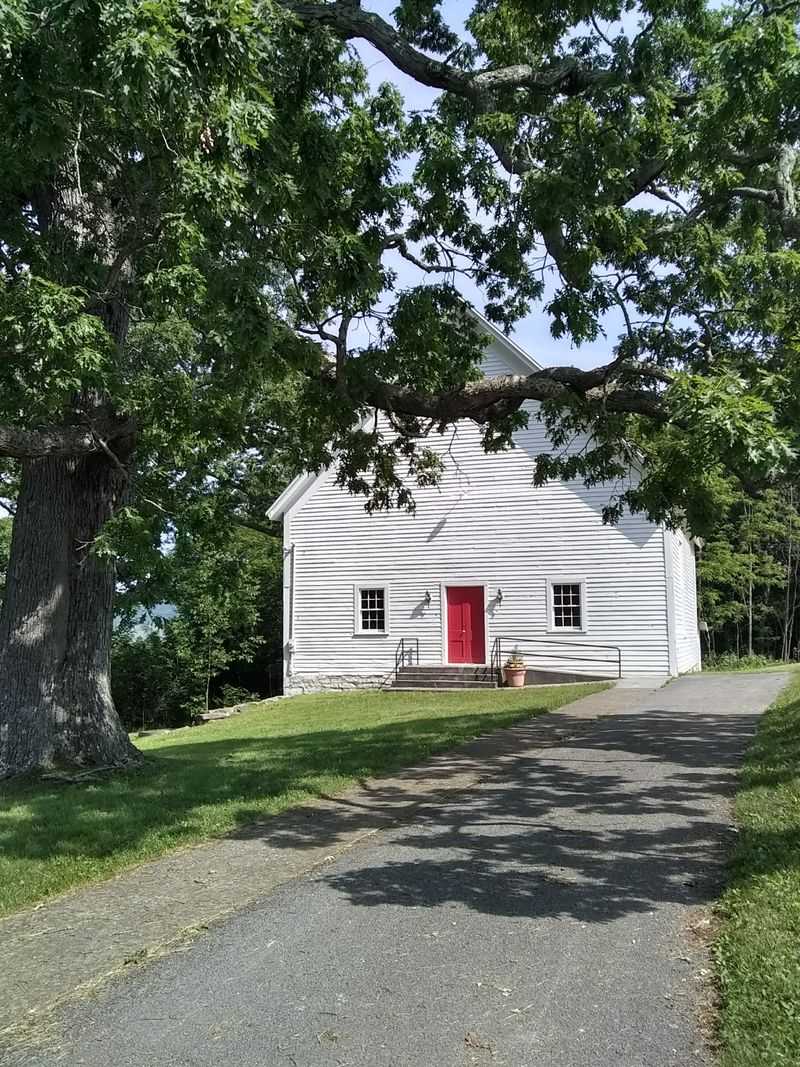
St. John’s Lutheran Church stands at the valley’s spiritual and geographic heart, serving the community since the eighteen hundreds. This simple white building with its classic steeple represents continuity and faith that binds residents together across generations.
Sunday services bring the entire community together, maintaining social connections that help preserve the valley’s traditional character. The church functions as much more than a place of worship, serving as a community center and gathering spot.
Cemetery stones behind the church tell the valley’s history through names that appear repeatedly across centuries. Many current residents can trace their ancestry back to those early settlers buried in these peaceful grounds.
The congregation takes pride in maintaining the building exactly as their ancestors built it, resisting modernization that might compromise its historic integrity. This commitment to preservation mirrors the community’s approach to the valley itself.
Holiday celebrations and special events centered around the church create annual rhythms that mark time’s passage. These traditions provide stability and identity for residents who value continuity over constant change.
Even visitors who aren’t religious appreciate the church’s role in protecting the valley’s unique character. The building symbolizes values that have kept this place special for over two hundred years.
Wildflower Meadows That Explode With Color
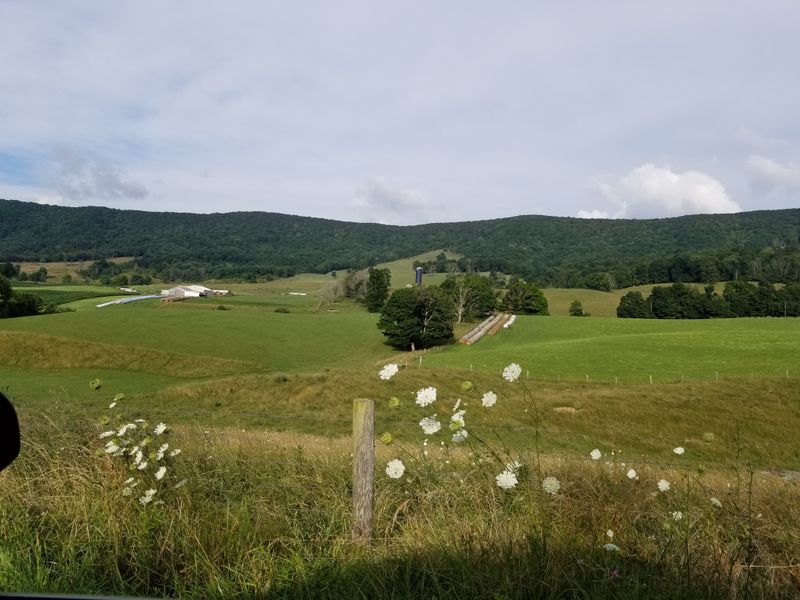
Spring transforms the valley floor into a botanical wonderland that rivals any cultivated garden. Native wildflowers carpet the meadows in waves of purple, yellow, white, and pink that shift as different species bloom throughout the season.
Rare orchids hide among the grasses, rewarding careful observers who take time to search. These delicate flowers require specific soil conditions and symbiotic relationships with fungi found only in this valley’s unique ecosystem.
Botanists travel from universities across the country to study the wildflower diversity here. Some species bloom in such abundance that the entire valley seems painted in their colors during peak flowering periods.
The combination of altitude, soil chemistry, and isolation created perfect conditions for both common and rare wildflowers to thrive together. Walking through these meadows means encountering botanical diversity that’s increasingly rare across developed landscapes.
Photographers time their visits to capture these floral displays at their spectacular peak. Morning light illuminates the flowers with a glow that seems almost magical against the backdrop of surrounding mountains.
Conservation groups work with landowners to protect these meadows from development and invasive species. The wildflowers aren’t just beautiful; they’re living laboratories teaching scientists about evolution, ecology, and adaptation.
The Single Road That Guards The Secret
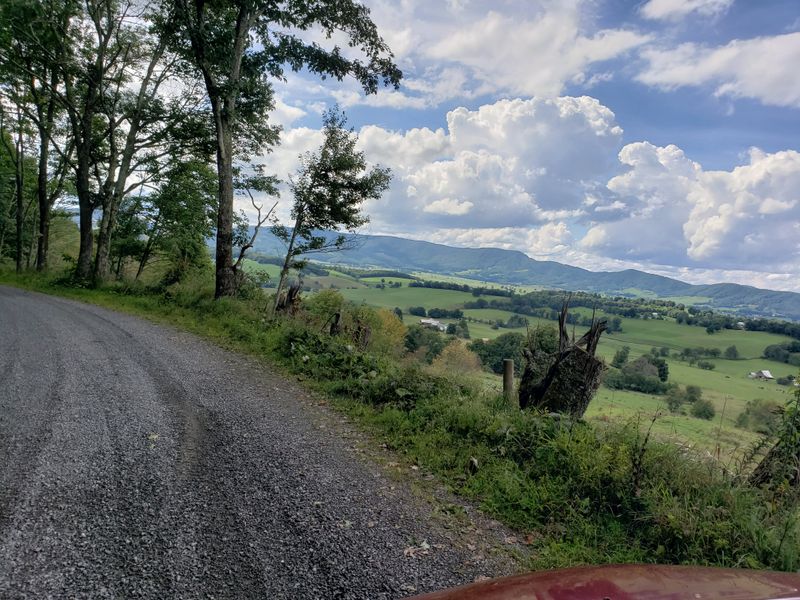
Only one road penetrates the mountain barrier surrounding this hidden valley, winding through a narrow gap that kept the area isolated for centuries. This geographic bottleneck helped preserve the valley’s unique ecosystem by limiting access and development.
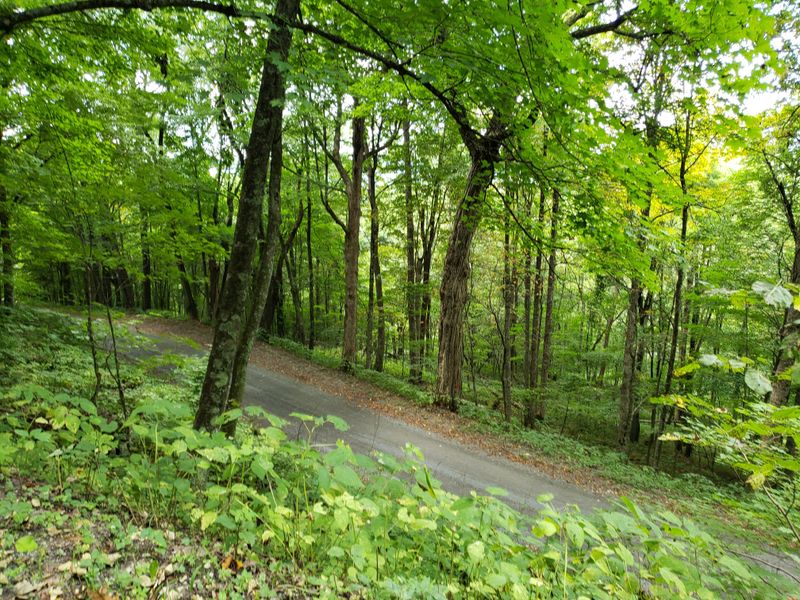
The drive into the valley feels like passing through a portal into another world. Trees arch overhead, and the road twists sharply as it climbs before suddenly opening onto the vast valley floor below.
Early settlers chose this single entrance point because it was the only practical route through the surrounding ridges. That decision inadvertently protected the valley from the rapid development that transformed more accessible areas.
Modern residents appreciate how this limited access keeps tourist traffic manageable and preserves their peaceful lifestyle. Visitors must be intentional about coming here; you can’t stumble upon Burke’s Garden by accident.
The road itself offers stunning views as you descend into the valley, with overlooks that reveal the thumbprint shape from elevated angles. First-time visitors often stop multiple times just to absorb the dramatic scenery.
This natural gatekeeping helped rare species survive by preventing the habitat destruction that typically follows easy road access. The single entrance remains both a practical reality and a symbolic threshold between ordinary and extraordinary.
Streams That Run Crystal Clear
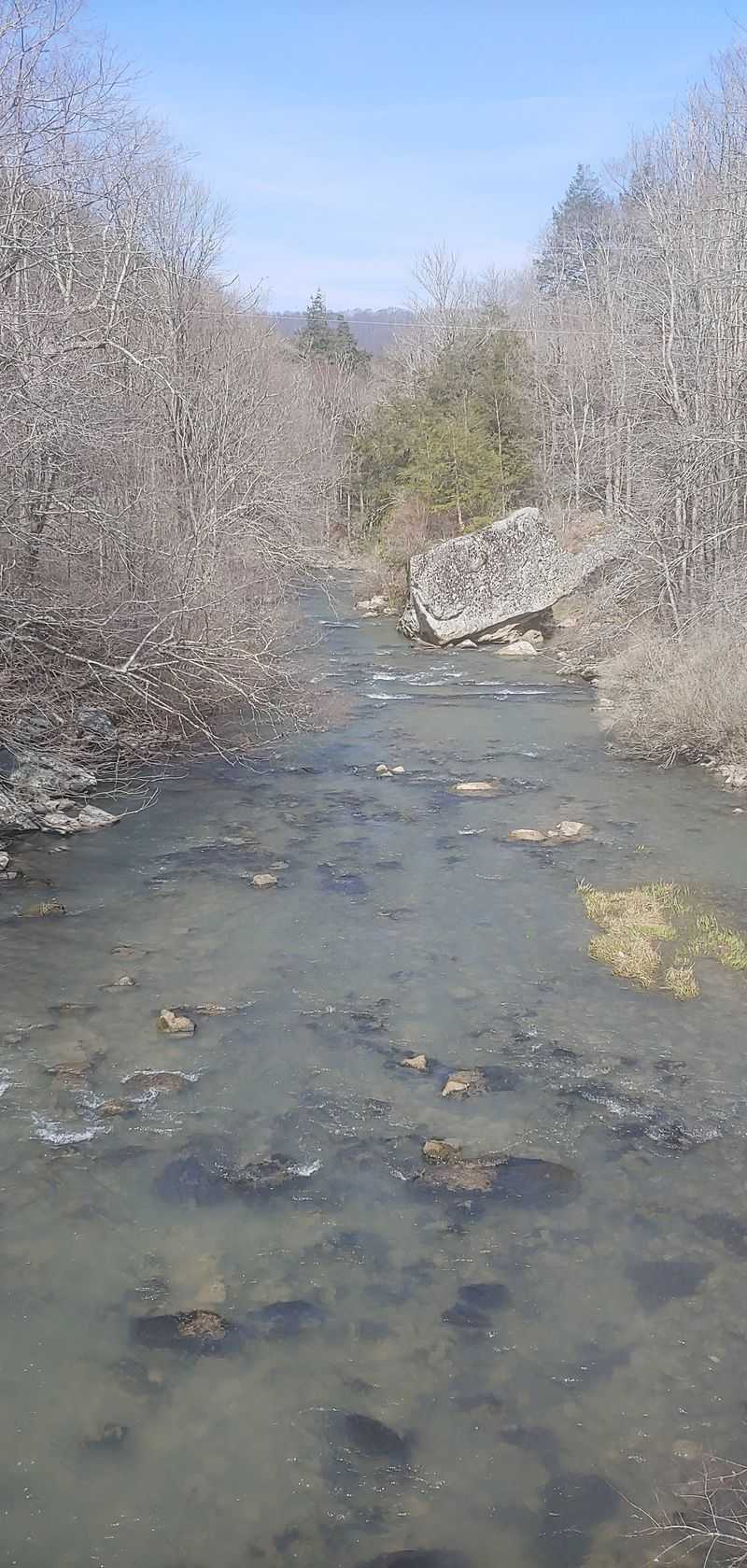
Water flows through this valley with a clarity that’s shocking to anyone accustomed to polluted or murky streams elsewhere. The limestone bedrock naturally filters groundwater, creating springs and creeks that run so clean you can see every pebble on the bottom.
These pristine waterways support aquatic life that requires exceptionally pure conditions to survive. Certain salamander species and freshwater invertebrates found here indicate water quality that’s increasingly rare across developed regions.
The valley’s agricultural practices have remained gentle enough to avoid the runoff problems plaguing farming areas elsewhere. Farmers here understand that protecting water quality protects their own land’s productivity and the ecosystem’s health.
Children still safely wade and play in these streams during summer, something that’s become impossible in many other rural areas. The water stays cold even in July, fed by mountain springs that maintain consistent temperatures year-round.
Trout thrive in these clear, cold streams, attracting anglers who appreciate both the fishing and the unspoiled natural setting. The experience of fishing here feels like stepping back to a time before pollution became normal.
Scientists use these waterways as baseline examples of what healthy stream ecosystems should look like. The valley’s water quality represents an increasingly precious resource worth protecting at all costs.
Night Skies That Actually Show Stars
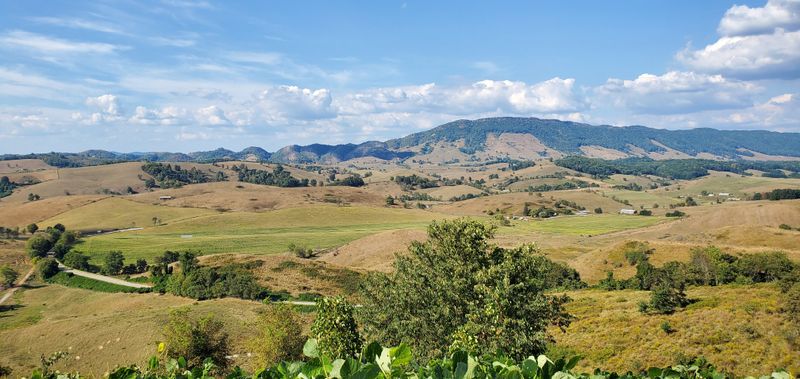
Darkness falls completely here, something that’s become rare across America as light pollution spreads from cities and towns. The valley’s isolation and residents’ traditional lifestyle mean minimal artificial lighting after sunset.
On clear nights, the Milky Way stretches overhead so bright you can see it without effort. Stars appear in such profusion that city dwellers often feel overwhelmed by the sheer number visible to the naked eye.
The surrounding mountains block light from distant towns, creating a natural dark sky preserve without official designation. Astronomers and stargazers consider this one of the best locations in Virginia for observing celestial objects.
Meteor showers put on spectacular displays here, with shooting stars visible every few minutes during peak events. The lack of competing light makes even faint meteors clearly visible as they streak across the sky.
This darkness also benefits the valley’s nocturnal wildlife, allowing natural behaviors that light pollution disrupts elsewhere. Owls hunt, bats navigate, and insects follow natural rhythms undisturbed by artificial illumination.
Experiencing true darkness helps visitors understand what humans have lost as development spreads. The night sky here looks like it did for all of human history before electric lights changed our relationship with darkness.
How To Visit This Protected Paradise
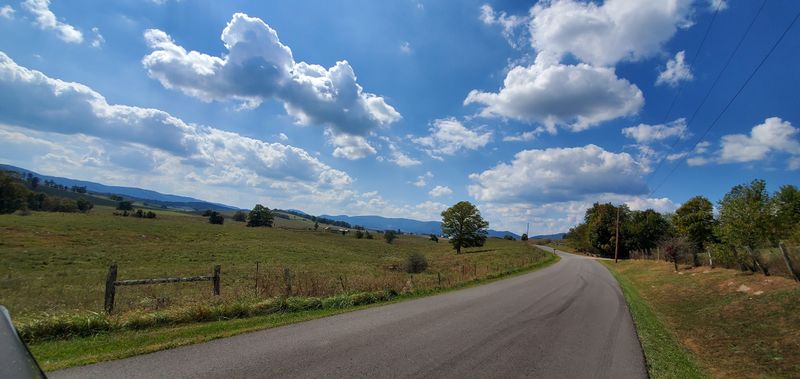
Getting here requires intention and respect for the community that calls this valley home. Burke’s Garden isn’t set up for mass tourism, and residents prefer visitors who appreciate the valley’s special character without disrupting it.
The valley sits in Tazewell County, Virginia, accessible via Route 623, which becomes the single road winding into the basin. Plan your visit during daylight hours, as the mountain road can be challenging after dark for those unfamiliar with it.
No hotels or restaurants operate inside the valley, so come prepared with supplies and respect private property. Most of the land is privately owned working farms, not public parks open for wandering.
The best approach is driving the loop road that circles the valley floor, stopping at designated overlooks to absorb the scenery. Bring binoculars for wildlife watching and cameras for capturing the landscape’s dramatic beauty.
Spring through fall offers the most comfortable visiting conditions, with wildflowers peaking in late spring and fall colors arriving in October. Winter visits are possible but require caution due to the valley’s microclimate and potential ice.
The address for navigation purposes is Virginia 24651, which will get you to the general area. From there, follow signs and enjoy one of Virginia’s most remarkable hidden treasures.
Dear Reader: This page may contain affiliate links which may earn a commission if you click through and make a purchase. Our independent journalism is not influenced by any advertiser or commercial initiative unless it is clearly marked as sponsored content. As travel products change, please be sure to reconfirm all details and stay up to date with current events to ensure a safe and successful trip.
