Think you know Virginia history? Then tell me this: where did one of the longest and most brutal sieges of the Civil War unfold, changing the course of American history forever?
Spoiler alert: it’s not where most people think.
Petersburg National Battlefield at 5001 Siege Rd in Petersburg, Virginia, holds stories that textbooks barely scratch the surface of. This isn’t just another museum with dusty displays and boring plaques.
It’s where you can literally walk through trenches, stand inside the Crater where chaos erupted, and feel the weight of what soldiers endured for nearly ten months.
History buffs argue about which Civil War site matters most, but locals know Petersburg deserves way more spotlight than it gets. The rangers here bring every cannon, every earthwork, and every trail to life with stories that’ll give you goosebumps.
Ready to discover what makes this Virginia landmark absolutely unforgettable? Let’s roll.
The Visitor Center Experience Sets the Stage
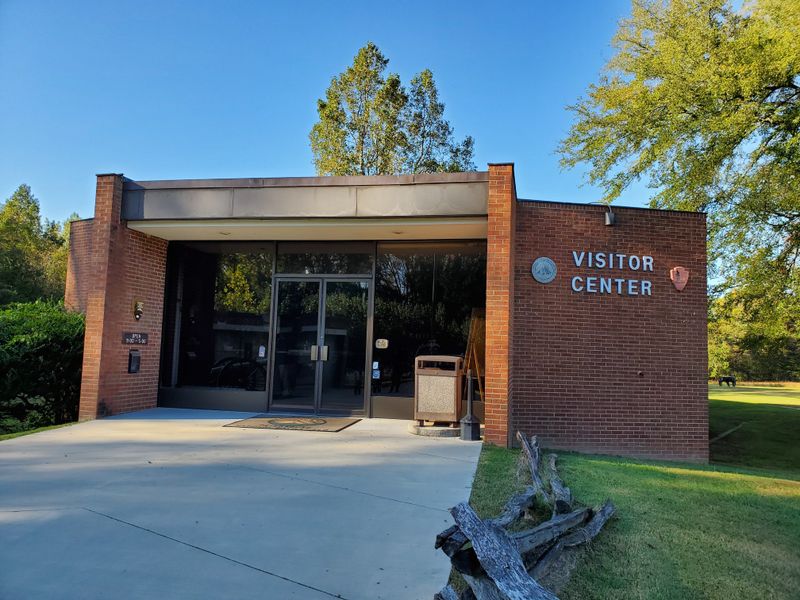
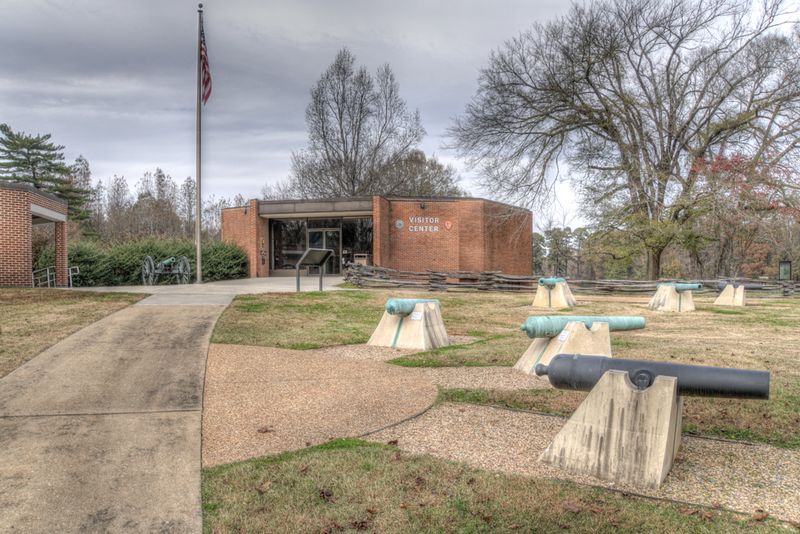
Walking into the Eastern Front Visitor Center feels like stepping into a time capsule that actually makes sense. Rangers greet you with genuine enthusiasm, not the robotic spiel you’d expect from typical attractions.
Their knowledge runs deep, and they’re eager to answer every question you throw their way.
The short film shown here deserves major props. It’s not some snooze-fest documentary your teacher would show on a rainy Friday.
Instead, it paints a vivid picture of the siege’s complexity, helping visitors grasp why Petersburg mattered so much to both armies. Context matters, and this video delivers it brilliantly.
Exhibits throughout the center showcase artifacts, maps, and interactive displays that appeal to all ages. Kids find plenty to explore while adults appreciate the historical depth.
The gift shop stocks quality books and materials for those wanting to dig deeper into this pivotal chapter.
Restrooms sit conveniently adjacent to the main building, making this an ideal starting point before venturing onto the trails. Grab your park map here and chat with rangers about current conditions and must-see spots during your visit.
Trail Systems That Tell Stories
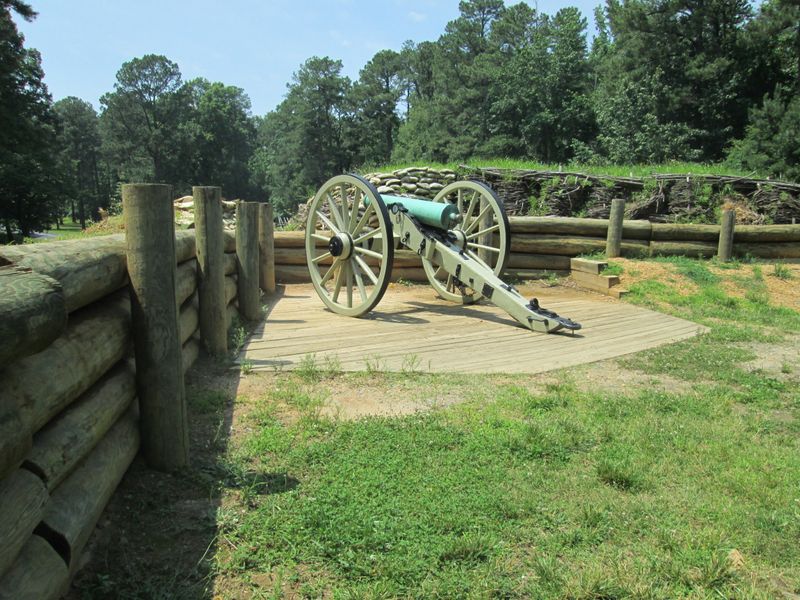
Forget boring museum walks where you shuffle past glass cases. Petersburg’s trail system lets you actually experience the battlefield landscape as soldiers once knew it.
Paths wind through areas where regiments camped, fought, and made history with every step.
Families rave about how accessible these trails are. Strollers navigate easily on most routes, and the terrain stays relatively flat for casual walkers.
Cyclists also love pedaling through history on designated paths that offer different perspectives of the sprawling battlefield.
Maintenance crews clearly take pride in their work. Trails stay clean, markers remain legible, and vegetation gets trimmed back so views stay unobstructed.
You won’t find yourself lost or confused about where significant events occurred.
Spring and fall bring spectacular scenery as trees burst with color or shed their leaves, creating Instagram-worthy moments around every bend. Summer visits work too, though shade becomes precious during midday heat.
Winter walks offer solitude and stark beauty that highlights earthworks more clearly.
Bring water and comfortable shoes. Some visitors underestimate how much ground they’ll want to cover once they start exploring these fascinating paths.
The Crater That Changed Everything
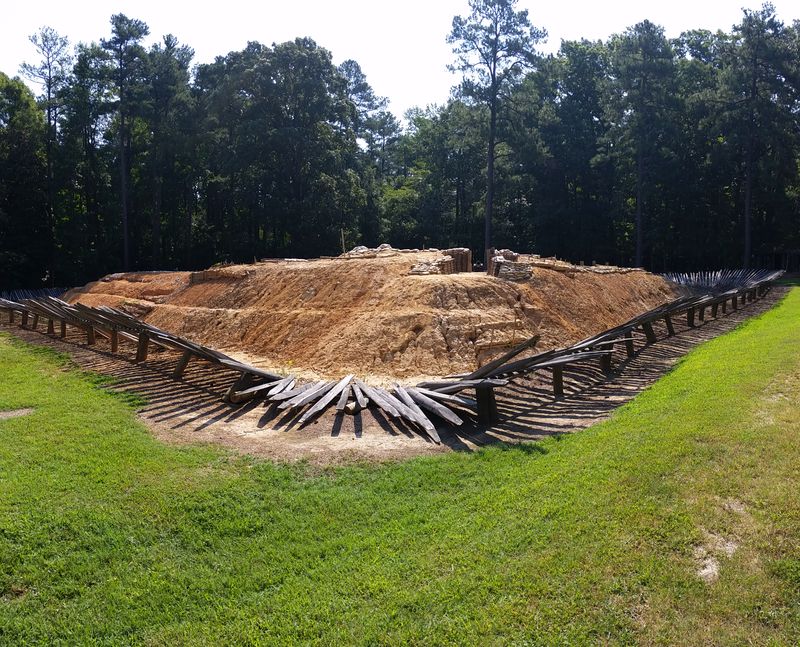
Standing at the edge of the Crater hits differently than reading about it in books. This massive depression resulted from Union forces tunneling under Confederate lines and detonating explosives in what should have been a brilliant tactical move.
Instead, chaos erupted.
Rangers conduct special talks here that transform your understanding of the battle. One ranger named Katelyn Dodge earned particular praise for making the Crater’s story come alive with vivid details about the confusion, bravery, and tragedy that unfolded in this exact spot.
The land itself tells stories if you know how to listen. Before becoming a national park, this area served as a golf course, which seems almost disrespectful now.
Restoration efforts have returned dignity to this hallowed ground where so many soldiers fell.
Walking the trail around the rim gives perspective on the explosion’s massive scale. Imagine the earth shaking, smoke billowing, and soldiers on both sides trying to comprehend what just happened.
That’s the power of visiting rather than just reading.
Photography enthusiasts find endless angles here, especially during golden hour when shadows accentuate the crater’s contours and depth.
Cannons That Command Attention
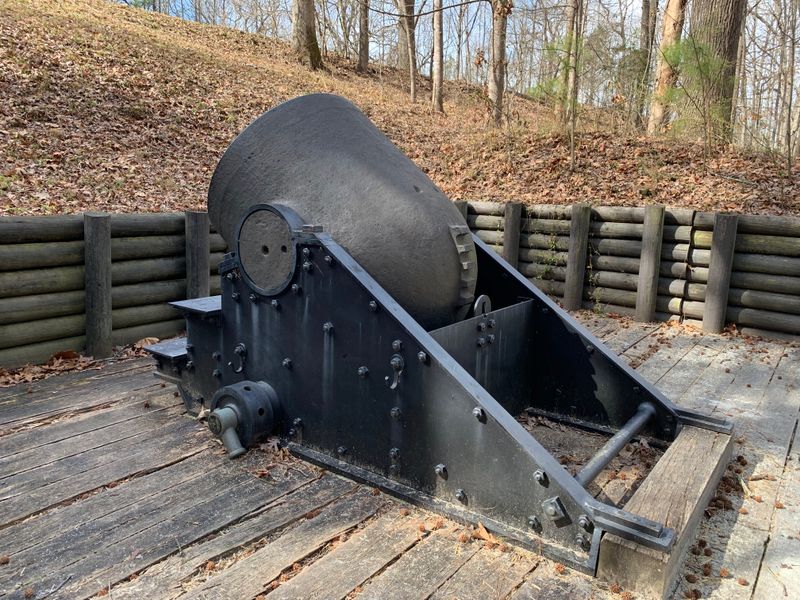
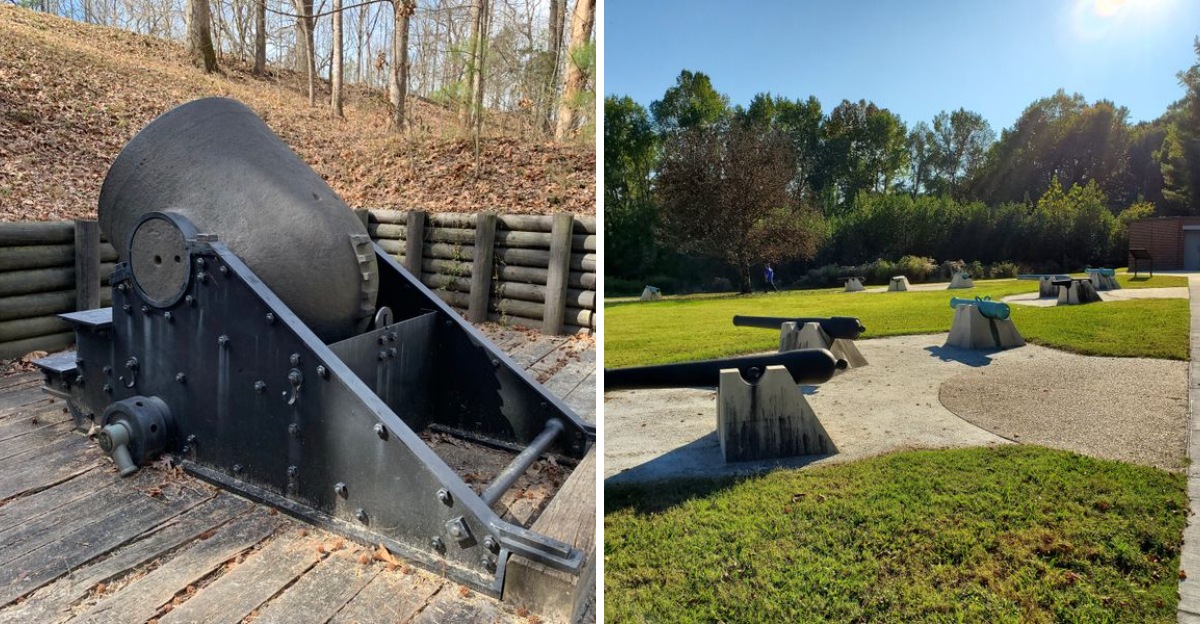
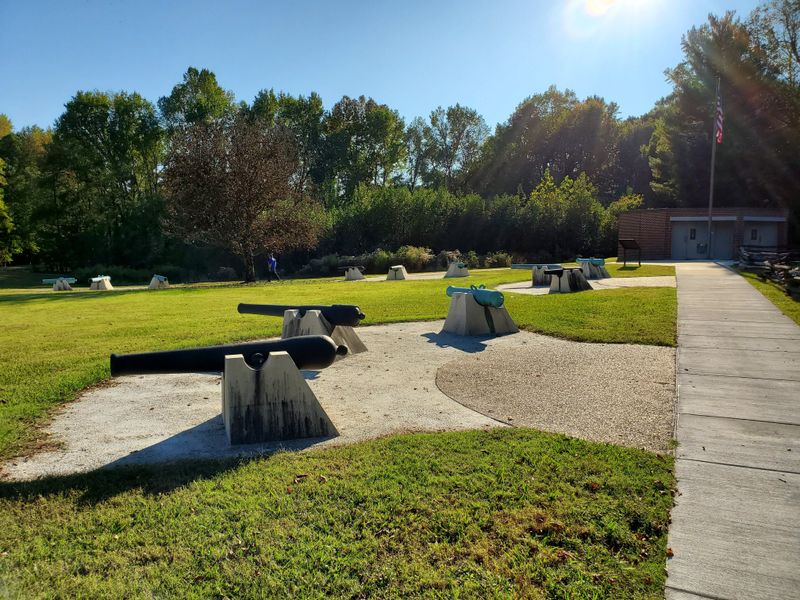
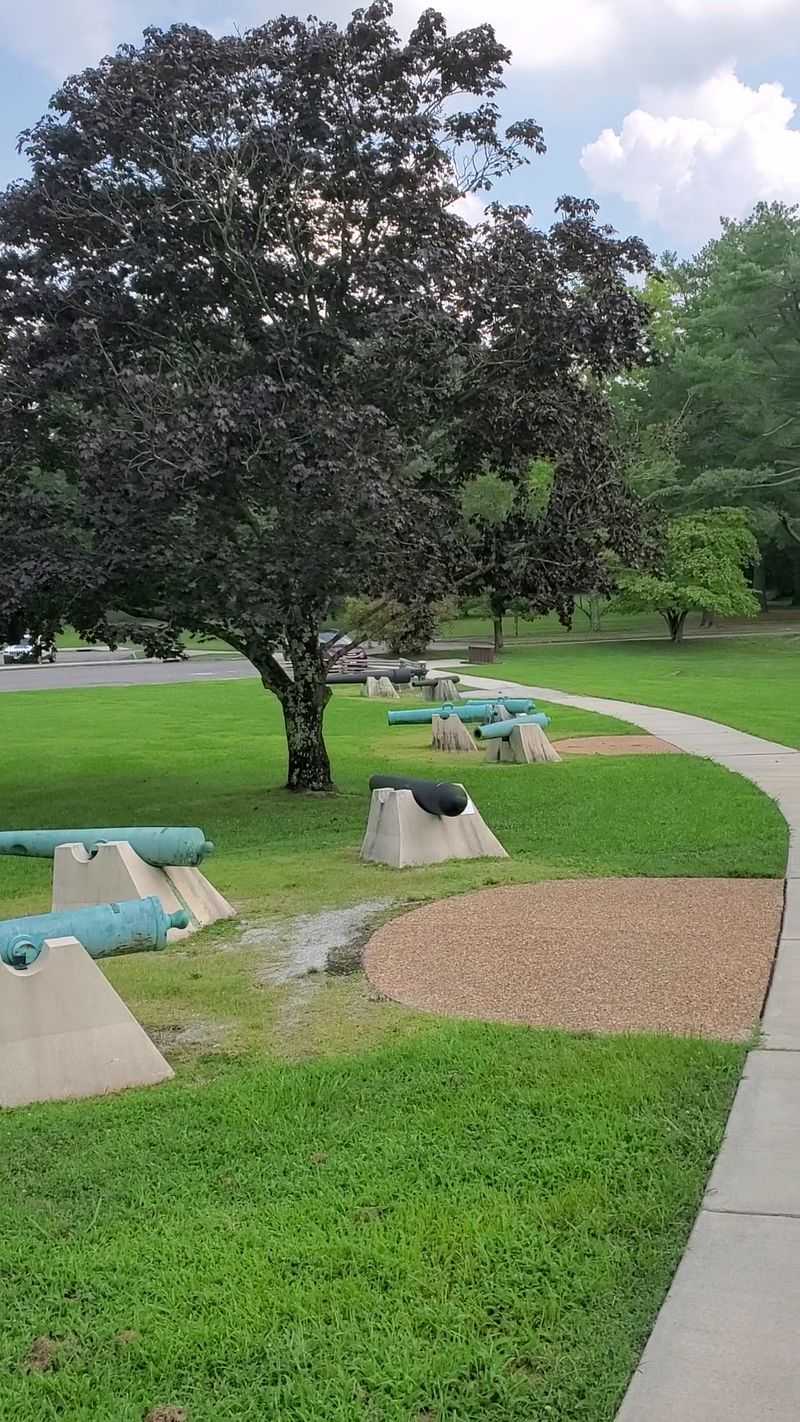
Artillery pieces dot the landscape like silent sentinels guarding their posts. Each cannon represents the firepower that kept both sides locked in this brutal siege for months.
Kids especially love examining these massive weapons up close, imagining the thunder they once produced.
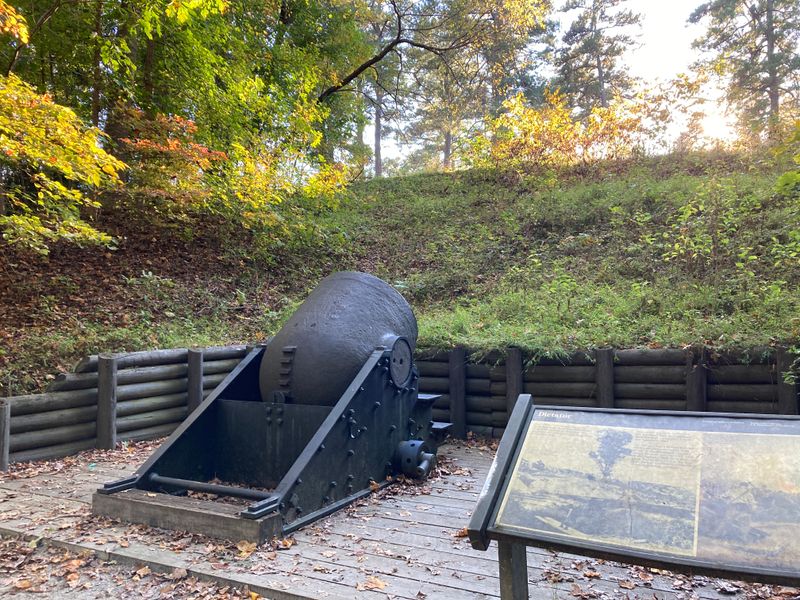
The Dictator stands out as the park’s celebrity cannon. This enormous siege mortar earned its nickname from sheer intimidating presence and destructive capability.
Finding it near the visitor center makes for an easy photo opportunity that history buffs treasure.
Preservation efforts keep these cannons looking remarkably authentic. Unlike some parks where replicas replace originals, Petersburg maintains genuine pieces whenever possible.
Touching history directly creates connections that replicas simply cannot match.
Interpretive signs near each artillery position explain tactical placement and firing capabilities. You’ll understand why certain spots got chosen for battery positions and how terrain influenced military decisions.
Geography determined strategy more than most people realize.
Reenactors occasionally demonstrate loading procedures and firing techniques during special events. Check the park schedule before visiting if you want to catch these living history presentations that bring the battlefield’s story to thunderous life.
Earthwork Fortifications Still Standing Strong
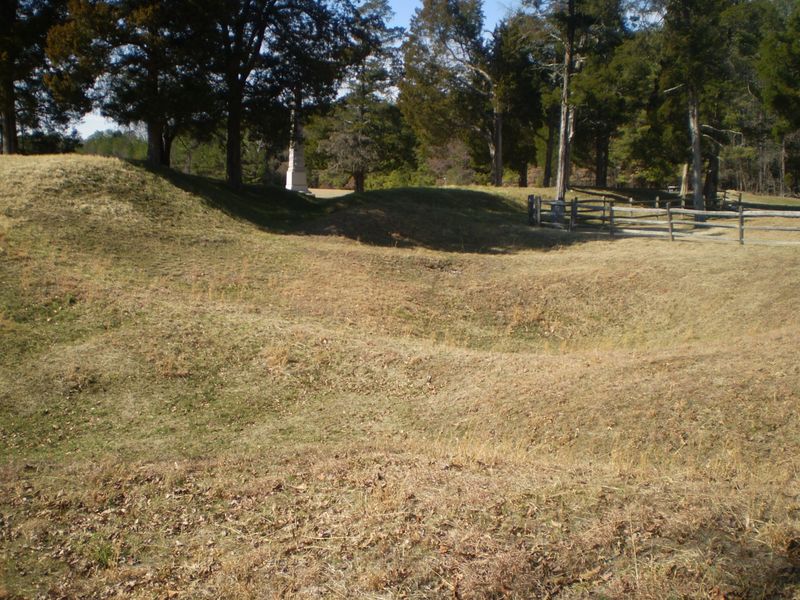
Trenches and earthworks crisscross the battlefield in patterns that reveal military engineering genius. Both armies dug extensive defensive networks that protected soldiers while enabling offensive operations.
Walking among these structures feels like reading a three-dimensional textbook.
Preservation quality here deserves applause. Many wooden structures might be reconstructions, but the earth foundations remain original, shaped by soldiers’ hands over a century ago.
That authenticity creates powerful emotional connections for visitors who appreciate touching real history.
Military history enthusiasts study these fortifications to understand siege warfare evolution. Petersburg represented a preview of World War I trench combat that would emerge decades later.
Tactics developed here influenced military thinking for generations.
Photographers find these earthworks endlessly fascinating. Shadows play across the undulating terrain, creating dramatic compositions that capture both beauty and somber purpose.
Sunrise and sunset provide particularly stunning lighting conditions.
Some sections show weathering and erosion, reminding visitors that preservation requires constant vigilance. The National Park Service balances accessibility with conservation, ensuring future generations can experience these remarkable structures.
Supporting park funding helps maintain this delicate balance between sharing history and protecting it.
Ranger Programs That Educate and Inspire
Rangers at Petersburg don’t just recite facts from memorized scripts. They breathe life into history with passion that’s genuinely infectious.
Their knowledge runs incredibly deep, covering everything from grand strategy to individual soldier experiences.
Patience defines their teaching approach. No question seems too basic or too complex for thoughtful answers.
Whether you’re a Civil War scholar or complete novice, rangers adjust their explanations to match your knowledge level perfectly.
Special programs throughout the year offer deeper dives into specific topics. Crater lectures stand out as particularly popular, often filling quickly when announced.
These sessions go beyond surface-level storytelling to examine causes, consequences, and human dimensions of battlefield events.
Junior Ranger programs engage younger visitors with age-appropriate activities that make learning fun rather than forced. Kids leave feeling accomplished and genuinely interested in history, which counts as a major win for parents and educators alike.
Rangers also provide practical advice about trail conditions, weather considerations, and time management for your visit. Their insider tips help maximize your experience, ensuring you don’t miss highlights while avoiding overcrowded areas during peak times.
Siege Encampment Exhibit Brings Daily Life Into Focus
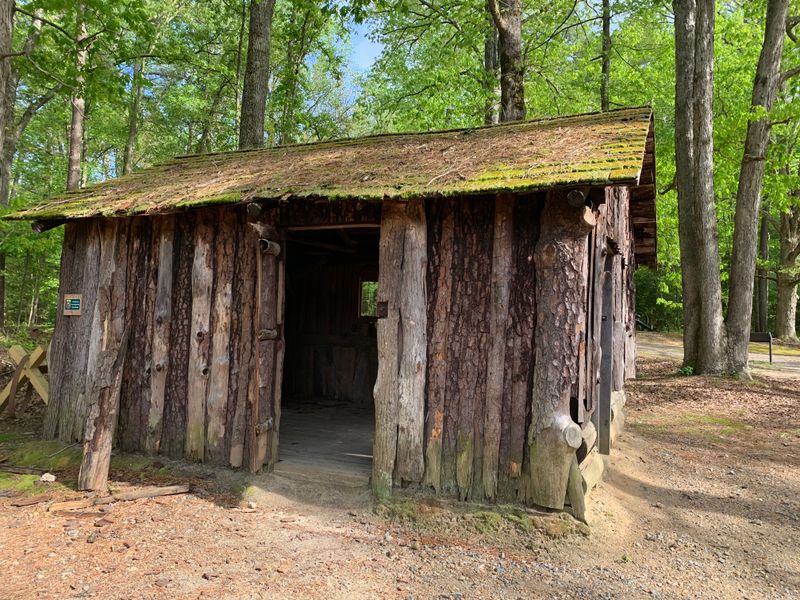
Combat represents only part of a soldier’s reality during the siege. The Siege Encampment Exhibit reveals daily routines, living conditions, and mundane challenges troops faced during months of waiting, working, and watching.
This perspective humanizes the conflict in ways battle narratives cannot.
Recreated camp structures show how soldiers sheltered themselves from Virginia’s weather extremes. Summer heat and winter cold tested endurance as much as enemy fire did.
Understanding these hardships adds depth to your appreciation of their sacrifice.
Displays include cooking equipment, personal items, and tools soldiers used for construction and maintenance. Life in camp required constant labor beyond fighting, from digging latrines to gathering firewood.
Monotony punctuated by terror defined their existence.
Families find this exhibit particularly valuable for helping children grasp what soldiers endured. Seeing actual living spaces makes abstract concepts concrete.
Kids suddenly understand why letters from home mattered so much or why food quality affected morale significantly.
Photography restrictions vary by exhibit area, so check posted guidelines before snapping pictures. Respecting these rules helps preserve delicate artifacts and displays for future visitors while maintaining the solemn atmosphere appropriate to this hallowed ground.
Self-Guided Driving Tours Offer Flexibility
Not everyone wants to hike miles of trails, and Petersburg accommodates various mobility levels beautifully. The self-guided driving tour connects major sites via well-marked roads that tell the siege story chronologically.
Your car becomes a comfortable classroom on wheels.
Detailed maps available at the visitor center outline stops with clear directions and estimated travel times. You control the pace, spending extra time at spots that captivate you while breezing past others that hold less personal interest.
Interpretive signs at each stop provide historical context without requiring ranger accompaniment. Reading these markers at your own speed allows deeper reflection and photography without feeling rushed by group schedules.
Freedom matters when exploring history.
Cyclists also use these routes, though traffic remains light enough that sharing roads works smoothly. Some visitors bike between close sites then drive to distant ones, creating hybrid tours that maximize both exercise and efficiency.
Occasional road closures for maintenance do occur, so checking current conditions before visiting saves frustration. Rangers at the visitor center provide updates on any temporary restrictions or detour routes that might affect your planned itinerary.
Accessibility Features Welcome All Visitors
History belongs to everyone, and Petersburg National Battlefield takes accessibility seriously. Paved paths near the visitor center accommodate wheelchairs and mobility scooters, ensuring those with physical limitations can still experience significant portions of the park.
Some trails venture into wooded areas where pavement ends, requiring visitors to make practical decisions about their capabilities. Rangers honestly assess trail difficulty when asked, helping people choose routes matching their mobility level without embarrassment.
Parking areas near major sites reduce walking distances between car and attraction. Thoughtful planning means even those with limited endurance can visit multiple locations without exhausting themselves.
Rest benches appear strategically along accessible routes.
The visitor center itself meets modern accessibility standards with ramps, wide doorways, and accessible restrooms. Exhibits position information at heights readable from wheelchairs, and rangers gladly provide additional assistance when needed.
Service animals receive welcome throughout the park, though extreme heat requires owners to monitor their working companions carefully. Water bowls appear near visitor facilities, showing consideration for four-legged helpers who make visits possible for their humans.
Planning ahead ensures everyone enjoys Petersburg’s treasures.
Educational Resources Extend Beyond the Visit
Your Petersburg experience doesn’t end when you leave. The gift shop stocks quality educational materials that deepen understanding long after your visit concludes.
Books range from scholarly analyses to accessible narratives perfect for younger readers discovering Civil War history.
Prices reflect typical national park gift shop rates, meaning slightly higher than online retailers but supporting park operations directly. Every purchase funds preservation, education, and maintenance efforts that keep Petersburg accessible for future generations.
That’s worth a few extra dollars.
Souvenirs go beyond generic trinkets to include meaningful items connected to the site’s specific history. Maps, replica artifacts, and period-appropriate items let visitors take home tangible reminders of what they learned and experienced.
Online resources through the National Park Service website offer virtual exhibits, educational programs, and research materials accessible from anywhere. Teachers find downloadable lesson plans aligned with curriculum standards, making Petersburg relevant in classrooms across the country.
Social media accounts share historical photographs, ranger insights, and upcoming event announcements. Following these channels keeps you connected to the park between visits and alerts you to special programs worth planning trips around.
History education never stops evolving.
Dear Reader: This page may contain affiliate links which may earn a commission if you click through and make a purchase. Our independent journalism is not influenced by any advertiser or commercial initiative unless it is clearly marked as sponsored content. As travel products change, please be sure to reconfirm all details and stay up to date with current events to ensure a safe and successful trip.
