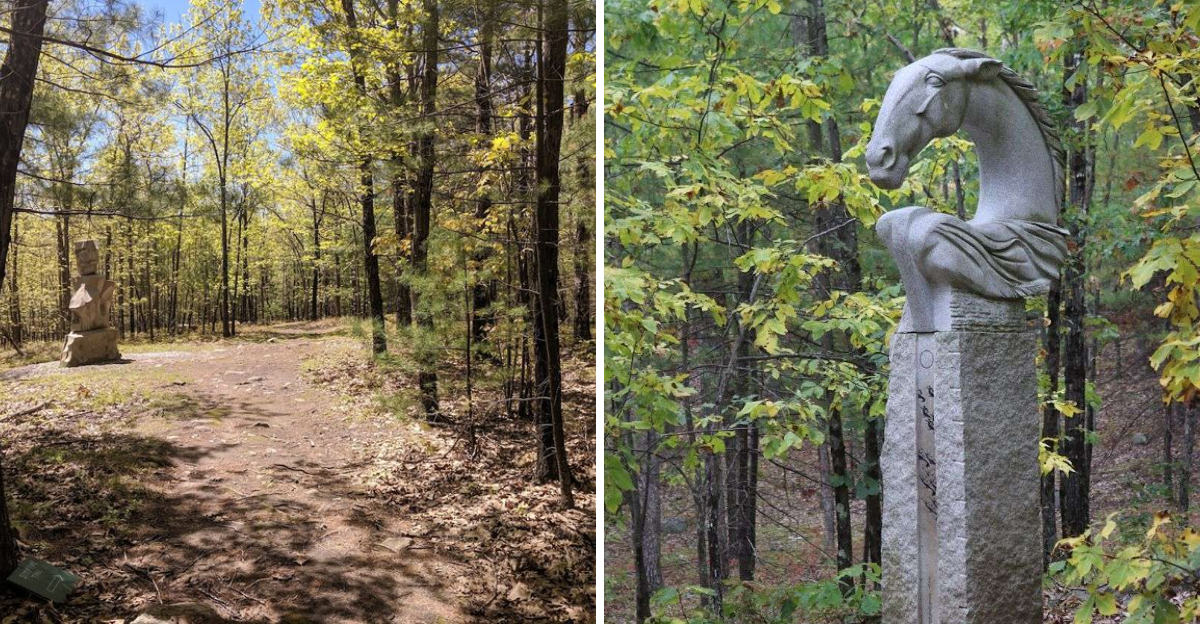
I have been on plenty of hikes in New Hampshire that end with a view or a waterfall, which is great and all, but I have never been on one that ends with over a hundred sculptures hidden in the trees. This trail is not marked on most maps, and I almost missed the turn myself, which would have been a real shame.
The sculptures appear slowly at first, a metal bird here, a stone face there, and then suddenly you are surrounded by art that someone dragged into the woods and placed with real care. It feels like stumbling onto a secret that only New Hampshire locals know about.
I wandered around for an hour just looking at everything.
A Former Ski Hill Turned Outdoor Art Paradise
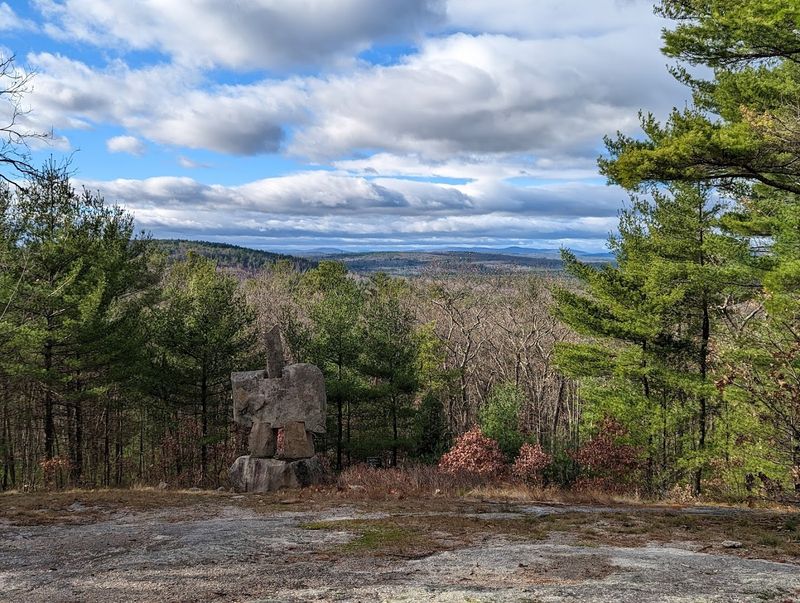
Paul Andres had a vision that most people would have laughed off: take a retired ski mountain and turn it into New England’s largest outdoor sculpture park. Spoiler alert, it worked brilliantly.
The old ski area on Potanipo Hill in Brookline, New Hampshire now hosts over 100 permanent sculptures spread across 140 acres of gorgeous, rugged terrain.
The hill’s former life as a ski destination actually makes it a perfect canvas for art. You get dramatic elevation changes, sweeping views, and natural clearings where sculptures catch the light just right.
Over 400 vertical feet of climbing means every twist in the trail reveals something new waiting around the corner.
This is not a manicured garden stroll. It is a genuine hike with genuine rewards.
The terrain shifts from smooth paved stretches near the entrance to rocky, root-laced paths higher up. Sturdy footwear is absolutely your best friend here.
Pack water, bring a sense of adventure, and prepare to be genuinely surprised at every turn.
The Sculptures Themselves Are Jaw-Dropping
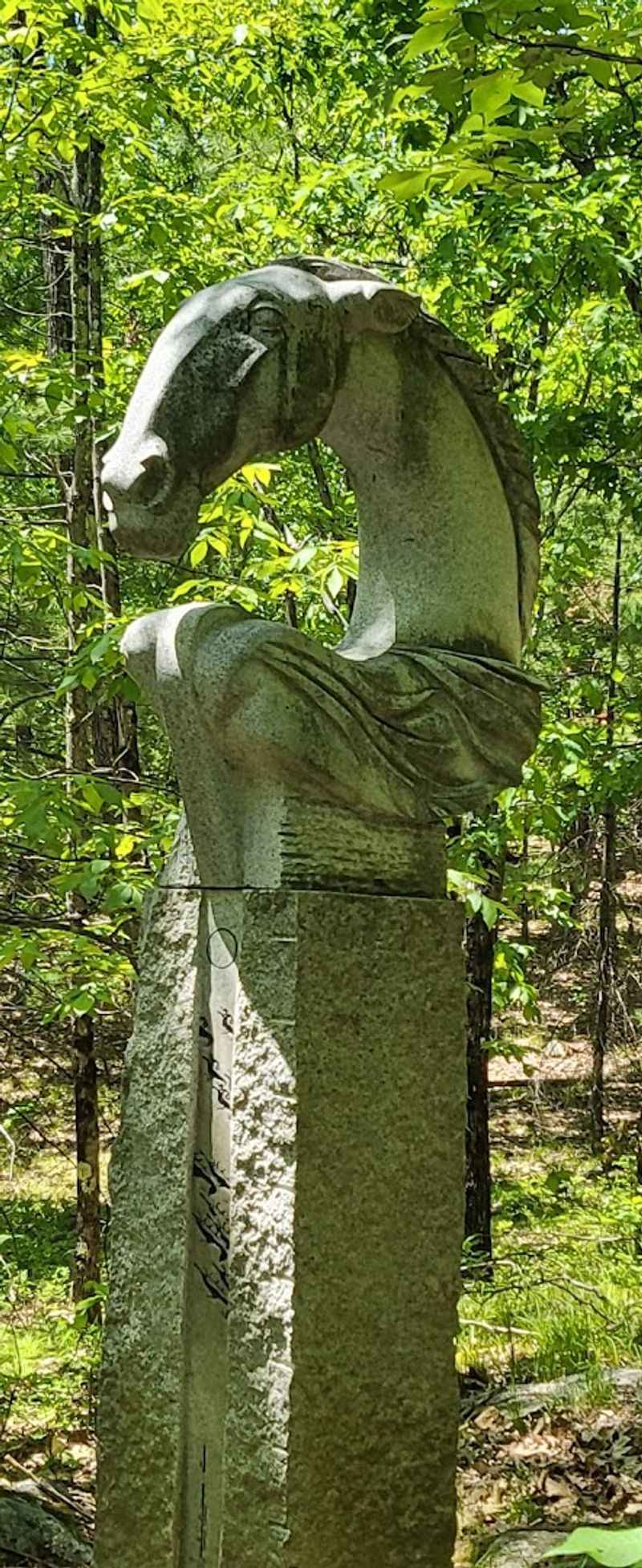
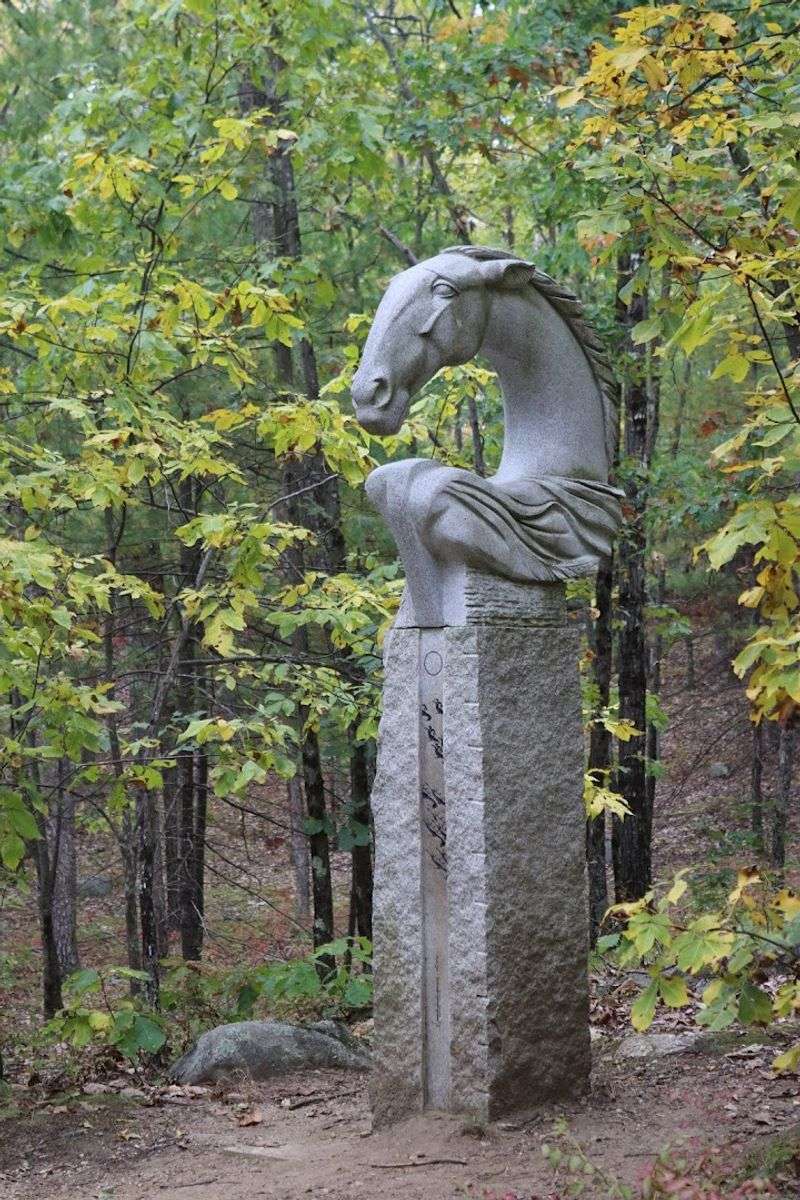
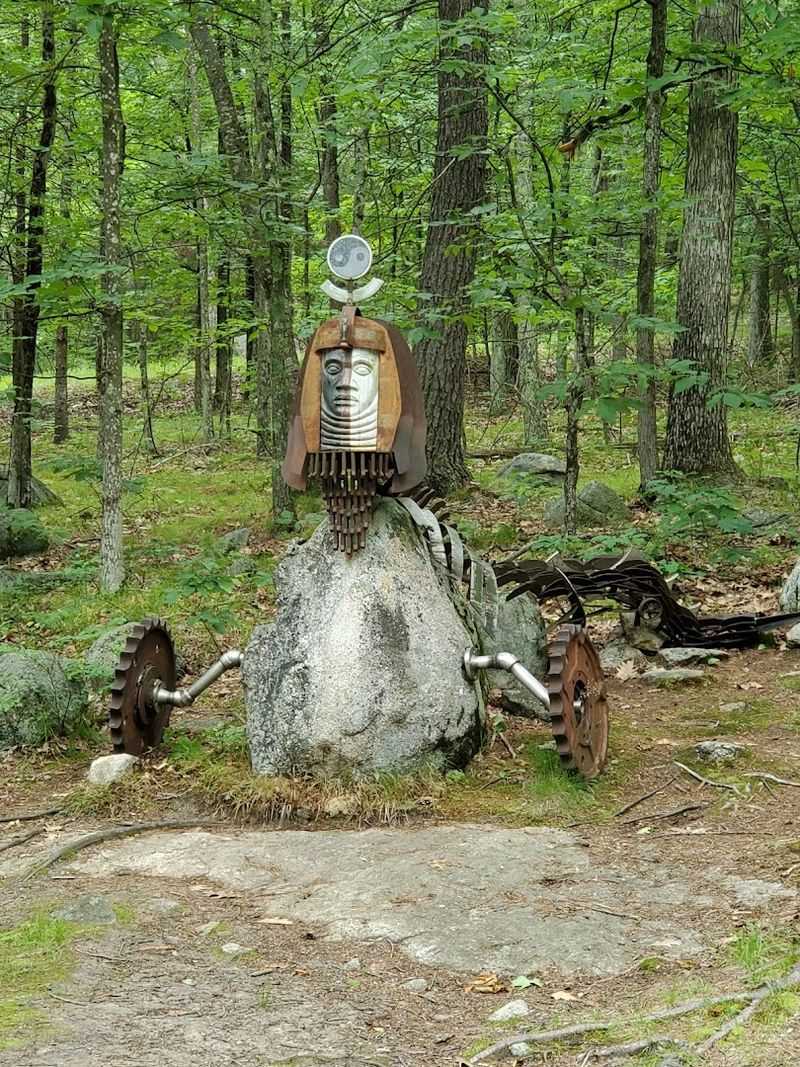
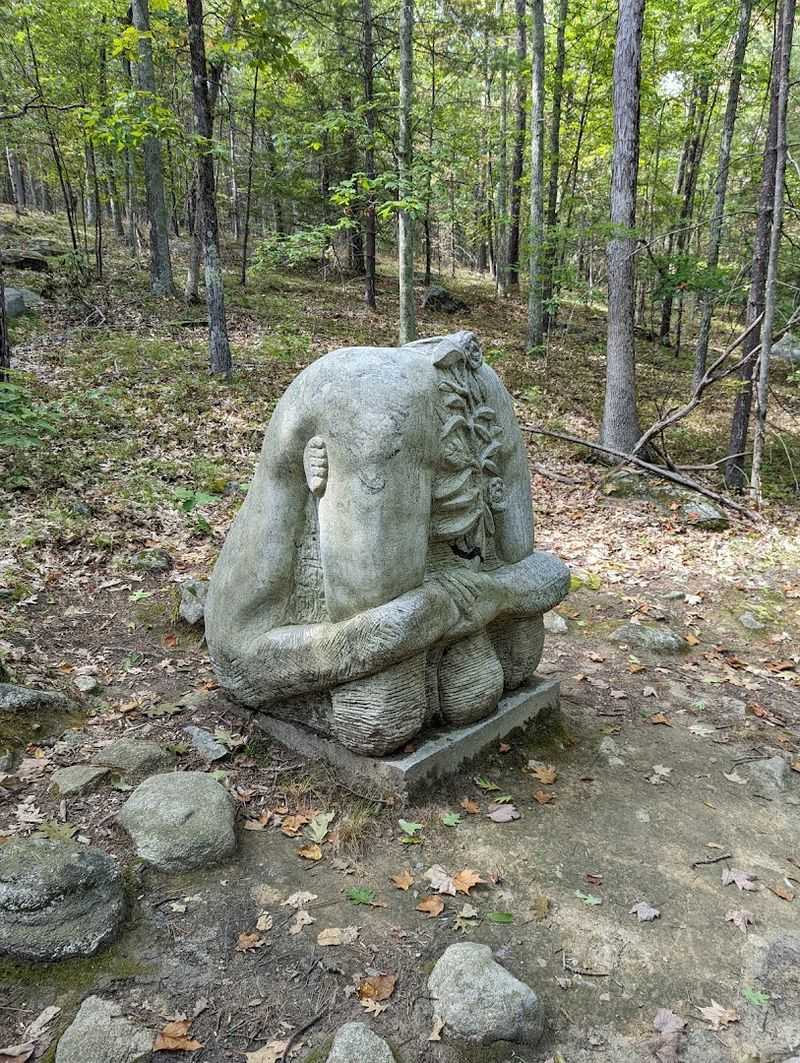
Abstract shapes carved from stone. Towering metal figures rising above the treeline.
Mythological creatures frozen mid-movement in rusted iron. The sculpture collection at the Studio at Andres Institute of Art reads like a world tour of artistic imagination, and every single piece earns its spot on the mountain.
Artists from dozens of countries have contributed to this ever-growing collection. Each piece was created during one of the institute’s International Bridges and Connections Sculpture Symposiums, where artists come from around the globe, work at the studio on the hill, and leave behind something permanent for the public to enjoy forever.
What makes this collection genuinely special is the sheer variety on display. One moment you are standing in front of a delicate stone carving that looks almost ancient.
The next, a bold geometric metal structure looms overhead like something from a science fiction film. No two pieces share the same energy, which keeps the trail feeling fresh and exciting from start to finish.
Bring your camera, because your camera roll is about to get very, very full.
Miles of Trail Winding Through the Mountain
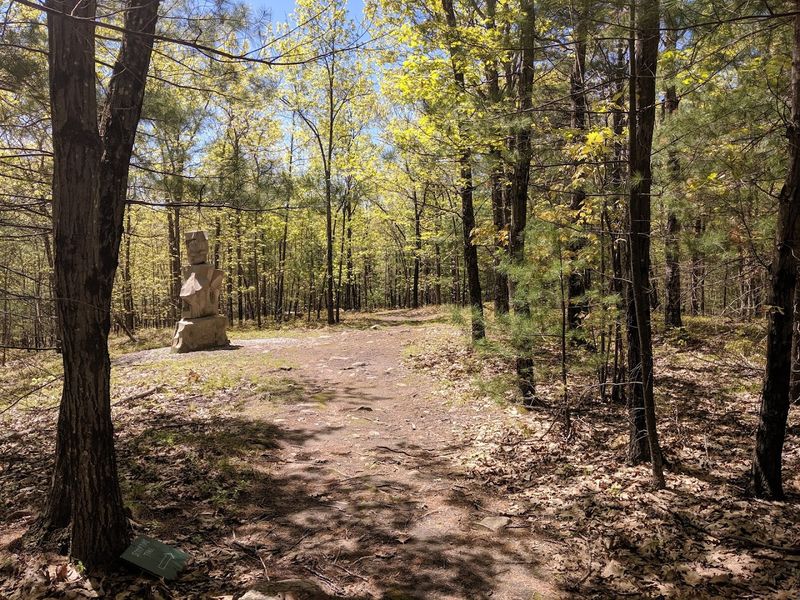
More than ten miles of trails crisscross Potanipo Hill, and each one offers a slightly different experience. Some paths are smooth and relatively easy, great for a casual afternoon walk.
Others climb steeply through dense forest, rewarding the effort with dramatic views and more remote sculptures tucked into surprising locations.
Trail maps are available at the entrance kiosk and also online before your visit, which I strongly recommend downloading ahead of time. The map shows sculpture locations along each route, so you can plan your hike based on which pieces you most want to see.
Benches and picnic tables are scattered throughout, giving you natural rest stops with excellent views.
One trail leads all the way up to the sculptor’s studio house near the summit, a fascinating destination in its own right. The summit is traditionally marked by a large blue skatepark-style sculpture that is impossible to miss.
Getting there requires a solid uphill push, but standing at the top of this New Hampshire hillside surrounded by international art feels like a genuinely earned reward.
Completely Free and Open Every Single Day
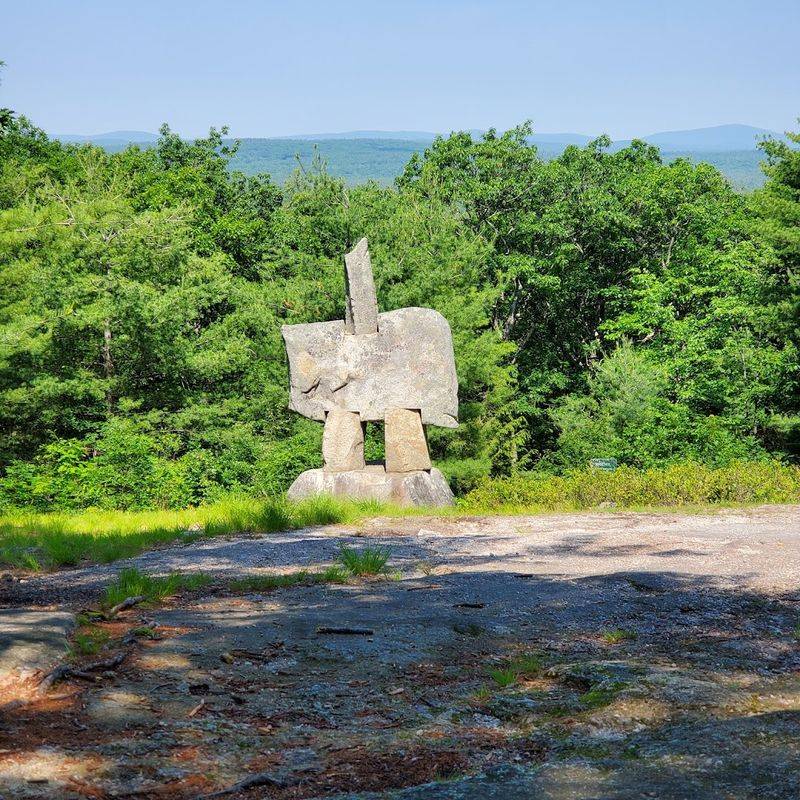
Free admission to over 100 world-class sculptures spread across 140 acres of New Hampshire woodland? Yes, that is absolutely real.
The Studio at Andres Institute of Art operates as a non-profit and keeps the park open to the public at no charge, relying on donations and fundraising events to keep everything running.
Donation boxes sit at the trailhead and near the studio, and honestly, after spending a few hours here, you will want to contribute. The generosity behind this place is rare and worth supporting.
Every dollar donated helps maintain the trails, fund new symposiums, and bring more international artists to Brookline.
The park opens daily and runs year-round, meaning there is no bad season to visit. Summer brings lush green canopies overhead.
Fall transforms the hillside into a fiery tapestry of color that makes every sculpture look even more dramatic. Winter hikes through snow-covered trails with sculptures poking out of the white landscape feel almost surreal.
Spring arrives with wildflowers framing the art in ways no museum curator could ever plan. Pick your season and just go.
International Artists Bring the World to New Hampshire
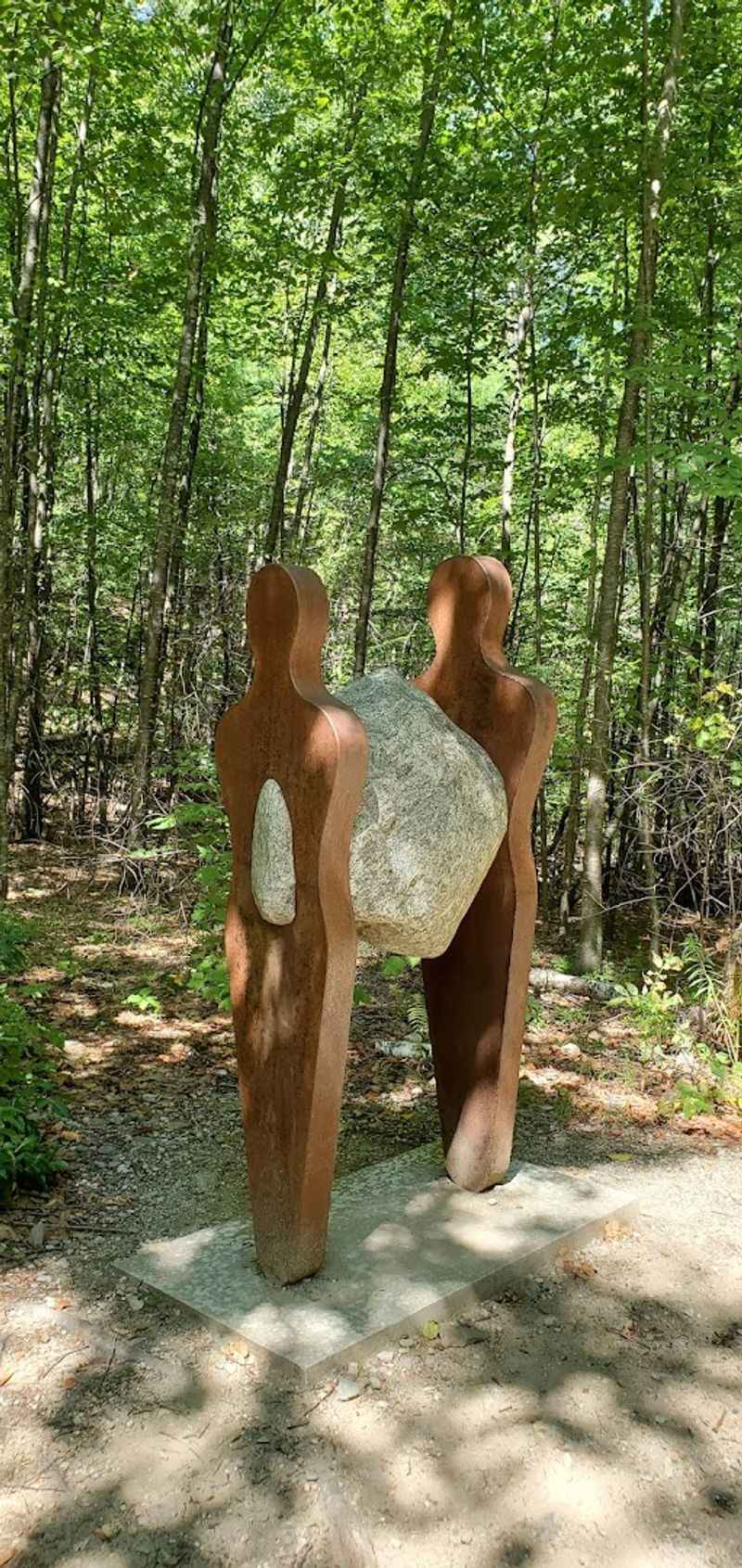
Every autumn, something extraordinary happens on Potanipo Hill. Artists from countries spanning multiple continents arrive in Brookline, New Hampshire, stay with local families, and spend weeks creating new sculptures right there at the studio.
The annual International Bridges and Connections Sculpture Symposium is the engine that powers the entire collection.
Watching artists work on-site during the symposium period, typically running from mid-September into October, is a genuinely memorable experience. You can observe the creative process up close, see raw stone and metal transform into finished works, and understand the extraordinary effort behind each piece lining the trails.
It adds a layer of meaning to every sculpture you encounter during regular visits.
The result is a collection that feels genuinely international in scope. A piece from a Vietnamese sculptor stands near work from a European metalsmith, which stands near a stone carving from a South American artist.
The cultural diversity embedded in this hillside is remarkable. New Hampshire is not the first place most people think of when imagining global art, but the Studio at Andres Institute of Art quietly challenges that assumption every single day.
Dogs Are Welcome on the Trails
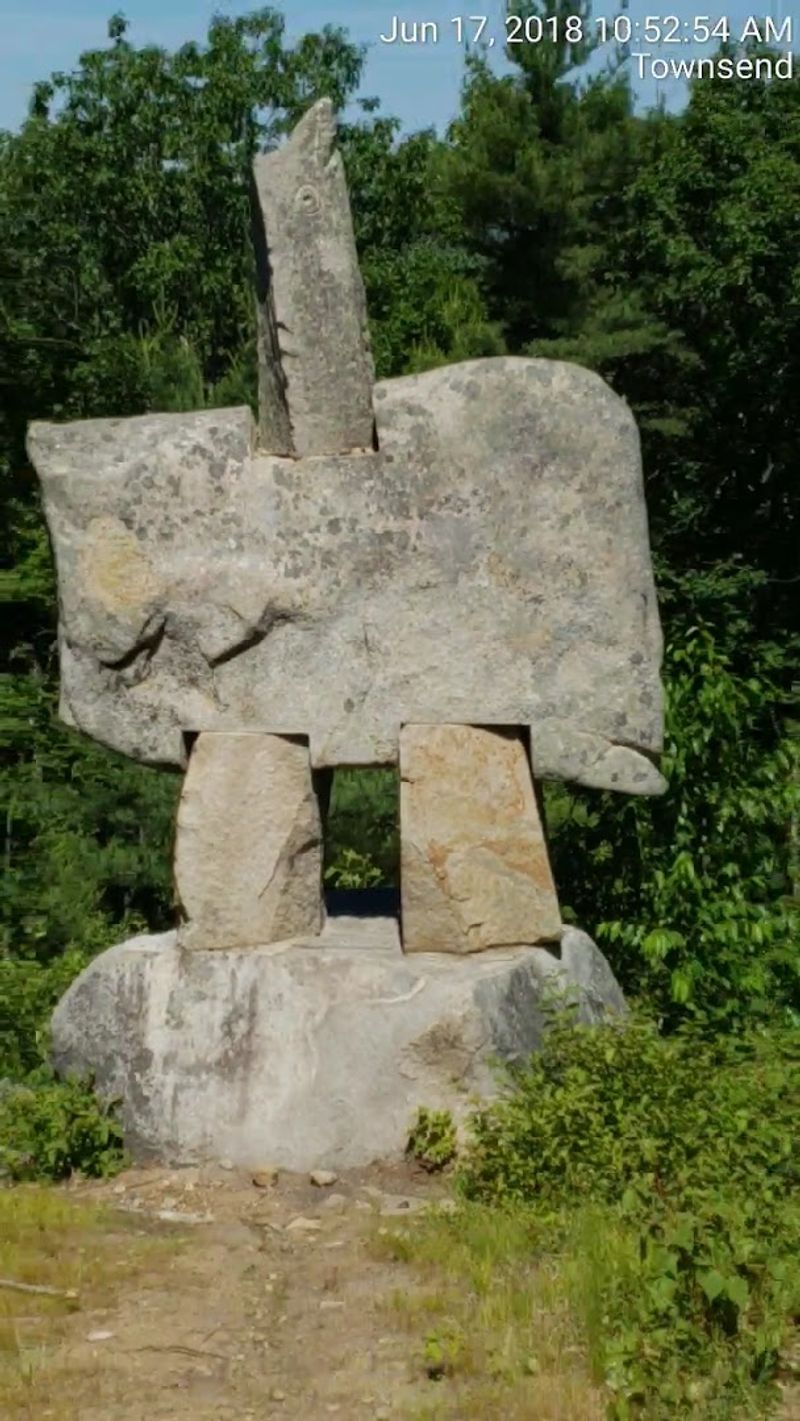
Bringing your four-legged hiking companion along for the adventure is completely allowed, provided you keep them on a leash. This is genuinely good news for dog owners in New England who want an outing that satisfies both the art lover and the enthusiastic tail-wagger in their household.
The trails offer plenty of interesting smells, varied terrain, and enough space that even the most energetic dogs can stretch their legs properly. Leash rules keep the experience pleasant for everyone on the mountain, so pack accordingly and keep your pup close as you wander between sculptures.
Families who visit with both kids and dogs consistently find the park strikes a perfect balance. Children can run up to sculptures, explore around them, and interact with the art in a hands-on way that would be strictly forbidden in any traditional museum setting.
Teenagers who claim to be too cool for museums often find themselves genuinely engaged here. The combination of physical activity, open space, and visually striking art seems to win over even the most skeptical members of any group.
Just remember the bug spray in summer months.
The Welcome Center and Art Gallery Inside the Old Ski Lodge
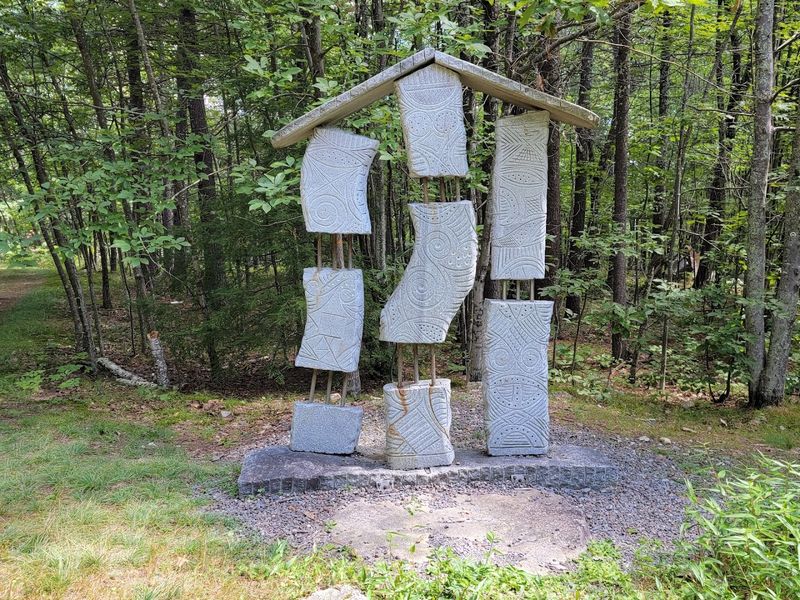
Before heading up the mountain, stopping at the Welcome Center is worth a few minutes of your time. Housed inside the old ski lodge at the base of the hill, this building has been transformed into an art and sculpture gallery that offers a taste of what awaits on the trails above.
Inside, you will find information about the institute’s history, the founding vision of Paul Andres and sculptor John Weidman, and rotating displays of smaller works. It is a great orientation point, especially for first-time visitors who want context before setting off into the woods.
Staff at the Welcome Center can answer questions about trail conditions, current sculptures on display, and upcoming events. Maps are available here as well as at the kiosk outside, so make sure you grab one before heading out.
Restrooms are also located at the visitors center, which is a practical detail worth knowing before committing to several hours of uphill hiking. The building itself carries a pleasant nostalgic energy, its ski lodge bones still visible beneath the gallery transformation, creating a quirky architectural backdrop for the art displayed inside.
Fall and Winter Hikes Are Absolutely Magical
Most people assume outdoor sculpture parks are strictly warm-weather destinations. The Studio at Andres Institute of Art blows that assumption apart completely.
Winter hikes through the snow-covered trails deliver a completely different visual experience, one that is arguably even more dramatic than the summer version.
Without leaves on the trees, the sculptures become more visible from a distance, their shapes cutting sharp lines against the pale winter sky. Snow settles into the curves and crevices of stone and metal pieces in ways that highlight their forms beautifully.
The mountain feels quieter in winter, more contemplative, and the solitude adds something genuinely moving to the experience.
Microspikes and trekking poles are highly recommended for winter visits, particularly on steeper sections of the trail. Snowshoes work well after fresh snowfall when the powder is deep.
Fall visits are spectacular for entirely different reasons. The New Hampshire foliage season turns the hillside into a riot of orange, red, and gold, wrapping every sculpture in a seasonal frame that no artist could have planned.
Arriving in mid-October on a clear day with peak color surrounding the sculptures is one of those experiences that stays with you for a very long time.
Events, Concerts, and Iron Melts Throughout the Year
The Studio at Andres Institute of Art is not just a trail system with art on it. It is a living, active creative community that hosts events throughout the entire calendar year.
Fundraising concerts take place on the grounds, bringing music into the sculptural landscape in a combination that feels genuinely unique.
One of the most fascinating recurring events is the Iron Melt, where participants can actually try their hand at creating iron castings on-site. Getting hands-on with molten metal in a supervised, artistic setting is the kind of experience that most people simply never get access to.
It adds an interactive dimension to the institute that goes well beyond passive viewing.
Guided sculpture walks are also offered periodically, providing deeper context about specific pieces, the artists who created them, and the creative process behind each work. These guided experiences are especially rewarding for anyone who wants more than a solo wander through the woods.
Checking the institute’s website before your visit is smart, since the event calendar shifts seasonally and you might time your trip to coincide with something genuinely spectacular happening on the mountain. The community energy around these events is warm and welcoming.
How to Get There and What to Bring
The Studio at Andres Institute of Art sits at 106 Route 13 in Brookline, New Hampshire 03033. Getting there is straightforward from most parts of southern New Hampshire and northern Massachusetts, making it a realistic day trip from a wide range of starting points in the region.
The parking lot at the entrance is well-sized and easy to navigate. Trail maps are available right at the information kiosk near the trailhead, so you do not need to stress about preparation.
That said, downloading the map from the institute’s website ahead of time gives you a helpful overview before you even arrive.
Packing smart makes the whole experience better. Comfortable hiking shoes with ankle support handle the varied terrain well.
Water is essential, especially on warmer days when the uphill sections generate real exertion. Bug spray is a genuine necessity from late spring through midsummer when mosquitoes are active on the forested trails.
A small backpack with snacks works perfectly since picnic tables are available throughout the park. The institute’s phone number is 603-732-0216 if you need to confirm hours or ask about current trail conditions before making the trip.
Go soon and go often.
