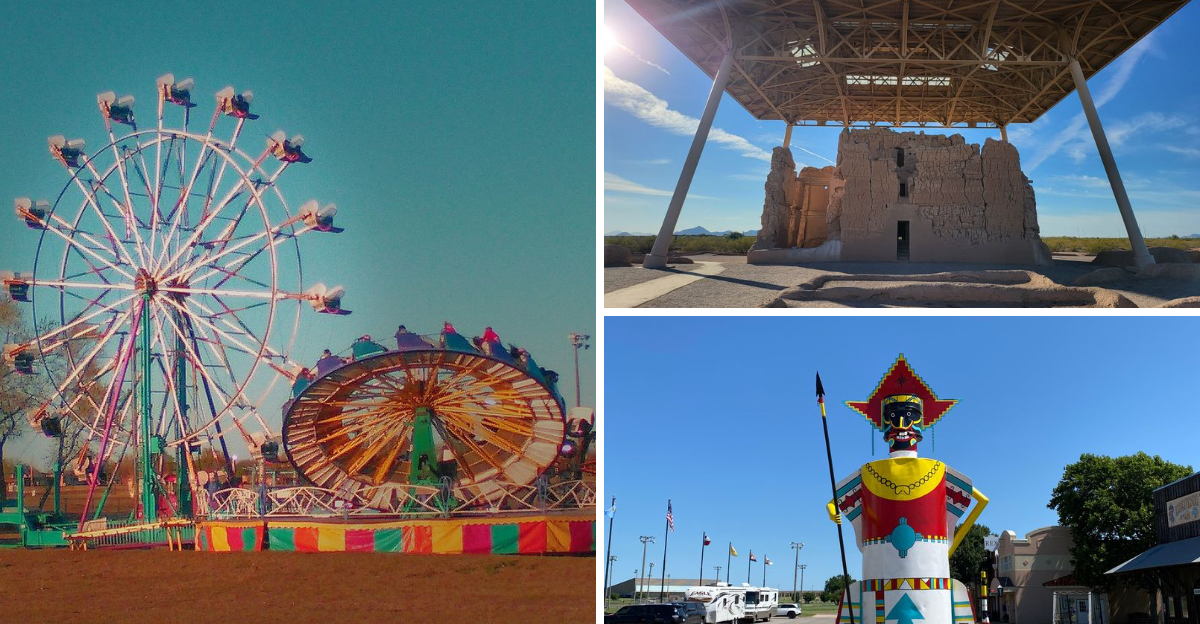
Western Oklahoma stretches wide and windswept between Clinton and Elk City, where a legendary ribbon of asphalt cuts through the prairie with stories etched into every mile.
Route 66 through this stretch isn’t just a highway; it’s a time capsule of roadside oddities, quirky landmarks, and local legends that refuse to fade into the dust.
The Mother Road here reveals a side of Oklahoma that most travelers speed past, a landscape where neon signs flicker against endless skies and unexpected monuments rise from the plains like forgotten dreams.
This backroad between two small towns holds more character than a dozen interstate exits combined.
Travelers who slow down discover a world where giant animals tower over parking lots, vintage motels cling to their glory days, and historical markers tell tales stranger than fiction.
The route weaves through communities that have preserved their roadside heritage with pride, offering glimpses into mid-century Americana that feel both nostalgic and surreal.
Every curve and straightaway between Clinton and Elk City presents another chance encounter with the bizarre, the beautiful, and the utterly unexpected.
Oklahoma’s stretch of Route 66 doesn’t just connect two points on a map; it connects generations of wanderers to a uniquely American experience that celebrates the weird, the wonderful, and the deeply local stories that make this highway unforgettable.
McLain Rogers Park and the Mohawk Lodge Indian Store
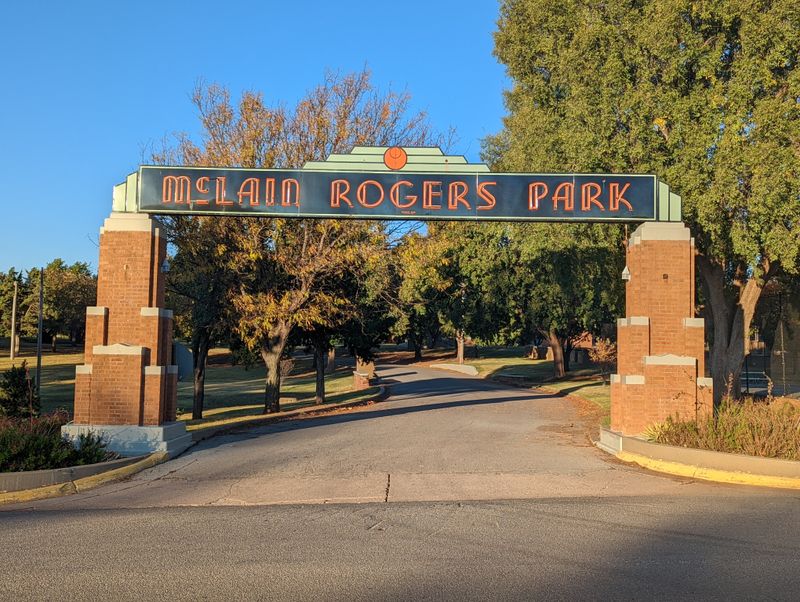
Right at the western edge of Clinton sits a park that once buzzed with families stopping for picnics during the golden age of highway travel.
McLain Rogers Park served as a rest stop where weary travelers could stretch their legs beneath towering trees before continuing west toward California.
The adjacent Mohawk Lodge Indian Store added an element of roadside commerce that defined Route 66 culture, selling Native American crafts, souvenirs, and trinkets to tourists eager for authentic Oklahoma mementos.
Though the store no longer operates, its legacy lives on in the memories of countless road trippers who passed through.
The park itself retains a quiet charm, with picnic tables scattered under shade trees and open spaces that invite contemplation.
Local families still use the area for gatherings, maintaining its role as a community hub even as highway traffic has diminished.
The Mohawk Lodge building stands as a reminder of when roadside attractions competed fiercely for tourist attention, each one promising something unique and unforgettable.
Visitors today can walk the same grounds where generations of travelers paused during epic cross-country journeys.
The park offers a peaceful contrast to the highway’s constant motion, a place where the past feels present in every breeze rustling through the branches.
Oklahoma’s Route 66 heritage shines through in locations like this, where simple stops become portals to another era.
The combination of natural beauty and historical significance makes McLain Rogers Park a worthwhile pause for anyone tracing the Mother Road’s path through western Oklahoma.
The Clinton Drive-In Movie Theater Sign
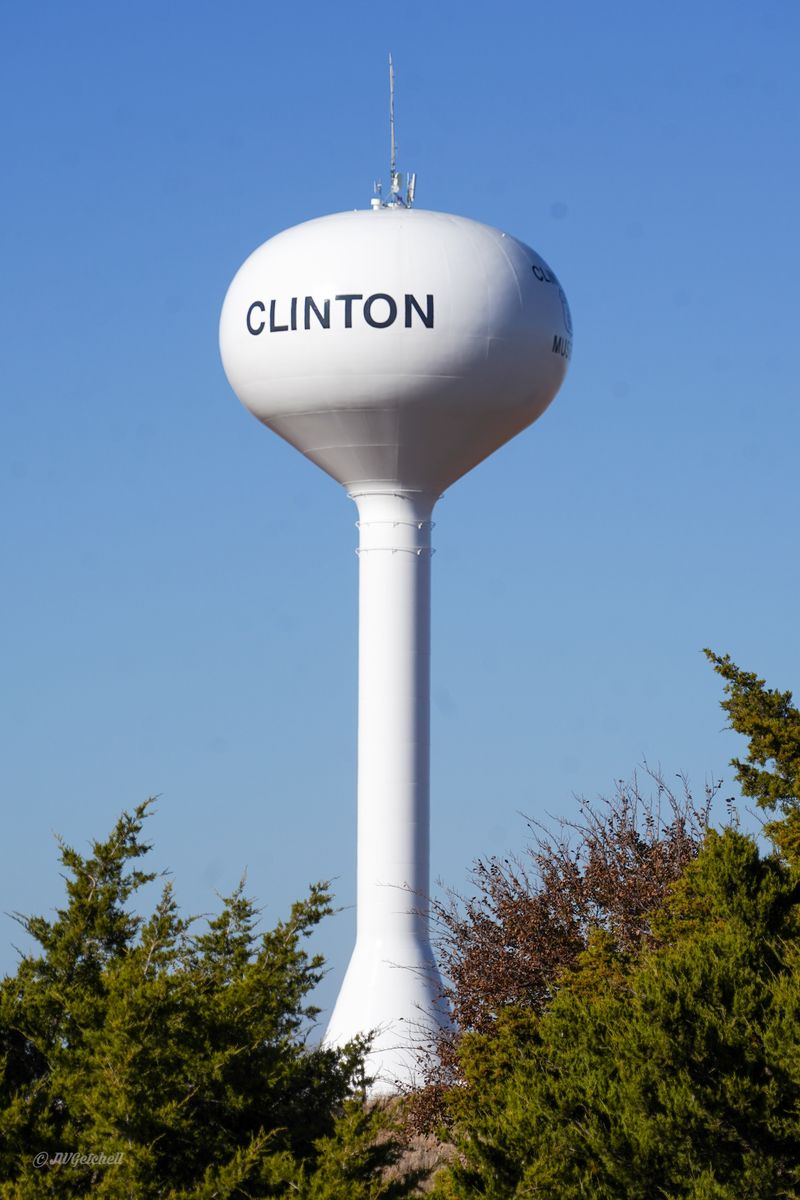
A towering relic from the 1950s stands guard over Clinton’s western edge, its weathered frame reaching skyward like a beacon from another time.
The Clinton Drive-In Movie Theater sign represents an entertainment era when families packed into station wagons to watch films under the stars, speakers hanging from partially rolled-down windows.
Although the drive-in itself no longer operates, the sign remains as a powerful symbol of Route 66’s heyday and the roadside culture that flourished along America’s Main Street.
Drive-in theaters dotted the Route 66 landscape, offering affordable entertainment for travelers and locals alike.
Clinton’s version served generations of moviegoers who arrived at dusk, prepared with blankets, popcorn, and anticipation for the evening’s double feature.
The sign’s distinctive design captured attention from passing motorists, advertising the latest Hollywood releases to anyone traveling the Mother Road.
Today, photographers and Route 66 enthusiasts seek out the sign as a prime example of vintage roadside architecture.
Its weathered paint and aging structure tell stories of countless summer nights when laughter and movie soundtracks filled the Oklahoma air.
The sign stands as proof that even when businesses close, their physical markers can endure as monuments to cultural history.
Preservation efforts have kept the sign standing despite decades of exposure to Oklahoma’s harsh weather.
Local residents view it with affection, understanding its importance to Clinton’s identity as a Route 66 town.
The drive-in sign serves as a reminder that entertainment along the highway once meant more than just passing through; it meant stopping, settling in, and becoming part of the community, if only for an evening.
Stafford Air and Space Museum’s Route 66 Connection
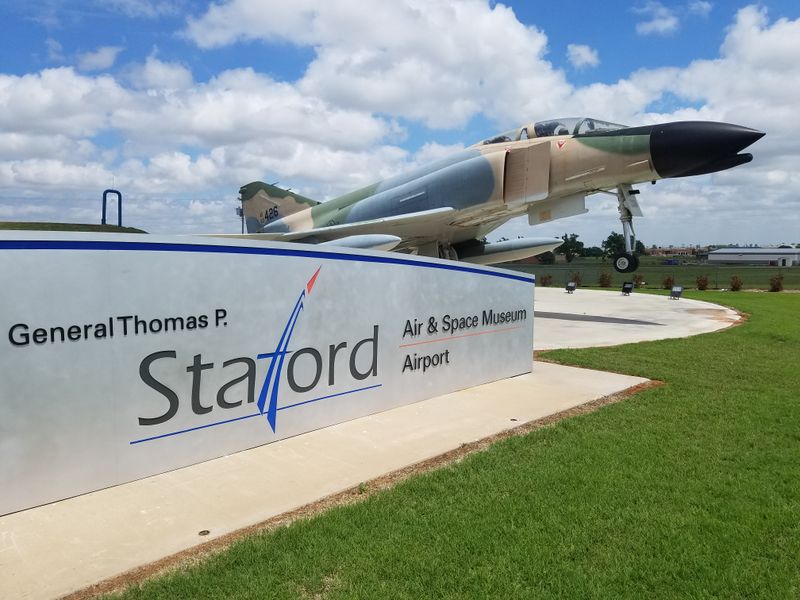
Weatherford native Thomas Stafford flew into space multiple times, but his legacy remains firmly grounded along Route 66 in nearby Weatherford, just a short detour from the Clinton-Elk City stretch.
The Stafford Air and Space Museum celebrates Oklahoma’s contributions to aerospace exploration while sitting in close proximity to the historic highway.
This connection between earthbound road travel and space exploration creates an interesting juxtaposition that reflects Oklahoma’s diverse contributions to American history.
The museum houses an impressive collection of aircraft, spacecraft, and aviation artifacts that trace humanity’s journey from propeller planes to moon landings.
Visitors can view genuine space suits, moon rocks, and flight simulators that bring the space age to life.
The facility honors not just Stafford but all Oklahomans who reached for the skies, demonstrating that the pioneering spirit that built Route 66 also propelled people beyond Earth’s atmosphere.
Route 66 travelers often make the short detour to experience this world-class museum, adding a scientific dimension to their nostalgic highway journey.
The contrast between vintage roadside attractions and cutting-edge aerospace technology highlights Oklahoma’s multifaceted identity.
Both the highway and the space program represent American ambition, innovation, and the drive to explore unknown territories.
The museum’s location near Route 66 isn’t coincidental; both represent pathways to discovery and adventure.
While one connects communities across the American landscape, the other extends human reach into the cosmos.
Stafford’s achievements remind visitors that Oklahoma has always produced individuals who refuse to accept limits, whether those limits involve distance, gravity, or conventional thinking about what’s possible.
The Canute Garage and Phillips 66 Station
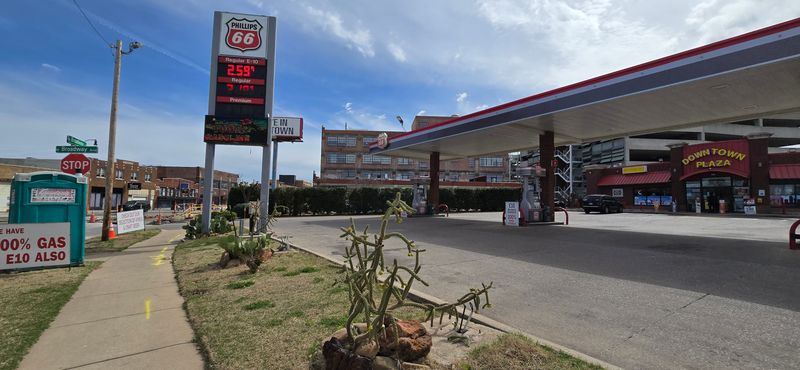
Canute barely registers as a dot on most maps, but this tiny community once served as a vital service stop for travelers navigating the long stretches between larger towns.
The old garage and Phillips 66 station in Canute represent the lifeline that kept Route 66 functioning, providing fuel, repairs, and reassurance to motorists venturing across Oklahoma’s wide-open spaces.
These service stations weren’t just businesses; they were community anchors where locals and travelers intersected, sharing stories and road conditions over the hum of air compressors and the smell of motor oil.
The Phillips 66 brand became synonymous with Route 66 itself, its shield-shaped signs marking the highway from Chicago to Los Angeles.
Canute’s station exemplified the small-town service ethic that made long-distance automobile travel feasible during an era when breakdowns were common and reliable mechanics were worth their weight in gold.
Station attendants knew regular customers by name and treated strangers with the same hospitality, understanding that good service built reputations that extended far beyond town limits.
Today, the remnants of Canute’s roadside service infrastructure stand as quiet monuments to an era when every small town along Route 66 played a crucial role in the highway’s ecosystem.
The garage building, though weathered, retains architectural details that speak to its original purpose.
Visitors who stop in Canute find themselves in a place where time seems suspended, where the pace of modern travel hasn’t completely erased the marks of the past.
Canute’s story reminds us that Route 66’s magic resided not just in destinations but in the countless small communities that sustained travelers along the way.
The Foss Lake and State Park Side Trip
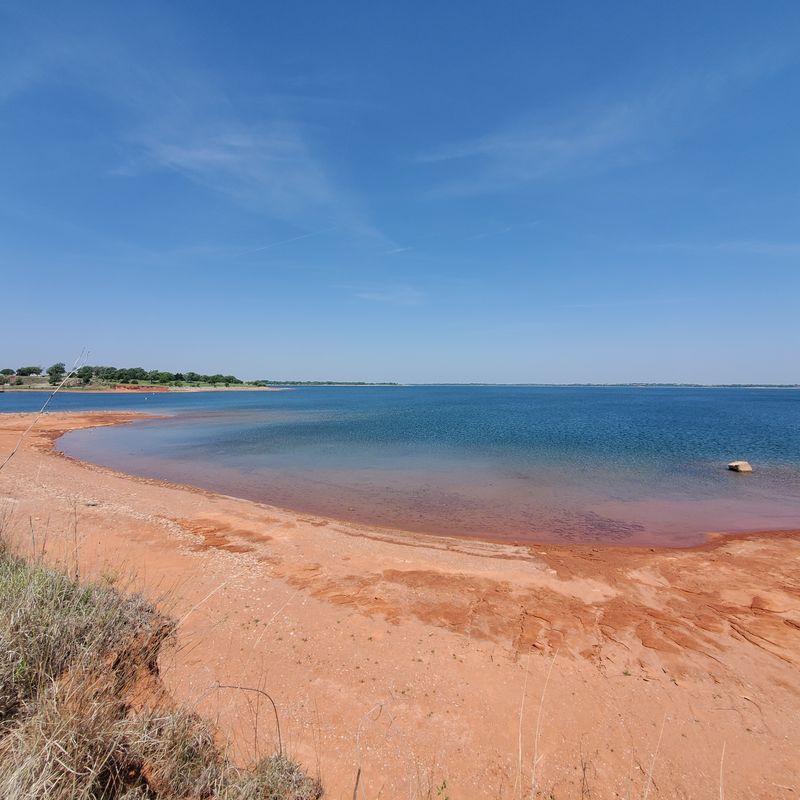
A northern detour from the main Route 66 corridor leads to Foss Lake, where Oklahoma’s prairie landscape transforms into a water recreation paradise.
Foss State Park offers a dramatic contrast to the highway’s linear journey, providing travelers with opportunities to swim, boat, fish, and camp along a reservoir that seems to stretch endlessly under big skies.
The lake was created by damming the Washita River, producing a body of water that now serves as a regional recreation hub and a reminder of how humans have reshaped Oklahoma’s natural environment.
The park’s red rock cliffs and sandy beaches create scenery that surprises first-time visitors who expect only flat grasslands in western Oklahoma.
These geological formations add visual drama to the landscape, particularly during sunset when the rocks glow with warm, amber light.
Campers pitch tents along the shoreline, enjoying stargazing opportunities that rival anywhere in the country thanks to minimal light pollution.
Foss Lake gained unexpected fame when a cold case mystery was solved in 2013 after two vehicles from separate 1969 and 1970 disappearances were discovered in the lake’s depths.
This eerie chapter in the lake’s history adds a layer of intrigue to what is otherwise a peaceful recreational destination.
The discovery reminded everyone that even familiar places can harbor untold stories beneath their surfaces.
For Route 66 travelers willing to venture off the main path, Foss Lake provides a refreshing change of pace.
The combination of water activities, scenic beauty, and intriguing history makes it worth the detour.
Oklahoma’s landscape diversity becomes apparent when you explore beyond the highway, discovering that the state offers far more variety than many outsiders expect.
The Old Town Museum Complex in Elk City
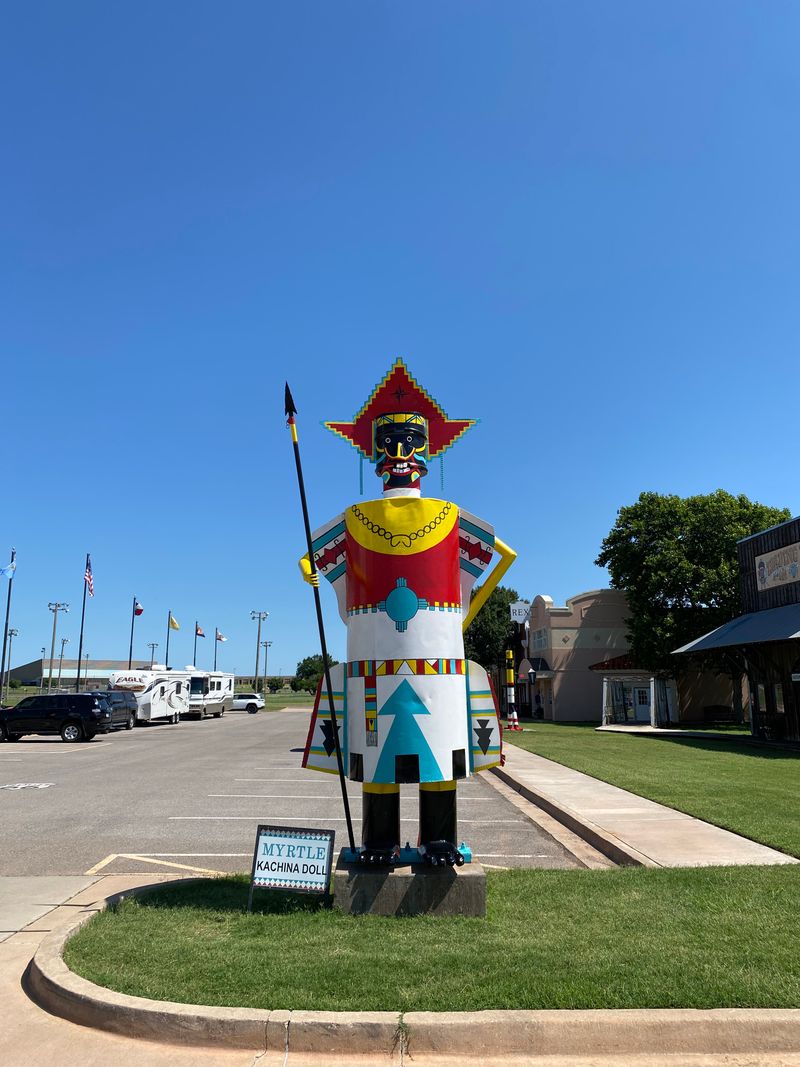
Elk City greets eastbound travelers with an unexpected treasure: a museum complex that recreates an entire pioneer-era town complete with authentic buildings, artifacts, and exhibits celebrating western Oklahoma’s settlement history.
The Old Town Museum transports visitors back to the late 1800s and early 1900s, offering a comprehensive look at life before Route 66 existed.
Walking through the recreated streets, you encounter a schoolhouse, blacksmith shop, doctor’s office, and general store, each furnished with period-appropriate items that bring history to life.
The museum’s Route 66 exhibit acknowledges the highway’s transformative impact on communities like Elk City, showing how the road brought prosperity, diversity, and national attention to previously isolated prairie towns.
Vintage automobiles, old highway signs, and photographs document the Mother Road’s glory years when motels, diners, and service stations lined every block of Elk City’s main drag.
The exhibit doesn’t shy away from discussing Route 66’s decline either, honestly addressing how interstate highways redirected traffic and forced communities to reinvent themselves.
Beyond Route 66 history, the complex includes a separate building dedicated to the National Route 66 and Transportation Museum, creating one of the most comprehensive Route 66 collections anywhere along the highway.
Visitors can easily spend hours exploring the various exhibits, each offering different perspectives on transportation, commerce, and daily life throughout Oklahoma’s history.
The Old Town Museum succeeds because it contextualizes Route 66 within the broader sweep of regional history, showing how the highway represented just one chapter in an ongoing story of adaptation and survival.
Elk City’s commitment to preserving this history demonstrates small-town pride at its finest.
The Casa Grande Hotel Ruins
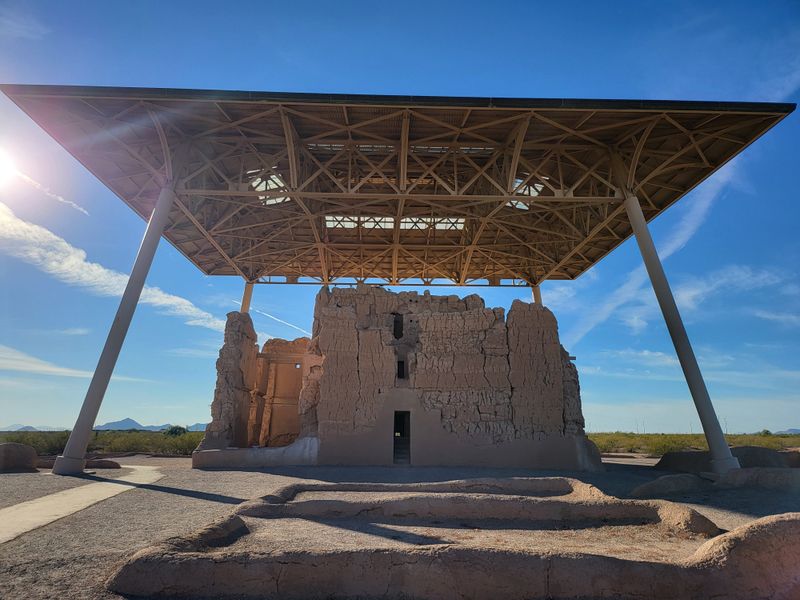
Among the most photographed abandoned structures along Oklahoma’s Route 66 corridor, the Casa Grande Hotel in Sayre stands as a haunting monument to the highway’s boom-and-bust cycles.
Built during the 1920s when optimism about automobile tourism ran high, the hotel welcomed travelers with Spanish Colonial Revival architecture that promised exotic luxury on the Oklahoma plains.
Its distinctive towers and ornate details made it a landmark visible from miles away, drawing curious motorists who wanted to experience something grander than typical roadside accommodations.
The Casa Grande thrived during Route 66’s peak years, its rooms filled with salesmen, vacationing families, and adventurers crossing the country.
The hotel’s restaurant served meals that locals and travelers alike praised, while its lobby became a social gathering place where different worlds intersected.
For a time, the Casa Grande represented Sayre’s aspirations, proof that even small Oklahoma towns could offer sophistication and style.
Changing travel patterns eventually doomed the Casa Grande, as motels with parking directly outside room doors became more popular than traditional hotels.
The building fell into disrepair, its windows broken and walls crumbling, yet it retained a melancholy beauty that attracts photographers and urban explorers.
The ruins remind us that progress always leaves casualties, and that yesterday’s monuments become today’s curiosities.
Preservation efforts have struggled to save the Casa Grande, with structural deterioration making restoration increasingly difficult and expensive.
Whether the building survives or eventually collapses, its story will remain part of Route 66 lore, symbolizing both the highway’s glory and the inevitable passage of time that claims even the most impressive landmarks.
The Elk City Elk Statue
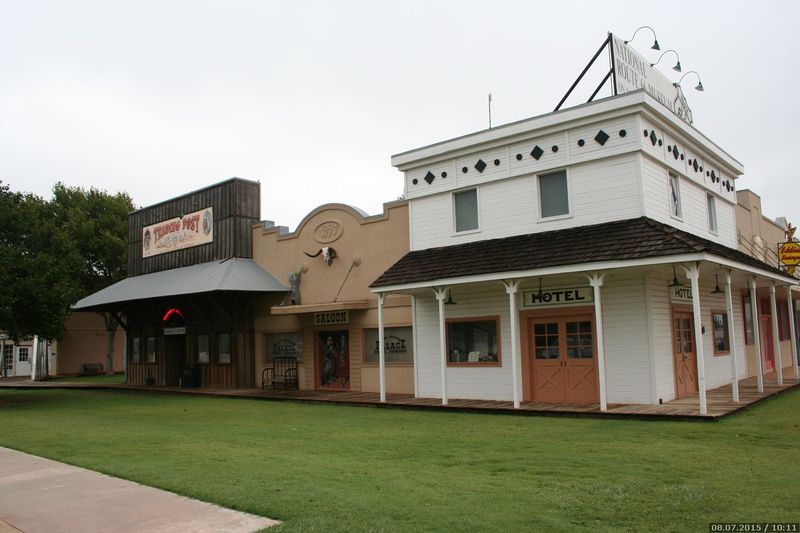
Standing proudly near downtown Elk City, a massive fiberglass elk serves as both town mascot and roadside attraction, embodying the quirky public art tradition that makes Route 66 unforgettable.
The statue represents Elk City’s commitment to celebrating its name while giving travelers a memorable photo opportunity.
These oversized animal sculptures became a Route 66 tradition, with communities competing to create the most eye-catching and bizarre monuments to attract tourists who might otherwise drive straight through without stopping.
The elk statue’s origins reflect typical small-town entrepreneurship and civic pride, with local boosters recognizing that a distinctive landmark could put Elk City on the map for travelers planning Route 66 journeys.
The sculpture’s size and prominent placement ensure that nobody passes through town without noticing it, fulfilling its purpose as an attention-grabbing advertisement for the community.
Over decades, the elk has appeared in countless vacation photos, travel documentaries, and Route 66 guidebooks.
Maintaining such a large fiberglass structure requires ongoing effort, with periodic repairs and repainting necessary to combat Oklahoma’s weather extremes.
The community’s continued investment in the elk’s upkeep demonstrates understanding that these quirky landmarks serve important economic and cultural functions.
The statue has become inseparable from Elk City’s identity, a symbol that residents embrace with affection rather than embarrassment.
Roadside giants like Elk City’s elk represent a uniquely American art form, one that values accessibility and whimsy over pretension.
These monuments don’t belong in museums; they thrive in parking lots and roadsides where ordinary people encounter them during everyday travels.
The elk reminds us that public art doesn’t require sophistication to succeed; sometimes a big fiberglass animal is exactly what a town needs.
The Vintage Neon Signs of Elk City
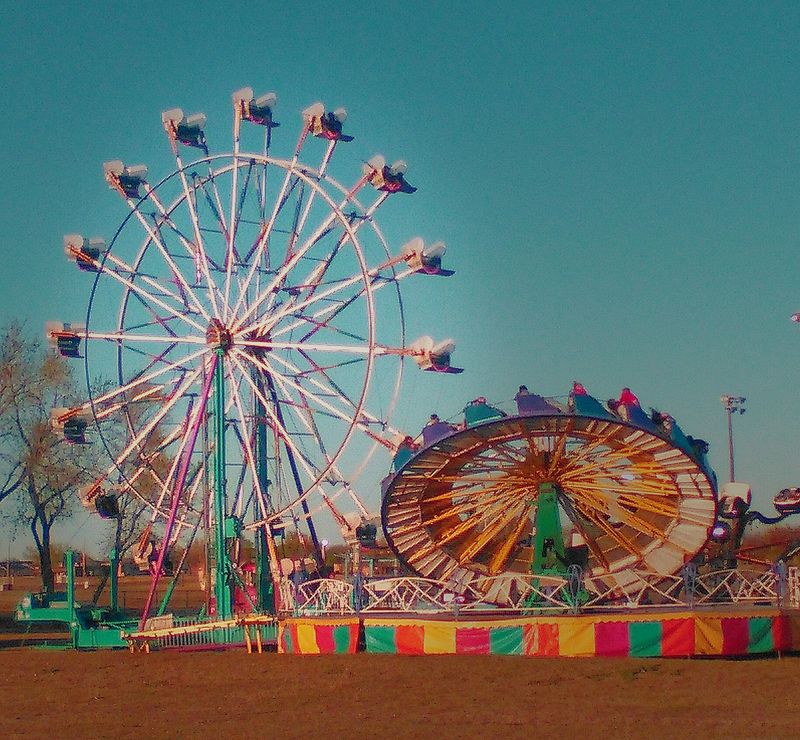
As evening falls across western Oklahoma, Elk City’s surviving neon signs begin to glow, transforming the town into a luminous gallery of mid-century commercial art.
These signs represent more than mere advertising; they’re sculptural installations that defined Route 66’s visual identity during its heyday.
Each sign tells a story of businesses that competed for attention in an era before digital billboards and internet marketing, when craftsmanship and creativity determined whether travelers noticed your establishment or drove past to the next town.
Elk City has made conscious efforts to preserve its neon heritage, recognizing these signs as valuable cultural artifacts worthy of protection and restoration.
The town’s commitment stands in contrast to many communities that allowed their vintage signs to disappear, replaced by generic modern signage that lacks character and historical resonance.
Walking or driving through Elk City after dark offers a glimpse of how Route 66 towns once appeared to travelers arriving after sunset, the neon creating a welcoming beacon of hospitality and commerce.
The signs’ designs reflect the optimism and artistic sensibilities of their era, with sweeping curves, bold colors, and playful fonts that exude confidence and joy.
Neon technology allowed businesses to create moving, flashing displays that seemed almost magical to mid-century audiences.
These signs promised comfort, good food, clean rooms, and friendly service, their glow suggesting warmth and safety to weary travelers far from home.
Photographers and neon enthusiasts now seek out Elk City specifically for its collection of vintage signs, documenting them before time and weather claim more casualties.
The town’s neon heritage connects it to a broader preservation movement that values Route 66’s visual culture as much as its historical significance.
Dear Reader: This page may contain affiliate links which may earn a commission if you click through and make a purchase. Our independent journalism is not influenced by any advertiser or commercial initiative unless it is clearly marked as sponsored content. As travel products change, please be sure to reconfirm all details and stay up to date with current events to ensure a safe and successful trip.
