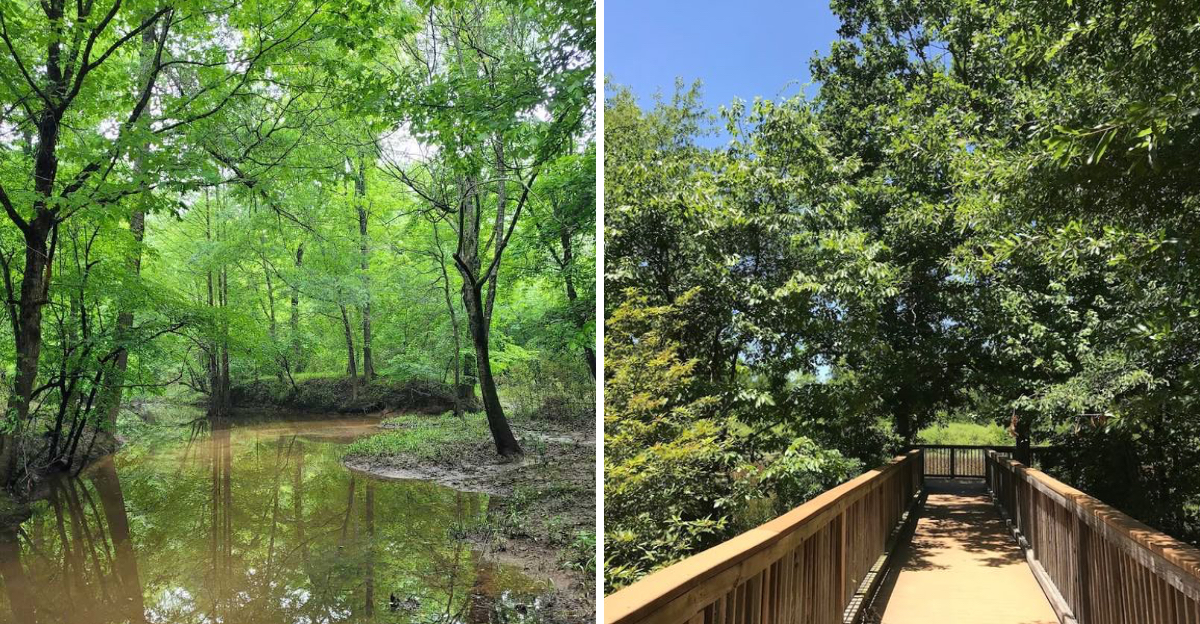
Most people drive right past it. The highway cuts through southeastern Oklahoma, and the swamp sits just off the road, hidden behind a wall of trees that looks like nothing special from the car.
But step onto the boardwalk, and the whole world changes.
The path winds through a cypress forest that feels ancient and alive. Towering trees rise from the dark water, their trunks flared at the base like they are drinking straight from the swamp.
Spanish moss drapes from the branches, and the air is thick with the sound of frogs, birds, and the occasional splash of something you cannot quite identify. The boardwalk keeps your feet dry while letting you wander deep into a landscape that feels untouched by time.
This is not a place you rush through. It is a place you slow down for, where the only decisions are which direction to look next and how many photos you can take before your phone battery gives out.
The Road Less Traveled to Little River
Getting to Little River National Wildlife Refuge is half the adventure, and honestly, it sets the tone perfectly for everything that follows.
The refuge sits near Broken Bow, Oklahoma, in McCurtain County, one of the most forested and least-visited corners of the entire state.
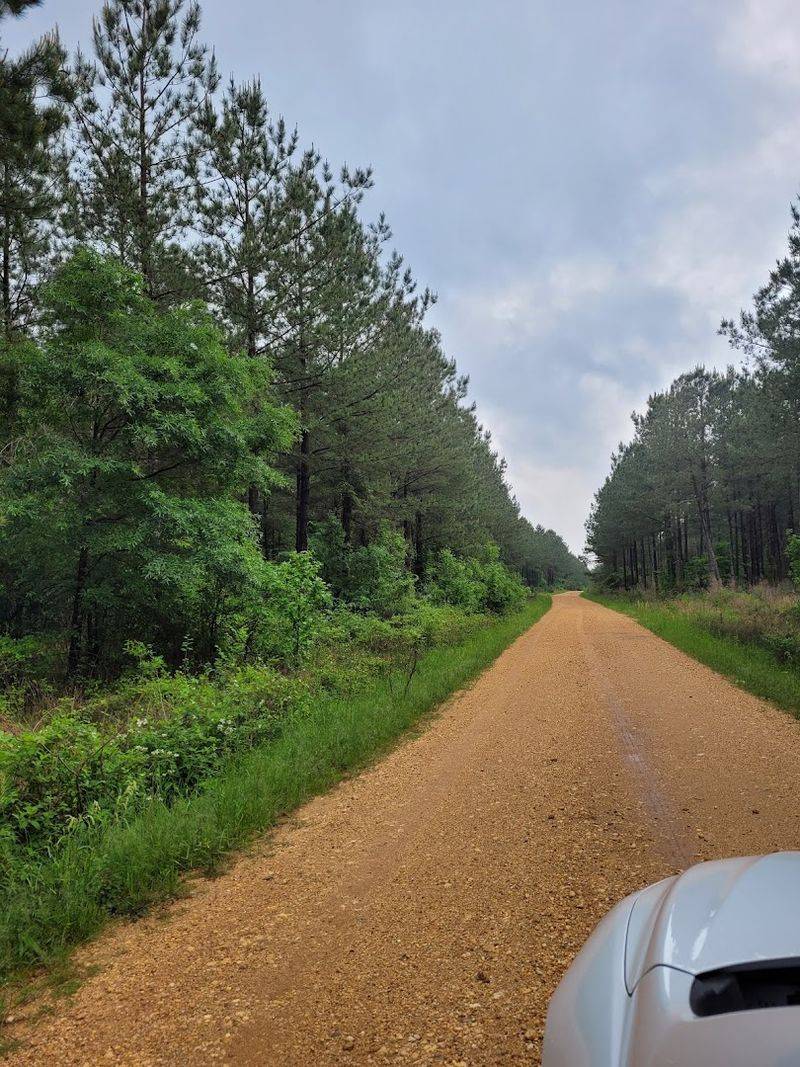
You follow a long gravel and dirt road that winds through thick bottomland forest before the swamp landscape starts revealing itself.
A high-clearance vehicle is strongly recommended here. The road is not dangerous in dry weather, but a low-riding car will scrape and bump in ways that make the whole trip stressful.
An SUV, truck, or jeep handles it with ease, and the drive itself becomes part of the experience.
The trees close in around you as you go deeper, and the air shifts from dry Oklahoma warmth to something noticeably cooler and more humid.
There are no gas stations, no convenience stores, and no cell signal for much of the drive. Pack water, snacks, and a fully charged phone before you leave town.
The remoteness is exactly what makes this place feel so rewarding once you finally arrive at the trailhead.
A Swamp That Belongs in Louisiana, Not Oklahoma
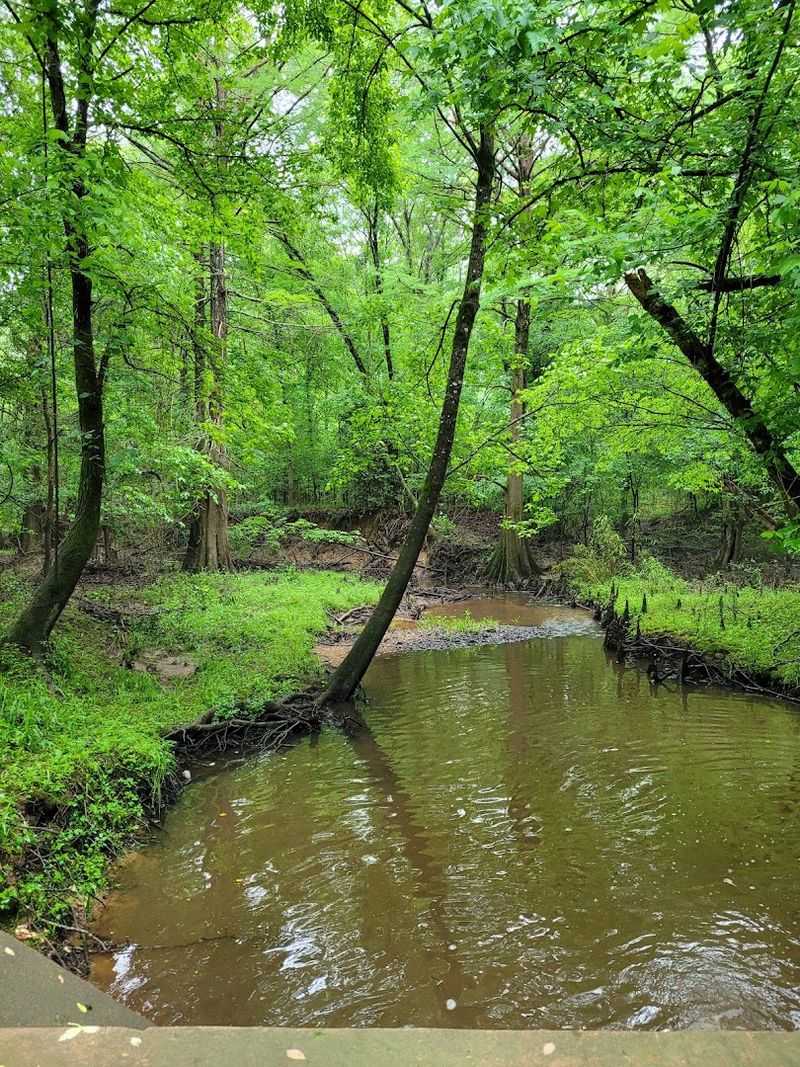
Standing at the edge of the cypress slough at Little River, the first thought that crosses your mind is that someone moved a piece of Louisiana into southeastern Oklahoma without telling anyone.
The bald cypress trees here are massive and ancient, draped in the kind of quiet dignity that only centuries of slow growth can produce.
Their roots fan out into dark, tannic water, and their distinctive knees push up through the surface in clusters that look almost architectural.
Oklahoma is famous for its prairies, red dirt, and wide-open skies. But this corner of the state tells a completely different story, one shaped by the Little River and its seasonal flooding patterns.
The water is dark brown from tannins, not pollution, which is a naturally occurring process from decomposing leaves and plant matter in the swamp.
Reflections of the trees shimmer on the surface when the wind is calm, creating a mirror effect that makes the whole scene look almost unreal.
It is the kind of landscape that stops you mid-step and makes you look around slowly, taking in every detail before moving forward again.
The Boardwalk Walk Through Cypress Country
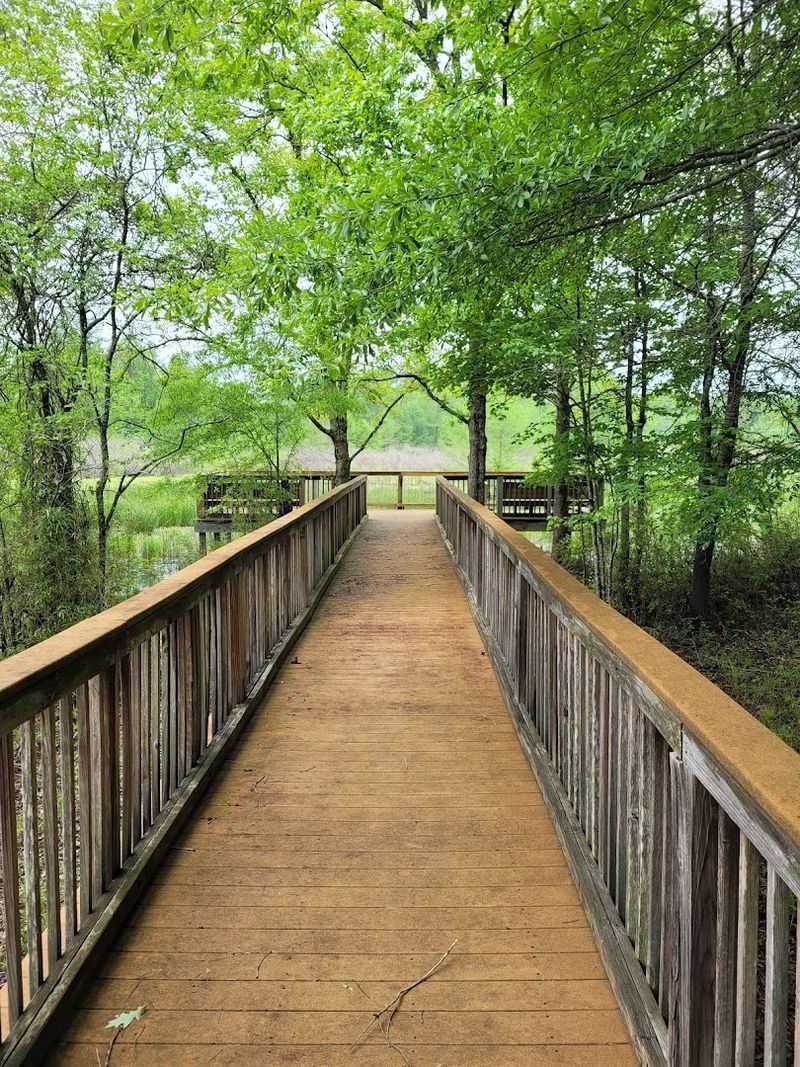
The boardwalk at Little River National Wildlife Refuge is the centerpiece of the whole visit, and it delivers something genuinely rare in this part of the country.
Elevated wooden planks carry you out over the swamp, putting you directly above the water and root systems of the cypress trees.
You are not looking at the swamp from a distance. You are standing inside it, surrounded on all sides by towering trunks and hanging vegetation.
The boardwalk is not especially long, but it does not need to be. Every few steps brings a new angle, a new cluster of cypress knees, or a new patch of open water reflecting the sky above.
Walking slowly is the only sensible approach here. Rushing through this boardwalk would be like speed-reading a poem.
The wood underfoot has that satisfying hollow sound with each step, and the occasional creak adds to the atmosphere rather than taking away from it.
At certain points, the canopy overhead is so thick that the light filters down in soft, diffused columns, making the whole walk feel almost like moving through a cathedral built entirely from living wood.
The Champion Bald Cypress Tree
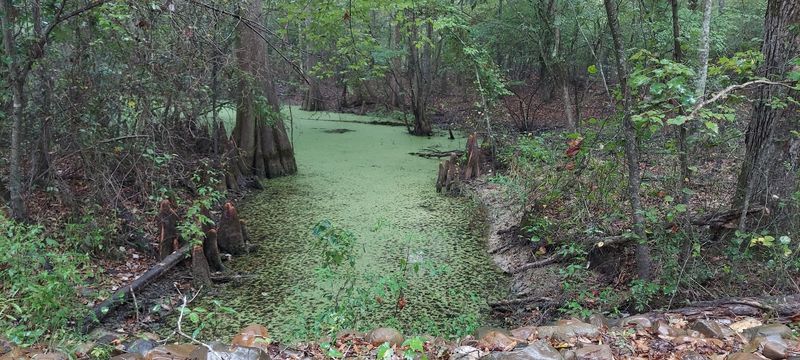
One of the most jaw-dropping moments at Little River comes when you encounter what is believed to be the state champion bald cypress tree in Oklahoma.
The sheer scale of this tree is hard to describe without sounding like you are exaggerating. The trunk base is enormous, wider than most people can wrap their arms around even with a friend helping.
The cypress knees surrounding it reach heights of four feet or more, which is exceptional even by the standards of old-growth cypress forests in the American South.
Bald cypress trees can live for over a thousand years, and standing next to this one, you get a powerful sense of just how much time that represents.
Oklahoma does not often get credit for having old-growth trees, but this individual specimen challenges that assumption in the most direct way possible.
Bring a wide-angle lens if you have a camera, because fitting the whole tree into a single frame from ground level is a genuine challenge.
The roots, the knees, the trunk, and the canopy above all deserve their own moment of attention, and this tree earns every second you give it.
Wildlife Living Freely in the Refuge
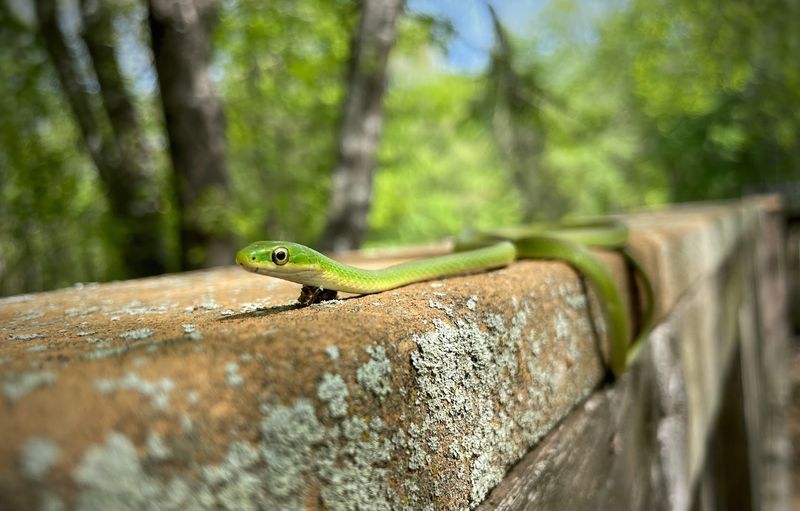
Little River National Wildlife Refuge was established specifically to protect the bottomland hardwood habitat along the Little River in southeastern Oklahoma, and the wildlife here reflects how well that protection has worked.
Great blue herons are a common sight, standing perfectly still in the shallows like patient statues before lunging forward with surprising speed.
Wood ducks nest in the cavity trees throughout the refuge, and their colorful markings make them one of the most visually striking birds you can spot along the water.
White-tailed deer move through the bottomland forest in the early morning and late afternoon hours, often appearing at the edges of clearings before disappearing back into the trees.
River otters have been documented in the refuge as well, though spotting one requires patience and a quiet approach.
The swamp itself supports a rich community of turtles, frogs, and water snakes that keep the ecosystem functioning as it should.
Opossums are frequently spotted in the refuge too, often moving along the forest floor or crossing the trail with their characteristic unhurried shuffle.
Every visit feels like a slow reveal, with new creatures appearing the longer you stay still and quiet.
Kayaking the Little River Itself
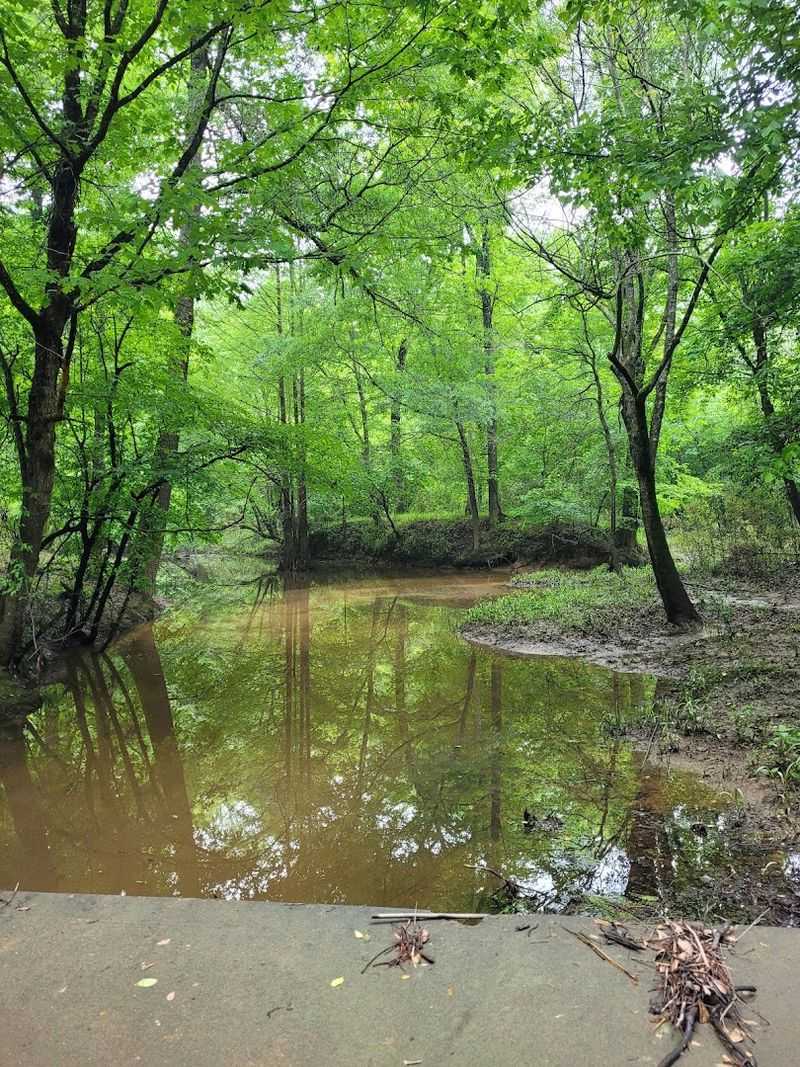
Beyond the boardwalk, the Little River itself offers one of the most scenic paddling experiences in all of Oklahoma.
The river winds through bottomland forest and cypress sloughs, giving kayakers and canoeists a water-level perspective that the boardwalk simply cannot replicate.
Paddling beneath the canopy of overhanging trees while cypress knees drift past on either side is the kind of experience that stays with you long after the trip ends.
The water moves slowly through much of the refuge, making it accessible to paddlers of most skill levels, including beginners who are comfortable on flatwater.
Launching a kayak here puts you at the same level as the herons, turtles, and water snakes that treat the river as their daily territory rather than a destination.
The sound design of a kayak trip here is remarkable in its own right. Water dripping from the paddle, frogs calling from the banks, and the occasional splash of a turtle sliding off a log create a natural soundtrack that no playlist could match.
Southeastern Oklahoma has several paddling routes worth exploring, and the Little River stands out as one of the most atmospherically unique among all of them.
The Observation Deck and What You Can See From It
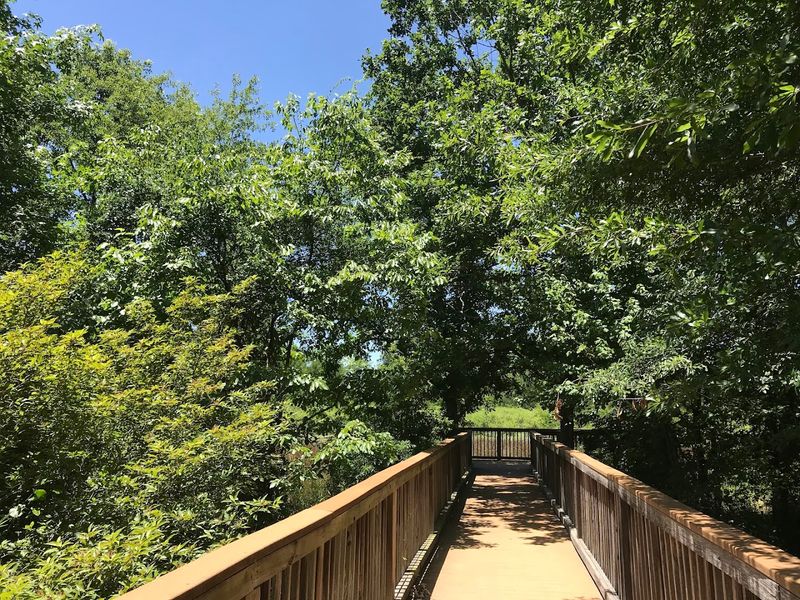
The observation deck at Little River National Wildlife Refuge gives you an elevated view over the open water and surrounding cypress forest that feels genuinely rewarding after the walk in.
From up here, the scale of the refuge becomes clearer. You can see how the cypress trees spread across the water in dense clusters, and how the open channels between them create a mosaic of habitat types.
Bring binoculars. This is not optional advice.
The deck is the ideal spot for scanning the water surface and tree lines for herons, egrets, and other wading birds that work the shallows below.
Early morning visits are consistently the most productive for wildlife watching from the deck. The light is softer, the birds are more active, and the swamp has a quiet energy that feels completely different from midday.
On calm mornings, the water surface reflects the sky and trees so clearly that it can be hard to tell where the real world ends and its mirror image begins.
Note that the deck is occasionally closed for maintenance, so checking the refuge website before your visit is a smart move to avoid a long drive to a locked gate.
Best Times of Year to Visit
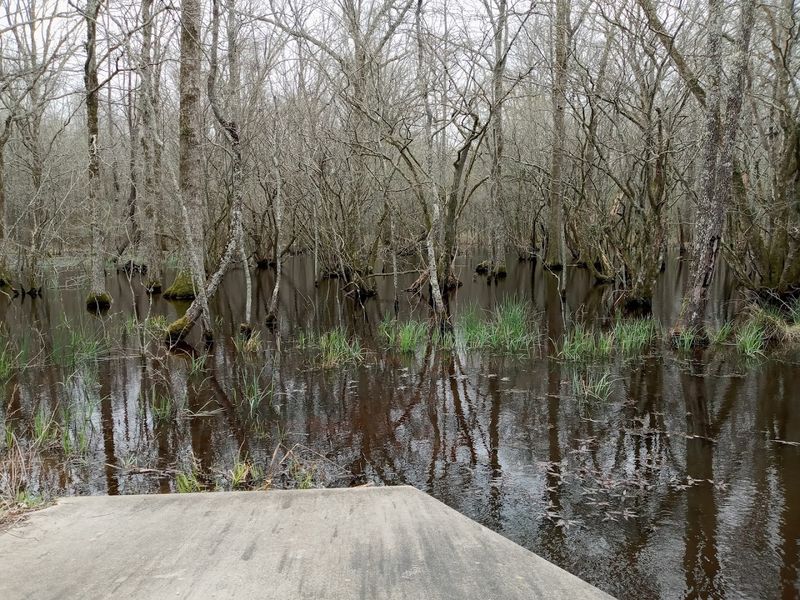
Timing your visit to Little River National Wildlife Refuge makes a significant difference in what you experience when you get there.
Fall is arguably the most visually dramatic season. Bald cypress trees turn a rich rust-orange color in October and November, and the contrast between those warm tones and the dark water below is genuinely stunning.
Spring brings a different kind of energy. Migratory birds pass through in large numbers, the forest floor fills with wildflowers, and the swamp hums with the sound of frogs announcing the warmer months ahead.
Summer is lush and green but also hot and humid in southeastern Oklahoma. Mosquitoes are active and persistent during summer months, so insect repellent is not just helpful, it is essential.
Winter visits have their own appeal. The cypress trees lose their needles, opening up the canopy and giving you clearer sightlines through the forest and across the water.
Winter is also one of the best seasons for spotting waterfowl, as the refuge serves as important habitat for ducks and other migratory birds moving through the region.
Whatever season you choose, arriving early in the day gives you the best wildlife activity and the most peaceful atmosphere before the heat builds.
What to Pack for a Day at the Refuge
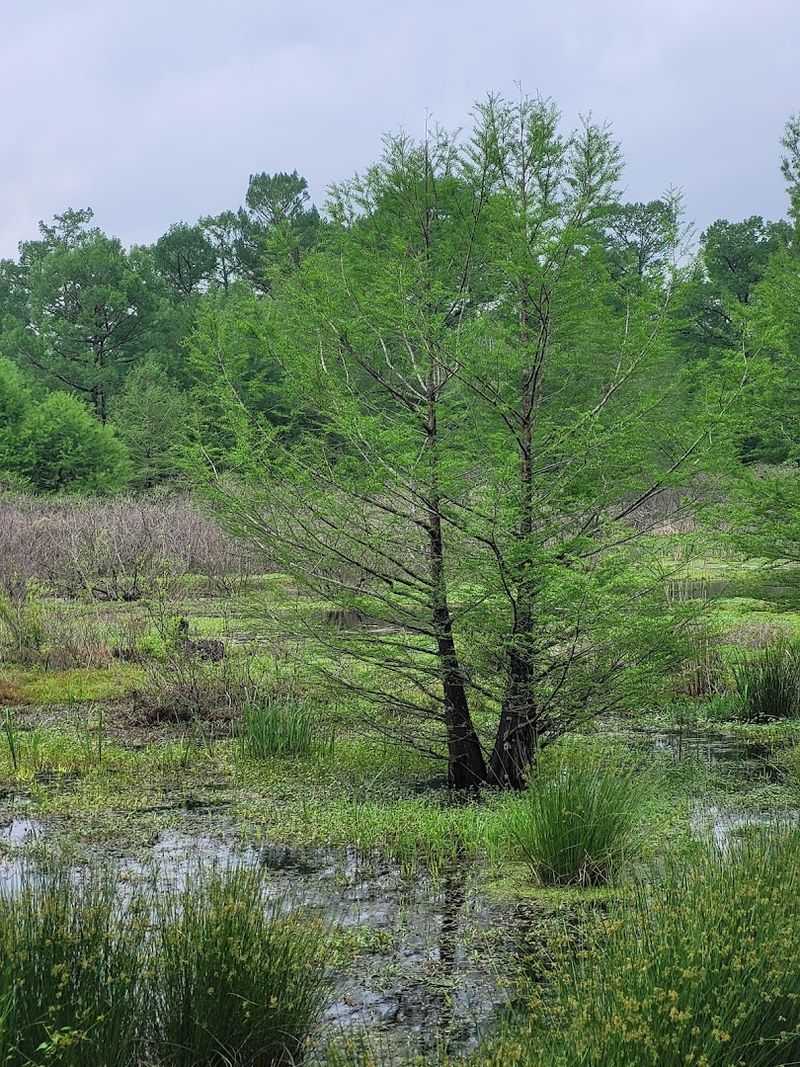
Preparation matters more at Little River than at a typical state park, simply because the refuge is remote and amenities are essentially nonexistent once you arrive.
Water is the most important item to bring, and more than you think you need. The combination of heat, humidity, and walking adds up quickly, especially in the warmer months.
Insect repellent is non-negotiable from late spring through early fall. The swamp environment supports a healthy mosquito population, and they will find you within minutes of stepping out of your vehicle.
Sturdy closed-toe shoes or waterproof boots are a smart choice. The trail and boardwalk can be muddy or wet depending on recent rainfall, and sandals are not appropriate footwear here.
A camera with a zoom lens will serve you far better than a phone camera when it comes to capturing birds and wildlife at a distance without disturbing them.
Binoculars are worth the extra weight in your pack. The observation deck and open water sections of the refuge reward anyone who can see clearly across a distance.
A printed or downloaded offline map is useful since cell service is unreliable throughout much of this corner of Oklahoma, and navigation apps may not work reliably on the access road.
Why This Place Deserves More Attention
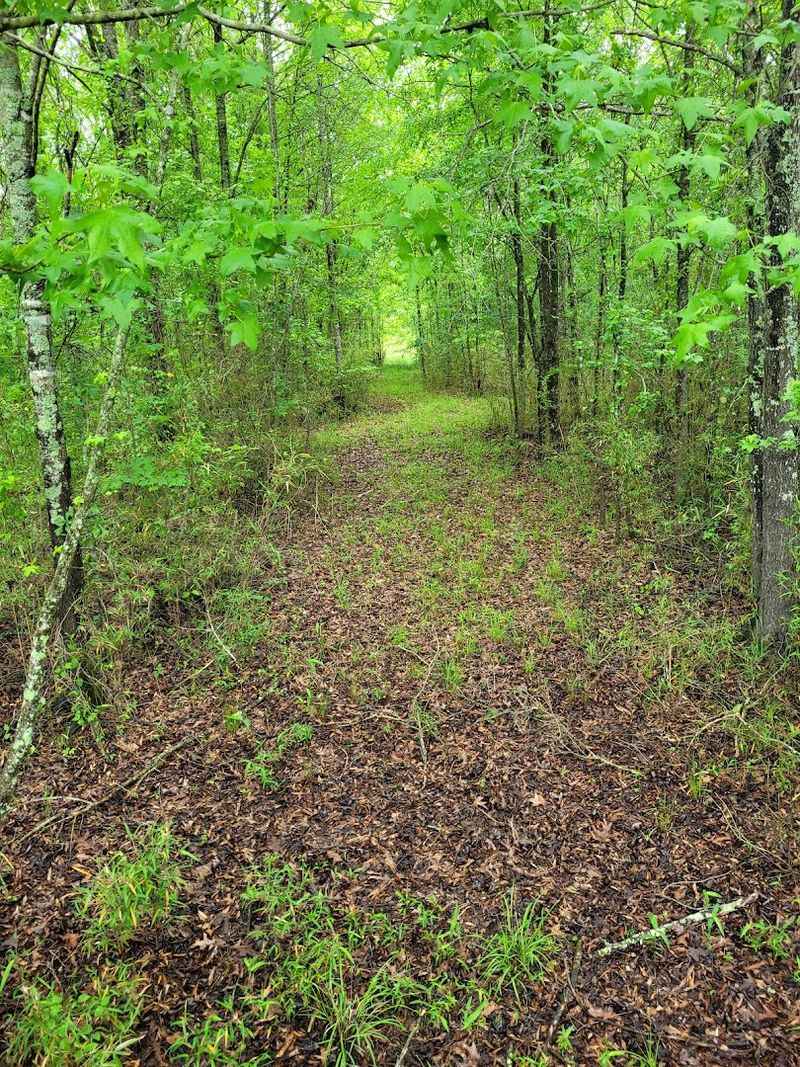
Little River National Wildlife Refuge near Broken Bow, Oklahoma, is the kind of place that makes you wonder why it does not appear on every Oklahoma travel list.
The landscape is genuinely unlike anything else in the state. No other place in Oklahoma puts you face to face with ancient cypress trees, swamp water, and the kind of deep forest quiet that feels miles away from everyday life.
Part of its appeal is exactly its obscurity. The long gravel road filters out casual visitors, leaving the refuge feeling genuinely undisturbed on most days.
There are no entry fees, no crowds, no souvenir shops, and no guided tour scripts. Just the swamp, the trees, the birds, and however long you choose to stay.
Oklahoma gets pigeonholed as a plains state, but the southeastern corner consistently surprises people who make the effort to explore it.
Little River is managed by the U.S. Fish and Wildlife Service, and their contact number is +1 580-584-6211 for anyone who wants to check current conditions before visiting.
For anyone willing to drive a gravel road and slow down for an hour or two, this hidden cypress forest delivers something quietly extraordinary, and Oklahoma is lucky to have it.
