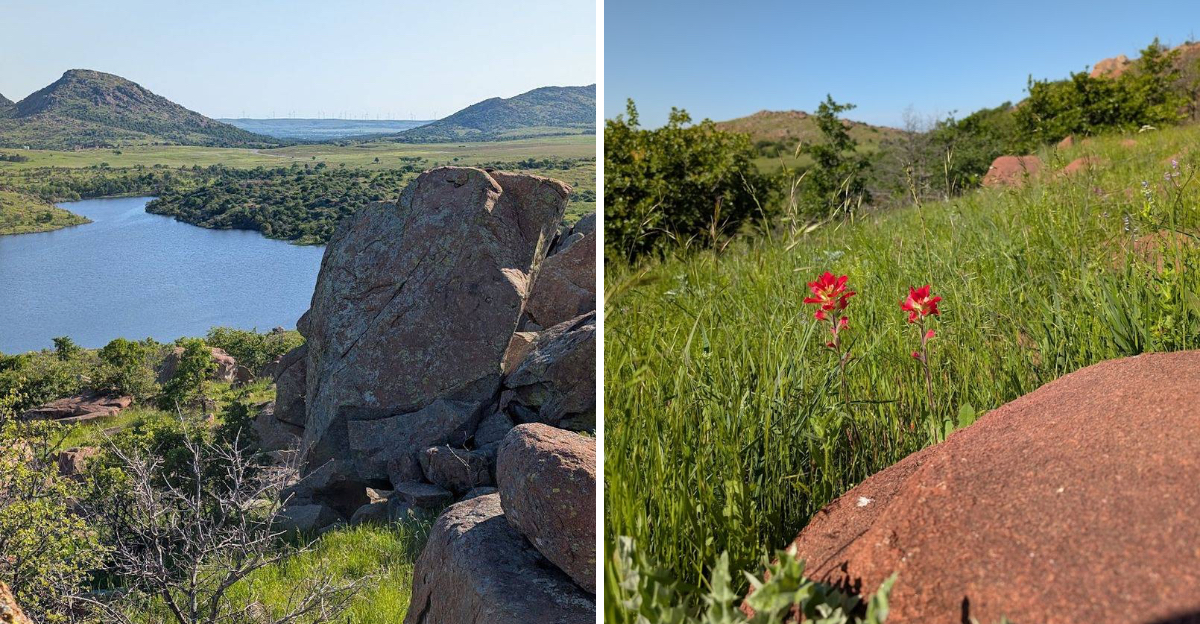
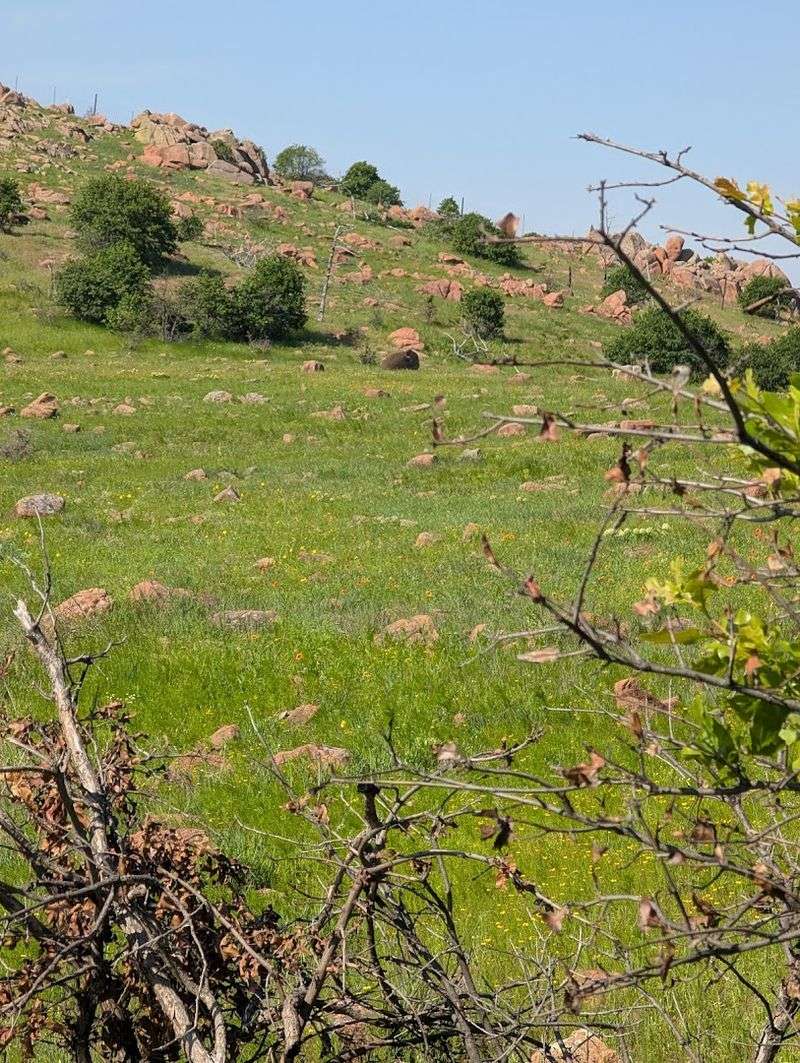
Out on the rolling plains of southwestern Oklahoma, this is the kind of place that makes you stop the moment you see it. Massive granite boulders rise straight out of the ground, ancient and unmoved, like they’ve been waiting there long before anything else showed up.
The whole landscape feels raw and wide open, with a quiet that settles in the longer you stay. Trails wind through it all, giving you views that stretch for miles and a sense that you’ve stepped somewhere far removed from the usual pace of things.
It doesn’t feel staged or crowded. It feels real.
And once you’re out there, it’s easy to understand why people keep coming back.
The Ancient Granite That Shapes Everything Here
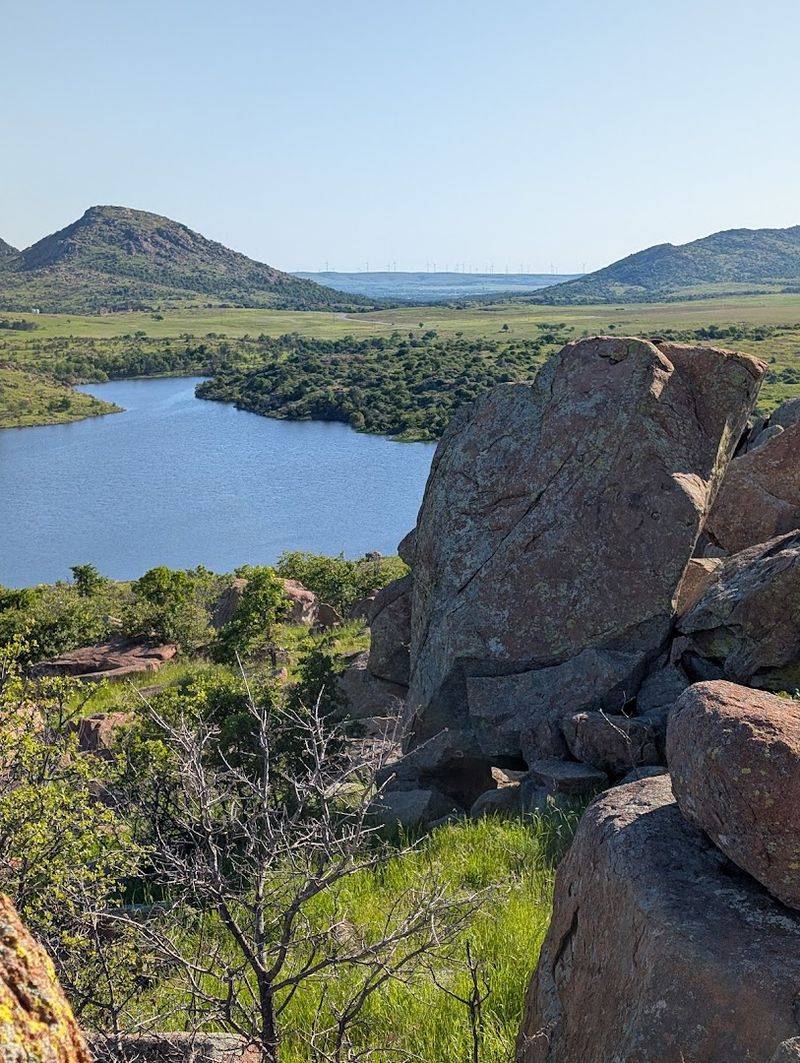
Long before the first trail was ever marked, these rocks were already ancient. The granite formations at Wichita Mountains Wilderness are estimated to be around 540 million years old, making them some of the oldest exposed rock in Oklahoma.
Walking among them feels quietly humbling. The boulders are enormous, smooth in some places and jagged in others, stacked in formations that look almost intentional, like nature was experimenting with sculpture.
Geologists describe these peaks as monadnocks, which are isolated rock hills that survived erosion while everything around them wore away over millions of years. That process left behind a dramatic, textured landscape that feels almost otherworldly for Oklahoma.
The rock itself ranges in color from deep rust to soft pink depending on the light, and at sunrise or sunset the entire ridgeline seems to glow. Trail hikers often stop mid-climb just to take in the view from a boulder perch.
Understanding the geology here adds a whole new layer to the experience. You are not just hiking through scenery; you are walking across one of the oldest land surfaces on the continent.
The Trail Network That Keeps Rewarding You
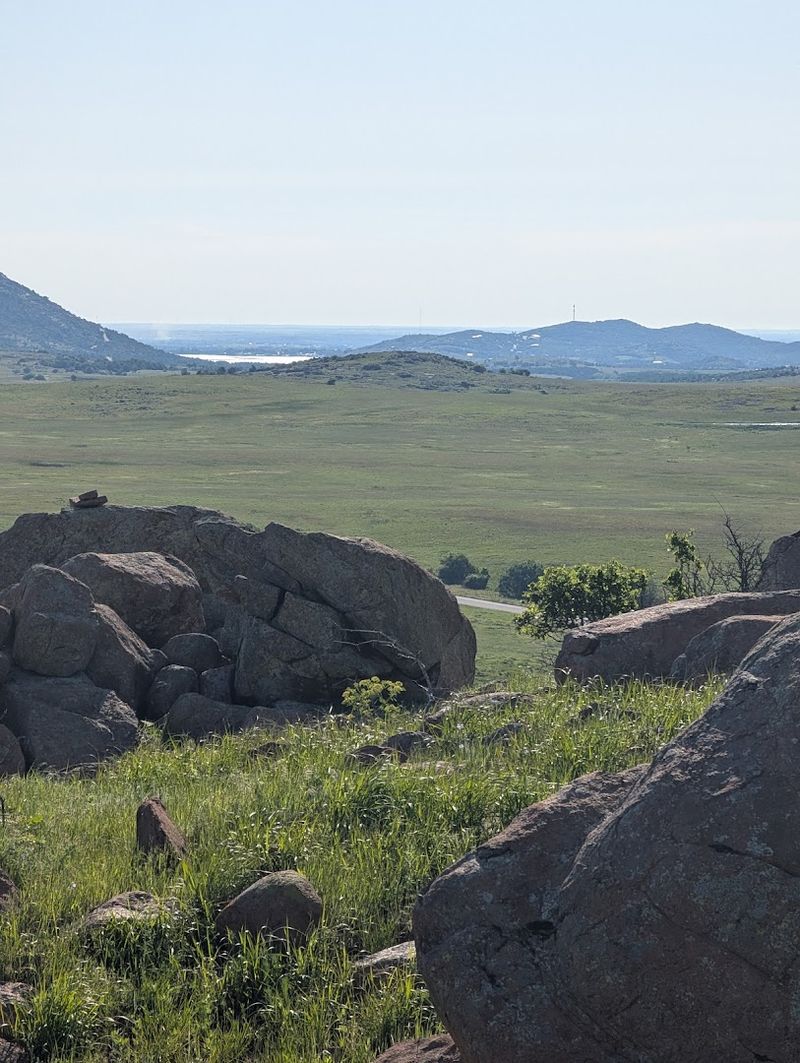
The trail system here is honest about what it offers: rugged, real, and not always easy. A network of trails and routes spans the wilderness area, with longer hikes reaching similar distances depending on the path taken.
Shorter routes and out-and-back hikes are possible depending on the path you choose. That flexibility is one of the things that makes this place so welcoming to a wide range of outdoor enthusiasts.
Trail surfaces vary significantly. You will cross open grassland, scramble over exposed granite, push through cedar thickets, and follow dry creek beds depending on which route you choose.
Navigation requires some attention since signage can be minimal in certain sections. Carrying a detailed map or downloading an offline trail app before you arrive is genuinely useful advice here, not just the usual disclaimer.
What makes the trail network special is how the scenery shifts constantly. One moment you are on a breezy ridgeline with views stretching for miles, and the next you are tucked into a quiet canyon that feels completely sheltered from the world.
Wildlife Encounters That Happen Without Warning
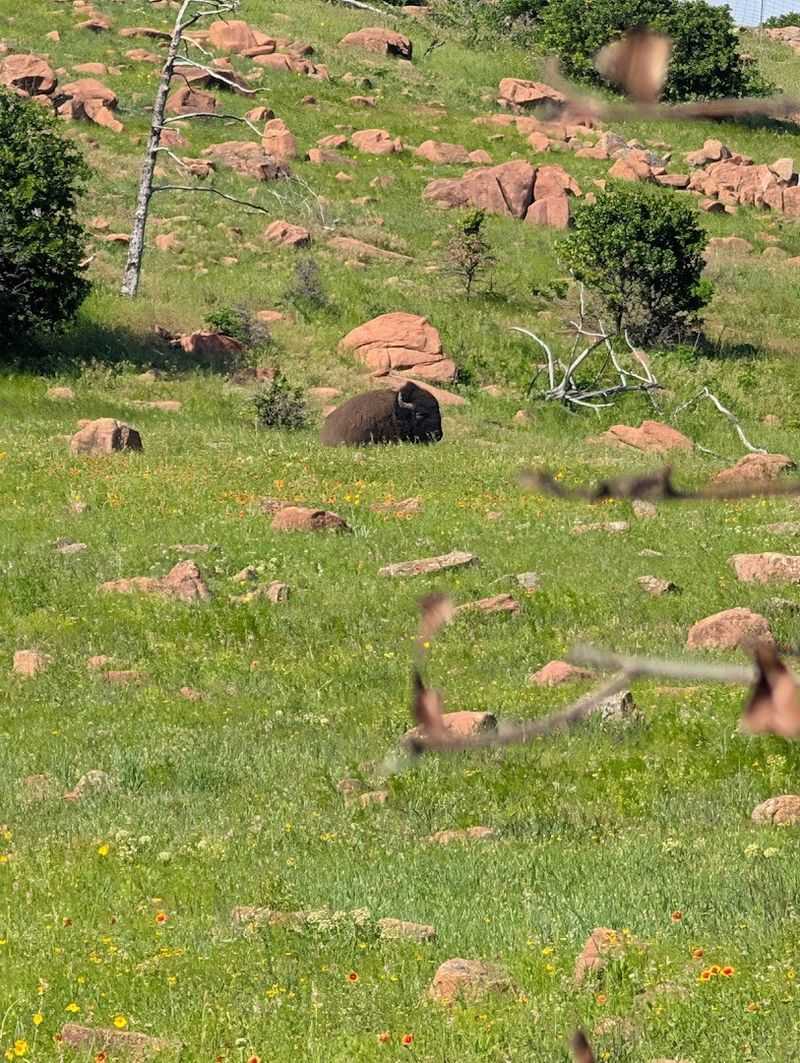
Few things prepare you for the first time a bison crosses your path. The Wichita Mountains Wildlife Refuge, which surrounds and includes the wilderness area, is home to one of the oldest publicly owned bison herds in the country, and these animals roam freely throughout the landscape.
Spotting a herd grazing near the trailhead or moving slowly across a hillside is a common experience here, and it never gets old. Longhorn cattle also share the land, adding to the sense that this place operates on its own schedule entirely.
Prairie dogs are another highlight, especially around their towns near the edges of the refuge. Their constant activity and chatter make them oddly entertaining to watch for longer than you might expect.
White-tailed deer, wild turkey, scissor-tailed flycatchers, and various hawk species are regular sightings as well. The wilderness area provides critical undisturbed habitat for all of these animals, which is exactly why the designation matters.
The key rule here is simple: keep your distance and let the animals move at their own pace. Watching wildlife in this kind of setting, unhurried and natural, is one of the genuine pleasures of visiting the Wichita Mountains.
Why This Place Feels Unlike Typical Oklahoma Scenery
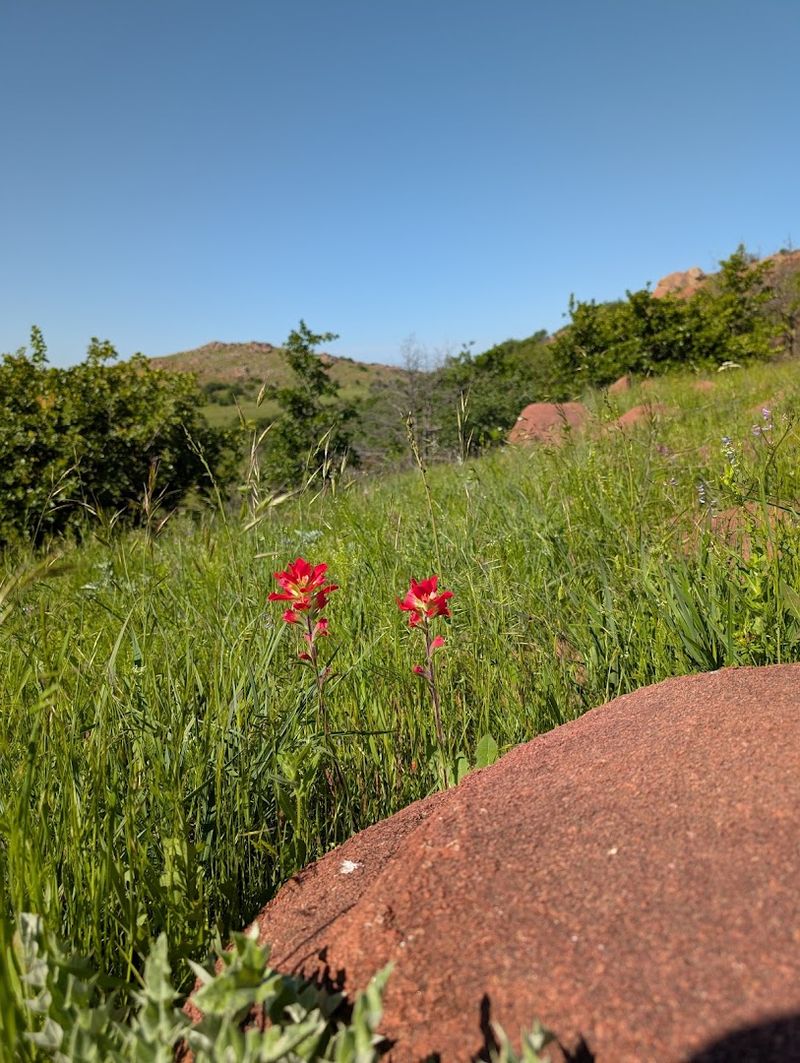
Most people picture flat plains when they think of Oklahoma, and that assumption gets a solid correction the moment the Wichita Mountains appear on the horizon. These peaks rise sharply above the surrounding countryside, creating a skyline that feels genuinely surprising.
The contrast is part of what makes arriving here so striking. You drive through miles of open prairie and then suddenly the land pushes upward into ridges, canyons, and boulder fields that demand your full attention.
The wilderness area itself sits within a broader landscape of tallgrass prairie and cross timbers, two ecosystems that blend together across southwestern Oklahoma in ways that support an unusually rich variety of plants and animals.
Wildflowers bloom across the grasslands in spring, covering hillsides in color that sets off the dark granite beautifully. In fall, the light turns golden and the shadows across the rock faces deepen, making the whole place feel like a painting.
Visitors who arrive expecting flat, unremarkable terrain almost always leave genuinely impressed. The Wichita Mountains do not try to compete with the Rockies or the Appalachians; they simply exist on their own dramatic terms, and that confidence in the landscape is completely earned.
The History Layered Into Every Rock Face
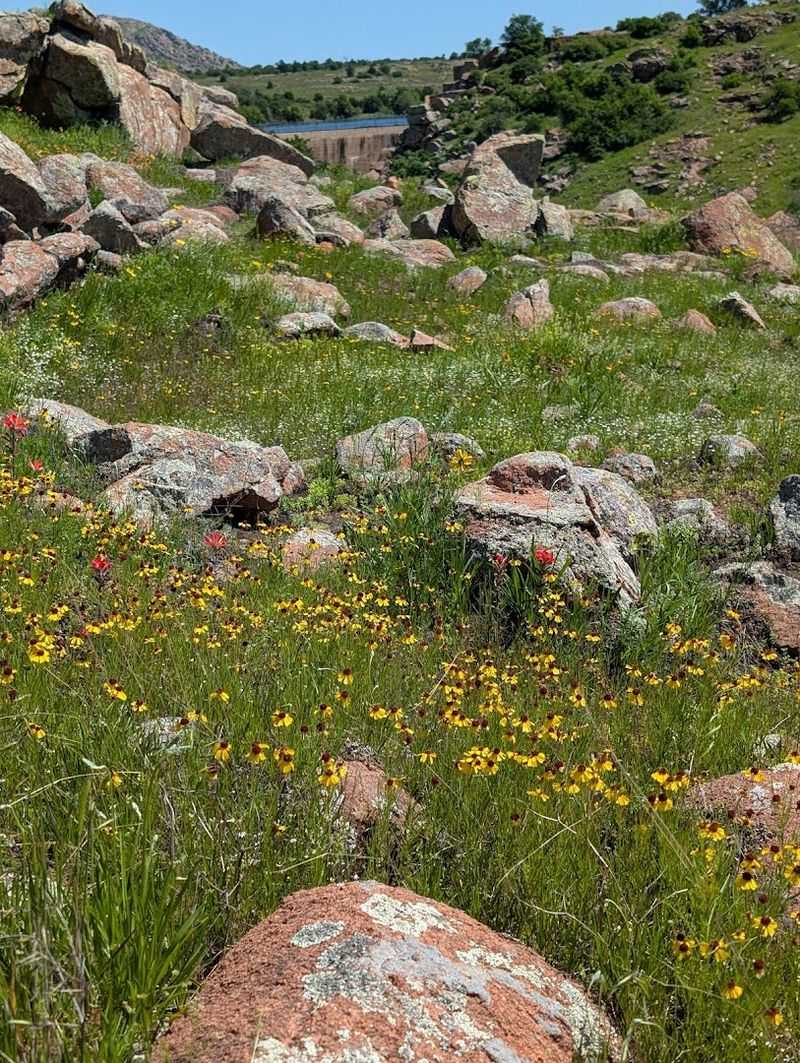
The land that makes up the Wichita Mountains Wilderness carries a deep history that stretches far beyond the establishment of the wildlife refuge in 1901. For thousands of years, the Wichita and Kiowa peoples lived in and around these mountains, using the landscape for shelter, hunting, and ceremony.
The granite peaks served as landmarks for travelers crossing the southern plains long before any road or map existed. That sense of the land as a navigational anchor still feels present when you stand on a high point and look out over the countryside.
The wilderness designation itself came in 1970 under the Wilderness Act, protecting 8,900 acres from development and ensuring that the area would remain roadless and wild. That decision has preserved a landscape that would otherwise be very difficult to experience anywhere else in the state.
Fort Sill, located nearby in Lawton, Oklahoma, adds another layer of military and frontier history to the region. The stories of this area are woven tightly together across centuries.
Standing on a boulder summit with the plains stretching out below, it is easy to feel the weight of all that time passing over the same piece of ground you are standing on right now.
Practical Tips for Your First Visit
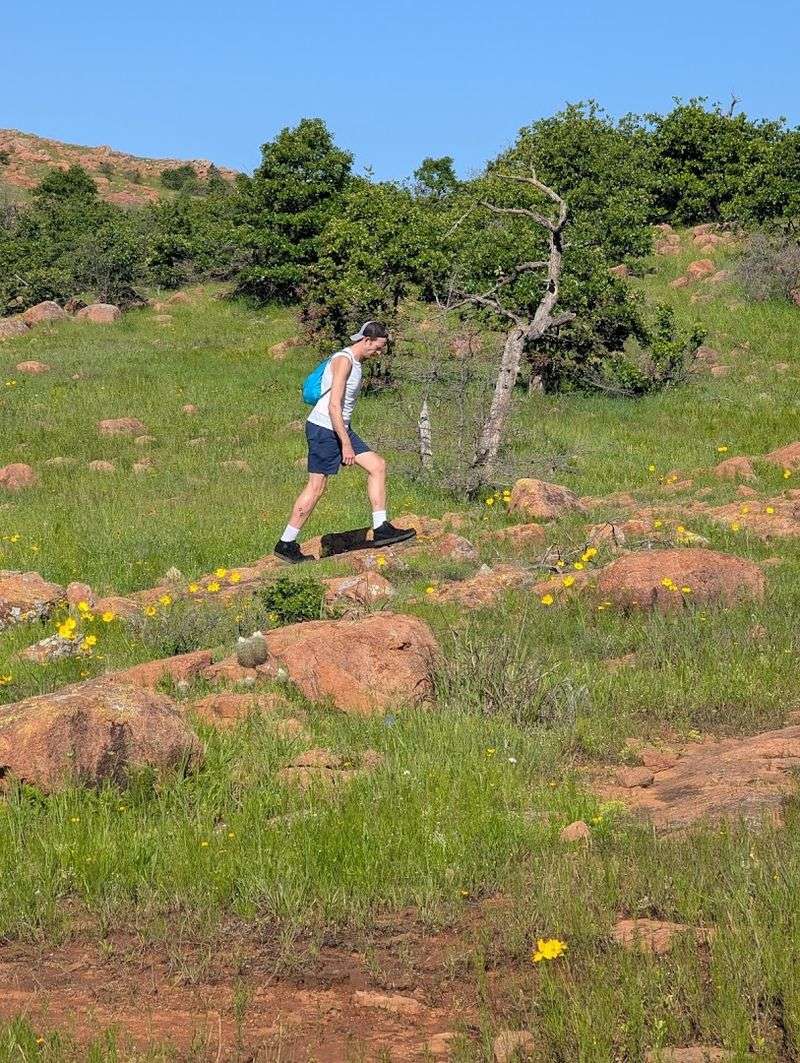
Getting ready before you arrive makes a real difference here. The wilderness area is located within the Wichita Mountains Wildlife Refuge, which can be reached via Oklahoma State Highway 49, with the main refuge entrance near the town of Cache, Oklahoma.
The address for the broader refuge area is Oklahoma 73507, and the main refuge phone number is 580-429-3222 if you need current trail conditions or access information before heading out.
Water sources inside the wilderness are not reliable, so bringing more than you think you need is essential. A standard recommendation is at least two liters per person for a half-day hike, and more for a full-day outing in warm weather.
Wearing sturdy hiking boots with ankle support is strongly advised given the uneven granite surfaces and loose rock you will encounter on most routes. Sandals and light sneakers are a poor match for this terrain.
Starting early in the morning is smart for two reasons: the light is exceptional for photography in the first few hours after sunrise, and you avoid the midday heat that can make the exposed ridgelines genuinely uncomfortable during summer months.
The Silence That Settles In Once You Leave the Trailhead
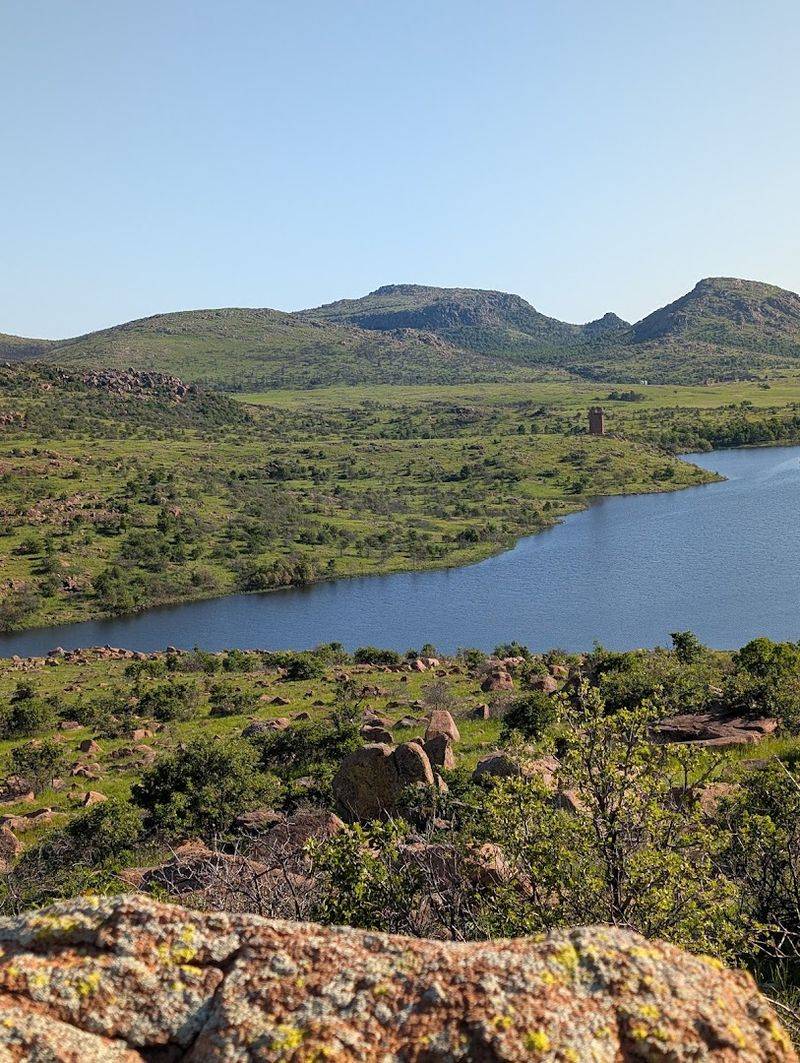
There is a specific kind of quiet that exists inside a designated wilderness area, and the Wichita Mountains version of it is something worth seeking out deliberately. Once you move past the first mile from any trailhead, the ambient noise of roads, engines, and other people fades almost completely.
What replaces it is the sound of wind moving through cedar trees, the distant call of a hawk, and the occasional low rumble of bison moving somewhere out of sight. That combination is genuinely restorative in a way that is hard to describe until you have experienced it.
Wilderness designation means no motorized vehicles, no mountain bikes, and no permanent structures inside the boundary. That set of restrictions creates a space that feels genuinely removed from everyday life in a way that most parks simply cannot offer.
Many visitors report that the solitude here is one of the most memorable parts of the experience, sometimes more so than the scenery itself. Finding that level of quiet within a few hours of major Oklahoma cities like Oklahoma City or Lawton feels almost remarkable.
Spending even a single afternoon in that silence has a way of resetting your sense of proportion about what actually matters, and that effect tends to last well beyond the drive home.
Sunrise and Sunset Views From the High Points
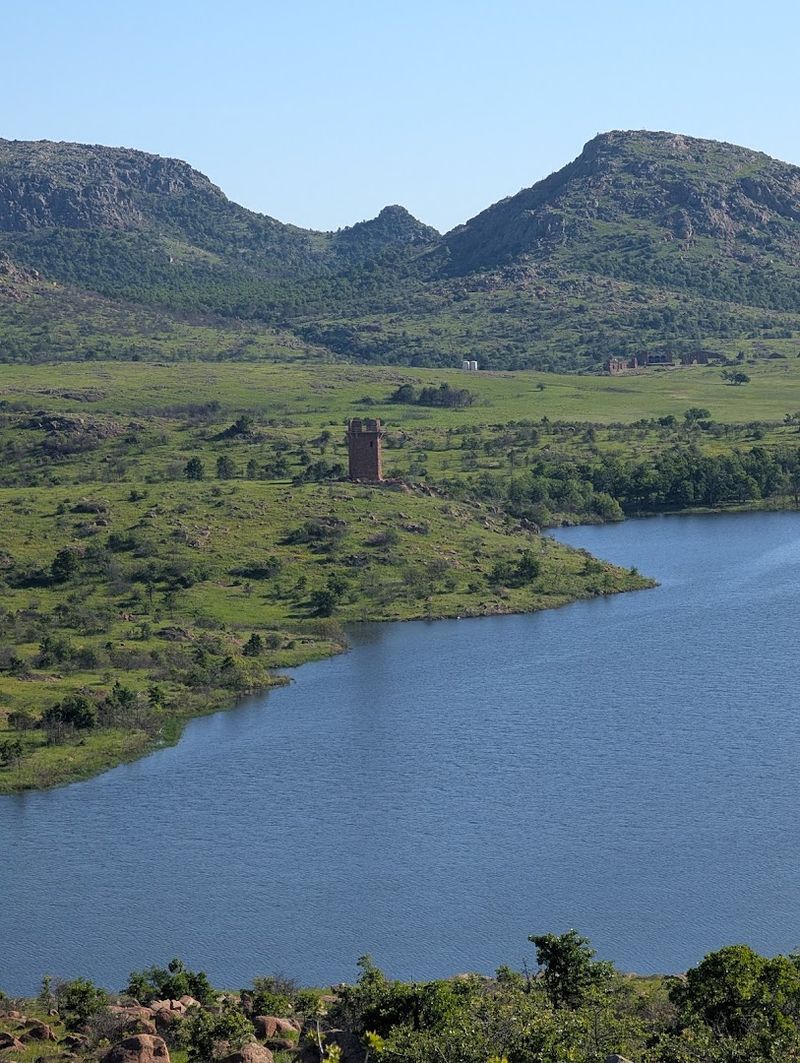
Timing your hike to catch the light at either end of the day is one of the best decisions you can make at the Wichita Mountains. The granite surfaces respond to low-angle sunlight in a way that transforms the entire landscape, shifting from neutral gray to warm amber and deep rose within minutes.
Reaching a summit before sunrise requires leaving the trailhead in the dark, which sounds less appealing than it actually is.
The walk in under a headlamp through the quiet pre-dawn wilderness is its own kind of experience, and arriving at the top just as the sky begins to change makes the effort feel completely worthwhile.
Sunset hikes are more forgiving logistically since you can plan your arrival time with more certainty. The western-facing slopes catch the last light beautifully, and the shadows that form across the boulder fields as the sun drops create a depth and texture that flat midday light simply cannot produce.
Photographers in particular tend to plan their entire visit around the golden hours, and for good reason. The combination of ancient rock, open sky, and dramatic light is exactly the kind of scene that rewards patience.
Staying just a bit past sunset to watch the stars emerge over the dark wilderness is a bonus that most visitors are not expecting but rarely forget.
The Flora That Covers the Hillsides and Canyon Floors
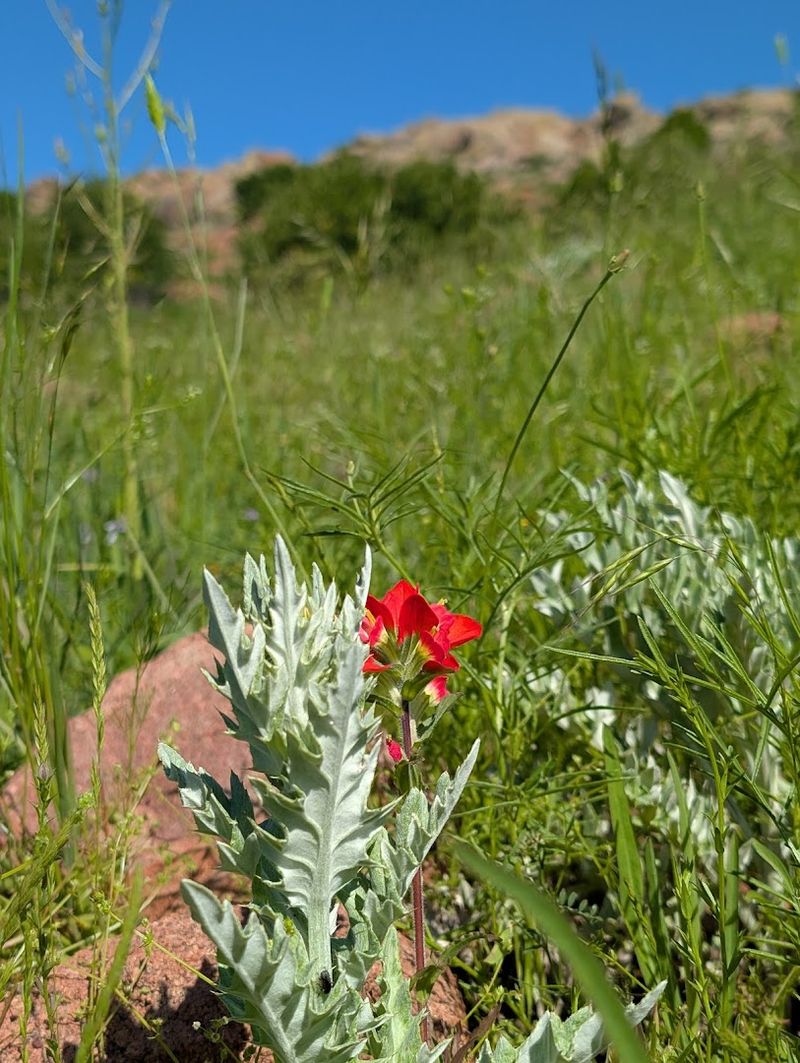
Plant life in the Wichita Mountains Wilderness is more varied than the rocky landscape might suggest at first glance. The area supports a mix of tallgrass prairie species, post oak woodlands, and riparian plants along seasonal streams, all compressed into a relatively compact area.
Indian paintbrush, prairie verbena, and wild plum are among the most visually striking species during spring blooms, which typically peak between late March and early May depending on the year.
Walking through a hillside covered in paintbrush while granite peaks loom above is a combination that feels almost too good to be real.
Aromatic sumac and cedar elm add texture to the canyon floors, while shin oak and blackjack oak create low canopy cover in certain sections of the trail. These species provide important cover and food sources for the wildlife that depends on the wilderness area.
Prickly pear cactus appears throughout the rocky sections, flowering yellow in early summer and producing deep red fruit by fall. It is a small but vivid reminder that this landscape sits at the edge of the southern plains, where prairie and semi-arid ecosystems overlap.
Paying attention to the plants as you hike adds a whole extra dimension to the experience and slows your pace in the best possible way.
Camping Options Near the Wilderness Boundary
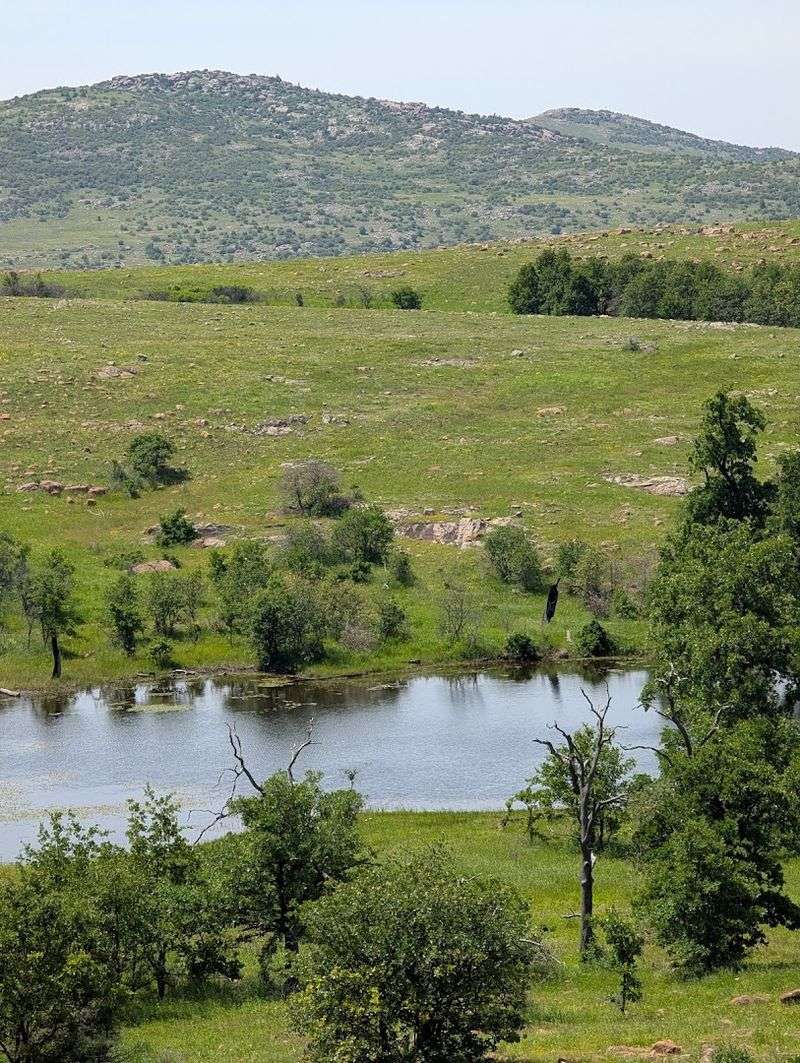
Spending a night close to the wilderness area dramatically changes how you experience the Wichita Mountains. Several developed campgrounds operate within the Wichita Mountains Wildlife Refuge, offering tent and RV sites within easy driving distance of the main wilderness trailheads.
Doris Campground and Sunset Campground are two of the more popular options, both managed by the U.S. Fish and Wildlife Service.
Reservations are recommended during spring and fall when visitation peaks, especially on weekends.
Backcountry camping is regulated, and visitors should check current permit requirements with the refuge before planning an overnight stay. The permit system helps protect the ecosystem while keeping access open for backcountry enthusiasts.
Waking up inside or immediately adjacent to the wilderness at first light, with bison sounds drifting in from somewhere nearby and the granite peaks turning pink with sunrise, is an experience that sits in a different category from a standard campground stay.
The developed campgrounds also serve as good base camps for exploring the wider refuge during your stay, giving you multiple days to cover different sections of trail without rushing through any of them.
The Best Seasons to Plan Your Trip
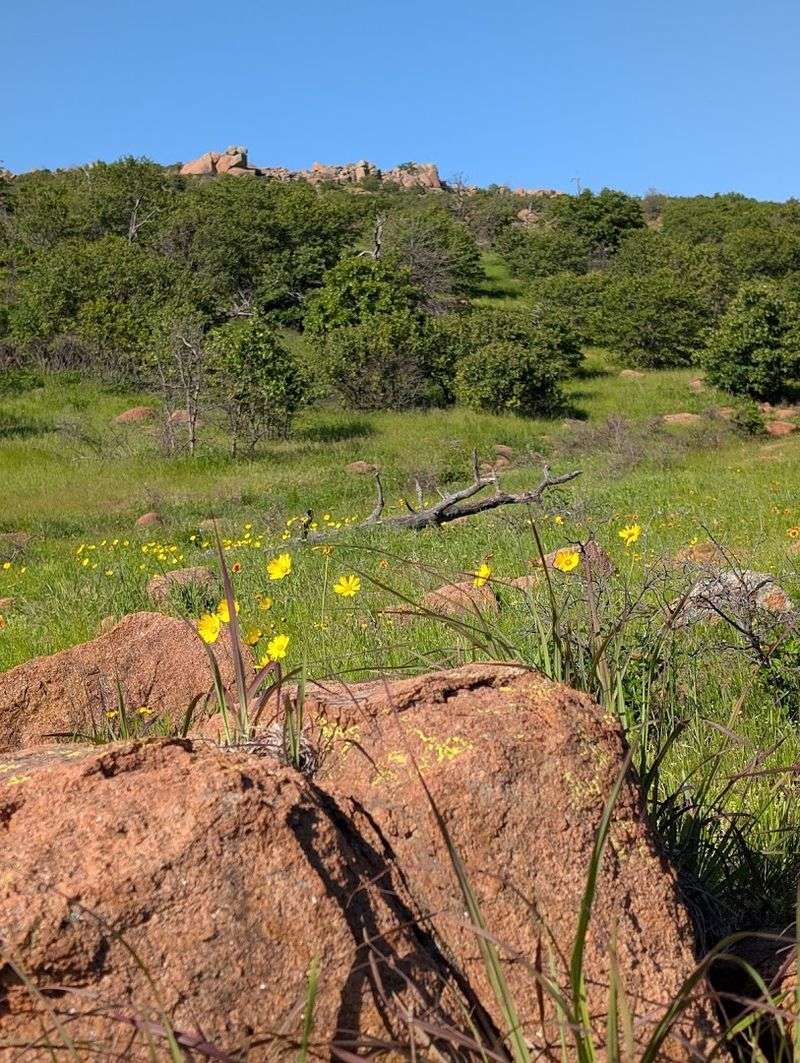
Spring and fall are widely considered the ideal seasons for visiting the Wichita Mountains Wilderness, and the reasons are straightforward. Temperatures stay comfortable for hiking, wildflowers or fall colors add visual interest, and the light quality during those months tends to be exceptional.
Spring runs roughly from late March through May and brings the most dramatic wildflower displays, along with active wildlife behavior including bison calves and nesting birds. Trails can be muddy after rain, so checking conditions before heading out is worth the effort.
Fall, particularly October and early November, delivers cooler temperatures and a quieter atmosphere as summer crowds thin out. The grasses turn gold and rust, and the contrast against the dark granite creates a color palette that is hard to beat anywhere in Oklahoma.
Summer visits are absolutely possible but require real preparation. Heat on exposed ridgelines can be intense between late June and August, and starting hikes before 8 a.m. is not just a suggestion but a practical necessity.
Winter brings its own quiet appeal, with low visitation, clear sightlines through bare vegetation, and occasional frost on the boulders that makes the landscape look entirely different from any other time of year.
Why the Wilderness Designation Matters So Much
The word wilderness carries legal weight in the United States, and at the Wichita Mountains that weight translates directly into what you experience on the trail. The 1970 designation under the Wilderness Act means this land is permanently protected from roads, motorized access, and commercial development.
That protection has preserved an ecosystem that would otherwise be very difficult to find in the southern plains. The combination of ancient geology, native grassland, and diverse wildlife all functioning together without significant human interference is genuinely rare this close to populated areas of Oklahoma.
The designation also means that restoration happens on nature’s own timeline. Erosion, plant succession, and animal movement all occur without the kind of intervention that changes how wild a place feels to visitors.
Supporting wilderness areas through responsible visitation is one of the most direct ways hikers and outdoor enthusiasts can contribute to long-term conservation. Staying on marked trails, camping only in designated spots, and leaving no trace all add up to meaningful impact over time.
Places like the Wichita Mountains Wilderness remind us that some of the most valuable land in the country is not the most famous or the most visited, but the most carefully protected, and that careful protection is exactly what keeps them worth visiting at all.
Dear Reader: This page may contain affiliate links which may earn a commission if you click through and make a purchase. Our independent journalism is not influenced by any advertiser or commercial initiative unless it is clearly marked as sponsored content. As travel products change, please be sure to reconfirm all details and stay up to date with current events to ensure a safe and successful trip.
