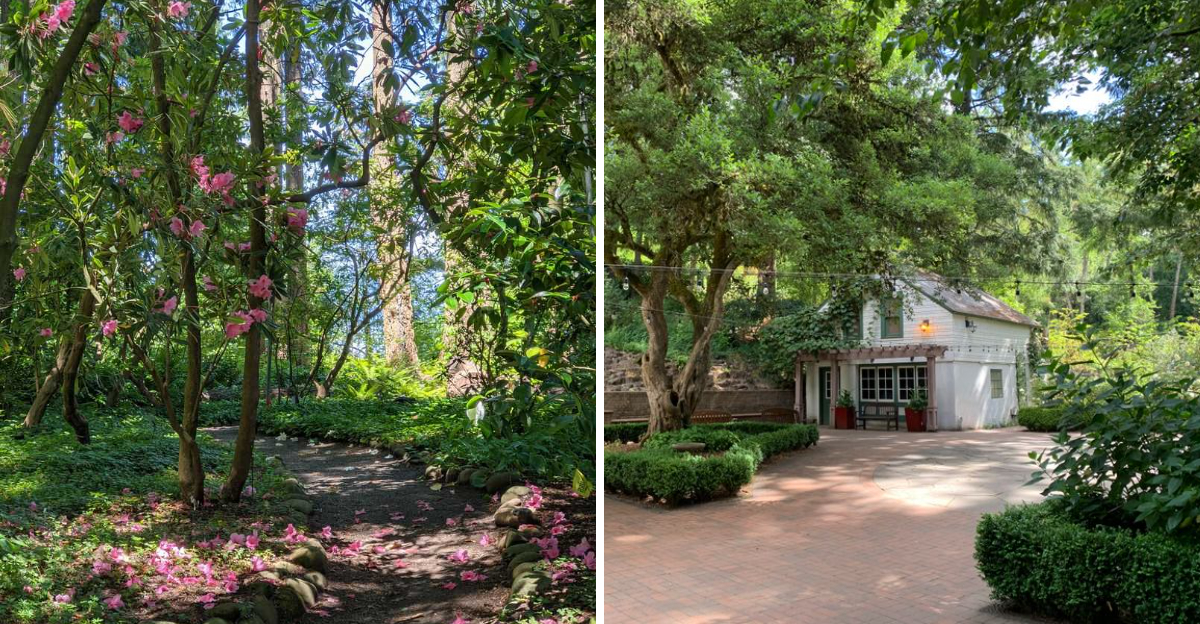
Tucked into Southeast Portland, Oregon, a 16-acre hidden gem waits to steal your heart. Leach Botanical Garden feels like stepping into a storybook, with towering trees, a babbling creek, and winding trails that beg to be explored.
Originally the private paradise of two plant-obsessed botanists in the 1930s, it’s grown into one of the most peaceful spots in the state. Over 2,000 plant species, a sky-high tree walk, and a stone cabin straight out of a fairy tale make this place pure magic.
I stumbled in on a rainy Tuesday and immediately wondered why I’d waited so long. The best part?
Even in the city, it feels like a secret hideaway. You can wander for hours without seeing another soul.
Pack your curiosity and camera – this garden delivers views that will make your Instagram followers insanely jealous. One visit, and you’ll already be planning your next trip back.
A Love Story Rooted in Botany
John and Lilla Leach weren’t just garden enthusiasts. They were full-blown plant detectives who spent decades collecting rare species from across the Pacific Northwest.
Starting in 1931, they transformed a modest 4.7-acre plot into what they affectionately called their Sleepy Hollow, a living laboratory bursting with botanical treasures. For 36 years, this dynamic duo nurtured their Eden with the kind of devotion most people reserve for their favorite pets.
Lilla even discovered five new plant species during her adventures, cementing her legacy as a serious scientist. Their passion wasn’t just about pretty flowers but about preserving the natural heritage of Oregon for future generations.
When the City of Portland took over the property in 1972, it honored the Leaches’ vision by opening the garden to the public. Today, visitors walk the same trails John and Lilla once tended, experiencing the same sense of wonder they felt every single day.
Their story reminds us that true love can bloom in the most unexpected places, especially when it involves dirt under your fingernails.
Johnson Creek’s Gentle Soundtrack
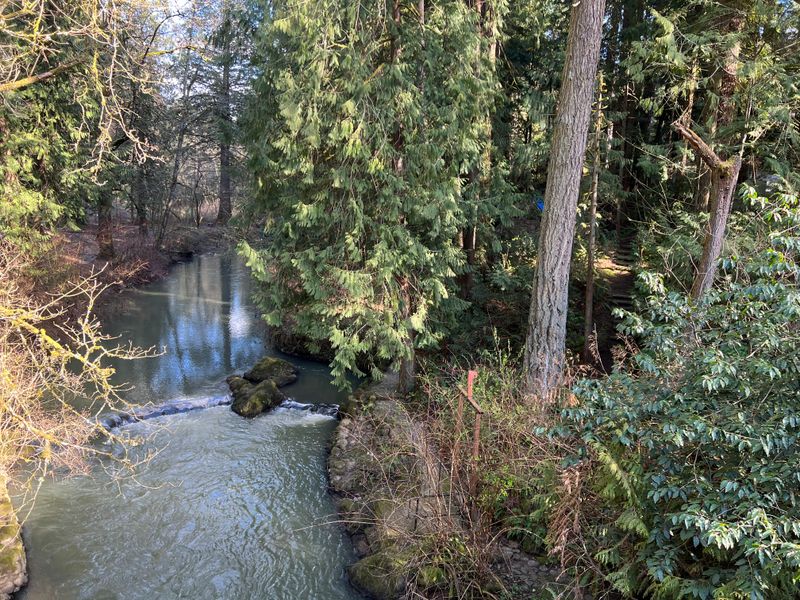
Johnson Creek meanders through the garden like a liquid ribbon, providing the soundtrack to your entire visit. The gentle gurgling creates an instant sense of calm that makes city stress melt away faster than ice cream on a summer day.
I found myself stopping every few minutes just to listen to the water tumble over smooth stones.
The creek supports a thriving riparian ecosystem that’s home to birds, insects, and even the occasional banana slug making its slow-motion journey across the path.
During spring, the water level rises, creating a more dramatic flow that adds extra energy to the already vibrant landscape. In drier months, the creek becomes a peaceful trickle that invites quiet contemplation.
Several footbridges cross the water, offering perfect photo opportunities and chances to spot wildlife below. The combination of flowing water and towering trees creates microclimates throughout the garden, allowing different plant communities to flourish.
It’s nature’s version of a perfectly orchestrated symphony, and you get a front-row seat to every performance without paying a single cent beyond the modest admission fee.
Walking Among the Giants on the Aerial Tree Walk
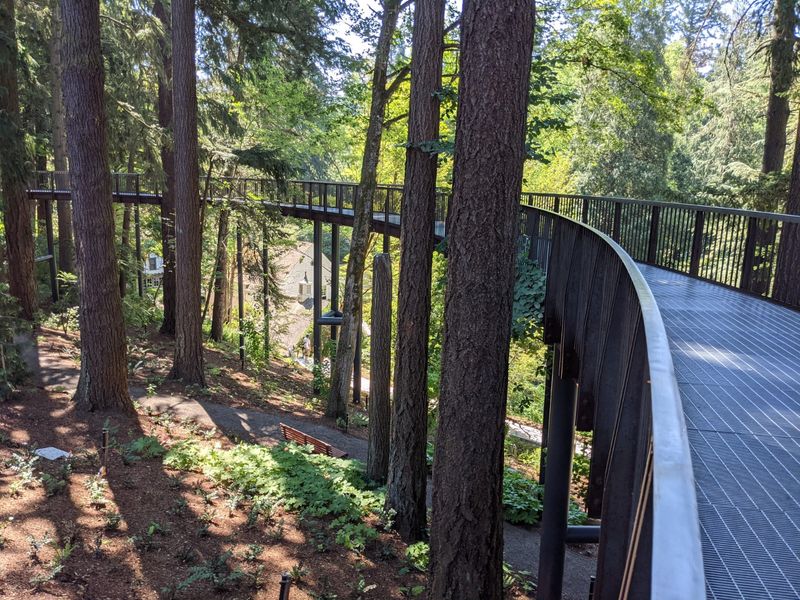
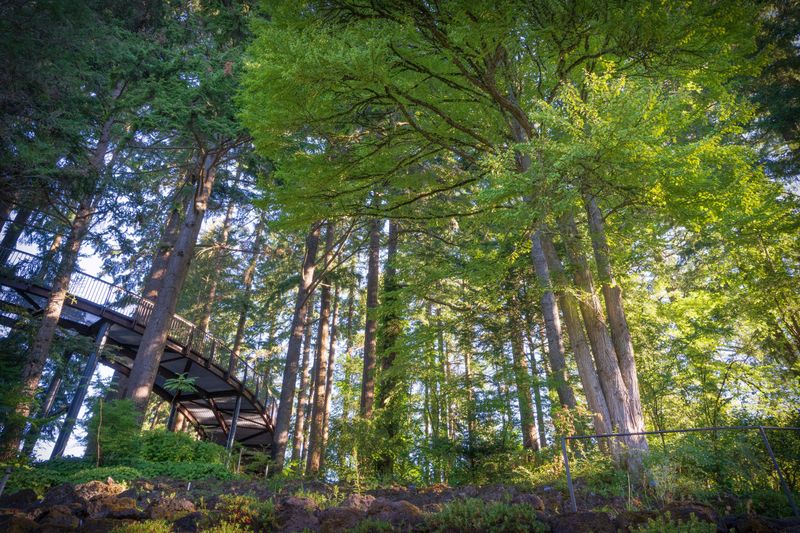
The Aerial Tree Walk launched me into the canopy like I’d sprouted wings. This elevated pathway circles a majestic grove of Douglas Firs, lifting you roughly 10 feet off the ground for a perspective most people never experience.
Suddenly, I was eye-level with branches, bird nests, and leaves that usually exist only in my peripheral vision. The circular design means you can loop around multiple times, discovering new details with each pass.
Morning light filters through the needles differently than afternoon sun, creating constantly changing patterns on the forest floor below.
The structure itself blends seamlessly into the landscape, proving that modern engineering can enhance rather than intrude upon natural beauty.
What struck me most was the absolute silence up there, broken only by birdsong and wind rustling through the treetops. Kids love racing around the loop while adults tend to move slower, savoring the unusual vantage point.
The tree walk opened in recent years and quickly became the garden’s signature attraction, offering accessibility to parts of the forest ecosystem that were previously invisible to ground-dwelling visitors like me.
The Enchanted Stone Cabin
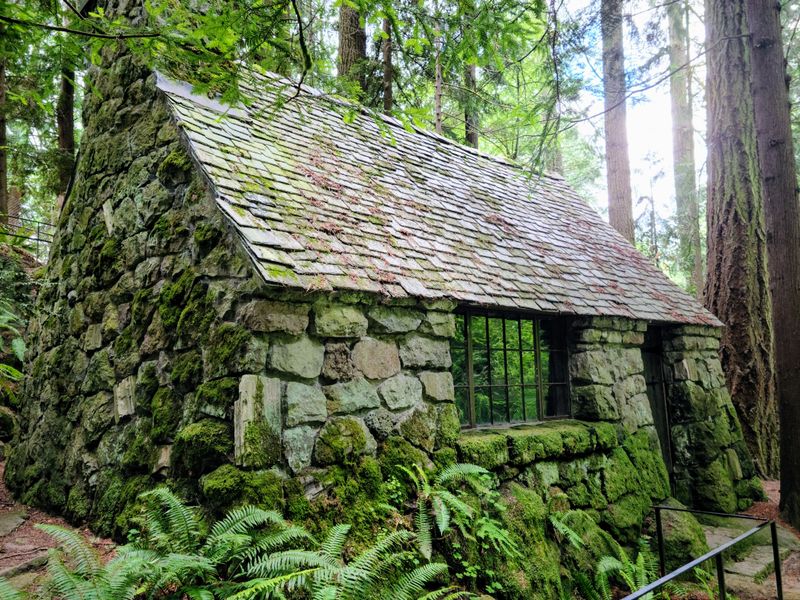
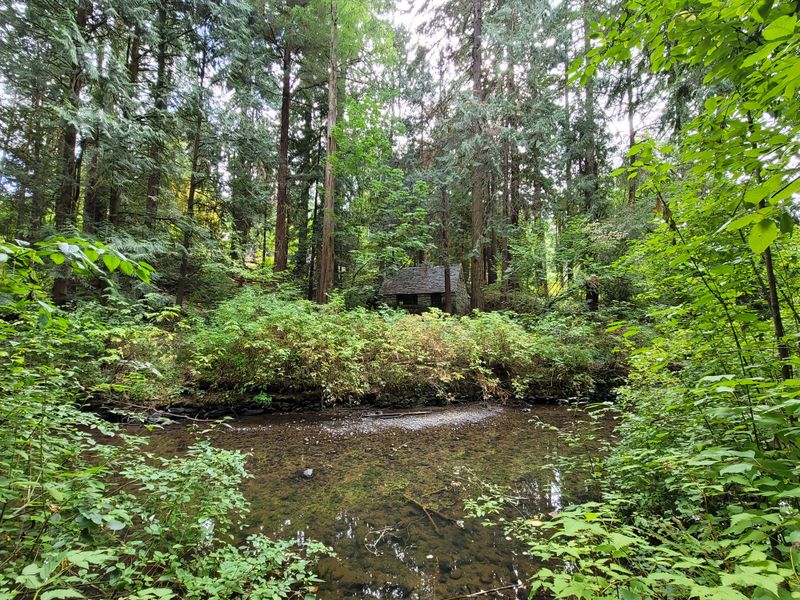
Tucked into the lower garden sits a stone cabin so charming it practically begs you to knock on the door and ask if Hansel and Gretel are home. Built in the 1930s by the Leaches themselves, this structure served as their retreat and workspace during their botanical adventures.
The craftsmanship speaks to a slower era when people built things to last centuries rather than decades. Moss clings to the stones like fuzzy green wallpaper, and ferns crowd around the foundation as if trying to peek through the windows.
The cabin’s fairy-tale appearance makes it wildly popular for wedding photos, and I completely understand why. It radiates a storybook magic that’s increasingly rare in our modern world.
While you can’t go inside during regular visits, the exterior alone justifies the trip down the winding trail that leads to it.
The cabin sits in a particularly lush section of the garden where shade-loving plants thrive in the cool, damp microclimate.
Standing there, I felt transported to another time, imagining John and Lilla cataloging their latest discoveries by lamplight while rain pattered on the roof above them.
A Plant Collection That Defies Belief
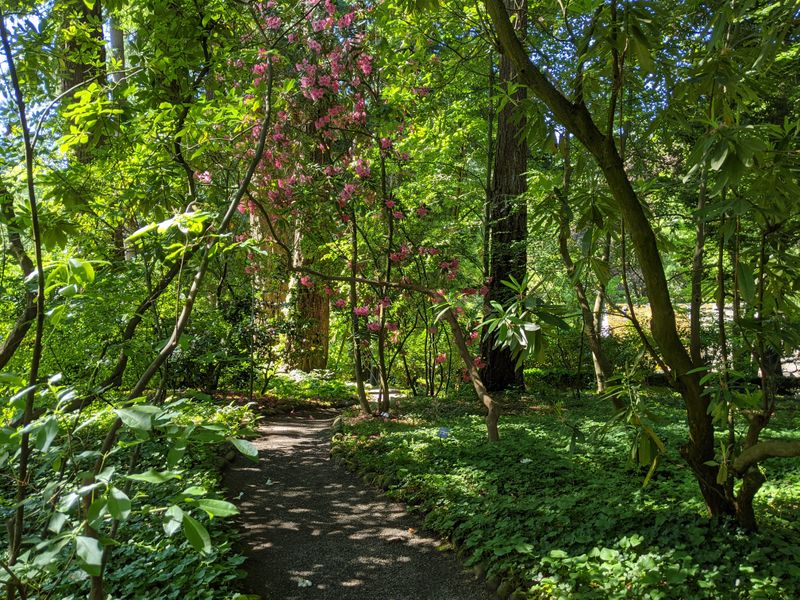
Over 2,000 plant species call this garden home, creating a living encyclopedia that would take weeks to fully explore. The collection spans native Pacific Northwest species, exotic imports, and everything in between.
Ferns unfurl their prehistoric fronds in shaded corners while rhododendrons explode with color during their peak blooming season. The camellia collection alone could occupy an entire afternoon of admiration.
These glossy-leaved beauties bloom during winter months when most gardens look dormant and depressing. I visited in February and was stunned to find vibrant pink and red blossoms defying the gray Oregon skies overhead.
What makes the collection special isn’t just quantity but the thoughtful way plants are grouped to showcase relationships between species and create year-round interest.
Spring brings trilliums and other woodland wildflowers, summer highlights the pollinator garden’s riotous colors, autumn offers foliage drama, and winter reveals the garden’s structural bones.
The Leaches’ original plantings still thrive alongside newer additions, creating layers of history you can literally walk through. Every visit reveals something previously overlooked, making repeat trips feel like treasure hunts rather than repetitive strolls.
The Back 5 Restoration Project
Five acres of former agricultural land sat neglected for years, choked with invasive species that threatened to overrun the entire property. The garden staff and volunteers tackled this challenge head-on, launching an ambitious restoration project to reclaim the space.
They ripped out blackberry brambles, removed non-native plants, and began the slow process of rebuilding a healthy forest ecosystem from scratch. Today, the Back 5 represents hope in action.
Native trees are establishing themselves, understory plants are filling in, and wildlife is returning to reclaim lost habitat.
The transformation from wasteland to woodland demonstrates what’s possible when humans work with nature rather than against it.
Walking these newer trails feels different from exploring the historic lower garden. Everything here pulses with youthful energy as plants race to fill available niches and create the complex layering that characterizes mature forests.
The project continues evolving, meaning each visit shows measurable progress. I love knowing my admission fee helps fund this important work, turning a casual garden stroll into active participation in ecological restoration happening right here in Oregon.
The Pollinator Garden Buzzes With Life
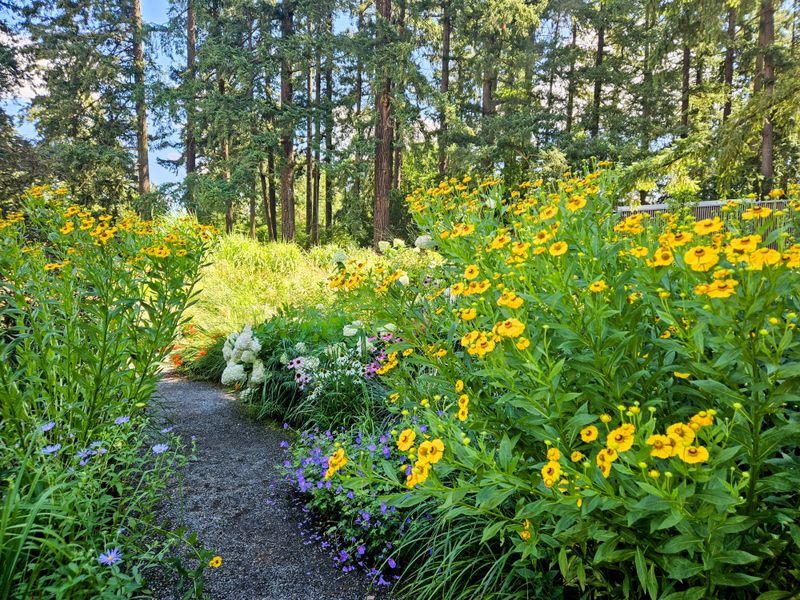
Dedicated to the hardworking insects and birds that keep ecosystems functioning, the pollinator garden explodes with color from spring through fall. Native wildflowers, ornamental perennials, and carefully selected shrubs create a buffet that attracts bees, butterflies, and hummingbirds in droves.
The constant motion of wings and the gentle hum of busy pollinators create an atmosphere of productive chaos.
I watched a hummingbird defend its favorite flower patch from competitors, diving and chittering with an aggression that seemed hilariously disproportionate to its tiny size.
Bumblebees tumbled from bloom to bloom, their fuzzy bodies dusted yellow with pollen. Butterflies floated past like animate flower petals that had decided to explore the world beyond their stems.
The garden’s design emphasizes four-season interest, ensuring pollinators find resources throughout their active periods. Early spring bulbs feed the first emerging bees, summer perennials provide peak abundance, and late-blooming asters sustain insects preparing for winter.
Educational signage helps visitors understand the critical role these creatures play in food production and ecosystem health.
It’s conservation education disguised as a beautiful garden, and the lessons stick because they’re delivered through direct observation rather than dry lectures.
An Urban Oasis That Feels Miles From Civilization
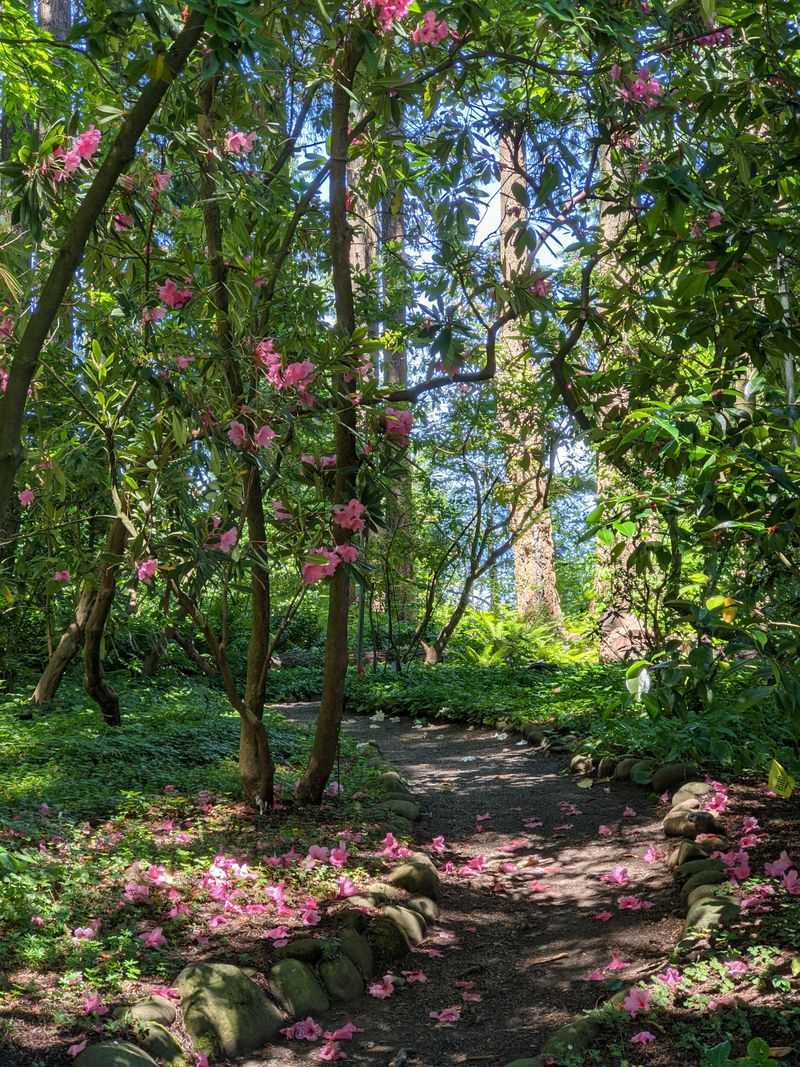
Located at 6704 SE 122nd Ave, Portland, OR 97236, the garden occupies a pocket of tranquility that seems impossible given its urban coordinates. Traffic noise fades the moment you step onto the trails, replaced by bird calls and rustling leaves.
The topography and dense plantings create effective sound barriers that make the outside world feel distant and irrelevant.
I’ve visited on weekday mornings when I had entire sections to myself, wandering in solitude that felt almost surreal.
Even on busier weekend afternoons, the property’s 16 acres absorb visitors without feeling crowded. People naturally spread out, drawn to different areas based on personal interests and energy levels.
This hidden quality makes the garden feel like a secret discovery rather than a tourist destination. Locals mention it with a protective pride, happy to share but hoping it won’t become overrun with crowds.
The garden’s relative obscurity compared to more famous Portland attractions works in visitors’ favor, preserving the peaceful atmosphere that makes it so special. It’s proof that sometimes the best experiences hide in plain sight, waiting for curious souls willing to venture slightly off the beaten path to find them.
Community Hub for Weddings, Workshops, and Wonder
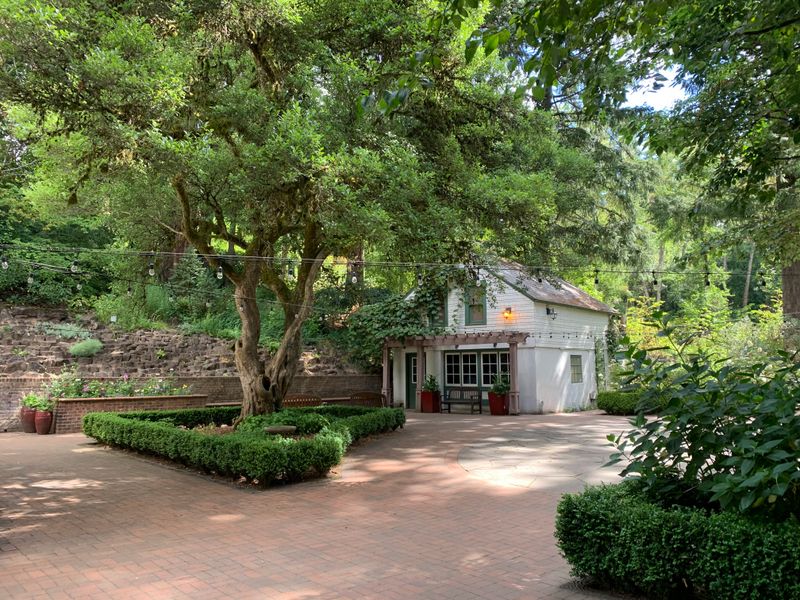
Beyond serving as a public garden, this space functions as a vibrant community gathering place. Weddings unfold beneath towering trees, with the stone cabin and aerial tree walk providing backdrop magic that no decorator could replicate.
Educational workshops teach everything from plant identification to sustainable gardening practices, connecting people with botanical knowledge in hands-on ways.
The garden hosts seasonal events that celebrate natural cycles and cultural traditions.
I attended a spring plant sale where volunteers shared propagation tips while I loaded my car with ferns and native perennials. The enthusiasm was contagious, turning a simple transaction into a masterclass on Pacific Northwest gardening.
School groups visit regularly, giving kids direct contact with nature that’s increasingly rare in screen-dominated childhoods.
The staff clearly understands that gardens serve purposes beyond aesthetics, functioning as outdoor classrooms and community anchors that strengthen social bonds.
Note that the garden closes Mondays and Tuesdays, so plan accordingly. Operating hours run from 10 AM to 4 PM Wednesday through Sunday, giving you plenty of daylight to explore.
This place proves that botanical gardens aren’t stuffy museum spaces but living, breathing community assets that grow richer through shared experiences and collective care.
Dear Reader: This page may contain affiliate links which may earn a commission if you click through and make a purchase. Our independent journalism is not influenced by any advertiser or commercial initiative unless it is clearly marked as sponsored content. As travel products change, please be sure to reconfirm all details and stay up to date with current events to ensure a safe and successful trip.
