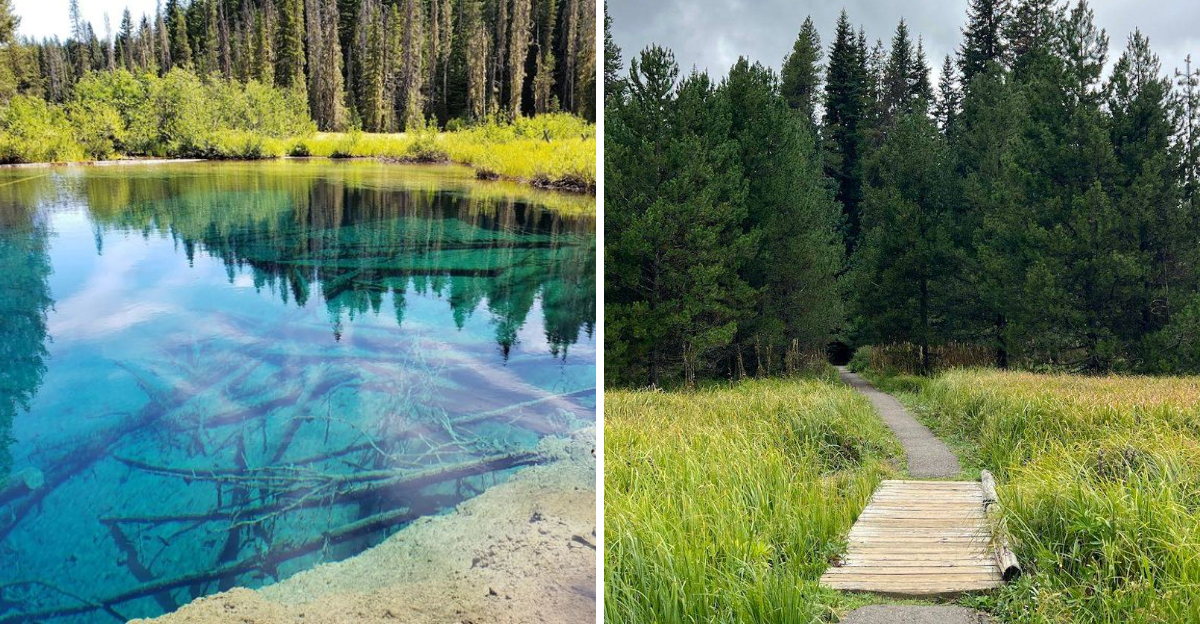
I’ve been keeping a little secret that I can’t wait to share: a tucked-away pool in Oregon that stays a steady 34 degrees all year long. The moment I dipped my toes in, the water felt like a cool, velvety whisper against my skin, inviting me to stay longer.
The setting is straight out of a dream – surrounded by towering pines, with the surface shimmering like glass under the sun. Even in the heat of summer, the pool stays perfectly chilly.
It offers a refreshing break that feels almost otherworldly. I walked out feeling refreshed, energized, and a little amazed at how nature can craft such a perfect, hidden sanctuary.
If you love discovering spots that feel both secret and spectacular, this is the kind of experience you’ll want to recommend to every friend.
What Little Crater Lake Actually Is
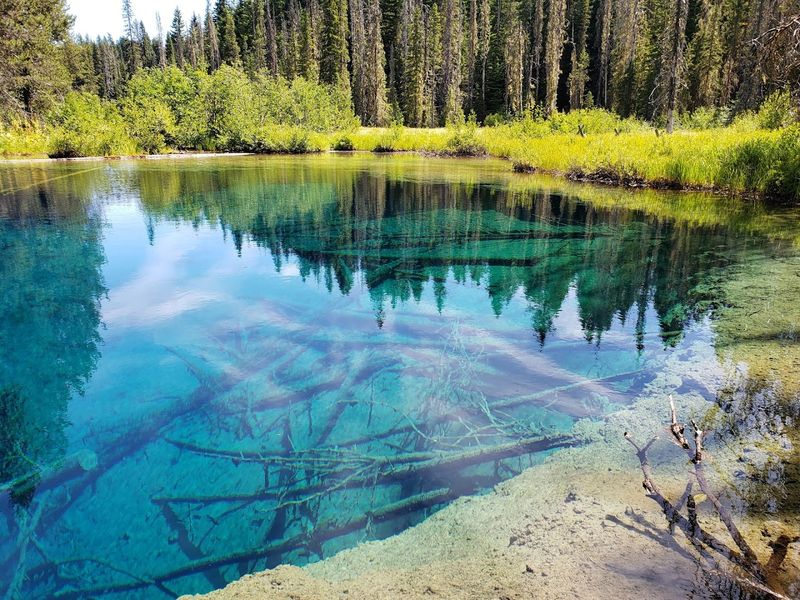
Most people expect a towering mountain lake when they hear the name, but Little Crater Lake surprises you with its intimacy. It is not enormous.
The pool is compact, almost perfectly round, and sits right at ground level like nature carved it out with a careful hand.
Geologically, it formed through artesian spring activity, where pressurized groundwater pushes up through porous rock layers and fills the basin. That process is why the water stays so cold and so clear year round.
There is no sediment stirring things up, no algae clouding the view.
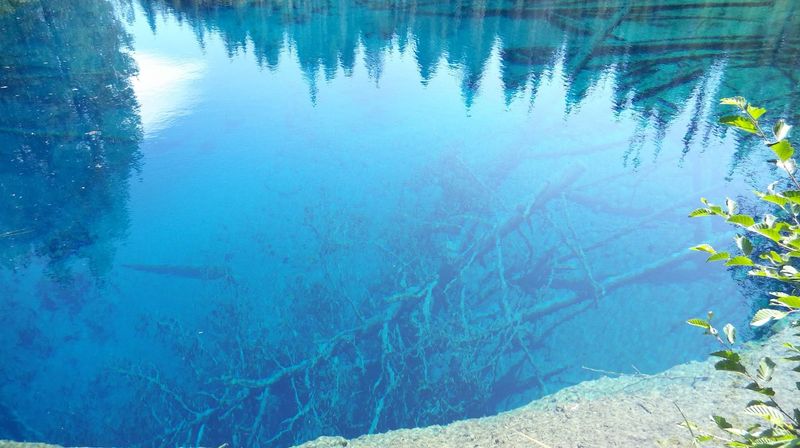
The depth reaches about 45 feet, which is genuinely shocking given how small the surface area looks. Standing at the edge and looking straight down into that electric blue water feels disorienting in the best possible way.
Your brain keeps telling you the bottom must be shallow because the visibility is so good. It never is.
Little Crater Lake is a true geological oddity hiding in plain sight inside one of Oregon’s most beloved national forests.
The Color of the Water Will Mess With Your Head
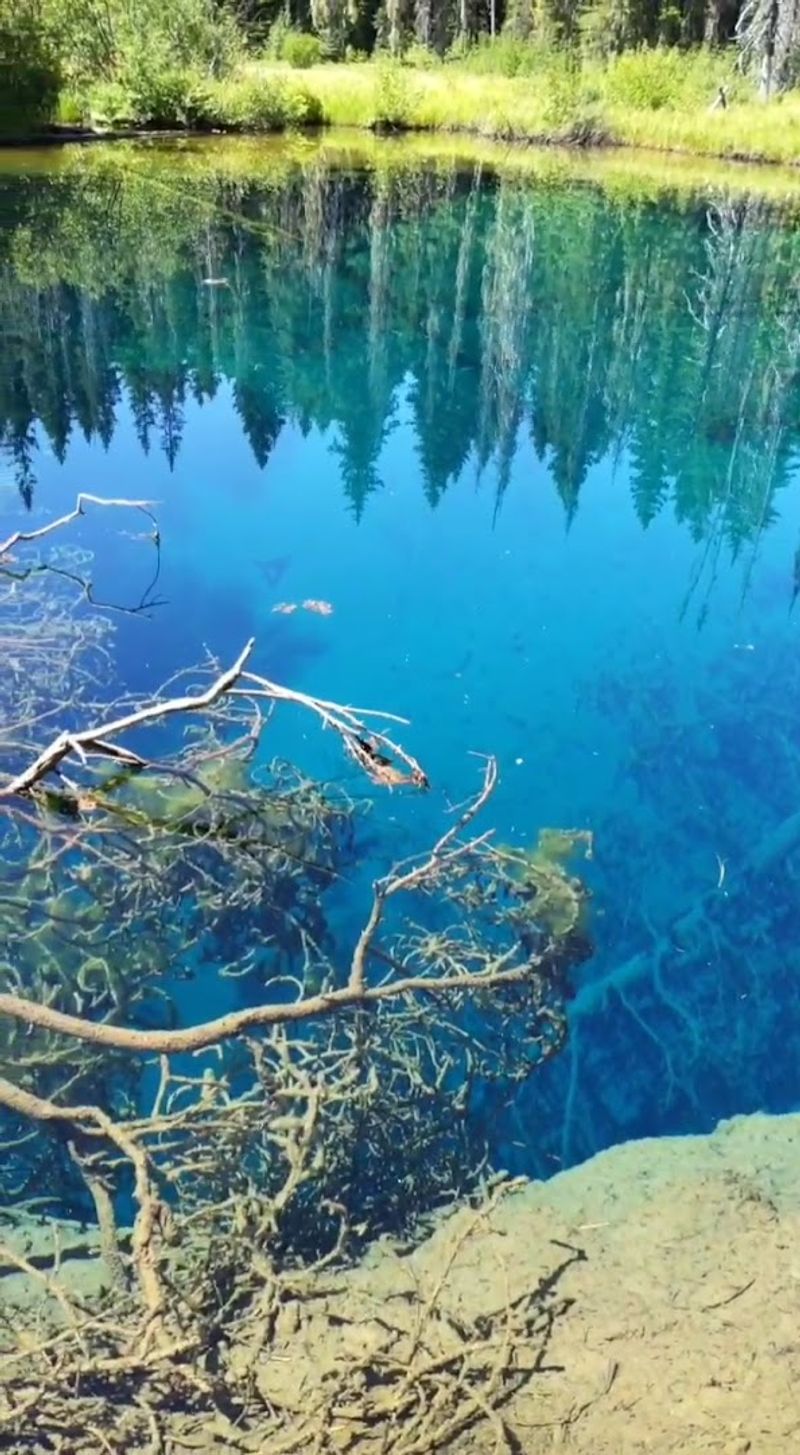
No photograph does it justice. That is not a complaint about photography skills.
It is just a fact that every visitor seems to discover the moment they arrive and pull out their phone.
The water shifts between a deep cobalt blue in the center and a bright aquamarine near the shallower edges. On a sunny day, those colors intensify until the whole pool looks like it belongs somewhere in the Caribbean rather than the forests of Oregon.
The clarity is almost unsettling, because your eyes keep expecting to find a bottom that looks much closer than it actually is.
The reason for the color comes down to the water’s purity and depth. Ultra-clear water absorbs red wavelengths of light and scatters blue ones, creating that signature hue that makes visitors stop mid-sentence.
I stood there for a solid few minutes just letting my brain catch up to what my eyes were seeing. Bring polarized sunglasses if you have them.
They cut the glare and make the colors pop even harder.
The Year-Round 34-Degree Temperature Explained
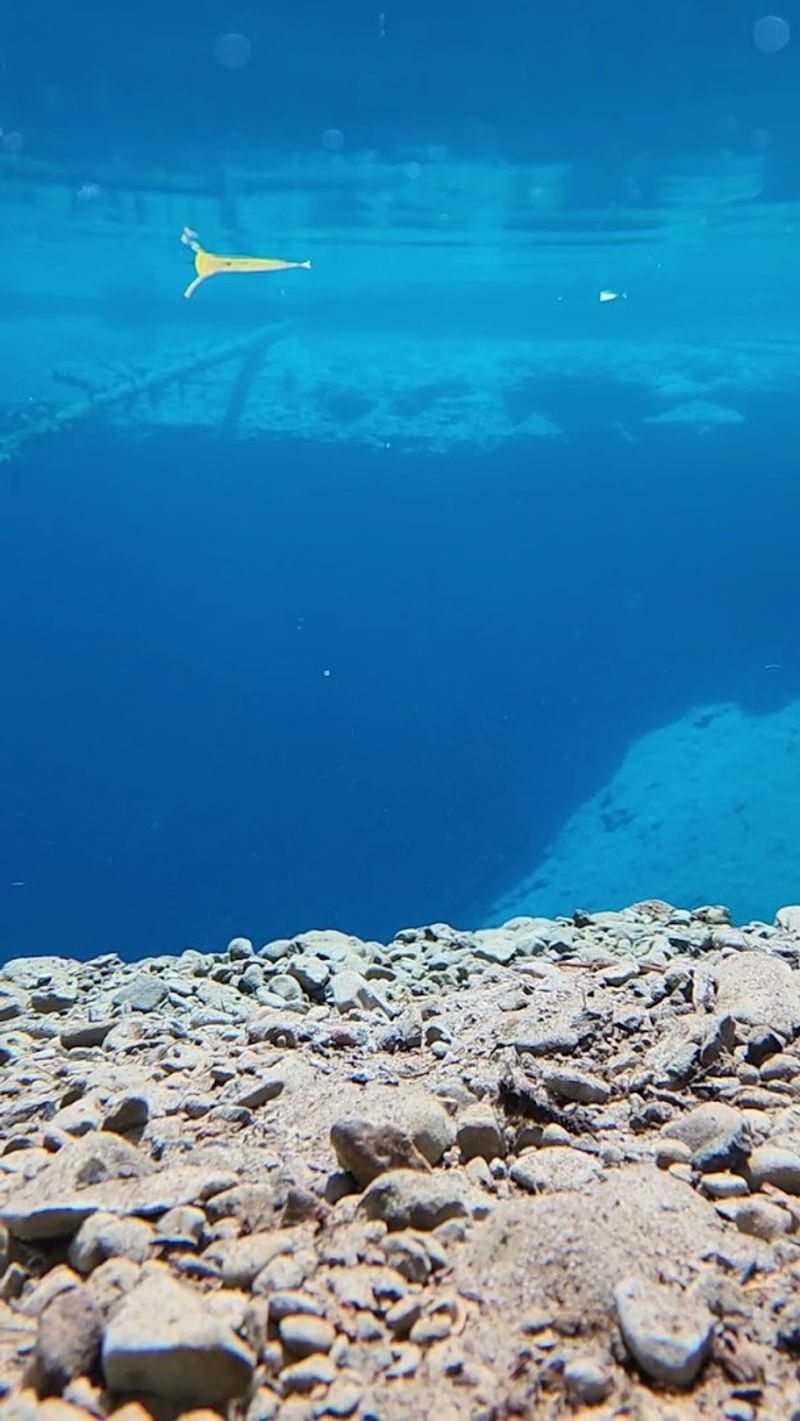
The temperature thing sounds like a fun trivia fact until you actually dip your hand in. Then it becomes very, very real.
The water is shockingly cold, sitting at a constant 34 degrees Fahrenheit no matter what season you visit.
That consistency comes from the artesian spring feeding the lake. The water originates deep underground, insulated from surface temperatures by layers of rock and soil.
By the time it reaches the surface, it has been chilled by the earth itself and carries none of the warmth from summer air or sunlight above.
Swimming is not permitted here, which honestly makes a lot of sense once you feel that cold. Even a quick hand dip gives you an instant reminder of just how extreme that temperature is.
Some visitors have noted that the water right at the very edge, where it meets sunlight in the shallows, feels marginally less brutal. Still cold.
Just slightly less so. The temperature is part of what keeps the lake so pristine, since most organisms simply cannot survive or grow in water that consistently frigid.
Getting There: The Trail Is Easier Than You Think
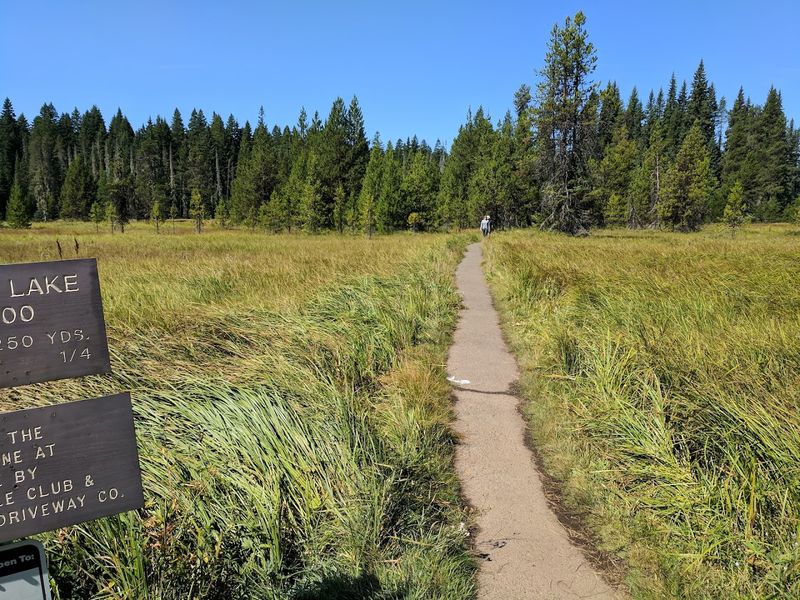
The hike to Little Crater Lake is genuinely one of the most accessible trails in all of Mount Hood National Forest. It clocks in at roughly 250 yards from the parking area, which takes about five minutes at a relaxed pace.
Flat the whole way, no elevation gain, no scrambling required.
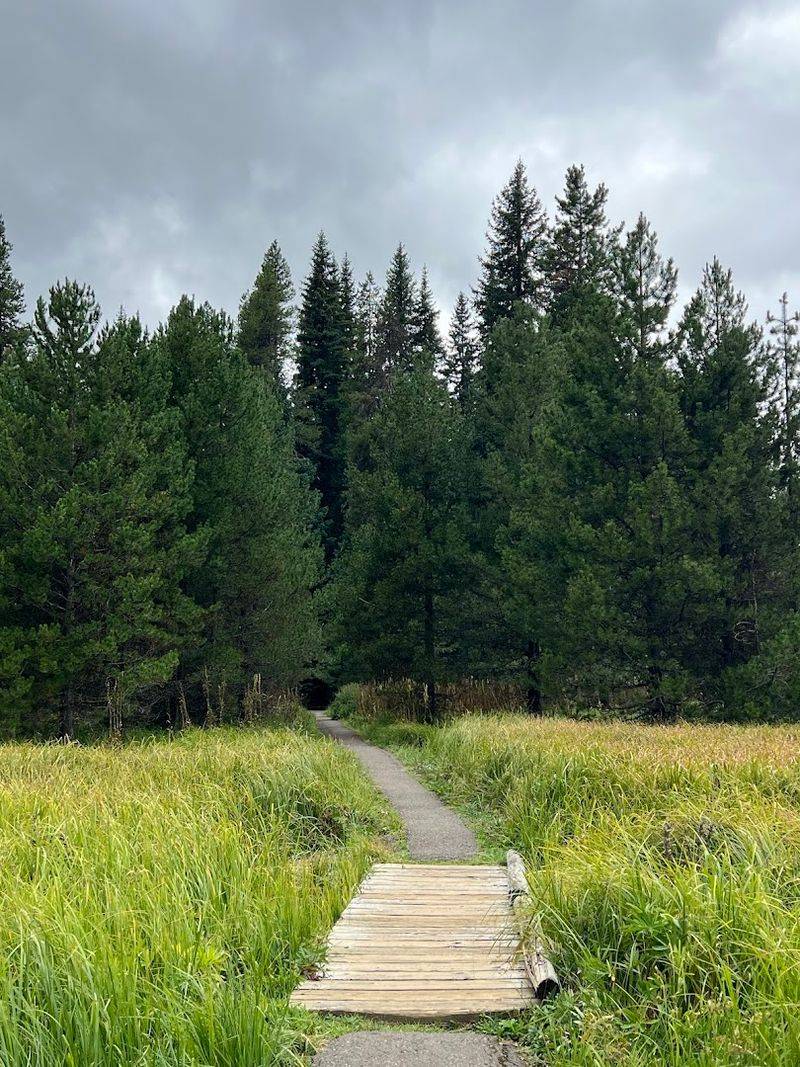
The path moves through a beautiful open meadow before entering a small stand of trees, and then suddenly the lake appears in front of you. That transition from meadow light to forest shade to electric blue water creates a little moment of drama that makes the reveal feel earned, even on a short walk.
Families with young kids do great here. People with mobility limitations often find it manageable too.
The trail connects at its far end to the Pacific Crest Trail, so if you want to keep walking after visiting the lake, the option is right there waiting. Just be aware that the viewing platform near the lake has reportedly been in rough shape in recent years.
So watch your step and stay alert around older wooden structures near the water’s edge.
Little Crater Campground: Sleeping Next to Something Special
Spending a night at Little Crater Campground puts you about as close to the lake as you can legally get. The campground sits right inside the same loop, meaning you could theoretically walk to the water in your camp sandals before breakfast.
That kind of access is hard to beat.
Campsites are shaded by tall conifers, and the overall vibe is quiet and woodsy. The campground does get busy during peak summer months, partly because word about the lake has spread significantly over the past few years.
Arriving early or booking ahead makes a real difference.
The camp host on-site has generally been described as friendly and helpful, which adds a nice layer of comfort for first-time visitors. Bathrooms are on-site and tend to be well-maintained when traffic is moderate, though heavy use days can push things in the other direction.
Choosing a site a bit further from the parking lot usually means a quieter experience overall.
Day Use Fees and Parking: What to Know Before You Go
Before you pull into the parking area, know that a day use fee applies to enter the campground and access the lake. The fee collection is taken seriously on-site, and vehicles without payment have been ticketed.
Paying before you park is simply the right move.
The parking area near the trailhead fits somewhere between six and ten vehicles depending on how people park. It fills up faster than you might expect on summer weekends, especially during late morning and early afternoon.
Arriving before 9 a.m. gives you a much better shot at a spot and often means you get the lake to yourself for at least a little while.
If the lot is full, there are a few pull-off spots along the road outside the campground where visitors can park and walk in. That adds a little distance but nothing unreasonable.
Standard national forest passes from other sites do not always cover this specific location. So double-check before assuming your existing pass will work here.
It is a small detail that saves you from a frustrating surprise at the entrance.
The Meadow Walk: A Slow-Down Moment Before the Lake
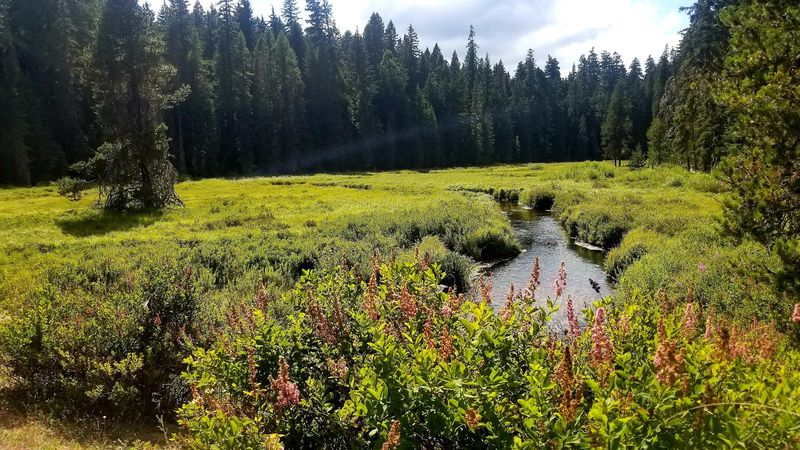
The short walk to the lake passes through a meadow that deserves more attention than it usually gets. Corn lilies grow in thick clusters along the path, their broad leaves catching morning light in a way that feels almost theatrical.
It is a genuinely lovely stretch of trail even before the lake comes into view.
Early summer brings the meadow to life with lush green growth, while late summer starts to show golden edges on the grasses and lilies. Either way, the meadow creates a natural buffer between the parking lot and the lake that makes the whole experience feel more intentional, like the landscape is building toward something.
I noticed on my visit that slowing down in the meadow, rather than rushing straight to the water, made the eventual reveal of the lake feel more satisfying. The meadow earns its place in the experience.
Do not just speed-walk past it to get to the main attraction.
Connecting to the Pacific Crest Trail
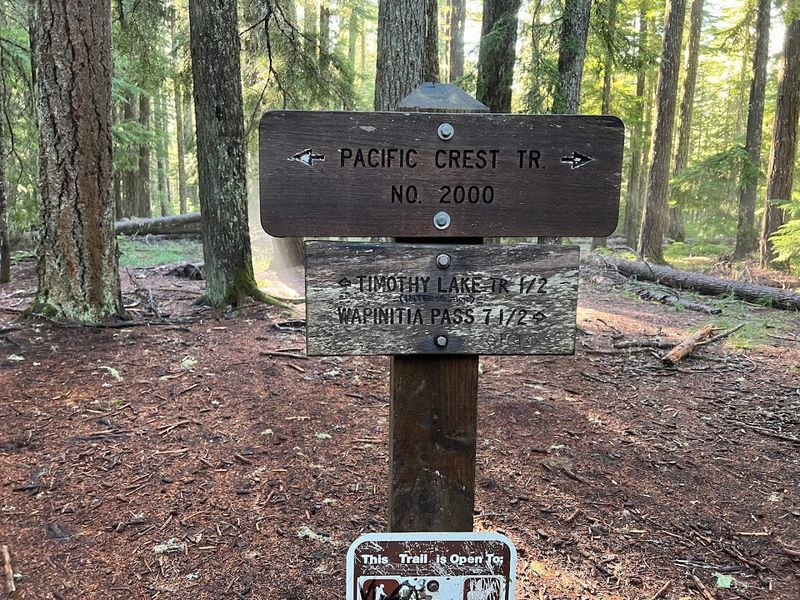
One of the underrated bonuses of visiting Little Crater Lake is the trail connection to the Pacific Crest Trail sitting just beyond the lake. After you have spent time at the water, you can simply keep walking and find yourself on one of the most famous long-distance trails in the entire country.
The PCT stretch near Little Crater Lake winds through dense forest with a quiet, unhurried atmosphere that feels completely different from the open meadow near the parking area. Even a short walk along the PCT adds depth to the visit and gives you a taste of the larger wilderness surrounding the lake.
You do not need to be a thru-hiker to enjoy this section. A mile or two out and back is enough to feel the scale of the forest and appreciate the solitude.
The trail is well-maintained in this area and connects to longer routes if you want to extend your day significantly.
Photography Tips for Capturing the Impossible Color
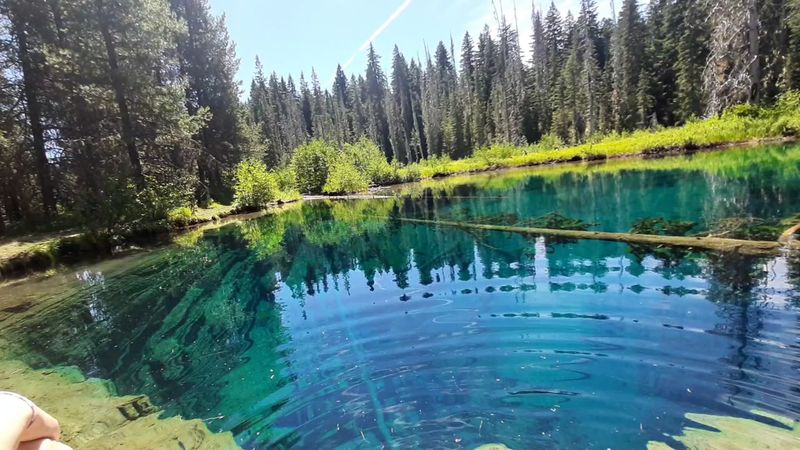
Getting a photo that even remotely captures what Little Crater Lake looks like in person is a genuine challenge. The color is so saturated and the depth so visible that cameras tend to flatten or slightly misrepresent what you are actually seeing with your own eyes.
Morning light is your best friend here. When the sun is lower and hitting the water at an angle, the blue and turquoise tones come alive in a way that midday overhead light cannot replicate.
Arriving around 9 or 10 a.m. on a clear day puts you in the best position for natural light photography.
Polarized lens filters help cut surface glare and allow more of the underwater depth to show in your images. Shooting from a slightly lower angle, crouching near the water’s edge rather than standing upright, also helps foreground the color and depth together.
Video tends to capture the experience better than stills, since the movement of light across the surface communicates the shimmer that photos often lose.
Why Little Crater Lake Belongs on Your Oregon Bucket List
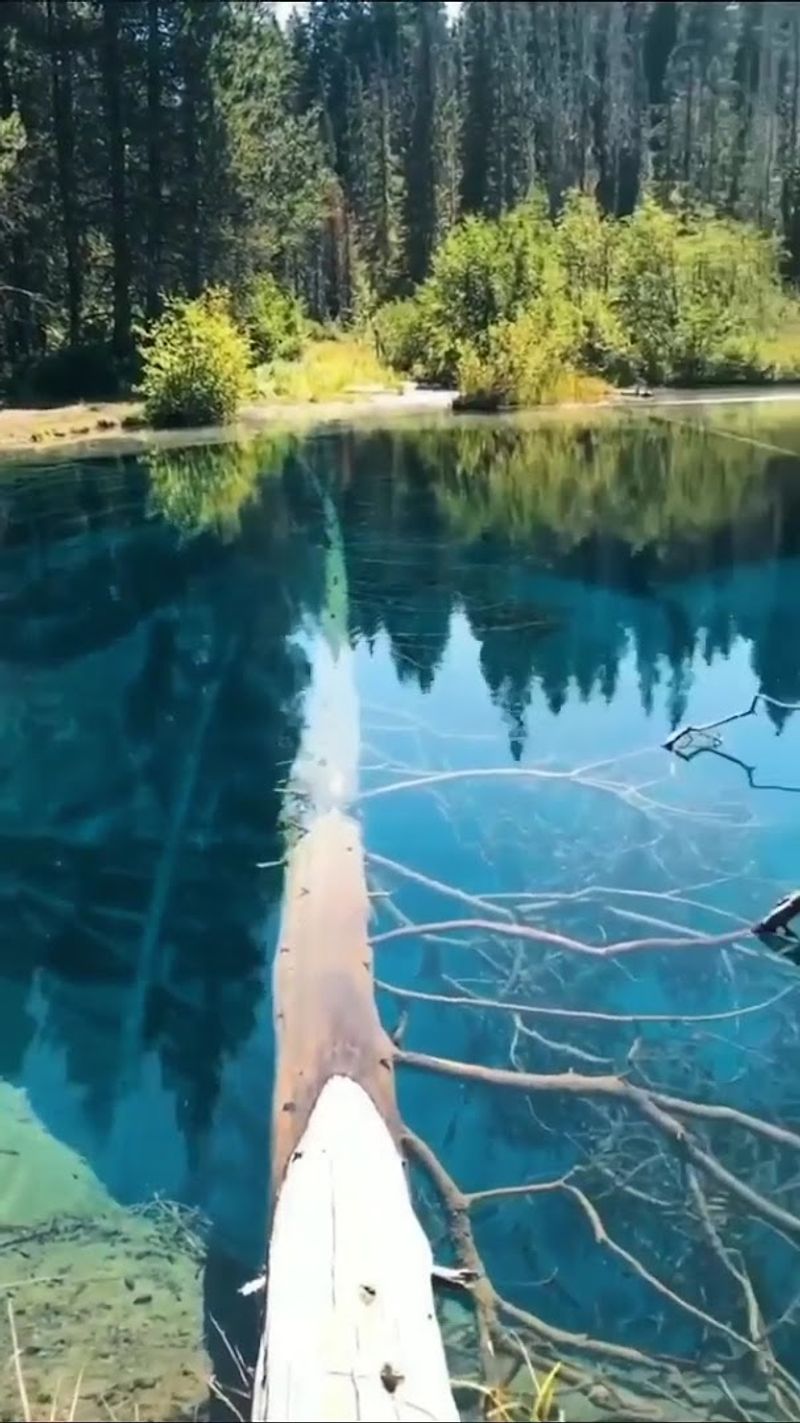
Oregon has no shortage of stunning natural features, but Little Crater Lake occupies a very specific and irreplaceable niche. It is not dramatic in the way a waterfall is dramatic.
It is quiet, precise, and almost meditative in how it holds your attention.
The combination of extreme water clarity, impossible color, year-round cold temperature, and easy accessibility makes it genuinely rare. You do not have to earn it with a grueling hike.
You do not need special gear or a high fitness level. You just show up, walk a short distance, and find yourself standing in front of something that feels like it should not exist.
Visitors consistently describe a sense of peace and disbelief standing at the edge, two feelings that do not usually show up together. It pairs well with a stop at nearby Timothy Lake or a drive up to Timberline Lodge for a full Mount Hood day.
The lake is small, the hike is short, and the impression it leaves is surprisingly large. Some places earn their reputation quietly over time.
Little Crater Lake is absolutely one of them.
Dear Reader: This page may contain affiliate links which may earn a commission if you click through and make a purchase. Our independent journalism is not influenced by any advertiser or commercial initiative unless it is clearly marked as sponsored content. As travel products change, please be sure to reconfirm all details and stay up to date with current events to ensure a safe and successful trip.
