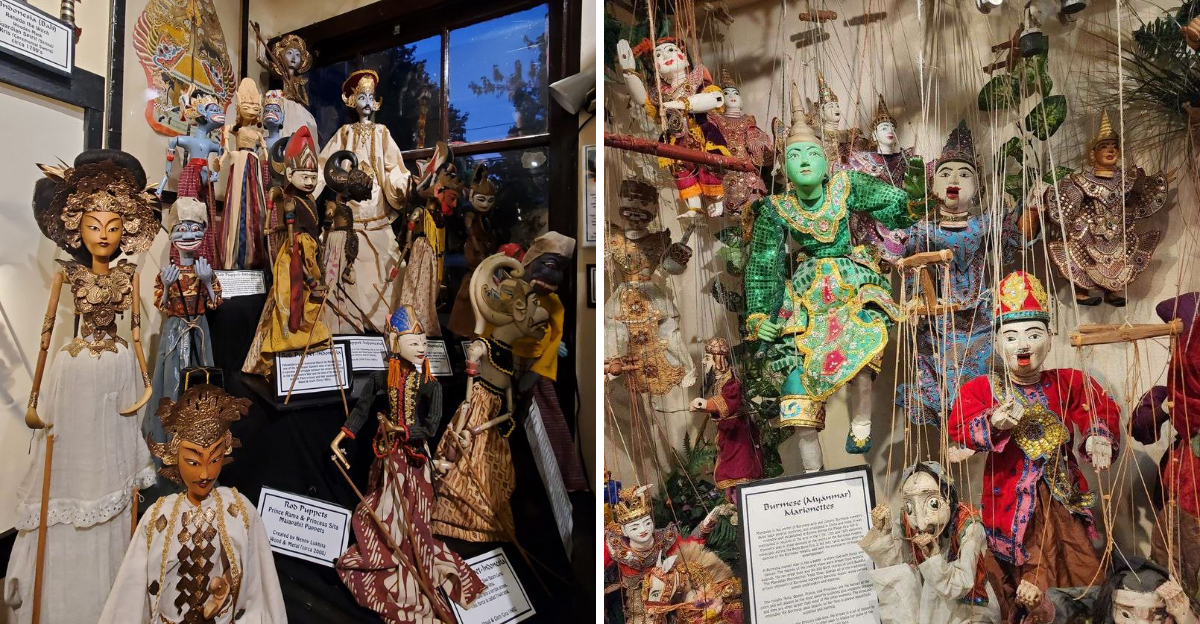
Somewhere between nostalgia and genuine surprise, Portland pulled off its magic trick yet again. Wandering through the Sellwood neighborhood in Oregon, curiosity led me straight into a place I did not know I was missing.
The Portland Puppet Museum looks modest from the outside, but stepping inside felt like entering a living storybook.
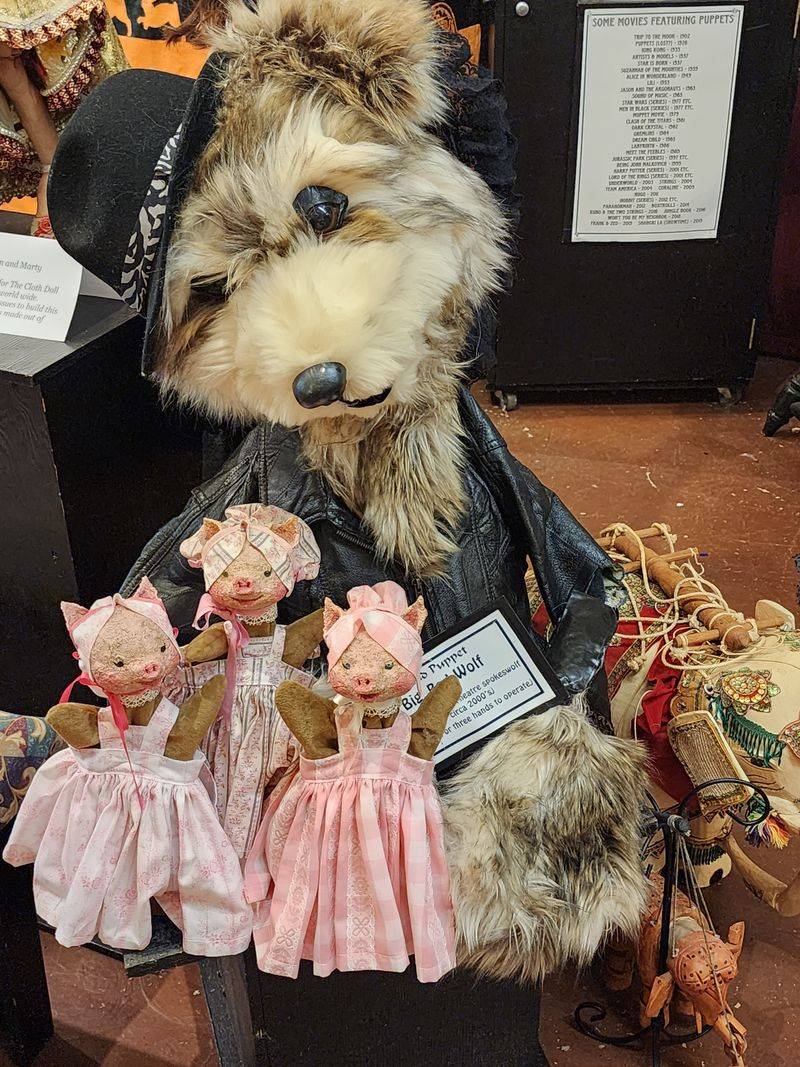
Every corner buzzes with personality, from delicate marionettes suspended mid-motion to hand-carved figures that seem one blink away from coming alive.
Created by legendary puppeteer Libby Ligon and now cared for by a devoted crew of puppet lovers, this tiny museum packs an impressive emotional punch.
Time completely disappeared while moving from case to case, soaking in global traditions, handmade details, and tales rooted deep in Oregon creativity.
Skepticism did not stand a chance here. What started as a quick stop turned into hours of wide-eyed wonder and a heavy dose of joy.
Portland likes to brag about being weird, but this spot is proof that Oregon weird can also be heartfelt, soulful, and quietly unforgettable. One visit will change how you see puppets forever.
A Living Legacy of Master Puppetry
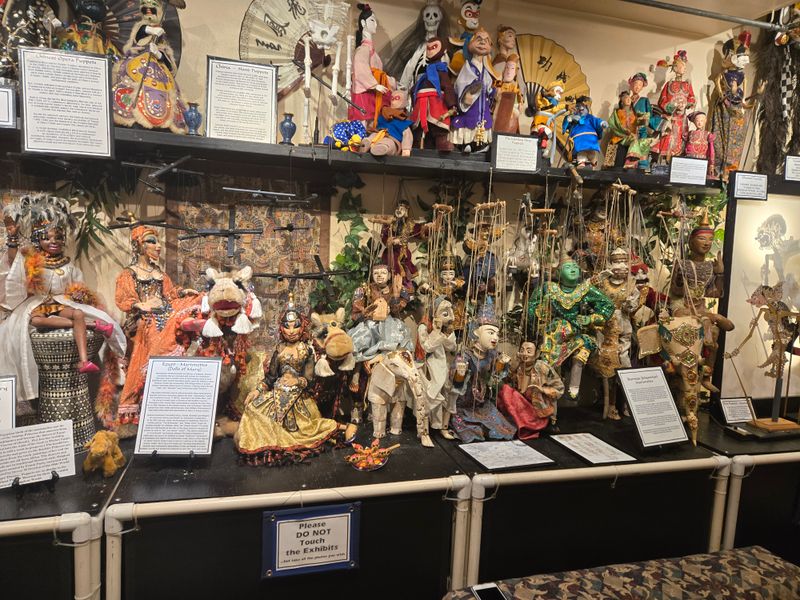
Walking through the doors feels like entering the personal workshop of someone who has dedicated their entire life to a singular passion. Libby Ligon, the brilliant mind behind this collection, founded Puppets for the People and brought decades of puppetry experience to create this magical space.
Her legacy lives on through every carefully curated display and every workshop taught within these walls.
The museum operates as a non-profit with a mission that goes far beyond simply showing off cool puppets. It actively works to preserve puppetry as an art form and make it accessible to everyone who walks through the door.
I chatted with the staff, who radiated the same enthusiasm Libby must have possessed.
You can feel her spirit in the way puppets are arranged, in the stories attached to each piece, and in the welcoming atmosphere that encourages visitors to touch, play, and learn. This museum stands as a testament to what happens when someone pours their heart into preserving something beautiful.
Oregon is lucky to have this treasure tucked away in its neighborhoods, keeping an ancient art form alive for future generations to discover and cherish.
A World Tour of Puppet Traditions
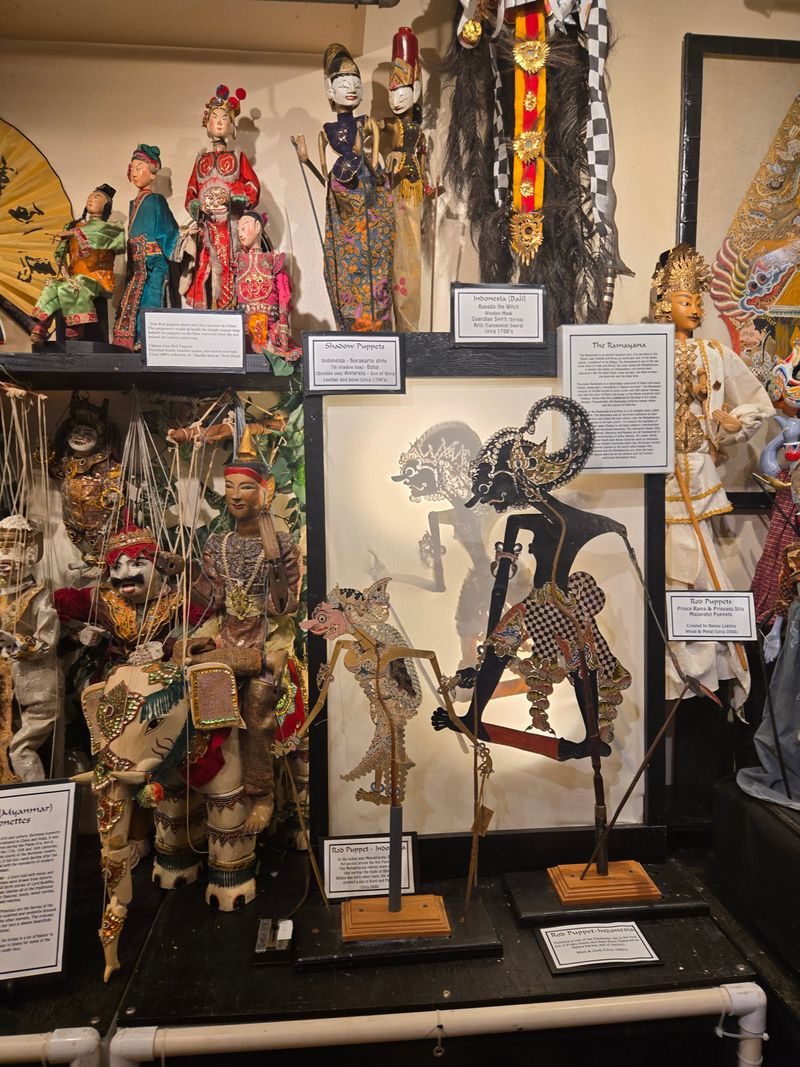
I never realized how many different types of puppets existed until I stood surrounded by hundreds of them. The collection spans continents and centuries, featuring intricate marionettes that dance on strings, hand puppets that slip over your fingers, delicate shadow puppets that tell stories through light, and rod puppets that move with surprising grace.
Each style represents a different cultural tradition and storytelling method.
Some puppets come from elaborate European theater traditions, while others originated in ancient Asian performance arts. I spotted characters from Indonesian wayang kulit shadow plays sitting near ornate Czech marionettes.
The diversity is genuinely staggering, and every single piece has its own backstory.
What makes this collection special is how it demonstrates that puppetry is truly a universal language. Humans across every culture have used puppets to entertain, educate, and explore complex themes.
Standing in this small Portland museum, I felt connected to storytellers from around the world and throughout history. The staff knows the origin of practically every puppet and loves sharing those stories with visitors who show even the slightest curiosity.
Cozy Quarters Packed with Character
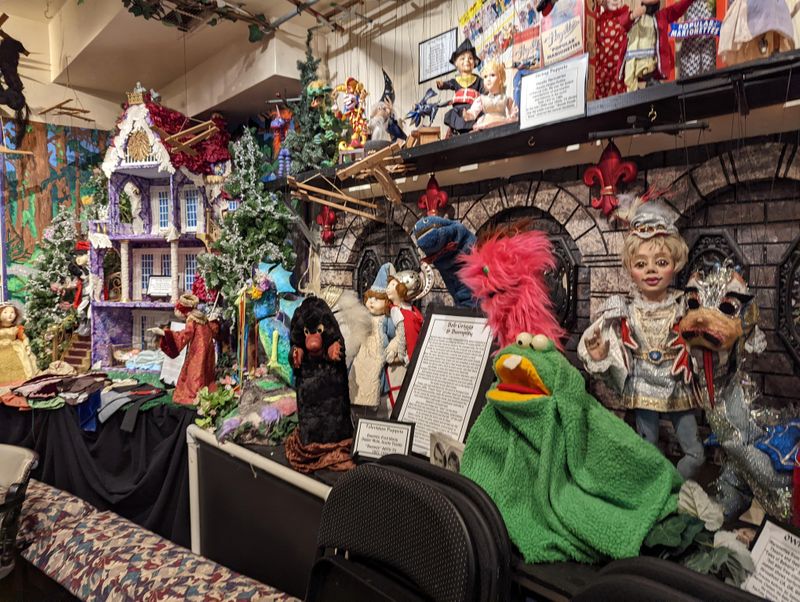
Forget sprawling galleries with roped-off exhibits and stern security guards. The Portland Puppet Museum occupies a wonderfully intimate space in the Sellwood-Moreland neighborhood that feels more like visiting a passionate collector’s home than touring a formal institution.
Every inch of wall space showcases puppets, and the ceiling practically drips with hanging marionettes that seem ready to spring to life.
This cozy setting creates an experience you simply cannot get in larger museums. I could lean in close to examine the craftsmanship, ask questions without feeling rushed, and really absorb the artistry on display.
The small scale forces you to slow down and notice details you might otherwise miss.
Located at 906 SE Umatilla St, Portland, OR 97202, the museum opens Thursday through Sunday from 2 PM to 8 PM, giving you plenty of afternoon and evening hours to explore. The intimate atmosphere means you might be one of only a handful of visitors during your trip, which transforms the experience into something personal and memorable.
I loved how the space felt like a secret clubhouse for puppet enthusiasts rather than a sterile exhibition hall.
Workshops Where You Become the Puppeteer
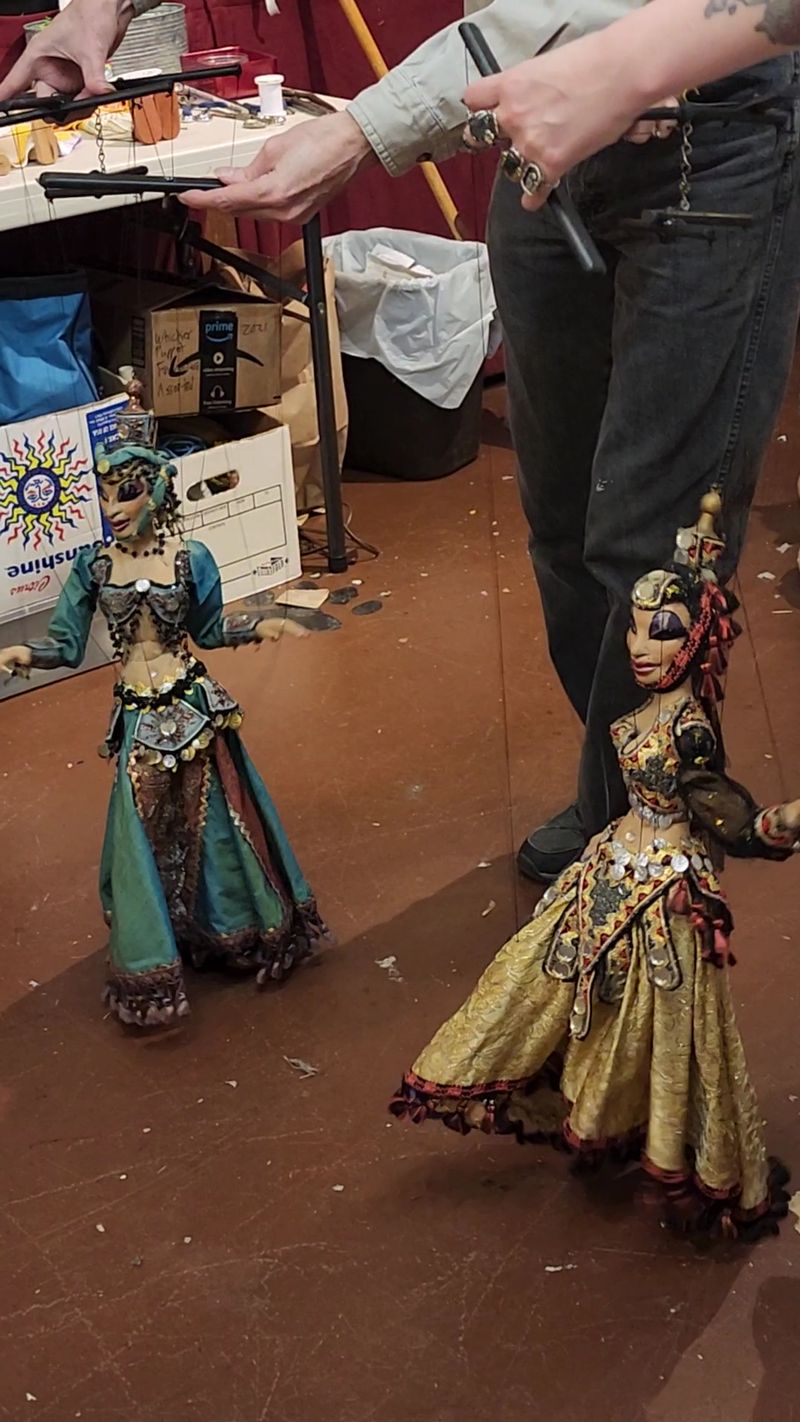
Watching puppets is fun, but making your own puppet takes the experience to an entirely different level. The museum regularly hosts workshops where visitors learn to construct their own puppets from scratch, guided by experienced puppeteers who share techniques passed down through generations.
I signed up for a session and left with a handmade marionette I actually created myself.
The workshops emphasize hands-on creativity and teach you to appreciate the incredible skill required to bring a puppet to life. You learn about balance, movement, character design, and the mechanics that make puppets work.
The instructors are patient and encouraging, helping beginners feel confident while also offering advanced tips for those with some experience.
PDX Parent has highlighted these workshops as fantastic opportunities for families to create together. I watched kids and adults working side by side, equally absorbed in their projects.
The reasonable pricing makes these workshops accessible to most budgets, and you walk away with both a finished puppet and newfound respect for the art form. Oregon families looking for unique activities should absolutely put this on their list of must-do experiences.
Educational Journey Through Puppetry History
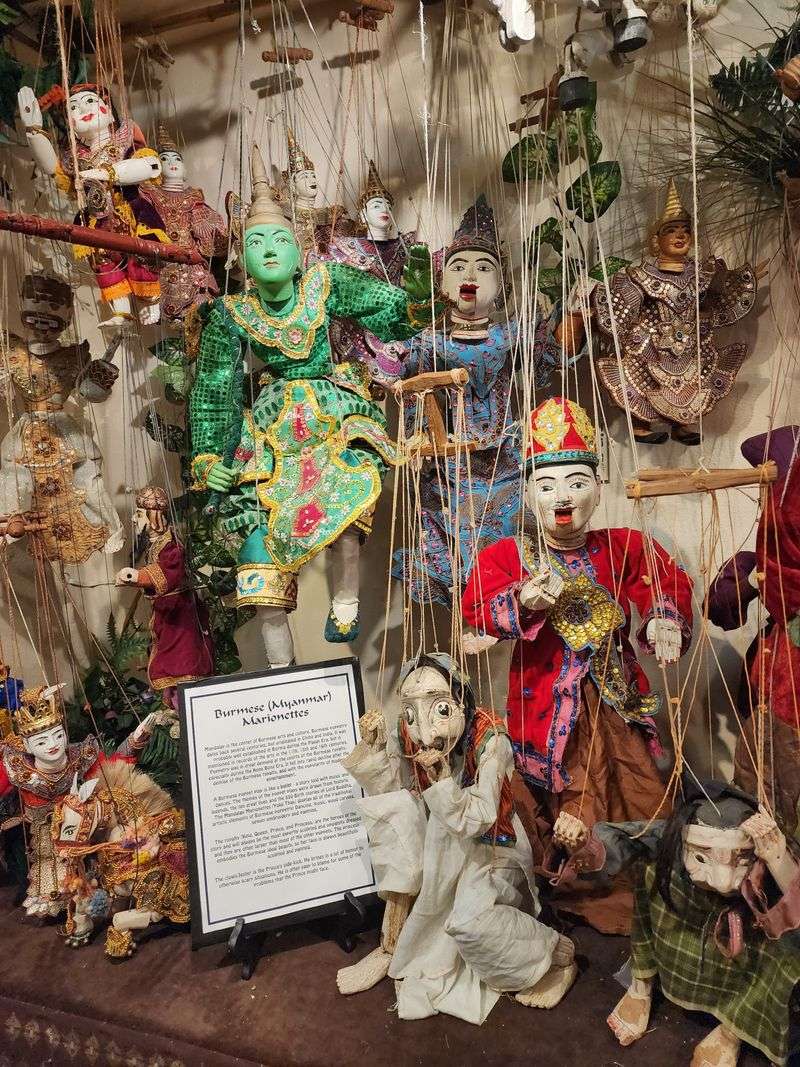
The Oregonian and OregonLive have described this museum as a living history of puppetry, and that description nails exactly what makes it special. Rather than simply displaying puppets behind glass, the museum teaches you about techniques, materials, cultural contexts, and the evolution of puppetry across different time periods.
I learned more about theater history in one afternoon than I did in entire college courses.
The staff members are walking encyclopedias of puppet knowledge. They explain how different puppet types developed, why certain cultures favored specific styles, and how puppetry influenced mainstream entertainment.
You discover connections between ancient shadow plays and modern animation, between street performances and Broadway productions.
This educational focus transforms a casual visit into something genuinely enriching. I left understanding why puppetry matters as an art form and why preserving these techniques is so important.
The museum does not talk down to visitors or bore them with dry facts. Instead, it weaves education into the natural flow of exploring the collection, making learning feel effortless and enjoyable.
Anyone interested in theater, history, or cultural traditions will find endless fascinating information here.
Fresh Exhibits That Keep You Coming Back
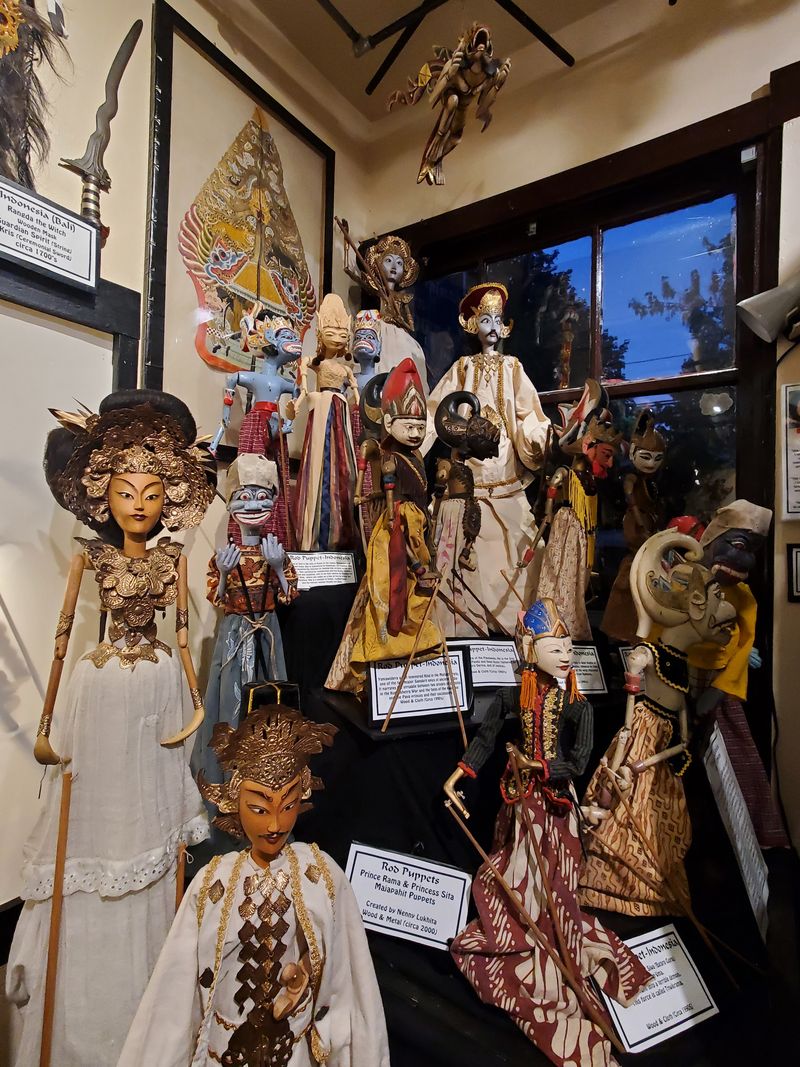
I have visited three times now, and each visit has felt completely different thanks to the rotating exhibits. Portland Monthly has praised this approach, which keeps the museum feeling fresh and gives repeat visitors new discoveries every time they return.
The staff regularly changes displays to focus on different themes, puppet types, or cultural traditions.
During one visit, I explored an exhibit centered on women from ancient mythology brought to life through elaborate puppet designs. Another time, the focus was on European marionette theater traditions.
Each themed rotation offers a completely new perspective on puppetry and showcases different pieces from the extensive collection.
This rotating approach also means the museum never feels stale or static. The staff clearly puts tremendous thought into curating these exhibits, creating cohesive narratives that guide you through the displays.
I appreciate how this strategy allows them to showcase more of their collection over time rather than keeping the same puppets on permanent display. If you visited years ago, you should absolutely plan another trip because the museum has likely transformed since your last visit.
Oregon residents have a constantly evolving treasure right in their backyard.
Live Performances That Bring Puppets to Life
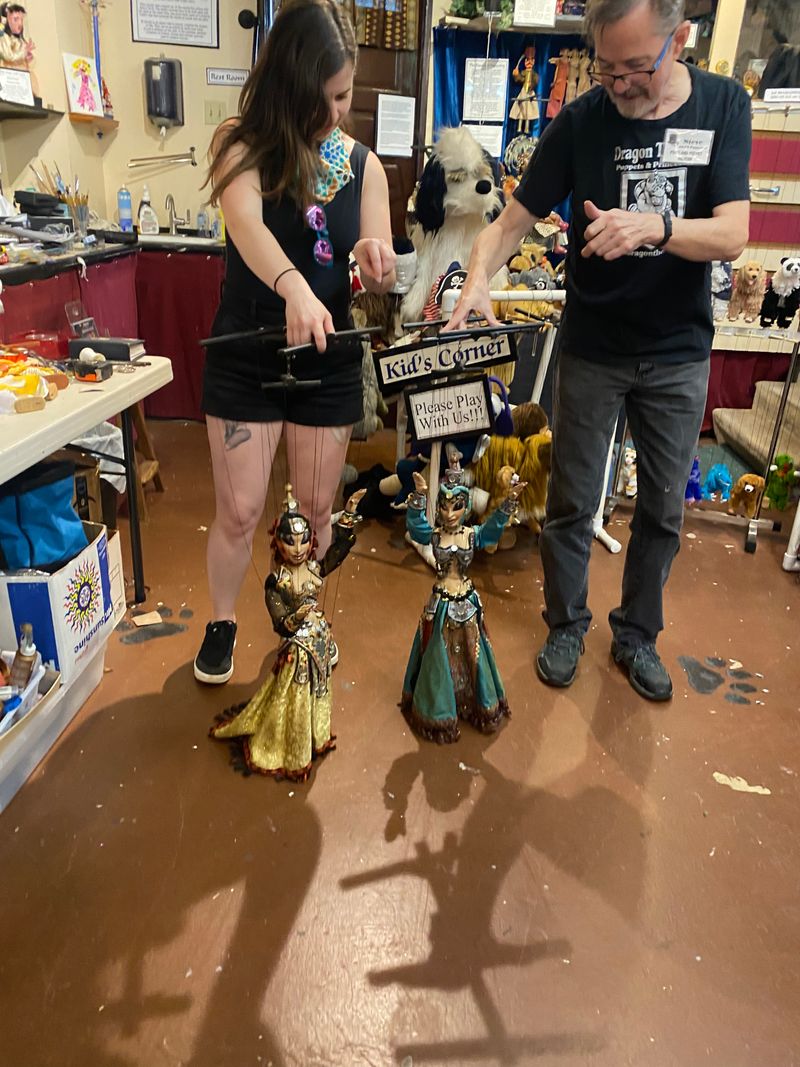
Seeing puppets hanging on walls is one thing, but watching them perform is pure magic. PDX Pipeline has highlighted the occasional live puppet shows hosted at the museum, and I was fortunate enough to catch a performance during one of my visits.
The puppeteers demonstrate skills that seem almost superhuman, making their characters move with personality and emotion that feels genuinely alive.
These performances range from traditional stories to original productions created specifically for the museum space. The intimate setting means you sit close enough to see every subtle movement and appreciate the technical mastery required.
I watched marionettes dance, shadow puppets tell ancient tales, and hand puppets engage in witty dialogue that had the whole audience laughing.
The shows are not always scheduled, so checking ahead is wise if you specifically want to catch a performance. However, even without a formal show, staff members often demonstrate puppet techniques and give impromptu mini-performances as they guide you through the collection.
I saw a belly dance performed with an exquisitely crafted female puppet that left me absolutely speechless. These living demonstrations remind you that puppets are not just objects but tools for storytelling that have entertained humans for thousands of years.
A True Hidden Gem in Plain Sight
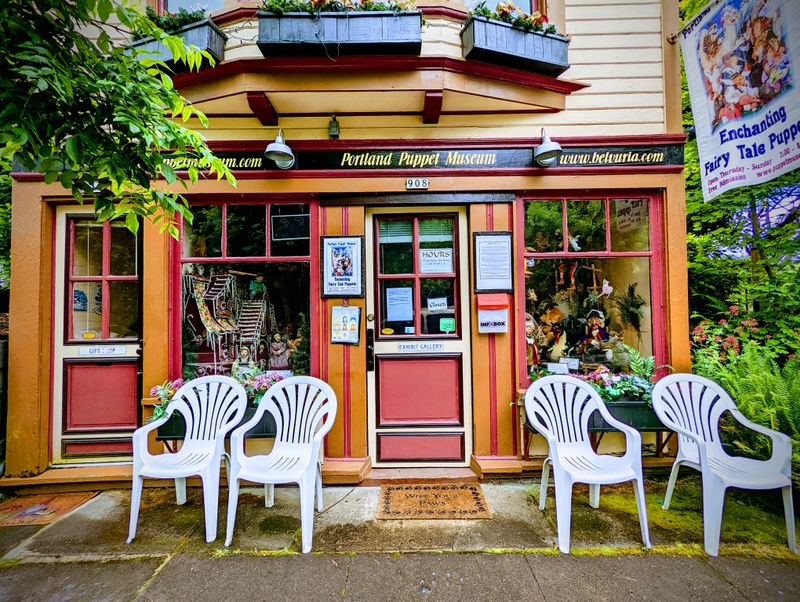
Travel Oregon has noted the museum’s status as a hidden gem, and that description captures why it feels so special to discover. Despite being located in a residential neighborhood, many Portland locals have never heard of it.
The museum does not advertise heavily or draw massive crowds, which means you often get a quiet, personal experience that feels like stumbling upon a secret.
I love places like this that reward curious explorers willing to venture beyond the typical tourist attractions. The museum sits in Sellwood, a neighborhood known for its antique shops and quirky character, making it a perfect fit.
You could easily walk past without realizing the treasure inside.
This hidden quality adds to the charm rather than detracting from it. When you do find the museum, you feel like you have discovered something precious that not everyone knows about.
The small scale and low-key vibe create an atmosphere where you can truly connect with the art and the people who preserve it. Oregon is full of surprising treasures if you know where to look, and this puppet museum ranks among the very best.
I tell everyone I meet about it because places this special deserve to be celebrated.
Passionate Guides Who Love Sharing Stories
The absolute best part of visiting is meeting the people who run this place. Reviews consistently mention Steve, John, Peter, and other staff members by name, praising their knowledge, warmth, and genuine passion for puppetry.
These are not bored employees watching the clock but true enthusiasts who light up when sharing puppet stories and techniques with visitors.
I spent over an hour talking with one of the guides who had worked in puppetry for five decades. He shared anecdotes from his career, explained the history behind specific pieces, and even demonstrated how different puppet types work.
His enthusiasm was absolutely contagious, and I found myself asking question after question.
The interactive, personal nature of these tours transforms a simple museum visit into a conversation with someone who has devoted their life to this art form. The guides encourage you to touch puppets, try manipulating them, and really engage with the collection.
They tailor their tours to your interests, spending more time on aspects that fascinate you. This personal touch makes every visit unique and ensures you leave with memories beyond just seeing cool objects.
The human element is what elevates this museum from good to absolutely unforgettable.
Dear Reader: This page may contain affiliate links which may earn a commission if you click through and make a purchase. Our independent journalism is not influenced by any advertiser or commercial initiative unless it is clearly marked as sponsored content. As travel products change, please be sure to reconfirm all details and stay up to date with current events to ensure a safe and successful trip.
