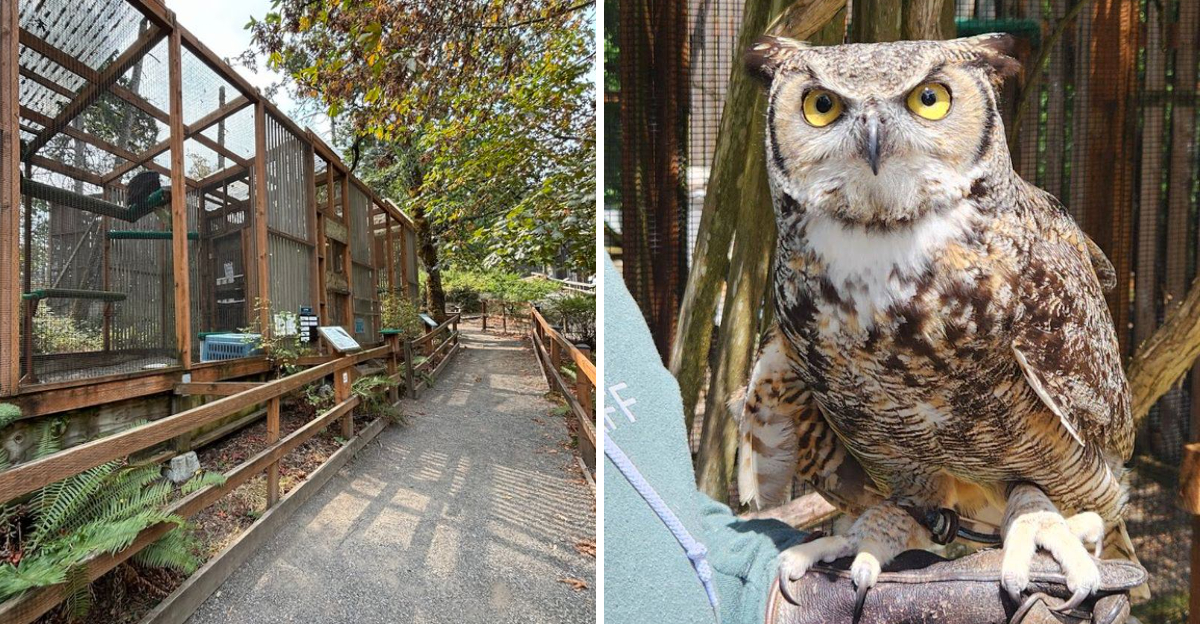
Wandering through a tucked?away refuge in Oregon, I found myself surrounded by a chorus of remarkable birds. Each with a tale that felt both ancient and fresh.
The pathways wind through leafy groves where a bold raptor circles above, while shy songsters flit between branches. Their melodies weaving together moments of courage, loss, and hope.
It’s the sort of hidden haven that feels like a private conversation with the wild – intimate, inviting, and surprisingly uplifting. I couldn’t help but think how perfect it would be to recommend this spot to anyone craving a quiet adventure.
It’s as much about listening to the past as it is about witnessing beautiful feathers in flight. A day here turns ordinary curiosity into a heartfelt connection with Oregon’s most inspiring avian storytellers.
A Forest Setting That Feels Like Another World
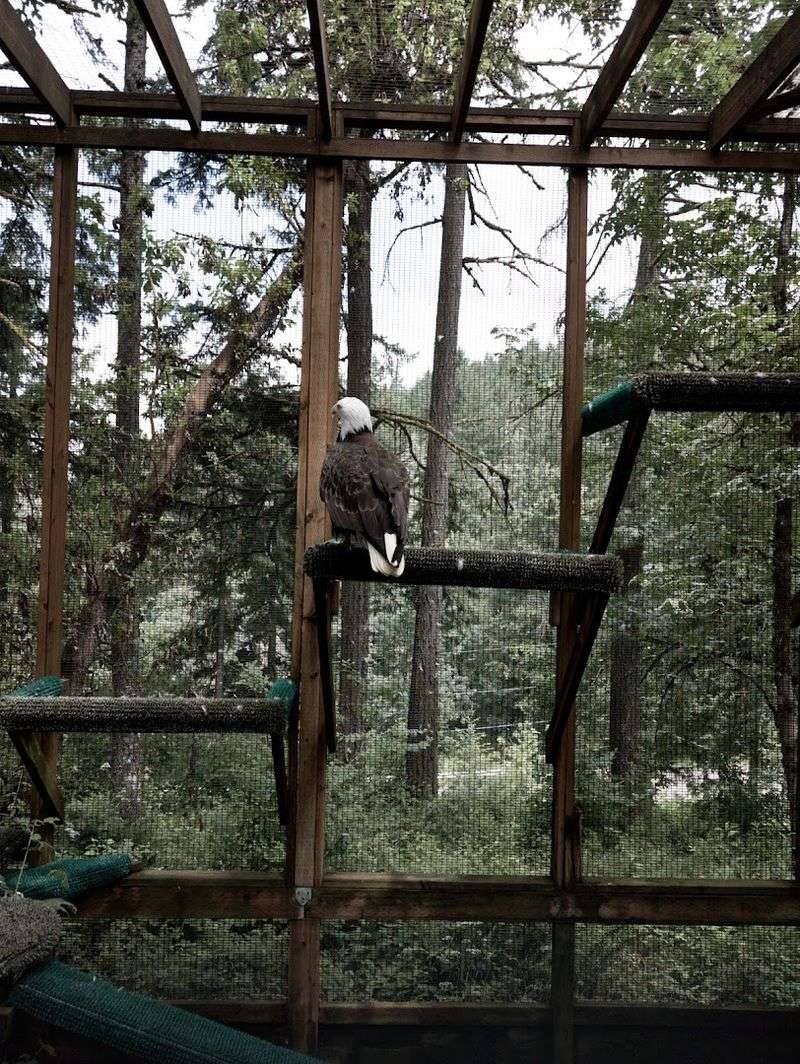
Walking into Cascades Raptor Center, the first thing you notice is the trees. Big Douglas firs tower overhead, and the whole property feels more like a forest hike than a typical zoo visit.
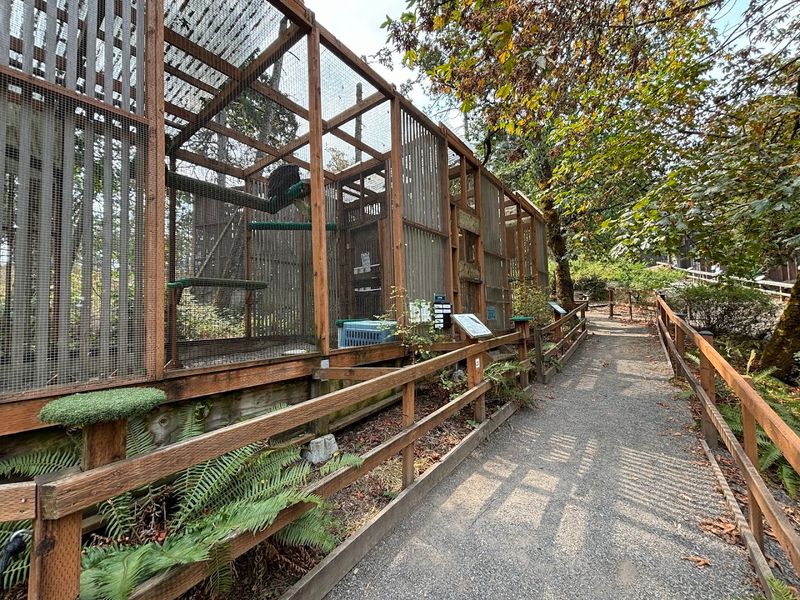
The gravel paths wind uphill through shaded clearings.
Every turn reveals another aviary tucked naturally into the landscape. It does not feel built so much as grown into the hillside.
The birds seem calmer here because of that quietness around them.
Wear sturdy shoes before you go. The paths are steep and uneven in places, so sneakers or hiking shoes make a real difference.
The slope also means each section feels like its own discovery.
On a cool morning, mist sometimes drifts between the trees. That kind of atmosphere makes the whole visit feel cinematic.
You are not just looking at birds behind glass. You are standing in their world, on their terms, and that changes how you see them completely.
The Snowy Owl Named Echo
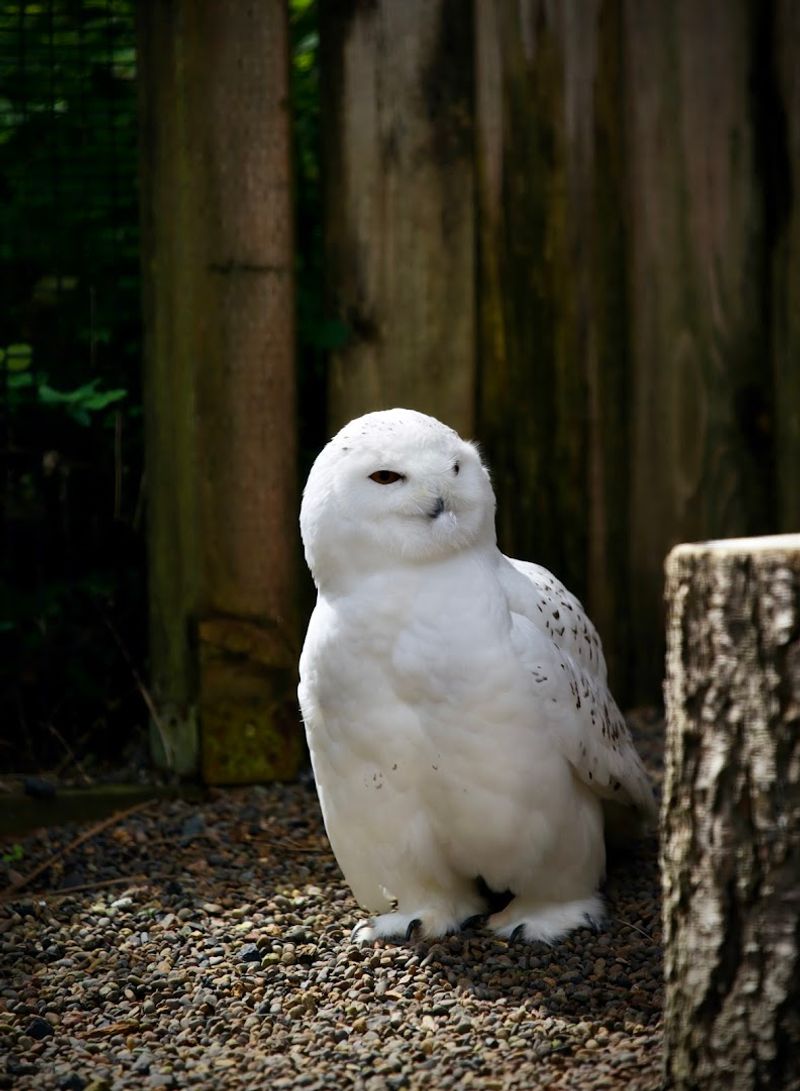
Echo arrived at the center and immediately became a crowd favorite. Those bright yellow eyes are startling up close, almost electric against the white feathers.
Snowy owls carry a kind of wild intensity that photographs cannot fully capture.
Standing in front of Echo’s aviary, I felt genuinely still for a moment. The bird just stared, completely unbothered by the humans nearby.
That calm made the encounter feel weirdly personal.
Snowy owls are native to Arctic regions. Seeing one in Oregon is already unusual, which makes Echo’s presence here feel extra special.
The center explains clearly how Echo came to live at the sanctuary.
Each bird has a small placard outside its enclosure. The notes explain the bird’s name, species, and the story of how it arrived.
Echo’s card is worth reading slowly. It adds a layer of meaning that turns a simple visit into something you actually remember long after you leave Eugene.
The Bald Eagle That Commands the Whole Hillside
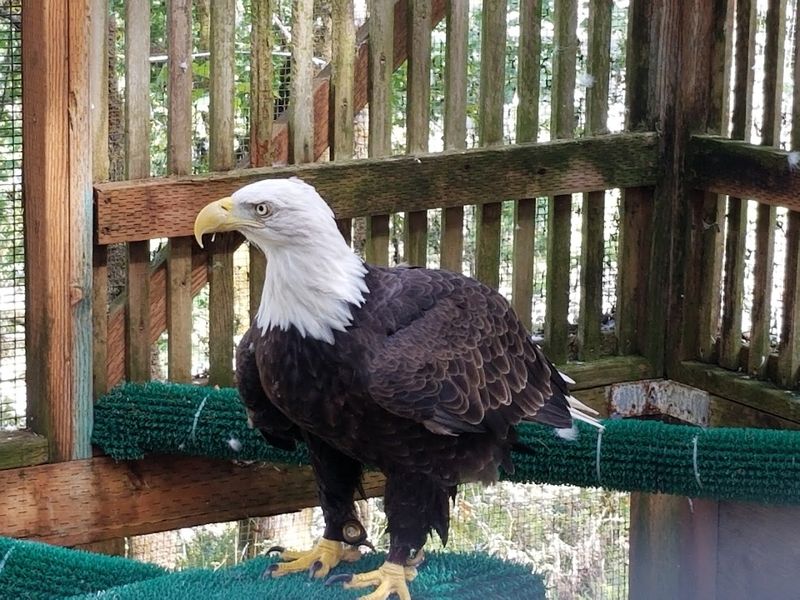
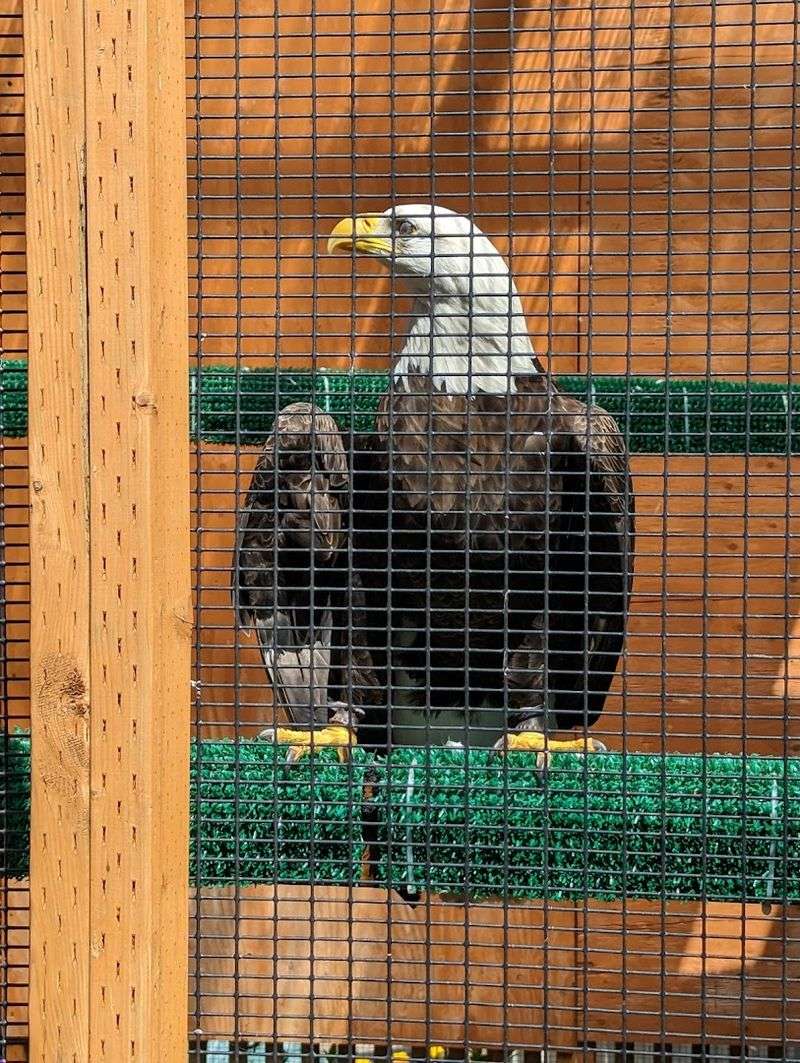
Nothing prepares you for the sheer size of a bald eagle in person. The wingspan, the white head, the sharp yellow beak, it is a lot to take in all at once.
Visitors consistently call this bird the highlight of the whole visit.
The eagle enclosure sits prominently along the trail. Staff members nearby are usually happy to share details about the bird’s history and behavior.
That kind of casual, open education is part of what makes this center special.
Bald eagles in the wild can travel hundreds of miles. The ones at the center cannot be released because of injuries that prevent safe survival outside.
Knowing that context makes the encounter feel less like a zoo moment and more like a privilege.
I stood there longer than I planned. The eagle shifted its weight, tilted its head, and looked directly at me.
It felt like being assessed by something ancient and wise. That single moment was worth the entire drive to Fox Hollow Road.
Turkey Vultures With Surprisingly Devoted Fans
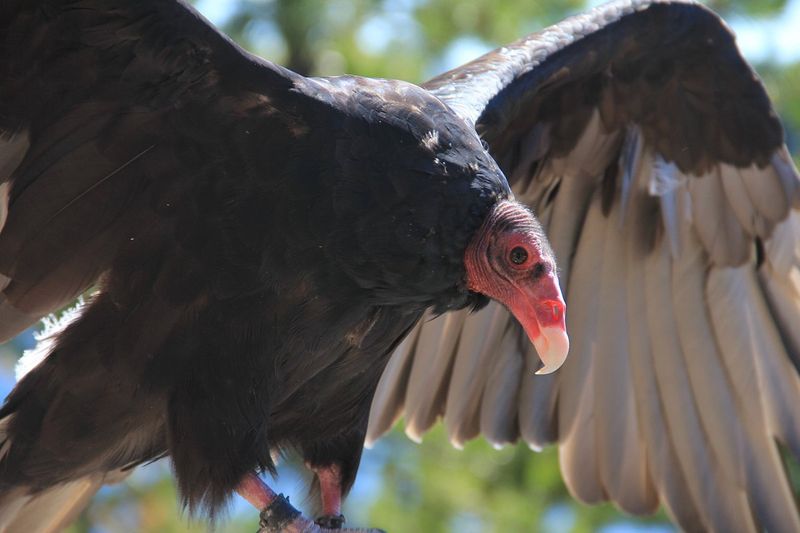
Turkey vultures do not usually top anyone’s list of favorite birds. But spend five minutes near their enclosure at Cascades Raptor Center and your opinion shifts fast.
They move with a slow, deliberate confidence that is oddly compelling.
Staff members clearly love these birds. That enthusiasm is contagious.
One visitor mentioned online that the turkey vultures became her personal favorites after the visit, which honestly tracks once you see them up close.
These birds play a critical ecological role. They clean up carrion that would otherwise spread disease across entire ecosystems.
The center does a great job explaining that function without making it feel like a science lecture.
The vultures tend to watch visitors just as curiously as visitors watch them. There is something almost comedic about that mutual observation.
They tilt their bald red heads with a dignity that feels completely at odds with their reputation. Give them a chance.
You might leave the center with a new appreciation for one of nature’s most underrated cleanup crews.
Flight Shows and Raptor Encounters Worth Timing Your Visit Around
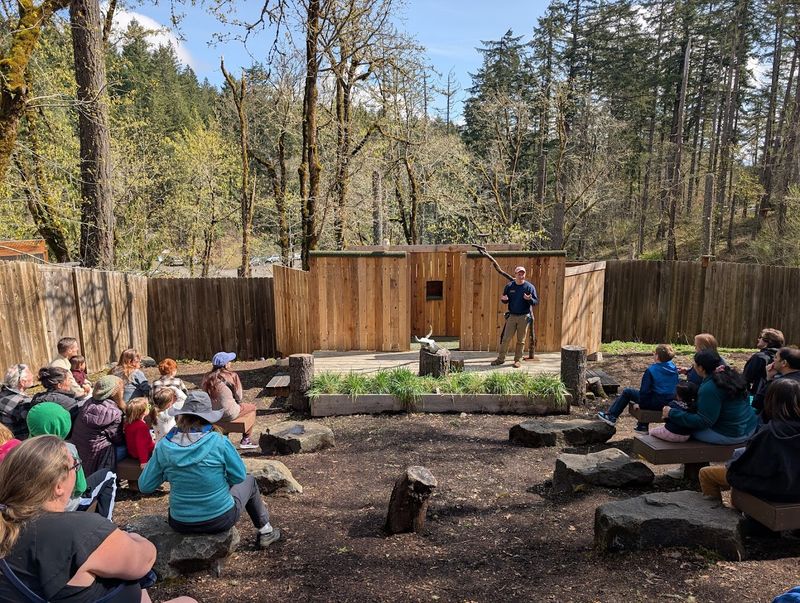
Arriving at the right time unlocks a completely different level of experience at this center. The flight shows and raptor encounter sessions happen on scheduled days, and they are genuinely impressive.
Watching a hawk fly at low altitude just overhead is startling in the best way.
One family described their five-year-old catching a falcon during an encounter session. That kind of hands-on moment is rare and memorable.
Call ahead before visiting to confirm the schedule for that specific day.
The demonstrations are educational without feeling dry or rehearsed. Staff members explain behavior, hunting instincts, and conservation facts in a natural, conversational way.
Kids and adults both stay completely engaged throughout.
Timing your arrival about an hour before a scheduled encounter gives you time to walk the aviaries first. Then the live demonstration adds a second layer of excitement.
The combination of self-guided exploration followed by a live show makes for a genuinely full afternoon. Plan for at least two hours total if you want to catch everything.
The Individual Stories Behind Every Bird
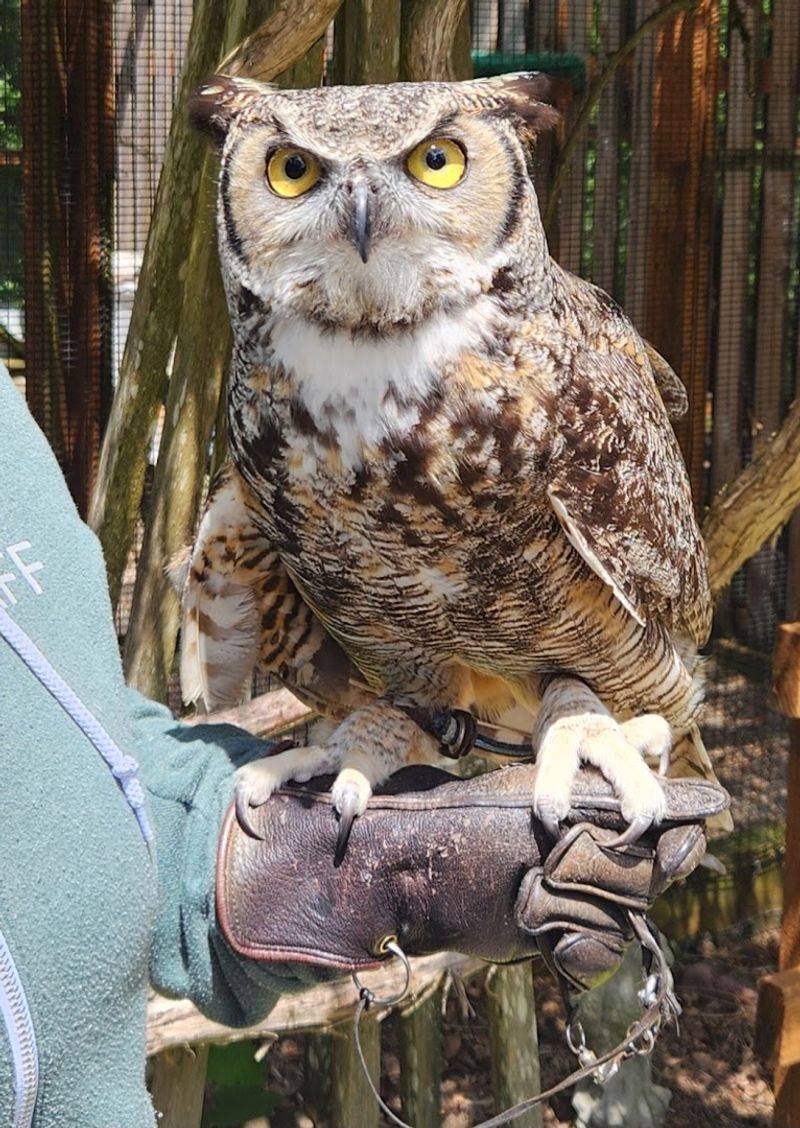
Every enclosure at Cascades Raptor Center has a small sign with the bird’s name and backstory. Reading those cards is one of the most quietly emotional parts of the visit.
Each story is different, and none of them are generic.
Some birds arrived after car collisions. Others were found as chicks that had been raised by well-meaning humans and lost the ability to survive independently.
A few came from other wildlife facilities that could no longer care for them.
Knowing a bird’s name changes how you look at it. The connection feels immediate and personal rather than detached.
That design choice by the center is simple but incredibly effective for building empathy.
Someone described reading the cards as what made the visit feel meaningful rather than just educational. That reaction makes complete sense.
You stop seeing a hawk and start seeing a specific individual with a specific past. That shift in perspective is what separates Cascades Raptor Center from a standard wildlife exhibit.
It lingers with you well after leaving.
The On-Site Wildlife Hospital You Cannot Tour But Should Know About
Behind the visitor trail sits a working wildlife hospital. The public cannot enter, but knowing it is there adds real weight to the whole visit.
This is not just a place where birds are displayed. Active rehabilitation happens here every day.
Staff and veterinarians move between the hospital and the aviaries throughout the day. Visitors sometimes catch a glimpse of a doctor checking on individual birds along the trail.
That transparency makes the center feel alive and purposeful.
The hospital treats injured raptors from across the region. Birds that recover fully are released back into the wild.
The ones that cannot recover safely become permanent residents and educational ambassadors at the center.
That dual mission, rescue and education, gives Cascades Raptor Center a depth that most wildlife attractions simply do not have. Your visit directly supports that work.
The center relies heavily on admission fees and bird sponsorships to fund the hospital operations. Knowing that makes every dollar spent here feel genuinely useful rather than just recreational.
A Gift Shop That Actually Supports the Mission
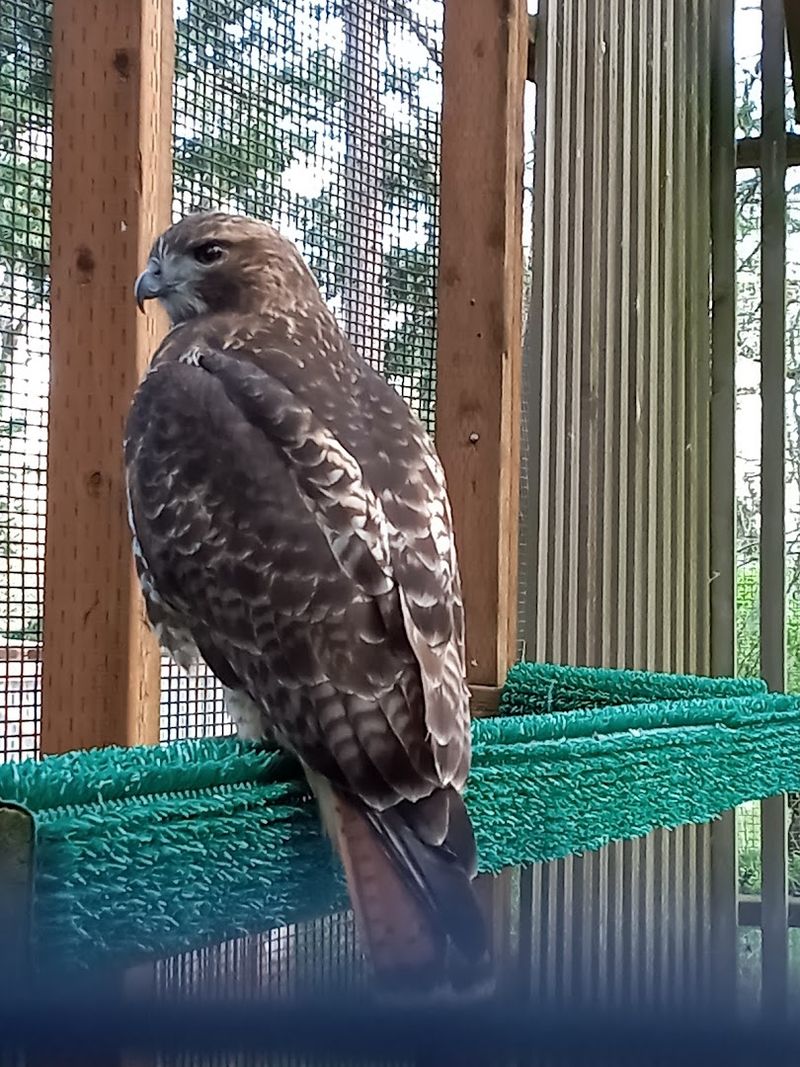
At the end of the trail, a small gift shop waits with an honestly good selection of raptor-themed items. It is not the kind of shop you walk through quickly.
The items feel curated rather than mass-produced.
Books, plush birds, feather prints, and educational materials fill the shelves. Everything connects back to the birds you just spent an hour with, which makes the shopping feel intentional.
Kids tend to gravitate toward the soft owl and hawk toys.
Purchases here directly support center operations. That is not just a marketing line.
The center is a nonprofit, and merchandise sales contribute to bird care and hospital funding. Buying a small souvenir here carries more meaning than a typical tourist shop.
I picked up a field guide and a small hawk print. Both have stayed on my bookshelf since.
The gift shop also offers bird sponsorship information, where you can adopt a specific resident bird and receive updates about it. That option is worth asking about at the front desk before you leave.
What Makes the Staff Here Genuinely Unforgettable
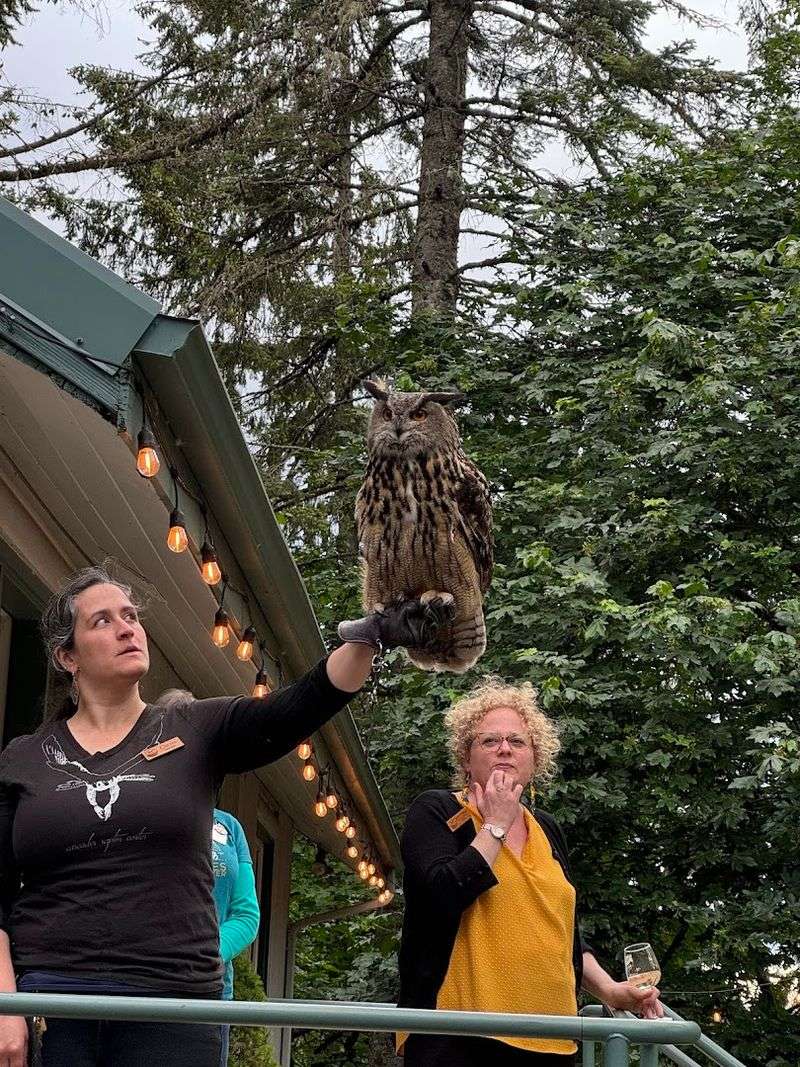
Staff members at Cascades Raptor Center are not reading from scripts. They talk about the birds the way people talk about friends they genuinely care about.
Arriving on a quiet morning, I was essentially walked through two full enclosures by a knowledgeable volunteer who explained hunting behavior, migration patterns, and individual bird personalities without being asked. That kind of generosity with information is rare.
The team includes both paid staff and trained volunteers. All of them seem deeply invested in what happens here.
That shared enthusiasm creates an atmosphere that feels warm rather than institutional.
One family mentioned that a staff member let their daughter handle a falcon during an encounter session. Those moments of trust between visitor and educator are what make places like this matter.
You leave knowing more than you expected. You also leave feeling like the people running this center genuinely believe in what they are doing.
That belief is visible in everything from the clean enclosures to the handwritten bird cards.
Practical Tips for Getting the Most Out of Your Visit
The center is open Tuesday through Sunday from 10 AM to 4 PM. Monday is the only closed day.
Arriving right at opening on a weekday almost guarantees a quieter, more personal experience with fewer crowds around the aviaries.
The terrain is hilly and the paths are gravel. Comfortable shoes matter here.
People with mobility challenges may find some sections difficult, so checking in with staff at the entrance about accessible areas is a smart first step.
Parking is small, with space for around 12 vehicles. Arriving early solves that problem easily.
Portable bathrooms are available on site near the parking area, which is worth knowing before you bring young kids or plan a longer stay.
Budget at least 90 minutes. Two hours is better if you want to linger.
Address: 32275 Fox Hollow Rd, Eugene, OR 97405
Dear Reader: This page may contain affiliate links which may earn a commission if you click through and make a purchase. Our independent journalism is not influenced by any advertiser or commercial initiative unless it is clearly marked as sponsored content. As travel products change, please be sure to reconfirm all details and stay up to date with current events to ensure a safe and successful trip.
