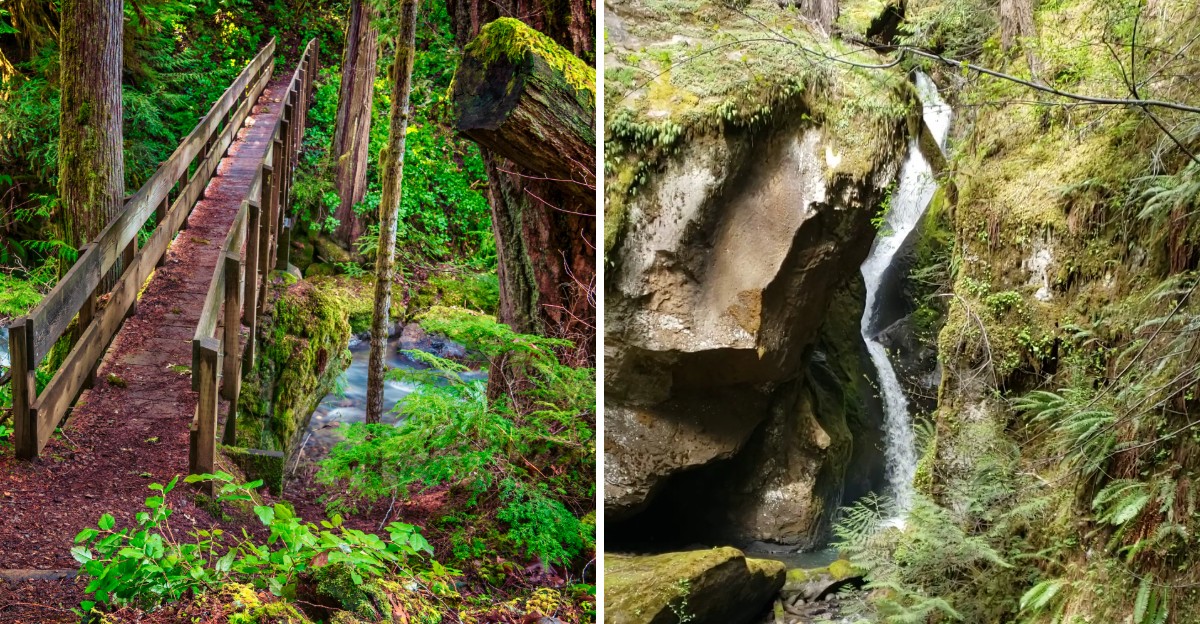
A creek drops 100 feet into a twisting stone chasm, and from certain angles it looks like the water is punching straight through a wall of rock. There’s no actual hole. The illusion still gets you.
The water has scoured deep potholes into the bedrock over time. It curls into a narrow gorge so shaded that the whole place earned its name from the darkness. I like how the forest hides it until the very last moment.
This one sits deep in the woods of southern Oregon. Getting there takes a long gravel drive and a short, easy trail through big trees.
The Rock Trick That Makes Everyone Stare Twice
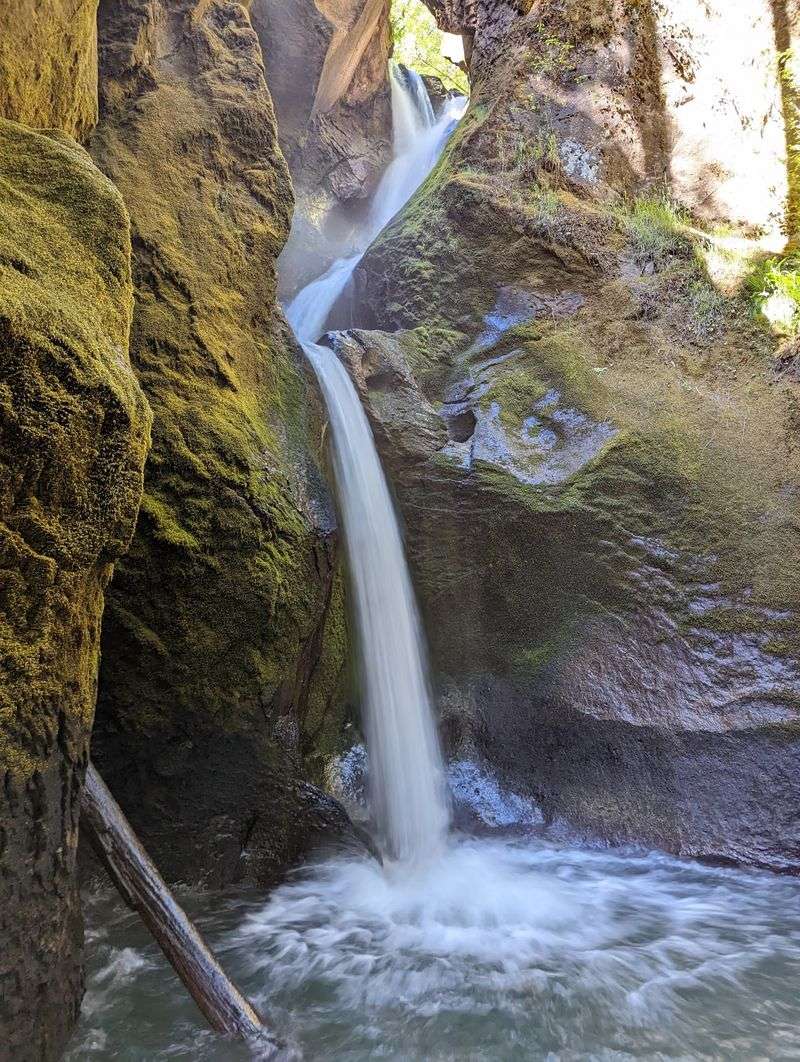
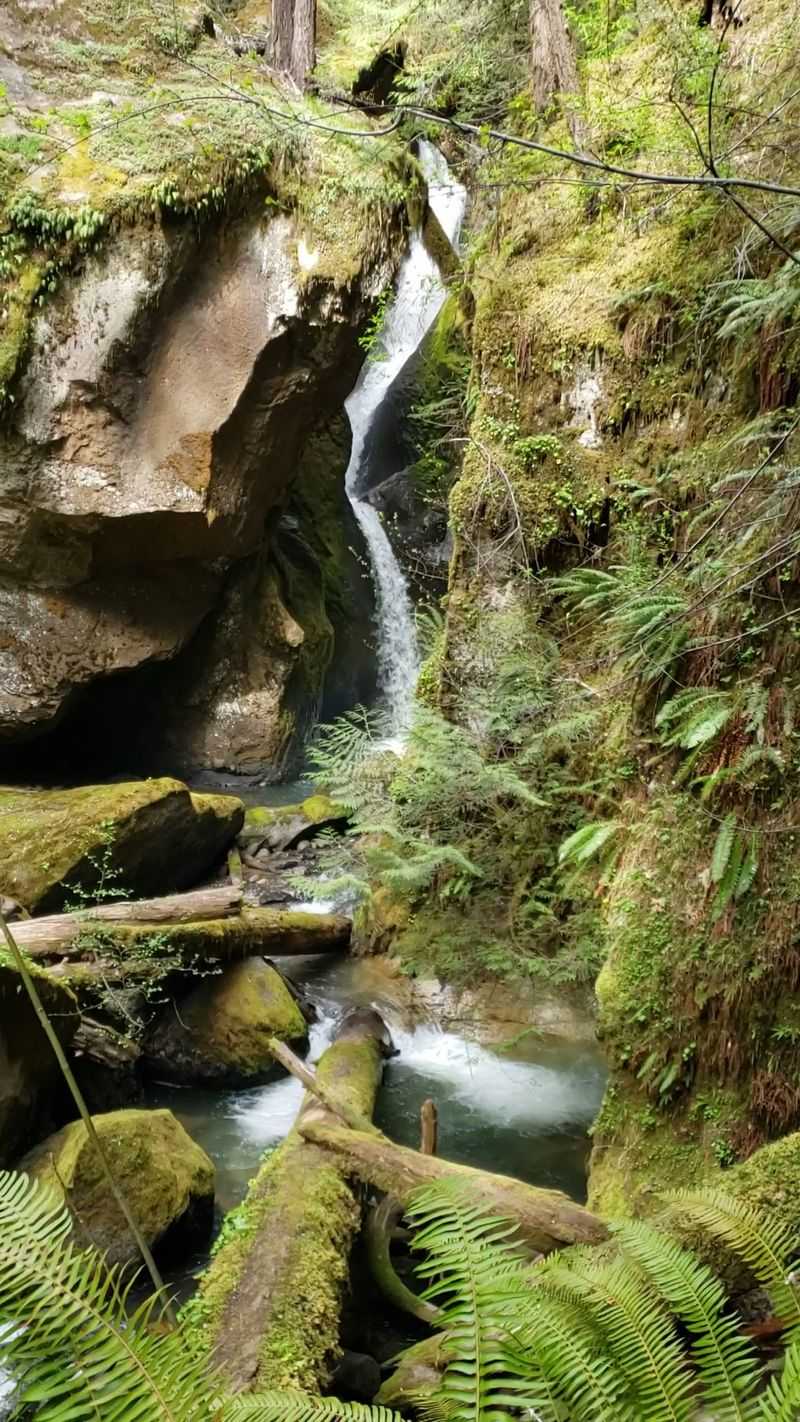
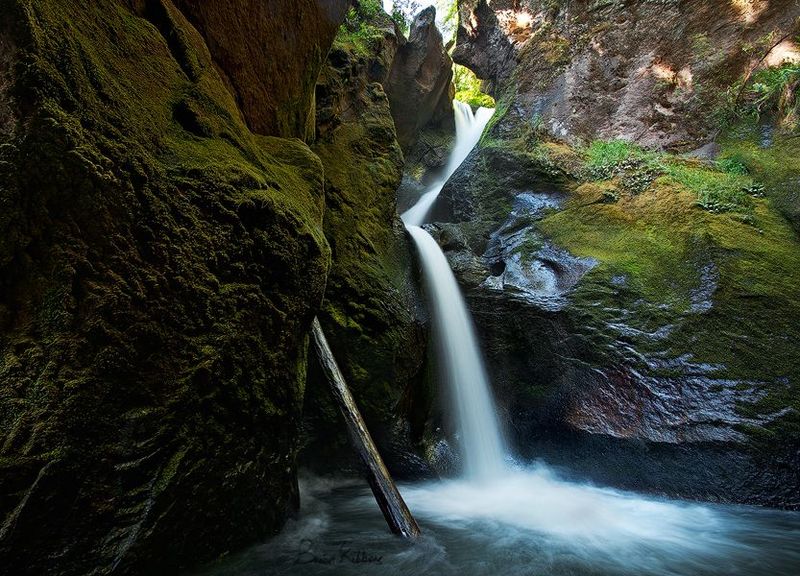
Shadow Falls pulls off one of the coolest optical illusions in the Pacific Northwest. Cavitt Creek tumbles down a narrow gorge, then twists into a tight chasm with a pool at the bottom.
Over a very long time, the moving water carved potholes deep into the bedrock. From certain viewpoints, those carved shapes make the falls look like they’re blasting through a solid stone hole.
Spoiler alert: there’s no actual opening. The rock walls simply curve and overlap in a way that fools your eyes completely.
That’s what makes this spot so fun to study. You can shift a few steps left or right and watch the illusion change.
Bring a little patience to the viewing area. Your brain will probably keep insisting there’s a tunnel, even after you know better.
The effect is a great reminder that water is a patient sculptor. It doesn’t need tools, just time and a steady flow.
Kids especially tend to love a puzzle like this. Ask them to spot where the water really goes, and you might get some creative theories.
It’s a natural science lesson with zero homework. Honestly, that’s the best kind of lesson there is.
A Name That Tells You Exactly What You’re Getting
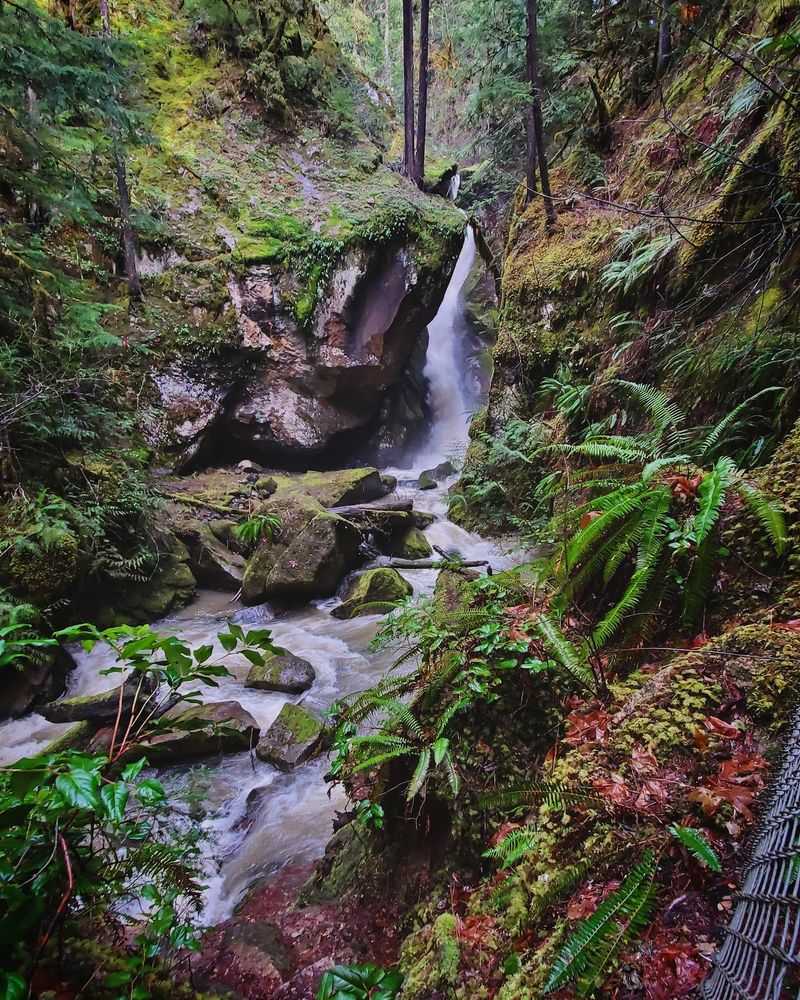
Some names are poetic guesses. This one is just honest.
The waterfall drops in three tiers, falling about 100 feet in total. It lands inside a deep, narrow gorge that gets very little direct sunlight.
That shade is where the name comes from. The rock walls rise so close together that shadows cover much of the falls for most of the day.
Darkness actually helps the show. The contrast between bright white water and dim stone makes the illusion of water flowing through rock even stronger.
Photographers, take note. Bright sun can make tricky lighting, while softer cloudy days can even things out nicely.
The tiers also give you more to look at than one simple drop. You can trace the water as it steps down, curves, and disappears into the chasm.
A rocky alcove like this feels a bit like a natural cathedral. The walls frame the falls and keep your attention right where it belongs.
Give your eyes a minute to adjust when you arrive. Details in the stone pop out the longer you look, and the gorge slowly reveals its shape.
Shadows never looked so good.
Your Car Will Have Opinions About This Drive
Getting to Shadow Falls is half the adventure, and your suspension will agree. The trip starts in the small community of Glide, in Douglas County, Oregon.
From Highway 138 in Glide, turn onto Little River Road, also called County Road 17. Follow it for about 6.9 miles.
Next, turn right at the covered bridge onto Cavitt Creek Road, or County Road 82. From there, it’s roughly 12 more miles to the Shadow Falls Trailhead.
That last stretch can be rough. Expect potholes and a road that narrows in spots, so a vehicle with decent clearance is a smart choice.
Take it slow and stay alert for other drivers. Pulling over politely on narrow sections keeps everyone happy.
Winter adds another layer of caution. Snow and ice can make hills slippery, so check conditions before heading out.
Download your directions ahead of time too. Cell service in remote forest areas can be spotty, and guessing at turns gets old fast.
The general mailing area is Oregon 97429, though there’s no street number at the falls. Think of the covered bridge as your big landmark.
An Easy Trail With One Sneaky Uphill Ending
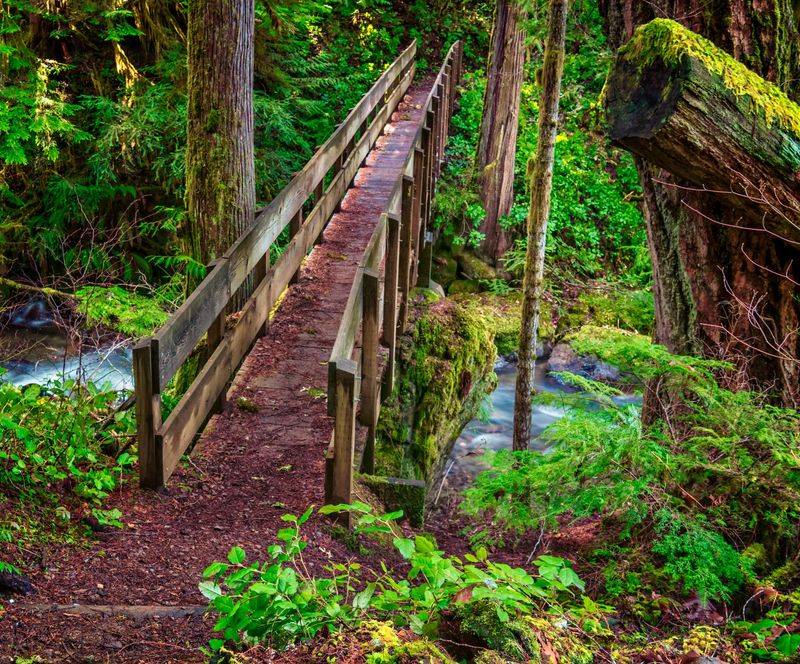
Good news for casual hikers: the Shadow Falls Trail is short and friendly. Officially known as Trail #1504, it runs around 1.1 to 2 miles round trip, depending on the source.
The first part is mostly flat. Then the path drops gently over the final 0.2 miles to the main viewing area.
Here’s the catch. You lose a little over 300 feet of elevation on the way down.
That means the walk back is a gradual climb. It’s not brutal, but your legs will notice it after admiring the falls.
Pace yourself and you’ll be fine. Plenty of families with young kids handle this route without trouble.
Footwear matters more than distance here. Sturdy hiking boots are a smart pick, since the trail turns muddy during wetter months.
Spring mud especially can be thick and sticky. Sneakers might come home looking very different than when they left.
Toss a light snack and water in a small pack. It makes the return climb feel more like a stroll and less like a chore.
Short trail, big payoff. That’s a deal most hikers happily take.
Old-Growth Trees Make The Walk Feel Like A Bonus
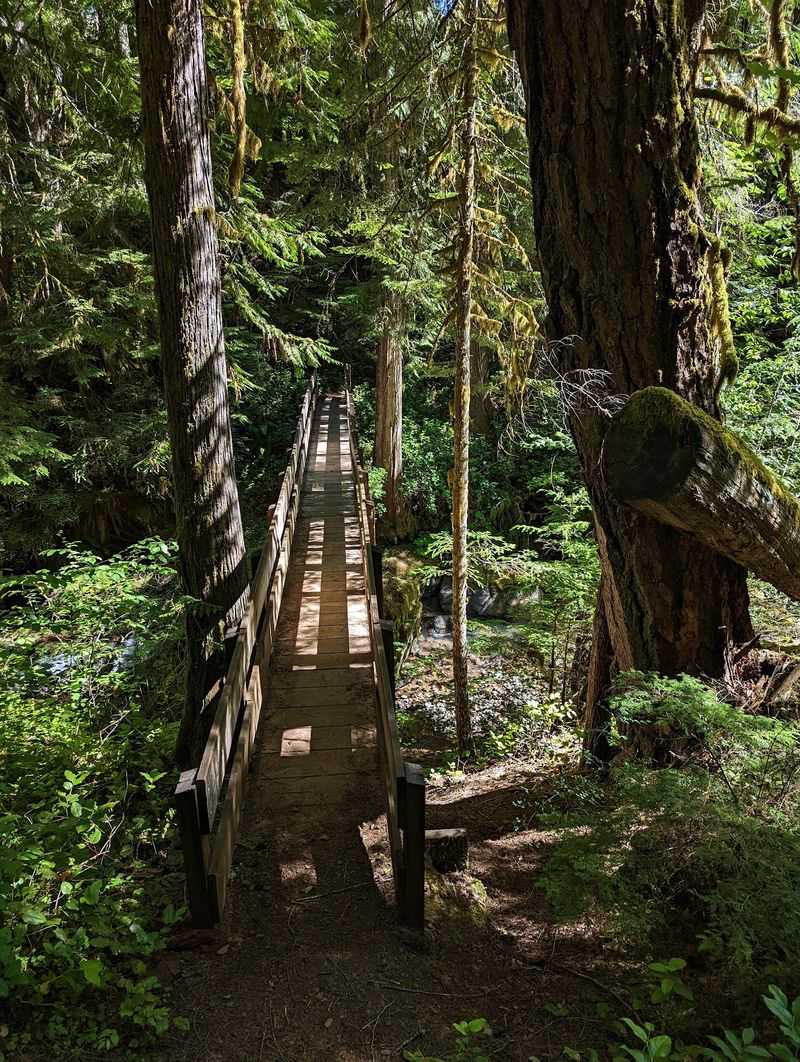
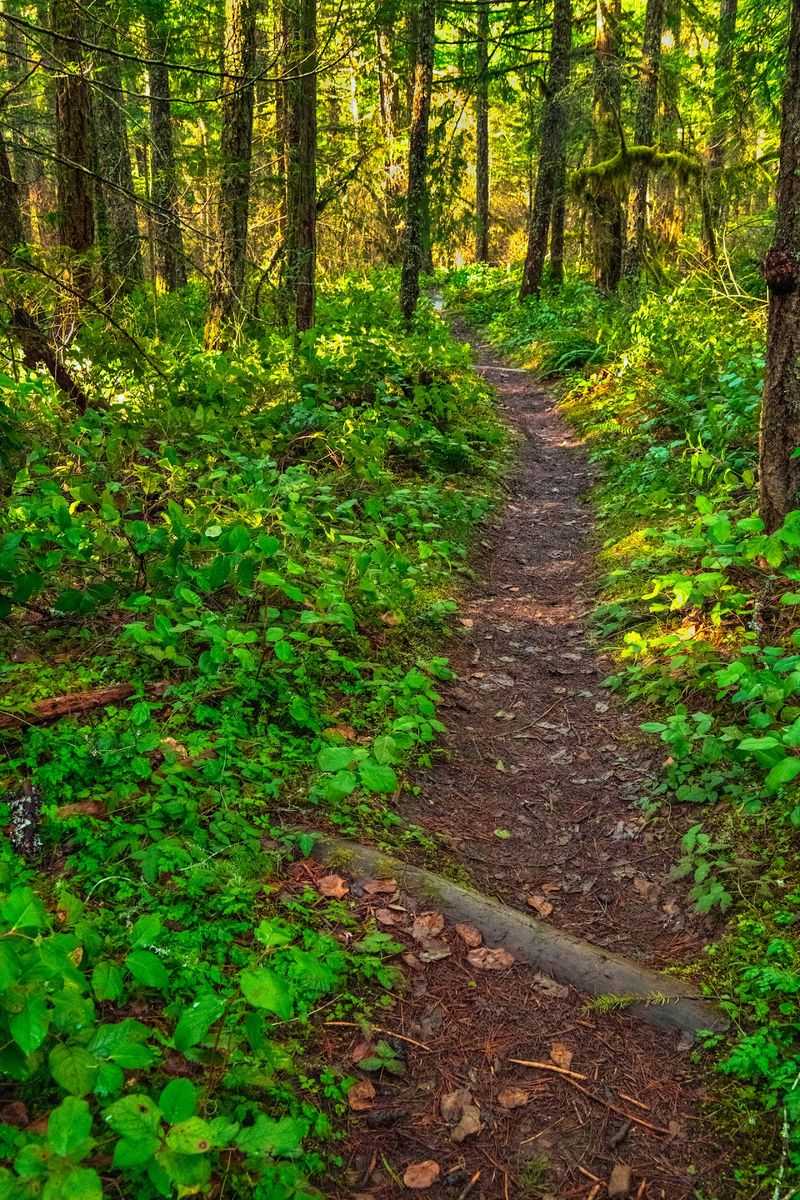
Before you ever hear the water, the forest steals the show. The trail winds from mature trees into old-growth giants under a thick green canopy.
Look down, too. The understory is rich and full, packed with plants that make the whole route feel alive.
Spring and early summer bring wildflowers along the path. Those pops of color look great against all that deep green.
The heavy tree cover keeps things shaded and cool. On a warm Oregon afternoon, that shade feels like free air conditioning.
All of this sits within the Umpqua National Forest. It’s a big, beautiful stretch of public land with plenty of quiet corners.
Walking slowly pays off here. You’ll notice textures in the bark, layers of moss, and how sunlight drifts through the branches.
Kids might enjoy a mini scavenger hunt along the way. Spot a flower, a huge trunk, or a fern taller than they are.
Remember to stay on the trail. It protects the plants and keeps this peaceful forest healthy for the next visitors.
The waterfall is the headliner. The trees make a pretty amazing opening act.
Show Up In Spring For The Loudest Version
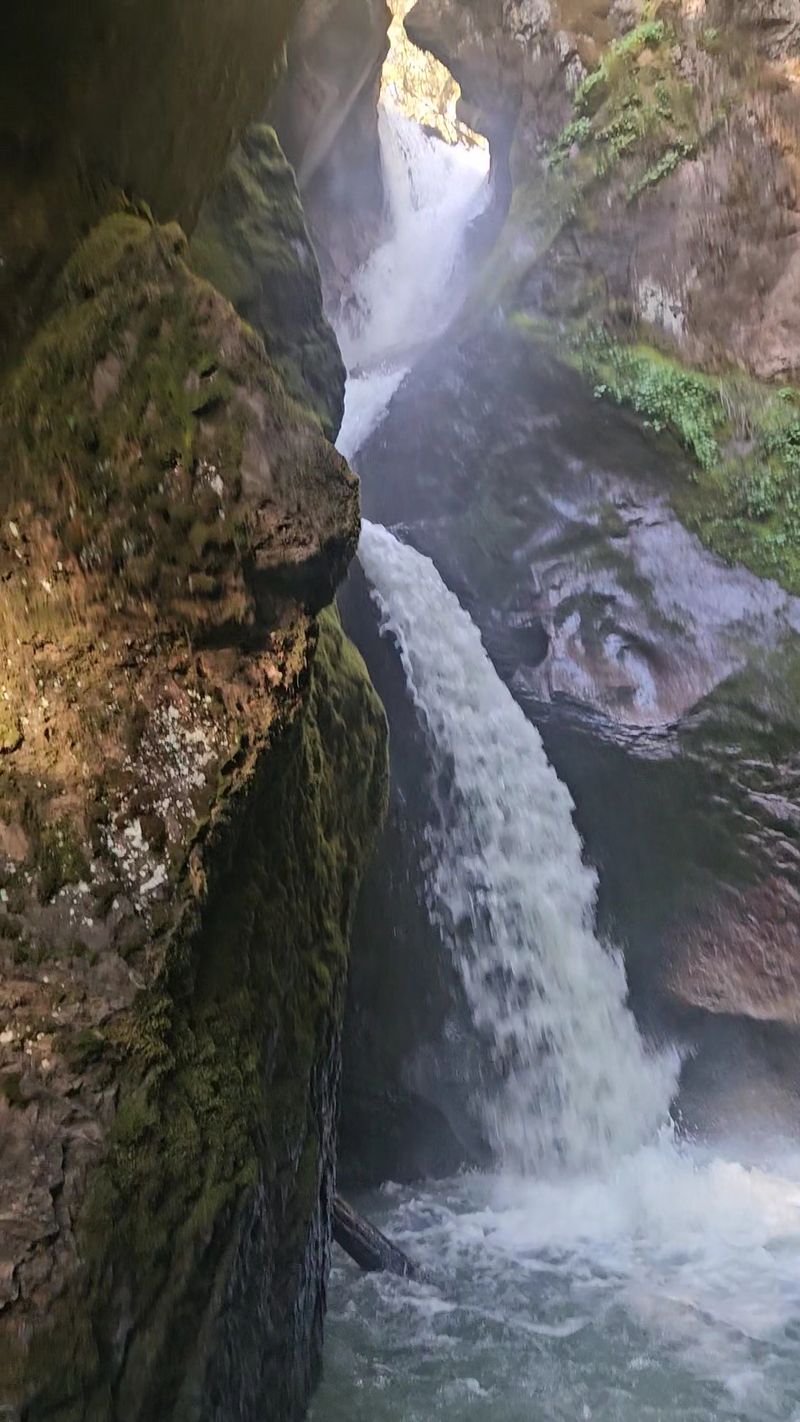
Timing changes everything at this waterfall. Shadow Falls is open year-round, but spring is when it really roars.
Melting snow and steady rain push Cavitt Creek to its highest levels. More water means a bigger, bolder look as it charges through the carved gorge.
That extra flow makes the rock illusion even more dramatic. The water seems to burst right out of the stone.
Late summer tells a quieter story. Creek levels can drop quite low, and the falls lose some of their punch.
Early winter can also bring solid flow after rains. Just weigh that against tougher road conditions and possible snow or ice.
A spring trip calls for a few extras. Pack a rain jacket, wear waterproof boots, and expect muddy spots on the trail.
Check weather and road reports before leaving home. A quick look can save you from surprises on that long gravel drive.
Honestly, a little drizzle suits this place. The wet rocks shine, the moss glows, and the forest smells fresh.
Plan wisely, and you’ll catch Shadow Falls at its most impressive.
Pack Smart Because The Trailhead Keeps Things Simple
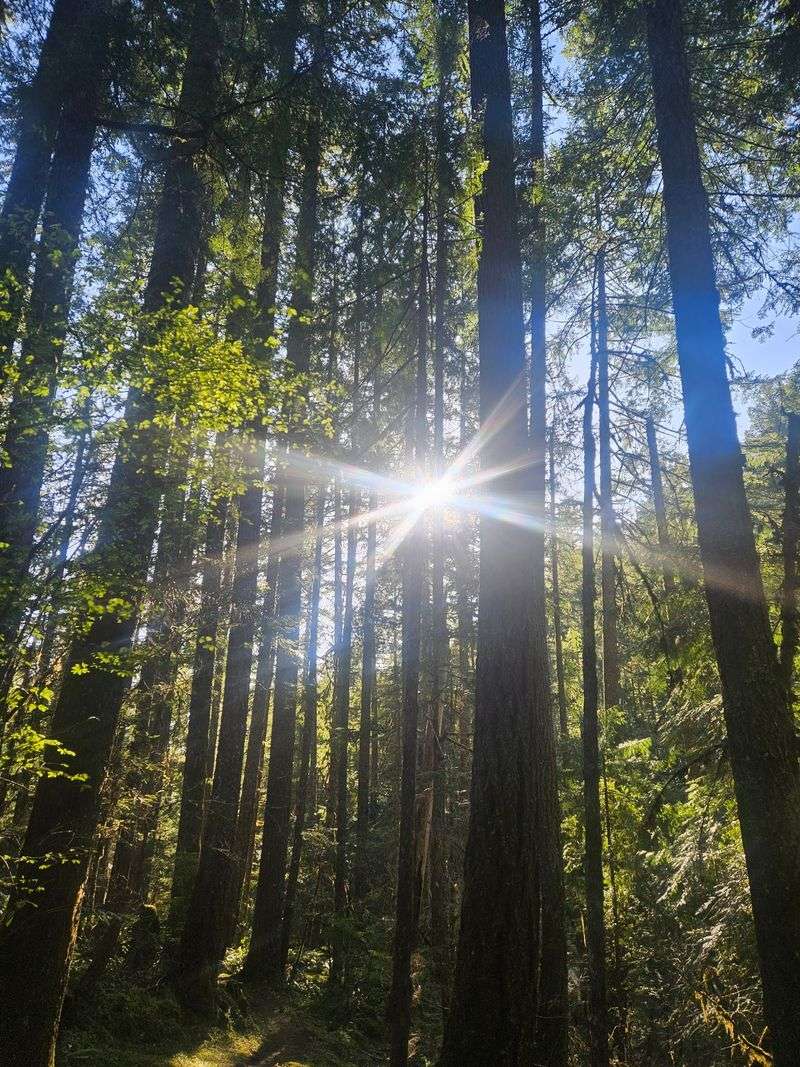
Simple is the theme at the Shadow Falls Trailhead. You’ll find a small parking area that holds roughly four to six vehicles.
A vault toilet sits right at the trailhead. That’s a welcome sight after a long, bumpy drive.
Drinking water is not provided, though. Bring plenty of your own, and treat any creek water before drinking it.
There’s also no trash service. Whatever you carry in needs to ride home with you.
A small trash bag in your pack makes this easy. Snack wrappers and tissues disappear neatly instead of cluttering the forest.
Following Leave No Trace habits keeps this quiet spot looking wild. It’s a small effort with a big payoff for everyone.
Since parking is limited, flexible timing helps. Weekdays or earlier hours may give you a better shot at a spot.
Consider packing a first aid kit, extra layers, and a flashlight. Remote areas reward people who plan ahead.
Think of the trailhead as a launch pad, not a visitor center. Show up prepared, and the rest of the trip goes smoothly.
Leashed Pups Are Welcome To Tag Along
Dogs love a good forest sniff, and this trail delivers. Pets are welcome on the Shadow Falls Trail as long as they stay on a leash.
That makes it a solid outing for the whole crew. Four-legged hikers can enjoy the shade, smells, and easy walking.
Keep one rule in mind nearby. Dogs aren’t allowed in the swimming area at the Cavitt Creek Recreation Area down the road.
So if you plan to explore more spots along Cavitt Creek, check the local rules first. Each area can have its own guidelines.
Leashes matter here for good reasons. They protect wildlife and keep pups away from steep rock edges near the gorge.
Bring water and a bowl for your dog, since none is available at the trailhead. Muddy paws are likely in spring, so pack an old towel too.
Waste bags are a must. With no trash service, you’ll carry those home as well.
A tired, happy dog in the back seat is a great way to end the day. That uphill return climb helps with the tired part.
Quiet Enough To Hear Every Splash
Crowds are not really a thing here. Shadow Falls doesn’t rank as a heavily trafficked trail, which keeps the mood calm.
That long gravel drive filters out a lot of casual traffic. The reward is a peaceful forest where the waterfall does most of the talking.
Moments like this are rare at big-name Oregon falls. Popular spots can feel packed, while this canyon stays much more relaxed.
Use the quiet well. Sit for a few minutes, listen to the water, and let the illusion work its magic again.
The canyon also holds several smaller cascades besides the main drop. Taking your time helps you spot them.
Respect keeps the peace going. Keep voices low, give other hikers space, and leave the area as clean as you found it.
Turn your phone to silent if you can. Notifications feel extra loud in a place this still.
Shadow Falls proves a waterfall doesn’t need fame to be unforgettable. It just needs carved stone, rushing water, and a little patience from you.
Not a bad trade for a bumpy drive.
