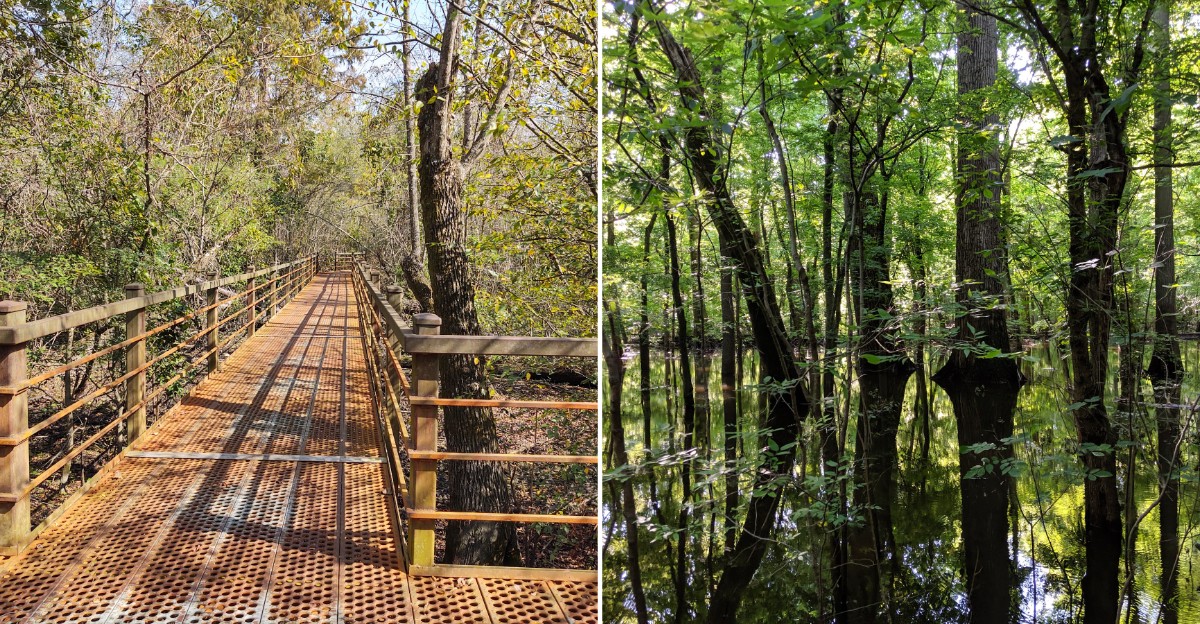
The average canopy here sits more than 120 feet above your head. Some trees push past 140 feet.
Yep, that’s a forest taller than most office buildings in small-town America.
What stands out to me is where it grows. This old-growth bottomland forest rises from flat farm country in southeast Missouri.
Fields stretch in every direction, and then suddenly a wall of giant trees appears.
Here’s the detail that caught my attention. Schoolchildren once donated nickels and dimes to help save these woods.
I can’t imagine a better use of pocket change.
The trees are only part of the appeal, too. A long boardwalk, a cypress swamp, and a list of champion trees all wait inside.
So how does a forest this tall survive in a sea of crops?
Crane Your Neck Because This Canopy Keeps Going Up
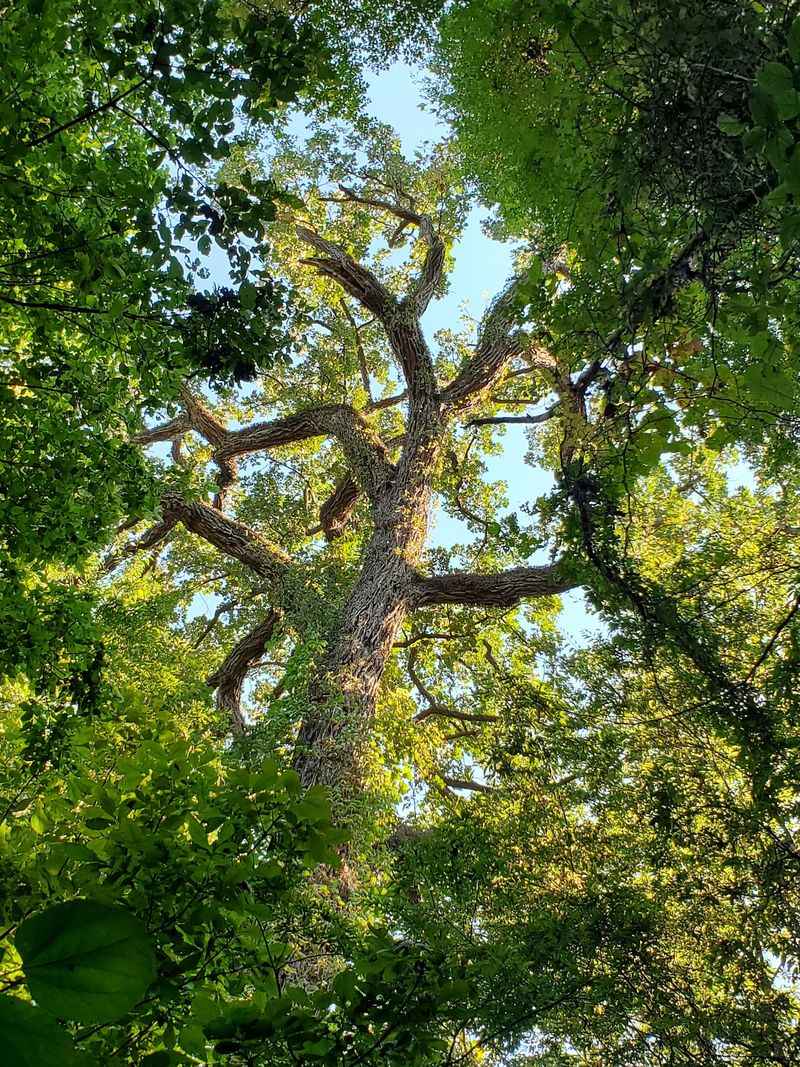
Most forests ask you to look around. Big Oak Tree State Park asks you to look up, and then keep looking.
The park protects an old-growth bottomland hardwood forest in Missouri’s Bootheel. Its average canopy height tops 120 feet.
A few standouts stretch beyond 140 feet, which is roughly the height of a 14-story building.
Old-growth means these woods were never fully cleared like the land around them. That’s rare in this part of the country.
Most of the original lowland forest disappeared long ago.
Standing under trees like these changes your sense of scale fast. Your car suddenly feels tiny.
Your backyard maple suddenly feels like a houseplant.
Bring a phone with a wide-angle lens if you want photos. Regular shots tend to cut off the tops completely.
Lying on a picnic table and pointing upward works surprisingly well, too.
Late fall and winter offer a bonus view. Once the leaves drop, the full size of the trunks and branches becomes easier to see.
Summer gives you that deep green ceiling instead.
Either way, plan to slow down here. A forest this tall rewards people who pause and stare a bit.
Champion Trees Live Here, And They Have The Titles To Prove It
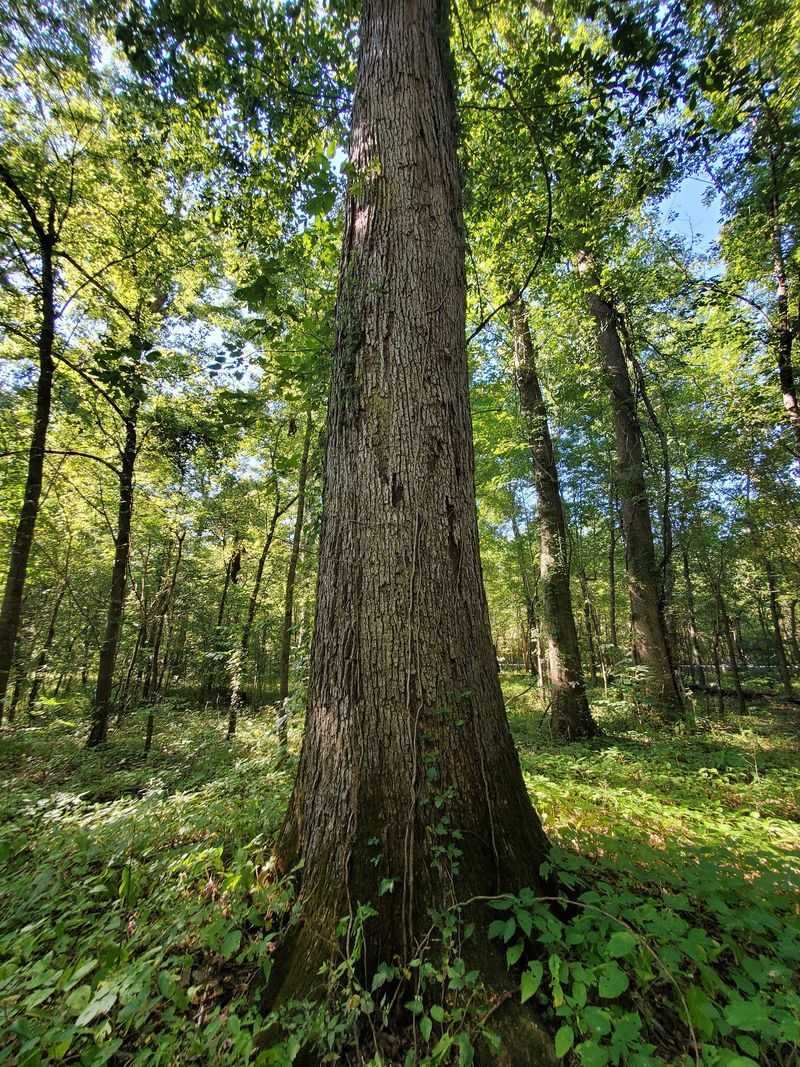
Okay, that’s impressive. The park carries the nickname The Park of Champions, and it earned every letter.
A champion tree is the biggest known example of its species. Size gets measured by trunk thickness, height, and crown spread.
Big Oak Tree State Park holds a national champion pumpkin ash.
The state champion list here is just as fun. It includes an overcup oak, a sweetgum, and a persimmon.
Picture a persimmon tree that beats every other persimmon in Missouri. That’s a serious resume.
Back in the 1960s, the park held nine national champion trees at once. Some have since fallen or lost their titles.
Trees, like athletes, eventually retire.
The pumpkin ash deserves extra attention now. Emerald ash borers threaten ash trees across the country.
Seeing a national champion while it still stands feels like a privilege.
Look for interpretive signs along the trails to learn more. They help you spot which giants carry special status.
Otherwise, you might walk right past greatness without knowing it.
Kids especially love the idea of record-setting trees. Turn it into a game and see who can find the biggest trunk first.
Flat Farmland Suddenly Turns Into A Forest Island
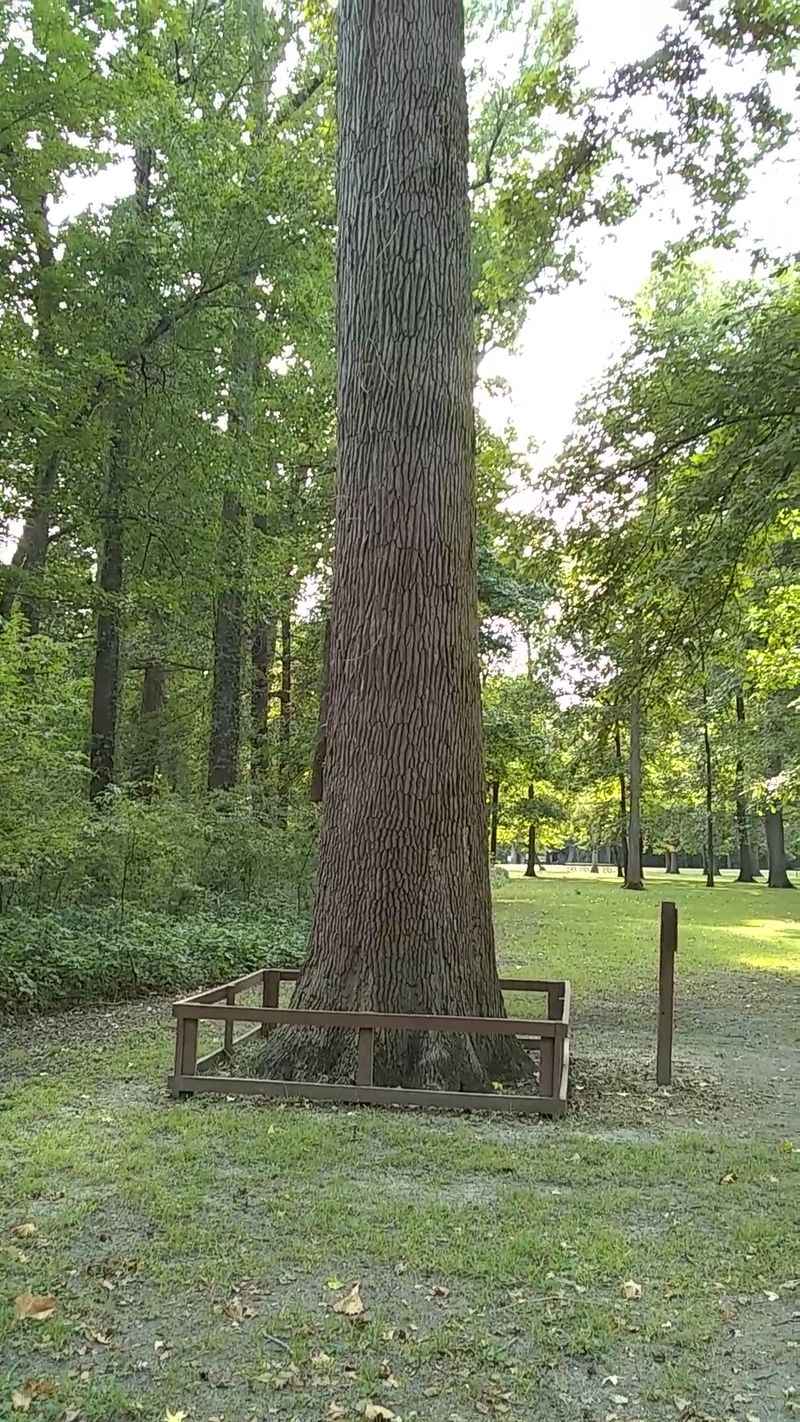
Driving the back roads of southeast Missouri feels predictable at first. Row crops roll by, mile after mile, flat as a tabletop.
Then a dark green block of forest rises from the fields. That’s the park, roughly 1,000 acres of woods surrounded by drained farmland.
The contrast hits you before you even park.
This region was once covered by huge swamp forests. Settlers drained and cleared most of it for agriculture.
What remains here is a small window into the old landscape.
I like thinking of it as a time capsule with bark. The land around it changed completely.
These woods kept much of their original character.
The location also explains the wildlife. Animals and birds have few other forested places nearby.
So this patch of trees becomes a busy neighborhood.
Give yourself a moment at the edge before heading in. Look back at the open fields, then forward at the forest.
It makes the size of the trees feel even more dramatic.
Honestly, it’s a little like finding a redwood grove in a cornfield. Not exactly, but close enough to make you smile.
Stroll Above The Swamp On A Long Metal Boardwalk
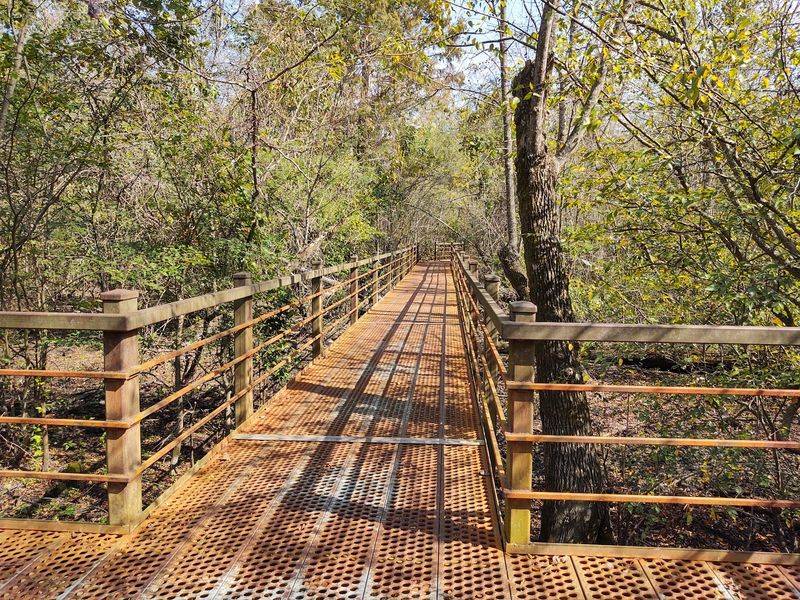
Muddy boots? Not on this route.
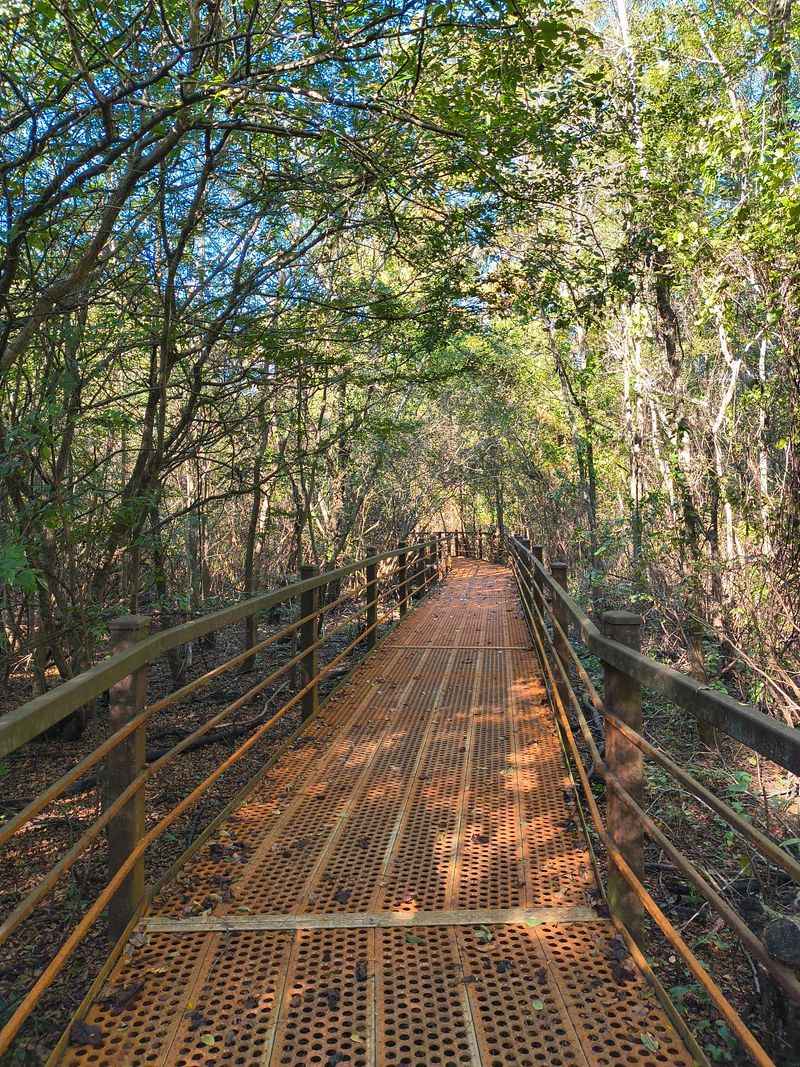
The Boardwalk Trail lifts you above the wet ground for about 0.7 miles.
The walkway is made of metal and stays flat the whole way. It’s accessible, with benches and rest spots along the route.
Strollers and wheelchairs can handle it comfortably.
Near the start sits an elevated, screened gazebo with a ramp. It makes a nice shady spot for reading or birdwatching.
Mosquitoes stay on the other side of the screen, which is a gift.
Water levels change with the seasons. Some months the boardwalk crosses shallow swamp water.
Other times the ground below runs dry.
Interpretive signs explain plants and trees along the way. They turn a simple walk into a mini nature class.
You’ll leave knowing more than when you arrived.
One tip for dog owners matters here. The metal surface has openings that small paws can catch in.
Keep an eye on your pup and walk slowly.
Bug spray belongs in your bag, especially in warm months. The swamp is beautiful, but the insects clearly love it too.
Missouri’s Only State Park Cypress Swamp Feels Like Louisiana
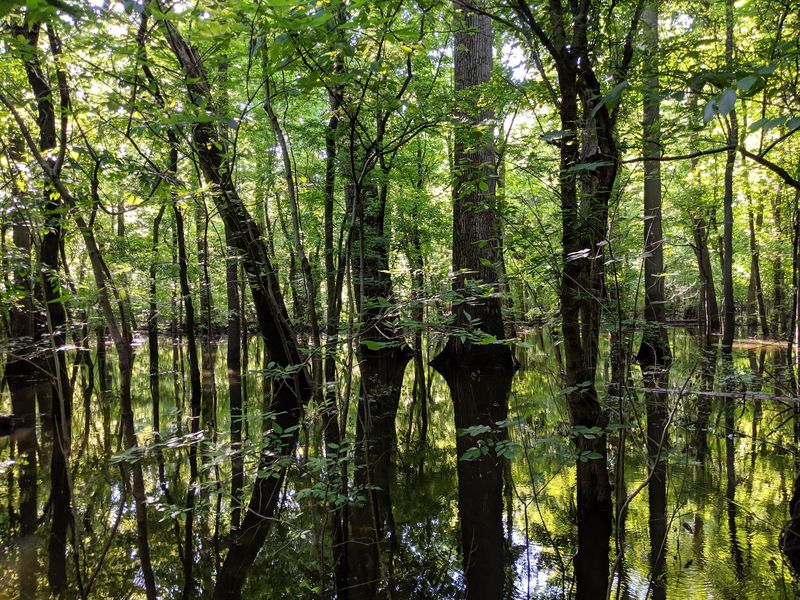
Three feet. That’s all the elevation change it takes to switch ecosystems here.
Big Oak Tree State Park holds the only cypress swamp in the entire Missouri state park system. On slightly higher ground, oaks and hickories dominate.
Drop just a few feet, and bald cypress takes over.
The higher forest floods only now and then. The lower swamp floods often.
Trees sort themselves by how much soggy ground they can tolerate.
Bald cypress trunks flare wide at the base. Knobby cypress knees poke up from the ground around them.
They look a bit like a crowd of wooden gnomes.
Fall brings another surprise. Bald cypress is a conifer, yet it drops its needles each year.
Before they fall, they turn a warm rusty orange.
The Cypress Trail gives you a closer look at these trees. Water levels vary, so conditions change from visit to visit.
Wear shoes you don’t mind getting a little dirty.
Standing here, it’s easy to forget you’re in Missouri. The scene feels more like the Deep South.
Seriously, pack a little extra wonder for this stretch.
Bring Binoculars, Because The Birds Steal The Show
Bird watchers know this park by name. More than 150 bird species have been recorded here, earning it a national reputation.
The prothonotary warbler is a star. It’s a bright golden-yellow songbird that loves wooded swamps.
Spotting one feels like finding a living lemon in the trees.
Mississippi kites soar overhead in warmer months. Barred owls call from the woods with their famous who-cooks-for-you hoot.
Red-shouldered hawks also make appearances.
Birds aren’t the only residents. The park supports 42 species of reptiles and amphibians.
Green treefrogs are among the most charming.
Mammals add to the list, with about 25 species. The swamp rabbit is a rare highlight.
It’s a big rabbit that actually swims.
Early mornings are usually best for wildlife activity. Spring and fall bring pleasant weather and lots of movement.
Move quietly and pause often on the boardwalk.
Pack binoculars and maybe a simple field guide. A birding app can help identify songs, too.
Even beginners can rack up a respectable list here.
Just remember to look up between sightings. The trees are still showing off.
Nickels And Dimes From Schoolkids Helped Save These Woods
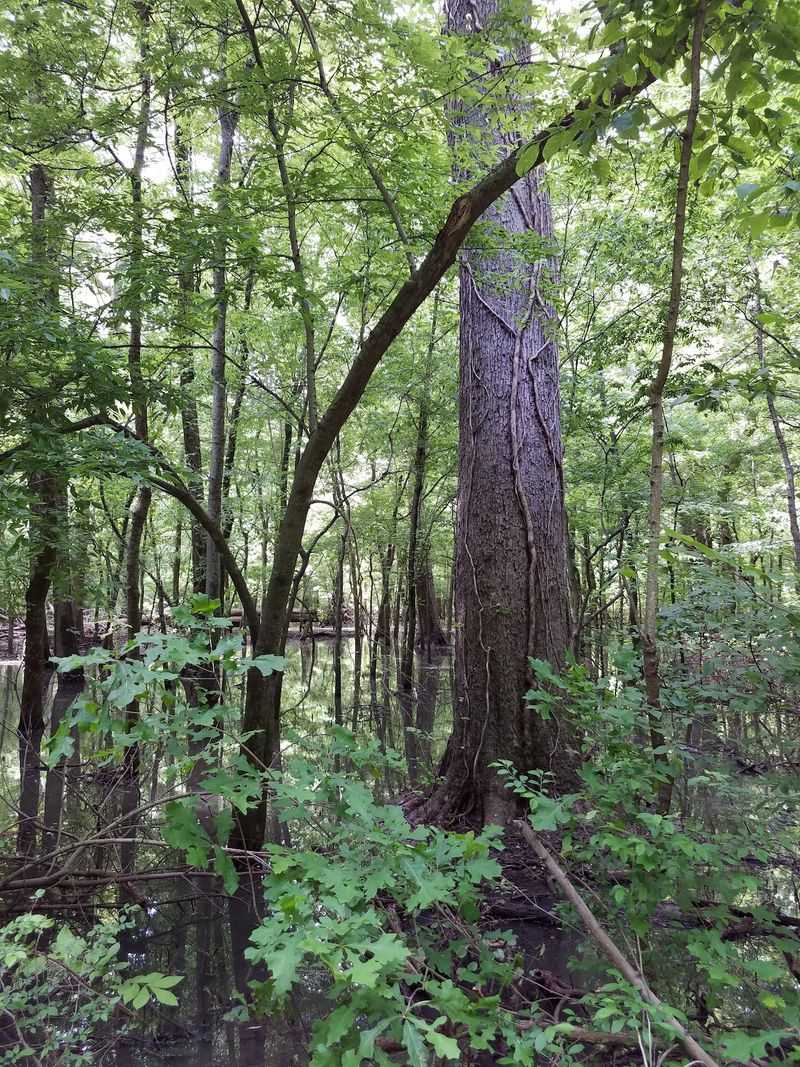
There’s quite a story behind this forest. In the 1930s, lowland woods across the Bootheel were falling fast to make room for farms.
Local folks noticed one enormous oak and decided it deserved better. They set out to save the tree and the 80 acres around it.
The timing was tough, since the Great Depression gripped the country.
Money was tight for nearly everyone. Still, businessmen and citizens chipped in.
Schoolchildren donated nickels and dimes from their own pockets.
That effort worked. The park was dedicated in 1938.
Today it covers about 1,029 acres.
I love that kids played a real role in this. Their spare change helped protect trees we can still visit.
Not many allowances age this well.
The story also explains why the park feels special. It exists because a community cared enough to act.
That spirit still hangs in the air here.
Share the history with younger visitors before you hike. It gives the walk extra meaning.
Suddenly every giant trunk becomes part of a story they understand.
Big Oak Tree State Park started with one tree. It grew into something much larger.
Pack A Picnic And Make A Full Day Of It
Good news for budget planners. Admission is free, and the park stays open year-round.
You’ll find Big Oak Tree State Park at 13640 South Highway 102 in East Prairie, Missouri. It sits in the far southeast corner of the state.
Plan for a scenic rural drive to get there.
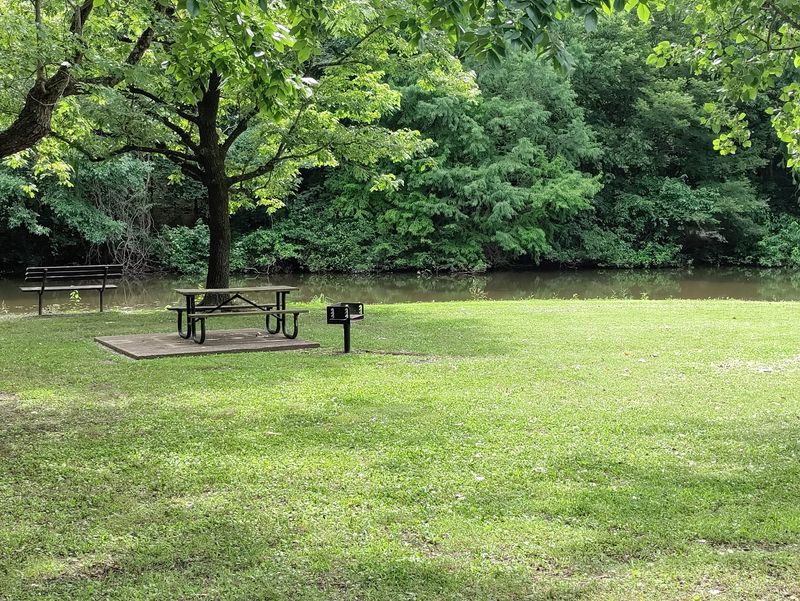
Picnic sites include accessible options, plus shelters for bigger groups. Charcoal grills make lunch outdoors easy.
There’s also an accessible playground for kids who need to burn energy.
Leashed pets are welcome, so your dog can come along. Restrooms are available near the trail area.
Camping isn’t offered, so treat this as a day trip.
Spring and fall usually bring the most comfortable weather. Summer can get hot and buggy in the swamp.
Fair warning, those mosquitoes take their job seriously.
A smart packing list keeps things simple. Bring water, bug spray, snacks, and sturdy shoes.
Binoculars and a camera round it out nicely.
Give yourself at least a few hours. Walk the boardwalk, try the Bottomland Trail, and finish with a picnic under the giants.
Honestly, few lunch spots come with a 120-foot ceiling. This one does.
