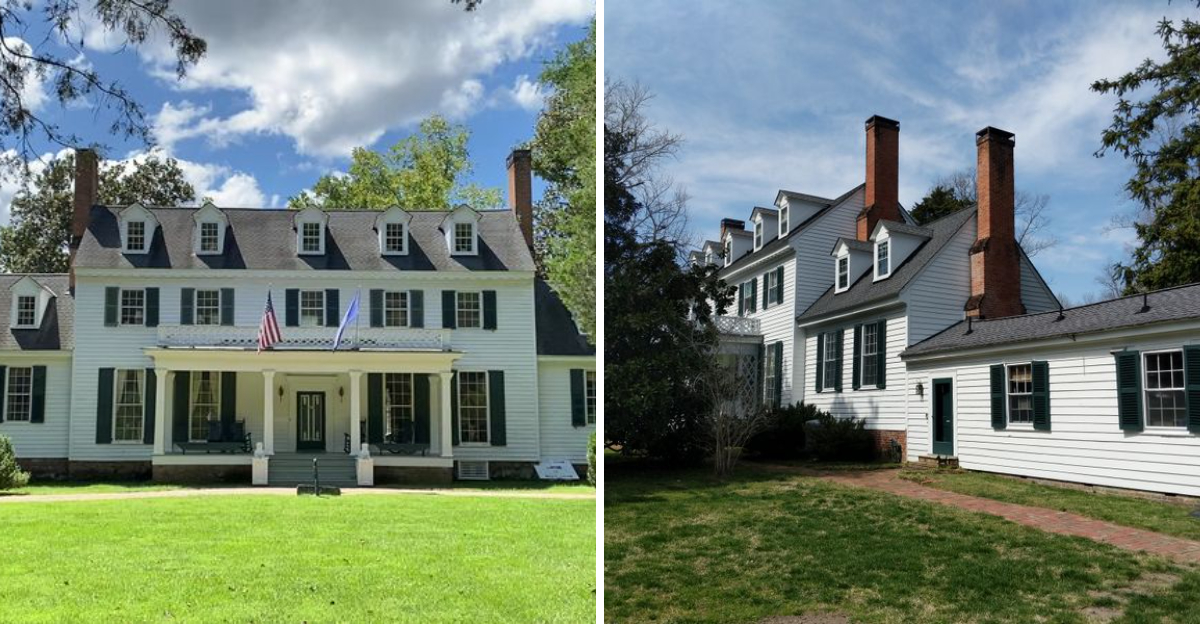
Tucked along the winding roads of Charles City County sits a treasure that most travelers zoom right past on their way to bigger names. Sherwood Forest Plantation isn’t just another historic house with a velvet rope and a dusty portrait.
This is the longest frame house in America, home to President John Tyler, and still privately owned by his descendants today. While Monticello and Mount Vernon grab the headlines, this riverside estate quietly steals the show with its Gothic Revival charm, centuries-old gardens, and stories that feel more like whispered secrets than polished museum scripts.
The canopy of ancient trees alone is worth the drive, but wait until you hear about the resident ghost. Charles City might not be on your GPS yet, but after reading this, it will be.
Virginia history doesn’t get more intimate or intriguing than what awaits at 14501 John Tyler Memorial Highway.
John Tyler’s Presidential Legacy Lives On Every Corner
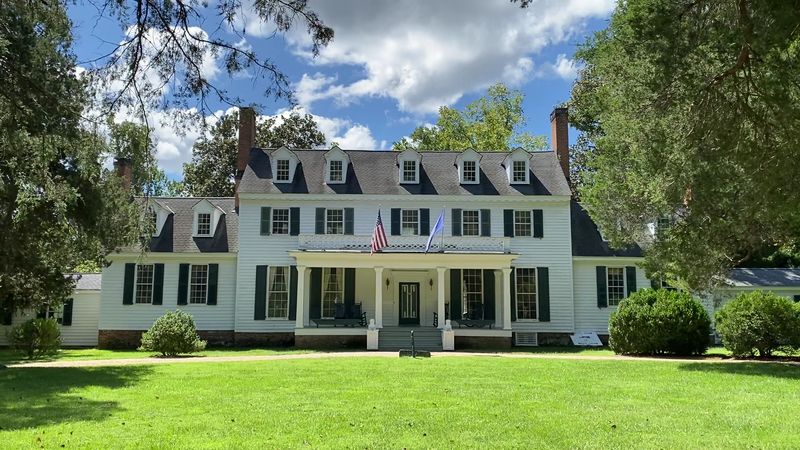
Most people forget John Tyler even existed until they visit this place. He was the tenth president, the first to assume office after a sitting president died, and the guy who proved the Constitution actually worked when things got messy.
Sherwood Forest became his sanctuary, his refuge, and ultimately his final resting place in Virginia soil.
Tyler purchased the plantation and renamed it after the legendary English forest, perhaps seeing himself as a bit of an outlaw after his rocky political career. His descendants still live here, making it one of the few presidential homes that remains a working, breathing family residence instead of a sterile museum.
Tour guides share stories that textbooks skip. You’ll hear about Tyler’s fifteen children, his controversial second marriage, and his complicated relationship with both the Union and the Confederacy.
The house doesn’t shy away from the messy parts of history. It embraces them.
Standing in the rooms where Tyler made decisions, wrote letters, and lived his post-presidency life gives you a front-row seat to American history that feels personal. This isn’t distant or untouchable.
It’s real, it’s flawed, and it’s fascinating beyond measure.
The Gray Lady Ghost Haunts The Halls With Style
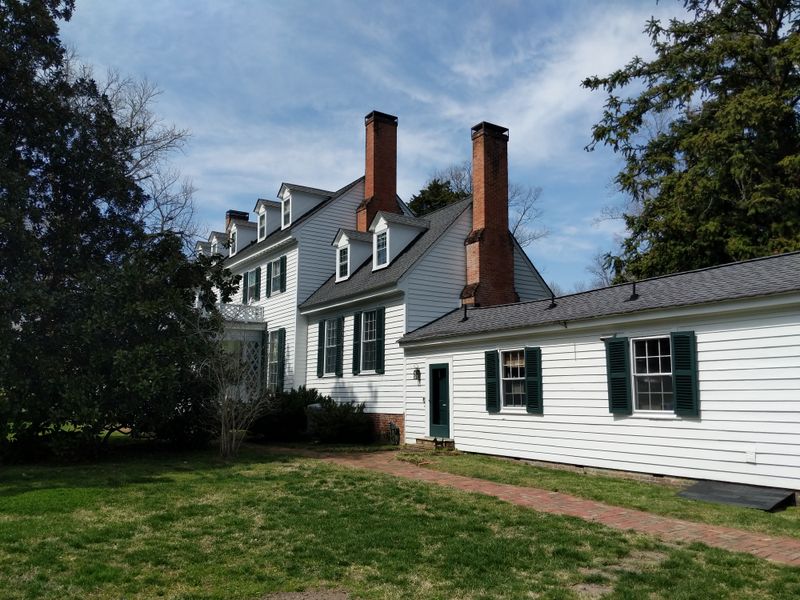
Every great Southern estate needs a ghost story, and Sherwood Forest delivers one that’ll give you chills even on a sunny afternoon. The Gray Lady, as she’s affectionately called, reportedly glides through the hallways late at night, her presence felt more than seen.
Some say she’s a former resident. Others swear she’s a heartbroken soul searching for something lost long ago.
Staff and family members have reported unexplained footsteps, doors opening on their own, and the faint scent of lilac perfume drifting through empty rooms. Skeptics might roll their eyes, but spend enough time in a house this old and you start to wonder.
The atmosphere here practically begs for a ghost or two.
Visitors on evening tours sometimes report cold spots in the upstairs bedrooms or the feeling of being watched from the grand staircase. The Tyler family doesn’t sensationalize it, but they don’t deny it either.
They’ve lived with the Gray Lady for generations, and she’s become part of the family lore.
Virginia’s haunted history is rich, but few places wear their supernatural reputation as gracefully as Sherwood Forest. The ghost adds mystery without overshadowing the very real history that makes this place extraordinary.
Ancient Trees Form A Cathedral Canopy Over The Grounds
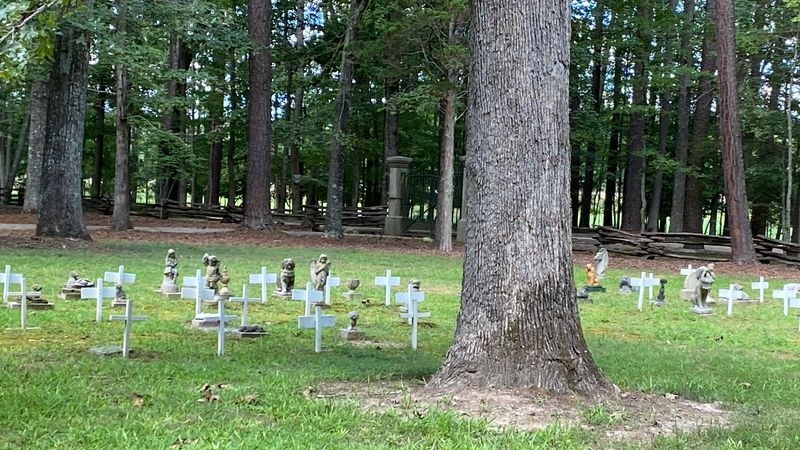
Step outside and prepare to have your breath stolen by the oldest, grandest trees you’ve ever seen. Some of these giants were already towering over the land when Tyler first arrived, and they’ve only grown more majestic with age.
Their branches twist and reach like nature’s own architecture, creating a shaded canopy that feels sacred.
Walking beneath these trees, you understand why Tyler chose this spot. The land itself radiates peace and permanence.
Moss drapes from the limbs, sunlight filters through in golden shafts, and the air smells like earth and history mixed together. It’s the kind of place that makes you stop, breathe deep, and forget about your phone for a minute.
Photographers go wild here, and for good reason. Every angle offers a postcard-worthy shot, especially during golden hour when the light turns everything into liquid amber.
The trees frame the house perfectly, making it look like something out of a storybook rather than a history lesson.
Virginia’s natural beauty shines brightest when it’s left to grow wild and free. Sherwood Forest understands this better than most.
The grounds aren’t manicured to death. They’re allowed to breathe, to age, to tell their own stories alongside the human ones.
Gothic Revival Architecture Steals The Show
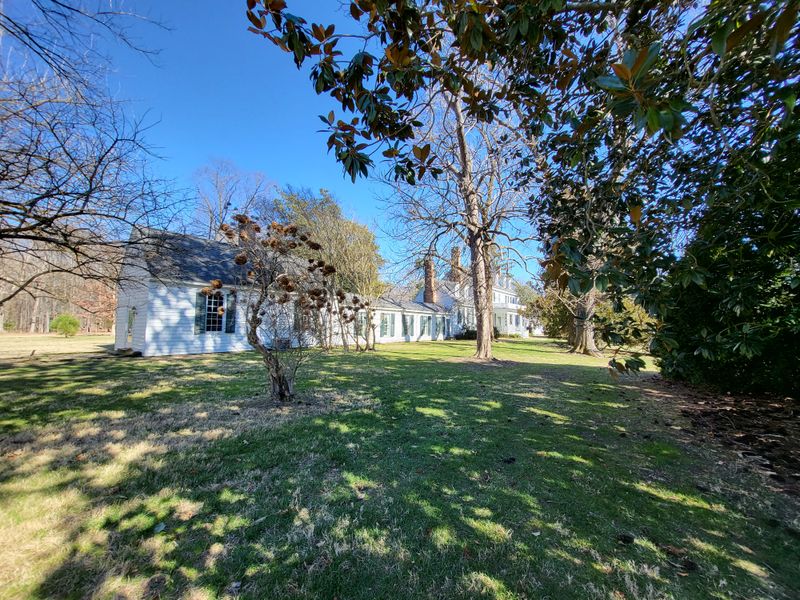
Forget what you think you know about plantation architecture. Sherwood Forest breaks the mold with its Gothic Revival flourishes that make it stand out from every other columned mansion in Virginia.
Tyler added these touches himself, drawn to the romantic, almost whimsical style that was sweeping through America in the mid-1800s.
Look closely and you’ll spot the pointed arches, the intricate woodwork, and the playful details that give the house its fairy-tale quality. It’s not heavy or dark like European Gothic.
It’s lighter, airier, distinctly American in its interpretation. The style reflects Tyler’s personality: unconventional, independent, and unafraid to stand apart from the crowd.
Inside, the Gothic theme continues with soaring ceilings, dramatic doorways, and windows that seem to stretch toward the sky. Natural light floods the rooms, making the space feel open and alive despite the house’s age.
You half expect to see a character from a Bronte novel wandering through.
Architectural enthusiasts make pilgrimages here just to study the details. It’s a rare example of Gothic Revival done right, without tipping into over-the-top theatrics.
The house feels elegant, not costumey, and that balance is harder to achieve than it looks.
The James River Views Are Pure Virginia Magic
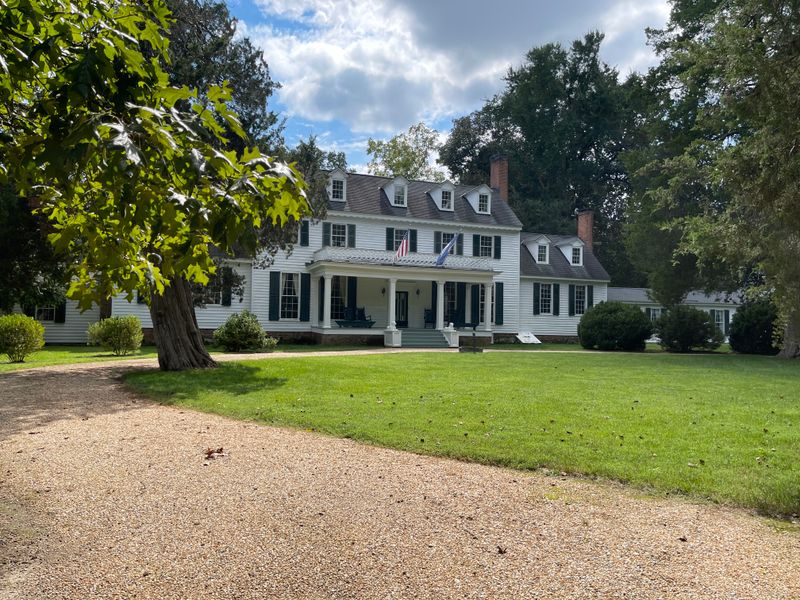
Position yourself on the right spot on the property and you’ll catch glimpses of the James River winding through the Virginia countryside like a silver ribbon. Tyler knew what he was doing when he chose this location.
Water meant transportation, commerce, and beauty all rolled into one. The river shaped the economy and the soul of this place.
Standing near the river, you can almost hear the paddle wheelers that once chugged past, carrying goods and passengers between Richmond and the coast. The water moves slow and steady, reflecting the sky and the trees in perfect mirror images.
It’s the kind of view that painters try to capture and never quite get right because you have to feel it, not just see it.
The plantation’s relationship with the river runs deep. It provided sustenance, connection, and a constant reminder of the wider world beyond the estate’s borders.
Today, it offers tranquility and a sense of timelessness that’s increasingly rare in modern Virginia.
Visitors often linger by the water longer than they plan, mesmerized by the gentle current and the wildlife that calls the riverbanks home. Herons stalk through the shallows, turtles sun themselves on logs, and fish jump at dusk, creating ripples that spread outward in perfect circles.
Original Furnishings Tell Stories Textbooks Never Will
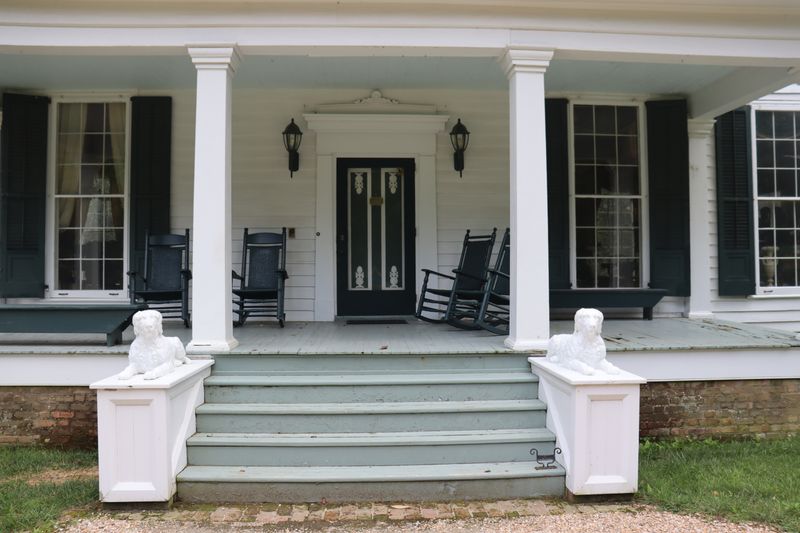
Museums fill their rooms with period-appropriate furniture. Sherwood Forest fills its rooms with the actual stuff that Tyler and his family used every single day.
That desk? Tyler signed documents at it.
That chair? Someone sat in it during family dinners.
The connection is direct, unbroken, and powerful.
Seeing authentic pieces in their original home changes everything. You’re not looking at artifacts behind glass.
You’re standing in a living space that happens to be really, really old. The wear on the chair arms, the patina on the silver, the faded fabric on the settee all tell stories of actual lives lived within these walls.
The Tyler descendants have been meticulous custodians, preserving pieces that other families might have sold off or replaced decades ago. Their dedication means visitors get to experience something increasingly rare: authenticity.
No reproductions, no educated guesses, just the real deal passed down through generations.
Each room feels like a perfectly preserved snapshot of mid-19th century Virginia life. The furniture speaks to both elegance and practicality, beauty and function.
Tyler’s taste leaned toward comfort over ostentation, and it shows in every piece. This was a home meant for living, not just impressing visitors.
The Property Remains A Working Plantation Today
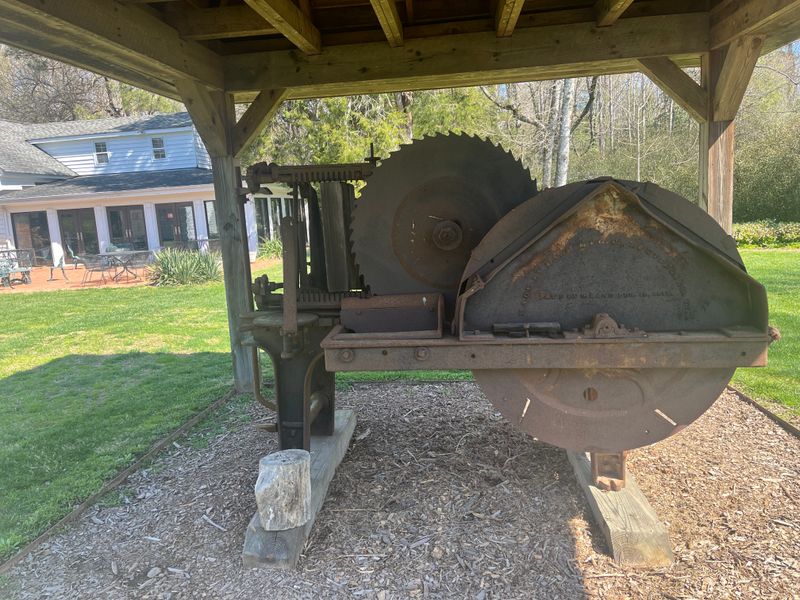
Unlike most historic sites frozen in time, Sherwood Forest continues to function as an active agricultural property. The land still produces, the grounds still serve a purpose beyond tourism, and the connection to Virginia’s farming heritage remains unbroken.
This isn’t a movie set. It’s a working piece of American history.
The Tyler family maintains the property with the same care and attention that generations before them did. Fields are planted, timber is managed, and the land is stewarded with an eye toward both preservation and productivity.
It’s a delicate balance that few historic properties manage to strike.
Visitors get to see what sustainable historic preservation looks like in practice. The estate doesn’t rely solely on ticket sales to survive.
It earns its keep through thoughtful land management and agricultural practices that honor the past while embracing modern conservation methods. Virginia’s farming tradition lives on here in very real ways.
Walking the property, you’ll notice the blend of historic structures and working farm elements. Barns still store equipment, fields still grow crops, and the rhythm of the seasons still dictates life here.
It’s refreshing to see a historic site that’s alive in every sense of the word, not just preserved in amber.
Gardens Bloom With Centuries Of Virginia Plant Life
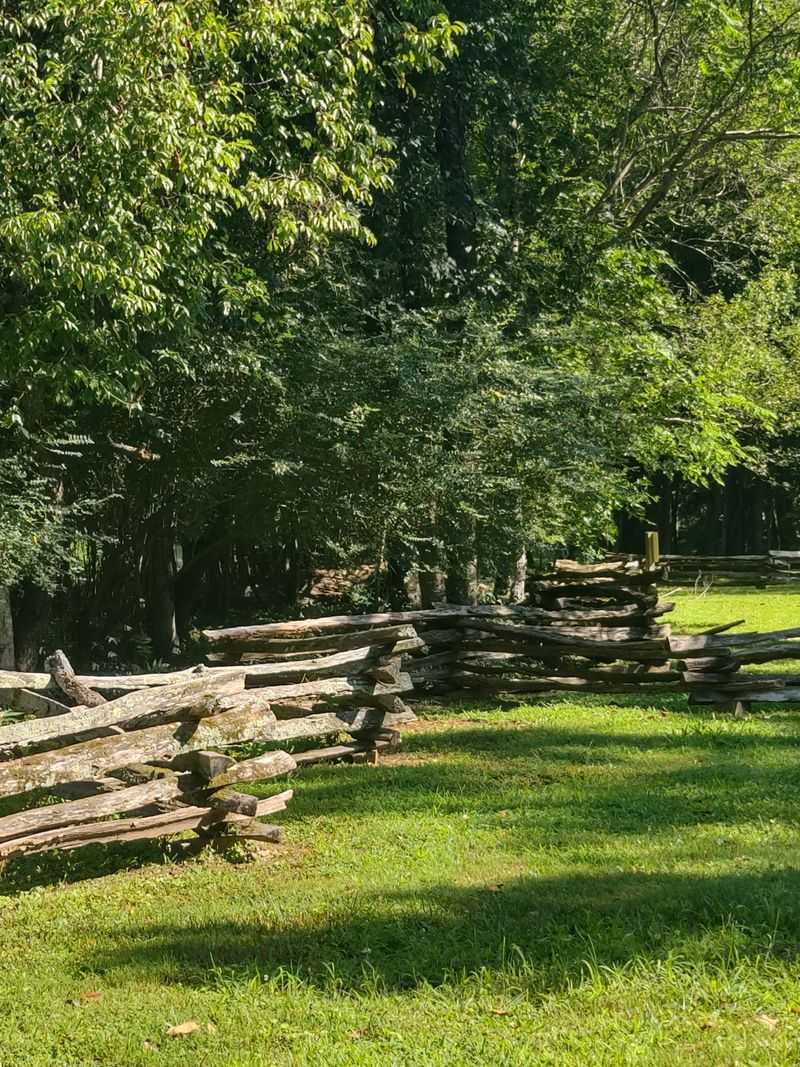
The gardens at Sherwood Forest aren’t the fussy, over-manicured type you see at some historic estates. They’re wild in the best possible way, filled with plants that have been growing here for generations.
Some specimens date back to Tyler’s time, their roots literally connected to the same soil he walked on.
Boxwoods line the pathways, their woody stems thick with age and their scent sharp and green in the humid Virginia air. Flowering shrubs burst into bloom according to the season, painting the landscape in rotating palettes of color.
Spring brings azaleas and dogwoods. Summer offers crepe myrtles and roses.
Fall delivers golden leaves and late-blooming perennials.
Gardeners and botanists make special trips here to study the heirloom varieties and heritage plants that have survived against the odds. Modern landscaping trends come and go, but these gardens remain true to their 19th-century roots.
They’re living history lessons in Virginia horticulture, showing what grew well then and what still thrives now.
Walking these paths feels meditative. The gardens invite slow exploration, quiet observation, and deep appreciation for the patience it takes to create beauty that lasts across centuries.
They’re proof that the best landscapes are grown, not installed.
Private Ownership Keeps The History Intimate And Real
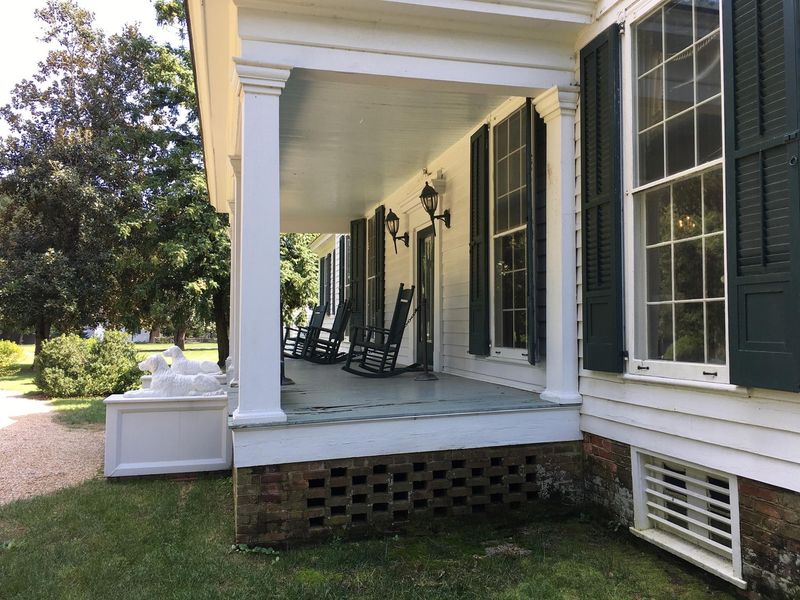
Here’s what makes Sherwood Forest truly special: it’s still a home. The Tyler family hasn’t handed the keys over to the National Park Service or a historical society.
They live here, raise their families here, and open their doors to visitors because they believe this history deserves to be shared. That personal investment shows in every detail.
Tours feel less like scripted presentations and more like conversations with people who genuinely love this place. Guides share family stories alongside historical facts, blurring the line between past and present in the most wonderful way.
You’re not just learning about John Tyler. You’re learning about the people who’ve kept his legacy alive for generations.
Private ownership means the estate can maintain its character without bureaucratic interference. Decisions are made by people who live with the consequences, who sleep under the same roof as the Gray Lady, who watch the seasons change from the same windows Tyler once looked through.
That continuity matters more than most people realize.
Virginia is lucky to have families like the Tylers who choose preservation over profit, who open their private lives to strangers because they understand the importance of keeping history accessible. It’s a gift, really, and one that shouldn’t be taken for granted.
Dear Reader: This page may contain affiliate links which may earn a commission if you click through and make a purchase. Our independent journalism is not influenced by any advertiser or commercial initiative unless it is clearly marked as sponsored content. As travel products change, please be sure to reconfirm all details and stay up to date with current events to ensure a safe and successful trip.
