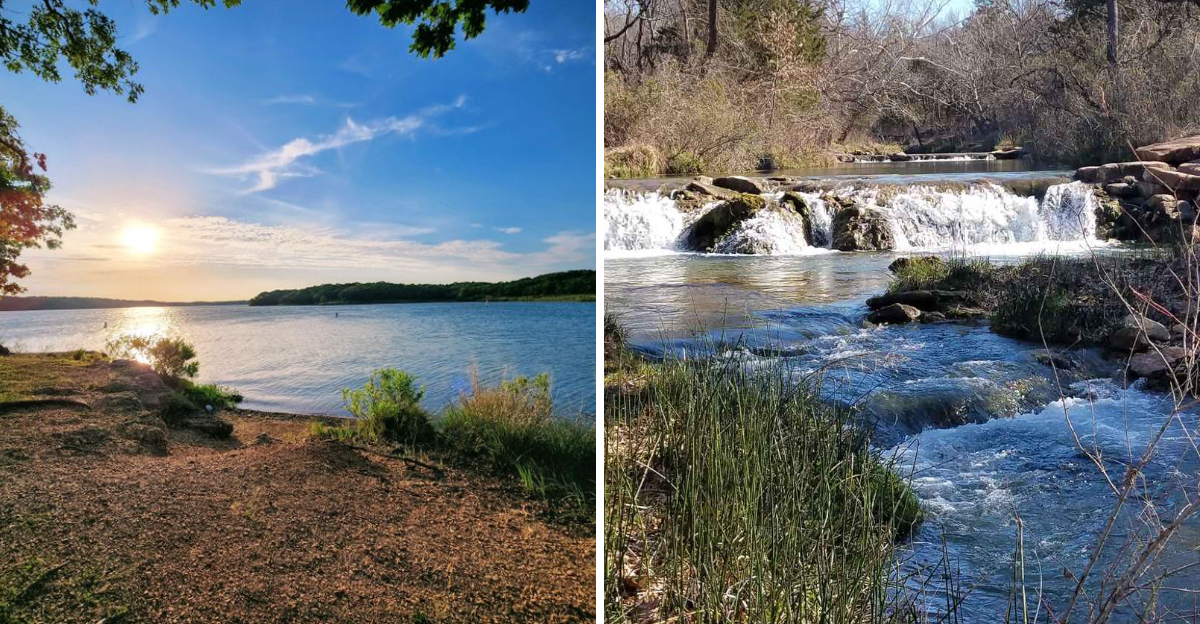
I never expected to find such a refreshing paradise tucked away in southern Oklahoma. Chickasaw National Recreation Area is a place where natural springs bubble up from the earth, creating pools so clear you can count the pebbles at the bottom.
The park feels like stepping into a different world entirely. Forests wrap around streams that flow over limestone ledges, and trails wind through landscapes that shift from rocky outcrops to shaded woodlands.
During my visits, I’ve watched families splash in cool spring water on scorching summer days and hikers explore quiet paths when autumn leaves crunch underfoot. This place has earned its 4.8-star rating because it delivers something rare: a genuine escape that doesn’t require traveling halfway across the country.
Whether you’re looking to cool off, explore trails, or simply sit by moving water, this Oklahoma treasure offers experiences that stick with you long after you leave.
Springs That Flow With Crystal Clarity
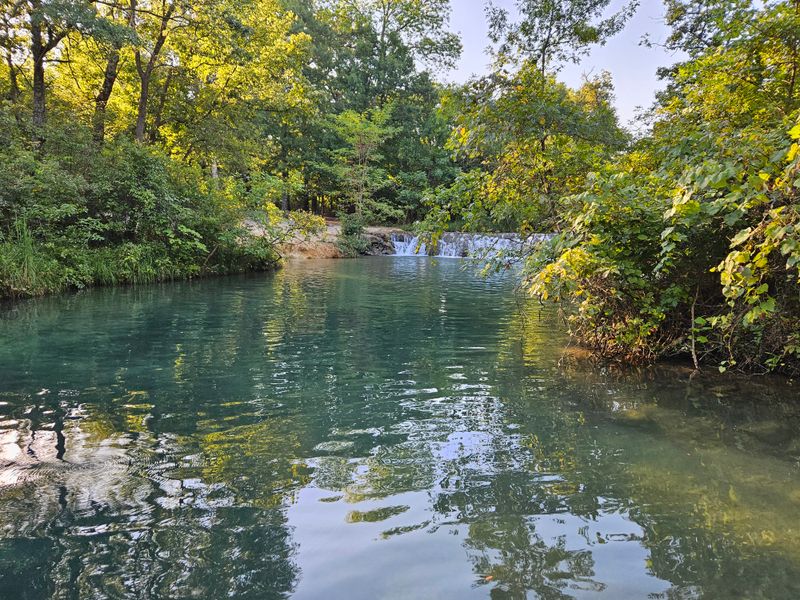
Walking up to the springs for the first time, I stopped in my tracks. The water was so transparent that it looked almost unreal, like someone had polished glass and laid it across the ground.
These aren’t ordinary springs. They push up from deep underground aquifers, filtered through layers of rock that strip away impurities and leave behind water that’s startlingly pure.
The temperature stays cool year-round, which makes them perfect for hot Oklahoma summers when the air shimmers with heat.
I filled my water bottle from one of the designated springs, and the taste was clean and slightly mineral-rich. Many visitors do the same, bringing containers specifically for this purpose.
The springs create small pools and streams that flow through the park, feeding into larger waterways. Standing beside them, you can actually see the water bubbling up from below, a constant reminder that this place is alive with underground forces.
What strikes me most is how the springs support an entire ecosystem. Plants cluster around the water’s edge, and small fish dart through the shallows.
The clarity lets you observe everything happening beneath the surface, turning each pool into a natural aquarium that changes with the seasons.
Little Niagara Falls Creates Its Own Spectacle
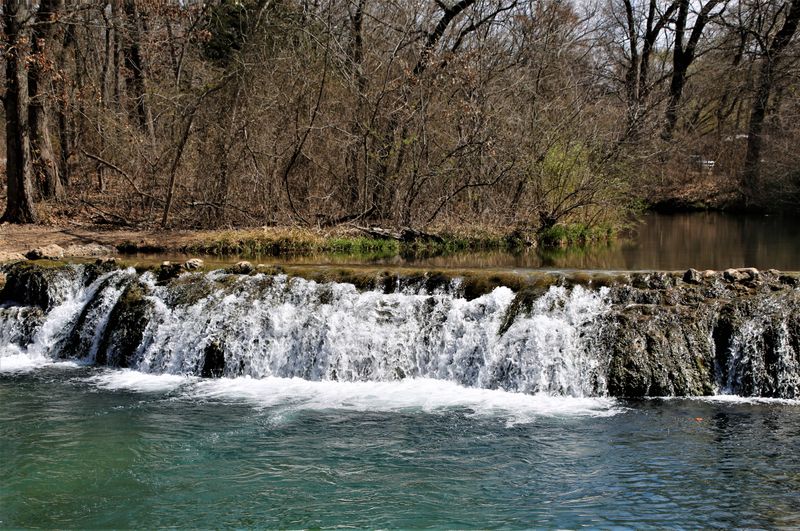
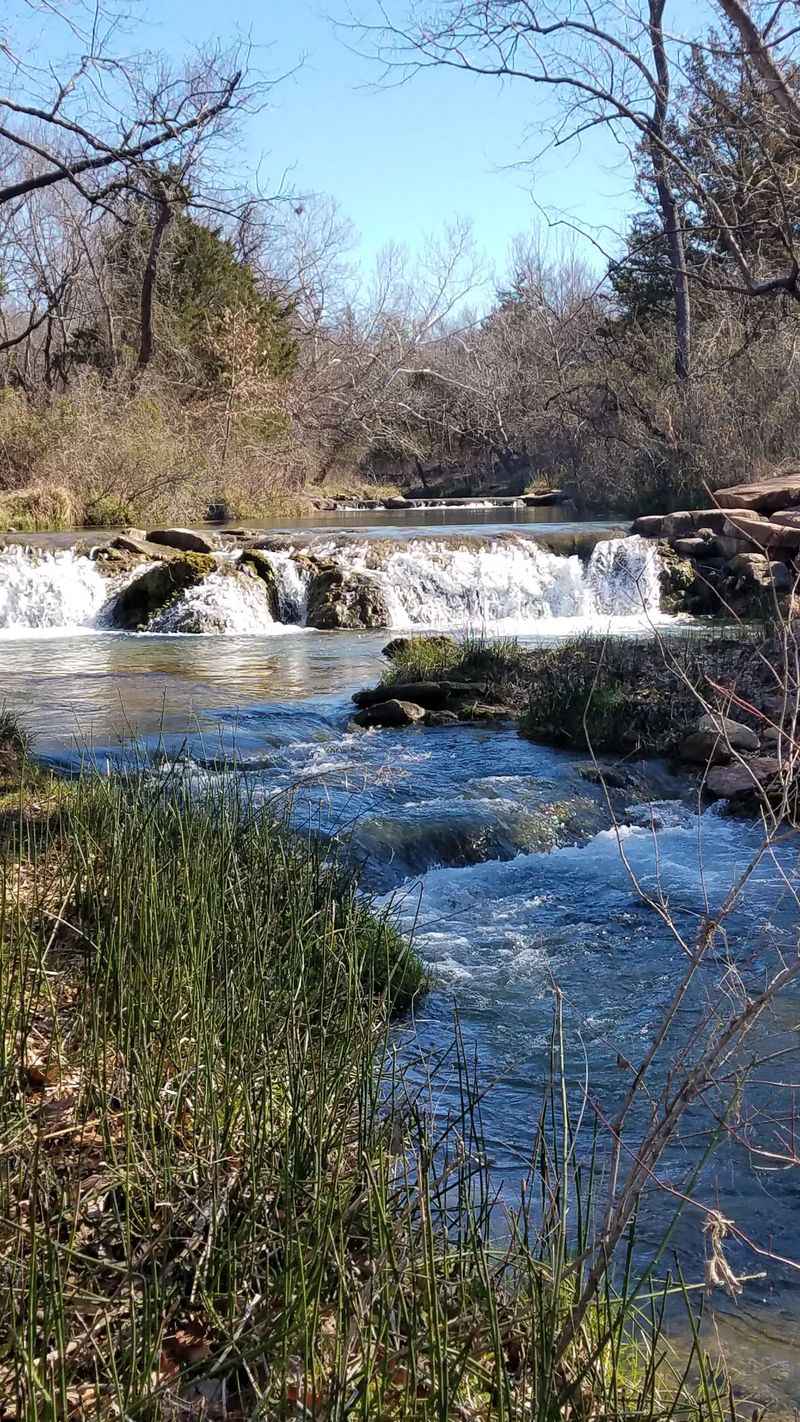
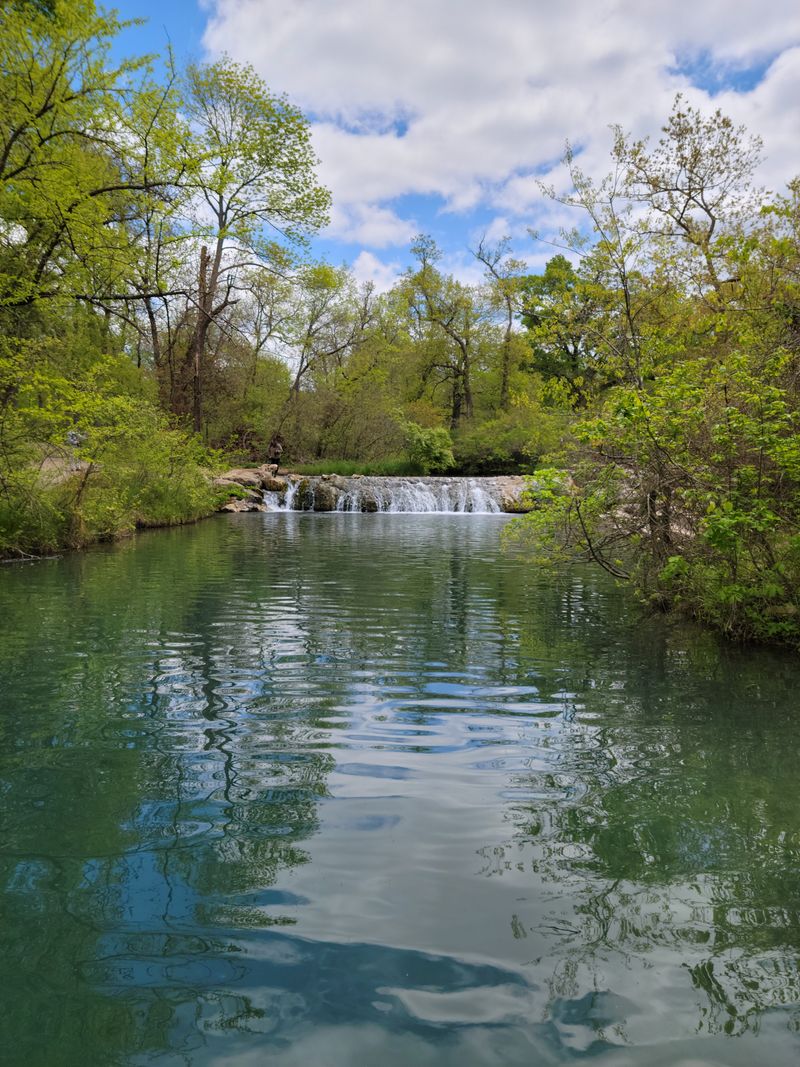
Despite its modest name, Little Niagara Falls commands attention. Water rushes over a limestone ledge, creating a curtain that’s maybe six feet tall but stretches wide across the stream.
I’ve visited on both crowded summer weekends and quiet weekday mornings, and the experience shifts dramatically. During peak times, families cluster around the falls, kids shrieking with delight as they stand under the cascade.
The water hits hard enough to massage your shoulders but gentle enough that even young children enjoy it.
On calmer days, you might have the falls almost to yourself. That’s when you notice the details: how the water has carved smooth grooves into the rock, how sunlight filters through the spray, how the sound fills the small canyon.
The pool below the falls stays cool even in August, fed by those underground springs. I’ve watched people brave enough to submerge completely come up gasping and laughing.
Getting there requires a short walk from the parking area, but the path is well-maintained. Rangers often position themselves nearby during busy periods, both to help with questions and to keep an eye on safety.
The falls are definitely the park’s most popular feature, and once you see them, you’ll understand why.
Trail Systems That Suit Every Pace
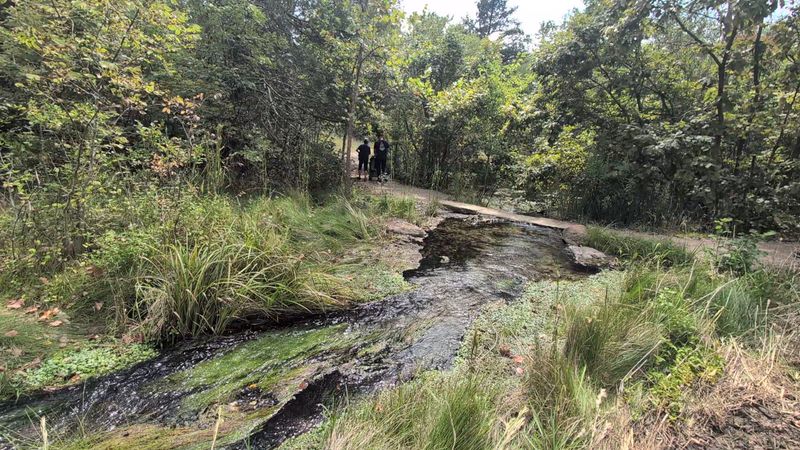
The trail network surprised me with its variety. Some paths are barely half a mile, perfect for families with small children or anyone wanting a quick nature fix.
Others loop around the entire recreation area, offering several miles of continuous hiking.
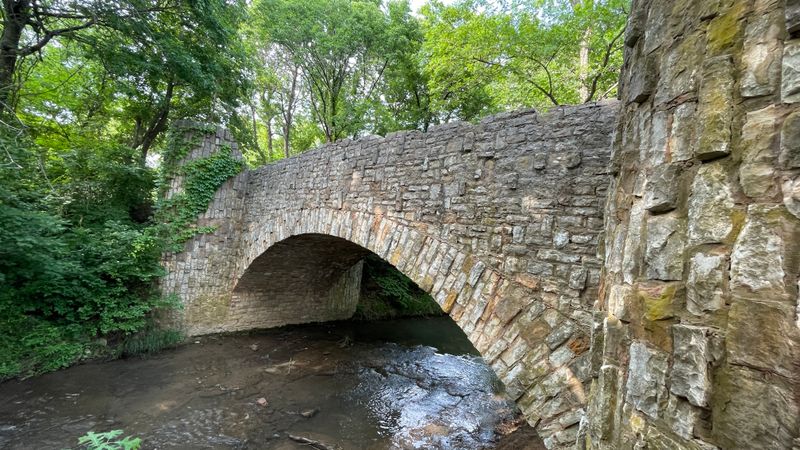
I particularly enjoy the trails that follow Travertine Creek. The path stays close to the water, crossing it occasionally on small bridges.
You walk through sections where the forest canopy creates a green tunnel overhead, then emerge into open areas where sunlight floods the landscape.
What makes these trails accessible is their generally easy terrain. Most are well-graded and maintained, with clear markers at intersections.
Even the longer routes don’t involve serious elevation changes or technical challenges.
That said, the extended loop around the park does provide a workout. It takes you through different ecosystems, from creek bottoms to drier upland areas where you might spot an armadillo rustling through leaves.
During my visits, I’ve noticed the trails stay in good condition despite heavy use. The park service clearly invests effort in maintenance, clearing fallen branches and addressing erosion.
On weekends, you’ll share the path with other hikers, but the trail system is extensive enough that it never feels congested except right near the main attractions.
Swimming Spots That Beat Any Pool
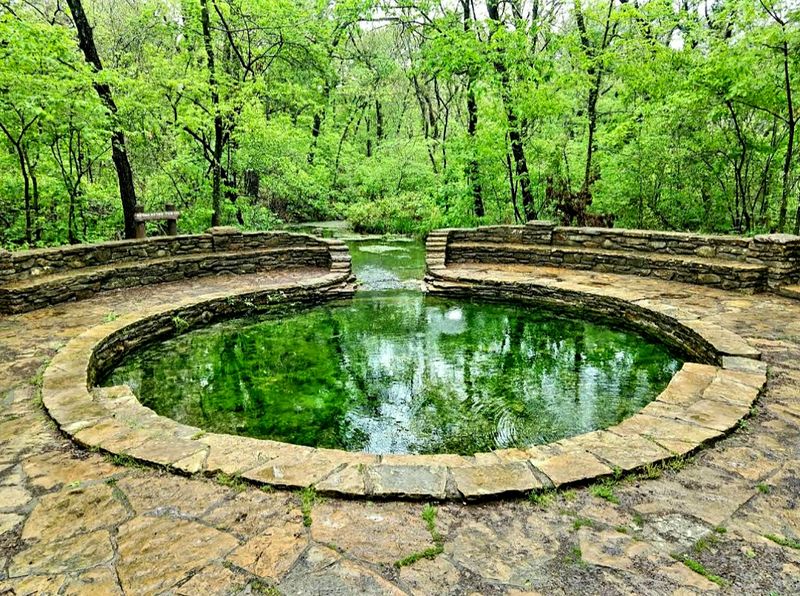
Forget chlorinated public pools. The swimming opportunities here involve actual spring water flowing continuously through natural basins.
Several designated swimming areas exist throughout the park, each with its own character. Some are deeper pools where you can actually swim laps if you’re so inclined.
Others are shallow wading areas perfect for younger children who want to splash around safely.
The water temperature takes some getting used to. Even on days when the air temperature pushes into the nineties, the spring water stays cool enough to make you catch your breath when you first step in.
But that’s exactly what makes it so refreshing.
I’ve found that the best strategy is to ease in gradually, letting your body adjust. Within minutes, the temperature feels perfect, especially when you’re overheated from hiking or just being outside in Oklahoma summer weather.
The visibility underwater is remarkable. You can open your eyes and see the rocky bottom clearly, watch small fish navigate around your legs, and spot the springs bubbling up from below.
On holiday weekends, the popular swimming spots get crowded. Arriving early or visiting on weekdays gives you more space and a more peaceful experience.
The park provides rangers who monitor the busiest areas, which adds a layer of safety that I appreciate.
Historic Sulphur Springs Tell Stories
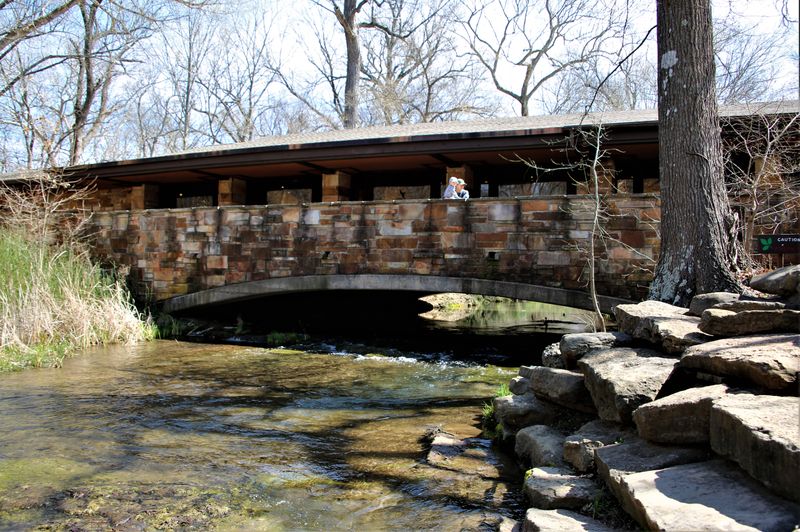
Before this area became a national recreation area, people traveled specifically to experience the sulphur springs. They believed the mineral-rich water had healing properties, and an entire resort culture developed around them.
Walking through the historic springs area feels like stepping back in time. Stone pavilions cover some of the springs, built during an era when people would come for extended stays to “take the waters.”
Informational signs explain the history, describing how these springs attracted visitors in the late 1800s and early 1900s.
The sulphur smell is unmistakable. It’s that distinctive rotten-egg odor that comes from hydrogen sulfide in the water.
Some people find it off-putting, but I think it adds authenticity to the experience.
You can still fill containers with the sulphur water, though I’ll admit the taste takes some courage. It’s intensely mineral-flavored, nothing like the fresh spring water from other sources in the park.
What fascinates me is how this place transitioned from private resort to public land. The Chickasaw Nation recognized the springs’ importance and eventually the area came under federal protection.
Walking these paths, you’re literally following in the footsteps of people who made pilgrimages here over a century ago, seeking health and relaxation in these same waters.
Lake Opportunities Beyond The Springs
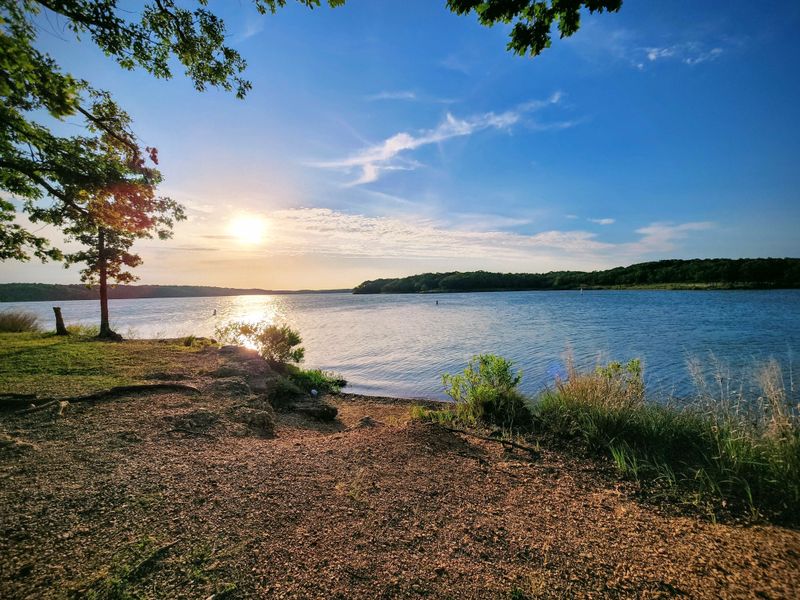
While the springs grab most of the attention, the park also includes access to larger lakes that expand your recreational options considerably.
Lake of the Arbuckles sits within the recreation area boundaries, offering opportunities that the smaller streams simply can’t match. This is where you’ll find people fishing from boats, casting lines for bass and catfish that thrive in these waters.
I’ve watched boaters launch from the ramps and head out across the water, which stretches much farther than the intimate creek systems near the springs. The lake has a completely different feel, more open and exposed to wind and weather.
Fishing here requires an Oklahoma fishing license, but the regulations are straightforward. Both bank fishing and boat fishing are popular, and I’ve seen people pull in some impressive catches during my visits.
The lake also provides additional camping opportunities. When the main campground fills up during peak season, the areas around the nearby lakes offer alternatives where you can still enjoy the region even if you can’t snag a spot in the central recreation area.
What I appreciate is how the park manages to offer both experiences: the intimate, spring-fed streams for swimming and wading, and the broader lake environment for those who want to boat or fish in a more traditional reservoir setting.
Camping Under Oklahoma Skies
The campground sites are compact, as one reviewer accurately noted. Don’t expect sprawling spaces between you and your neighbors.
That said, the camping experience here offers something special: falling asleep to the sound of moving water. Many sites sit close enough to streams that you can hear them constantly, a natural white noise that beats any sleep machine.
I’ve camped here in both spring and fall, avoiding the peak summer heat. The sites include basic amenities like picnic tables and fire rings, and the bathrooms are kept clean and functional.
What the campground lacks in spaciousness, it makes up for in location. You’re steps away from trails, swimming areas, and all the park’s main attractions.
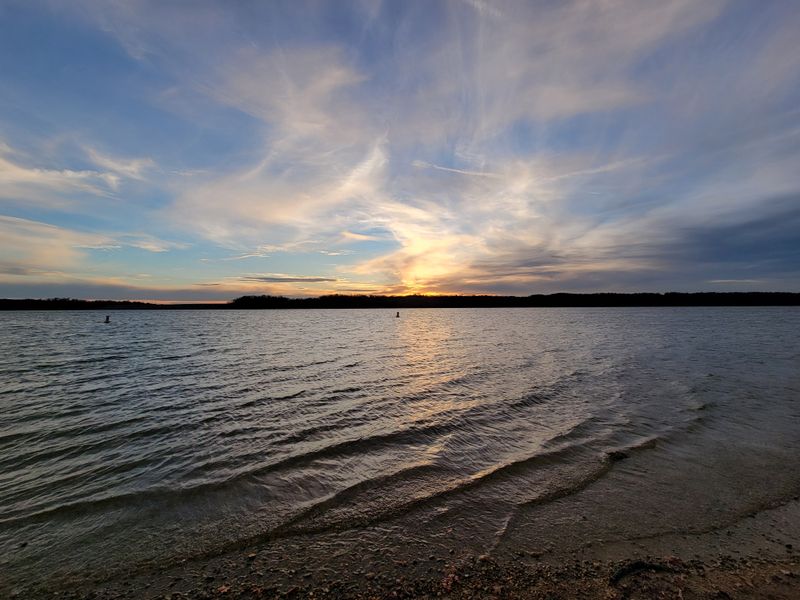
Morning hikes can start right from your tent, and evening walks to watch the sunset over the water require minimal effort.
The park rangers are visible and helpful, answering questions and providing information about conditions and activities. During busy weekends, they even direct traffic in parking areas because the crowds can be intense.
Reservations are strongly recommended, especially for summer weekends and holidays. The campground fills up quickly, and for good reason.
Despite the cozy site sizes, the overall experience of camping surrounded by spring-fed streams and forest makes it worthwhile.
Wildlife Encounters That Surprise
Armadillos wander through this park with remarkable fearlessness. I’ve had several close encounters with these armored creatures, who seem completely unbothered by human presence.
The first time I spotted one, it was rooting through leaf litter just off the trail, making snuffling sounds as it searched for insects. When I stopped to watch, it barely acknowledged me, continuing its business within feet of where I stood.
Beyond armadillos, the park hosts white-tailed deer that emerge near dawn and dusk. I’ve seen them drinking from the streams, their reflections perfectly mirrored in the still pools.
Bird life is abundant and varied. Water birds frequent the streams and lake edges, while forest species call from the trees overhead.
Bring binoculars if you’re into birding, because the diversity here rewards attention.
The clear water also lets you observe aquatic life easily. Small fish are visible in every stream and pool, and if you watch patiently, you might spot crayfish moving along the bottom or turtles sunning on logs.
What makes wildlife viewing here special is the combination of habitats. Water features attract certain species, forests shelter others, and the rocky outcrops provide homes for creatures adapted to drier conditions.
This variety means every visit offers potential for unexpected encounters with Oklahoma’s wild residents.
Visiting During Different Seasons
Summer draws the biggest crowds, understandably. When temperatures soar across Oklahoma, the cool spring water becomes irresistible.
But summer also means competing for parking spots and sharing swimming holes with dozens of other people.
I’ve grown to prefer the shoulder seasons. Spring brings wildflowers and that fresh green color to the forest as trees leaf out.
The water is still cold, maybe too cold for extended swimming, but perfect for wading and exploring.
Fall transforms the park with changing leaves. The mix of tree species creates a patchwork of colors, from gold to deep red.
Temperatures are comfortable for hiking, and the crowds thin out considerably once school starts.
Even winter has its appeal. The park stays open, and while swimming isn’t realistic, the trails are peaceful and the springs continue flowing.
I’ve walked here on crisp winter mornings when frost outlined every leaf and the only sounds were my footsteps and the constant murmur of water.
Each season reveals different aspects of the park’s character. Summer is about water and cooling off.
Fall and spring are perfect for hiking and wildlife watching. Winter offers solitude and a chance to see the landscape’s bones without the distraction of crowds or heavy foliage.
Practical Tips For Your Visit
Arriving early makes a huge difference, especially on weekends. The parking areas near popular features like Little Niagara Falls fill up quickly, and rangers sometimes have to direct overflow traffic.
Bring water shoes or sandals with good traction. The rocks in the streams and pools can be slippery, and having proper footwear makes navigating them much safer and more comfortable.
Don’t forget sunscreen and a hat. Even though you’ll spend time in the water and under trees, the Oklahoma sun is intense and you can burn quickly, especially on the exposed trail sections.
The visitor center near the entrance provides helpful information, maps, and answers to questions. Rangers there can tell you about current conditions, which areas are busiest, and suggest alternatives if your first choice is crowded.
If you’re planning to swim, bring towels and a change of clothes. While the water is refreshing, you’ll want to dry off before the drive home.
Cell service can be spotty in parts of the park, so download maps or take photos of trail information before you head out. The park is well-marked, but having a backup reference helps.
Finally, pack out everything you bring in. The park’s beauty depends on visitors respecting it, and keeping these springs clean ensures they’ll remain spectacular for future generations.
Location: 901 W 1st St, Sulphur, Oklahoma
Dear Reader: This page may contain affiliate links which may earn a commission if you click through and make a purchase. Our independent journalism is not influenced by any advertiser or commercial initiative unless it is clearly marked as sponsored content. As travel products change, please be sure to reconfirm all details and stay up to date with current events to ensure a safe and successful trip.
