
Water in the Hill Country always catches my attention, especially when it spills over limestone ledges like something out of a storybook. Around Dripping Springs, the scenery shifts quickly from sunbaked rock to pockets of bright green where underground springs rise to the surface.
On a quiet weekday morning, the light filtered through the trees and made the water shimmer against the cliffs. The only sounds were the steady trickle of the falls and the breeze moving through the leaves.
It’s the kind of place that slows your pace without trying. No crowds, no distractions, just clear water, rugged stone, and that rare feeling of stumbling onto something that still feels untouched.
Hamilton Pool Preserve
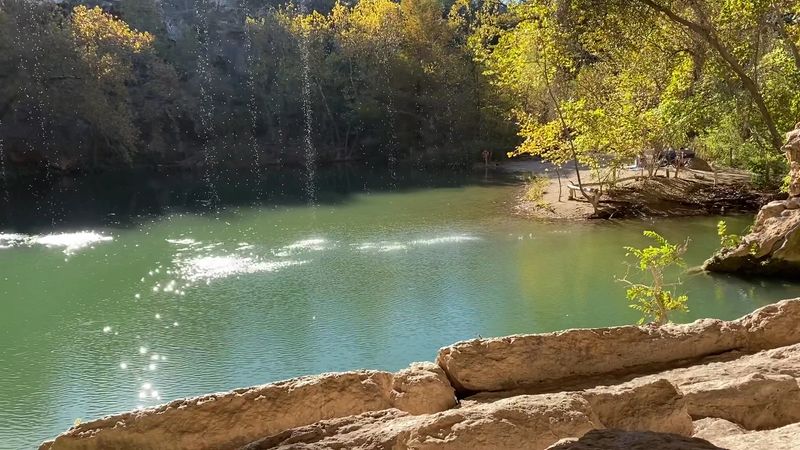
The first time I saw Hamilton Pool, I understood why people call it otherworldly. Water spills over a limestone overhang into a jade-colored pool below, creating a scene that looks more like New Zealand than Central Texas.
The grotto formed thousands of years ago when the dome of an underground river collapsed, leaving behind this natural cathedral of stone and water.
Getting there requires a short hike down a rocky trail, and I recommend wearing shoes with good grip because the path can be slippery near the water. The preserve limits daily visitors to protect the delicate ecosystem, so reservations are absolutely necessary, especially during summer months.
I arrived early and had the place almost to myself for about twenty minutes before other visitors trickled in.
The canyon walls rise dramatically around the pool, draped with maidenhair ferns that thrive in the constant mist. Moss clings to every surface, giving everything a soft, green glow.
Swimming is allowed when bacteria levels are safe, though the water stays chilly year-round. Even if you can’t swim, just standing near the falls and feeling the cool spray is worth the trip.
The whole area feels ancient and untouched, like you’ve stumbled into a secret that nature has been keeping for millennia.
Westcave Outdoor Discovery Center
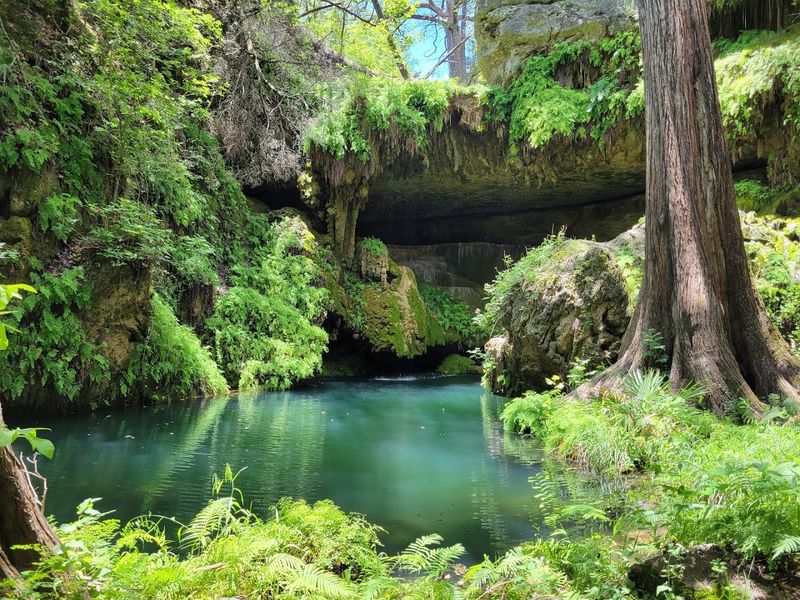
Westcave sits along the Pedernales River and offers one of the most dramatic landscape changes I’ve experienced in such a short distance. You start on a sun-baked plateau covered in juniper and prickly pear, then descend into a cool, moist canyon that feels like stepping into another climate zone entirely.
The preserve protects a collapsed grotto similar to Hamilton Pool but with its own distinct character.
Guided tours are the only way to access the canyon, which actually makes the experience better. The naturalists who lead the walks share fascinating details about the geology and ecology that I would have completely missed on my own.
They point out fossilized sea creatures in the limestone walls, remnants from when this whole area sat beneath an ancient ocean.
The waterfall inside the grotto isn’t massive, but it creates a constant, soothing sound that echoes off the curved walls. Ferns cascade down the rock face in thick curtains, and the air smells fresh and earthy.
I visited in late fall when the water flow was gentle, creating delicate streams rather than a powerful cascade. The preserve also has upland trails if you want to explore the drier habitat above the canyon.
It’s a perfect spot for anyone interested in geology or just looking for a peaceful nature walk with a spectacular payoff.
Dripping Springs Natural Area
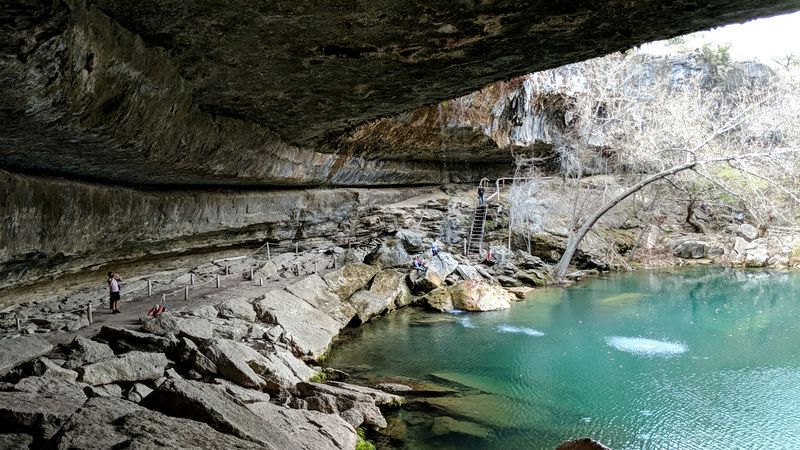
This is the spot that gave the town its name, and while it’s not a thundering waterfall, the natural springs here create something equally enchanting. Water seeps through layers of limestone and drips steadily from an overhanging ledge, forming a curtain of droplets that catch the light beautifully.
The constant moisture supports a microclimate where ferns and mosses thrive in an otherwise dry landscape.
I found the trail to the springs easy and family-friendly, winding through typical Hill Country terrain before opening up to the spring area. The sound of dripping water is surprisingly loud when you get close, creating a natural percussion that’s incredibly calming.
Local legend says this spot served as a gathering place for various groups throughout history because of the reliable water source.
The area around the springs stays noticeably cooler than the surrounding hillsides, making it a perfect retreat during hot Texas summers. I sat on a limestone boulder for a while, just watching the water droplets fall and listening to the rhythm they created.
It’s not a destination where you’ll spend hours, but it’s absolutely worth a stop to understand the natural feature that defines this whole region. The springs flow year-round, though the volume increases after heavy rains.
Bring a camera because the way light filters through the tree canopy and hits the water creates some magical photo opportunities.
Reimers Ranch Park
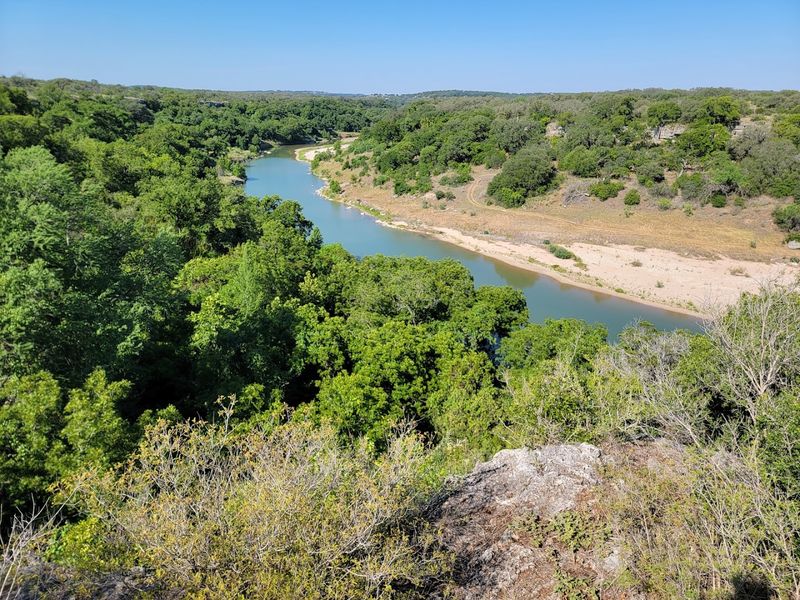
Reimers Ranch sprawls across more than 2,000 acres along the Pedernales River, offering multiple spots where water cascades over limestone shelves. The waterfalls here change dramatically depending on recent rainfall, transforming from gentle trickles to rushing torrents after storms.
I visited during a moderate flow period and found dozens of small cascades creating a soundtrack of rushing water throughout the park.
Rock climbers flock to this park for the limestone cliffs, but the river access is what keeps me coming back. You can wade in shallow pools, explore rocky outcrops, or just sit by the water and watch it tumble over ancient stone.
The park requires a day-use permit, which you can purchase online or at the entrance. Weekends get busy, especially when the weather’s nice, so arriving early gives you the best experience.
Several trails wind through the property, ranging from easy riverside walks to more challenging climbs up to overlook points. From the higher elevations, you can see how the river has carved through layers of limestone over countless years, creating the stepped waterfalls that make this place special.
I packed a lunch and found a quiet spot near one of the smaller cascades, spending a couple hours just enjoying the sound and movement of the water. The park also has primitive camping if you want to extend your visit and catch sunrise over the river valley.
Founders Memorial Park
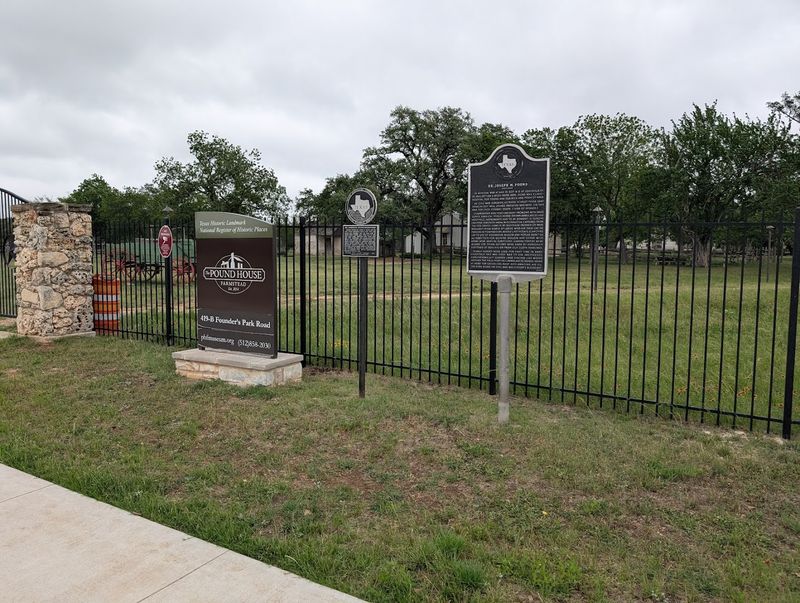
Right in the heart of Dripping Springs sits this community park that showcases the natural springs in a more accessible setting. Water bubbles up from underground and flows through carefully maintained channels, creating small waterfalls and pools that kids love to explore.
It’s not wilderness, but it offers a perfect introduction to the spring-fed systems that define this region.
I stopped here on my way to other destinations and ended up staying longer than planned. The park has walking paths, picnic areas, and plenty of shade trees, making it ideal for a relaxing break.
The springs flow consistently, and you can see how crystal-clear the water is as it emerges from the limestone. Local families use this park regularly, giving it a genuine community feel rather than a tourist attraction vibe.
Historical markers throughout the park explain how these springs supported early settlers and shaped the development of Dripping Springs. Reading those plaques while listening to the water gurgle and splash added context that made the whole area more meaningful.
The park hosts community events throughout the year, and I happened to visit during a farmers market that had set up near the springs. Combining local vendors with natural beauty created a really pleasant atmosphere.
It’s an easy stop that doesn’t require hiking boots or reservations, just a willingness to slow down and appreciate what’s flowing right through the middle of town.
Milton Reimers Memorial Falls
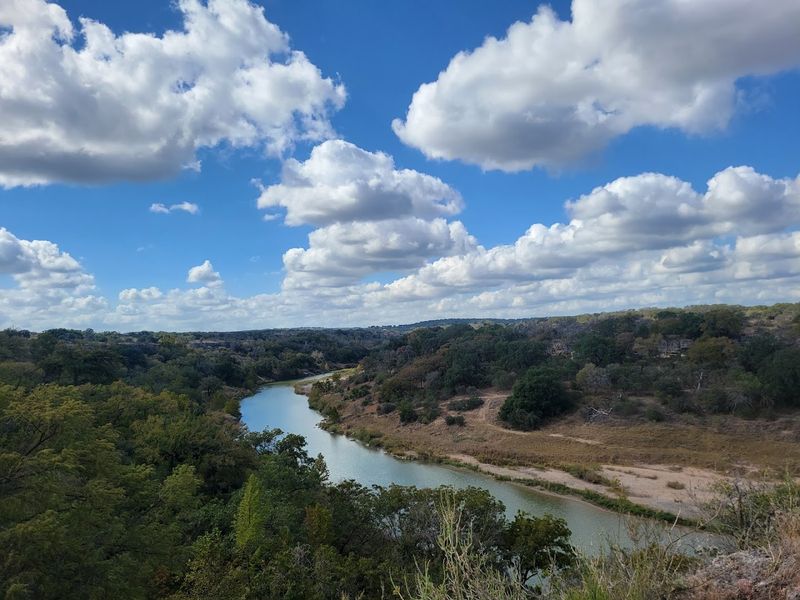
These falls honor the rancher who donated the land that became Reimers Ranch Park, and they represent one of the more impressive waterfall systems along the Pedernales River. Multiple tiers of limestone create a staircase effect as water descends through the river channel.
The falls are most dramatic after significant rainfall when the river runs high and powerful.
I timed my visit for spring when snowmelt and rain typically boost the water volume. The sound reached me before I even saw the falls, a deep rushing that grew louder as I approached.
Standing near the base, I could feel the vibration of water hitting stone, a physical reminder of the power that shaped this landscape over millennia. The mist created by the falling water catches afternoon light beautifully, sometimes creating small rainbows that last just seconds before disappearing.
Access requires hiking through Reimers Ranch, and the trail can be rocky in places, so plan accordingly. I wore sturdy shoes and brought plenty of water, which proved essential on the walk back uphill.
The falls sit in a relatively open area, so you get good views from multiple angles. During lower water periods, you can carefully explore the exposed limestone shelves and see the smooth channels carved by centuries of flowing water.
It’s a spot that rewards patience and observation, revealing new details the longer you stay and watch.
Creek Road Natural Area
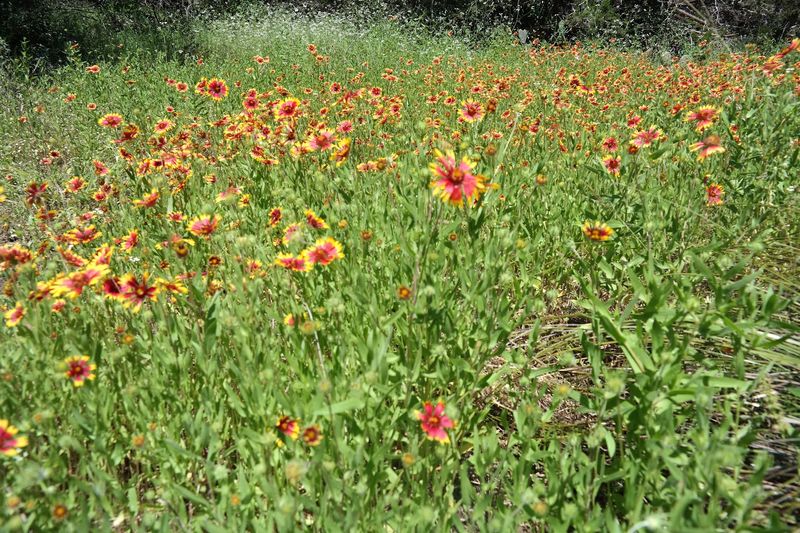
This lesser-known natural area protects a spring-fed creek that creates several small waterfalls as it winds through private ranchland. Access is limited and requires permission, but local hiking groups occasionally organize visits that showcase these hidden gems.
The waterfalls here are intimate rather than grand, tucked into shaded canyons where the temperature drops noticeably.
I joined a guided nature walk that included Creek Road, and our group of about a dozen people felt like the perfect size to experience the space without overwhelming it. The naturalist leading us explained how these spring systems support species that wouldn’t normally survive in the drier Hill Country climate.
We saw several types of ferns, bright green mosses, and even some wildflowers that thrive in the constant moisture near the falls.
The sound of water is omnipresent here, creating a peaceful backdrop that makes conversation feel unnecessary. I found myself just listening and watching as small cascades tumbled over limestone ledges worn smooth by time.
The creek bed shows evidence of much higher water flows during flood events, with debris caught high in tree branches marking the occasional power of these normally gentle streams. It’s the kind of place that reminds you how much hidden beauty exists in Texas beyond the stereotypical images of desert and prairie.
The experience feels exclusive without being pretentious, just a quiet natural space that most people never know exists.
Onion Creek Falls
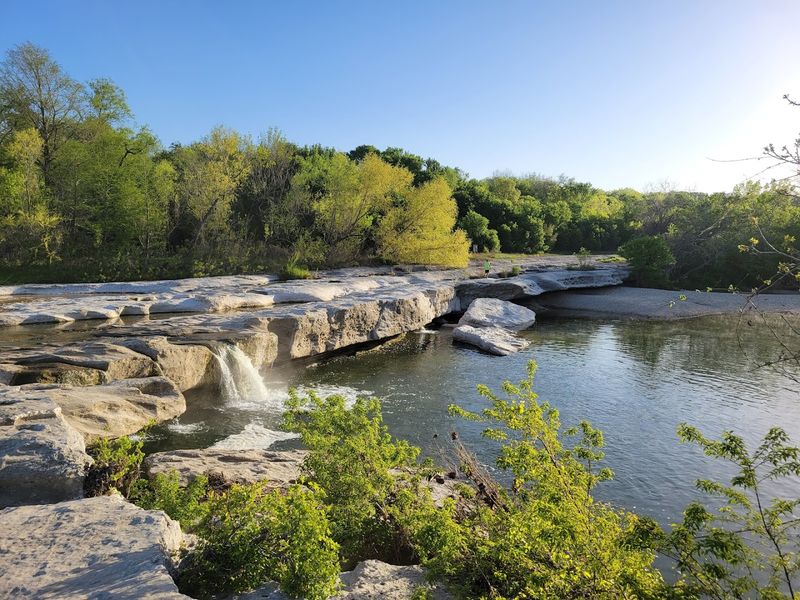
Though technically just outside Dripping Springs proper, Onion Creek Falls represents the same geological features that create waterfalls throughout the region. The creek flows over a series of limestone steps, creating multiple cascade points that change character depending on water levels.
I visited during a dry spell and found gentle flows that allowed close exploration of the rock formations.
The falls sit within easy reach of several hiking trails that follow Onion Creek through varied terrain. Bald cypress trees line portions of the creek, their distinctive knees poking up through the water and creating an almost swampy atmosphere unusual for Central Texas.
The contrast between the dry hillsides and the lush creek corridor is striking, showing how important these water sources are for local ecosystems.
I spent time photographing the falls from different angles, trying to capture how the water interacts with the layered limestone. Each tier creates its own small pool before spilling over to the next level, forming a chain of connected water features.
During high water, these pools merge into one continuous cascade, but in lower flows, they become distinct features worth individual attention. The area around the falls shows evidence of both geological and human history, with old ranch roads and stone structures visible nearby.
It’s a spot that rewards exploration and curiosity, offering something new each time water levels change or seasons shift.
Dripping Springs Scenic Overlook
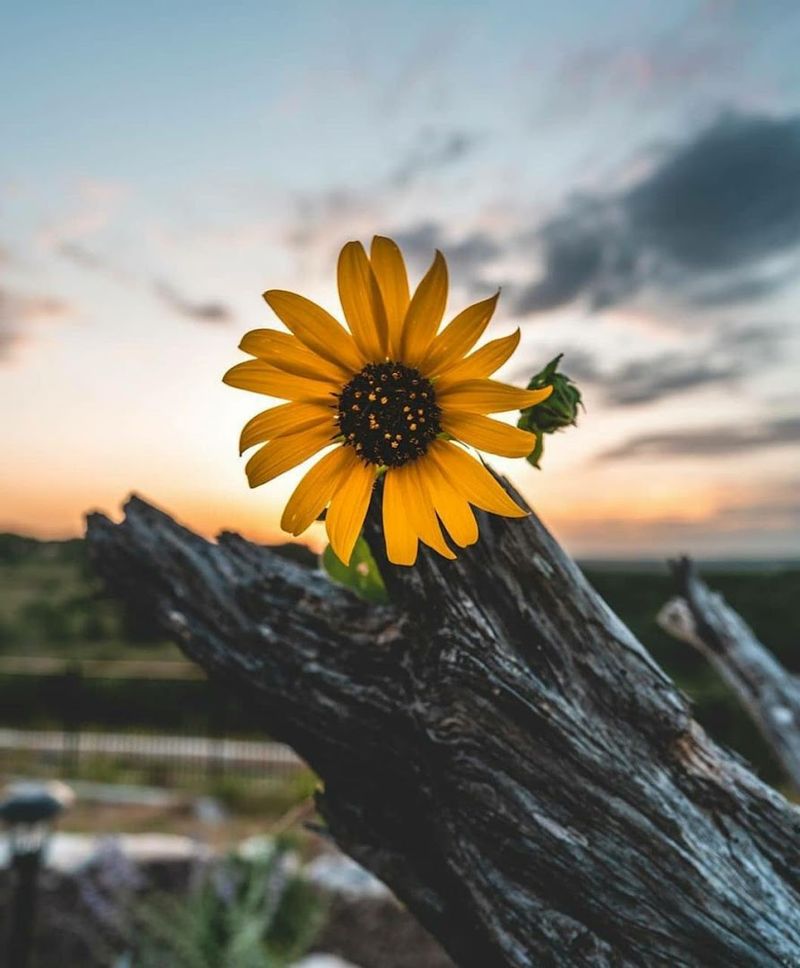
Sometimes the best way to appreciate the waterfalls and springs of Dripping Springs is from above, where you can see how water has shaped the entire landscape. Several overlook points around the area offer views into canyons where waterfalls tumble during wet seasons.
The perspective shift helps you understand the geological forces that created these features over millions of years.
I hiked to an overlook on a clear morning when visibility stretched for miles across the Hill Country. From that vantage point, I could trace the path of creeks and rivers by following the lines of darker vegetation that mark where water flows.
During rainy periods, you can actually see distant waterfalls from these high points, white ribbons of water standing out against gray limestone cliffs. Even during dry times, the green corridors show where springs maintain moisture year-round.
The overlook areas typically require some hiking effort to reach, with trails climbing through typical Hill Country vegetation of juniper, oak, and cactus. The elevation gain is moderate but noticeable, especially on hot days.
I recommend bringing binoculars if you have them, as they let you pick out details in distant canyons that you’d otherwise miss. The sense of scale from up high really drives home how water has carved this landscape, creating the hidden havens and otherworldly spots that make Dripping Springs special.
It’s a fitting final perspective on an area defined by the constant, patient work of flowing water.
Address: 24300 Hamilton Pool Rd, Dripping Springs, TX 78620
Dear Reader: This page may contain affiliate links which may earn a commission if you click through and make a purchase. Our independent journalism is not influenced by any advertiser or commercial initiative unless it is clearly marked as sponsored content. As travel products change, please be sure to reconfirm all details and stay up to date with current events to ensure a safe and successful trip.
