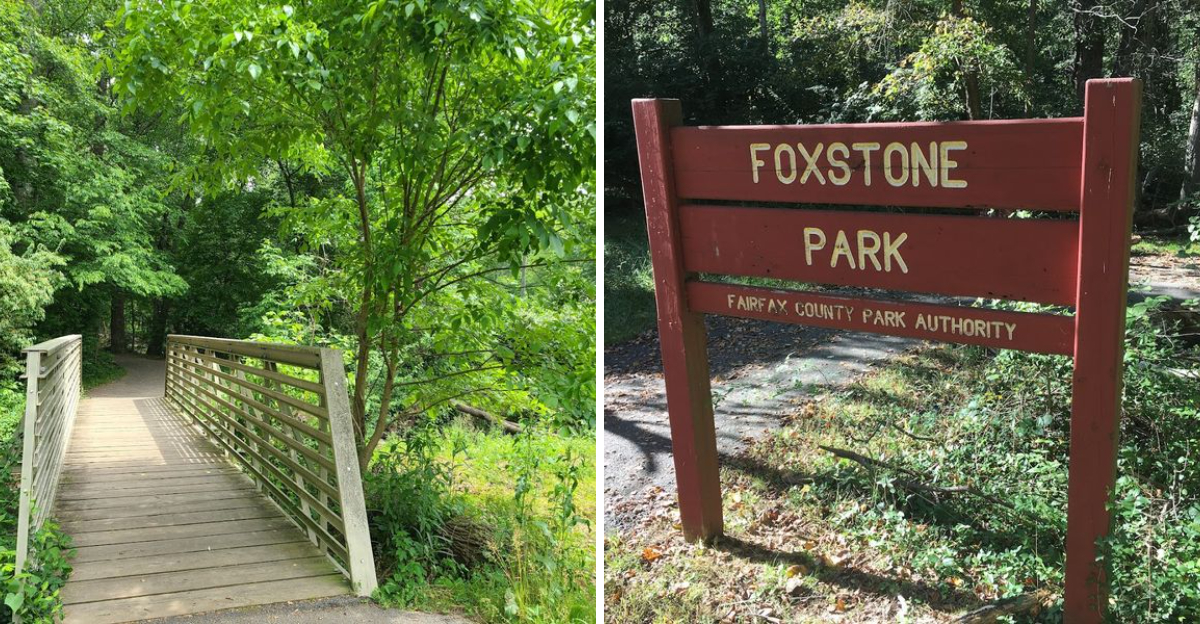
In a quiet neighborhood park in Virginia, a small footbridge hides one of the most startling espionage stories in American history. Most people cross it without a second thought, focused on the creek below and the trees around them.
Yet this unassuming spot once served as a key drop site in a real-life spy operation that rattled the FBI. At this very spot, classified information was exchanged in secret, concealed in something as ordinary as garbage bags by one of the most damaging double agents the United States has ever faced.
What looks like a peaceful park crossing carries a past that feels almost impossible to imagine.
The Bridge That Rewrote American Espionage History
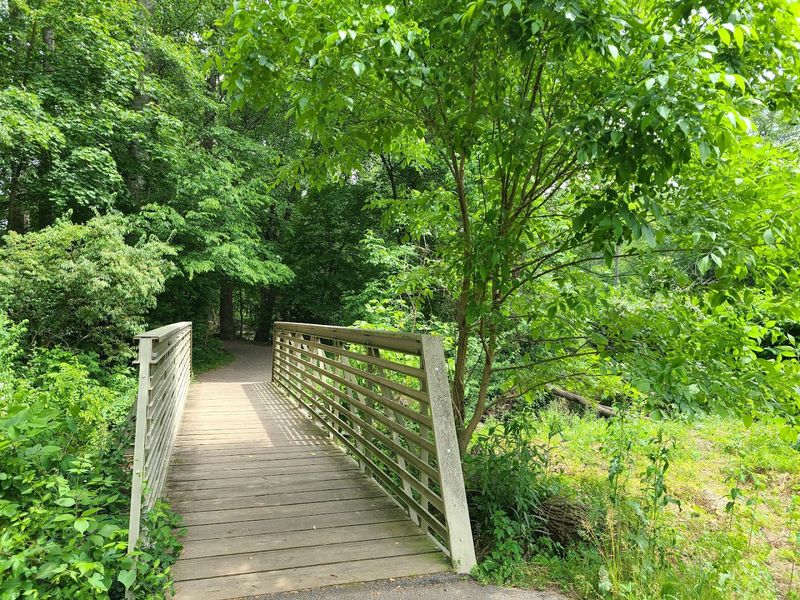
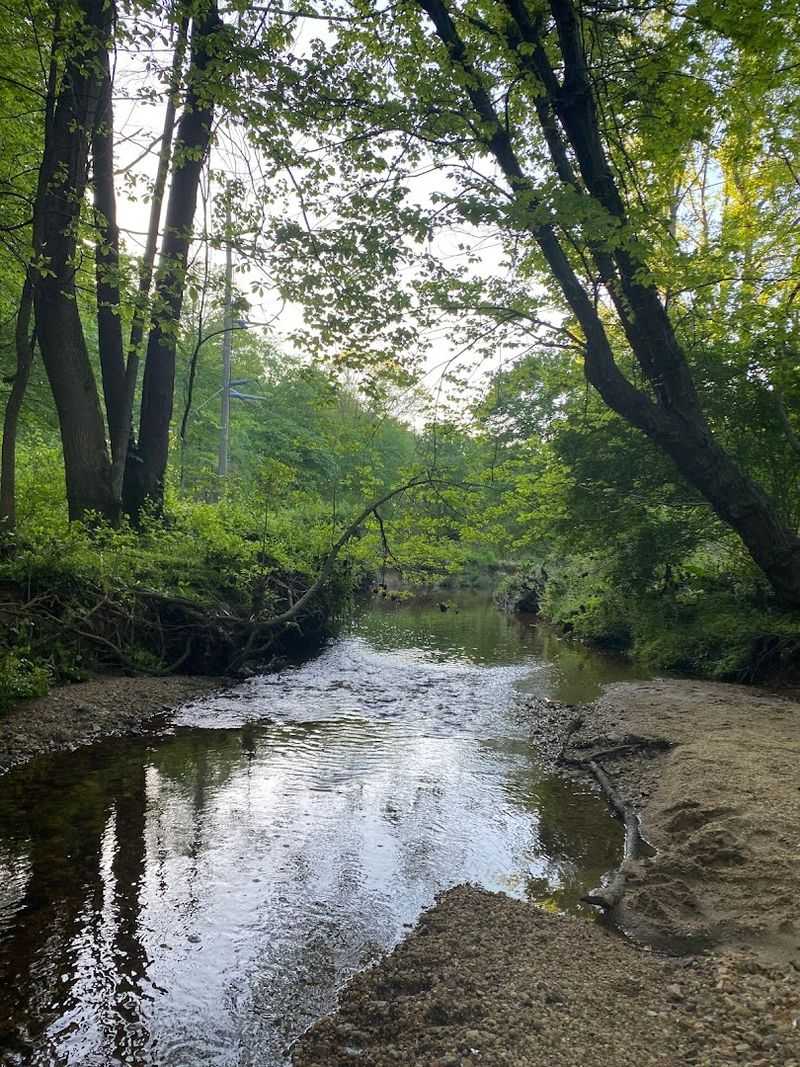
Not every bridge makes it into history books, but this one absolutely earned its place. The footbridge spanning Wolftrap Creek inside Foxstone Park is modest by every measure, yet its story is anything but ordinary.
Beneath its deck, tucked between concrete supports and wooden planks, classified U.S. government secrets were exchanged for years without a single neighbor suspecting a thing. The genius of the location was its normalcy.
A suburban park in Virginia, filled with dog walkers and kids on bikes, was the last place anyone expected Cold War espionage to unfold.
The bridge became the centerpiece of one of the longest-running spy operations in FBI history. Files wrapped in black garbage bags were stashed in a small gap under the bridge, picked up by Soviet handlers, and replaced with cash payments.
It sounds like a movie plot, but every detail actually happened right here in this peaceful corner of Northern Virginia.
Robert Hanssen, the FBI Agent Who Betrayed His Own Country
Few betrayals in American intelligence history cut as deep as the one carried out by Robert Hanssen, a counterintelligence agent who worked for the very agency tasked with catching spies. For over two decades, Hanssen fed classified information to the Soviet Union and later Russia, all while maintaining the appearance of a dedicated federal employee.
His access to sensitive material was extraordinary. As an FBI counterintelligence officer, Hanssen knew exactly how investigations worked, which made him nearly impossible to catch.
He understood surveillance techniques, informant networks, and the methods used to track double agents. Essentially, he used the FBI’s own playbook against itself.
What makes his story particularly chilling is the setting. Hanssen lived in a quiet suburban neighborhood just steps from Foxstone Park in Vienna, Virginia.
He attended church regularly, raised a family, and presented himself as a model citizen. The contrast between his public life and secret activities remains one of the most unsettling aspects of the entire case.
What Exactly Is a Dead Drop and Why Did It Work So Well
A dead drop is one of the oldest tricks in the spy trade, and for good reason. Instead of two agents meeting face to face and risking exposure, each person visits the same location at different times, leaving or collecting items without ever crossing paths.
It is elegant, low-tech, and surprisingly hard to detect.
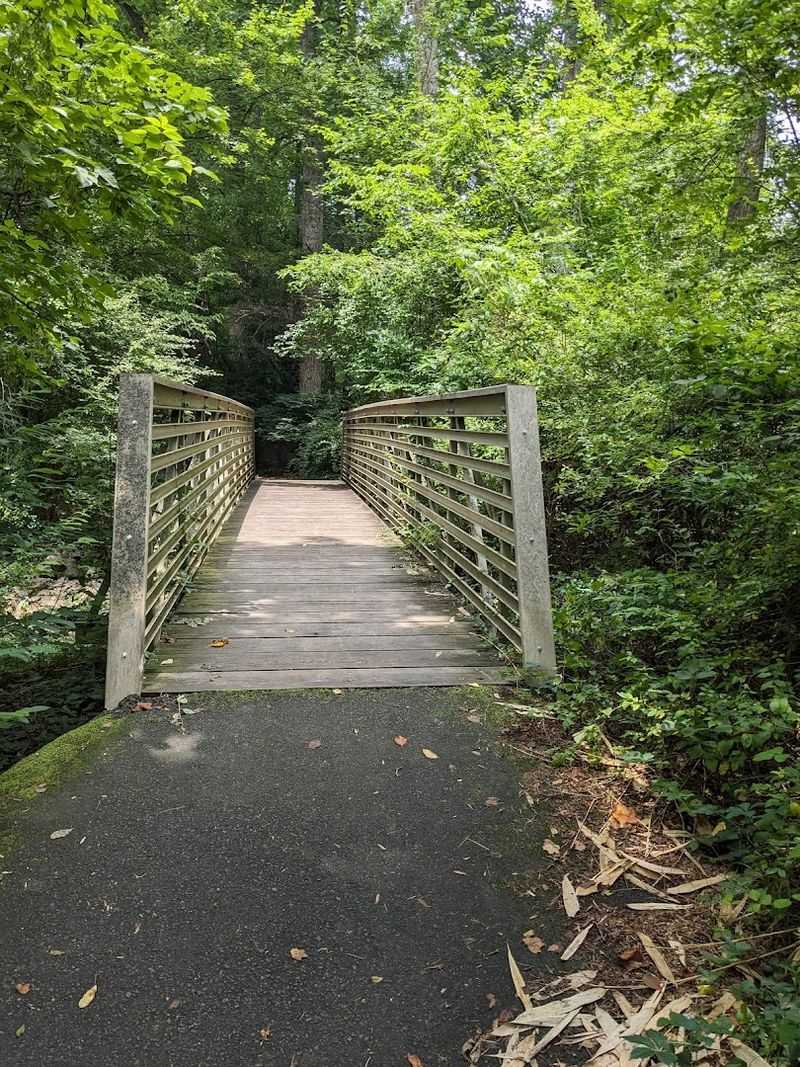
Hanssen perfected this method at Foxstone Park Bridge. He would place classified documents wrapped in black garbage bags inside a specific gap beneath the footbridge over Wolftrap Creek.
Soviet handlers would later retrieve the package, leaving payment in return. No phone calls, no emails, no direct contact that could be traced.
The brilliance of the dead drop system was its invisibility. A park in Virginia full of families and joggers provided the perfect camouflage.
Nobody questioned a person pausing on a bridge over a creek. The method worked so effectively that Hanssen operated undetected for an astonishing length of time, making this small bridge one of the most consequential spy sites on American soil.
The Sticky Tape Signal That Started It All
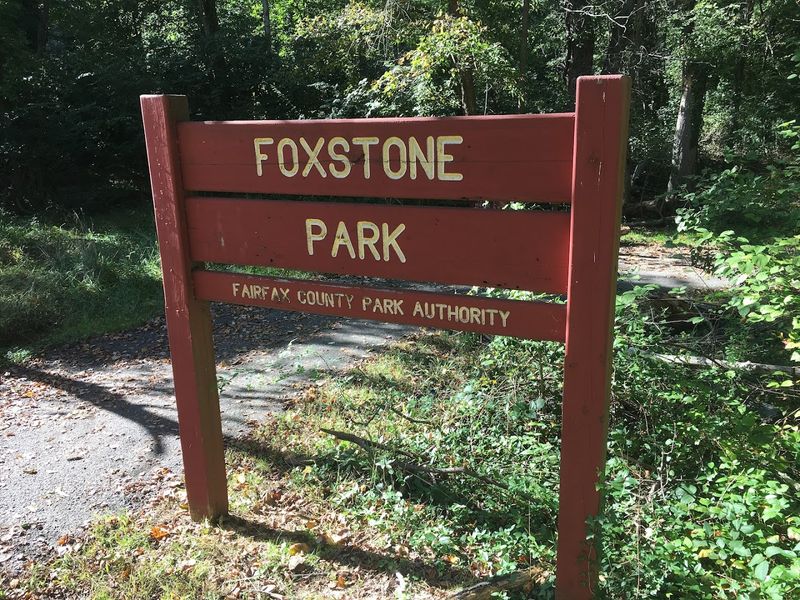
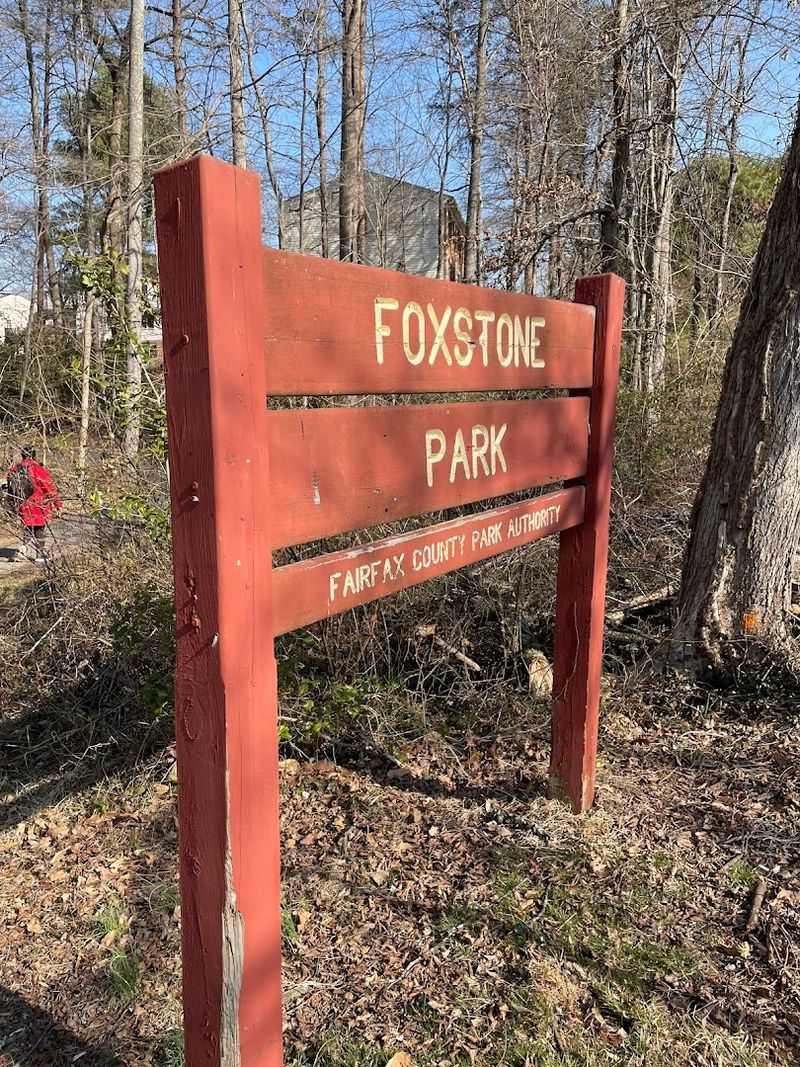
Every great spy operation needs a signal, and Hanssen kept his brilliantly simple. When a dead drop was ready and waiting beneath the footbridge, he would place a small piece of vertical adhesive tape on the entrance sign at Foxstone Park.
That tiny strip of tape was a message to his Soviet handlers that a package of classified materials was in place.
It is almost funny how low-tech the whole system was. No encrypted radios, no sophisticated codes, just a piece of tape on a park sign in a Virginia neighborhood.
Yet this method proved devastatingly effective for years. Soviet intelligence knew exactly what to look for and where to look, making the exchange seamless and nearly untraceable.
Today, that entrance sign still stands near Creek Crossing Road, and sharp-eyed visitors who know the story sometimes pause to imagine what it looked like with that telltale strip of tape in place. It is a small detail that carries enormous historical weight, turning an ordinary park marker into a silent landmark of Cold War intrigue.
The Arrest That Ended Two Decades of Betrayal
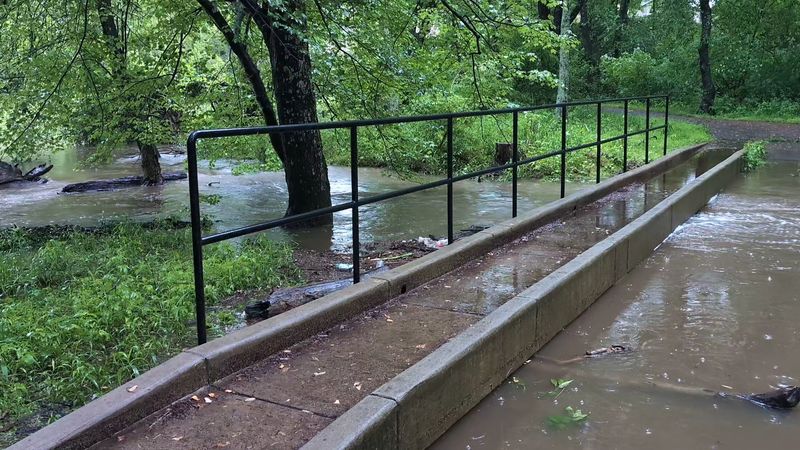
On a February evening, FBI agents finally closed the net around Robert Hanssen at Foxstone Park. He had just finished placing a package of classified documents beneath the footbridge over Wolftrap Creek when agents moved in and arrested him on the spot.
The long-running operation was over in an instant.
The arrest location, just steps from the footbridge that had served as his personal spy hub for years, was deeply symbolic. Hanssen was caught in the act at the very place he had used so confidently for so long.
It was a fitting end to a story that had unfolded almost entirely within this small Virginia park and its surrounding streets.
After his arrest, Hanssen pleaded guilty to fifteen counts of espionage and was sentenced to life in prison without the possibility of parole. He passed away in federal custody.
His case became a landmark study in counterintelligence failures and insider threats, and the footbridge at Foxstone Park became permanently linked to one of the most significant espionage arrests in United States history.
Foxstone Park Today, a Green Escape With a Secret Past
Step inside Foxstone Park today and the atmosphere is wonderfully ordinary. Paved trails wind through more than fourteen acres of wooded land, passing playgrounds, open grass fields, and the gentle sounds of Wolftrap Creek.
Dog walkers, joggers, and families with strollers fill the paths on weekday mornings and weekend afternoons.
The park connects to surrounding residential streets and links up with trails leading toward Wolf Trap National Park for the Performing Arts. Wildlife sightings are common here.
Deer, woodpeckers, frogs, and the occasional black snake have all been spotted along the creek banks. The natural setting feels surprisingly remote for a park sitting in the middle of a busy Northern Virginia suburb.
Basketball courts and a playground add to the community feel, making Foxstone Park a genuinely beloved local green space. Most people who visit simply enjoy the fresh air and the peaceful surroundings.
Only those who know the history pause at the footbridge and take a longer look at the gap beneath its deck, imagining the extraordinary events that once played out in this perfectly unremarkable place.
The Footbridge Itself, Small Structure, Massive Story
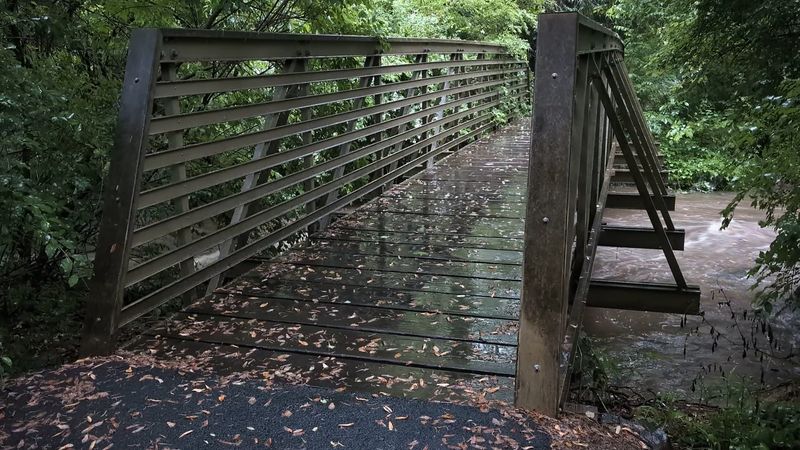
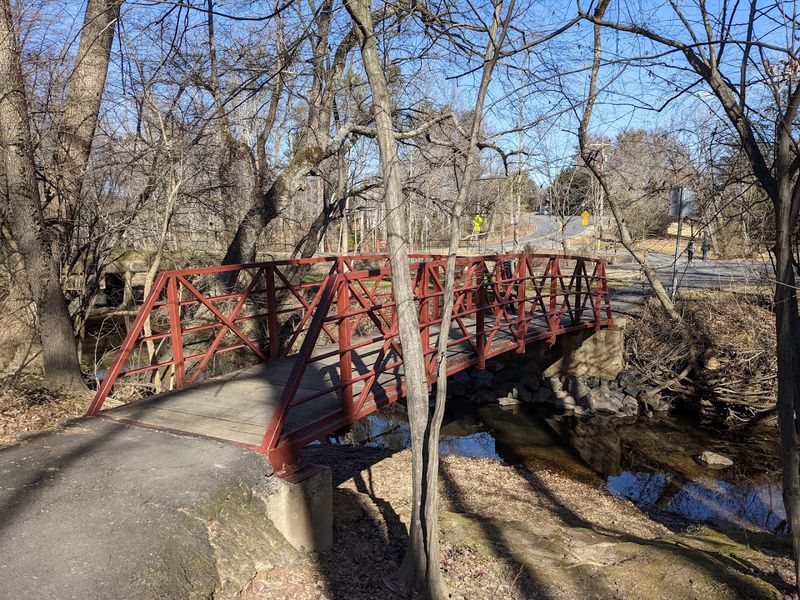
There is nothing visually dramatic about the footbridge at Foxstone Park Bridge in Vienna. It is compact, functional, and easy to overlook.
The metal railing runs along both sides, the deck sits close to the water, and Wolftrap Creek flows quietly underneath. On any given day, it looks like a hundred other footbridges in a hundred other parks across Virginia.
Yet this particular bridge holds a gap between its deck and concrete support that became one of the most notorious hiding spots in American Cold War history. Packages wrapped in black plastic bags were wedged into that space, containing intelligence so sensitive that their exposure cost the United States dearly in terms of compromised operations and lost assets.
Standing on the bridge and looking down at the creek, it is hard not to feel the weight of what happened here. The water moves the same way it always has, indifferent to history.
But for anyone who knows the story, the bridge carries an almost electric charge, a quiet reminder that extraordinary events can happen in the most ordinary places imaginable.
The Movie That Brought This Virginia Story to the World
Hollywood took notice of the Hanssen case, and the result was the thriller Breach, starring Ryan Phillippe and Chris Cooper. The film dramatized the final weeks of the FBI’s operation to catch Hanssen, focusing on the young agent assigned to work alongside him while gathering evidence for his arrest.
It brought the story of Foxstone Park Bridge to audiences who had never heard of Vienna, Virginia.
Chris Cooper’s portrayal of Hanssen was widely praised for capturing the contradictions of a man who was deeply religious, fiercely intelligent, and completely treacherous all at once. The film did not shy away from showing the mundane suburban backdrop of the whole operation, including the parks, neighborhoods, and quiet streets of Northern Virginia where the espionage unfolded.
For locals, watching the film is a surreal experience. The setting feels familiar, the streets recognizable, and the story uncomfortably close to home.
Breach turned a local park into something of a cinematic landmark, and more than a few people have visited Foxstone Park specifically because the movie sparked their curiosity about the real location.
Planning Your Visit to This Fascinating Piece of Virginia History
Foxstone Park Bridge in Vienna is genuinely easy to visit and completely free to explore. The park sits within a residential neighborhood, and street parking is available along designated spots near the Creek Crossing Road entrance.
No formal parking lot exists on site, so arriving on foot or by bike from nearby streets is a perfectly practical option.
The trails are paved and well-maintained, making them accessible for most fitness levels. A full loop through the park covers a comfortable distance that takes roughly an hour to walk at a leisurely pace.
The footbridge over Wolftrap Creek is easy to find once you are inside the park, positioned along the main trail route.
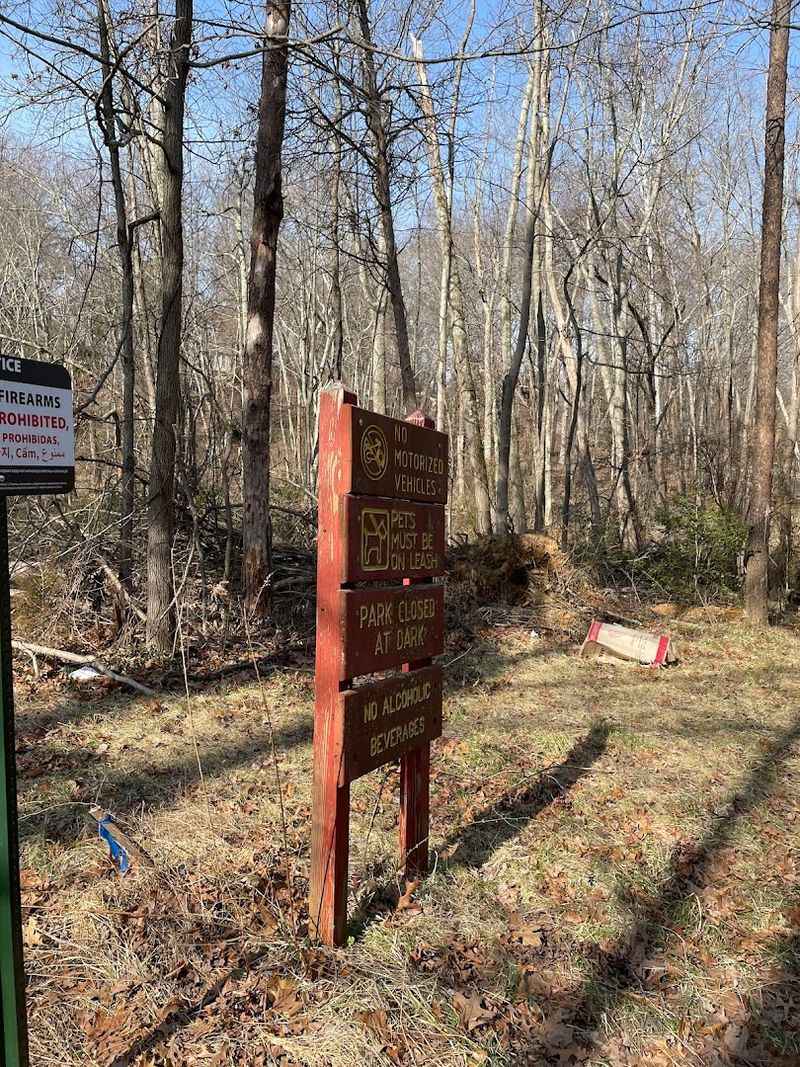
Morning visits offer the best wildlife sightings, with deer and birds most active in the early hours. The park operates daily and closes in the evening, so afternoon visits are equally pleasant.
Bring comfortable shoes, keep an eye out for the park entrance sign near Creek Crossing Road, and take a moment at the bridge to appreciate the wild gap between what this place looks like and what it once was used for.
The Address and How to Find Foxstone Park Bridge
Finding Foxstone Park Bridge is straightforward once you know where to look. The park entrance sits at 1910 Creek Crossing Road NE, Vienna, VA 22180, tucked into a quiet residential area of Fairfax County.
The Fairfax County Park Authority manages the site, and the phone number for the parks department is available through the county website if you need additional information before your visit.
Vienna itself is a charming town in Northern Virginia, easy to reach from Washington D.C. and the surrounding suburbs. The park connects to the broader network of trails in the area, including paths that wind toward Wolf Trap, making it a worthwhile stop for anyone exploring the region on foot or by bike.
So go ahead, put on your best spy-movie walking shoes and head to this unassuming corner of Virginia. Stand on that footbridge, look down at Wolftrap Creek, and let the full absurdity and brilliance of the story sink in.
One of the most dramatic chapters in American espionage history played out right here, and the bridge is still standing, waiting for curious minds to come find it.
Dear Reader: This page may contain affiliate links which may earn a commission if you click through and make a purchase. Our independent journalism is not influenced by any advertiser or commercial initiative unless it is clearly marked as sponsored content. As travel products change, please be sure to reconfirm all details and stay up to date with current events to ensure a safe and successful trip.
