Think all museums are dusty, boring, and full of stuff your grandparents dragged you to see? Think again.
Tucked away in Colonial Heights, Virginia, sits a treasure trove that’ll make gearheads weep with joy and history buffs do a happy dance. We’re talking chrome-plated beauties, rumbling engines frozen in time, and machines that literally built America from the ground up.
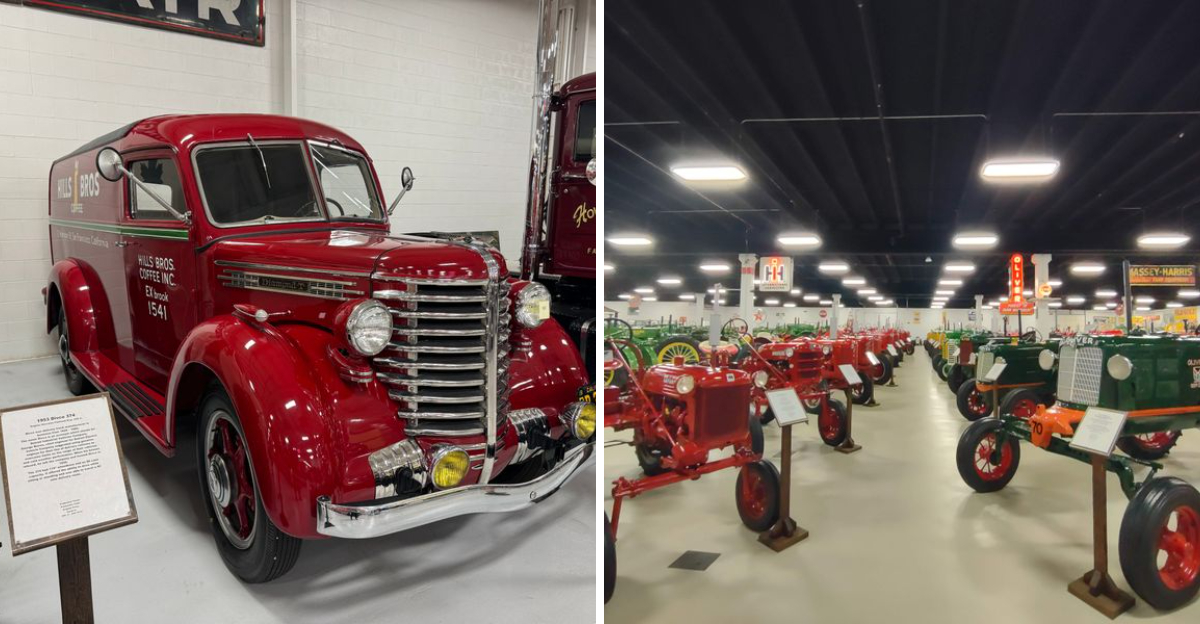
This isn’t your typical glass-case-and-velvet-rope situation. Keystone Antique Truck & Tractor Museum is where horsepower meets heart, showcasing over two hundred meticulously restored vehicles that once hauled crops, carried goods, and powered the nation’s backbone.
Every machine tells a story of sweat, innovation, and the relentless American spirit. Forget scrolling through your phone for entertainment.
This place delivers real-deal nostalgia with a side of awe-inspiring craftsmanship. Ready to rev your curiosity and roll back the clock to when machines were built tough and meant to last forever?
A Jaw-Dropping Collection That Spans Generations
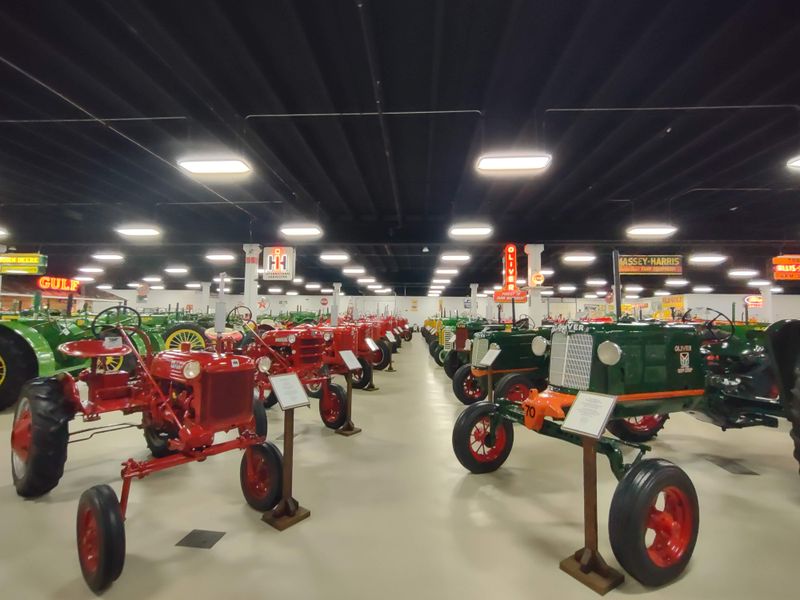
Walking into Keystone feels like stepping through a portal where time bends and America’s industrial soul comes roaring back to life. Over two hundred meticulously restored trucks and tractors fill this sprawling space, each one gleaming like it just rolled off the assembly line.
Every corner reveals another mechanical marvel. Bright red Farmalls stand beside hulking Mack trucks, their chrome accents reflecting the overhead lights.
You’ll spot rare brands that vanished decades ago, preserved here like mechanical fossils that refuse to fade into obscurity.
What makes this collection truly special is the sheer variety. Farm equipment sits alongside commercial haulers, military vehicles, and oddball specialty machines you never knew existed.
Some date back to the early nineteen hundreds, sporting hand-cranked engines and wooden-spoke wheels.
The restoration work is nothing short of spectacular. Paint jobs shine mirror-bright, engines are rebuilt to factory specs, and even the tiniest details get attention.
Volunteers and staff pour countless hours into bringing these machines back from rust and ruin.
This isn’t just a random pile of old metal. The collection tells America’s story through the vehicles that plowed fields, hauled freight, and powered progress across the nation’s heartland.
The Heart Behind the Horsepower
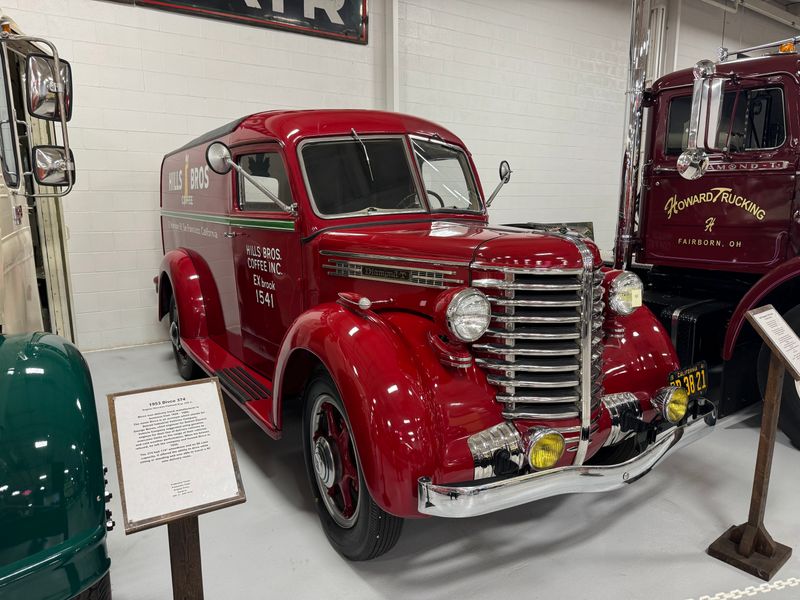
Behind every gleaming fender and perfectly rebuilt engine stands a team of passionate volunteers who treat these machines like family heirlooms. Their dedication transforms rusted relics into showroom beauties that capture imaginations and preserve history.
Many volunteers are retired farmers, truckers, and mechanics who grew up around these exact models. They share stories while tightening bolts, remembering when these tractors plowed their family farms or when similar trucks hauled their first loads.
That personal connection shines through in every restoration.
The work demands serious skill. Tracking down obsolete parts means scouring junkyards, networking with collectors nationwide, and sometimes fabricating pieces from scratch.
Paint matching requires mixing custom colors to replicate original factory finishes that haven’t been produced in decades.
Watching these folks work is entertainment itself. They’ll debate the correct shade of John Deere green for hours or argue over whether a particular bolt head is period-accurate.
Their enthusiasm is contagious and their knowledge runs deep.
This volunteer spirit creates a living museum where machines don’t just sit pretty behind velvet ropes. They’re cared for by people who understand their significance and want future generations to appreciate the craftsmanship that built America’s agricultural and transportation backbone.
Tractors That Transformed American Farming
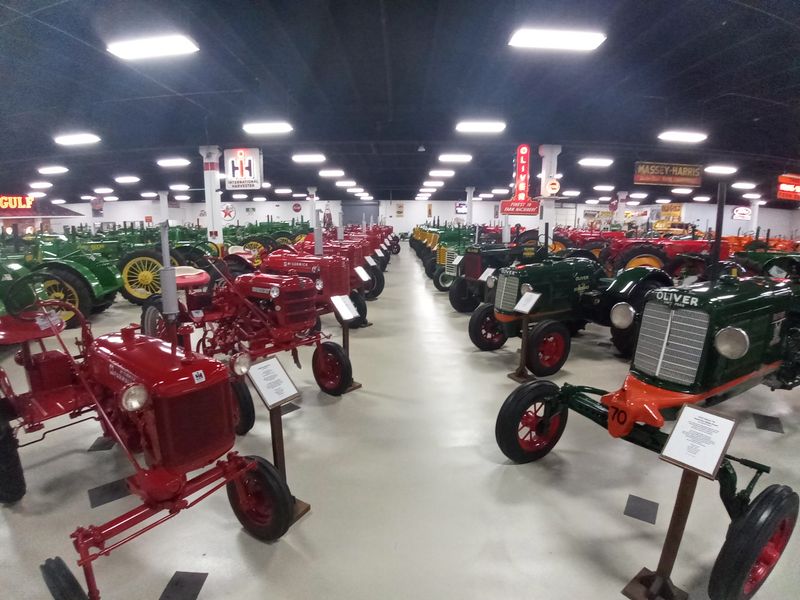
American agriculture changed forever when tractors replaced horses, and Keystone showcases the machines that revolutionized how we feed the nation. These aren’t just display pieces.
They’re monuments to innovation that freed farmers from dawn-to-dusk drudgery behind animal teams.
Early models look almost comical by modern standards. Spindly wheels, exposed engines, and seats that offered zero comfort sit alongside later models featuring enclosed cabs and hydraulic systems.
The evolution happened fast, driven by competition between legendary brands.
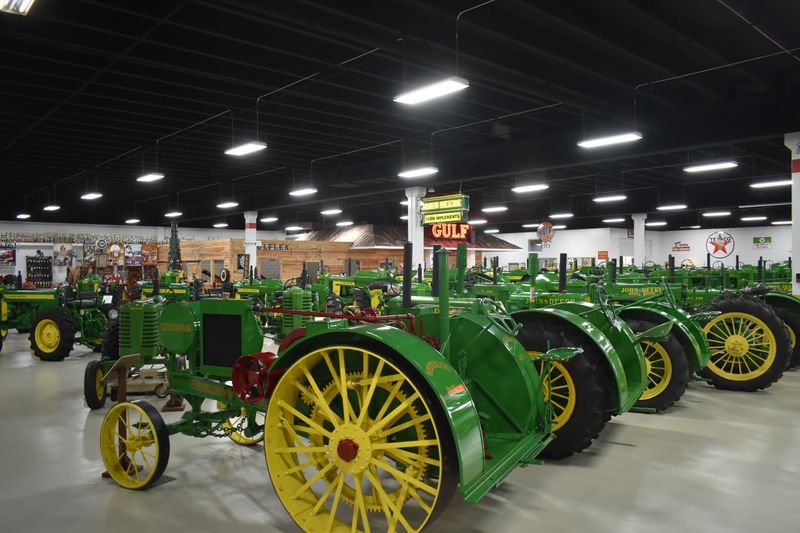
You’ll spot iconic names that dominated different eras. International Harvester, John Deere, Ford, Massey Ferguson, and Allis-Chalmers each brought unique innovations.
Some pioneered diesel engines, others introduced three-point hitches, and a few experimented with bizarre designs that never caught on.
What’s fascinating is seeing how design philosophy changed. Early tractors mimicked horse-drawn equipment, while later models embraced pure mechanical efficiency.
Colors became brand signatures, turning farm equipment into rolling advertisements across rural landscapes.
Stand close and you can almost hear these machines chugging through fields, smell the diesel exhaust, and feel the vibration through steel seats. They represent backbreaking labor made manageable, family farms that survived because technology arrived just in time, and an agricultural revolution that fed a growing nation.
Big Rigs That Built America’s Highway Legacy
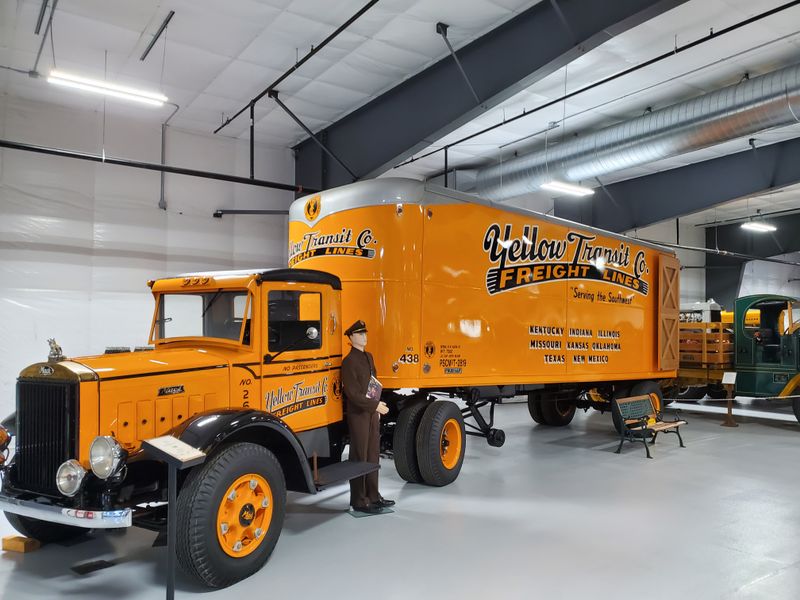
Long before interstate highways crisscrossed the nation, independent truckers piloted these mechanical beasts across rutted roads, delivering goods that kept America running. Keystone’s truck collection celebrates an era when driving cross-country meant adventure, danger, and serious mechanical know-how.
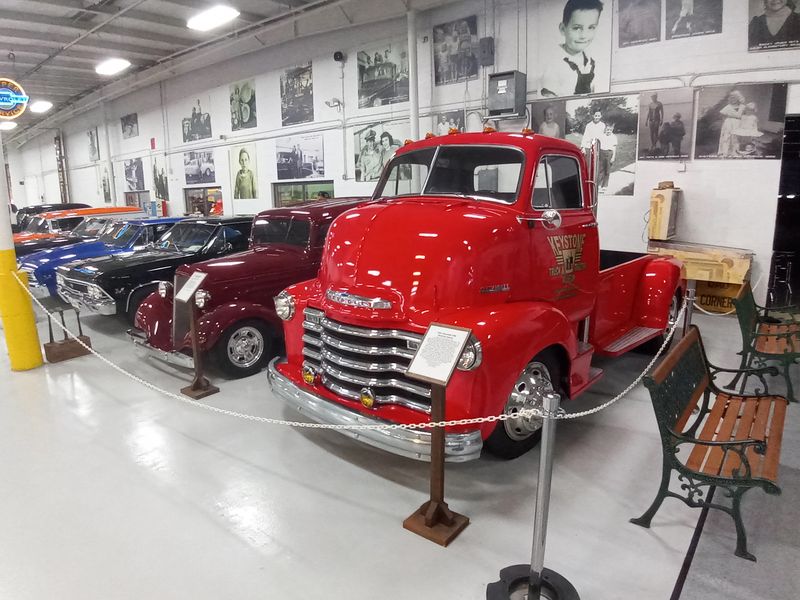
The big rigs command attention with their imposing presence. Chrome grilles stretch wide, massive hoods hint at powerful engines underneath, and hand-painted company names recall businesses long vanished.
Each truck represents someone’s livelihood and countless miles logged across changing landscapes.
Variety runs wild through this section. Flatbeds that hauled lumber, tankers that delivered fuel, refrigerated units that revolutionized food distribution, and specialized haulers designed for unique cargo all find space here.
Some sport elaborate custom paint jobs that turned working trucks into rolling art.
Cab interiors reveal how drivers lived on the road. Simple bench seats, basic gauges, and minimal amenities show how tough the job was.
Later models added sleeper berths, but comfort remained an afterthought compared to reliability and hauling capacity.
These trucks moved America’s economy before containerization and modern logistics. They represent independent operators who owned their rigs, knew every mechanical quirk, and took pride in keeping chrome polished and engines purring through hundreds of thousands of hard-earned miles.
Military Machines With Stories to Tell
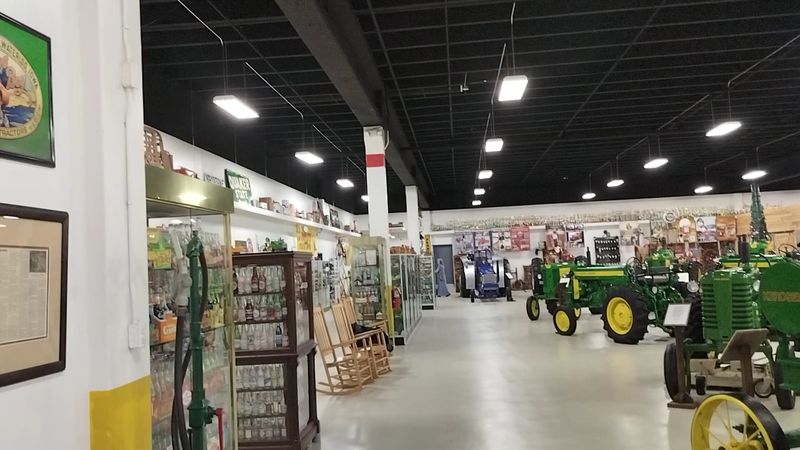
Tucked among civilian vehicles are military machines that served in conflicts spanning decades. These workhorses didn’t haul crops or freight.
They carried soldiers, supplies, and sometimes hope to places where survival depended on mechanical reliability under impossible conditions.
World War Two-era trucks dominate this section, their flat olive drab paint and white stars instantly recognizable. Dodge Power Wagons, GMC cargo trucks, and specialized vehicles designed for specific military needs all saw action across multiple theaters.
Some crossed European battlefields while others slogged through Pacific island mud.
What strikes visitors is how utilitarian these vehicles look compared to civilian counterparts. No chrome, no fancy paint, no comfort features.
Everything focused on durability, repairability in field conditions, and the ability to keep moving when failure meant disaster.
Later military vehicles show technological advances. Bigger engines, better suspension systems, and improved reliability made them valuable surplus purchases for farmers and contractors after military service ended.
Many enjoyed second careers hauling civilian loads across peacetime landscapes.
Standing beside these machines connects you to history in tangible ways. Imagine young soldiers maintaining them under fire, mechanics working through nights to keep convoys moving, and the relief when engines fired up despite mud, cold, or tropical heat threatening to stop them cold.
Rare Finds That Make Collectors Drool
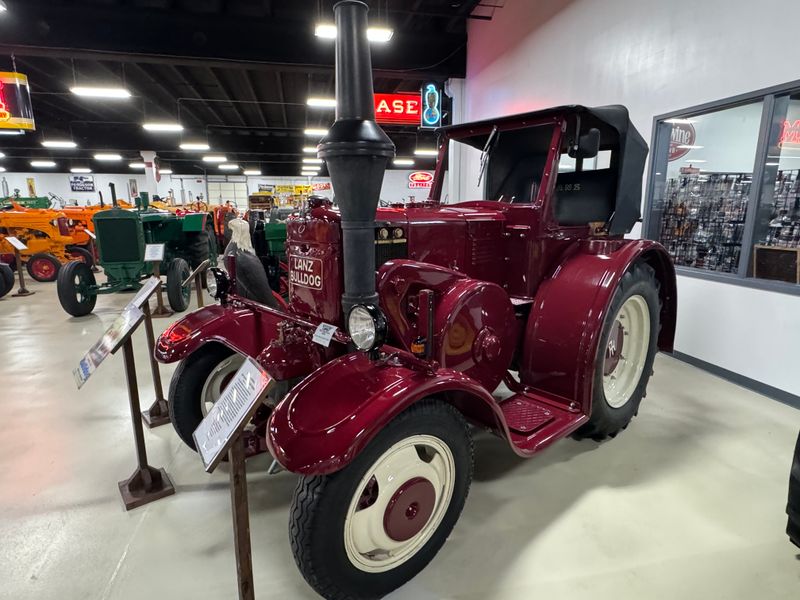
Some machines at Keystone are so rare that collectors travel across the country just to see them in person. These aren’t your standard Farmall or Ford models.
They’re the oddball brands, experimental designs, and limited-production vehicles that barely survived into the modern era.
Obscure manufacturers that folded during the Great Depression left behind precious few examples. Names like Minneapolis-Moline, Rumely, and Hart-Parr once competed with industry giants but couldn’t survive economic turmoil.
Finding their machines now is like discovering automotive unicorns.
Experimental designs that never caught on also find refuge here. Tractors with unusual wheel configurations, trucks with bizarre cab designs, and machinery featuring innovations that seemed brilliant but proved impractical all demonstrate how trial and error shaped mechanical evolution.
What makes these rarities special isn’t just scarcity. They represent roads not taken, ideas that might have changed everything if circumstances had been different, and the entrepreneurial spirit that drove countless inventors and manufacturers to try something new.
Gearheads and historians geek out over details invisible to casual visitors. They’ll spot non-standard bolt patterns, recognize prototype features, and identify components cobbled together from multiple manufacturers.
For them, these rare machines are mechanical poetry written in steel, rubber, and determination.
Hands-On Learning That Brings History Alive
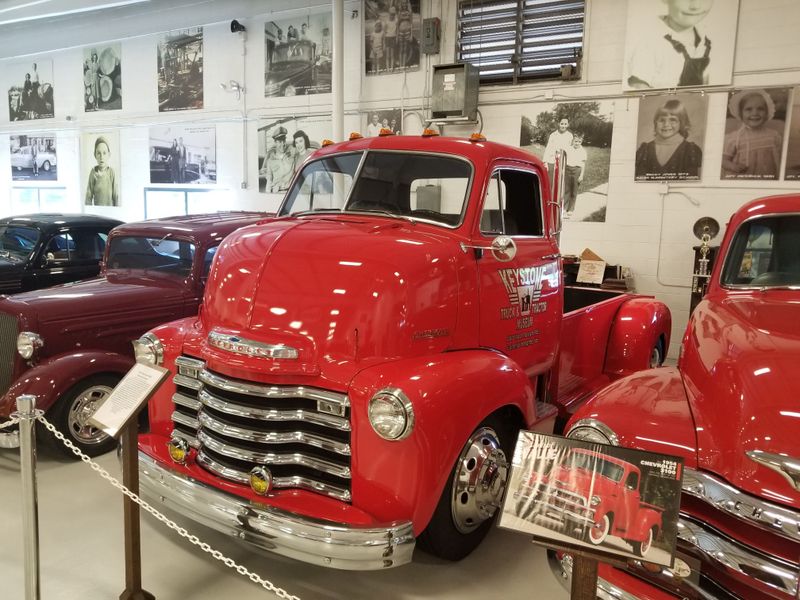
Keystone doesn’t believe in keeping visitors at arm’s length from history. While you can’t climb aboard every vehicle, the museum encourages close examination and offers plenty of opportunities to connect with these mechanical marvels beyond just looking.
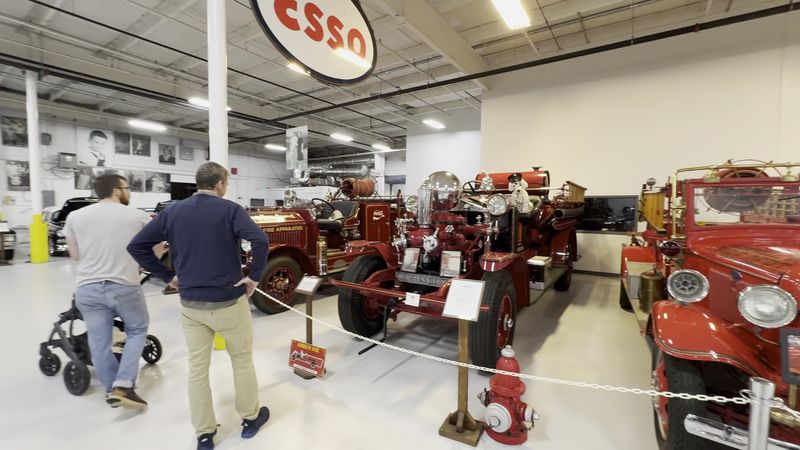
Informational placards beside each vehicle provide context. You’ll learn production years, technical specifications, historical significance, and sometimes personal stories about the machine’s working life.
Staff and volunteers love answering questions and sharing additional details not written on signs.
Special events throughout the year kick things up several notches. Demonstration days feature running engines, showing visitors how these machines sounded and operated when new.
The rumble of a big diesel tractor or the distinctive chug of an old flathead engine creates sensory memories that photos never capture.
Educational programs bring school groups through regularly. Kids who’ve never seen anything older than their parents’ minivan suddenly understand how food reaches grocery stores and goods move across the country.
That connection between past and present makes history relevant instead of abstract.
Photography is encouraged, so bring your camera and snap away. The lighting is excellent, backgrounds are clean, and you’ll never find a better collection of vintage machinery in one place.
Social media feeds fill up fast with these photogenic mechanical beauties.
A Gift Shop That Delivers Authentic Treasures
Before leaving, the gift shop offers one last chance to take home a piece of Keystone’s magic. This isn’t your typical museum store filled with generic souvenirs.
Everything connects directly to the machinery and history celebrated throughout the facility.
Scale model enthusiasts will lose their minds over the selection. Die-cast tractors and trucks representing brands and models displayed in the museum line the shelves.
Collectors hunt for specific years and variations, while kids just want the coolest-looking machine to zoom across living room floors.
Books covering every aspect of agricultural and trucking history fill multiple sections. Technical manuals, brand histories, photo collections, and restoration guides cater to serious enthusiasts.
Coffee table books with stunning photography work perfectly for folks who just appreciate beautiful machinery.
Apparel and accessories let you wear your passion. T-shirts featuring classic tractor brands, hats embroidered with vintage truck logos, and other wearables turn you into a walking billboard for mechanical history.
Quality runs high, so these aren’t flimsy tourist trap items.
Vintage-style signs, tin advertising reproductions, and other decor items help recreate that classic garage or barn aesthetic at home. Prices stay reasonable, and purchases support the museum’s ongoing restoration work and educational programs.
Walking out empty-handed feels nearly impossible once you start browsing.
Location That Makes Visiting Easy
Finding Keystone couldn’t be simpler. Located at 880 West Roslyn Road in Colonial Heights, Virginia, the museum sits conveniently near major highways, making it accessible whether you’re local or passing through the region on a road trip.
Colonial Heights offers the perfect base for exploring central Virginia’s attractions. Richmond lies just minutes away, providing big-city amenities, restaurants, and accommodations.
Petersburg’s Civil War history sites are equally close, letting you combine mechanical marvels with battlefield tours.
The museum opens daily from nine in the morning until five in the evening, giving visitors plenty of time to explore without feeling rushed. That schedule works great for families, allowing morning visits before afternoon activities or leisurely stops during road trips.
Parking is plentiful and free, eliminating the hassle of circling blocks or feeding meters. The spacious lot accommodates everything from compact cars to RVs, recognizing that many visitors arrive in their own vintage vehicles or larger touring rigs.
Accessibility matters here. The facility is wheelchair-friendly, with wide aisles between displays and accessible restrooms.
Families with strollers navigate easily, and older visitors appreciate the level floors and plenty of seating areas for resting between sections. Everyone gets to enjoy America’s horsepower history without barriers.
Why This Museum Matters More Than Ever
In an age when machines are disposable and technology changes faster than we can adapt, Keystone reminds us of an era when things were built to last. These tractors and trucks weren’t designed for planned obsolescence.
They were engineered to survive decades of hard use and remain repairable by owners with basic tools.
Modern farming relies on GPS-guided equipment controlled by computers. Commercial trucking moves toward automation and electric powertrains.
Those advances bring benefits, but something gets lost when machines become black boxes that only factory technicians can service.
The vehicles at Keystone represent mechanical transparency. Open the hood and you can see how everything works.
Trace fuel lines, follow linkages, understand how pushing a pedal translates into motion. That hands-on relationship between operator and machine fostered pride, skill, and self-reliance.
Younger generations grow up disconnected from how things are made, grown, or transported. Keystone bridges that gap, showing where food comes from and how goods reach stores.
That understanding creates appreciation for the complex systems keeping modern life running smoothly.
Preserving these machines honors the farmers, truckers, and workers who built America’s prosperity through sweat and determination. Their legacy deserves remembering, and Keystone ensures that story continues reaching new audiences who might otherwise never know how horsepower powered a nation.
Dear Reader: This page may contain affiliate links which may earn a commission if you click through and make a purchase. Our independent journalism is not influenced by any advertiser or commercial initiative unless it is clearly marked as sponsored content. As travel products change, please be sure to reconfirm all details and stay up to date with current events to ensure a safe and successful trip.
