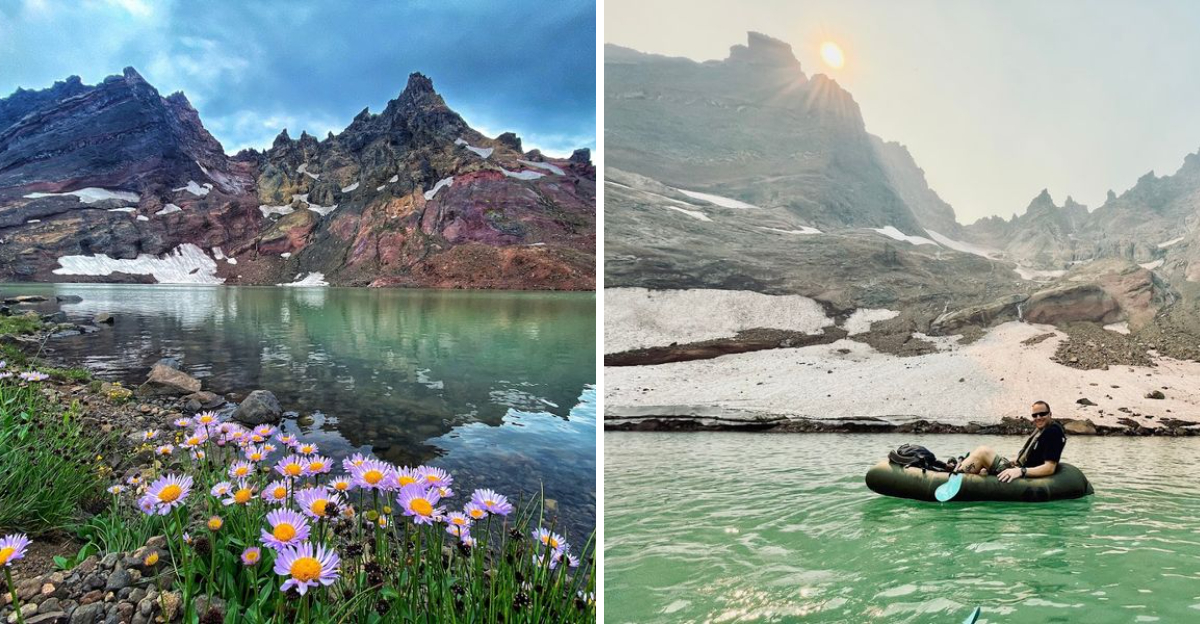
I’ve been hunting for that perfect trail that feels like a secret between friends, and I finally found it on a quiet volcanic ridge in Oregon. The path winds through moss?draped forests, then opens to a crater that looks like it’s been waiting for a camera for ages.
I could hear only the wind and my own footsteps, and that stillness made every snap feel intentional. It’s the kind of place that turns a simple hike into a story you’ll want to share over coffee.
I left the trail with a pocket full of photos that instantly lifted my feed from ordinary to awe?inspiring. If you’re ready for a little adventure that feels both wild and calm, this hidden volcano is the dormant wonder your feed has been begging for.
The Road to the Trailhead: A Wild Ride Before the Real Adventure
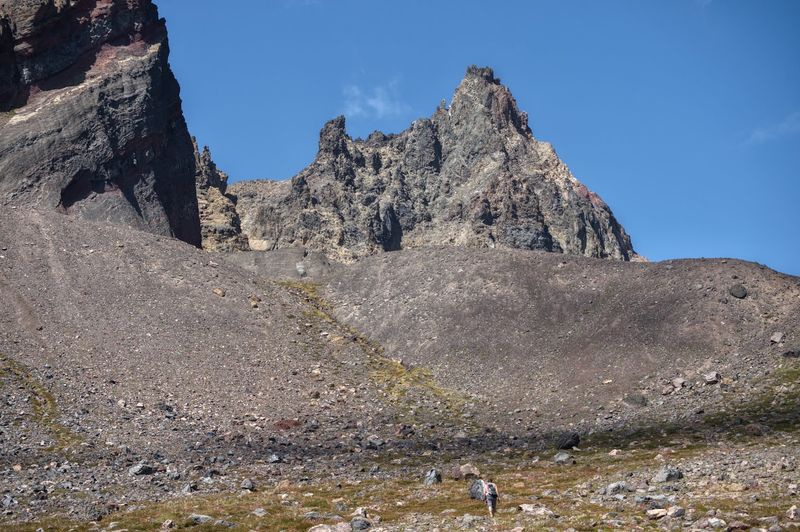
Getting to No Name Lake starts well before the first step on the trail. The access road off Cascade Lakes Highway, following routes 370 and 380, is genuinely rough.
Deep ruts, loose rock, and narrow single-lane sections make this stretch a real test for your vehicle.
A high-clearance 4WD or AWD rig is strongly recommended. The six miles from the highway can take around 40 minutes at a careful pace.
One particularly gnarly section sits about half a mile from the gate and has caught more than a few drivers off guard.
If you drive a standard sedan or a low-clearance crossover, park at Todd Lake instead. Yes, that adds significant mileage to your hike, turning it into roughly a 13-mile round trip.
But plenty of people have done it and called the payoff completely worth the extra effort. The road itself, bumpy and dramatic as it is, sets the tone for the kind of adventure waiting on the other side.
Starting at Todd Lake: The Long Way That Pays Off
Todd Lake Trailhead is where the longer journey to No Name Lake begins for anyone without a capable off-road vehicle. It adds miles to the day, but those miles are gorgeous.
The trail winds through meadows and forest with Broken Top looming ahead like a promise.
Parking at Todd Lake fills up fast, especially on summer weekends. Arriving by 8am on a weekday still means the lot can be nearly full.
Getting there early is not just smart, it is almost necessary.
A permit is required to hike in this area and can be purchased through recreation.gov before your trip. Do not skip this step, rangers do check.
The long walk from Todd Lake gives your legs a proper warm-up and lets the landscape unfold gradually, which honestly makes arriving at the lake feel even more earned. There is something satisfying about a hike that makes you work for the reward, and this one delivers on that feeling completely.
The Trail Itself: Steady, Scenic, and Surprisingly Well-Groomed
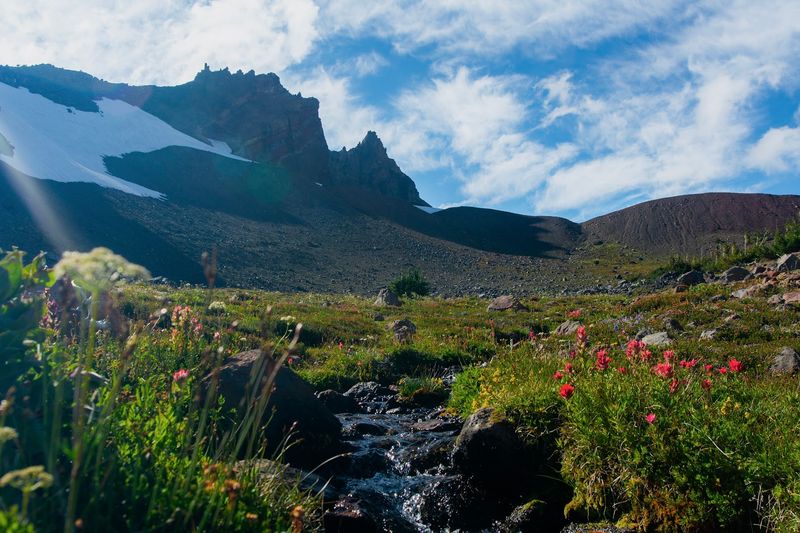
One of the most surprising things about this hike is how beautifully maintained the trail is. For a path leading to such a remote-feeling destination, the surface is smooth, clearly marked, and easy to follow.
It almost feels out of place given how rough the access road is.
The terrain stays relatively gentle for most of the route. Steady inclines replace steep scrambles for the majority of the climb, making the hike accessible to people with moderate fitness levels.
The last 1.3 miles or so ramp up noticeably as you gain real elevation toward the lake.
Wind can pick up along the exposed sections, so a light jacket tucked into your pack is always a smart call. The trail stays open and sun-drenched for long stretches, which means sunscreen is not optional.
Views start building early, and by the time you are pushing through that final climb, the scenery has already been quietly stunning for a while. The trail earns its moderate rating honestly.
Arriving at No Name Lake: The Moment That Stops You Cold
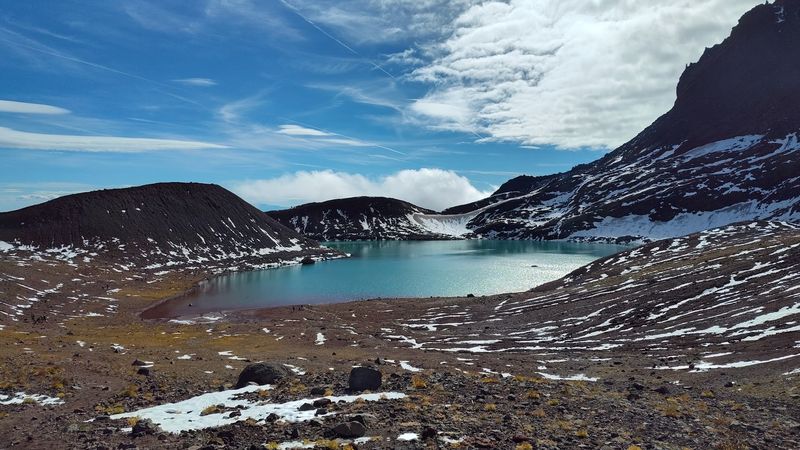
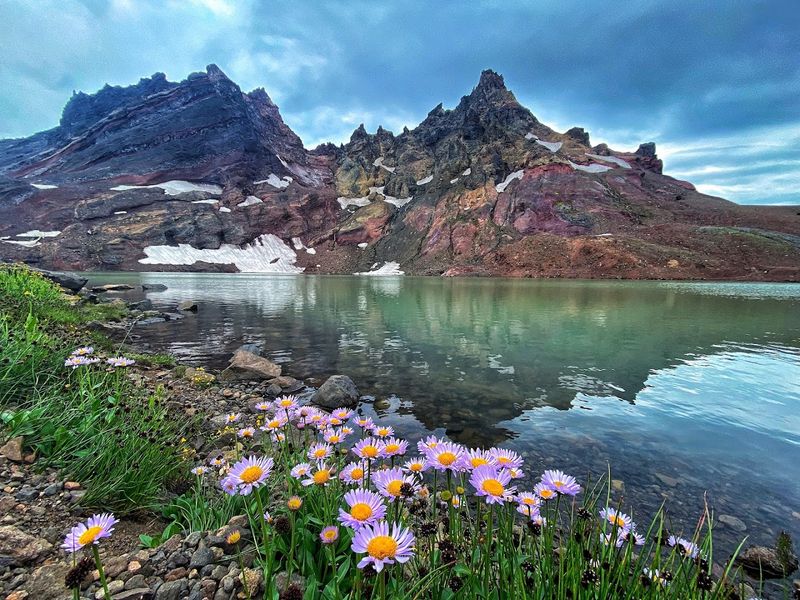
Nothing fully prepares you for the first glimpse of No Name Lake. After the climb, after the wind, after the effort, you round a bend and there it is: a pool of turquoise water sitting at the foot of a shattered volcanic peak.
It is the kind of sight that makes your brain briefly short-circuit.
The color of the water is startling. It shifts between deep blue and vivid green depending on the light and the angle, and the rocky shoreline frames it like something out of a painting.
In early August, wildflowers crowd the edges in bursts of yellow, purple, and white.
One important note: do not drink the water from the lake. Decomposing wildlife in the water from a past avalanche makes it unsafe.
Bring all the water you need from home. Sitting at the shore and taking it all in for a few quiet minutes before continuing up the ridge is something most visitors describe as one of the better decisions they made all day.
Broken Top Mountain: Oregon’s Forgotten Volcanic Giant
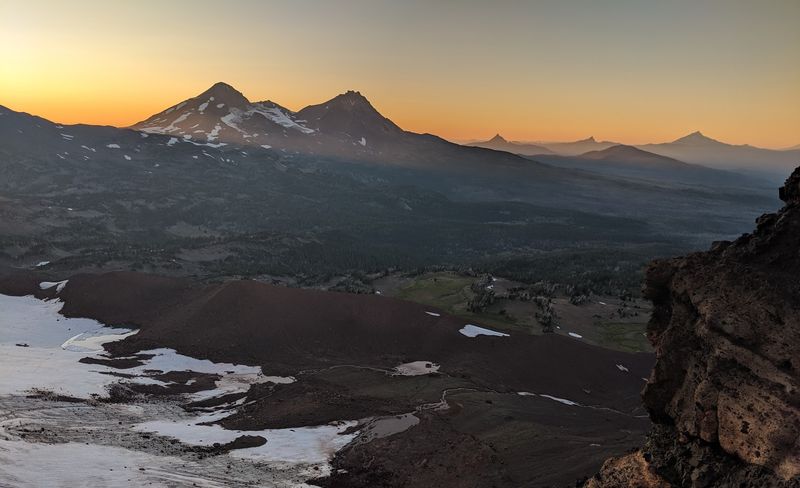
Broken Top is not as famous as its neighbors, the Three Sisters, but it might be the most visually dramatic peak in the area. The mountain is a deeply eroded shield volcano, and its shattered caldera gives it a raw, almost aggressive silhouette that sets it apart from every other summit in view.
Standing at around 9,175 feet, Broken Top carries remnants of glaciers on its flanks even in late summer. The exposed rock layers tell a story of volcanic activity that shaped this entire region over thousands of years.
It has a geologic personality that feels alive even in its dormant state.
Hikers who push up to the ridge above the lake get an especially dramatic view of the peak from above. The perspective from that high point makes the mountain look even more imposing, and the sense of scale becomes genuinely humbling.
Broken Top does not demand your attention the way more famous peaks do. It earns it quietly, and the longer you look, the more impressive it becomes.
The Ridge Viewpoint: Where the Three Sisters Say Hello
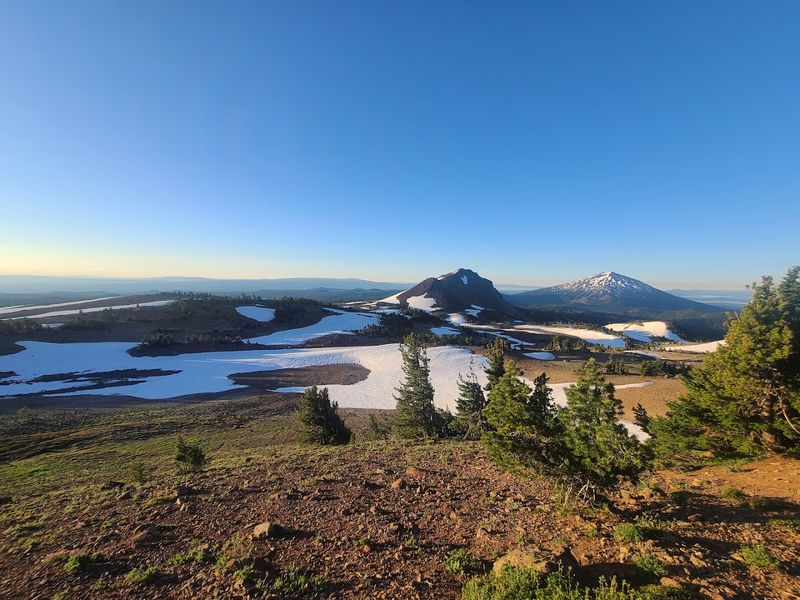
Hiking past the lake and climbing the ridge above it is non-negotiable. Every person who has made it up there says the same thing: do not skip the viewpoint.
It takes maybe 15 to 20 minutes of extra effort from the lake, and the payoff is absurd.
From the top, the Three Sisters spread out across the horizon so close that they feel touchable. The full sweep of the Cascade Range opens up, and on a clear day you can see far beyond what you expect.
The sense of standing on volcanic terrain, surrounded by more volcanic terrain, with a glacier-carved lake below you, is genuinely hard to shake.
Catching this view at sunset is something hikers who have timed it right describe as one of the best moments in all of the Pacific Northwest. The light turns the peaks gold and the lake below glows.
Plan your timing carefully if a sunset ridge experience is on your list. Getting back down in the dark without a headlamp is less magical.
Wildflowers and Wildlife: What the Seasons Bring
Timing your visit shapes the whole experience at No Name Lake. Summer, particularly July through early September, brings the most dramatic wildflower displays.
The shoreline fills with color, and the contrast against the dark volcanic rock and bright water is something you want a camera ready for.
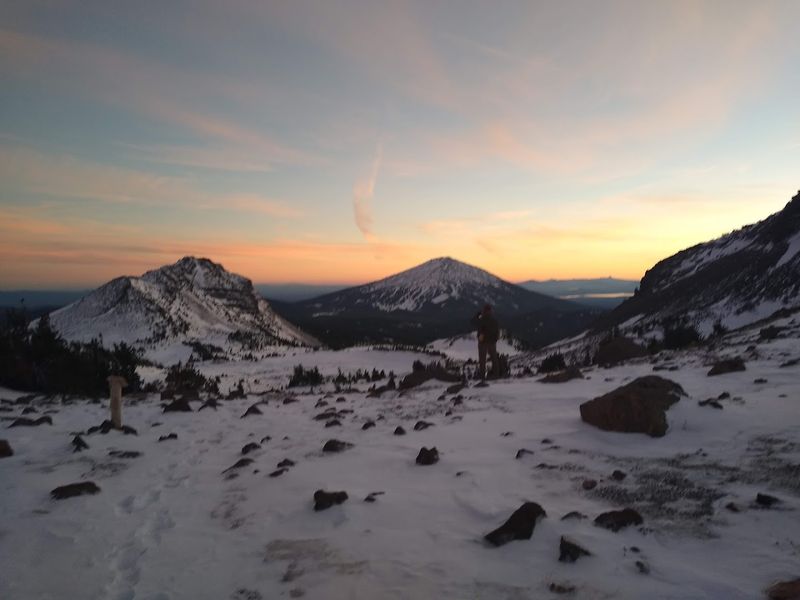
Fall hiking here carries its own kind of magic. The crowds thin out significantly, and the lake sometimes develops a thin layer of ice around the edges.
Seeing No Name Lake in that quiet, frost-touched state feels like having a secret version of the trail all to yourself.
Wildlife sightings along the trail are not uncommon. Marmots pop up along the rocky upper sections, and birds of prey circle the ridgeline with casual authority.
Dogs are welcome on the trail and many hikers bring them along, though keeping them on leash near wildlife areas is always the respectful move. The ecosystem here is sensitive, and leaving it exactly as you found it is part of what keeps this place feeling so untouched and worth returning to.
The Polar Plunge Option: Cold Water, Big Reward
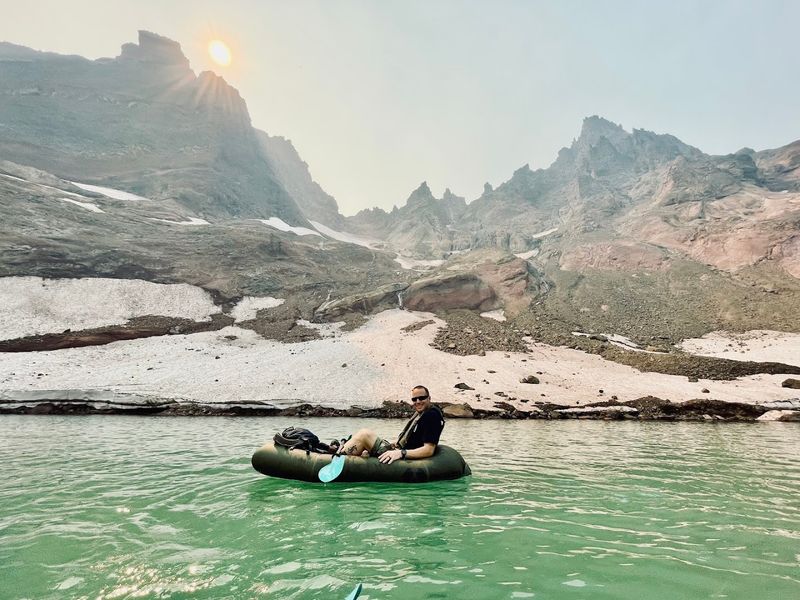
There is a flat boulder near the edge of No Name Lake that has become an unofficial jumping-off point for the brave. The water is cold, properly cold, fed by snowmelt and glacier runoff.
But hikers who have taken the plunge consistently describe it as one of the most refreshing things they have ever done after a long uphill push.
Bring a towel. This sounds obvious, but apparently it is easy to forget when you are focused on everything else you are packing.
The water temperature is not dangerous for a quick swim, but getting out soaking wet without a towel on a windy ridge is its own kind of miserable.
The polar plunge is completely optional, of course. Plenty of people sit on the rocks, eat their lunch, and watch others make the leap with equal parts amusement and respect.
Either way, the boulder and the cold water add a playful, spontaneous energy to the lake that feels right at home in a place this wild. It is one of those trail moments that becomes a story you tell for years.
Permits, Parking, and Practical Things Worth Knowing

A Northwest Forest Pass or equivalent recreation permit is required to park and hike in this area. Purchasing through recreation.gov ahead of time saves stress at the trailhead, especially during peak summer months when enforcement is active and spots fill fast.
The trailhead closest to No Name Lake has a clean outhouse, which is a genuinely appreciated detail after a long drive in. The parking area can fill by 10am on busy days, even mid-week.
Starting early is the single best piece of advice for this hike.
When the trail reaches a sign for Broken Top, stay to the right. This detail trips up a surprising number of first-timers.
Cell service along the access road and most of the trail is unreliable, so downloading an offline map before leaving is a smart habit. Pack plenty of water since the lake water is not safe to drink.
Sunscreen, layers, and solid footwear round out the essentials. This is not a technical hike, but it rewards people who show up prepared and take the logistics seriously.
Why No Name Lake Deserves a Permanent Spot on Your Oregon List
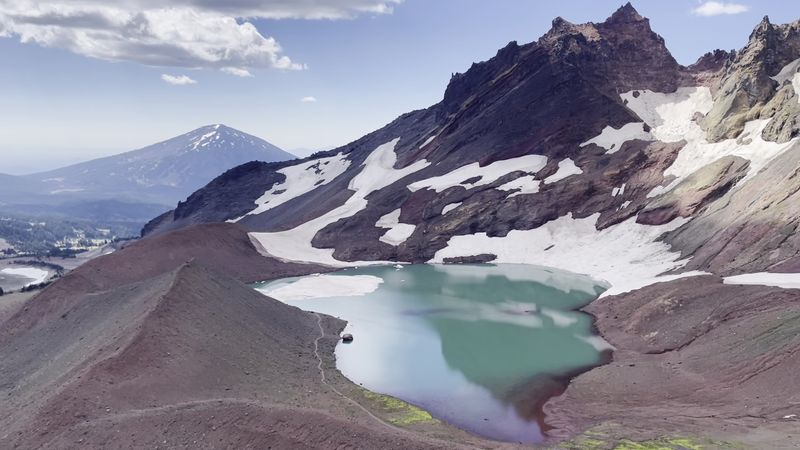
There are thousands of lakes in Oregon, but very few carry the combination of factors that make No Name Lake feel genuinely special. The volcanic setting, the color of the water, the ridge views, the wildflowers, the cold air, the silence.
It all stacks up into something that is hard to replicate anywhere else in the state.
It is not the easiest place to reach. The road is rough, the hike takes real effort, and the permit system adds a planning step that some people find annoying.
But every single one of those barriers is exactly what keeps the crowds manageable and the experience intact.
Places this beautiful that still feel this unhurried are getting harder to find. No Name Lake on Broken Top Mountain is the kind of destination that makes you want to put your phone away and just exist in the space for a while.
Go in summer for the flowers. Go in fall for the solitude.
Just go. You will not be looking for reasons to leave anytime soon.
Dear Reader: This page may contain affiliate links which may earn a commission if you click through and make a purchase. Our independent journalism is not influenced by any advertiser or commercial initiative unless it is clearly marked as sponsored content. As travel products change, please be sure to reconfirm all details and stay up to date with current events to ensure a safe and successful trip.
