Think Virginia’s all rolling hills and historic battlefields? Think again.
Tucked away in the southwestern corner of the state lies a geological time capsule that’ll blow your mind. Mount Rogers towers above everything else in Virginia, born from volcanic fury that shook the earth hundreds of millions of years ago.
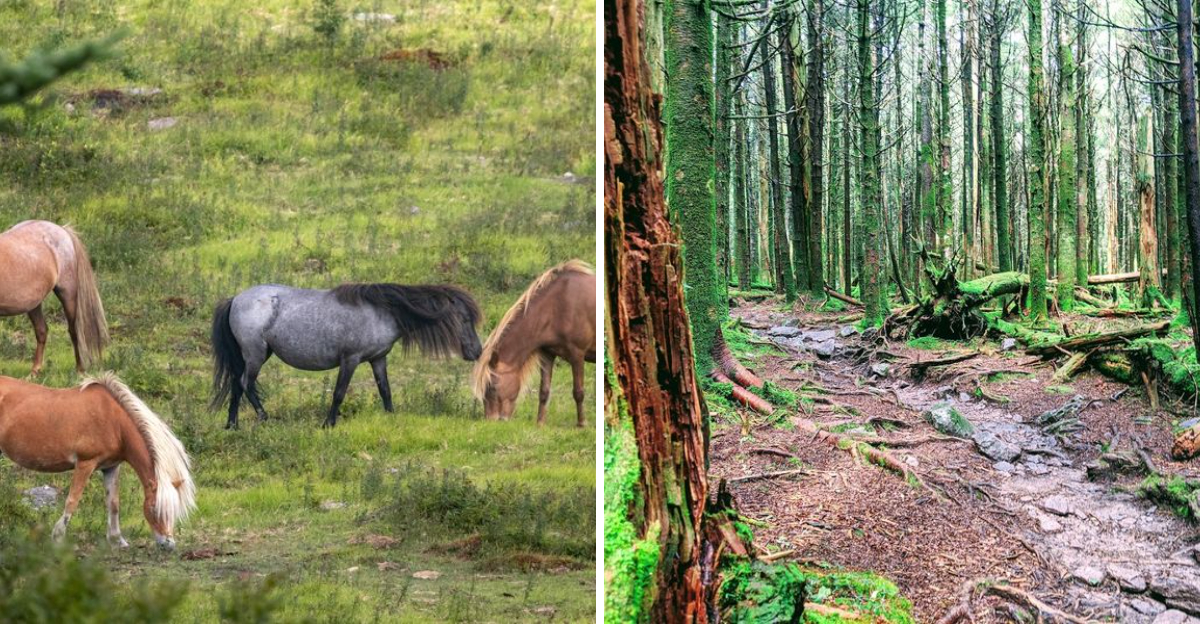
This isn’t your average mountain stroll. Wild ponies roam freely across alpine meadows, ancient forests drip with emerald moss, and every step takes you higher into a landscape that feels ripped straight from a fantasy novel.
The summit might hide behind a curtain of spruce and fir, but the journey there delivers jaw-dropping vistas that’ll have your camera working overtime. Pack your sense of adventure and prepare to discover why this dormant volcanic wonder deserves a prime spot on your spring bucket list.
Virginia’s Sky-High Champion Stands Tall
Reaching for the clouds at over five thousand feet, Mount Rogers claims bragging rights as Virginia’s absolute highest point. This volcanic giant wears its crown with quiet dignity, hidden beneath a canopy of ancient evergreens that create an otherworldly atmosphere at the summit.
Two brass survey markers gleam on the forest floor, proof positive you’ve conquered the state’s tallest challenge. The triangular marker officially marks the true summit, a detail that delights geography nerds and peak baggers alike.
No panoramic views await at the top, but that’s part of the magic. Instead of predictable overlooks, you’re treated to a mystical forest realm where moss blankets every surface and twisted branches create natural sculptures.
The air feels different up here, crisp and thin, carrying whispers of the mountain’s volcanic past.
Hikers travel from across the country to stand on this elevated patch of earth. The journey typically spans eight to ten miles round trip, depending on your chosen trailhead.
Most adventurers need five to six hours to complete the trek, making it a full-day commitment worth every blister and bead of sweat.
Ancient Volcanic Secrets Sleep Below Your Boots
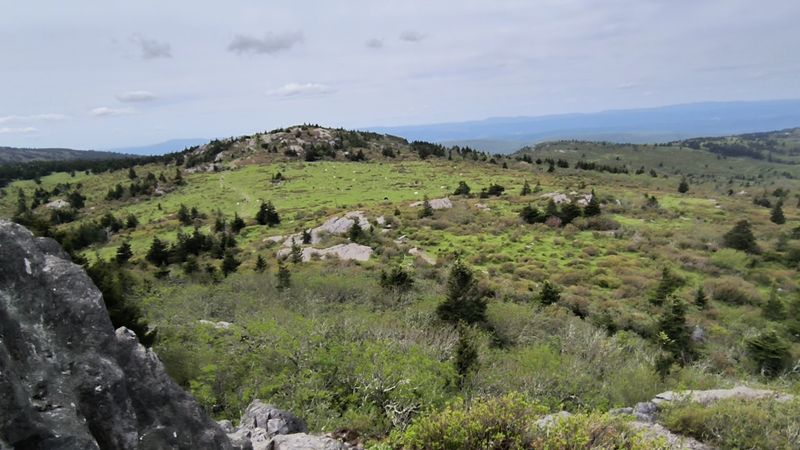
Seven hundred fifty million years ago, this peaceful mountain was anything but calm. Massive volcanic eruptions tore through the landscape, spewing molten rock that would eventually cool into the rhyolite and basalt beneath your hiking boots today.
The rocks tell stories older than dinosaurs, older than trees, older than anything recognizable as modern life. Rhyolite formed from thick, sticky lava that oozed slowly, while basalt came from thinner, faster-flowing magma.
Together, they created geological layers that scientists study to understand Earth’s tumultuous teenage years.
Walking these trails means literally stepping through time. Every boulder and outcropping represents frozen moments from an era when Virginia sat much closer to the equator.
Continental drift eventually pushed these volcanic remnants northward to their current location.
The volcano’s long extinct now, dormant for hundreds of millions of years. Zero chance of eruption means you can explore without worry, though the mountain’s fiery origins explain its impressive height and unique rock formations.
Geologists consider Mount Rogers a textbook example of ancient Appalachian volcanism, making it an outdoor classroom for anyone curious about our planet’s explosive past.
Wild Ponies Rule These Highland Kingdoms
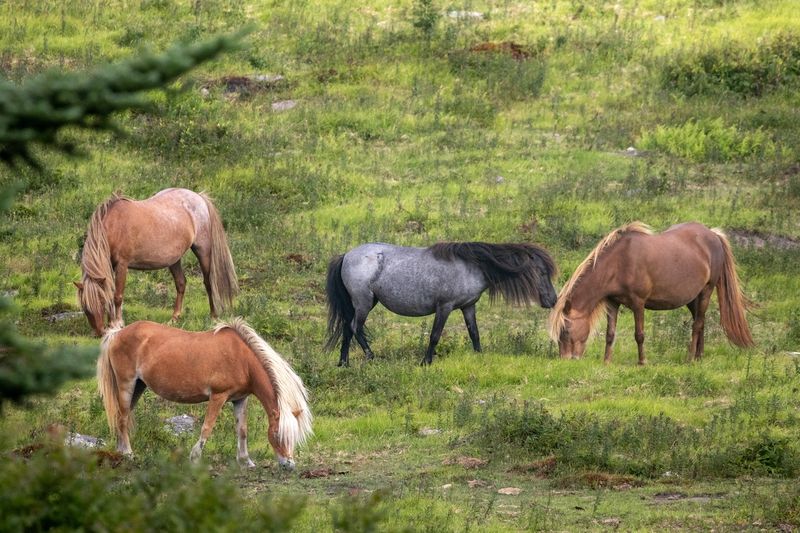
Picture this: you’re huffing up a rocky trail when suddenly a shaggy pony trots past like it owns the place. Because it does.
Feral ponies have claimed these highlands as their kingdom, roaming freely across open balds and meadows with complete confidence.
These aren’t lost pets or escaped farm animals. The ponies descend from horses released decades ago, adapting brilliantly to mountain life.
They’ve become ambassadors for the area, appearing in countless photos and stealing hearts with their friendly curiosity.
Encountering them feels magical every single time. They’ll often approach hikers, hoping for attention but perfectly content to graze nearby if you keep your distance.
Their thick winter coats make them look extra fluffy during colder months, adding to their irresistible charm.
Resist the urge to feed them, though. These ponies thrive on natural vegetation, and human food can make them sick.
Enjoy them from a respectful distance, snap your photos, and let them continue their mountain wanderings undisturbed. Some hikers report seeing entire herds dotting the hillsides, especially near Massie Gap and along the Appalachian Trail sections that cross these highlands.
The Appalachian Trail Cuts Right Through
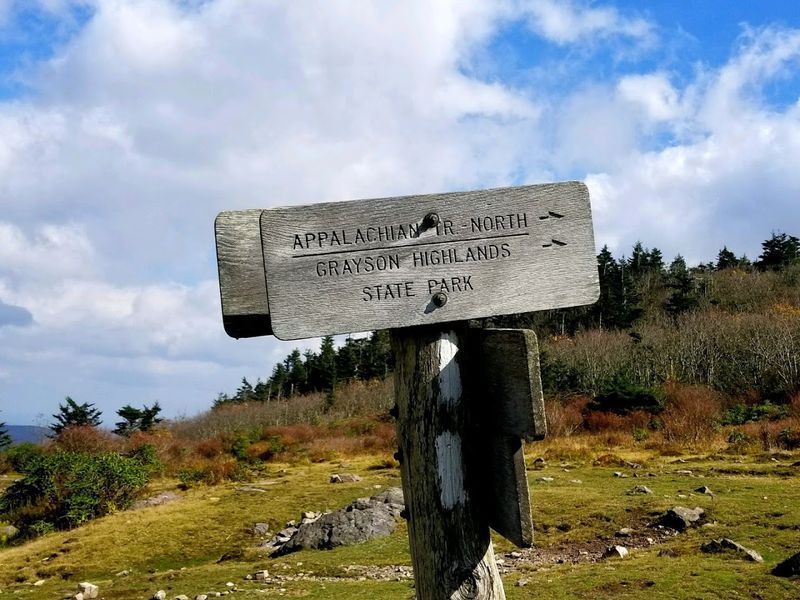
Mount Rogers sits directly on one of America’s most legendary footpaths. The Appalachian Trail slices through this mountain range, bringing thru-hikers from Georgia to Maine right past the summit spur trail.
You might share the path with adventurers who’ve been walking for months, their weathered faces and trail-worn gear telling stories of incredible endurance.
White blazes painted on trees mark the AT’s route, guiding hikers through diverse terrain that showcases the best of Virginia’s high country. Following these iconic markers feels like joining an exclusive club, connecting you to the thousands who’ve walked this same earth before you.
The AT provides the main access route to Mount Rogers’ summit, though you’ll need to take a short spur trail to reach the actual peak. Most hikers appreciate this setup because the main trail delivers stunning views while the summit spur offers that mystical forest experience.
Trail angels sometimes leave treats in nearby shelters, and you’ll find well-maintained camping spots along the route. The sense of community among AT hikers creates a welcoming atmosphere, even for day-trippers just sampling a small section of this legendary path.
Moss-Draped Forests Create Enchanted Realms
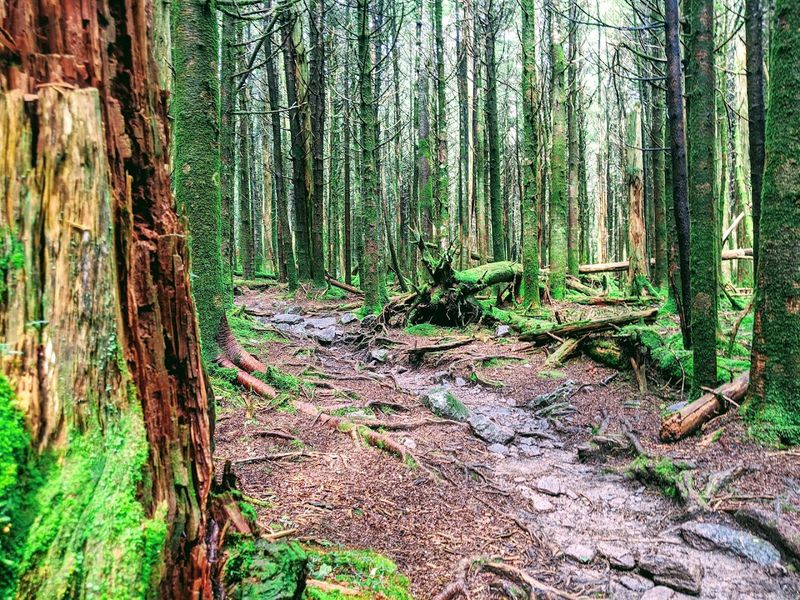
Stepping into the summit forest feels like entering a fairy tale illustration. Every tree trunk wears a thick coat of vibrant green moss, creating an emerald wonderland that photographers dream about.
The spruce-fir forest thrives in these high elevations, species typically found much farther north.
Old growth trees twist and turn, their gnarled branches reaching skyward through dense canopy. Some of these giants have stood for centuries, witnessing countless seasons and weathering storms that would flatten younger forests.
Their thick bark and sturdy trunks speak to incredible resilience.
The forest floor carpets itself in moss too, cushioning your footsteps and muffling sound. This creates an almost cathedral-like quiet, broken only by bird calls and wind rustling through needles.
Humidity stays high here, feeding the moss growth and maintaining that lush, primeval atmosphere year-round.
Photographers absolutely lose their minds over this terrain. The green-on-green color palette, dramatic shadows, and otherworldly textures create images that look professionally color-graded straight out of camera.
Early morning light filtering through the canopy produces especially magical results, though the forest maintains its enchanting quality regardless of time or season.
Spectacular Views Before You Reach The Top
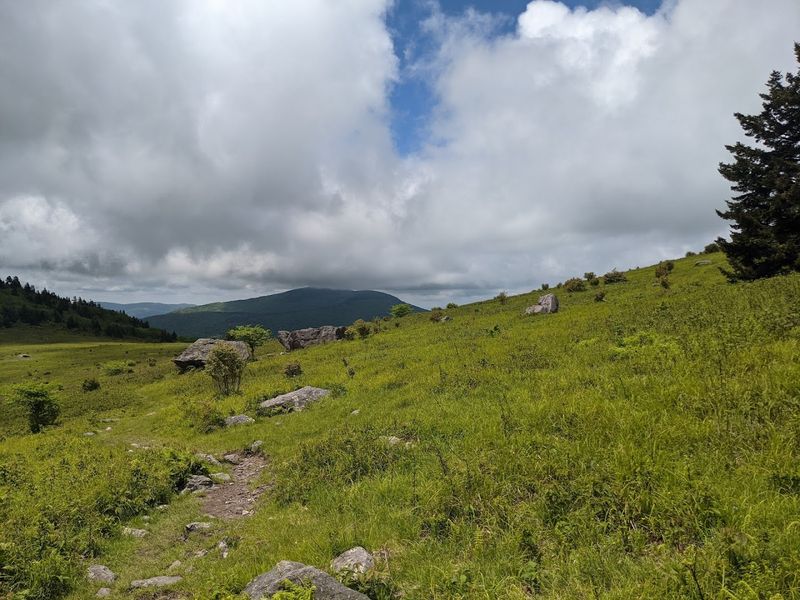
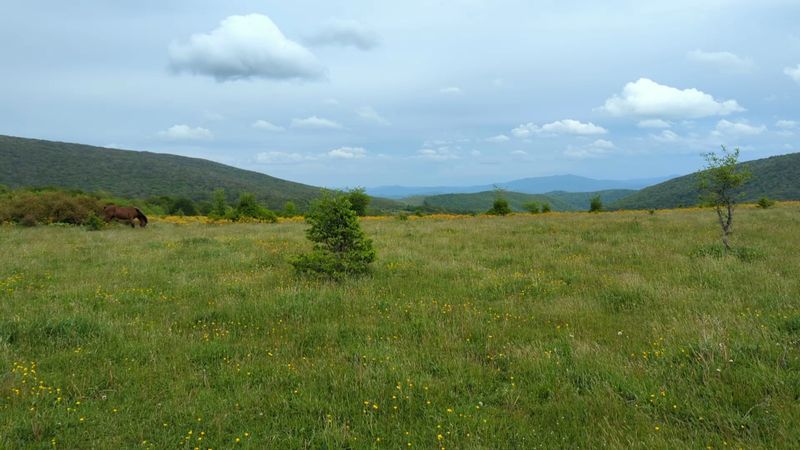
Here’s the twist that surprises many first-timers: the best views aren’t at the summit. Open balds and rocky outcrops along the approach trails deliver jaw-dropping panoramas that make the summit’s tree-covered peak seem almost anticlimactic by comparison.
Smart hikers adjust their expectations accordingly and soak up these spectacular vistas along the way.
Looking south on clear days, you can spot Grandfather Mountain, Beech Mountain, and Sugar Mountain rising in the distance. The North Carolina peaks create a dramatic backdrop, proving you’re hiking in seriously elevated company.
These views stretch for miles, encompassing multiple mountain ranges and valleys.
The open meadows near Massie Gap particularly shine for scenery. Rolling highlands dotted with ponies, framed by distant peaks, create postcard-perfect compositions.
Sunrise and sunset transform these landscapes into golden wonderlands, though midday light has its own stark beauty.
Many hikers intentionally linger at these viewpoints, understanding the journey matters more than the destination here. Pack a lunch and claim a rock for an extended break.
Watch clouds drift past at eye level, spot hawks riding thermals, and appreciate the unique perspective that comes from standing this high above everyday life.
Multiple Trailheads Offer Different Adventures
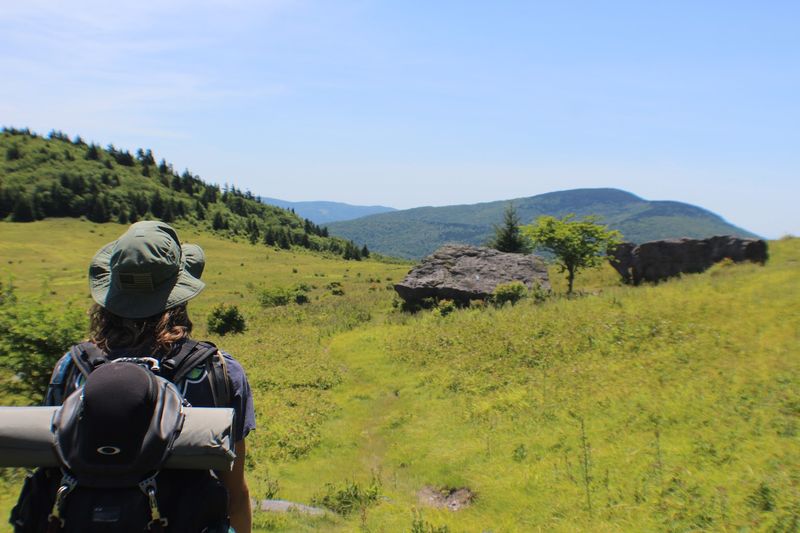
Choosing your starting point shapes your entire Mount Rogers experience. Massie Gap draws huge crowds for good reason, offering the most direct route with incredible scenery right from the parking lot.
Ponies frequently hang around this area, greeting hikers before they’ve even hit the trail proper.
Elk Garden provides another popular option, starting your journey at high elevation and cutting some climbing from the total effort. The trailhead sits nearly a mile high already, giving you a head start toward the summit.
Expect to cover around nine miles round trip from here, with the path following the AT for most of the distance.
Each trailhead charges parking fees during peak season, money that funds trail maintenance and facility upkeep. Arrive early, especially on weekends, because parking fills fast.
Some hikers report showing up at dawn to secure spots and avoid crowds on the trail itself.
Trail maps prove essential regardless of which route you choose. Multiple intersections and side trails can confuse even experienced hikers, and cell service gets spotty in these mountains.
Download offline maps beforehand or grab a paper version at the trailhead. GPS devices sometimes struggle with accuracy here too, making good old-fashioned map reading skills genuinely useful.
Wildlife Encounters Beyond Just Ponies
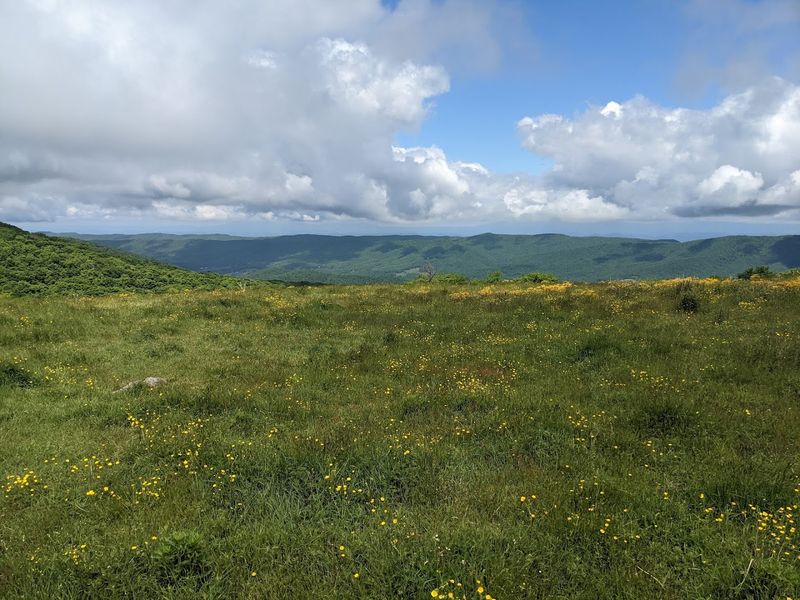
Ponies steal the spotlight, but they’re hardly alone up here. White-tailed deer bound through the forests, their white tails flashing warnings as they spring away from approaching hikers.
Early morning and dusk bring the best chances for deer sightings, when they venture into meadows to feed.
Bird watchers bring binoculars and field guides, hoping to spot species that thrive in these high elevations. Unique mountain birds that rarely appear at lower altitudes make their homes in the spruce-fir forests.
Their calls echo through the trees, adding soundtrack to your hike.
Black bears roam these mountains too, though encounters remain relatively rare. They’re typically more interested in foraging than bothering hikers, but proper food storage and bear awareness matter nonetheless.
Make noise while hiking to avoid surprising them, and know how to respond if you do cross paths.
Some lucky hikers report spotting cows grazing on the trails, remnants of the area’s ranching history that add unexpected charm to the experience. Even chipmunks and squirrels seem bolder up here, darting across paths and chattering from tree branches.
The diversity of wildlife reflects the healthy ecosystem these protected lands maintain, offering glimpses into mountain life that exists largely undisturbed by human development.
Seasonal Changes Paint Different Pictures
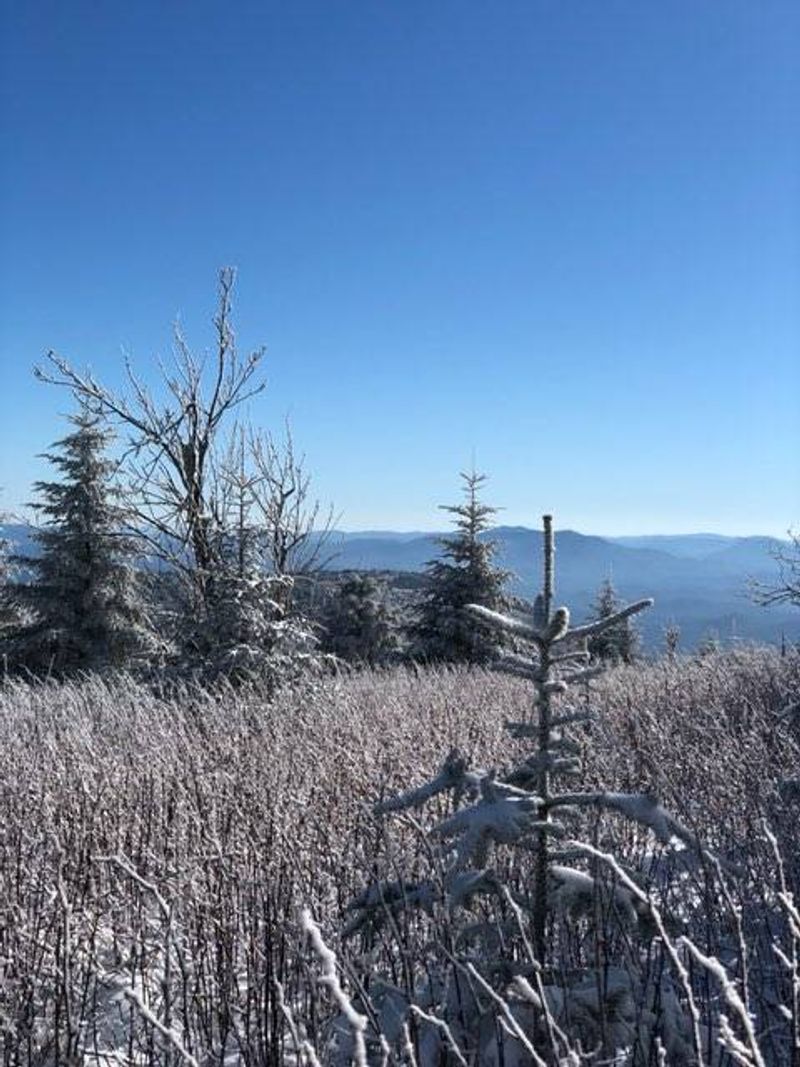
Winter transforms Mount Rogers into a frozen kingdom where ice crystals coat every surface and snow blankets the highlands. The summit forest becomes especially magical, with rime ice creating delicate sculptures on branches.
Temperatures plummet, wind chills bite hard, and trails turn treacherous, but properly equipped winter hikers find solitude and beauty that summer crowds never experience.
Spring brings explosive wildflower displays across the open balds. Rhododendrons burst into bloom, painting hillsides pink and purple.
The ponies shed their thick winter coats, looking scraggly and half-naked for a few weeks. Temperatures moderate into comfortable hiking range, though mud can make trails messy.
Summer offers the warmest weather and longest daylight hours, perfect for slower-paced explorations and extended breaks at scenic viewpoints. Afternoon thunderstorms roll through regularly, so start early and watch the sky.
The high elevation keeps temperatures cooler than lowland Virginia, providing refreshing escape from summer heat.
Autumn might be peak season for good reason. Fall foliage sets the mountains ablaze with reds, oranges, and golds.
Crisp air energizes your stride, bugs disappear, and visibility reaches annual highs. The ponies grow fluffy again, and perfect hiking weather prevails for weeks on end.
Planning Your Summit Adventure Right
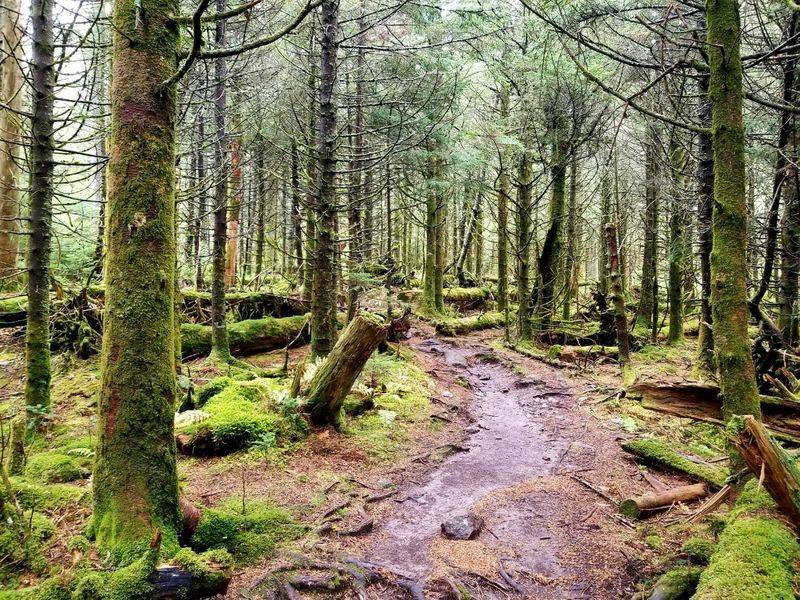
Success on Mount Rogers starts with proper preparation. Sturdy hiking boots prove absolutely essential because rocky, root-covered trails will punish anyone foolish enough to attempt this in sneakers.
Ankle support matters when navigating uneven terrain for hours, preventing injuries that could ruin your adventure.
Water needs exceed what most people expect. Carry at least two liters per person, more during summer heat.
Natural springs exist along some routes, but don’t count on them. Dehydration sneaks up fast at elevation, sapping energy and making the return journey miserable.
Layer your clothing intelligently. Mountain weather changes rapidly, and summit temperatures run significantly cooler than trailhead conditions.
Pack a warm jacket even if the parking lot feels balmy. Wind at exposed viewpoints cuts through thin layers, turning pleasant breaks into shivering ordeals.
The official address for planning purposes is Virginia, though specific trailheads have their own access roads. Check the Mount Rogers National Recreation Area website for current conditions, seasonal closures, and updated trail information.
Rangers there can answer questions and provide local knowledge that generic hiking guides miss. Start early, pace yourself, and remember that turning back is always an option if weather, fatigue, or circumstances demand it.
Dear Reader: This page may contain affiliate links which may earn a commission if you click through and make a purchase. Our independent journalism is not influenced by any advertiser or commercial initiative unless it is clearly marked as sponsored content. As travel products change, please be sure to reconfirm all details and stay up to date with current events to ensure a safe and successful trip.
