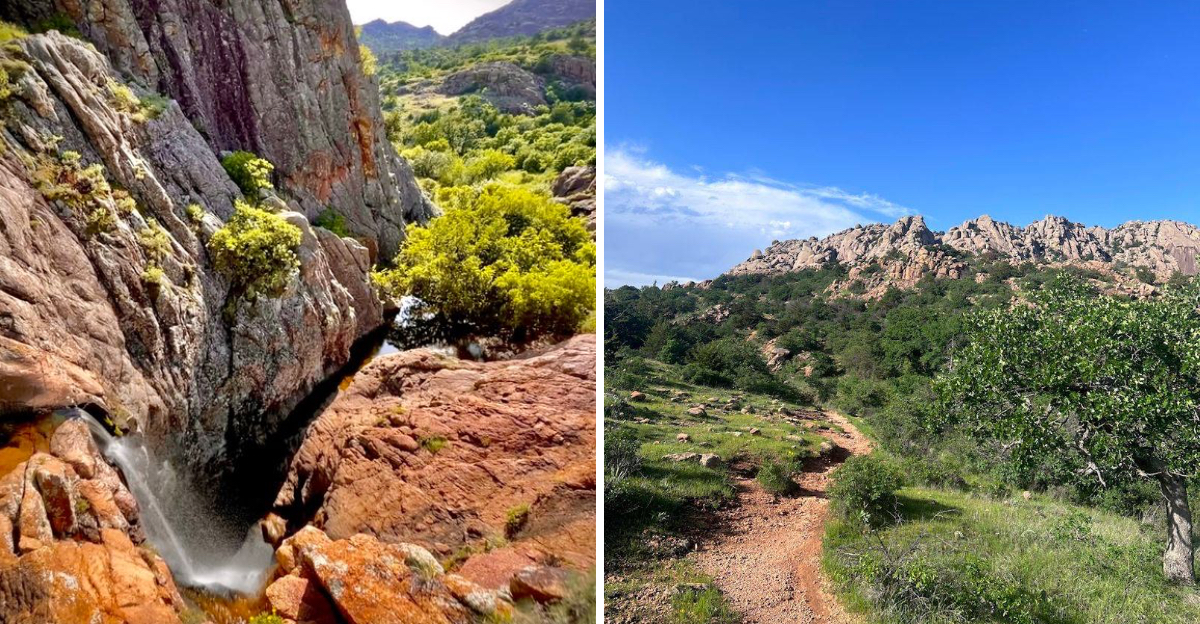
I still remember the first time I saw Post Oak Waterfall. I rounded a bend in the trail and actually stopped mid-step.
In southwest Oklahoma, I’m used to rugged hills and granite boulders, not the sound of water spilling over rock like I’d wandered into another state entirely. Getting there takes a bit of effort, just enough to make it feel earned.
The trail weaves through oak trees and across uneven granite, and for a while you start to wonder if you took a wrong turn. Then you hear it.
That steady rush of water echoing off stone. There are no crowds, no gift shops, no lines for a photo.
Just a waterfall tucked into wild terrain that most people drive past without realizing it’s there. Standing in front of it, I couldn’t help but think how rare it feels to find moving water like this in Oklahoma.
It’s the kind of place that quietly rewrites what you thought this landscape looked like.
Timing Your Visit Makes All The Difference
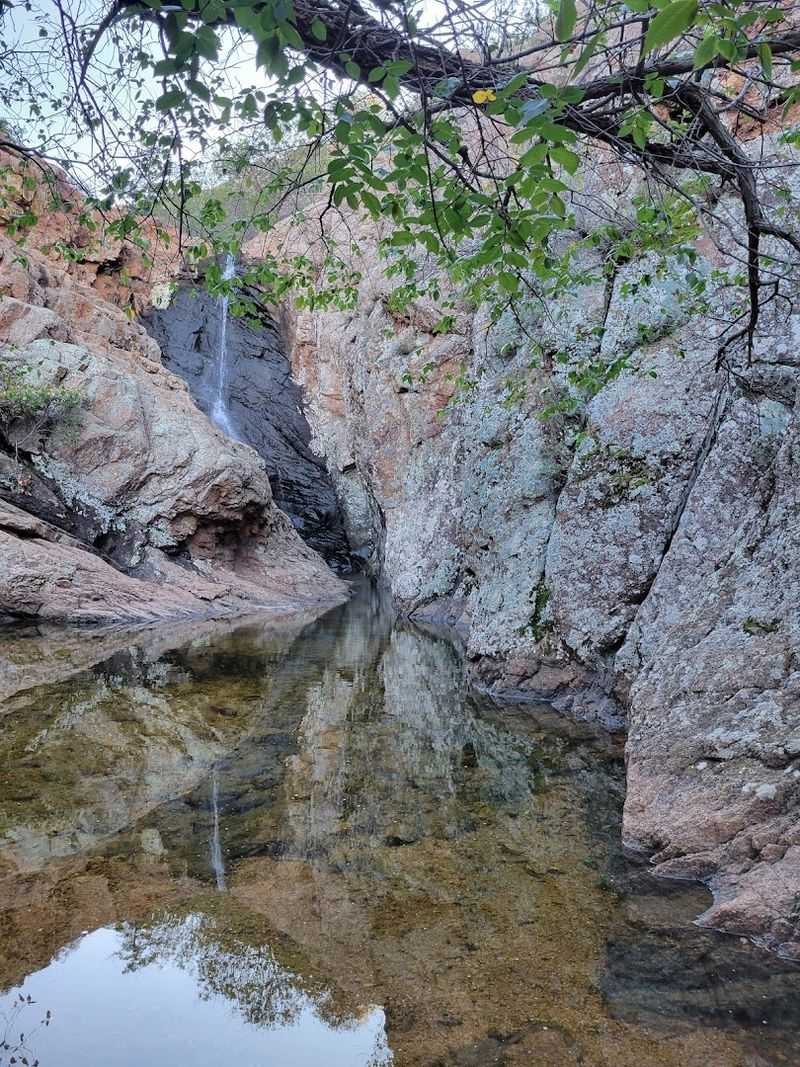
Here’s the truth nobody mentions in those glossy travel photos: Post Oak Waterfall is completely seasonal. Show up in late summer or during a dry spell, and you might find nothing but damp rocks and a trickle that barely qualifies as a drip.
But visit after a good rain, especially in spring or early fall, and you’ll witness something genuinely magical.
The waterfall comes alive when Oklahoma’s unpredictable weather cooperates, sending water cascading over rust-colored granite in a way that feels almost impossible for this region. I’ve seen visitors arrive in August looking confused and disappointed, staring at bone-dry stone wondering where the waterfall went.
Then I’ve watched others arrive in April, eyes wide, phones out, completely mesmerized by the rushing water.
Check the weather forecast before you go. If there’s been recent rainfall within the past week or two, your chances of seeing actual flow increase dramatically.
Spring typically offers the most reliable water levels, while winter can surprise you with beautiful ice formations when temperatures drop.
The landscape transforms completely depending on the season, so even if the waterfall isn’t flowing strong, the surrounding terrain offers its own rugged beauty that makes the hike worthwhile regardless.
The Trail Isn’t What You’d Call Well-Marked
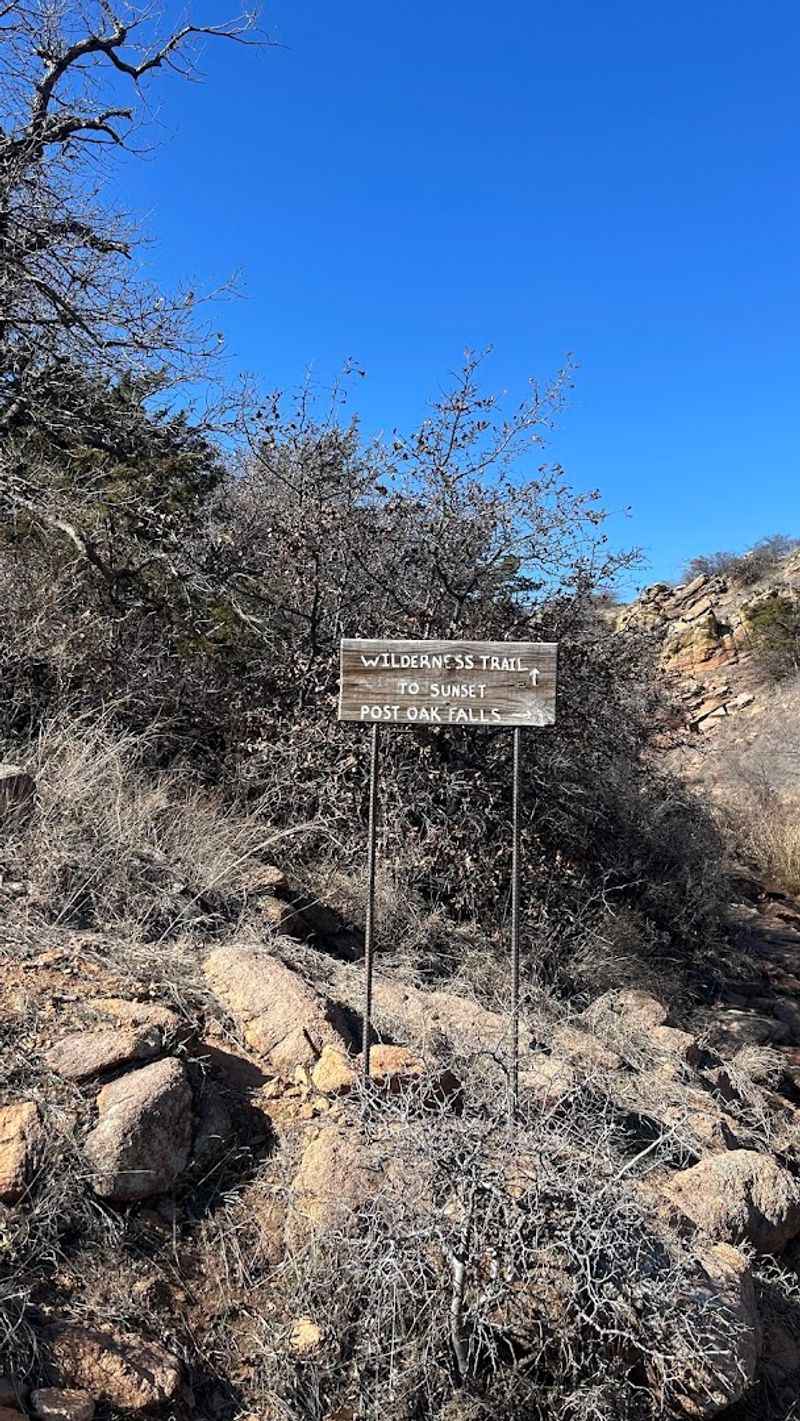
Let me be straight with you: this trail can mess with your sense of direction. The path to Post Oak Waterfall follows Charon’s Garden Trail, which sounds official until you realize there are multiple desire paths branching off in different directions.
Some lead somewhere interesting, others just loop back or dead-end at boulder piles.
Your phone becomes your best friend here. Seriously, make sure it’s fully charged before you start because you’ll want a GPS map to keep you on track.
The main trail stem will eventually lead you to a sign pointing toward the waterfall, but getting there requires paying attention and occasionally backtracking when you realize you’ve wandered onto a side path.
The terrain shifts constantly as you walk. You’ll cross flat stretches, climb over rocky sections, navigate small valleys, and ford water crossings that range from easy hops to slightly trickier balancing acts.
Nothing here is wheelchair accessible or stroller-friendly, and the trail definitely favors sturdy boots over casual sneakers. But that’s part of what keeps it feeling wild and undiscovered.
Expect about three miles round trip, though the twisting nature of the route can make it feel longer. Bring patience, a sense of adventure, and maybe download an offline map just in case.
Getting Close Requires Some Scrambling
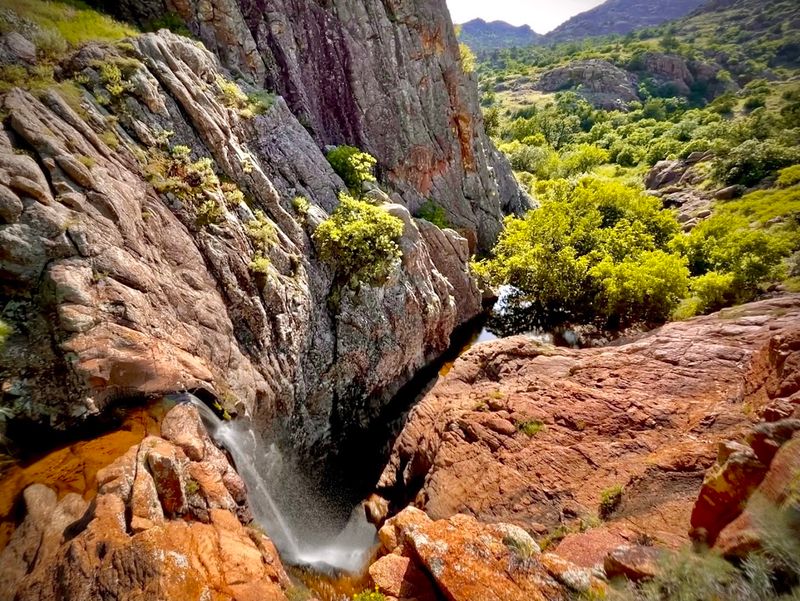
From the end of the official trail, you can see the waterfall pretty clearly. It’s nice, you’ll get some decent photos, and plenty of people stop right there feeling satisfied.
But if you want the full experience, the kind that makes your heart pound a little, you need to get closer.
That means leaving the trail and doing some legitimate rock scrambling. The granite boulders near the waterfall base are steep, often slippery, and require using your hands as much as your feet.
This isn’t technical climbing, but it’s also not a casual stroll. One reviewer mentioned it’s not for the faint of heart, and that’s accurate.
The rocks get especially tricky after rain, which is ironic since that’s exactly when the waterfall looks its best. Moss grows on some surfaces, making footholds slick.
You’ll want boots with solid grip, and honestly, going slow matters more than looking graceful. I’ve watched people practically hug boulders on their way down, and there’s zero shame in that.
Once you reach the lower viewing area, though, the perspective changes completely. You’re right there with the water, feeling the mist, hearing the rush up close.
It’s raw and immediate in a way the upper viewpoint can’t match. Just remember: getting down is one thing, but you have to climb back up too.
Pack Smart Because There’s Nothing Out Here
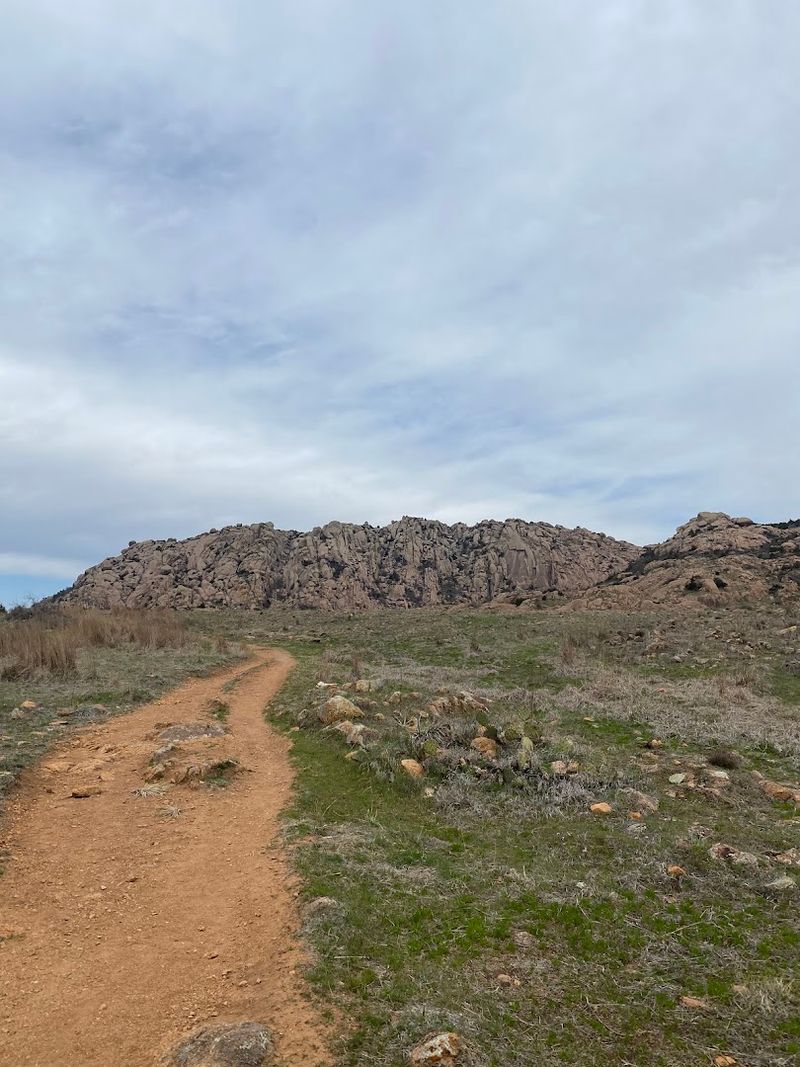
This place operates on a strict bring-it-in, take-it-out policy, and I mean that literally. There are no restrooms, no water fountains, no trash cans, no ranger stations, and definitely no little concession stands selling cold drinks.
What you carry is what you have, period.
Bring more water than you think you need. The Oklahoma sun can be brutal, and even on cooler days, the exertion of scrambling over rocks will leave you thirsty.
Snacks help too, especially if you’re hiking with kids who might need energy boosts or distraction from the challenging terrain.
Pack out every single piece of trash, including organic stuff like apple cores or banana peels. This area stays beautiful because visitors respect it, and that means leaving absolutely nothing behind.
Bring a small bag specifically for trash if you need to. Also consider gloves if you’re planning serious scrambling, sunscreen because shade is inconsistent, and maybe a basic first aid kit for scrapes.
Bug spray can be clutch during certain seasons when mosquitoes and ticks get active. The wilderness experience here is real, which is wonderful, but it also means you’re responsible for your own comfort and safety.
Plan accordingly, and you’ll have a much better time than those who show up unprepared and miserable halfway through.
The Upper And Lower Trails Offer Different Experiences
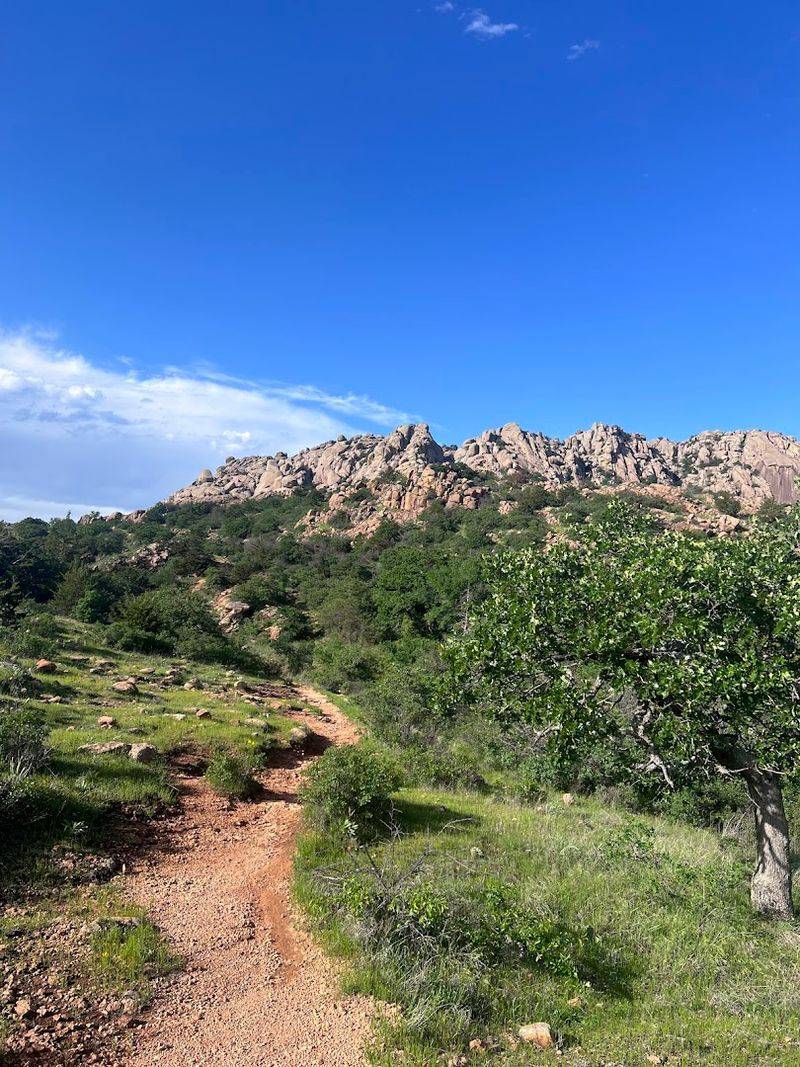
Here’s a choice you’ll face: take the upper trail or the lower trail to reach the waterfall. Both get you there, but the experience differs enough that it’s worth considering which suits your mood and tolerance for sun exposure.
The upper trail is easier in terms of footing and navigation. It’s sunnier, which means better views of the surrounding landscape but also more direct heat beating down on you.
If you visit during cooler months or early morning, this route offers gorgeous vistas of the Wichita Mountains terrain. You’ll see more of the big picture, literally.
The lower trail, meanwhile, stays shadier thanks to tree cover, making it more comfortable on hot days. The trade-off is that it’s slightly more challenging with rockier sections and less obvious pathways.
You’re down in the landscape rather than above it, which creates a more intimate, enclosed feeling as you hike. Some people love that immersive quality, others prefer the openness of the upper route.
Honestly, if you have the energy, consider taking one trail in and the other trail out. You’ll get two different perspectives on the same destination, and the variety keeps the hike interesting.
Just remember which way you came so you don’t accidentally loop yourself into extra mileage when your legs are already tired.
Wildlife And Plants Add Unexpected Moments
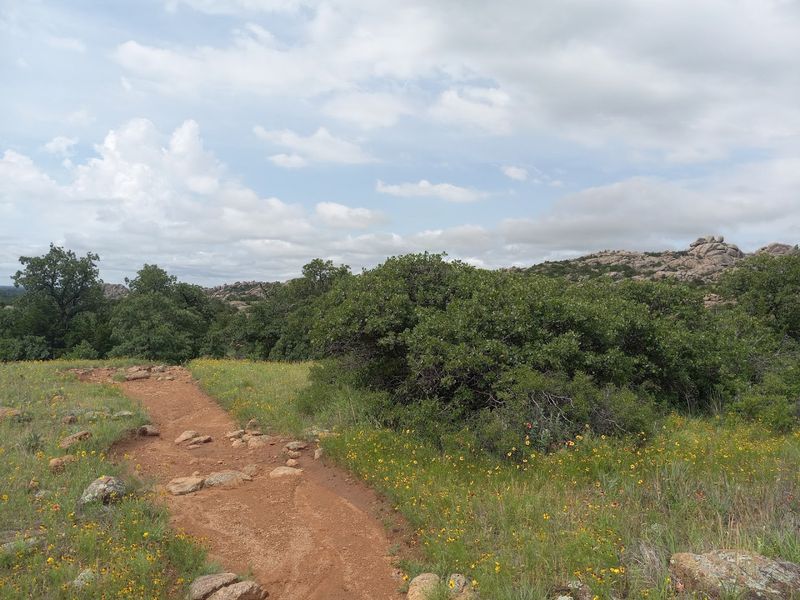
Walking to Post Oak Waterfall isn’t just about the destination. The surrounding ecosystem puts on its own show if you pay attention.
Oak trees dominate the landscape, giving the waterfall its name, and their shade creates pockets of coolness on otherwise exposed trails.
Keep your eyes open for wildlife moving through the area. Deer are common, and you might spot them grazing or bounding away if you approach too loudly.
Birds call from the trees, and if you’re quiet, you can hear the rustle of smaller creatures in the underbrush. One reviewer specifically mentioned watching out for snakes, which is solid advice for any Oklahoma wilderness hike.
They’re usually more scared of you than you are of them, but wearing long pants and boots helps you feel more protected.
The plant life changes with the seasons. Spring brings wildflowers dotting the trail, while fall turns the foliage into warm golds and reds.
Even winter has its own stark beauty when everything goes dormant and the bones of the landscape show through clearly. Prickly bushes line some sections of the trail, another reason to skip shorts and sandals.
The environment here feels genuinely wild, not manicured or managed for tourist comfort. That rawness is part of the appeal, a reminder that beautiful places don’t need gift shops and paved paths to be worth visiting.
Even Without Water, It’s Still Worth The Trip
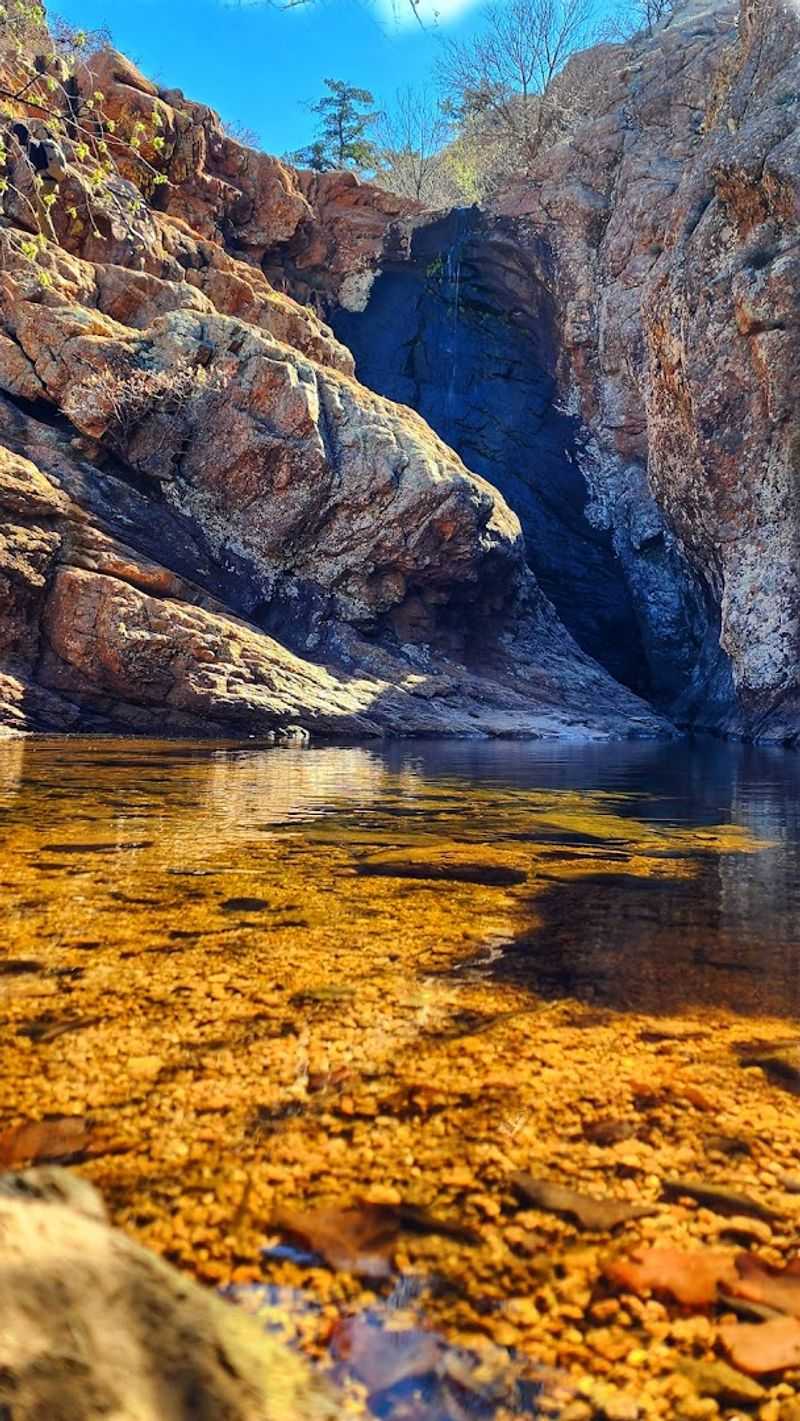
I know what you’re thinking: why visit a waterfall when it’s not flowing? Fair question.
But here’s the thing about Post Oak Waterfall that surprised me: the location itself holds beauty independent of water volume. The granite formations, the way light plays across stone, the sense of discovery as you navigate the trail, all of that remains constant.
Several reviewers mentioned visiting during dry periods and still finding the experience breathtaking. The rock formations alone are impressive, carved and shaped by water over countless years into curves and ledges that tell a geological story.
You can examine the stone up close, trace the water’s path with your eyes, and imagine what it looks like during peak flow.
The surrounding landscape doesn’t disappear just because the waterfall takes a break. You’re still hiking through rugged Oklahoma terrain that most people never see, still scrambling over boulders, still earning those views.
Some visitors specifically recommend the winter visit when ice formations create a completely different kind of beauty than flowing water. The silence of a dry waterfall has its own meditative quality, honestly.
It’s peaceful in a way that rushing water isn’t. So if you arrive and find the falls dried up, don’t immediately feel cheated.
Look around, appreciate where you are, and recognize that this place offers more than one reason to visit.
Finding Post Oak Waterfall In The Wichita Mountains
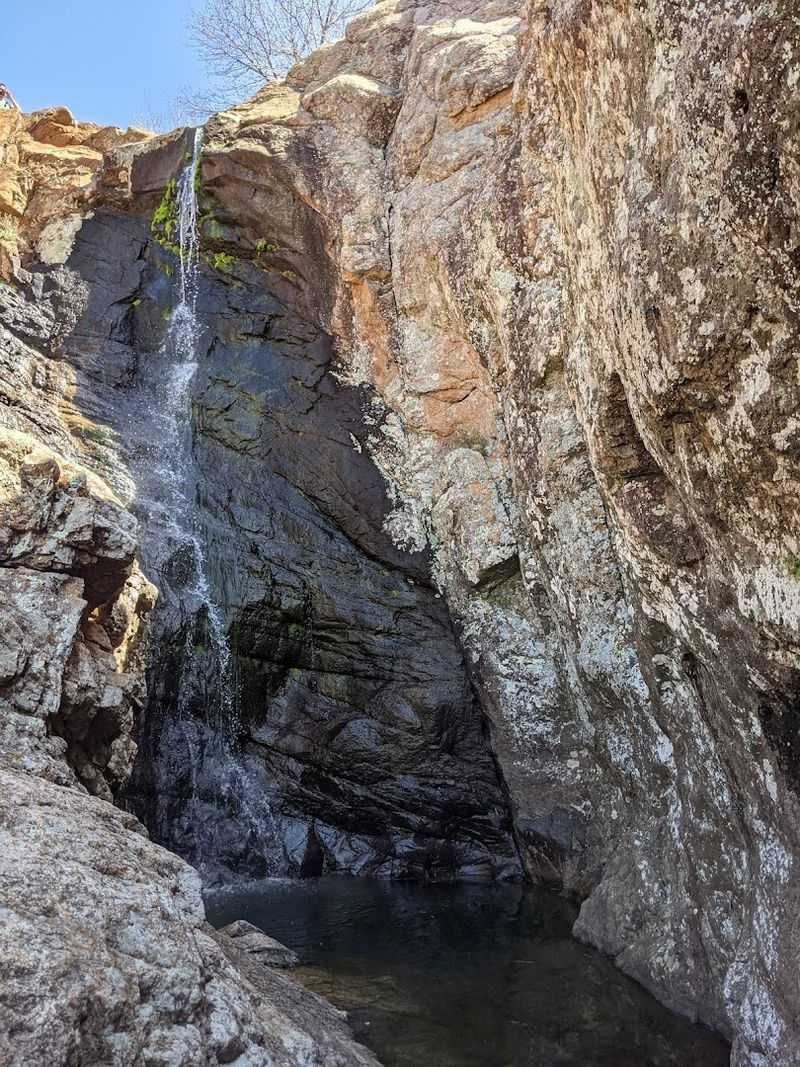
Post Oak Waterfall sits within the Wichita Mountains Wildlife Refuge, a sprawling protected area in southwest Oklahoma that feels worlds away from the state’s flatter regions.
The refuge itself covers thousands of acres and offers multiple recreational opportunities beyond this single waterfall, making it a destination worth exploring more thoroughly if you have time.
The trailhead for Charon’s Garden Trail, which leads to the waterfall, is located near Indiahoma, Oklahoma. You’ll find parking areas that serve as starting points, though as mentioned earlier, having GPS or a downloaded map helps ensure you’re beginning from the right spot.
The refuge has its own website with additional information about trail conditions, seasonal closures, and wildlife alerts that are worth checking before you drive out.
Getting here requires some intentional navigation since it’s not exactly next to major highways or cities. But that remoteness is part of the charm.
You’re making an effort to find something hidden, something that rewards curiosity and a willingness to venture beyond the obvious. The address is Charon’s Garden Trail, Indiahoma, OK 73552, though your GPS will likely get you close enough that you can spot the trailhead signs.
Once you arrive, the adventure truly begins, and you’ll understand why this hidden waterfall hike reveals such a gorgeous natural escape from everyday life.
Dear Reader: This page may contain affiliate links which may earn a commission if you click through and make a purchase. Our independent journalism is not influenced by any advertiser or commercial initiative unless it is clearly marked as sponsored content. As travel products change, please be sure to reconfirm all details and stay up to date with current events to ensure a safe and successful trip.
