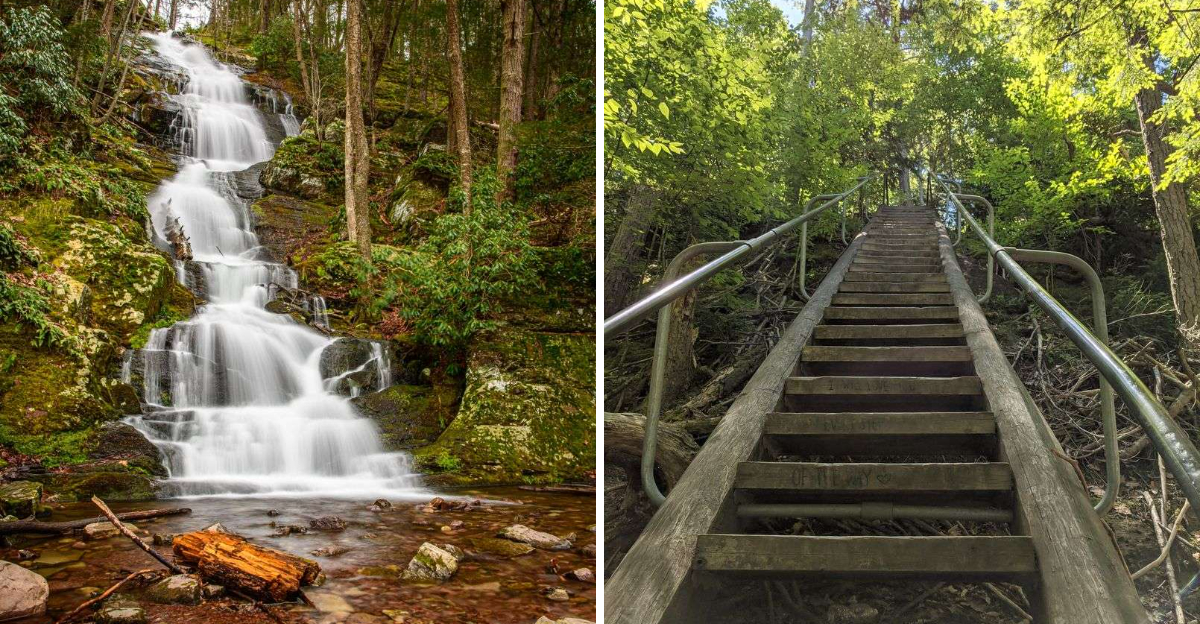
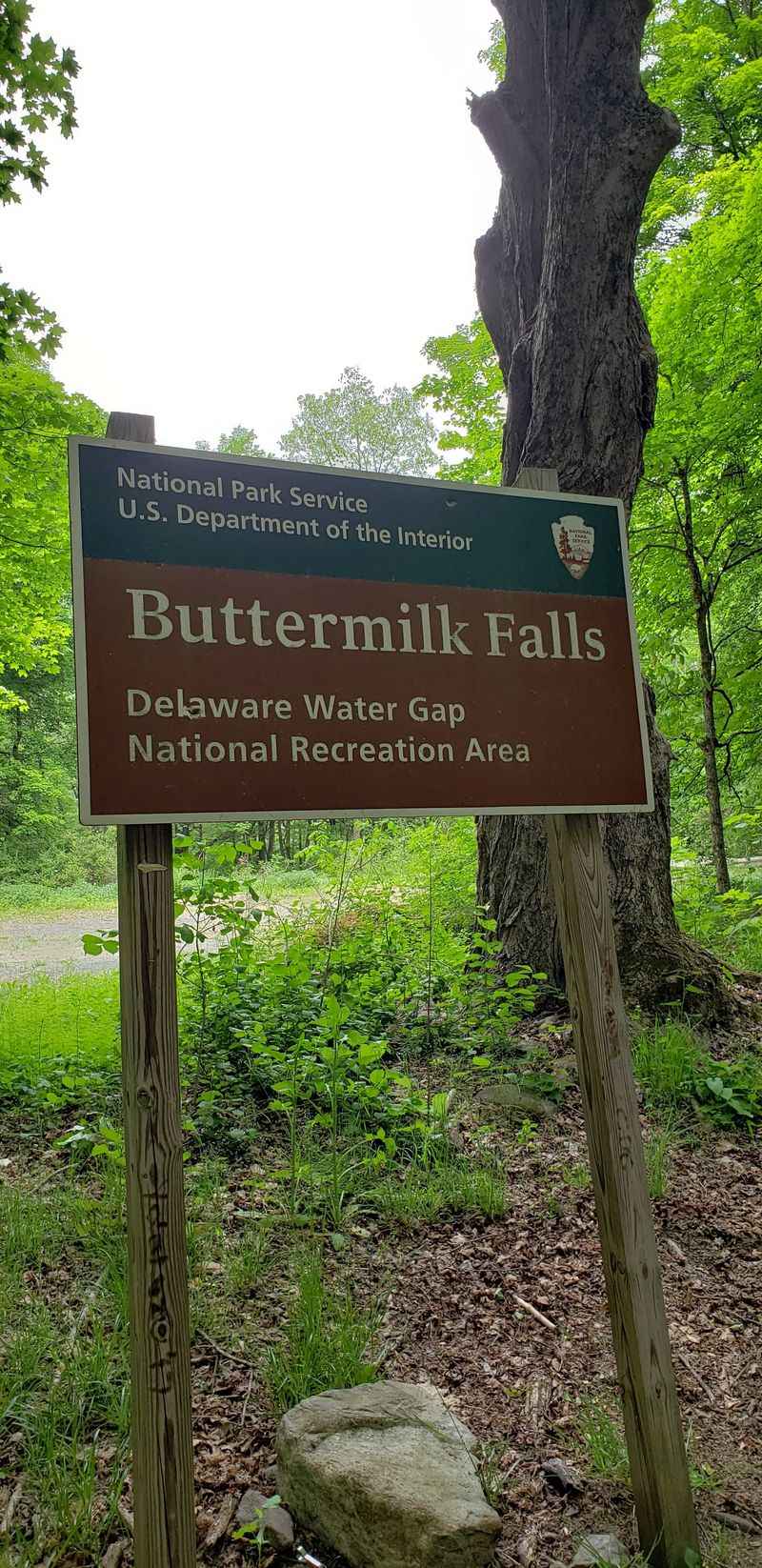
I didn’t expect to stumble on one of New Jersey’s most stunning natural treasures in the rugged hills of the northwest, but Buttermilk Falls in Layton proved me wrong in the best way.
This cascade blends accessible beauty with a dash of adventure, making it perfect whether you’re a seasoned hiker or just craving a peaceful afternoon escape.
Set inside the Delaware Water Gap National Recreation Area, the falls tumble dramatically over ancient rock, framed by wooden staircases and forest trails that feel like something out of a storybook.
Every season transforms the view – spring rains make it roar, autumn leaves turn it into a fiery backdrop, and winter adds a frozen edge of magic.
Getting there isn’t just a walk in the park. The bumpy dirt road adds a touch of backcountry grit, and the climb rewards you with mist, views, and that rare feeling of being miles away from everything.
Families have been making this trek for decades, and once you’ve stood at the base of the falls, you’ll understand why.
For me, it wasn’t just about the waterfall; it was about the journey, the scramble, and the sense of discovery.
New Jersey may not be the first place you think of for wild beauty, but Buttermilk Falls will change that in a heartbeat.
The Dramatic Main Waterfall That Steals Every Show
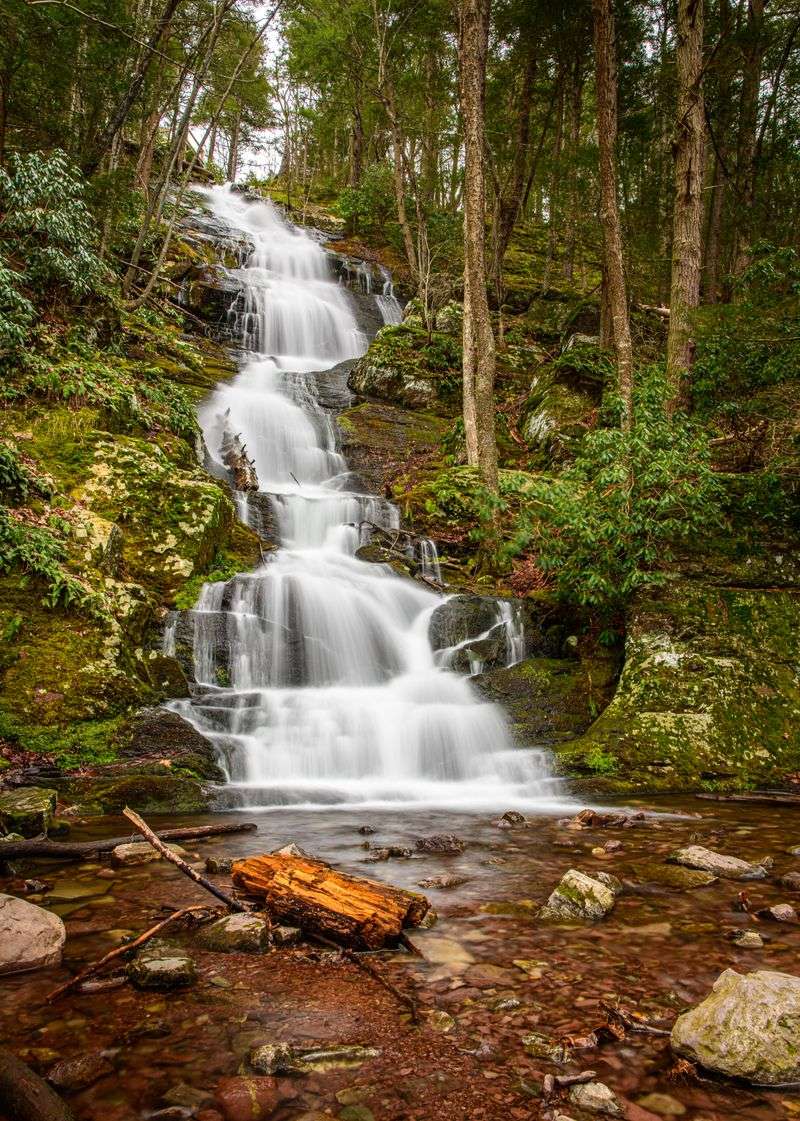
Buttermilk Falls commands attention the moment you arrive, with water plunging gracefully over layered rock shelves in a display that shifts from thunderous torrent to gentle cascade depending on recent rainfall. Standing at the base, you’ll feel the cool mist on your face while the constant rush of water creates a soothing natural soundtrack that drowns out every worldly worry.
The waterfall’s unique geological formations include fascinating potholes carved over thousands of years, circular depressions in the rock that tell the ancient story of water’s patient power.
Spring visitors witness the falls at their absolute peak performance, when snowmelt and April showers transform the cascade into a roaring spectacle worthy of any postcard. Summer brings lower water levels but also warmer weather perfect for longer exploration and photography sessions without bundling up.
Fall adds a spectacular bonus as brilliant foliage frames the rushing water in oranges, reds, and yellows that make every snapshot look professionally composed.
The parking area sits conveniently right across Mountain Road from the base viewing area, making this natural wonder accessible even for visitors who prefer minimal walking. Wooden platforms and interpretive displays provide excellent vantage points while educating guests about the area’s ecology and geology.
Photographers love the varied angles available, from wide shots capturing the entire cascade to close-ups highlighting the intricate rock textures and swirling water patterns.
Winter transforms Buttermilk Falls into a frozen wonderland where ice formations cling to rocks and create otherworldly sculptures, though extra caution becomes essential on slippery surfaces. The waterfall’s beauty never takes a season off in Sussex County, offering year-round visual rewards for those willing to make the journey.
The Challenging Staircase Climb to Upper Viewpoints
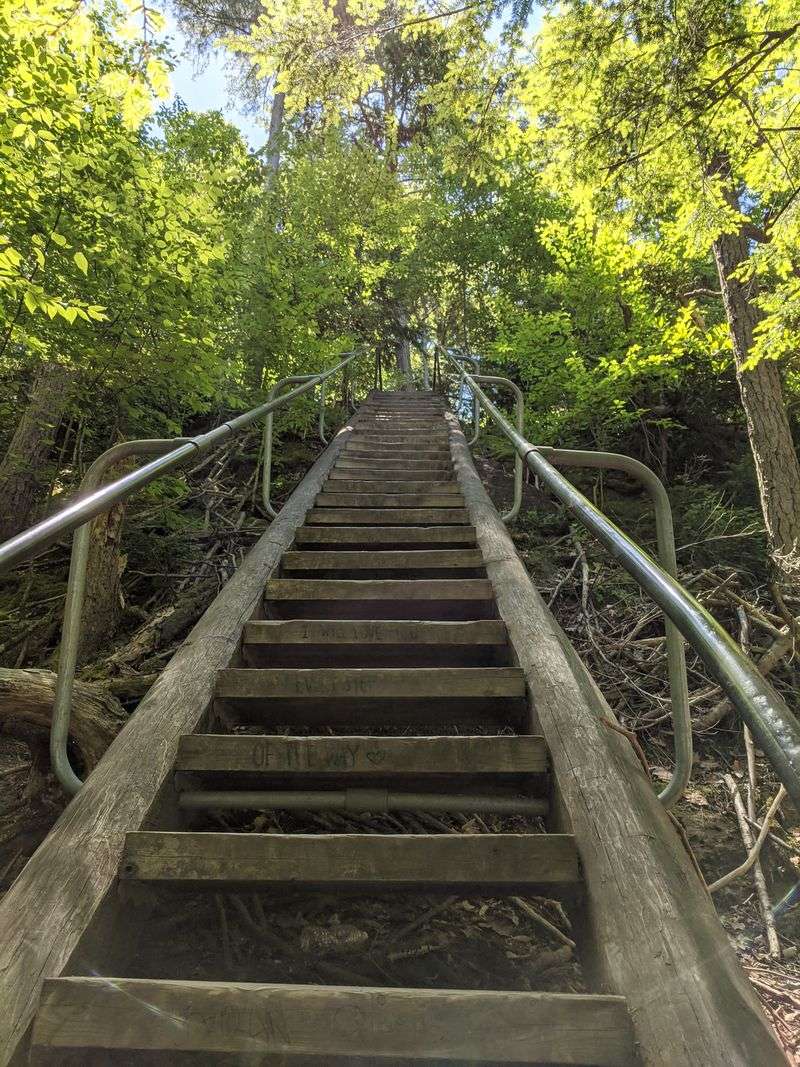
Adventurous souls who tackle the wooden stairway ascending beside Buttermilk Falls earn spectacular rewards that casual visitors never experience from below. These stairs climb steeply upward, hugging the waterfall’s edge and providing constantly changing perspectives as you ascend through multiple levels of platforms and landings.
Your leg muscles will definitely remember this workout, but the journey upward offers intimate views of the cascading water that you simply cannot appreciate from ground level.
Railings provide security along portions of the climb, though visitors with height concerns should prepare themselves mentally before starting upward. The stairs total several hundred steps divided into sections with brief level stretches where you can catch your breath and snap photos.
Each platform reveals different aspects of the falls, from close-up views of water rushing over rock ledges to broader panoramas showing how the cascade fits into the surrounding forest landscape.
Reaching the top delivers a genuine sense of accomplishment along with access to hiking trails that continue deeper into the Delaware Water Gap National Recreation Area. The upper viewpoint lets you see where Buttermilk Creek flows peacefully before taking its dramatic plunge downward.
Many hikers pause here for snacks and water while enjoying the forest sounds and occasional bird calls echoing through the canopy.
Descending requires equal caution since going downstairs on steep terrain challenges your knees and balance differently than climbing upward. Take your time, use the railings, and watch your footing on any damp or leaf-covered steps.
The round trip from parking lot to summit and back covers approximately half a mile, manageable for most fitness levels but genuinely strenuous enough to feel like a proper outdoor adventure in New Jersey.
The Notorious Pothole-Filled Access Road Adventure
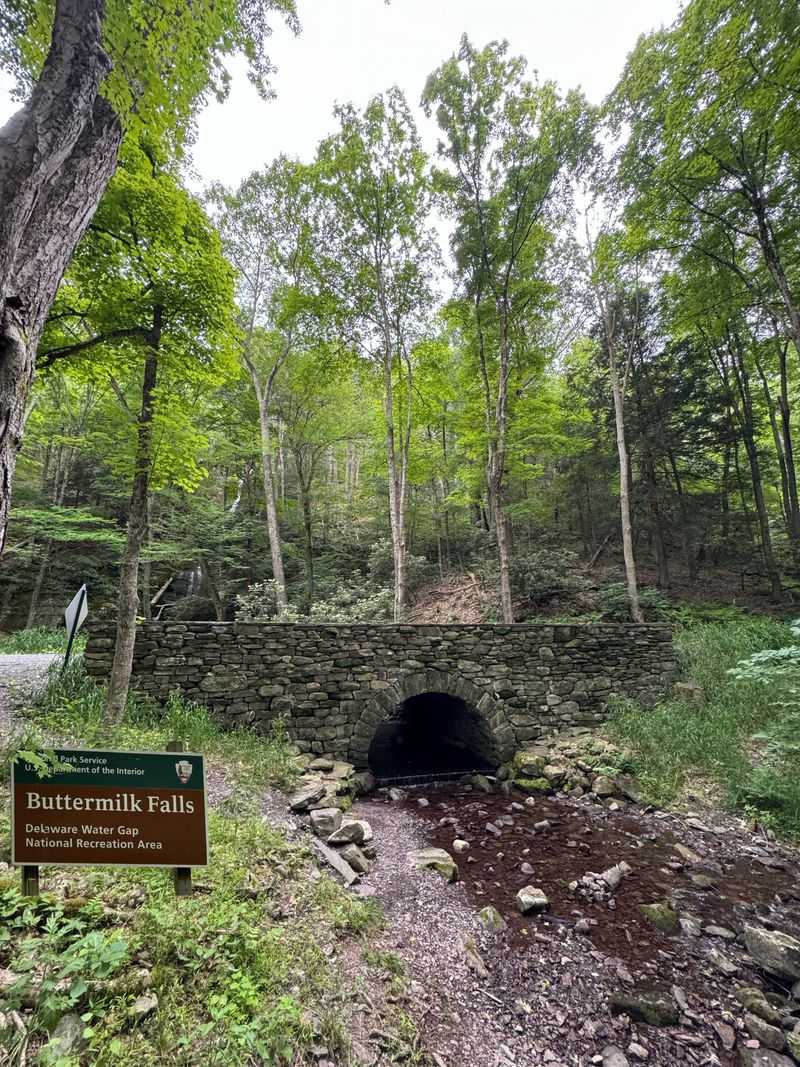
Before you even reach the waterfall, Mountain Road itself provides an adventure that separates casual tourists from committed nature seekers willing to navigate challenging terrain. This seasonal dirt and gravel route features potholes that range from minor annoyances to jaw-dropping craters deep enough to swallow a basketball.
Visitors consistently mention this bumpy approach in reviews, with some describing the road conditions as the most memorable part of their entire trip for all the wrong reasons.
Vehicles with high clearance and sturdy suspension handle the route most comfortably, while low-riding sedans risk scraping their undercarriages on protruding rocks or bottoming out in unexpected depressions. Driving slowly becomes absolutely essential, both to protect your vehicle and to navigate around the worst obstacles without veering into oncoming traffic on the narrow roadway.
Many potholes fill with water after rainfall, disguising their true depth and creating suspenseful moments as you ease through wondering if you’ll emerge unscathed on the other side.
The winding drive through dense New Jersey forest does offer scenic compensation for the rough conditions, with towering trees creating a canopy overhead and occasional wildlife sightings adding excitement. Cell phone reception becomes spotty to nonexistent along this route, so download your directions beforehand and don’t rely on real-time navigation once you leave paved roads behind.
Some visitors choose to park at alternative access points and hike in rather than subject their vehicles to the punishment.
Local authorities periodically discuss road improvements, but the remote location and limited budget mean conditions remain rustic and challenging year after year. Consider the bumpy access road part of the authentic backcountry experience rather than a defect, and your mindset shifts from frustration to adventure mode before you even arrive at the falls.
The Peaceful Tillman Trail Alongside Buttermilk Creek
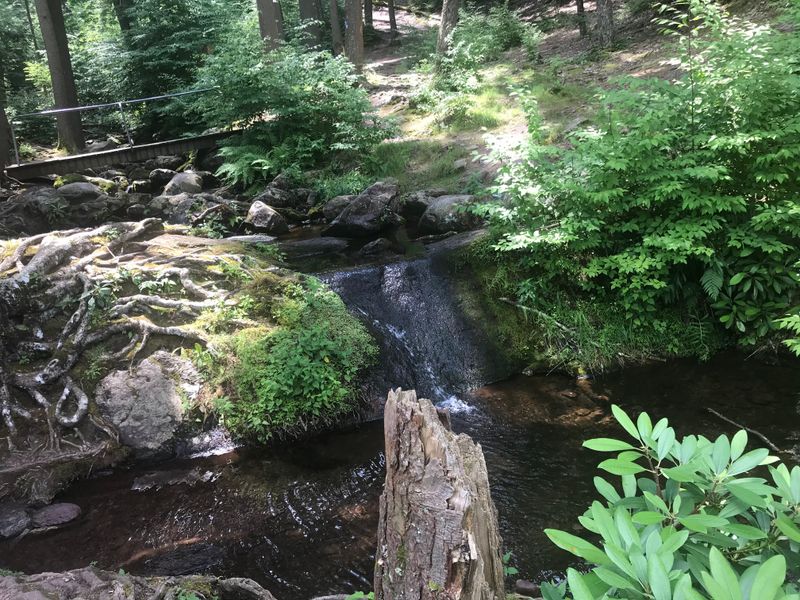
Beyond the main waterfall attraction, the Tillman Trail offers a quieter hiking experience that follows Buttermilk Creek through pristine forest where the constant sound of flowing water accompanies every step. This relatively gentle path contrasts sharply with the steep staircase climb, making it perfect for visitors seeking longer walks without brutal elevation changes.
Families with children appreciate how the trail’s easy terrain allows younger hikers to explore nature without constant parental worry about dangerous drop-offs or exhausting climbs.
Walking beside the creek reveals ecological treasures that waterfall-focused visitors often miss entirely, from wild mushrooms sprouting beside fallen logs to hickory and walnut trees dropping their seasonal bounty. The trail passes through varied forest environments where keen observers spot everything from colorful wildflowers to occasional snakes sunning themselves on warm rocks.
Bird watchers bring binoculars to identify species attracted to the creek’s abundant water supply and insect life.
The path’s relative obscurity means you’ll encounter fewer crowds here than at the main falls viewing area, creating opportunities for peaceful nature immersion and wildlife photography. Several small cascades and rapids punctuate the creek’s course, offering miniature waterfall moments that delight explorers who venture beyond the famous main attraction.
Some hikers combine the Tillman Trail with other routes to create longer loop adventures covering several miles through the Delaware Water Gap National Recreation Area.
Trail conditions remain generally good though expect typical forest path challenges like exposed roots, occasional muddy patches, and rocky sections requiring attention to foot placement. The sound of rushing water never disappears completely, providing constant auditory reassurance that you’re following the correct route.
Remember that this area in New Jersey experiences genuine wilderness character, so proper footwear and basic hiking preparedness make the experience far more enjoyable than attempting it in casual sneakers.
The Historic Cemetery Hidden Among the Trees
History buffs discover an unexpected treasure near Buttermilk Falls in the form of a small historic cemetery tucked quietly among the trees, a poignant reminder that this now-wild area once supported human settlement. The burial ground contains weathered headstones dating back generations, some so worn by time and weather that inscriptions have become nearly impossible to decipher.
Walking among these graves connects visitors to the hardy pioneers who carved lives from this rugged New Jersey landscape long before it became protected recreational land.
The cemetery’s location near the current Stokes State Forest boundary suggests this area once hosted a small community that has since vanished, leaving only these silent stone markers as evidence of their existence. Reading the legible stones reveals family names, dates spanning the 1800s and early 1900s, and occasionally touching epitaphs that hint at the joys and sorrows of frontier life.
Some visitors find the cemetery deeply moving, a place for quiet reflection about mortality and the passage of time.
Reaching the burial ground typically involves a short walk from one of the trail access points, though exact directions can be tricky without local knowledge or careful map reading. The site receives minimal maintenance compared to active cemeteries, giving it an authentically historic and somewhat haunting atmosphere that appeals to photographers and history enthusiasts.
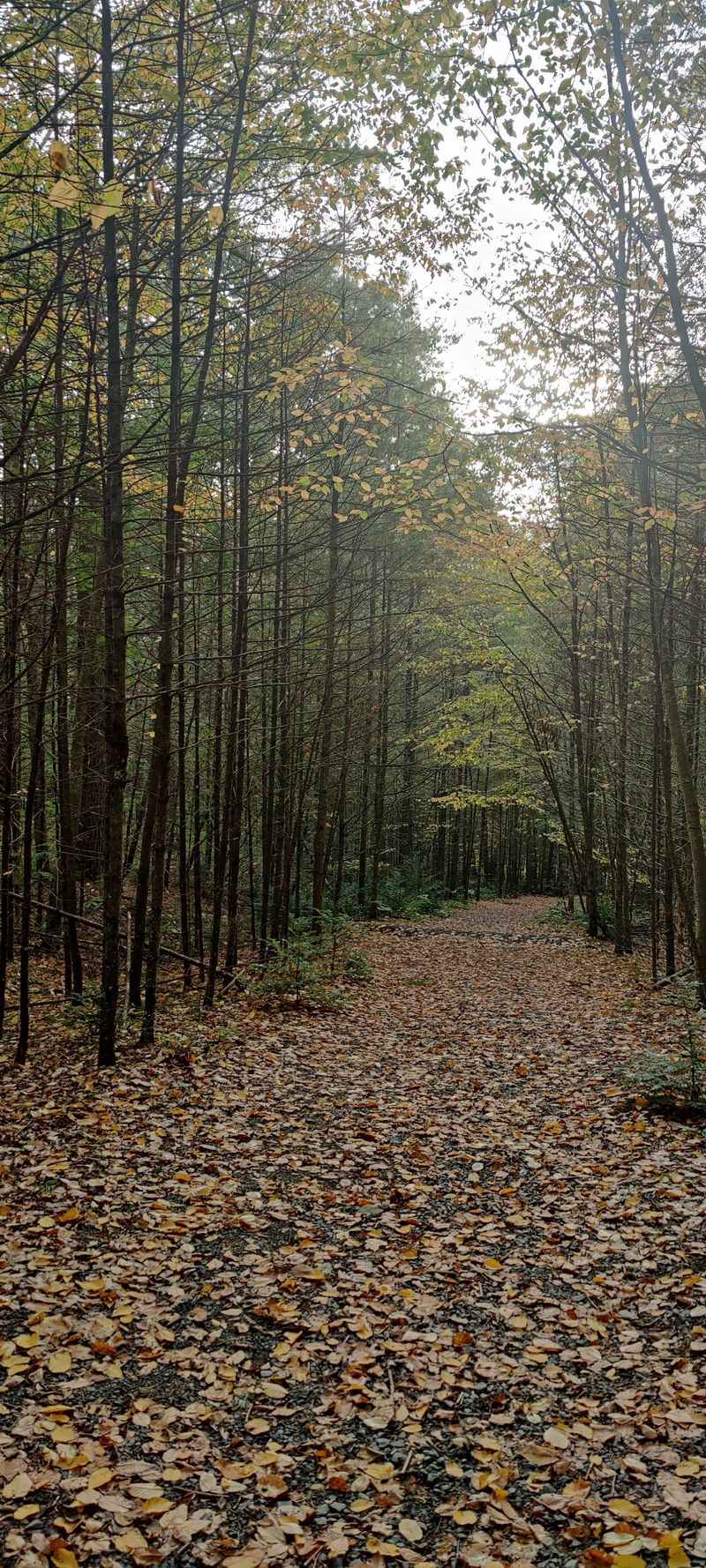
Fallen leaves often blanket the ground between graves, and wild vegetation gradually reclaims spaces around the older stones.
Respectful behavior becomes especially important in this sacred space where real people were laid to rest by grieving families who likely never imagined their burial ground would someday be discovered by waterfall tourists. Avoid disturbing the stones or treating the cemetery as merely a curiosity rather than a genuine memorial site.
The presence of this hidden graveyard adds unexpected depth to any Buttermilk Falls visit, transforming a simple nature outing into a journey that touches both natural beauty and human history.
The Seasonal Road Closures and Bridge Access Issues
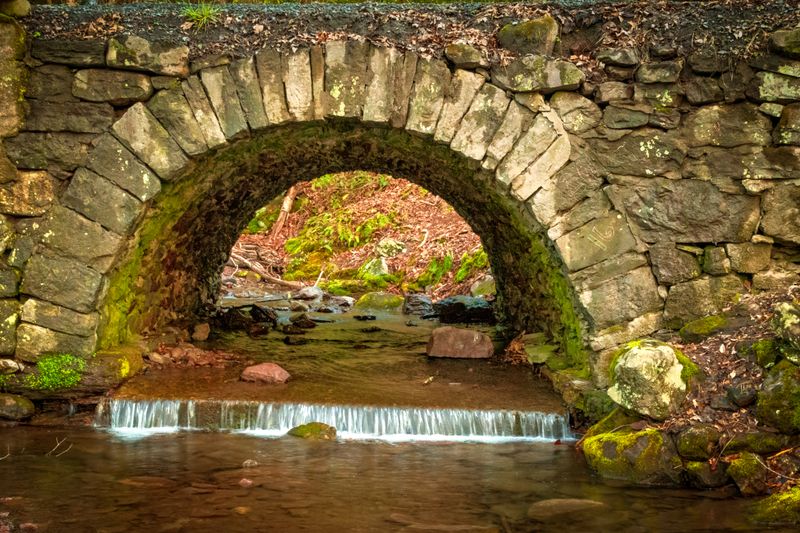
Planning your Buttermilk Falls adventure requires understanding the sometimes-confusing access situation created by seasonal road closures and a bridge that periodically becomes impassable to vehicles. Multiple reviews mention arriving at a bridge approximately 1.4 miles from the falls only to discover they cannot drive across, forcing an unplanned hike that turns a quick waterfall visit into a several-hour excursion.
The closure reasons vary from seasonal restrictions to maintenance issues to environmental protection measures during sensitive wildlife periods.
When the bridge remains closed, visitors face a choice between abandoning their plans or committing to the extended walk along what becomes a wide service road shared with other surprised hikers. The unexpected trek actually reveals its own rewards, including smaller waterfalls and scenic spots along the route that drivers would otherwise miss completely.
Many families report that children handled the surprise hike better than parents expected, turning potential disappointment into an impromptu adventure.
The lack of reliable cell service in this area compounds the access confusion since you cannot easily check current conditions or adjust your navigation once you’ve committed to the journey. Some visitors recommend calling the Delaware Water Gap National Recreation Area office at +1 570-426-2452 before departing to confirm current access status and avoid surprises.
Local online forums and recent visitor reviews also provide valuable real-time intelligence about which routes currently work best.
Understanding that access conditions may change helps set appropriate expectations rather than arriving with rigid plans that crumble at the first closed gate. Bringing extra water, snacks, and comfortable walking shoes means you’re prepared whether you park right at the falls or end up hiking in from a distance.
The access challenges ultimately filter out less committed visitors, preserving a more authentic wilderness experience for those willing to adapt and persevere through minor obstacles in northwestern New Jersey.
The Best Visiting Times for Maximum Waterfall Flow
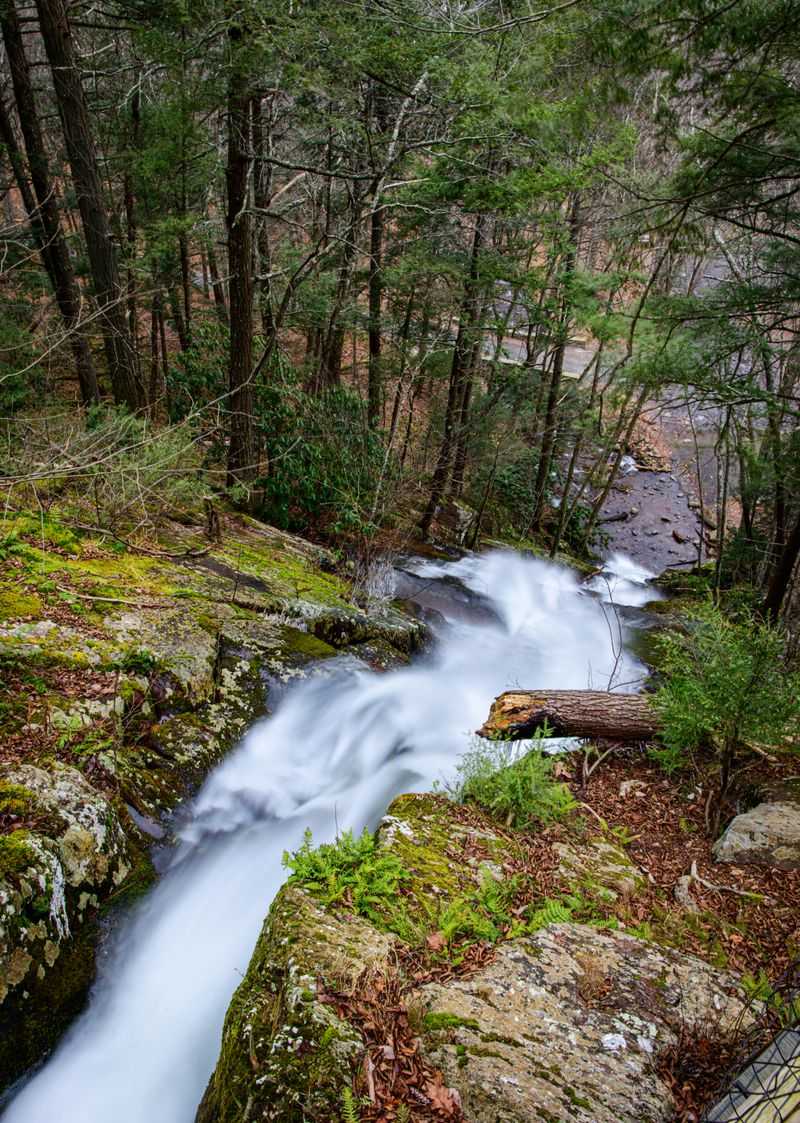
Timing your Buttermilk Falls visit correctly makes the difference between witnessing a spectacular natural display and finding a disappointing trickle barely worthy of the waterfall designation. Early spring emerges as the undisputed champion season when snowmelt combines with April showers to push water volume to its absolute maximum.
The falls roar with power during these peak flow periods, creating mist clouds and thunderous sounds that justify every bumpy mile of the access road.
Visiting within a day or two after heavy rainfall provides similar dramatic results even during typically drier months, as the surrounding watershed funnels runoff into Buttermilk Creek and over the falls. Weather forecasting becomes your friend when planning trips, with recent rain reports helping predict whether you’ll encounter impressive cascades or merely pleasant ripples.
Summer and early fall typically bring lower water levels as drought conditions reduce the creek to a fraction of its springtime vigor.
Winter visits offer unique frozen beauty but require extra caution and preparation for icy conditions on trails and stairs that become genuinely hazardous without proper footwear. The falls can partially freeze during severe cold snaps, creating stunning ice formations and icicles that transform the scene into a winter wonderland worthy of fairy tales.
Photography enthusiasts particularly prize these frozen moments when ice crystals catch sunlight and create magical effects impossible to capture during warmer months.
Early morning arrivals beat the crowds regardless of season, offering peaceful waterfall communion before other visitors arrive and fill the limited parking area. Weekday visits similarly provide more solitude than weekend trips when families and hiking groups converge on this popular Sussex County attraction.
October brings the bonus of fall foliage that frames the waterfall in spectacular autumn colors, though leaf-peeping season also attracts larger crowds throughout New Jersey’s scenic northwestern corner.
The Connection to the Famous Appalachian Trail
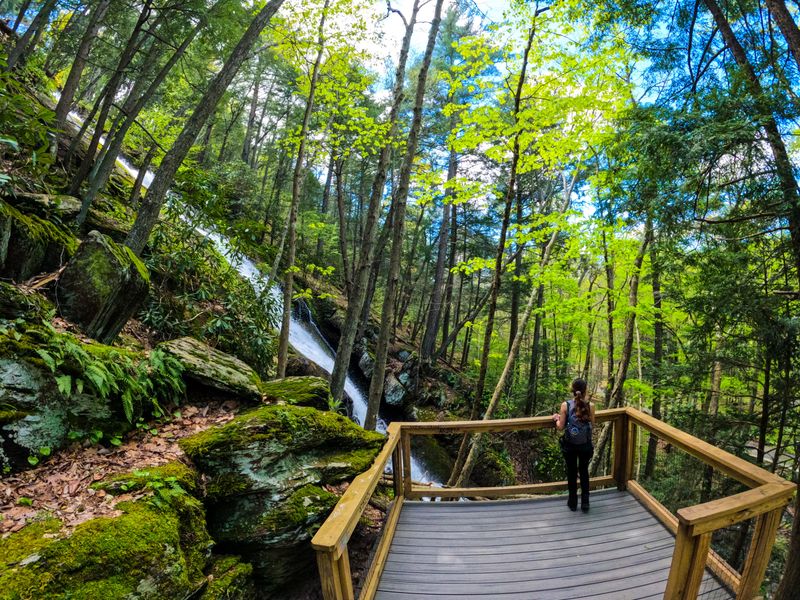
Serious hikers discover that Buttermilk Falls serves as a gateway to the legendary Appalachian Trail, that iconic 2,190-mile footpath stretching from Georgia to Maine through some of America’s most beautiful wilderness. The trail connection transforms a simple waterfall visit into the starting point for extended backcountry adventures limited only by your ambition and available time.
Reaching the Appalachian Trail requires hiking beyond the falls and continuing upward through increasingly rugged terrain that rewards effort with genuine wilderness immersion.
The junction point where local trails meet the Appalachian Trail creates exciting possibilities for loop hikes and longer expeditions that combine waterfall scenery with ridge-top views and deep forest environments. Through-hikers traveling the entire Appalachian Trail sometimes detour to Buttermilk Falls as a refreshing break from the main route, enjoying the waterfall’s beauty before returning to their northbound or southbound journey.
Day hikers can follow the AT for a few miles in either direction, experiencing a taste of this legendary trail without committing to the months-long thru-hike that captures so many outdoor enthusiasts’ imaginations.
Trail intersections feature signs and blazes that help orient hikers and prevent wrong turns that could lead to unplanned adventures in the extensive Delaware Water Gap National Recreation Area. The white blazes marking the Appalachian Trail itself become familiar friends to anyone spending time on these interconnected paths.
Hiking the AT section near Buttermilk Falls provides a legitimate claim to having walked part of America’s most famous trail, even if your journey covers only a few miles rather than multiple states.
The Appalachian Trail connection elevates Buttermilk Falls from a standalone attraction to part of a larger hiking ecosystem that offers endless exploration possibilities throughout northwestern New Jersey and beyond. Serious backpackers use the falls area as a training ground for longer expeditions, testing gear and building fitness on these challenging trails before attempting more ambitious adventures.
The Family-Friendly Nature and Multi-Generational Appeal
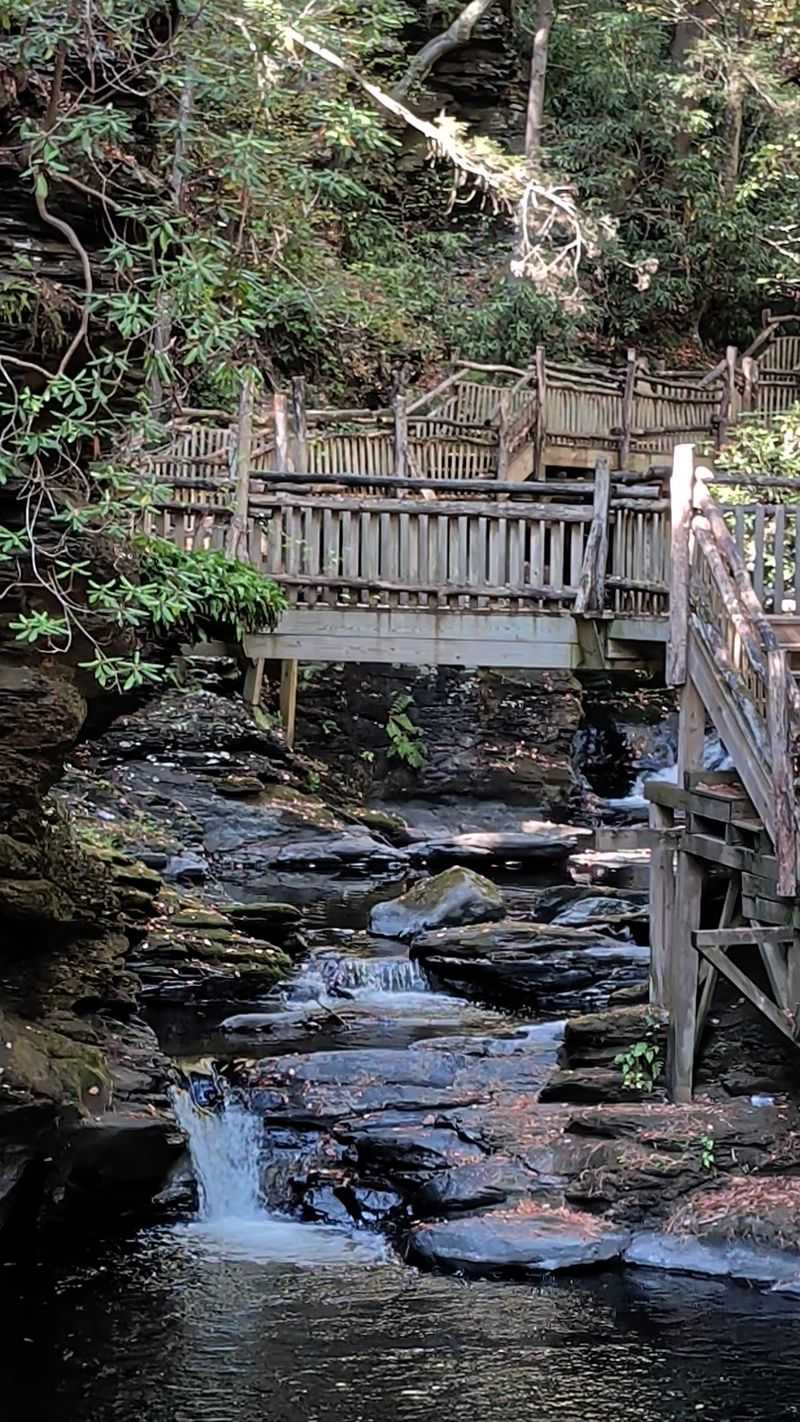
Buttermilk Falls earns consistent praise as a destination that successfully welcomes everyone from adventurous seven-year-olds to active grandparents, creating rare opportunities for genuine multi-generational outdoor experiences. Families appreciate having options ranging from the easy base viewing area requiring minimal walking to the challenging staircase climb that lets energetic kids burn off excess enthusiasm.
The variety of difficulty levels means nobody gets left behind or forced into activities beyond their comfort zone or physical capabilities.
Parents report that children respond enthusiastically to the waterfall’s natural drama, with the rushing water and forest setting capturing young imaginations far more effectively than yet another playground visit. The educational interpretive displays scattered around the site provide learning opportunities that feel like discovery rather than boring lectures, helping kids understand geological processes and ecological relationships.
Climbing the stairs becomes a personal achievement challenge that builds confidence while providing legitimate physical exercise disguised as adventure.
Older visitors who may no longer tackle strenuous hikes still access beautiful waterfall views from the convenient parking area, ensuring that mobility limitations don’t exclude anyone from experiencing this New Jersey natural treasure. Picnic tables near the falls accommodate families who pack lunches and turn the outing into an all-day affair rather than a quick photo stop.
The relatively short distances involved mean even less experienced hikers can complete the full staircase climb without requiring rescue or facing genuine danger.
Multiple reviews mention Buttermilk Falls as an annual family tradition passed down through generations, with grandparents who visited as children now bringing their own grandchildren to share the experience. These traditions create powerful family bonds centered around nature appreciation and outdoor activity rather than screens and consumerism.
The accessibility combined with genuine natural beauty makes this waterfall an ideal introduction to hiking for families hoping to instill outdoor enthusiasm in younger generations growing up in an increasingly indoor-focused culture.
The Essential Gear and Preparation Requirements
Success and safety at Buttermilk Falls depend heavily on arriving properly equipped rather than attempting the visit in flip-flops and business casual attire like an unfortunate minority of unprepared visitors. Sturdy hiking boots or at minimum supportive athletic shoes with good tread become absolutely essential for navigating the rocky trails, steep stairs, and uneven terrain that characterize this rugged site.
Multiple reviews specifically warn against attempting the hike in running shoes or casual footwear that lacks the ankle support and grip necessary for safe passage.
The unpredictable cell phone reception throughout the area means you cannot rely on mobile devices for emergency communication or last-minute information lookups once you’ve left the paved road behind. Downloading offline maps and directions before departing ensures you can navigate even when signals disappear completely.
Bringing a physical map as backup demonstrates old-school preparedness that modern hikers sometimes forget but veteran outdoor enthusiasts never abandon.
Water bottles and snacks transform from optional extras to essential supplies if you end up hiking longer distances due to road closures or decide to explore beyond the immediate waterfall area. Bug spray during summer months protects against mosquitoes and other insects attracted to the creek’s moist environment.
Sunscreen matters even on cloudy days since the forest provides only partial shade and UV rays penetrate more than most people realize.
Camera equipment or smartphones with adequate battery charge capture the stunning scenery, though protecting electronics from waterfall mist requires some caution near the base viewing area. A small first-aid kit addresses minor scrapes or blisters before they ruin your outing.
Layered clothing adapts to temperature changes as you move between sunny parking areas and shaded forest trails or work up a sweat climbing those demanding stairs in Sussex County’s variable weather conditions.
Dear Reader: This page may contain affiliate links which may earn a commission if you click through and make a purchase. Our independent journalism is not influenced by any advertiser or commercial initiative unless it is clearly marked as sponsored content. As travel products change, please be sure to reconfirm all details and stay up to date with current events to ensure a safe and successful trip.
