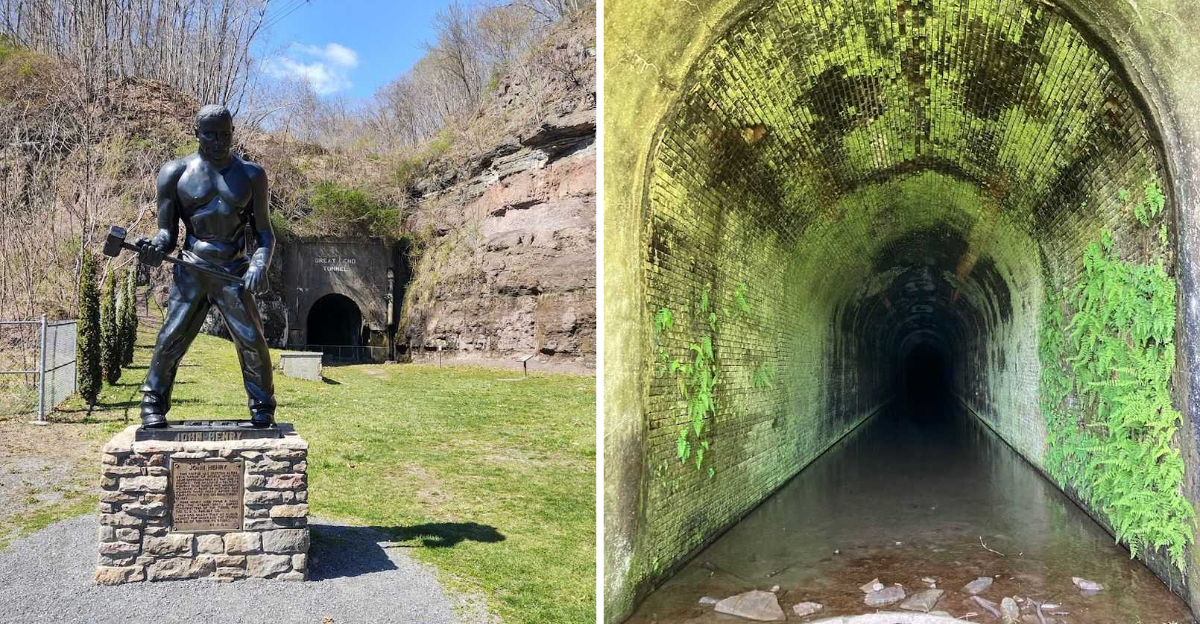
There are legends, and then there is the story of a steel-driving man who took on a steam drill and won.
This unassuming park marks the very ground where that epic contest supposedly went down, and standing there gives you a genuine chill.
The air feels thick with history and determination, as if the echoes of John Henry’s hammer are still ringing through the hills.
You can almost picture the crowd gathered, the dust rising, and the sheer grit it took for a man to beat a machine with nothing but muscle and willpower.
The park itself is humble and peaceful, a quiet tribute to a larger-than-life folk hero.
West Virginia holds this piece of American folklore close to its heart, and visiting feels like stepping right into the pages of a legendary ballad.
The Legend That Started It All
Few American legends hit as hard as the story of John Henry, a steel-driving man who went up against a steam-powered drill and won. The contest reportedly took place during the construction of the Great Bend Tunnel near Talcott, West Virginia, in the early 1870s.
John Henry was no ordinary worker. He hammered steel drills into solid rock to create holes for explosives, and he was known across the crew for his unmatched strength and speed.
The steam drill was supposed to replace men like him entirely. Instead of stepping aside, John Henry challenged the machine to a race.
He drilled a 14-foot hole using two 10-pound hammers, while the steam drill only managed nine feet.
He won. The human spirit beat the machine that day, and that victory echoed through generations of American workers who felt the same pressure.
The park exists specifically to honor that moment and the real people behind it. Visiting here feels less like sightseeing and more like meeting a piece of living history face to face.
A Park Hidden in Plain Sight
Tucked along State Highway 3 and 12 in Talcott, West Virginia, this park is the kind of place that rewards curious travelers who actually pay attention to roadside signs.
The surrounding Appalachian landscape is stunning on its own, with dense green hills wrapping around the New River valley like a natural amphitheater.
Getting here feels like a gentle secret the highway is trying to share with you.
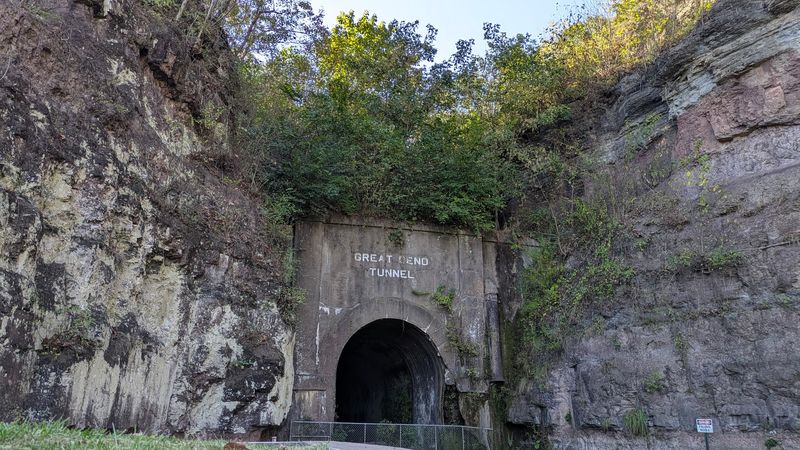
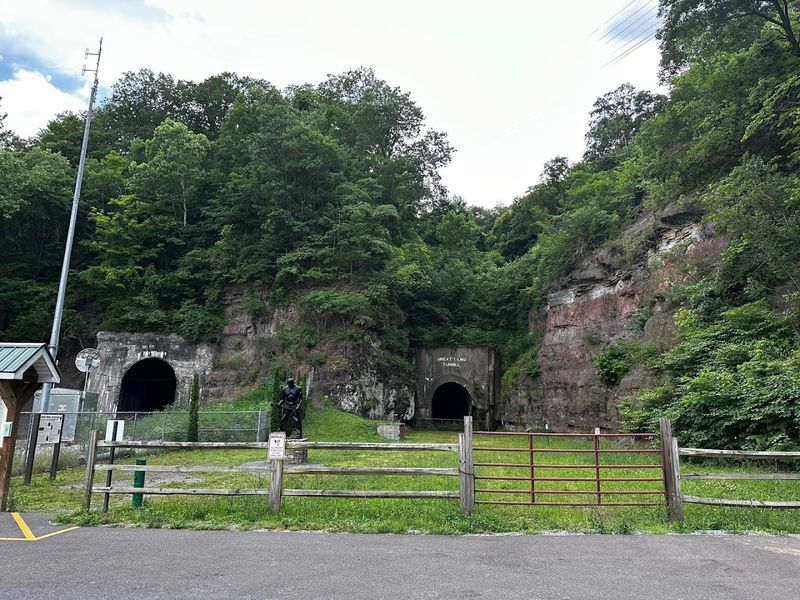
The park sits at the eastern end of the Great Bend Tunnel, giving visitors an immediate sense of scale when they arrive. You step out of the car and suddenly understand just how massive this engineering project was.
The mountain looming behind the tunnel entrance is not subtle.
Parking is straightforward and well-maintained, and the layout makes it easy to navigate even for first-time visitors. Open daily from 9 AM to 5 PM, the park is accessible without needing a reservation.
It is the kind of stop that fits perfectly into a longer Appalachian road trip without demanding too much of your schedule.
The Bronze Statue Worth Stopping For
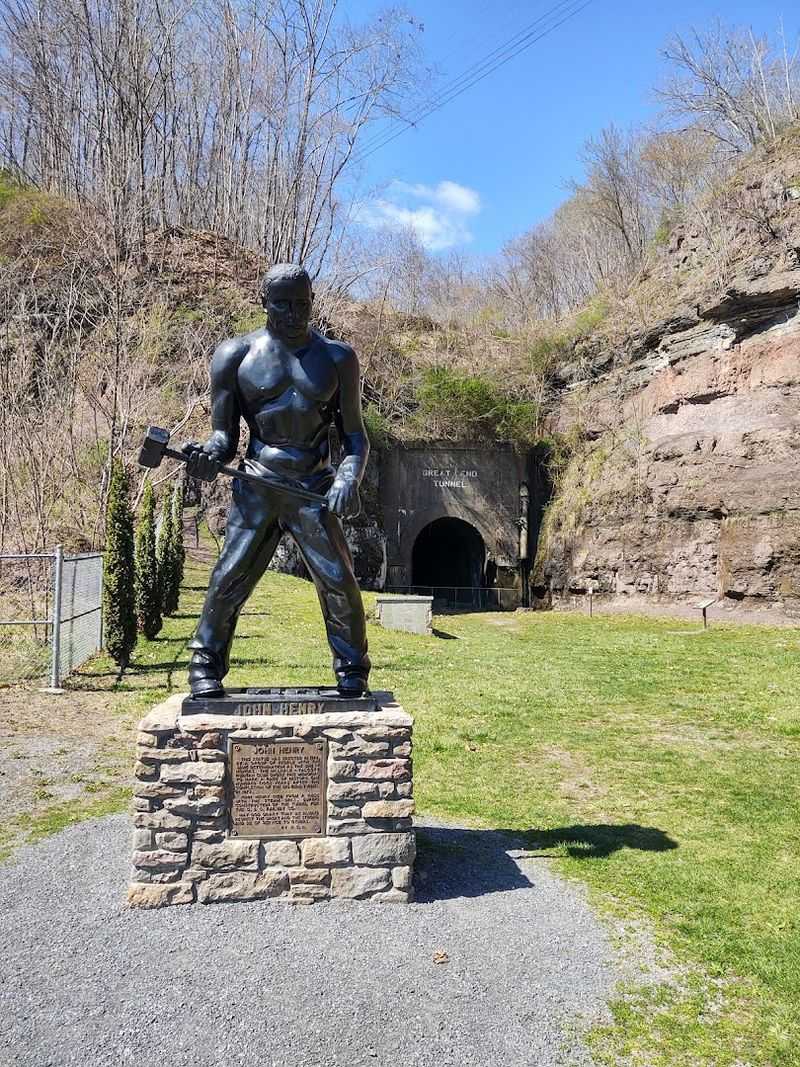
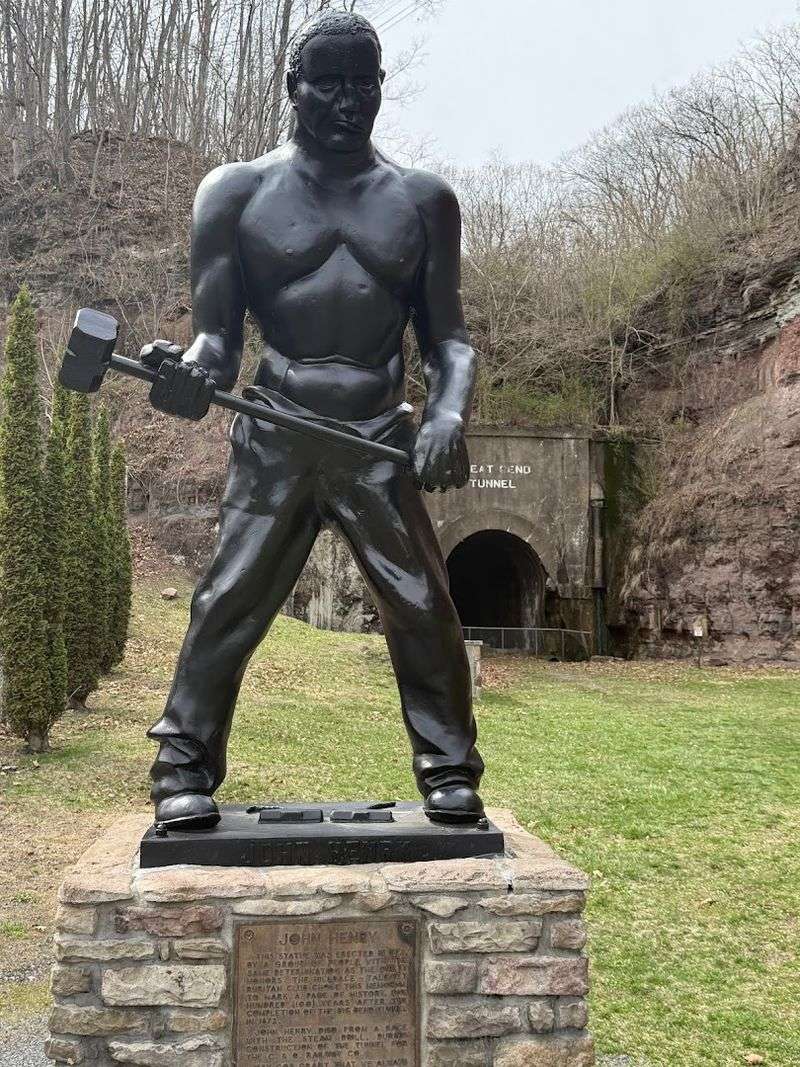
The bronze statue of John Henry is the visual centerpiece of the entire park, and it earns that title without any argument.
Originally erected in 1972 at the tunnel entrance to mark the 100th anniversary of the tunnel’s completion, the statue was later restored and relocated to a more prominent position within the park in 2012.
The upgrade was well deserved.
Standing in front of it, you get a full sense of what the legend was supposed to represent: raw human determination, physical strength, and an unshakable refusal to be replaced. The statue captures that energy in a way that photographs honestly do not do justice.
It is the kind of public art that actually earns its place in the landscape rather than just occupying space. Kids naturally gravitate toward it, and adults tend to linger longer than expected.
Bring a camera, but also just take a moment to stand quietly in front of it. Sometimes the best travel memories are the ones you absorb without a screen in front of your face.
The Great Bend Tunnel Up Close
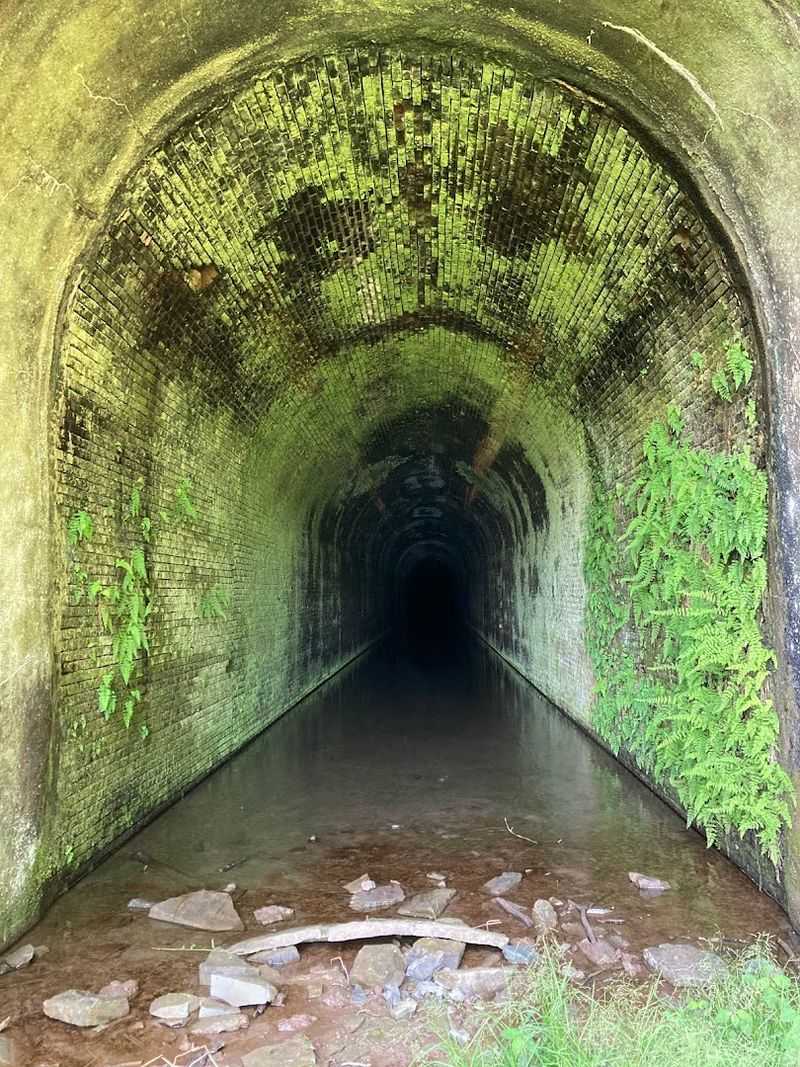
Standing at the entrance of the Great Bend Tunnel is genuinely one of the more surreal experiences a history lover can have in West Virginia.
The tunnel stretches 6,450 feet through solid mountain rock, completed between 1870 and 1872 by hundreds of workers under dangerous conditions.
Many of those workers were African American, and their labor quite literally shaped the American railroad system.
The tunnel is now fenced off for safety, but even viewing it from the outside delivers a powerful impression. A constant 55-degree breeze flows out from deep within the mountain, hitting you like a natural air conditioner on a warm summer afternoon.
It is the kind of sensory detail that sticks with you long after the visit ends.
The tunnel operated as an active rail passage until 1974, meaning it served the railroad industry for over a century. That longevity speaks to the quality of the construction, which makes the human cost of building it feel even more significant.
Spend a few minutes just listening to the wind come through. It sounds almost like the mountain exhaling.
Interactive Kiosks That Actually Teach You Something
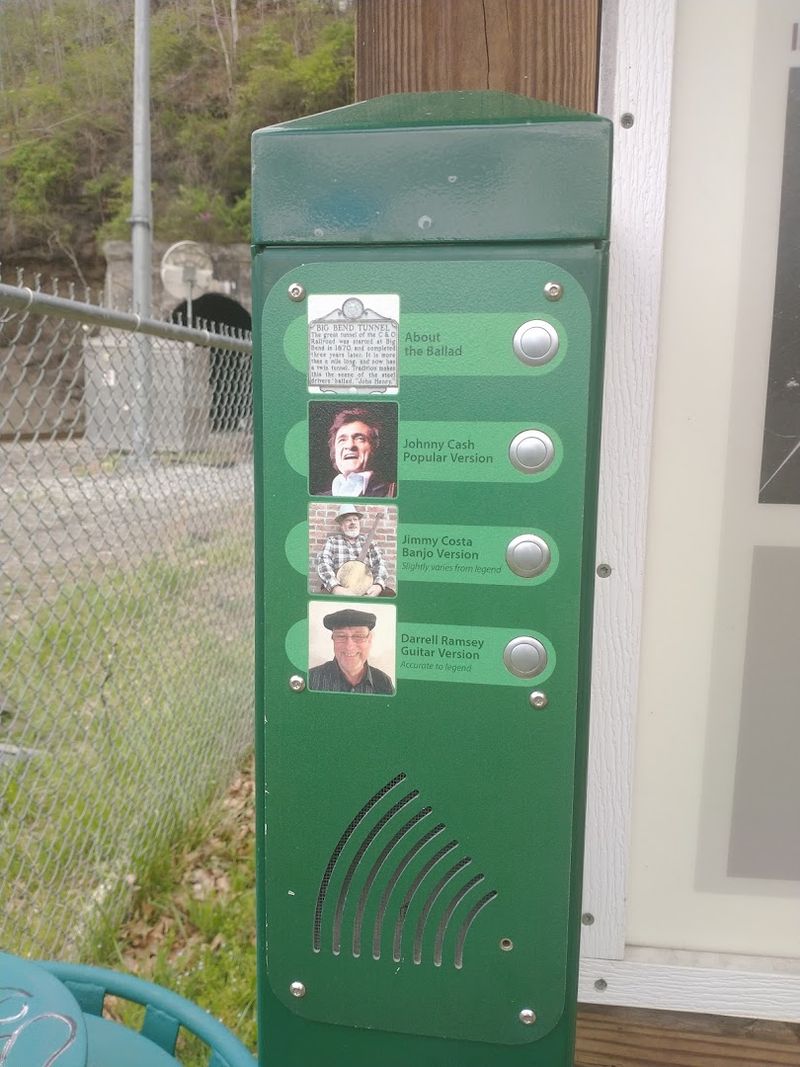
Not all roadside history displays are created equal, and the kiosks at this park are genuinely in a class of their own.
The interactive information boards cover the full story of John Henry, from the historical construction of the Great Bend Tunnel to the folk songs that kept his memory alive across generations.
There are audio options built right into the displays, letting visitors listen to multiple recorded versions of the famous John Henry ballad.
Hearing those songs play while standing at the actual location they reference adds a layer of meaning that no classroom or documentary can fully replicate. The audio quality is solid, and the content is presented in a way that works for adults and younger visitors alike.
My inner history nerd was completely satisfied.
Each panel is thoughtfully written without being overwhelming, offering just enough detail to spark curiosity without turning into a textbook. Visitors who planned a quick ten-minute stop regularly end up spending forty-five minutes reading every word.
That kind of unexpected engagement is a sign of truly well-crafted interpretive design. Plan extra time just in case.
Picnic Shelter and Grounds Worth Lingering In
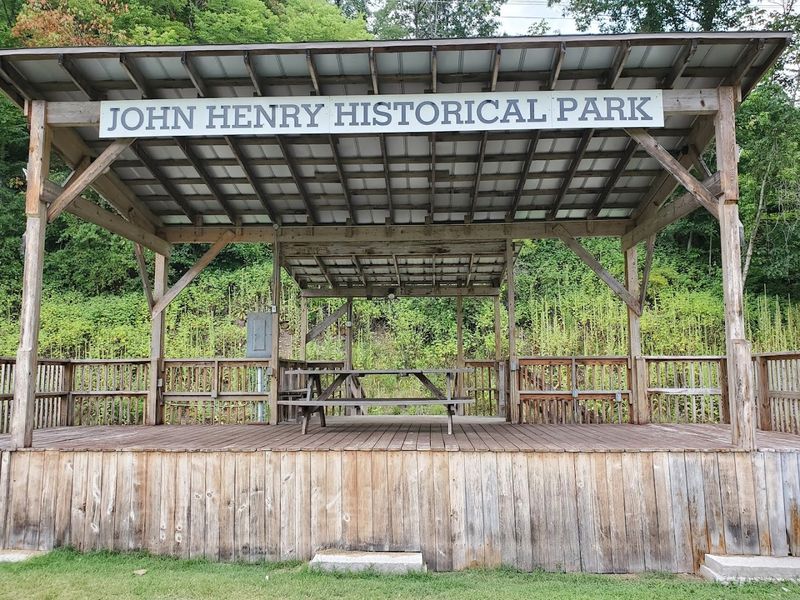
There is something deeply satisfying about eating lunch in a place where history happened, and the picnic shelter at John Henry Historical Park makes that experience genuinely comfortable.
The covered pavilion offers shade on warm days, with picnic tables arranged for small groups or families.
Bringing your own food here feels like a natural extension of the visit rather than an afterthought.
The grounds surrounding the shelter are well-kept and open, giving kids plenty of room to run around while adults take their time with the exhibits.
The combination of green grass, mountain backdrop, and tunnel entrance in the distance creates an atmosphere that feels both relaxed and meaningful.
Packing a simple lunch of sandwiches, fruit, and snacks from a nearby town and settling in under the pavilion is an easy way to extend your visit without rushing. The park also has restrooms and water supply on site, which makes longer stays genuinely practical.
It is one of those rare outdoor spaces that manages to feel both historic and genuinely comfortable for everyday visitors of all ages.
A Community Celebration
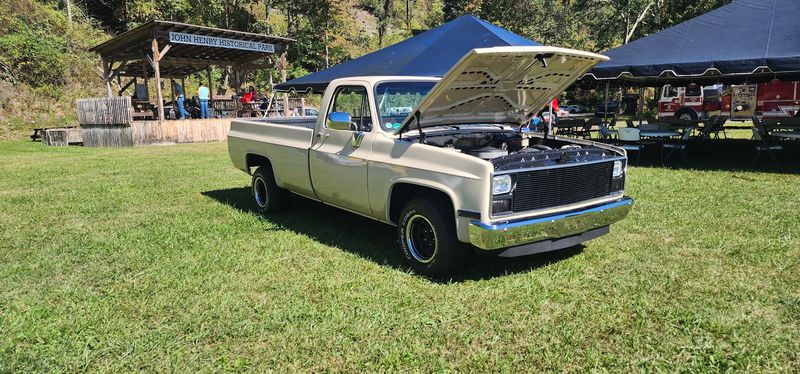
Once a year, the small town of Talcott transforms into a full-on celebration of one of America’s most enduring folk heroes.
John Henry Days, held every second weekend of July, brings together locals and out-of-town visitors for a weekend of parades, live music, and Appalachian cultural events that feel genuinely rooted in place rather than manufactured for tourism.
The energy during this weekend is something the park cannot fully contain.
Appalachian music fills the air from the park stage, and the parade winds through town with the kind of small-town charm that is increasingly rare to find.
Food vendors set up around the grounds, offering regional flavors that pair perfectly with a warm July afternoon.
Homemade pies, locally sourced dishes, and classic festival fare all make an appearance.
Families bring lawn chairs and settle in for hours, which tells you everything you need to know about the quality of the experience. Planning a trip specifically around this festival weekend is genuinely worthwhile.
It is the kind of event that makes you feel like a welcomed guest rather than just another tourist passing through a historical site.
The John Henry Museum Nearby
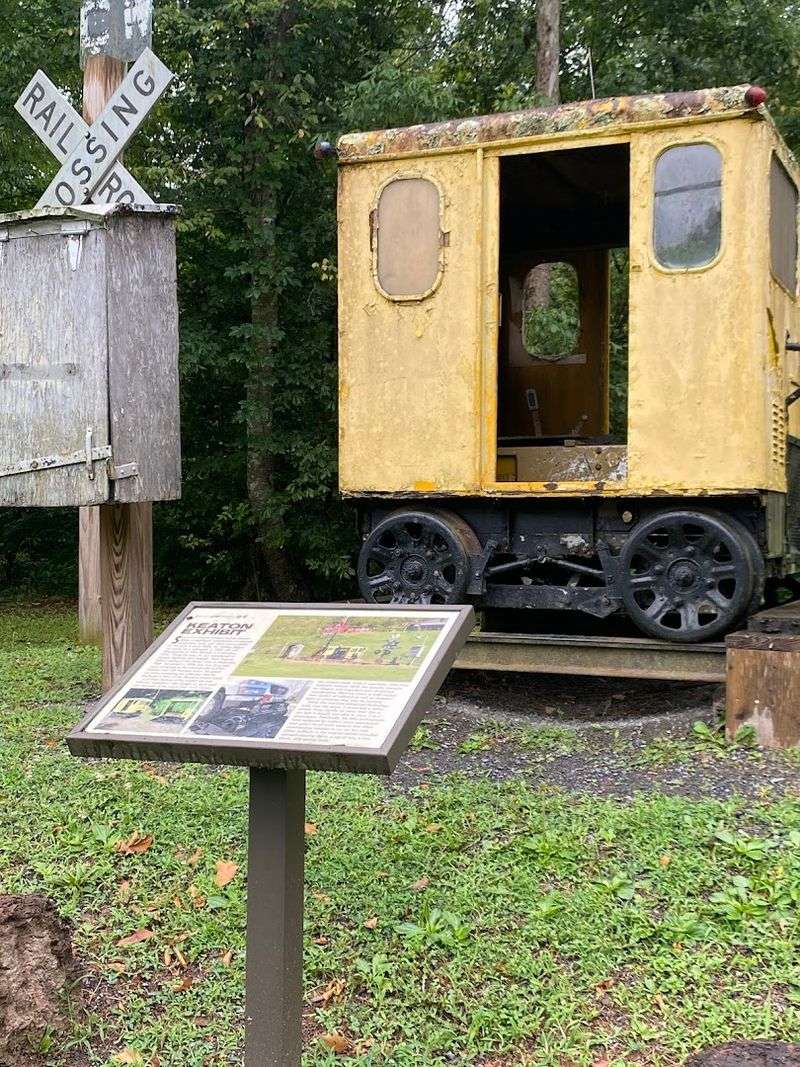
Just a short distance from the park, the John Henry Museum adds another layer to the story that the park itself only begins to tell. Located at 21 Pat Ball Road in Talcott, the museum opened in 2014 inside the historic L.G.
Rhodes General Store, a building that dates back to 1905. Stepping inside feels like entering a time capsule that the local community carefully assembled with genuine pride.
The museum houses artifacts, books, photographs, and video materials contributed by Talcott residents over the years.
The collection reflects both the historical record and the living oral tradition that kept John Henry’s name alive long before historians started taking the legend seriously.
Community involvement in building this collection gives it a warmth that professionally curated museums sometimes miss.
Pairing a visit to the museum with the park makes for a full half-day experience that covers the story from multiple angles. The combination of the physical tunnel site and the museum’s archival materials creates a surprisingly complete picture of both the man and the era he represented.
It is well worth the short detour from the main park grounds.
Why This Place Deserves a Spot on Your Road Trip Map
Some places earn their spot on a road trip map through sheer spectacle, and others earn it through meaning. John Henry Historical Park earns it through both, which is rarer than you might expect from a small park along a West Virginia state highway.
The combination of natural beauty, genuine history, and thoughtful preservation makes this stop feel like a reward rather than an obligation.
The drive to Talcott through the Appalachian countryside is scenic no matter which direction you approach from, with rolling hills and river views that make the journey feel as good as the destination.
Arriving at the park after that drive feels like the landscape has been building toward something significant.
The park is open daily from 9 AM to 5 PM, and admission is free, making it accessible for travelers on any kind of budget.
Whether you spend thirty minutes or three hours here, you will leave knowing something real about American labor history and the people who shaped it.
Some stories deserve to be told in the exact place where they happened, and this is one of them.
Address: 3262 State Hwy 3 and 12, Talcott, WV
