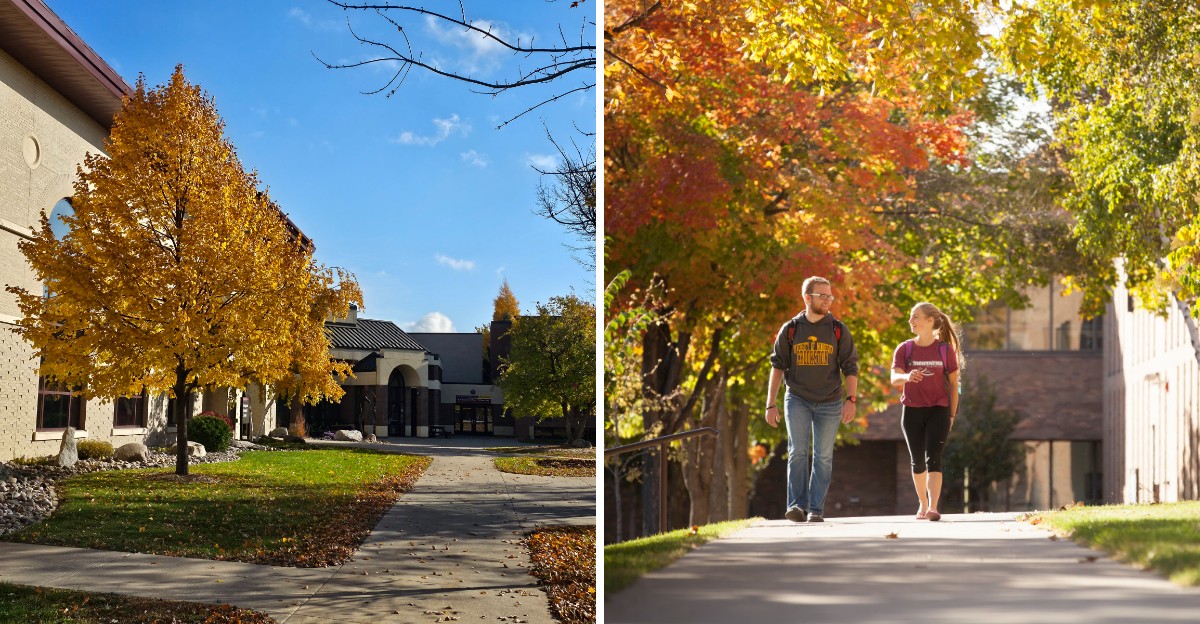
Tuition rarely stretches this far without cutting corners somewhere along the way. One school manages to sidestep that tradeoff entirely.
Labs here run with equipment closer to what students would actually encounter on the job, not the outdated setups many colleges make do with for years. Small class sizes matter too, professors staying accessible in ways bigger universities rarely allow once enrollment grows too large.
Prioritizing both affordability and real quality takes intention most schools never commit to equally. This campus built its reputation on exactly that balance, proving a modest price tag doesn’t have to mean a lesser education.
Value like this deserves more attention than it typically gets. Families searching for genuine return on tuition keep landing here, drawn by a Minnesota campus that delivers far more than its price suggests.
Laptops Before Laptops Were Cool
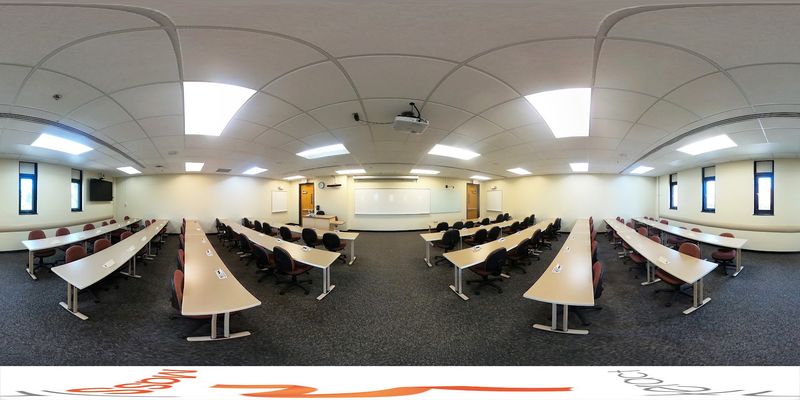
Long before Wi-Fi was everywhere, Crookston handed laptops to its students, making it one of the earliest campuses in the country to do so. That choice still shapes daily life here.
Technology shows up in quiet, practical ways. Assignments, labs, field data, and group projects all move through shared digital tools, so students learn to work the way employers actually work.
The tech-forward reputation is not about flashy gadgets sitting in a display case. It is about students being comfortable troubleshooting software, running spreadsheets, and building presentations without panic.
Visitors on tour often ask whether the small size limits access to modern equipment. The answer sits in the labs, the greenhouses, and the classrooms wired for hands-on demonstrations rather than lecture-only learning. Small campus, serious tools.
Graduates tend to leave with digital skills stacked on top of whatever field they chose, whether that is agronomy, business, or health sciences. Employers notice that combination. What strikes me most is how normal it all feels. Nobody brags about it.
Class Sizes That Feel Like a Small Town Gathering
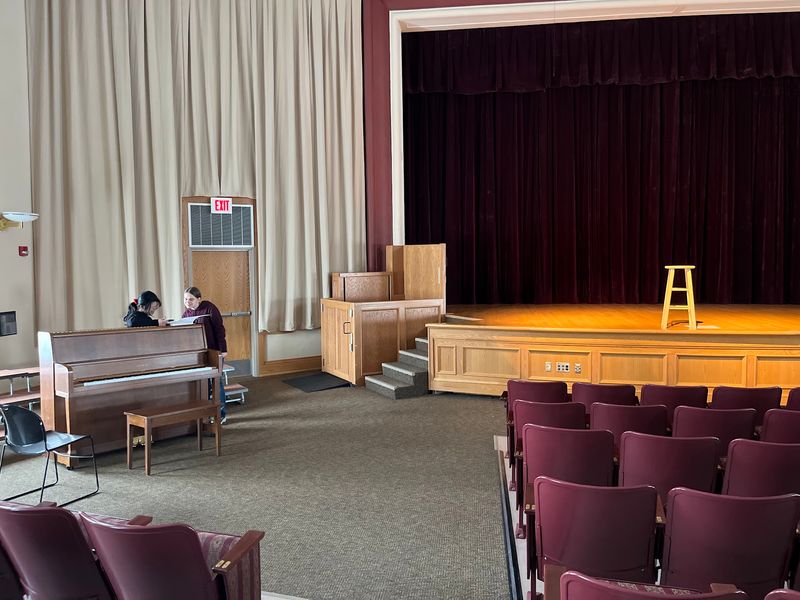
Small rooms change everything about a first semester. Classes here often run closer to the size of a high school section, which makes the jump into college coursework far less intimidating.
Professors call on students by name. Questions get answered in the moment instead of disappearing into a crowd of two hundred. Group work shifts too. Partners are people seen at breakfast, in the gym, and in the hallway, so accountability is built in without anyone lecturing about it.
Office hours turn into something useful rather than a formality. Students drop by with a half-finished draft and leave with a plan, and the conversation gets picked up again the following week.
Advising follows the same rhythm. Course maps, internship searches, and graduation checkpoints get handled by staff who know a student’s goals, not just a student number.
For anyone who learns better by talking things through, the setup pays off quickly. That kind of attention is hard to put a number on, yet it shows up in steadier grades and stronger confidence.
Agriculture, Animals, and Natural Resources in the Spotlight
Corn, cattle, soil, and water fill a lot of the conversation on this campus, and that focus explains why plenty of students choose Crookston in the first place. Agronomy, animal science, and natural resources programs have deep roots here.
Fields and research plots sit within walking distance of classrooms, so lessons about crops and soil health rarely stay theoretical. Students collect samples, run tests, and track results across seasons.
Career paths branch out in useful directions. Graduates head into crop consulting, veterinary technology, wildlife management, food systems, and equipment sales across the northern plains.
Northwest Minnesota is farm country, which means industry contacts are close by. Internships, seasonal jobs, and research partnerships come together without long-distance logistics.
Business, education, health, and technology majors also fill the class lists, and many of them borrow from the agricultural side. A marketing student might build a campaign for a grain cooperative.
The blend keeps things grounded. Learning sticks better when the subject grows right outside the window, and the seasons act like a built-in syllabus.
Barn Aisles and the Equestrian Arena
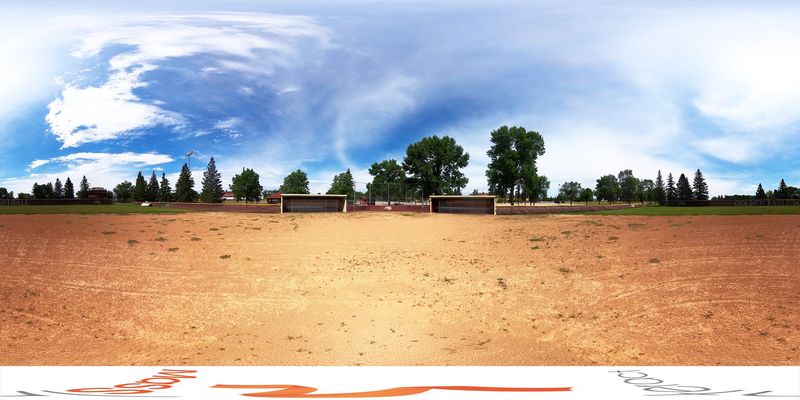
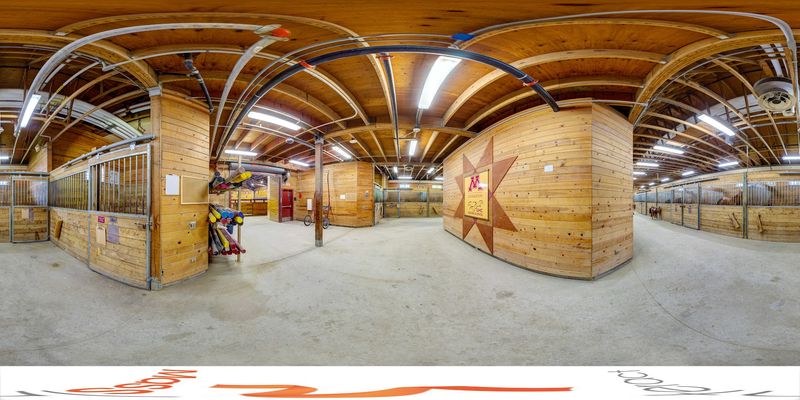
Horses give this campus a personality that few Minnesota colleges can match. The equestrian arena draws steady praise from visitors, and equine science courses keep it busy through the school year.
Students work with real animals rather than diagrams. Feeding schedules, grooming, groundwork, and health checks become part of a weekly routine.
Riding lessons, judging teams, and competitions build practice that transfers straight into careers with stables, breeding operations, and veterinary clinics.
There is a smell of hay and leather near the barns, and the sound of hooves on packed footing carries farther than expected on a cold morning.
Animal science students outside the equine track get plenty of barn time too, working with livestock and small animals in labs designed for close observation.
Anyone touring should ask to see the arena. It explains more about the hands-on philosophy than any brochure could, and the horses do not mind visitors.
Hands-On Learning Instead of Textbook Memorizing
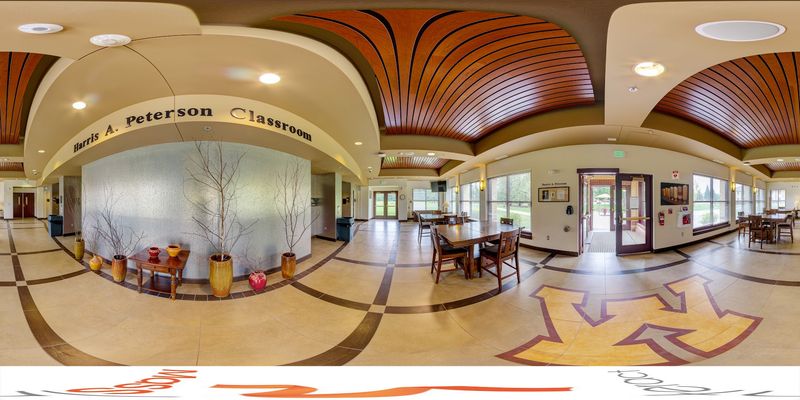
Lab coats, tractors, spreadsheets, and clipboards all count as classroom equipment here. Experience-first teaching is baked into most majors, not offered as an extra credit bonus.
Internships and applied projects show up early in a degree plan. Students often finish a resume with real fieldwork listed before senior year arrives.
Confidence grows out of that repetition. Presenting findings, handling equipment, and solving problems in front of a supervisor gets easier the tenth time around.
Professors with industry backgrounds run many of these courses, which keeps assignments practical. Fewer abstract essays, more tasks that mirror a workday.
Undergraduate research is available without a long waiting list, partly because the student body stays modest in size. Ideas get heard, and lab space is not impossible to reserve.
Employers around the region recognize the pattern, and graduates tend to interview well because they can describe what they have actually done.
Big University Name on a Small Campus Diploma
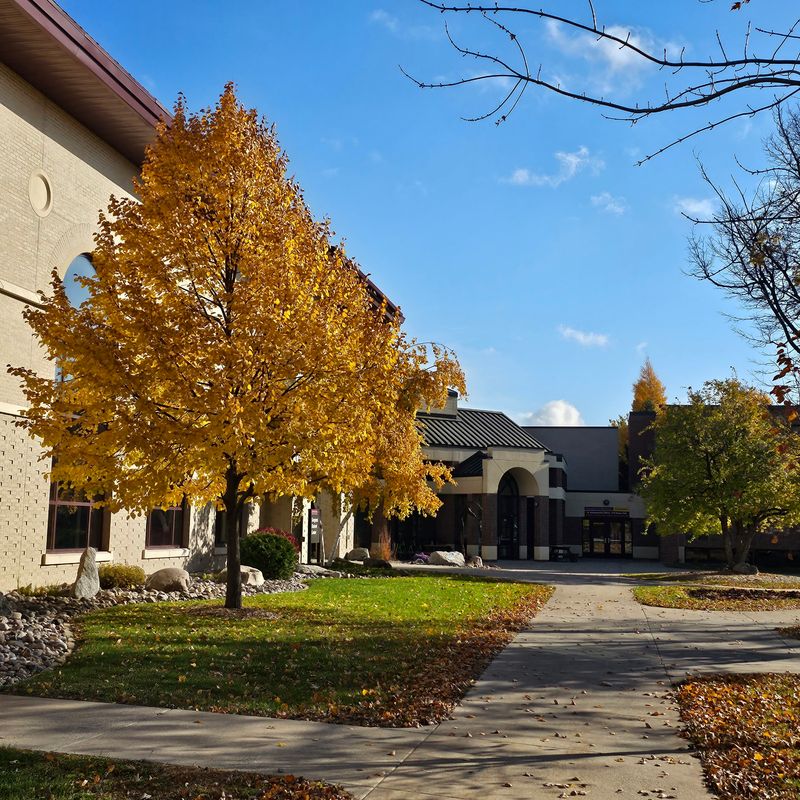
A degree earned in Crookston carries the University of Minnesota name, which travels well in job interviews far beyond the state line. That mix of small setting and statewide reputation sits at the heart of the value argument.
Students tap into a larger system for resources, library access, and transfer pathways while keeping the intimacy of a compact campus. Course credits move cleanly within the system, which helps students who change direction or pursue graduate study later.
Alumni networks stretch across agriculture, business, health, and education, giving graduates contacts in places they never expected. Value is not only about what a degree costs. Finishing on time, getting personal advising, and leaving with practical experience all add up.
Scholarships and support services are part of the picture too, and the financial aid office handles questions in person rather than through a maze of phone menus.
Online Degrees Built Around Real Schedules
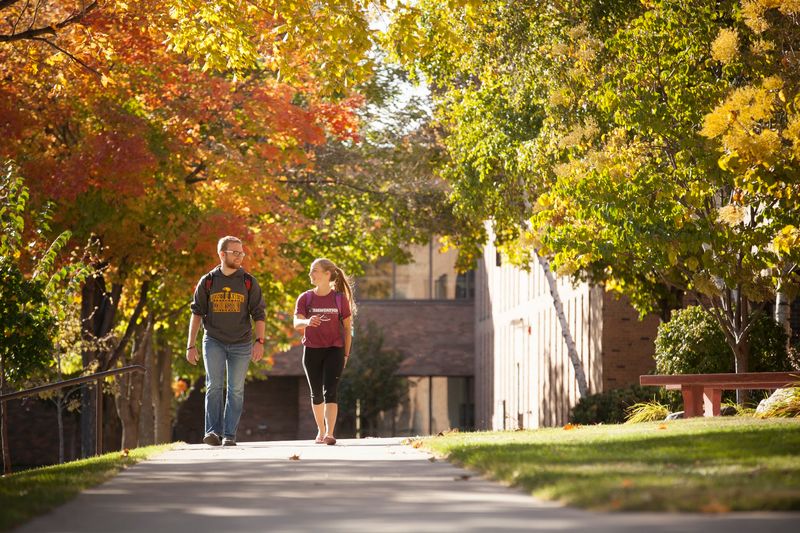
Not every student here ever parks a car on University Avenue. Online programs let people finish degrees from farms, hospitals, military bases, and small towns hundreds of miles away.
Coursework is designed for adults juggling jobs and families. Deadlines are clear, materials stay accessible, and instructors answer email like humans. The campus history with technology helps. Digital learning was not a scramble invented overnight, it grew out of decades of practice.
Degree completion options appeal to students who started somewhere else and stopped short. Transfer credits get reviewed, and a plan comes together instead of a dead end. Online students earn the same University of Minnesota credential as those walking to class through the snow.
Some choose a hybrid route, taking labs or intensives on campus and the rest from home. Seeing the place once makes the screen feel less anonymous.
Support services extend online as well, including advising, tutoring, and career help. For working adults who thought the window had closed, the flexibility is the whole point.
A Soft Landing for International Students
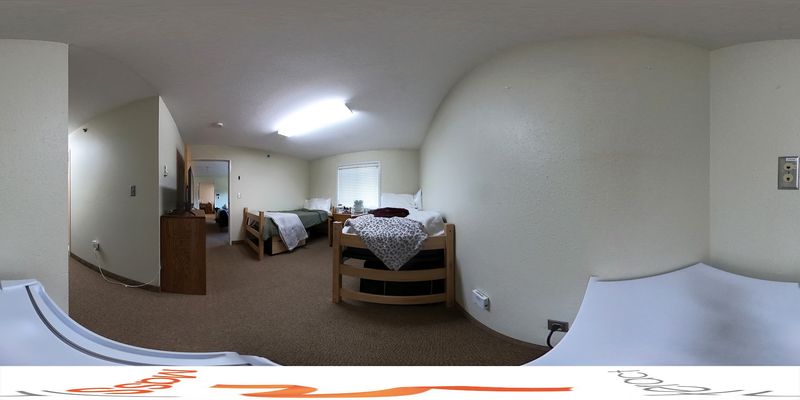
Students arriving from other countries often describe feeling valued rather than lost, and the small campus scale has a lot to do with that. Professors notice when someone is quiet, and staff walk newcomers through paperwork, housing, and winter clothing advice.
Crookston is a rural town, so the pace is calm and distractions are few. Study time is easy to protect. Friendships form quickly when the same faces appear in the dining hall, the library, and the gym.
Cultural events, student clubs, and international celebrations bring food and music from many places into the middle of the prairie.
Adjusting to a new country still takes work, and nobody pretends otherwise. Having a professor who remembers your name during that adjustment makes a real difference. Winter deserves a warning. January in northwest Minnesota is genuinely cold, and layering becomes a skill learned fast.
The payoff shows up in confidence, language fluency, and a credential recognized worldwide. Not a bad trade for a few frozen walks across campus. Bring a warm hat. The rest tends to fall into place.
Golden Eagles Energy and Campus Traditions
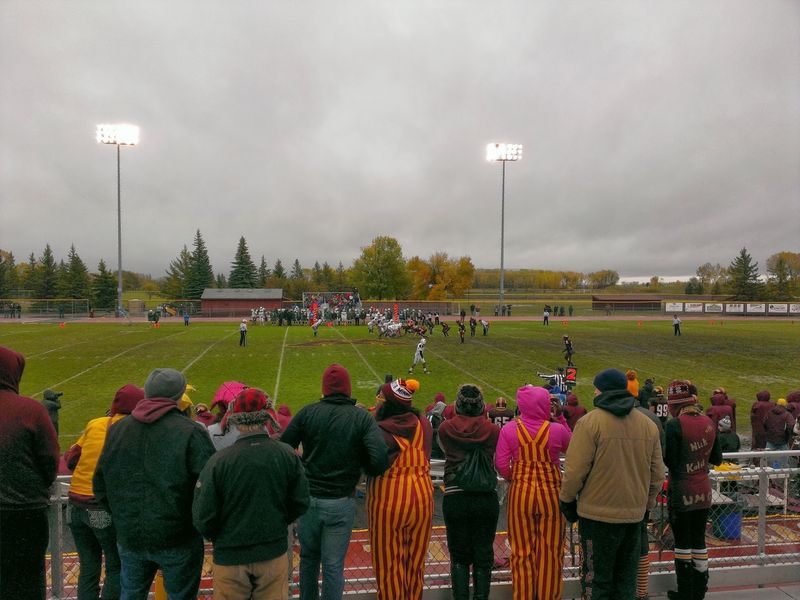
Maroon and gold show up everywhere once the sports seasons start. Golden Eagles teams compete in basketball, baseball, softball, football, soccer, and more, and games pull students, staff, and townspeople together.
Crowds sit close to the action. Nobody sits in the upper deck because there is no upper deck. Intramurals and club sports keep the gym busy for everyone else, and the fitness center stays open late enough for night owls.
Student clubs range from agricultural organizations and rodeo to business groups, gaming, and volunteer projects. Starting a new one is realistic when leadership roles are not locked up by hundreds of applicants.
Alumni events, homecoming, and baseball reunions bring former students back to the same fields they once played on. Campus grounds are kept sharp, with tidy lawns, brick buildings, and wide walkways that look their best under early autumn light.
Crookston Itself, Quiet Streets and Prairie Skies
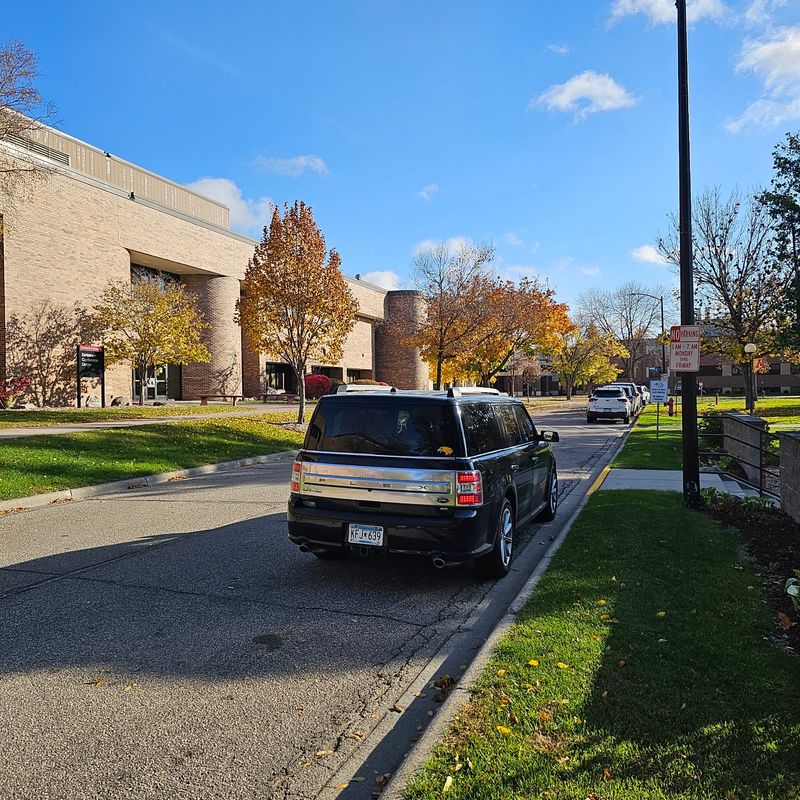
Beyond the campus edge, Crookston rolls out as a small Red River Valley town with wide streets, historic buildings, and sunsets that stretch across flat farmland. The Red Lake River winds through town, good for a slow paddle or a walk along the banks when the weather cooperates.
Local cafes, a movie theater, parks, and trails cover most weekend needs, and Grand Forks sits a short drive west for bigger errands. Winters are long and bright, summers green and humming with insects and combines. Both seasons give the place character.
Students who grew up in cities notice the quiet first, then usually start to appreciate it. Fewer distractions, more finished assignments. Community events such as the Ox Cart Days celebration tie the town and the campus together each summer.
Anyone curious enough to visit should schedule a tour and then simply wander the grounds. The campus sits at 2900 University Ave, Crookston, MN 56716, on the northern edge of town, and it is an easy place to picture yourself for four years.
