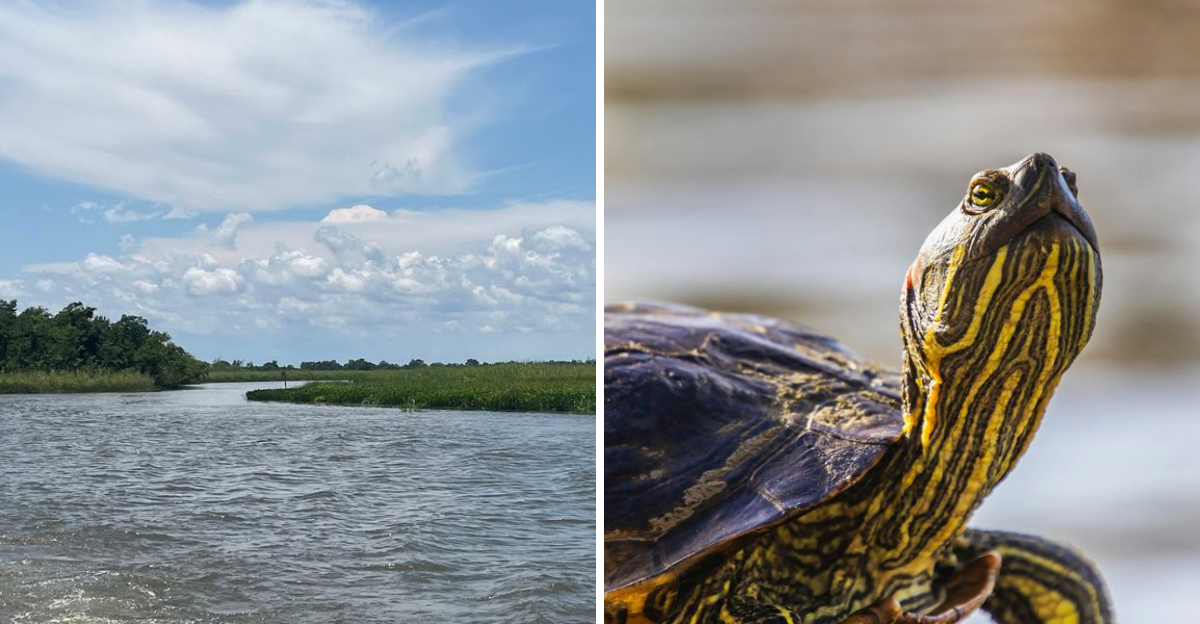
Most people think of Alabama and picture football stadiums or white sandy beaches, but there is a wild, watery world tucked between Mobile and Baldwin counties that genuinely stops you in your tracks.
The Mobile-Tensaw Delta is the second-largest river delta in North America, stretching across more than 200,000 acres of swamps, marshes, and bottomland forests.
Scientists have called it one of the most biologically rich places on the entire planet, and that claim holds up under scrutiny.
From record-breaking turtle diversity to ancient Native American history and miles of paddle trails, this place earns every bit of the nickname “America’s Amazon.”
A Wetland So Protected, Congress Took Notice
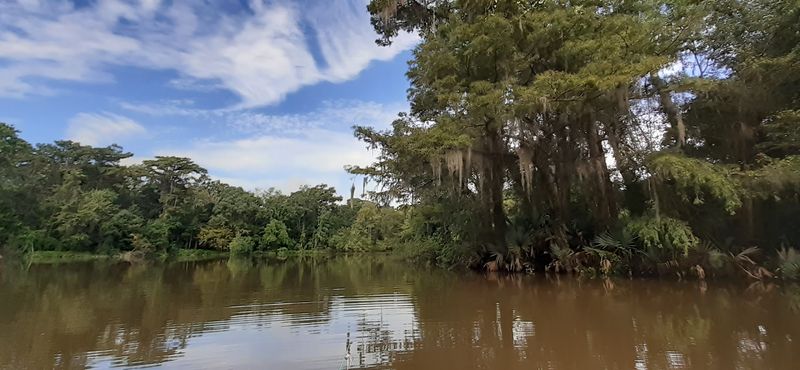
Not every wetland earns a Congressional designation, but the Mobile-Tensaw Delta did exactly that. Congress recognized it as a National Natural Landmark, a distinction reserved for places of exceptional ecological and scientific value.
That kind of recognition is not handed out lightly, and the Delta earned it through sheer biological firepower.
The Nature Conservancy, working alongside the E.O. Wilson Biodiversity Foundation, has helped protect roughly 100,000 acres of habitat within the Delta.
Alabama’s administrative code also classifies the area as a Geographical Area of Particular Concern, meaning any land use must preserve and enhance its natural wetland functions. These layers of protection work together to keep the ecosystem intact for future generations.
Covering between 200,000 and 260,000 acres, the Delta is a mosaic of river channels, oxbow lakes, cypress swamps, and bottomland hardwood forests. It sits at the convergence of five major river systems, which partly explains why so many species call it home.
Few places in the southeastern United States have received this level of coordinated conservation attention. Visiting here means stepping into a landscape that scientists, lawmakers, and conservationists have fought hard to preserve.
That effort shows in every quiet stretch of water and every towering cypress tree you pass.
More Turtle Species Here Than In The Entire Amazon River
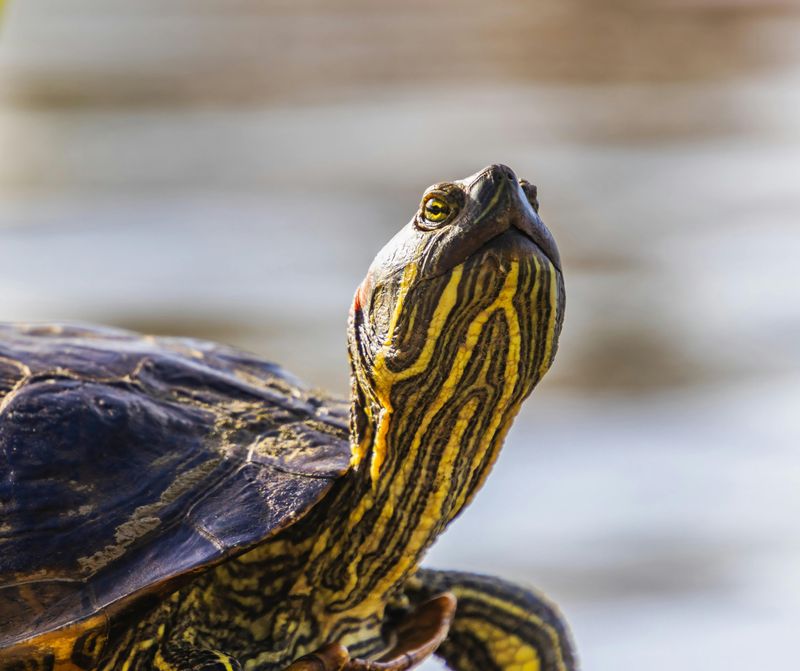
Here is a fact that genuinely surprises most people: the Mobile-Tensaw Delta is home to at least 18 species of aquatic turtles, which is more than the entire Amazon River system supports. That number places this Alabama wetland among the most turtle-diverse places on the planet.
For reptile enthusiasts and curious naturalists alike, that statistic alone is worth the drive.
Two of those species are found nowhere else on Earth. The Alabama red-bellied turtle, which is also Alabama’s official state reptile, lives exclusively in this region.
The Delta sawback, also known as the southern black-knobbed sawback, shares that same narrow geographic range. Both species are considered imperiled, making every sighting feel genuinely significant.
Spotting turtles here is not particularly difficult during warmer months. They bask on logs along the Bartram Canoe Trail and in the oxbow sloughs branching off the main river channels.
Paddling quietly through these waterways gives you the best chance of observing them without causing disturbance. Binoculars help when you want a closer look without getting too close.
The sheer variety of shell shapes, sizes, and colors on display along a single paddle route is something most nature lovers never forget. This is genuinely one of the most remarkable turtle-watching destinations in North America, and it sits right here in Alabama.
“America’s Amazon” Is Not Just a Marketing Slogan
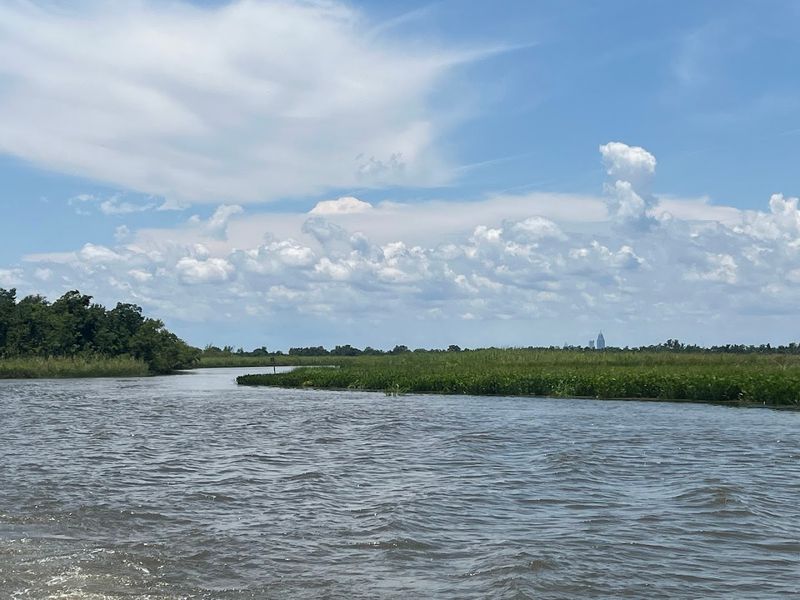
The nickname “America’s Amazon” gets thrown around in tourism materials, but the biology behind it is rock solid. The Mobile-Tensaw Delta supports the greatest concentration of freshwater species found anywhere in the United States.
Over 126 species of fish swim through its rivers, creeks, and oxbows, many of which are rarely seen elsewhere in the country.
Beyond fish, the Delta holds extraordinary numbers of freshwater mussels, aquatic snails, and crayfish, groups of animals that scientists use as key indicators of ecosystem health. Alabama as a whole ranks among the top states in the nation for freshwater biodiversity, and the Delta is a major reason why.
The American alligator population here is the largest in the state, and sightings are common enough that first-time visitors are often genuinely startled.
Carnivorous plants like pitcher plants and sundews grow in the marshy edges of the Delta, adding another layer of ecological strangeness that feels almost tropical. Rare orchid species have been documented here as well.
The tree diversity is equally impressive, with the region holding records for the greatest variety of tree species in North America.
Five Rivers Alabama Delta Resource Center, located at 30945 Five Rivers Boulevard, Spanish Fort, AL 36527, offers educational exhibits and guided boat tours that help visitors make sense of all this biological complexity in an approachable and memorable way.
Over 300 Bird Species Make This a Birdwatcher’s Dream
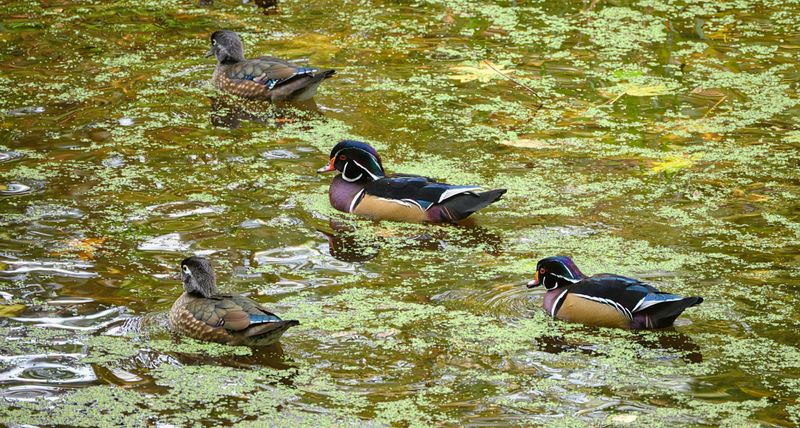
Birdwatchers who visit the Mobile-Tensaw Delta for the first time tend to come back. More than 300 bird species have been recorded here, and over 100 of those species actively nest within the Delta’s boundaries.
That combination of resident and migratory birds creates year-round opportunities for observation that few wetlands in the South can match.
Wood ducks are among the most commonly spotted residents, their colorful plumage catching the light in the early morning hours along quiet water channels. Least terns, ibis, and egrets move through in impressive numbers during migration season.
Bald eagles and ospreys are reliable sightings for those willing to spend a few hours on the water, and brown pelicans occasionally venture inland from the nearby Gulf Coast.
The Delta’s position along the Atlantic Flyway makes it a critical stopover for migratory waterfowl traveling between their northern breeding grounds and southern wintering areas.
That geographic advantage concentrates bird activity in ways that feel almost overwhelming during peak migration periods.
Bringing a good pair of binoculars and a regional field guide will dramatically improve your experience. Early morning paddling trips tend to produce the most sightings before the heat of the day settles in.
Historic Blakeley State Park, located at 34745 State Highway 225, Spanish Fort, AL 36527, borders the Delta and adds excellent shoreline birding habitat to any visit.
Rare Ecosystems and Plant Life Found Almost Nowhere Else
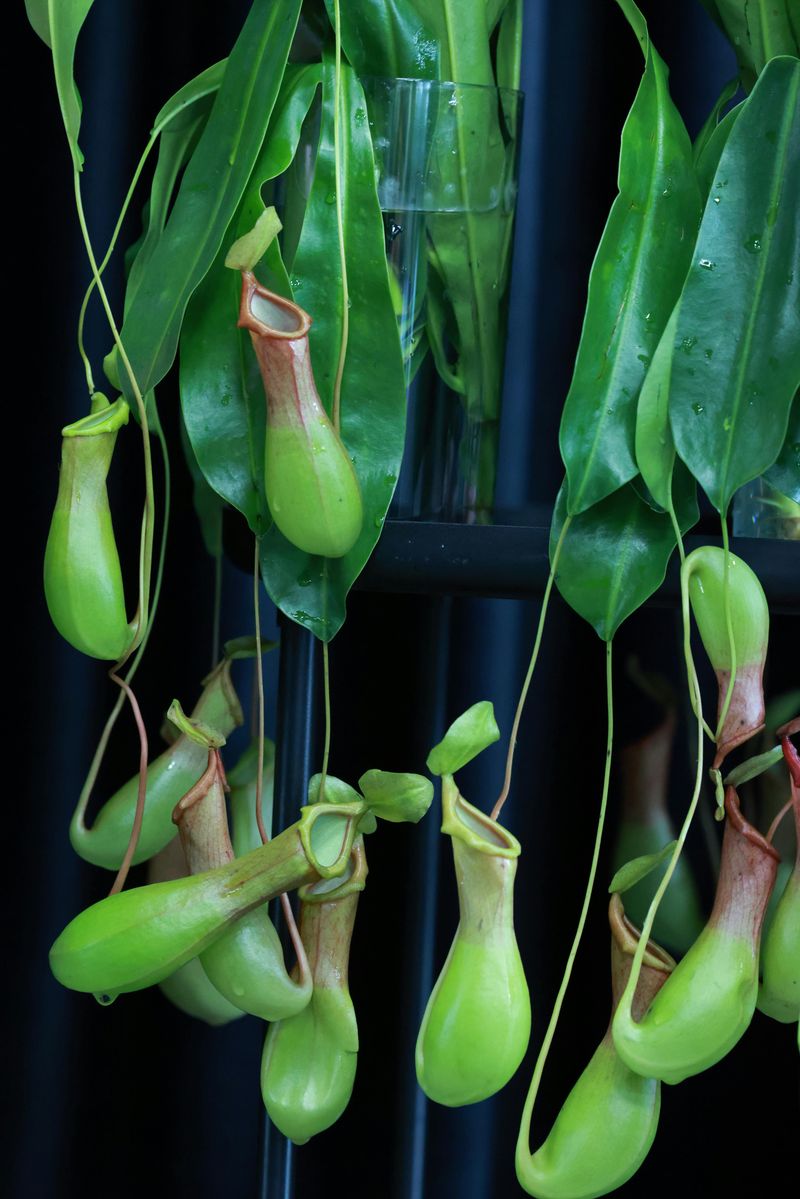
Walking the edges of the Mobile-Tensaw Delta during spring or early summer reveals a plant world that feels genuinely foreign to most visitors. Pitcher plants rise from the boggy margins, their tubular leaves designed to trap and digest insects.
Sundews spread their sticky, glistening leaves across wet soil nearby, and rare orchid species bloom quietly in the understory of bottomland forests.
The vegetation structure of the Delta shifts depending on where you are. Cypress and tupelo swamps dominate the wetter interior zones, their knobby roots rising from dark, still water.
Bottomland hardwood forests take over on slightly higher ground, with massive oaks and sweetgums forming a canopy dense enough to block out most of the midday sun. Marshlands open up along the river edges, giving way to grassy flats where wading birds congregate.
Geologically, the Delta has an unusual origin story. Unlike most river deltas that fan outward into open water, the Mobile-Tensaw Delta formed in a topographic depression, giving it an elongated shape that sets it apart structurally from nearly every other delta system in North America.
That geological quirk contributes to the variety of habitats packed into a relatively compact area. The result is a landscape where plant communities that would normally be separated by hundreds of miles exist side by side.
Plant enthusiasts and botanists regularly cite the Delta as one of the most rewarding field destinations in the entire southeastern United States.
History Here Goes Back Thousands of Years
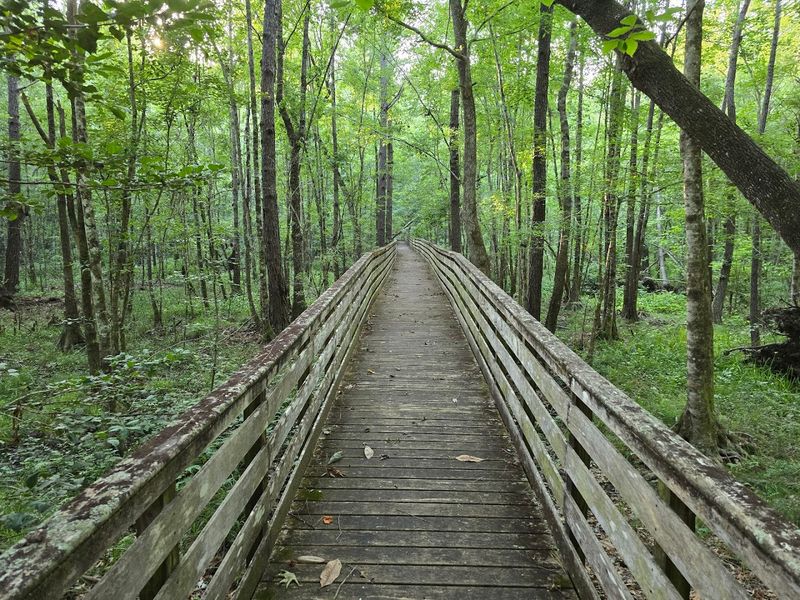
Long before European explorers arrived, the Mobile-Tensaw Delta was already one of the most densely populated regions on the northern Gulf Coast.
Hundreds of shell mound villages line the Delta’s waterways, left behind by Native American communities who lived and farmed here for thousands of years.
Some of these sites contain remnants of ancient gardens and ceremonial spaces that archaeologists are still working to fully understand.
At its peak, the Delta region supported the largest Mississippian city on the northern Gulf Coast, a sophisticated urban center connected to a broader network of trade and culture stretching across the continent. That history gives the landscape a weight that goes well beyond its natural beauty.
Historic Blakeley State Park, at 34745 State Highway 225, Spanish Fort, AL 36527, preserves the site of the last major land battle of the Civil War, fought here in April 1865, just days before the Confederacy’s surrender.
The Delta also holds a deeply significant place in African American history. The Clotilda, the last known slave ship to bring enslaved Africans to the United States, arrived near this region in 1860.
The survivors of that voyage went on to found Africatown, a community whose story of resilience and cultural preservation continues to draw researchers and visitors from around the world.
USS Alabama Battleship Memorial Park, located at 2703 Battleship Parkway, Mobile, AL 36602, offers additional historical context about the region’s complex and layered past.
Paddling, Fishing, Camping, and So Much More Await You
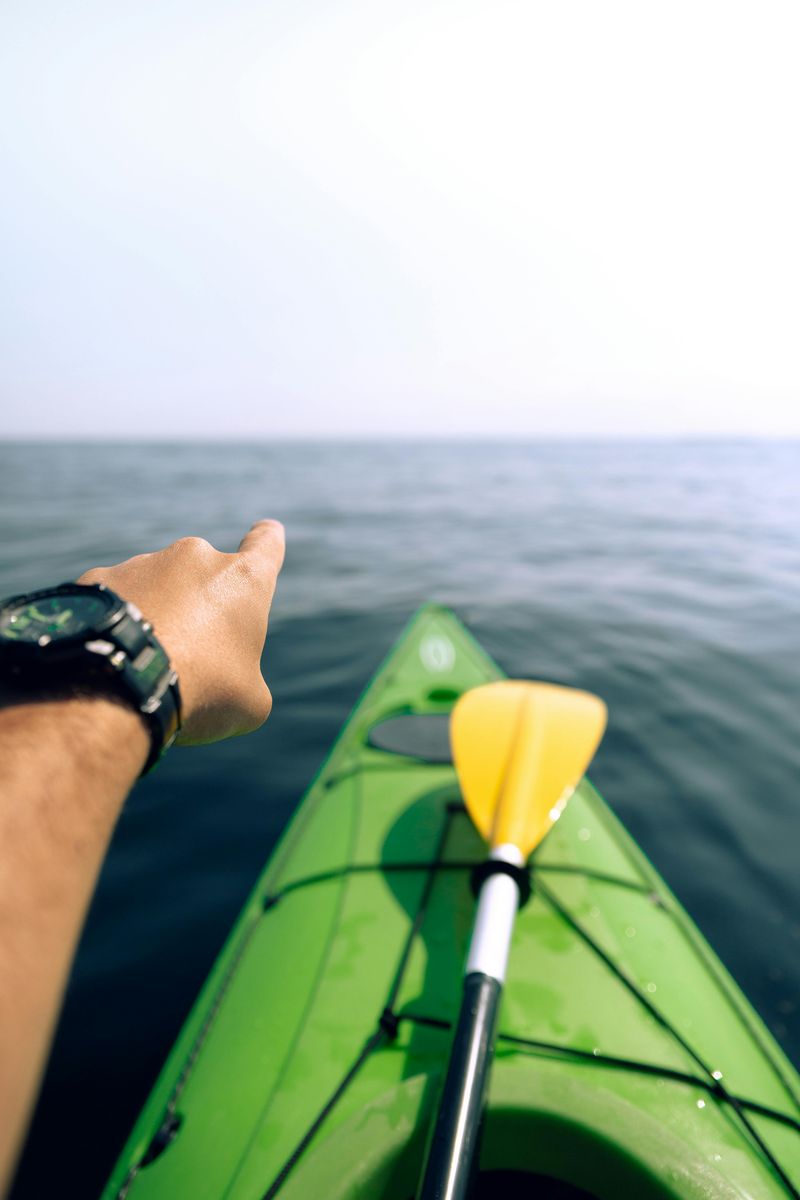
The Bartram Canoe Trail is one of the most celebrated paddling routes in the American South, winding through more than 200 miles of marked waterways across the Mobile-Tensaw Delta.
Named after the naturalist William Bartram, who explored this region in the 18th century, the trail offers both day trips and multi-day adventures with floating and land-based camping platforms along the route.
Paddlers of all skill levels find sections that suit their comfort and experience.
Fishing in the Delta is just as rewarding. Bass, bream, crappie, catfish, and the prehistoric-looking alligator gar all swim through its channels and oxbows.
Local anglers consider the Delta among the finest freshwater fishing destinations in Alabama, and the variety of species available in a single outing is genuinely hard to beat. Guided fishing trips are available for those who want local knowledge on their side.
Beyond paddling and fishing, the Delta supports hiking, biking, horseback riding, wildlife photography, and hunting in designated areas. Five Rivers Alabama Delta Resource Center at 30945 Five Rivers Boulevard, Spanish Fort, AL 36527, serves as an ideal starting point for first-time visitors.
The center provides exhibits about Delta ecology, guided boat tours, and educational programs for all ages. Meaher State Park, located at 5765 Battleship Parkway, Spanish Fort, AL 36527, offers camping and boat launch access that makes an overnight stay both affordable and convenient.
