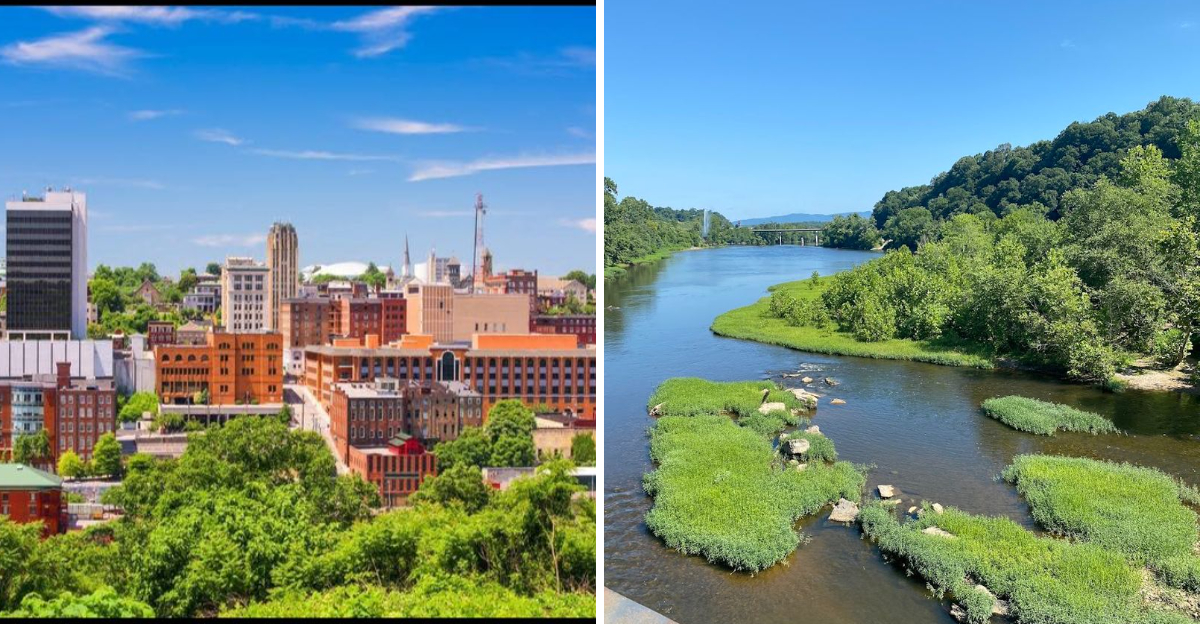
Forget the boardwalks and the salty air for a minute. Tucked into the foothills of the Blue Ridge Mountains, Lynchburg, Virginia, sits on seven rolling hills above the James River, and it has a personality that no beach town could ever replicate.
My first drive into the city felt like flipping to a chapter of Virginia history that most people skip right past. Cobblestone streets, centuries-old architecture, mountain views, and a downtown buzzing with local energy, this place earns every bit of the hype it rarely gets.
If you think Virginia is all about coastal resorts and touristy seafood shacks, Lynchburg is about to change your mind completely.
The City of Seven Hills and Why That Actually Matters
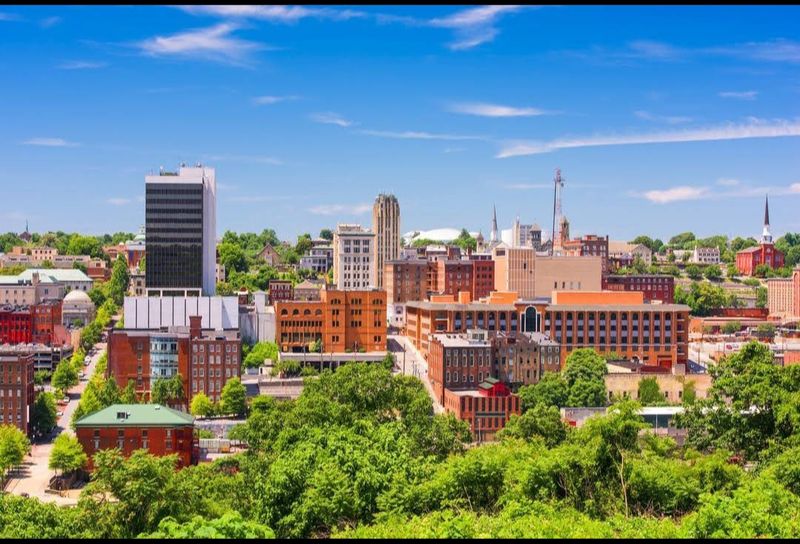
Standing on any elevated street corner in Lynchburg, you immediately get it. The city earns its nickname honestly, sitting across seven distinct hills that give every neighborhood its own dramatic skyline and its own personality.
Most cities brag about views. Lynchburg actually delivers them.
From Daniels Hill to College Hill, each ridge offers a slightly different frame of the James River valley below, with the Blue Ridge Mountains anchoring the western horizon like a permanent postcard.
What makes this geography more than just pretty scenery is how deeply it shapes daily life here. Streets curve and climb in ways that keep you constantly discovering new angles, new neighborhoods, and new local spots tucked around unexpected bends.
Virginia has coastal plains, Shenandoah valleys, and mountain plateaus, but this particular combination of urban energy layered across rolling topography is something Lynchburg owns exclusively. The hills create natural neighborhoods that feel distinct and walkable, giving the city a small-town intimacy despite its size.
Locals navigate elevation changes the way beach towns navigate tides. It becomes second nature, and honestly, it keeps things interesting.
Pack comfortable shoes and embrace the incline because the views at the top are absolutely worth every step.
Downtown Lynchburg Revival Along the James River
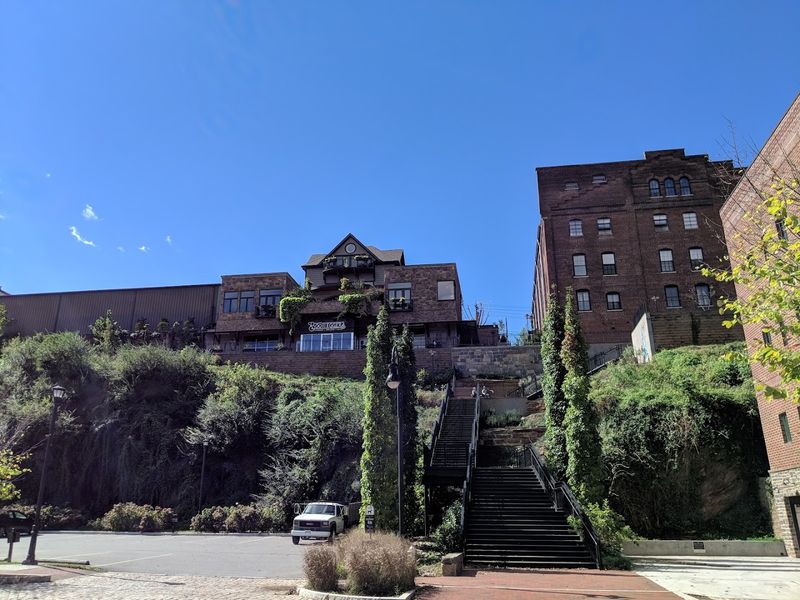
Few urban transformations in Virginia feel as organic and genuinely exciting as what has happened to downtown Lynchburg. Old tobacco warehouses and industrial mills that once defined a working river economy have been reimagined into loft apartments, local boutiques, creative studios, and buzzing neighborhood restaurants.
The result is a downtown that feels lived-in rather than manufactured. Nothing about it screams “tourist district” because it was built by and for the people who actually call this city home.
Walking along the riverfront, you pass century-old brick facades with modern glass storefronts tucked inside, a visual conversation between Lynchburg’s industrial past and its creative present. The James River Trail runs right through the heart of it, connecting walkers and cyclists to green spaces without ever losing sight of the skyline.
Energy here peaks on weekend mornings when local farmers markets set up, and the whole stretch comes alive with community. Lynchburg’s downtown revival is the kind of story other Virginia cities study and try to replicate.
Authenticity is the secret ingredient. No chain-heavy development killed the soul of this riverfront.
Instead, independent businesses thrived, and the area became a genuine reflection of the city’s creative, community-driven character that keeps pulling people back.
Point of Honor and the Stories Old Walls Tell
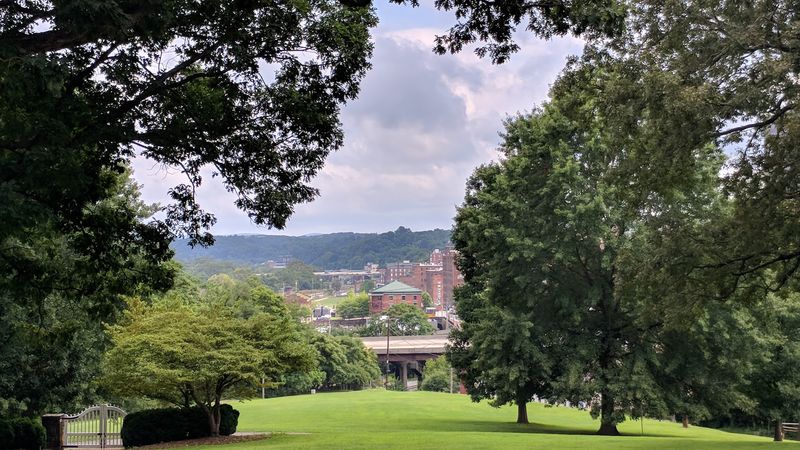
Point of Honor is the kind of place that stops you mid-stride. Perched on a bluff above the James River, this Federal-style mansion was built in the early nineteenth century and has been meticulously preserved to reflect the complex, layered history of early Virginia life.
The architecture alone commands attention, with its octagonal bays, elegant symmetry, and period-accurate furnishings filling every room. Walking through the house feels less like a museum tour and more like stepping into a living photograph of another era.
What makes Point of Honor genuinely compelling is how honestly it presents history. The stories told here do not shy away from difficult truths, and that commitment to accuracy gives the experience real weight and meaning.
Panoramic views of the James River from the property grounds are extraordinary, especially in the softer light of late afternoon. The combination of architectural beauty, historical depth, and natural scenery makes this one of the most rewarding stops in Lynchburg.
Virginia has no shortage of historic homes, but Point of Honor distinguishes itself through its interpretive quality and its dramatic setting. If you visit only one historic site during your time in the city, make it this one.
The experience genuinely lingers long after you leave.
Poplar Forest, Thomas Jefferson’s Quiet Masterpiece
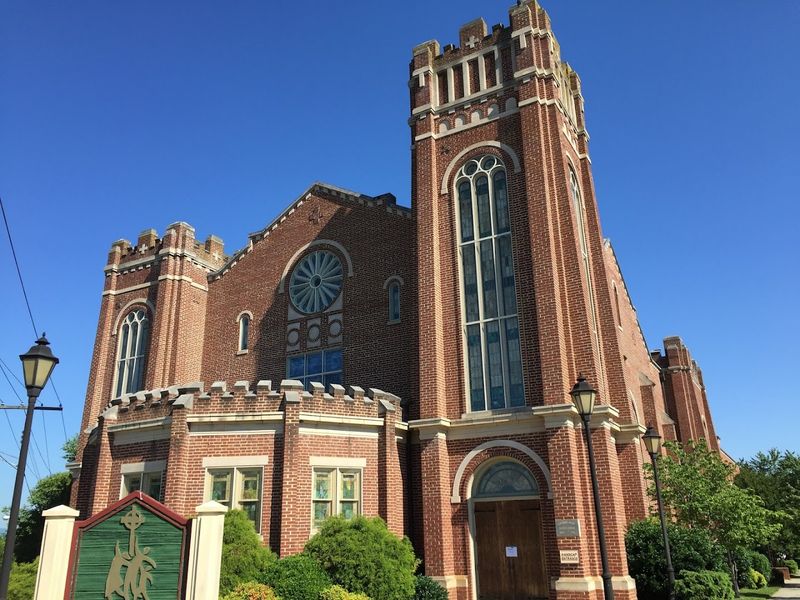
Most people know Thomas Jefferson through Monticello, but just outside Lynchburg sits his other architectural obsession, a neoclassical octagonal retreat called Poplar Forest. Jefferson designed it as a personal escape, a place where he could read, think, and breathe away from the constant demands of public life.
The geometry of the building is immediately striking. An octagonal floor plan, skylights, and carefully calculated proportions reveal a mind that treated architecture the way others treat poetry, as a deeply personal form of expression.
Ongoing archaeological work at the site continues to uncover new layers of history, making each visit slightly different from the last. The grounds themselves are beautiful, with mature trees and open fields that frame the house in a way that feels almost cinematic.
Poplar Forest sits just a short drive southwest of Lynchburg, making it an easy and very rewarding half-day excursion. The interpretive programming here is thoughtful and engaging, designed to spark genuine curiosity rather than just deliver dates and names.
Virginia holds many connections to America’s founding era, but few feel as intimate and personal as this one. Standing in a room Jefferson actually used regularly makes the history feel immediate and surprisingly human.
Do not skip this one.
Old City Cemetery, Where History Grows Slowly
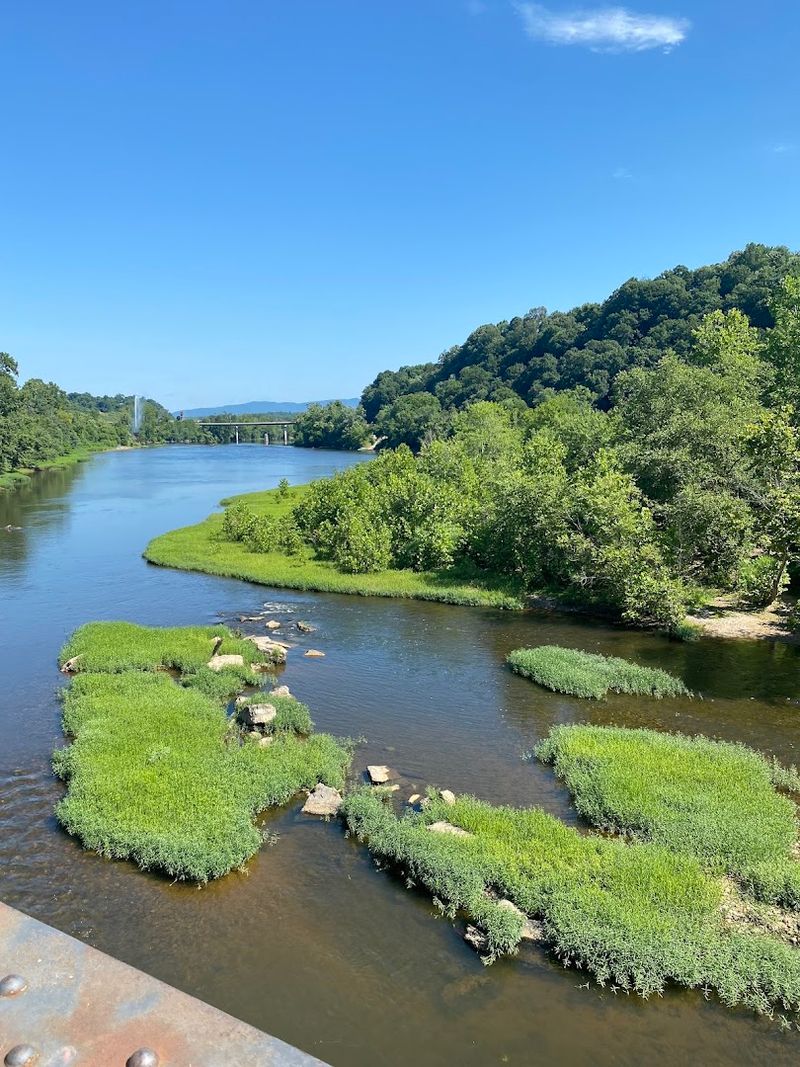
Cemeteries rarely make travel bucket lists, but Old City Cemetery in Lynchburg earns a genuine exception. Established in the early nineteenth century, it is one of the oldest municipal cemeteries in Virginia and contains an arboretum packed with heritage trees and a stunning collection of antique roses that bloom with serious intensity each spring.
The grounds are meticulously maintained and genuinely beautiful in all four seasons. Autumn turns the arboretum into a slow-burning masterpiece, while winter reveals the elegant bones of the historic monuments without any leafy distraction.
History here is layered and complex. The cemetery holds the graves of Confederate soldiers alongside those of formerly enslaved people, and the site’s interpretive programming addresses both with care and honesty.
It is the kind of place that makes you think long after you have left.
Lynchburg’s commitment to preserving and honestly interpreting this space says something meaningful about how the city engages with its own complicated past. That willingness to look directly at history, rather than around it, is refreshing.
Guided tours are available and highly recommended. The guides bring an enormous amount of context and personal knowledge to each walk, transforming what might seem like a quiet stroll into a genuinely moving experience through time and memory.
Legacy Museum of African American History in Lynchburg
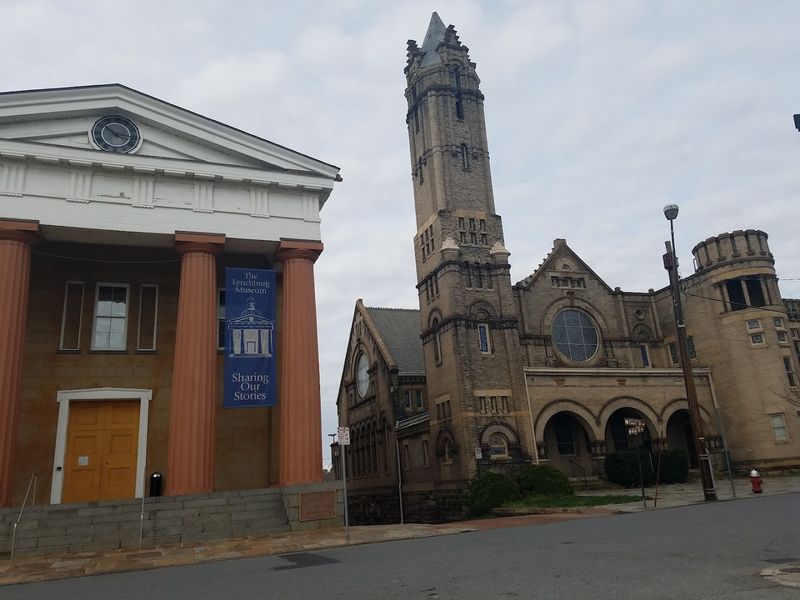
Right in the heart of Lynchburg sits the Legacy Museum of African American History, a cultural institution that tells essential stories about the Black community’s deep roots and enduring contributions in central Virginia. The museum occupies a historic building in the city’s older residential core, and the setting itself carries meaning.
Exhibits here move through time with purpose, beginning in the era of enslavement and tracing through Reconstruction, the Civil Rights movement, and into the present. The curation is thoughtful, layered, and emotionally honest without ever feeling exploitative or performative.
Local stories take center stage, which is exactly what makes this museum so valuable. National narratives of African American history are important, but the Legacy Museum roots those broader stories in Lynchburg’s specific soil, its specific streets, and its specific people.
Community engagement is central to how the museum operates. Programming, events, and rotating exhibitions keep the space feeling current and relevant rather than static.
This is not a place that simply preserves the past. It actively interprets it for the present.
Virginia’s history is inseparable from the history of African Americans who shaped it, resisted it, and transformed it. The Legacy Museum makes that truth impossible to look away from, and that is exactly what great cultural institutions are supposed to do.
Blue Ridge Mountains and the Trails That Actually Go Somewhere
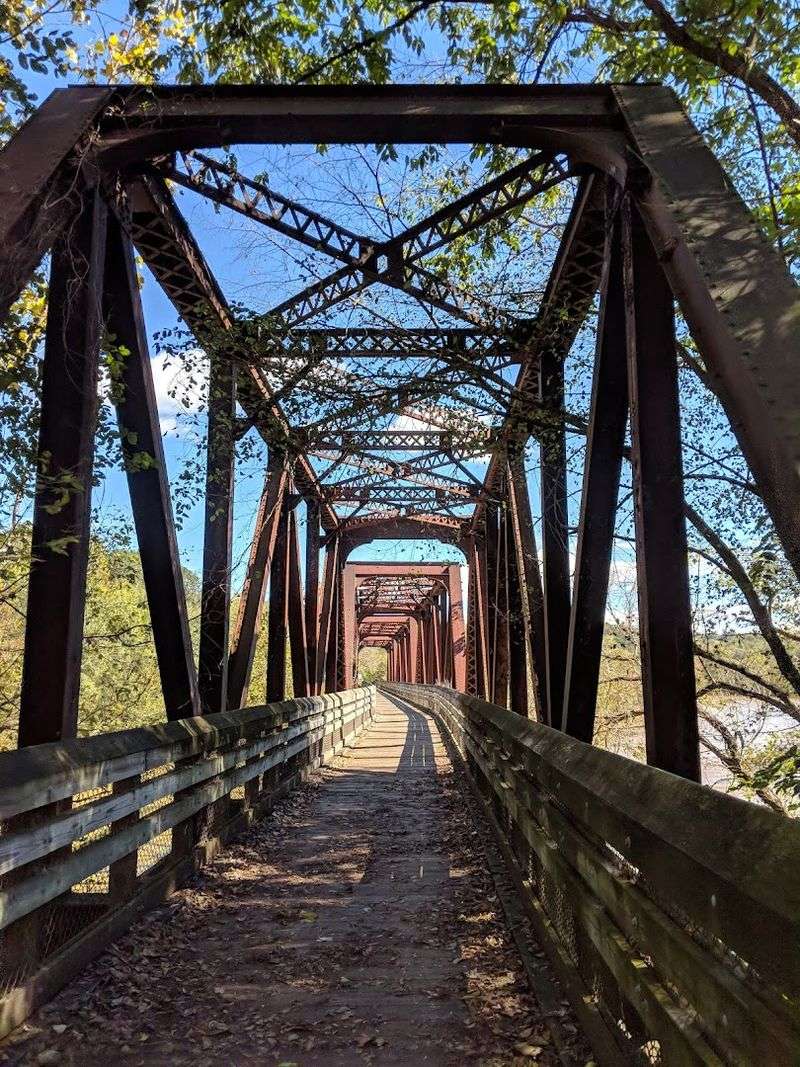
Lynchburg’s location at the eastern foot of the Blue Ridge Mountains is not just a geographic footnote. It is a daily invitation.
Within a short drive, you can be on trails that wind through some of the most visually dramatic terrain in all of Virginia, with ridge-top views that put the entire Piedmont into perspective.
The Appalachian Trail is accessible nearby, and the Blue Ridge Parkway rolls through the region with the kind of scenery that makes you pull over every ten minutes just to stare. Peak fall color season transforms these drives into something almost unreasonably beautiful.
For more local adventures, the city itself maintains an impressive urban trail network. Forty miles of trails connect parks, neighborhoods, and river access points, making Lynchburg genuinely walkable and cyclable in ways that most Virginia cities cannot claim.
Otter Creek Trail within the Jefferson National Forest is a particular favorite, following a stream through a rocky gorge with a payoff view at the end that feels completely disproportionate to the effort required to get there.
Outdoor culture here is not a seasonal trend. It is woven into everyday life.
Locals hike before work, cycle on lunch breaks, and paddle the James River on weekends. That relationship with the natural world gives Lynchburg a vitality that is impossible to fake.
Amazement Square, the Children’s Museum That Adults Also Love
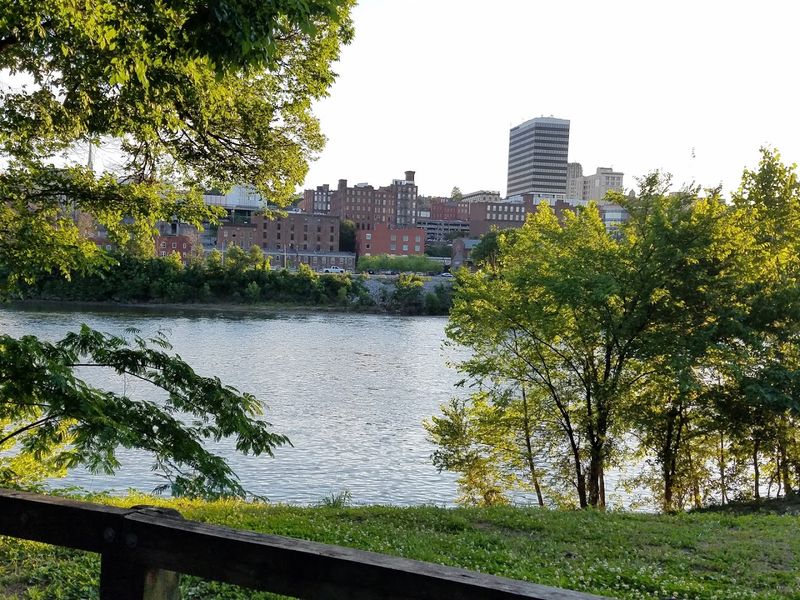
Amazement Square sits right along the James River in downtown Lynchburg, and calling it just a children’s museum severely undersells what is happening inside. The building is bright, imaginative, and architecturally playful, signaling immediately that whoever designed this space was thinking about joy as a primary objective.
The climbing tower visible from outside is a local landmark in its own right. Kids absolutely go wild for it, but the interactive exhibits inside are sophisticated enough to hold adult attention too.
The programming explores science, art, culture, and local history in ways that feel genuinely engaging rather than educational in a dry, dutiful sense.
Families visiting Lynchburg consistently point to Amazement Square as a highlight, and it is easy to understand why. The museum manages to be both intellectually stimulating and physically active, which is a combination that keeps energy levels high and boredom completely off the table.
Its location in the revitalized downtown core means you can combine a museum visit with a riverfront walk, a stop at a local cafe, and a browse through nearby shops without ever needing to get back in the car.
Lynchburg clearly invested in this space with serious intention. The result is a cultural anchor for families that also contributes to the broader energy and foot traffic that makes downtown feel so alive.
The University Scene and What It Adds to the City’s Pulse
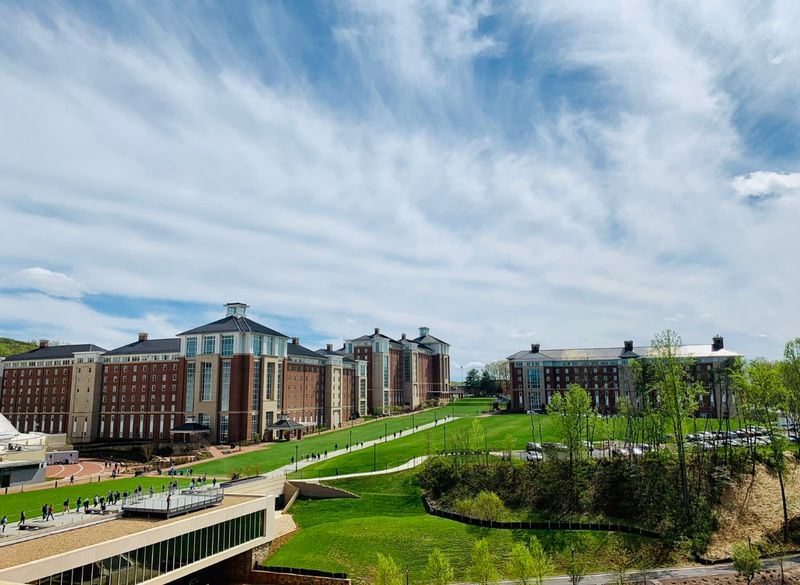
Lynchburg is a college city, and that reality shapes the atmosphere in the best possible ways. Liberty University, the University of Lynchburg, and Randolph College each bring distinct student populations, academic cultures, and community events that keep the city feeling intellectually alive and perpetually young.
Liberty University is one of the largest Christian universities in the world, and its campus is genuinely impressive in scale and ambition. The University of Lynchburg offers a more traditional liberal arts environment, while Randolph College brings a historic, intimate campus with a strong arts and sciences tradition.
This concentration of higher education creates a restaurant scene, a music scene, and a community events calendar that punches well above the city’s size. Independent bookshops, coffee houses, art galleries, and performance venues thrive here in part because the student population demands them.
Beyond commerce, the universities contribute research, community service, and civic engagement that strengthen the entire city. Lynchburg benefits from a constant influx of curious, energetic people who are genuinely invested in the place they have chosen to spend their formative years.
Virginia has many college towns, but Lynchburg’s combination of three distinct institutions gives it an unusually rich and varied intellectual culture. That diversity of perspective makes the city feel broader and more interesting than its geographic footprint might suggest.
Plan Your Visit to Lynchburg, Virginia
Getting to Lynchburg is straightforward from most of Virginia’s major population centers. The city sits within comfortable driving distance of Richmond, Roanoke, and Charlottesville, making it a natural weekend destination that does not require any complicated logistics or exhausting travel days.
The best seasons to visit are spring and fall, when the Blue Ridge foliage is either blooming or blazing and the temperatures make outdoor exploration genuinely enjoyable. Summer brings a full calendar of outdoor events and river activities, while winter strips the landscape to its most dramatic, elemental form.
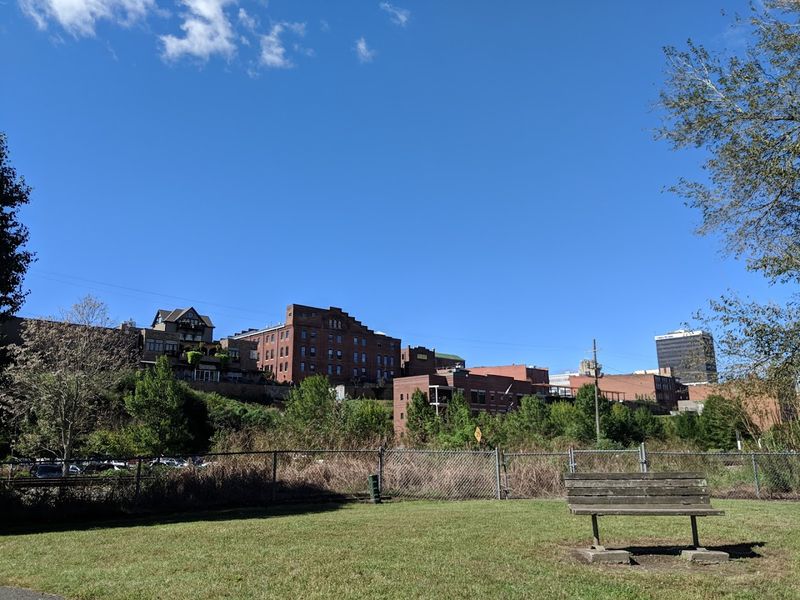
Downtown Lynchburg is the natural base for any visit. The concentration of restaurants, historic sites, riverfront access, and walkable neighborhoods means you can cover a surprising amount of ground without ever needing to drive.
A long weekend is enough to hit the highlights, but the city rewards slower, more curious exploration over several days.
The address for the city’s official visitor information is Lynchburg, Virginia, and the city website at lynchburgva.gov is a solid starting point for current events, trail maps, and attraction details.
Pack your curiosity, leave your coastal expectations at home, and give Lynchburg the full attention it deserves. This hillside city in Virginia has been doing its own remarkable thing for a long time.
Now is a great time to finally show up and see it for yourself.
