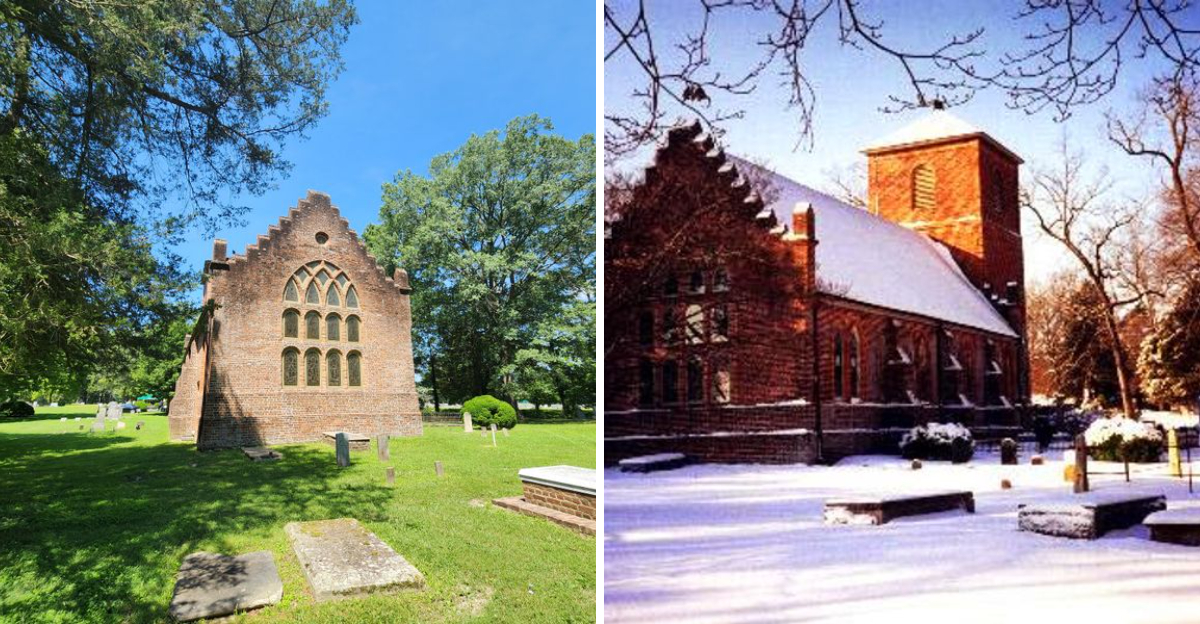
Picture this: a brick church standing proud since the days when Jamestown was still finding its footing, where the original stained glass still catches the light just like it did centuries ago. Welcome to Historic St. Luke’s Church in Smithfield, Virginia, a jaw-dropping survivor from the 1600s that’ll make your history-loving heart skip a beat.
Tucked away at 14477 Benns Church Blvd, this architectural marvel isn’t just old, it’s America-old, and it’s begging you to step inside its storied walls. Whether you’re a history buff, architecture enthusiast, or just someone who appreciates a good time-travel moment, this little gem delivers big time.
The knowledgeable guides, peaceful cemetery walks, and that unmistakable feeling of standing where colonial Virginians once stood make every visit unforgettable. Ready to explore one of Virginia’s most treasured landmarks?
Let’s go!
Virginia’s Oldest Standing Church Building
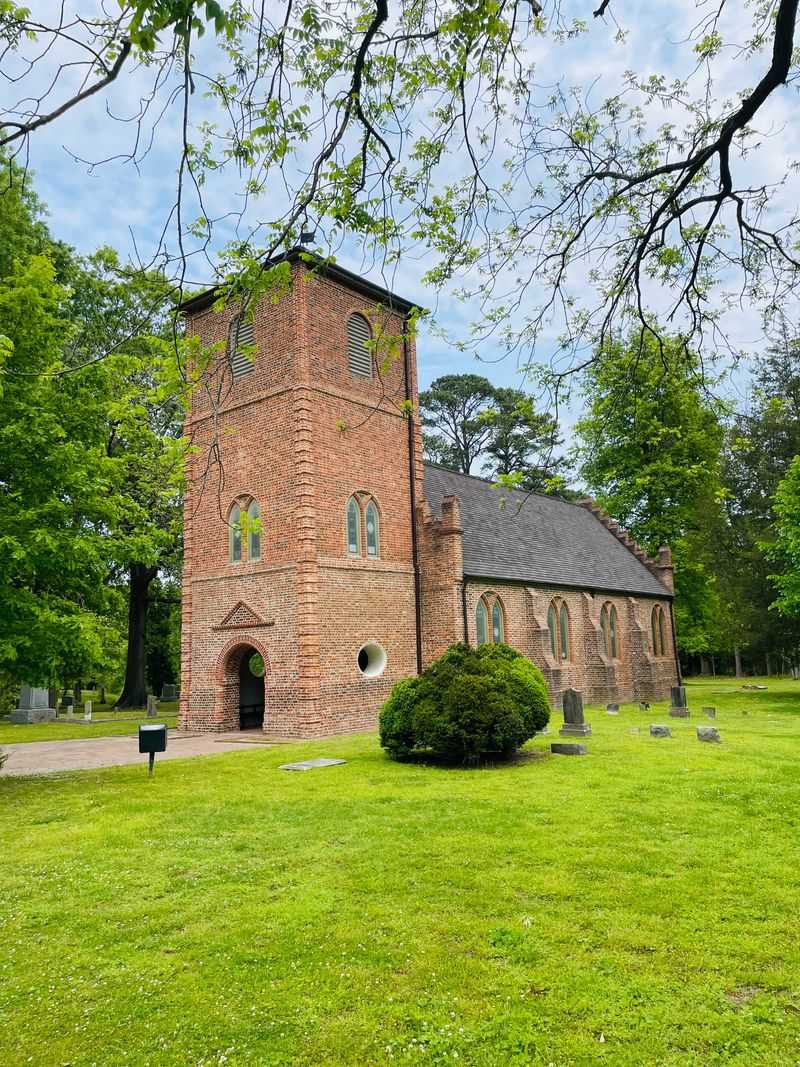
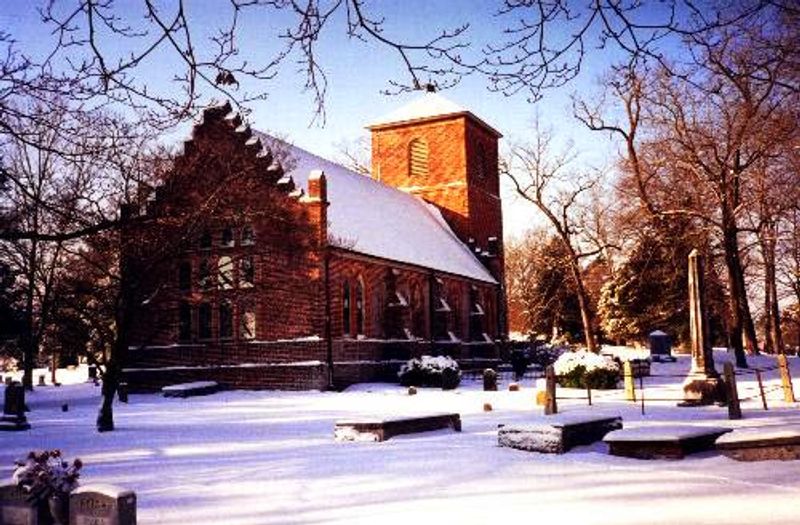
Forget everything you thought you knew about colonial architecture because Historic St. Luke’s Church rewrites the rulebook. Built during the late 1600s, this brick beauty holds the title as Virginia’s oldest surviving church structure, a crown it wears with serious style.
Walking up to those ancient walls feels like cracking open a time capsule. The bricks themselves whisper stories of craftsmen who shaped them by hand, long before power tools were even a twinkle in anyone’s eye.
What makes this place truly mind-blowing is how much of the original structure remains intact. Many colonial buildings got demolished or renovated beyond recognition, but St. Luke’s kept its authentic character through careful preservation.
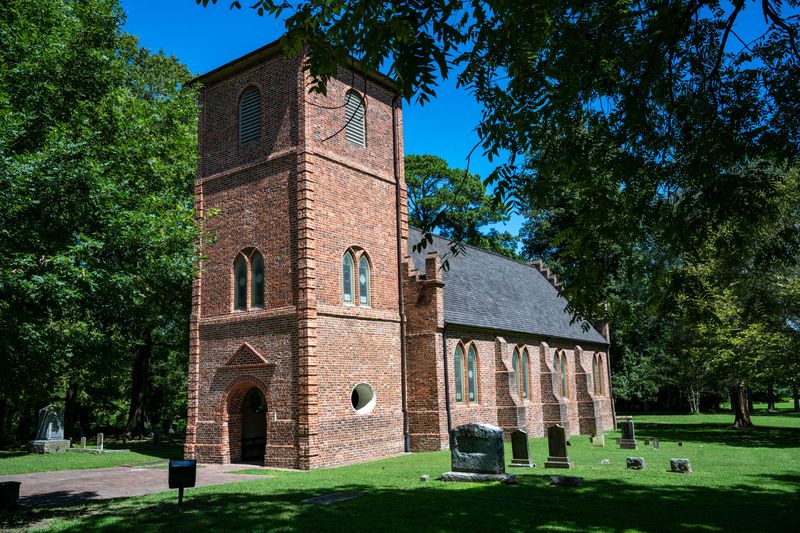
Experts and historians geek out over the architectural details that prove its 17th-century origins. Buttresses, Gothic-inspired windows, and construction techniques all point to a building that predates most American landmarks you’ve ever heard of.
Visiting here isn’t just about seeing an old building. It’s about connecting with the earliest chapters of American history, standing exactly where colonists gathered for worship generations before the Revolutionary War even started.
Pretty incredible, right?
Guided Tours That Bring History to Life
Ever had a tour guide so passionate they made history feel like the coolest story ever told? That’s exactly what happens at St. Luke’s, where knowledgeable guides transform your visit into an unforgettable adventure.
Reviewers consistently rave about guides like Brenden, Maggie, John, and Leslie, whose enthusiasm is downright contagious. These folks don’t just recite facts; they paint vivid pictures of colonial life that make you feel like you’ve stepped back in time.
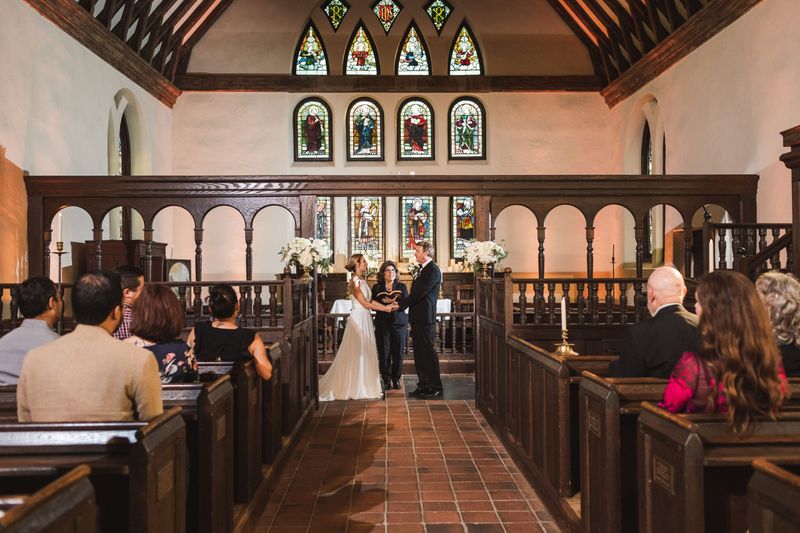
Tours take you through the church interior, pointing out original features and explaining how worship services unfolded centuries ago. The guides eagerly answer questions, tailoring their presentations to what interests your group most.
Audio tour options also exist for visitors who prefer exploring at their own pace. The self-guided experience comes wonderfully narrated with detailed information, letting you linger wherever curiosity strikes hardest.
Whether you book a private tour or join a scheduled group, expect to leave with your brain buzzing with fascinating details. The guides’ soft-spoken yet engaging delivery style makes complex historical concepts accessible and entertaining for all ages.
Stunning Gothic-Inspired Architecture
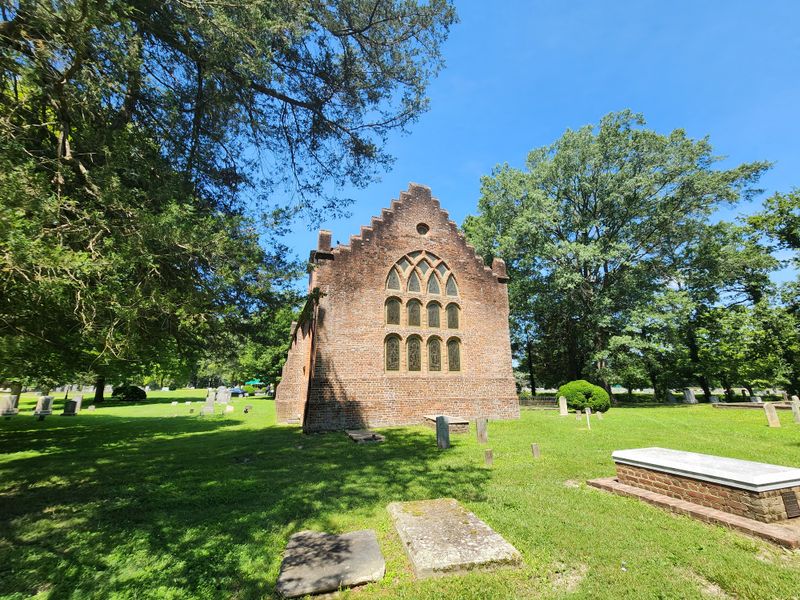
Buttresses jutting from brick walls, tracery windows reaching skyward, steep roof angles that defy the ordinary… St. Luke’s architectural vocabulary speaks fluent Gothic, a rarity among American colonial structures.
Most churches built in colonial Virginia followed simpler designs, but St. Luke’s incorporated European medieval elements that set it dramatically apart. Those flying buttresses aren’t just decorative; they’re engineering marvels supporting the structure through centuries of weather and wear.
The pointed arch windows create an atmosphere of reverence inside while flooding the space with natural light. Original glass panes still survive in some windows, offering views through the same material colonists gazed through hundreds of years ago.
Architecture enthusiasts go absolutely bonkers over the construction techniques visible throughout the building. Flemish bond brickwork, handmade nails, and timber framing showcase craftsmanship that modern builders study and admire.
Standing beneath those soaring ceilings, you can’t help but appreciate the ambition of builders who created something so magnificent with such limited tools. Every angle, every detail screams quality and permanence, a testament to their incredible skill and vision.
Peaceful Historic Cemetery Grounds
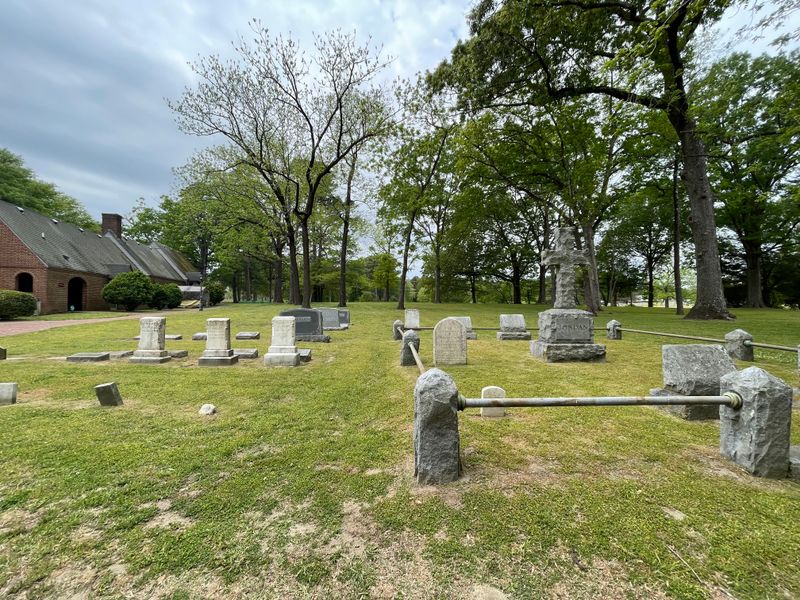
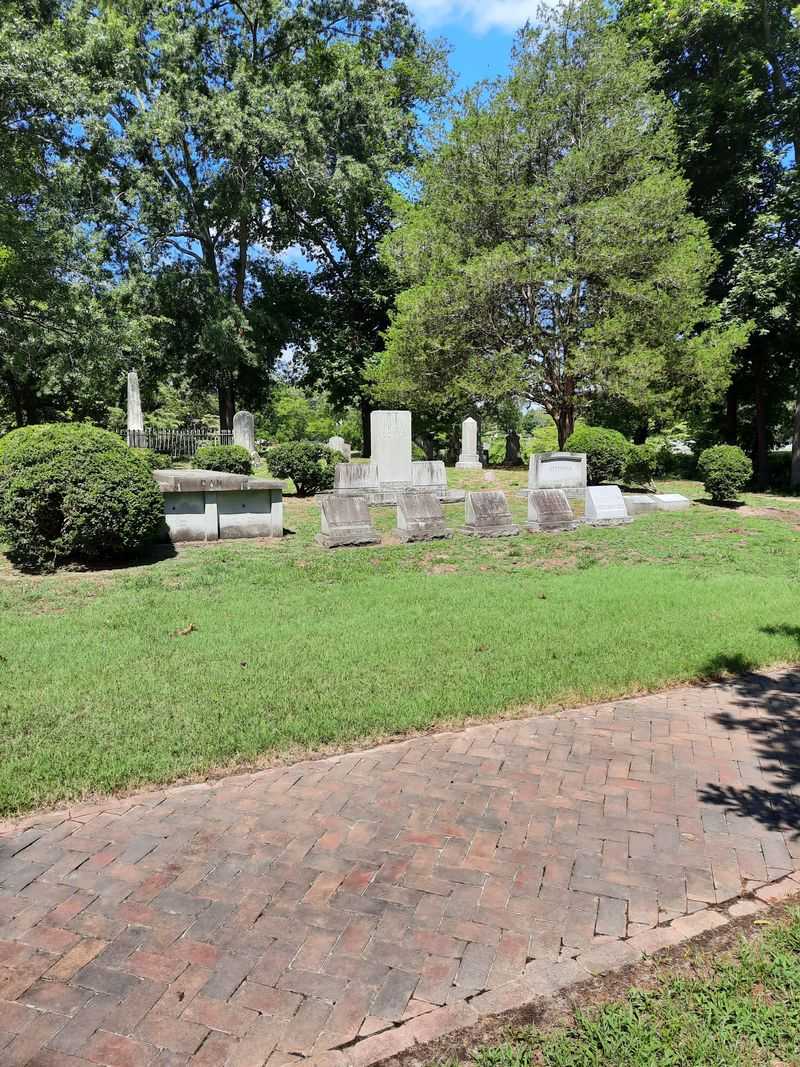
Wandering through St. Luke’s cemetery feels like reading Virginia’s family album, one weathered tombstone at a time. Graves dating back before the church’s construction create a timeline of early American life that history books can’t quite capture.
The grounds are impeccably maintained, with pathways making it easy to explore while respecting the sacred space. Moss-covered markers, tilted stones, and faded inscriptions tell silent stories of colonists, farmers, and families who shaped this region.
Reading the tombstones becomes oddly fascinating as you piece together relationships, notice naming patterns, and calculate ages. Some stones feature intricate carvings while others remain simple, reflecting the personalities and circumstances of those remembered.
Many visitors find the cemetery walk unexpectedly moving and contemplative. There’s something profound about standing where generations of Virginians were laid to rest, their lives bookended by dates that feel impossibly distant yet somehow still present.
The cemetery isn’t spooky or sad; it’s serene and beautiful, offering a quiet space for reflection. Special twilight cemetery tours happen seasonally, adding an extra layer of atmosphere for those seeking a more immersive historical experience.
Museum and Gift Shop Experience
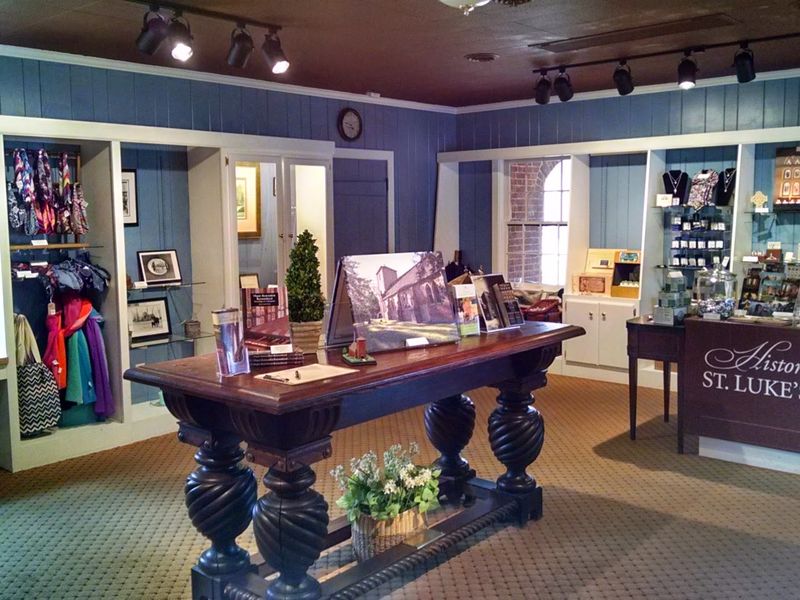
Before or after your church tour, the on-site museum and gift shop provide the perfect bookends to your visit. The museum portion offers exhibits explaining colonial religious life, church history, and the fascinating restoration journey.
Interactive displays and artifacts help contextualize what you’re seeing in the church itself. Learning about the restoration process reveals just how close this treasure came to being lost forever, making its survival even more remarkable.
The gift shop stocks thoughtful souvenirs that go beyond typical tourist trinkets. Books about colonial Virginia, locally made items, and church-themed keepsakes give you affordable options for taking home a piece of the experience.
Staff members at the museum desk are friendly and helpful, ready to answer questions or point you toward additional resources. Their genuine enthusiasm for the site’s mission shines through every interaction.
Proceeds from gift shop purchases support the church’s ongoing preservation and educational programs. Knowing your souvenir money helps protect this national treasure makes that commemorative ornament or history book feel even more meaningful.
Supporting preservation never looked so good!
Religious Freedom and Colonial Government
Here’s something your high school history teacher might have glossed over: colonial Virginia’s Anglican church wasn’t just about Sunday services. Church vestries functioned as local government, blending religious and civic authority in ways that shaped early American society.
St. Luke’s tells this complex story beautifully, explaining how church and state intertwined during colonial times. Understanding this context makes the eventual push for separation of church and state even more significant and historically fascinating.
Executive Director John Ericson is recognized as an authority on colonial Virginia religion, offering free lectures that dive deep into these topics. His presentations illuminate how faith influenced everything from laws to social structures in early America.
The church serves as a tangible reminder of Christianity’s pervasive role in colonial life, particularly in Virginia where Anglicanism was established religion. This wasn’t just New England Puritans; southern colonies had their own rich religious histories worth understanding.
Exploring these themes adds intellectual depth to your visit beyond simply admiring old architecture. You’ll leave with fresh appreciation for how religious freedom evolved and why those early American debates still echo through modern society.
Beautiful Grounds and Photo Opportunities
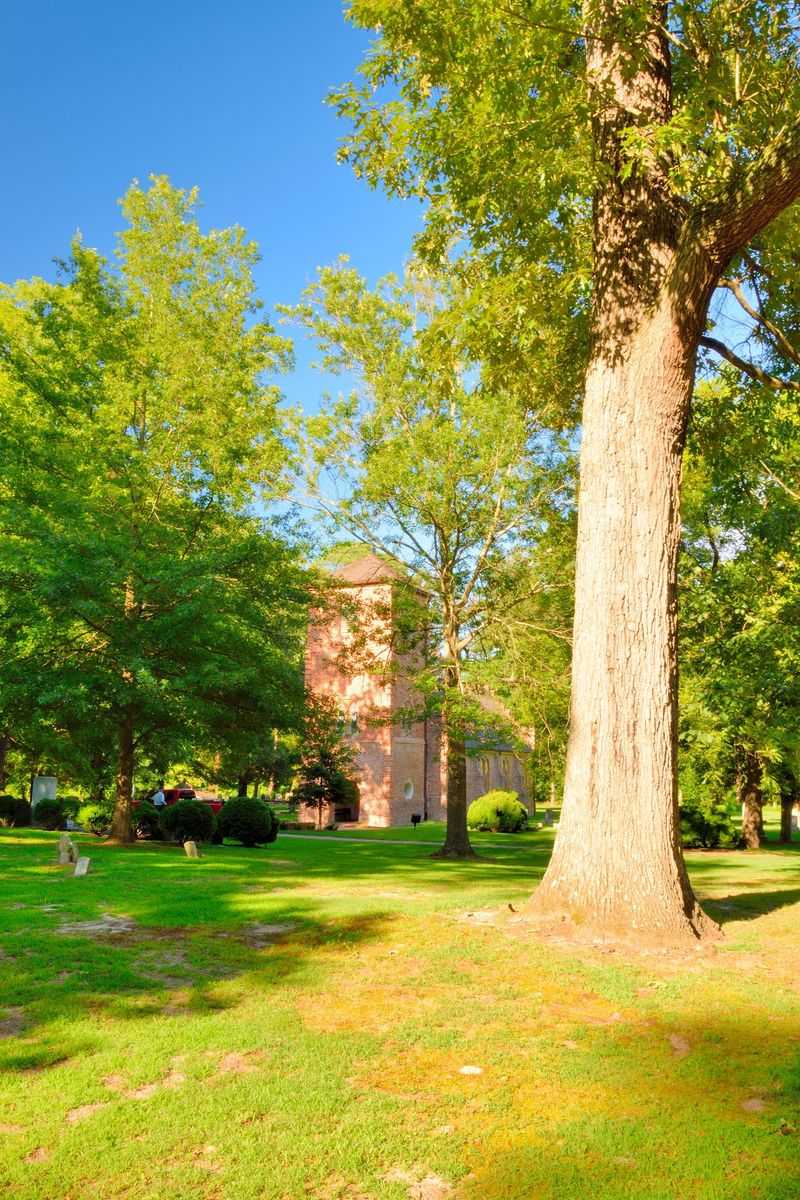
Photographers and Instagram enthusiasts, prepare for serious memory-card-filling action. The 43-acre historic site offers countless stunning backdrops, from the church’s dramatic brick exterior to the sun-dappled cemetery paths.
Couples have chosen St. Luke’s as their wedding venue precisely because the grounds photograph like an absolute dream. Imagine saying vows with centuries-old architecture behind you, then capturing golden-hour portraits among ancient trees and historic markers.
The landscape design balances natural beauty with respectful maintenance. Mature trees provide shade and character, while carefully tended grass and gardens keep everything looking magazine-worthy without feeling overly manicured.
Seasonal changes bring different photographic moods: spring blooms, summer greenery, autumn colors, winter starkness. Each visit offers new visual perspectives, making this a spot worth returning to throughout the year.
Even if you’re not a professional photographer, you’ll snap fantastic shots here. The aesthetic beauty alone justifies the trip, and those pictures become treasured reminders of your brush with living history.
Just remember to be respectful in cemetery areas while getting those perfect angles!
Accessible and Family-Friendly Visits
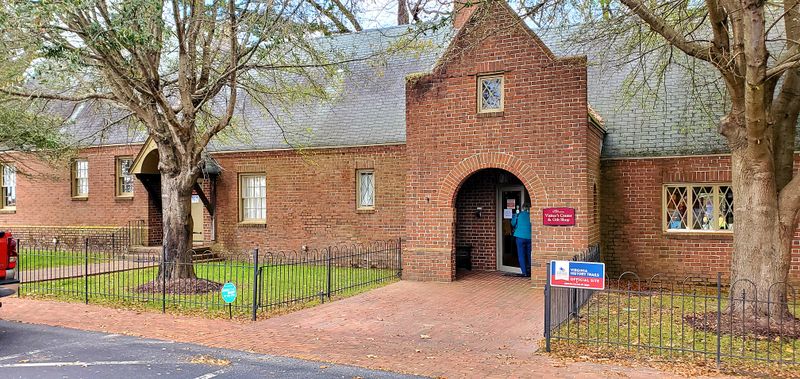
Worried about bringing kids or visitors with mobility concerns? St. Luke’s makes history accessible to everyone, with thoughtful accommodations that don’t compromise the authentic experience.
The site participates in the Museums for All program, offering reduced admission to qualifying families. This commitment to accessibility ensures economic barriers don’t prevent anyone from experiencing this incredible piece of American heritage.
Pathways throughout the grounds are well-maintained and navigable, though the historic nature means some areas require reasonable mobility. Staff members go out of their way to accommodate different needs and pacing preferences.
Families with children find the tours engaging rather than boring, thanks to guides who know how to make colonial history relatable for younger audiences. The combination of outdoor exploration and indoor discovery keeps attention spans happy.
Pet owners will love knowing that well-behaved dogs are welcome on the grounds. One reviewer mentioned bringing their dog Bear along, which adds an extra dimension of enjoyment for animal-loving visitors.
History and puppy time? That’s what we call a perfect afternoon!
Proximity to Downtown Smithfield
Location, location, location! St. Luke’s sits just ten minutes from downtown Smithfield, making it ridiculously easy to combine your historical exploration with small-town shopping and dining adventures.
After soaking up centuries of church history, you can stroll through Smithfield’s charming downtown area. Locally owned shops, restaurants serving regional specialties, and that quintessential small-town Virginia vibe provide the perfect complement to your cultural outing.
This proximity means you can easily fill an entire day in the area without feeling rushed or dealing with long drives between attractions. Morning church tour, afternoon downtown exploration, maybe some waterfront relaxation… sounds like a winning itinerary!
The town itself carries historical significance beyond the church, with buildings and sites worth discovering. Making St. Luke’s your anchor attraction opens doors to understanding the broader regional history and character.
Visitors consistently mention enjoying this combination in their reviews, suggesting the church-plus-town pairing creates a more complete experience. You’re not just seeing one isolated landmark; you’re experiencing a living community that values and celebrates its rich colonial roots and ongoing story.
Special Events and Educational Programs
St. Luke’s isn’t some dusty relic that only opens for occasional tours. The site buzzes with special events, lectures, workshops, and programs that keep history feeling fresh and relevant year-round.
Cemetery preservation workshops teach hands-on skills for maintaining historic burial grounds, attracting volunteers and history enthusiasts eager to learn traditional techniques. These practical sessions connect participants directly with preservation work that protects our shared heritage.
Academic lectures cover fascinating topics like “Witches of Colonial Virginia,” delivered by experts who make scholarly research accessible and entertaining. The free lecture series, often led by Executive Director John Ericson, draws crowds hungry for deeper historical understanding.
Seasonal events like twilight cemetery tours add atmospheric experiences that showcase the grounds in different lights, literally and figuratively. These special programs create reasons to visit multiple times, discovering new dimensions with each return.
Following their social media, website, and newsletter keeps you updated on upcoming opportunities. The active programming calendar proves St. Luke’s isn’t just preserving the past; they’re actively engaging contemporary audiences in meaningful dialogue with history.
Now that’s what we call bringing the 1600s into the 2020s with style!
Dear Reader: This page may contain affiliate links which may earn a commission if you click through and make a purchase. Our independent journalism is not influenced by any advertiser or commercial initiative unless it is clearly marked as sponsored content. As travel products change, please be sure to reconfirm all details and stay up to date with current events to ensure a safe and successful trip.
