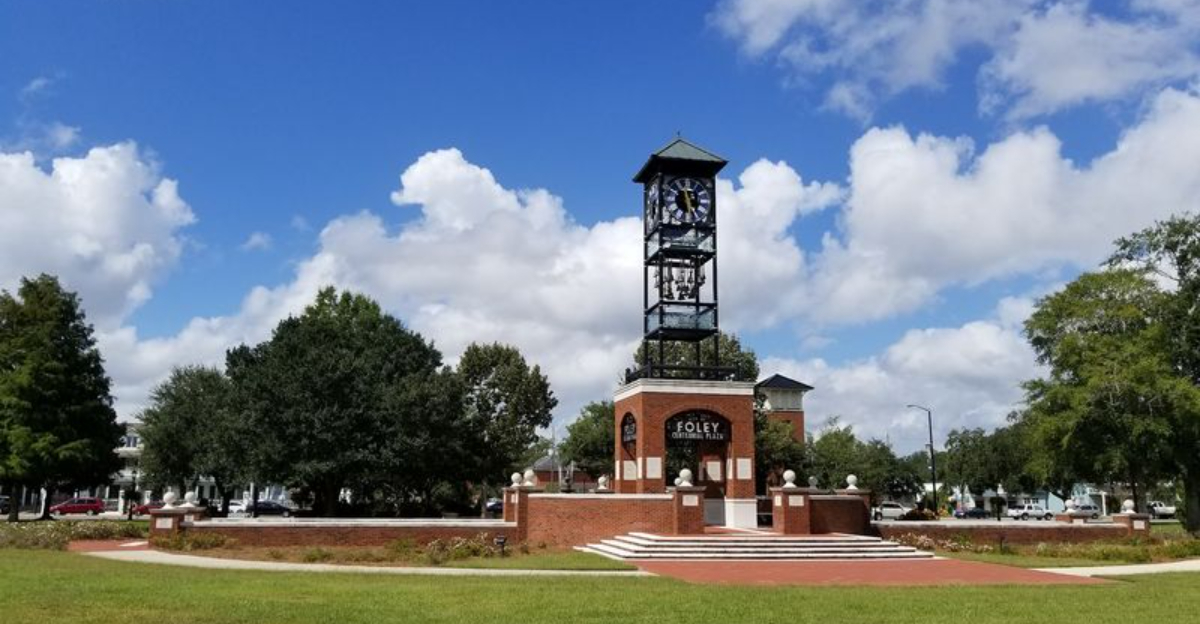
Foley, Alabama is one of those places that surprises you the moment you arrive. Sitting just a short drive from the Gulf Coast, this small city carries a big personality rooted in history, charm, and Southern warmth.
From antique shops lining its downtown streets to preserved landmarks that tell the story of Baldwin County, Foley offers something genuinely memorable for every kind of traveler.
Visitors can explore local museums, enjoy unique shopping experiences, discover hidden gems, and soak up the slower pace that makes this community so inviting.
Whether you are planning a weekend getaway, passing through on a coastal road trip, or simply looking for a place with plenty of character, this destination delivers a mix of relaxation and discovery.
If you have been searching for a town that feels welcoming, authentic, and full of surprises, this is one worth adding to your list.
Plan Your Hunt For Hidden Treasures In Downtown Foley Shops
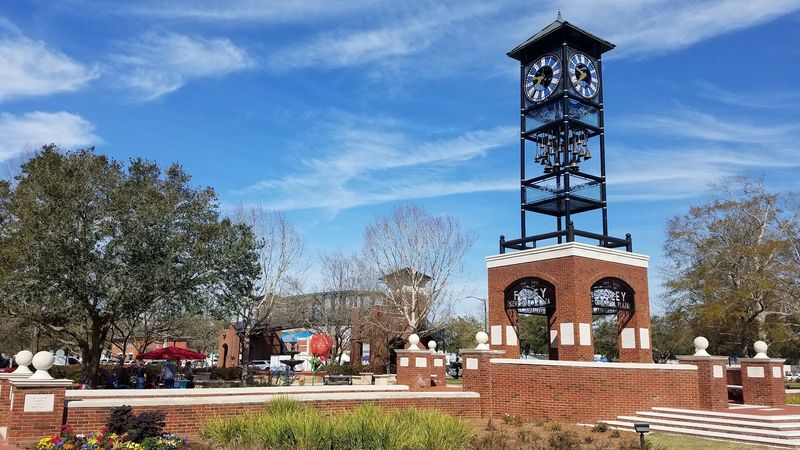
Some towns have a reputation that walks in before they do. Foley, Alabama carries the proud title of the Antique Capital of Alabama, and once you start exploring its downtown shopping district, you will understand exactly why that title fits so well.
Multi-vendor stores and specialty antique shops line the streets, each one packed with a different mix of collectibles, vintage furniture, retro kitchenware, and one-of-a-kind finds. Your Mom’s House at 1919 S McKenzie St offers a fun and eclectic selection of secondhand goods that keeps browsers coming back.
Antiques on Alston at 323 S. Alston St. draws collectors looking for more curated pieces with real history behind them.
The Gift Horse Antique Centre at 211 W. Laurel Ave. rounds out the experience with a wide floor plan full of items ranging from Depression-era glassware to mid-century decor.
Every shop has its own personality, so no two stops feel the same. Serious collectors and casual weekend browsers both find something worth taking home.
What makes this district feel special is the unhurried pace. Nobody rushes you out.
Shop owners know their inventory and love sharing stories about where pieces came from. Budget a full morning or afternoon here because time moves differently when you are surrounded by decades of history sitting on open shelves waiting to be rediscovered.
Come Learn History At The Old Train Depot Museum
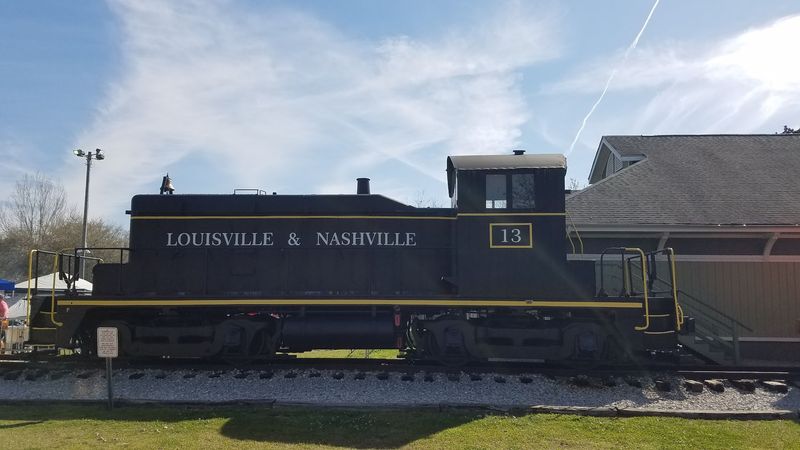
Not every museum grabs your attention from the moment you walk through the door, but the Foley Railroad Museum does exactly that. Housed in the original Louisville and Nashville railroad depot at 125 E.
Laurel Ave., the building itself tells a story before you even read a single display panel.
The depot was central to Foley’s growth as an agricultural hub in the early 1900s. Farmers and merchants depended on the rail line to move goods across the region.
Photographs, documents, and memorabilia inside the museum trace that era with surprising depth and clarity.
The standout attraction is the massive 60×20-foot O-gauge Model Train Exhibit. It features a quarter mile of track running through a detailed miniature landscape.
Watching the trains move through tiny towns and over small bridges brings out the kid in just about everyone who visits.
Outside, Heritage Park provides a pleasant green space where you can take a free ride on the Charles Ebert Express II, a small train that loops the park grounds. Families with young children especially enjoy this part.
The combination of indoor history and outdoor fun makes this stop one of the most complete experiences in downtown Foley. It is genuinely hard to leave without feeling like you learned something new and had a good time doing it.
Make Time For Medical History At Holmes Museum
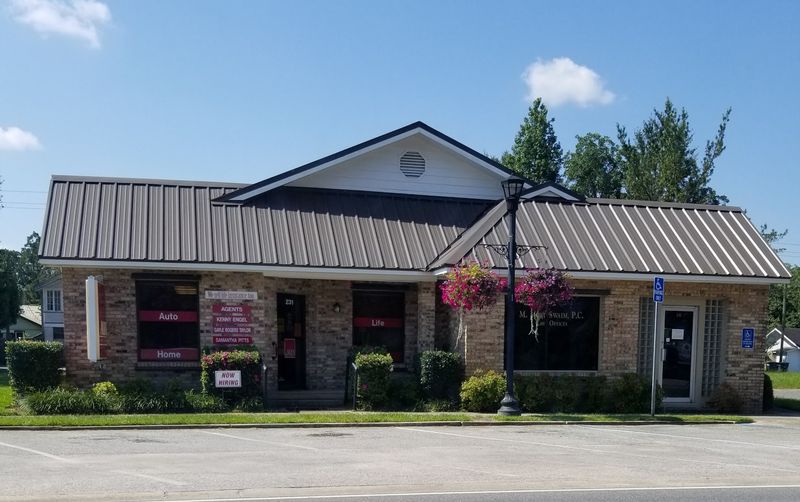
Most towns do not preserve their medical history the way Foley has. The Holmes Medical Museum at 111 West Laurel Avenue stands as a quiet but fascinating tribute to healthcare in Baldwin County during the early twentieth century.
The building opened as the county’s first hospital back in 1936, and it has been carefully maintained ever since.
Walking through the exhibit spaces feels like stepping into a different era of medicine entirely. Recreated operating rooms show the tools and techniques doctors used decades ago.
Patient areas are staged with period-accurate furniture and equipment that makes the history feel tangible rather than distant.
The old pharmacy section is particularly interesting. Glass cases hold rows of antique medicine bottles, prescription tools, and dispensing equipment that look nothing like what you would find in a modern drugstore.
Reading the labels on some of those old remedies is both fascinating and a little eye-opening.
Admission is affordable, and the museum is small enough that you can see everything without feeling rushed or overwhelmed. Volunteers on site often add personal context to the exhibits, sharing details that go beyond what the display cards cover.
History enthusiasts and anyone curious about how communities cared for their sick before modern medicine will find this stop genuinely rewarding. It is a lesser-known gem that deserves far more attention than it typically receives from first-time visitors to Foley.
Try Coastal Trails At Graham Creek Nature Preserve
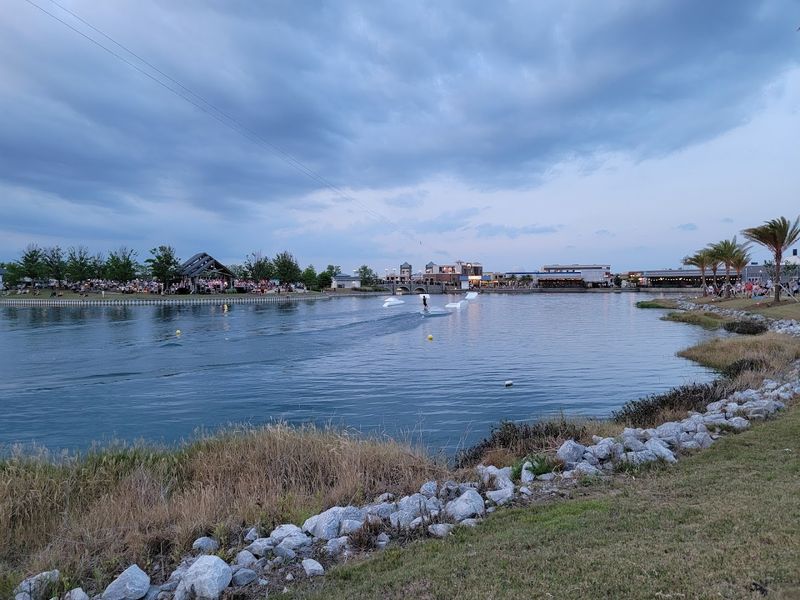
Outdoor lovers often overlook Foley when planning a coastal Alabama trip, but Graham Creek Nature Preserve gives every reason to stop and lace up your hiking boots.
Spanning over 600 acres of protected land, this preserve offers a genuine escape from the noise of everyday life without driving far from downtown.
The interpretive center at 23030 Wolf Bay Drive serves as a helpful starting point. Staff there can point you toward trails that match your fitness level and interests.
Whether you want a short nature walk or a longer trek, the trail options accommodate a wide range of visitors.
More than 10 miles of marked and unmarked trails wind through diverse coastal Alabama habitats. Pine forests give way to tidal marshes, and the transition between ecosystems makes every stretch of trail feel a little different from the last.
Birdwatchers find this preserve especially rewarding during migration season.
Mountain bikers also use the trail system, so the preserve draws a mix of visitors throughout the year. The terrain stays mostly flat, which keeps the experience accessible for families and older hikers.
Bring water, sunscreen, and bug spray during warmer months because the Gulf Coast heat is real and the trails offer limited shade in open sections. Mornings are the best time to visit for cooler temperatures and the best chance of spotting wildlife moving through the preserve before the day heats up.
You Should Walk The Downtown Historic District
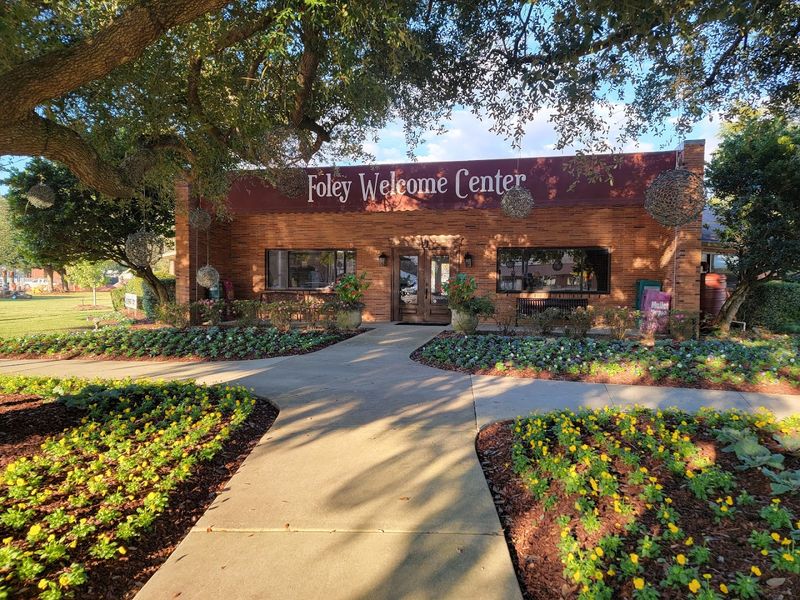
Few things connect you to a place like walking its oldest streets. The Foley Downtown Historic District earned a spot on the National Register of Historic Places in 2005, and that recognition reflects just how well the city has preserved its architectural character over the decades.
Free walking tours often begin at the Foley Welcome Center at 104 N. McKenzie St. These guided experiences highlight landmarks that casual visitors might otherwise walk right past.
Centennial Plaza and the historic Foley Hotel building are two standouts that come up repeatedly on the tour route.
The architecture along the main commercial corridor reflects the early twentieth century boom period when Foley grew quickly as an agricultural and trade center.
Red brick facades, wide sidewalks, and carefully restored storefronts give the district a cohesive look that feels authentic rather than manufactured for tourism.
Even without a guided tour, the district rewards slow exploration on foot. Peek into shop windows, read the historical markers posted along the route, and take time to notice the smaller architectural details like decorative cornices and vintage tile work near building entrances.
The scale of downtown Foley is very walkable, meaning you can cover most of it comfortably in a couple of hours. Mornings on weekdays tend to be quieter, giving you more space to move and look around without crowds.
This is the kind of historic district that makes you genuinely glad you took the time to look up from your phone.
Skip The Chain And Visit Stacey’s Soda Fountain
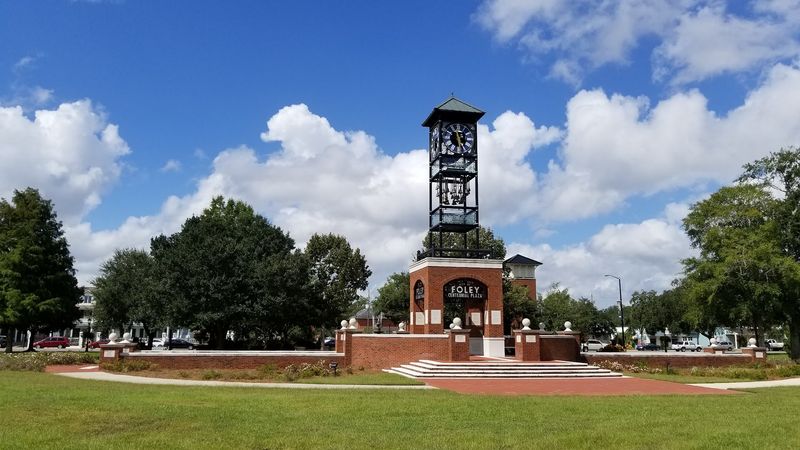
There is something deeply satisfying about sitting down at a counter that has been serving customers since 1929. Stacey’s Olde Tyme Soda Fountain at 121 West Laurel Avenue is not trying to look retro.
It simply never stopped being the real thing, and that authenticity comes through in every detail of the space.
The menu leans into classic American soda fountain tradition. Handmade milkshakes, malts, ice cream sodas, and sundaes are crafted the old-fashioned way without shortcuts or premixed bases.
The flavors are straightforward and honest, the kind that remind you why these treats became beloved in the first place.
The physical space adds to the charm. Vintage decor, a traditional counter setup, and the general atmosphere of the place make it feel like time slowed down just inside these walls.
Families, couples, and solo travelers all seem equally comfortable settling in for a few minutes of sweetness and quiet.
Located in the heart of downtown, Stacey’s makes a natural midpoint stop during a walking tour of the historic district. After an hour or two of browsing antique shops or reading historical markers, a cold handmade treat hits differently than anything from a drive-through ever could.
The staff keeps things simple and friendly, which fits the spirit of the place perfectly. This is the kind of neighborhood institution that every small town hopes to have and that visitors end up talking about long after they leave Foley.
Do Not Miss The World War Two Heritage Exhibit
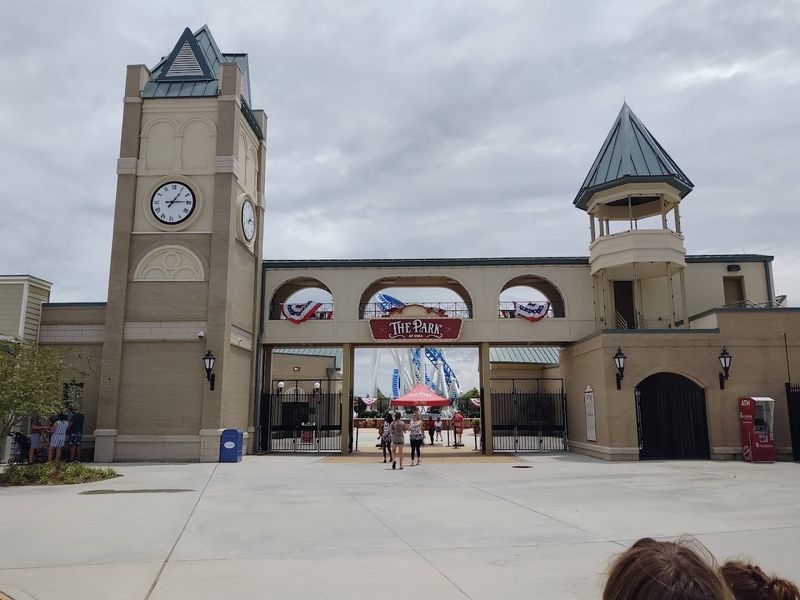
Foley holds a distinction that most people outside of Alabama do not know about. The city is one of only 38 cities nationwide designated as an American World War II Heritage City by the National Park Service.
That recognition is not handed out lightly, and the story behind it is worth understanding.
The exhibit dedicated to this history lives inside the Foley Railroad Museum at 125 E. Laurel Ave. It focuses heavily on Barin Field, a Naval Air Station that operated near Foley during the war years.
The base trained thousands of Navy pilots who went on to serve in the Pacific and Atlantic theaters.
Rare photographs from the Barin Field era show the scale of what was happening in this small Alabama city during the early 1940s. Authentic uniforms, equipment, and personal items from service members add texture to a story that photographs alone cannot fully capture.
Reading through the personal histories connected to the base makes the exhibit feel human rather than just institutional. These were young men training in the skies above Baldwin County before shipping out to one of the most consequential conflicts in modern history.
The exhibit does not dramatize or oversell the story. It presents the facts clearly and lets the history carry the weight on its own.
For anyone interested in American military history or World War II aviation, this stop in Foley offers a surprisingly rich and moving experience that stands on its own merits.
