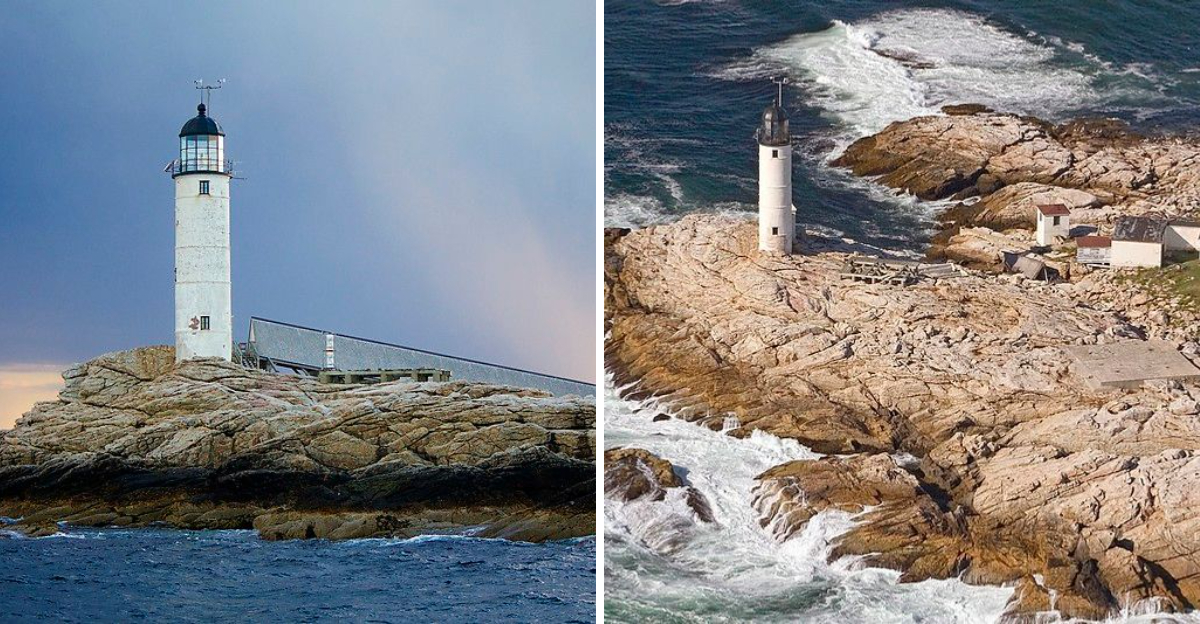
I have seen a lot of lighthouses in my life, but I have never slept in one. This historic coastal lighthouse in New Hampshire offers exactly that experience.
You can stay overnight in the original keeper’s quarters, built in 1929, right on the edge of the Atlantic Ocean. The waves crash against the rocks below your window.
The wind whistles through the old wooden frame. And at night, the light still spins, warning ships away from the shore.
I booked a night here on a whim, and it turned into one of the most memorable experiences of my life. The room is small and simple, with a bed and a desk and a view that goes on forever.
The keeper’s quarters have been restored but not modernized. You are sleeping in history.
I woke up before dawn and walked out to the edge of the island. The sun rose over the water, turning everything gold and pink.
The lighthouse stood behind me, steady and silent. That is a night I will never forget.
New Hampshire’s Only Offshore Lighthouse Standing Proud
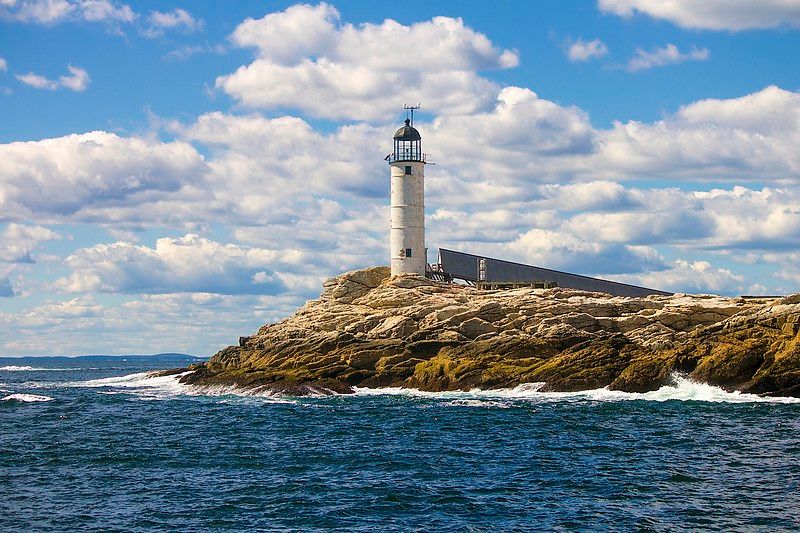
Out in the open Atlantic, roughly nine miles off the New Hampshire coast, a lone lighthouse has been keeping watch over some of the most treacherous waters in New England.
White Island Light is the only offshore lighthouse in the entire state of New Hampshire, which already makes it spectacularly rare and worth knowing about.
The current tower was built in the mid-1800s, replacing even earlier structures that stood on this windswept granite outcrop. It is a testament to the enduring human need to mark dangerous passages with light and hope.
Reaching it requires a boat, and the island itself has no public dock, which adds a thrilling sense of remoteness that most coastal attractions simply cannot match.
New Hampshire does not have a long coastline compared to neighboring states, but what it lacks in miles, it more than makes up for in dramatic, jaw-dropping maritime character.
White Island Light is the crown jewel of that coastal identity, sitting boldly where the sea seems to go on forever in every direction.
The Isles of Shoals and Their Captivating History
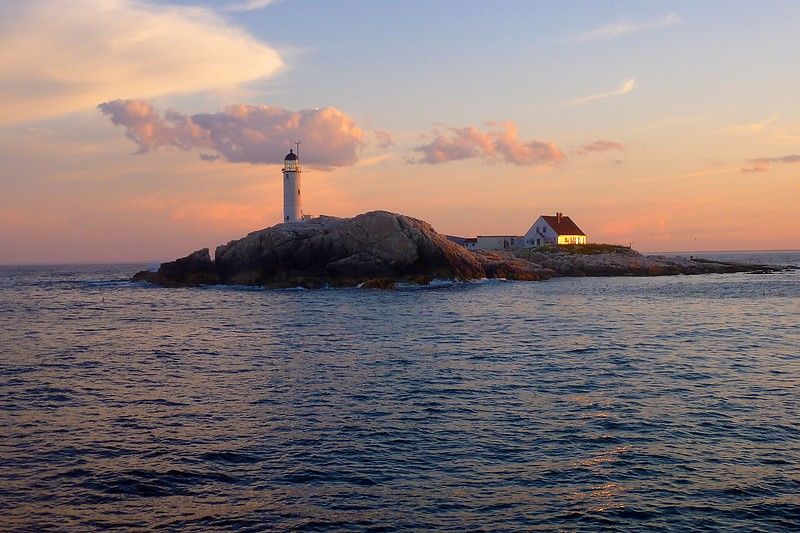
Few places in the northeastern United States carry the kind of layered, dramatic history that the Isles of Shoals pack into their small, rocky footprint.
These scattered granite islands were among the first places in North America settled by European fishermen, drawn by the extraordinarily rich fishing grounds surrounding them.
Pirates, poets, painters, and lighthouse keepers have all called this remote archipelago home at various points across the centuries. The islands straddle the border between New Hampshire and Maine, adding a quirky jurisdictional twist to their already colorful identity.
White Island specifically sits on the New Hampshire side of this boundary and carries official recognition as a New Hampshire State Historic Site, a designation that speaks to its cultural and historical weight.
The island’s isolation created a world apart from the mainland, where keepers and their families lived in extraordinary solitude, surrounded entirely by sea.
Fog, storms, and crashing waves defined daily life here.
That raw, elemental existence is exactly what makes the lighthouse so magnetic to history lovers, and curious adventurers who want something far beyond the ordinary coastal day trip.
The Lighthouse Tower That Has Watched Over Sailors Since the 1800s
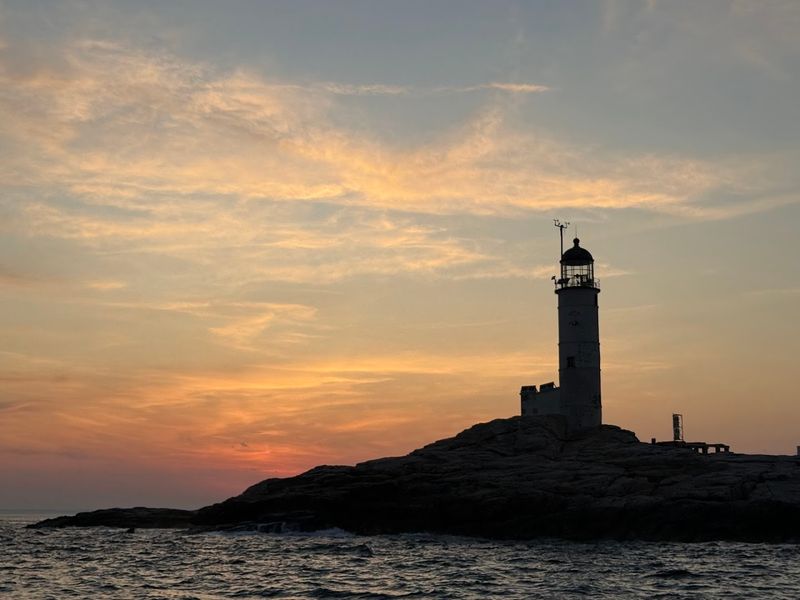
The tower standing on White Island today has been guiding ships through the Isles of Shoals since the 1800s. Its construction reflects the serious craftsmanship of an era when lighthouse building was considered a matter of life and death.
Granite blocks, carefully quarried and assembled, give the structure a solidity that has outlasted generations of Atlantic storms.
Earlier lighthouses occupied this same rocky perch before the current tower took its place, meaning this spot has been actively warning mariners for an impressively long stretch of American history.
The light itself was eventually automated, which ended the era of resident lighthouse keepers on the island. However, it also ensured that the beacon would continue operating reliably without requiring someone to brave island life year-round.
Standing at the base of this tower, even from a boat offshore, you get an immediate sense of the engineering ambition it took to erect such a structure on a tiny, wave-battered island with no easy access. New Hampshire takes genuine pride in this monument, and rightly so.
It represents the intersection of maritime necessity, human ingenuity, and sheer determination against a relentlessly powerful natural environment.
The Keeper’s Cottage and the Lives Lived Within Its Walls
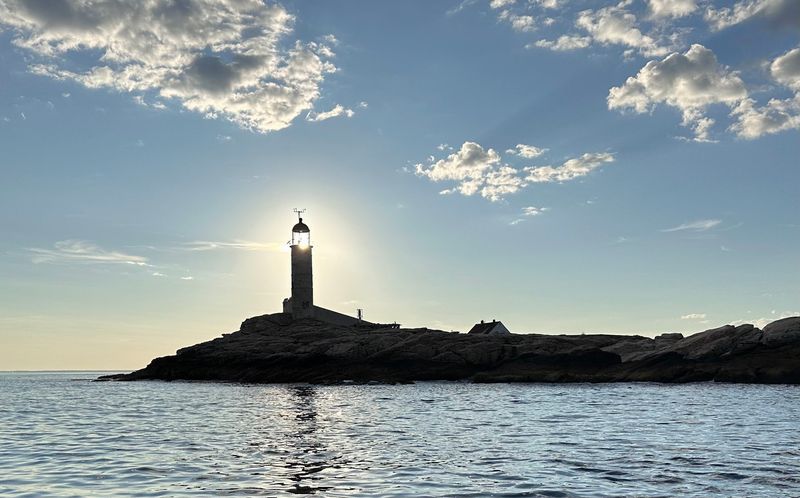
Life for a lighthouse keeper on White Island was nothing short of extraordinary, and not always in a comfortable way.
The keeper’s cottage, a sturdy structure attached to or near the lighthouse tower, was home to the men and women responsible for keeping the light burning through fog, nor’easters, and everything in between.
The current cottage structure dates to the late 1930s, when the U.S. Coast Guard oversaw its replacement, giving it a slightly more modern footprint than the original dwellings that preceded it.
Inside those walls, keepers maintained logs, repaired equipment, raised families, and endured months of profound isolation broken only by supply boats and the occasional passing vessel.
The cottage today stands as a physical reminder of that demanding, quietly heroic way of life. It is a New Hampshire State Historic Site, meaning preservation efforts are in place to protect its architectural and historical integrity for future generations.
Seeing it from a boat or from nearby Star Island gives you a visceral understanding of just how small and exposed the human presence on this island truly was, and continues to be, against the vast backdrop of the open Atlantic.
What It Actually Takes to Get Out to White Island
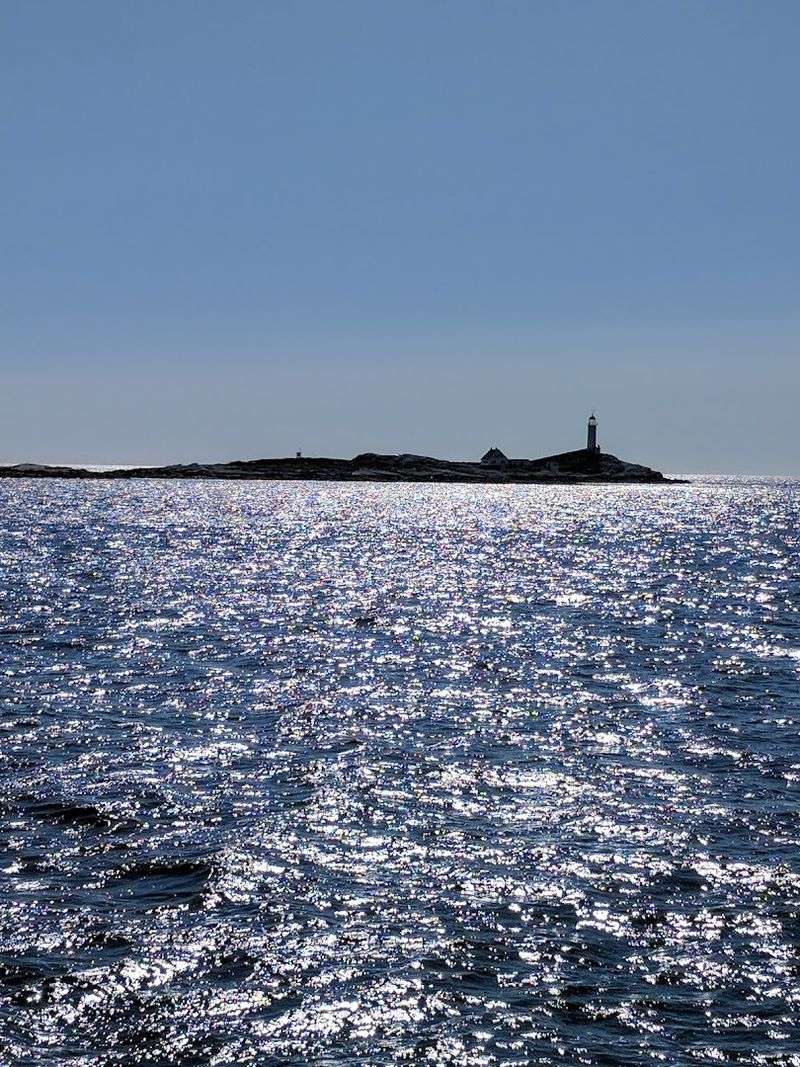
Getting to White Island is an adventure in itself, and that sense of effort required to reach it only amplifies the payoff when the lighthouse finally comes into view.
The island has no public dock, and landing safely requires specific conditions and proper arrangements, which means most people experience it from the water rather than setting foot on the granite itself.
Excursion boats operating out of Portsmouth, New Hampshire, regularly cruise through the Isles of Shoals and pass close enough to White Island Light. They give passengers a genuinely spectacular view of the lighthouse and its rocky surroundings.
These cruises are the most practical and accessible way for the average person to experience the magic of this remote landmark up close.
For those with sailing experience, the waters around the Isles of Shoals are a beloved cruising destination, and passing by White Island on a clear day is considered a genuine highlight of any offshore passage in this part of New England.
The combination of open ocean, granite islands, and historic structures creates a visual experience that no photograph fully captures.
You simply have to be out there on the water to understand why this place holds such a powerful grip on the imagination.
Star Island, Your Best Vantage Point for the Lighthouse View
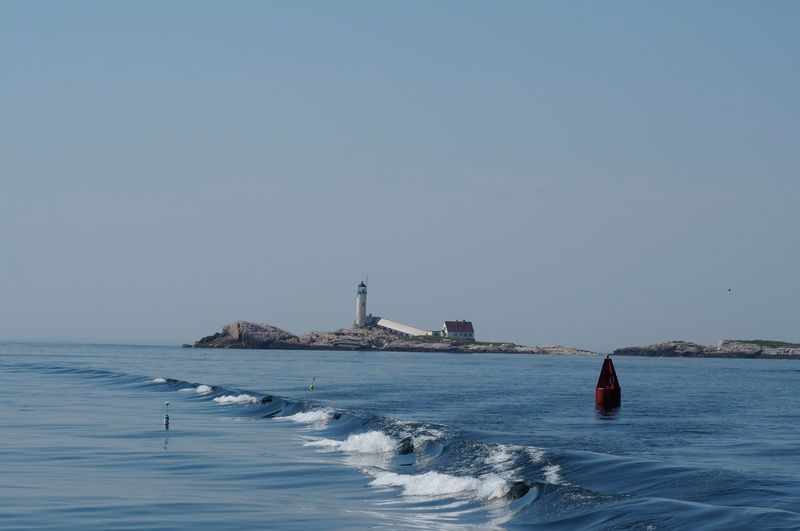
Star Island is the open secret that lighthouse enthusiasts and Isles of Shoals regulars already know about.
Sitting just a short distance from White Island, Star Island offers some of the finest land-based views of White Island Light available to anyone willing to make the boat trip out to the archipelago.
Unlike White Island, Star Island actually welcomes visitors. It has a long tradition of hosting conferences, retreats, and day-trippers who want to experience the unique atmosphere of these offshore islands firsthand.
From the rocky shores of Star Island, the White Island lighthouse tower rises dramatically against the sky. It is framed by open ocean in a way that makes for genuinely stunning photography and quiet contemplation alike.
The relationship between the two islands feels almost cinematic. Star Island provides the inhabited, welcoming foreground, while White Island stands apart in the distance, solitary and stoic.
New Hampshire’s maritime heritage comes alive at this crossing point between accessibility and remoteness.
Spending even a few hours on Star Island with White Island Light visible across the water is one of those travel experiences that quietly rewires your sense of what coastal beauty can actually look like.
The Dramatic Weather That Shapes Every Visit
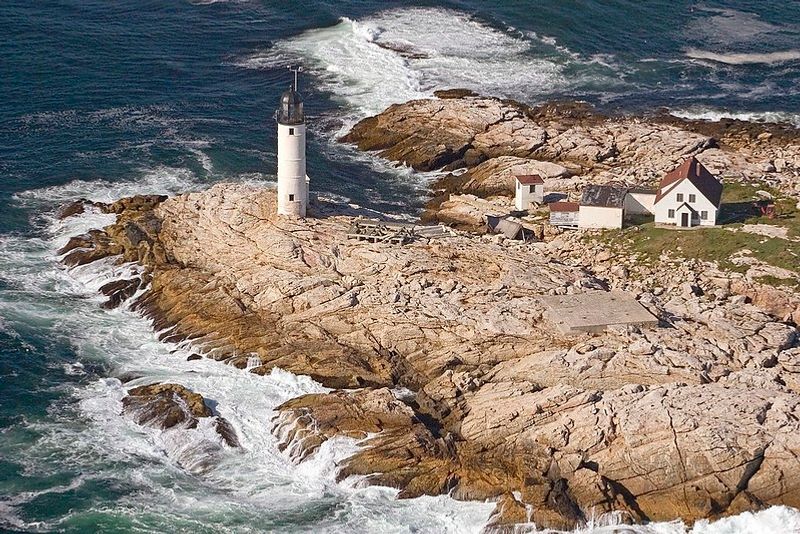
Weather at the Isles of Shoals operates by its own fierce logic, and White Island sits right at the center of it.
Nor’easters that batter the New Hampshire coast hit these offshore islands with particular intensity. It sends waves crashing over the lower sections of White Island in ways that remind you exactly how small this piece of land really is.
Summer days out here can be gloriously clear and breezy, with visibility stretching all the way back to the New Hampshire coastline and beyond.
But fog rolls in with astonishing speed, turning the lighthouse into a ghostly silhouette and giving the whole scene an atmospheric quality that feels pulled straight from a classic maritime novel.
Planning a boat trip to see the lighthouse means paying close attention to forecasts, because conditions can shift dramatically within hours.
The best days for viewing combine calm seas, good visibility, and that particular quality of New England light in late morning or early afternoon. That is when the granite and white paint of the tower seem to almost glow against the blue Atlantic.
Embracing the unpredictability of the weather is part of what makes any trip to see White Island Light feel genuinely memorable rather than simply touristy.
Conservation Efforts Keeping the Lighthouse Alive
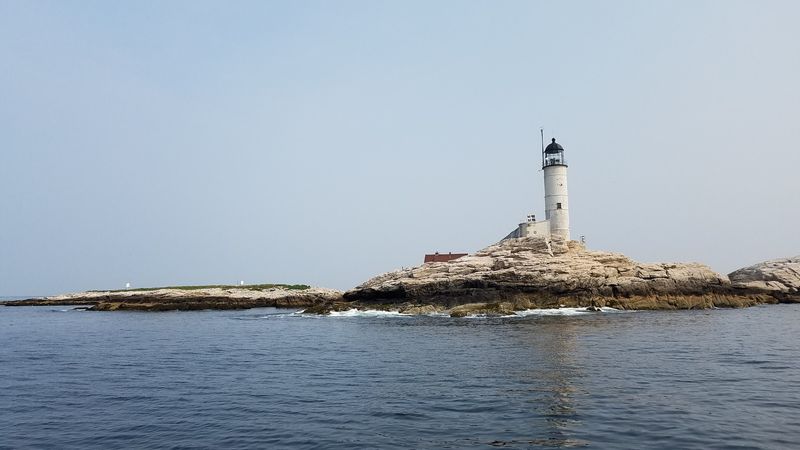
Preserving a lighthouse on a tiny, remote island surrounded by the Atlantic Ocean is not a simple or inexpensive undertaking. White Island Light has benefited from dedicated preservation efforts that keep its historic fabric intact.
The island’s designation as a New Hampshire State Historic Site provides an official framework for protection, but the practical work of maintenance requires ongoing commitment and resources.
Volunteer stewards have played a meaningful role in the island’s story. They’re sometimes spending time on the island during summer months to monitor conditions and share the lighthouse’s history with those who manage to get close enough to engage.
This kind of hands-on stewardship is what keeps places like this from slipping into quiet decay.
The broader lighthouse preservation movement across New England has brought renewed attention to structures like White Island Light. These buildings represent irreplaceable chapters of American maritime history.
Each storm season tests the island’s structures, and each successful preservation effort is a small victory for everyone who values this corner of New Hampshire’s heritage.
Supporting organizations involved in lighthouse preservation is one of the most direct ways that ordinary people can contribute to keeping these extraordinary coastal landmarks standing for future generations.
Photography Tips for Capturing the Perfect Lighthouse Shot
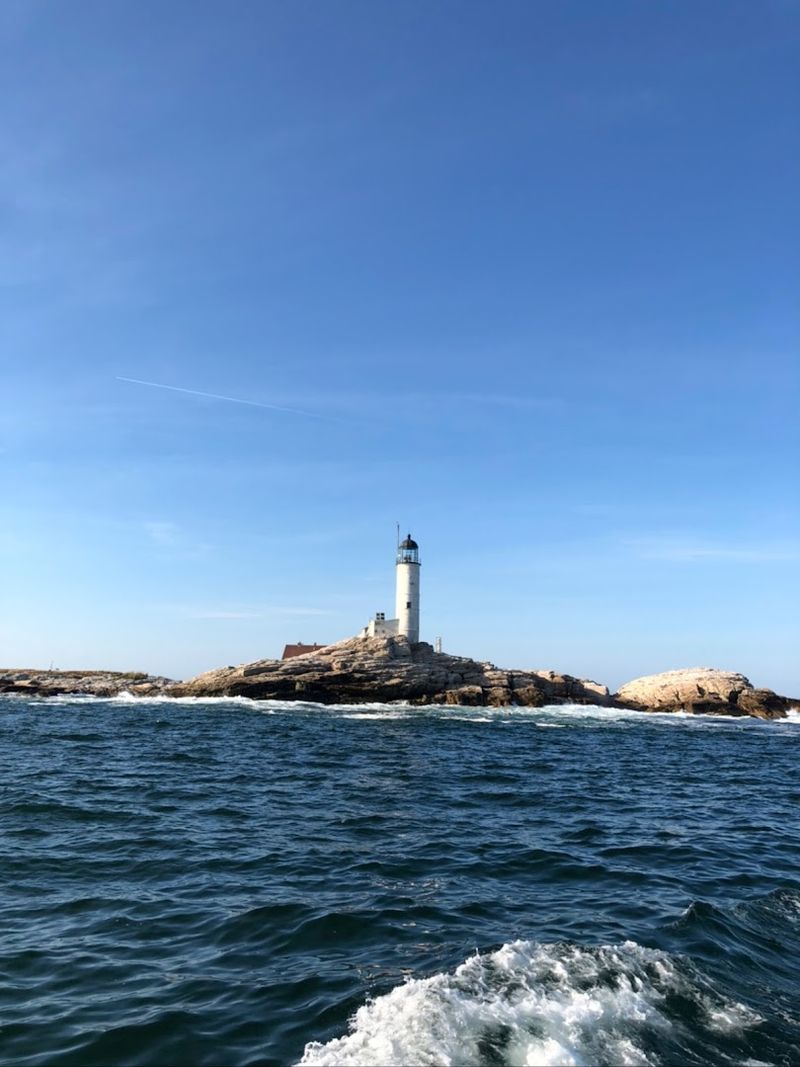
Photographing White Island Light from a moving boat on open water is a genuine creative challenge, and absolutely worth tackling with a bit of preparation.
The combination of boat motion, changing light, and the dramatic granite setting means that patience and quick reflexes will serve you far better than any single piece of expensive gear.
A telephoto lens is your best friend here, allowing you to pull the lighthouse tower close and fill the frame with its historic details even from a comfortable viewing distance offshore.
Early morning light gives the white tower a warm, golden glow that contrasts beautifully with the dark granite rocks and the deep blue Atlantic surrounding the island.
Overcast days are not necessarily a disadvantage. Flat, diffused light can actually bring out the texture of the stone and eliminate harsh shadows, producing images with a moody, timeless quality that matches the lighthouse’s character perfectly.
Shooting from the bow of the boat gives you the cleanest foreground, with open water leading naturally toward the island.
Whatever conditions you encounter, the visual drama of White Island Light rising from the sea guarantees that even an imperfect shot will carry genuine atmosphere and storytelling power.
Planning Your Own Adventure to See White Island Light
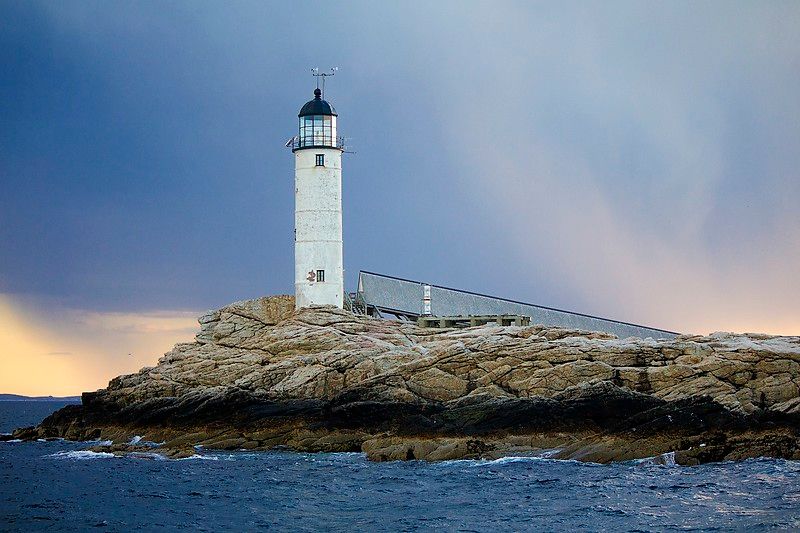
Putting a trip to see White Island Light on your itinerary is one of the smartest moves any New England coastal traveler can make. Portsmouth, New Hampshire, serves as the natural launching point.
This city is itself a destination worth spending time in before or after your offshore excursion, packed with history, architecture, and waterfront energy.
Booking a spot on an Isles of Shoals excursion boat is the most straightforward approach for most people. These cruises typically run during warmer months and provide narrated commentary about the islands, their history, and the lighthouse itself, making them genuinely educational as well as scenic.
If you are planning to visit Star Island for a closer land-based perspective on the lighthouse, advance arrangements are necessary since access is managed and not simply walk-on.
The official address for White Island State Historic Site is listed as Other Northeast Gillnet Waters Area, Rye, NH 03870. The site can be reached by phone at (603) 271-3556 for information.
More details are available at nhstateparks.org.
Pack layers, bring sun protection, and get ready for one of the most rewarding and genuinely off-the-beaten-path coastal experiences that New Hampshire has to offer.
