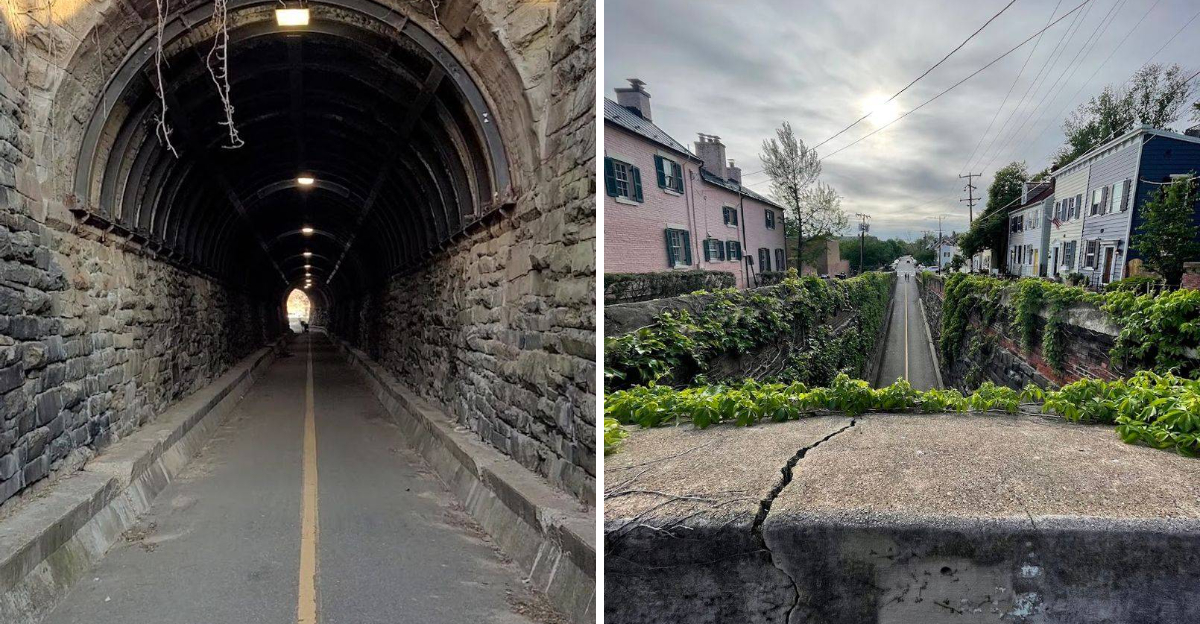
Tunnels are strange places. Dark, cool, and full of echoes.
But this Virginia passage carries echoes of a specific time. Built before the Civil War, used by soldiers marching south, then north, then home again.
The cobblestones are worn smooth from boots and wagon wheels and years of weather. I walked through slowly, running my hand along the brick walls, trying to imagine what it sounded like in here when the war was still happening.
The tunnel is short. You can see the light at the other end.
But the weight of history makes each step feel longer. Virginia has a way of turning ordinary places into something else.
This is one of them.
A Railroad Born Before the War
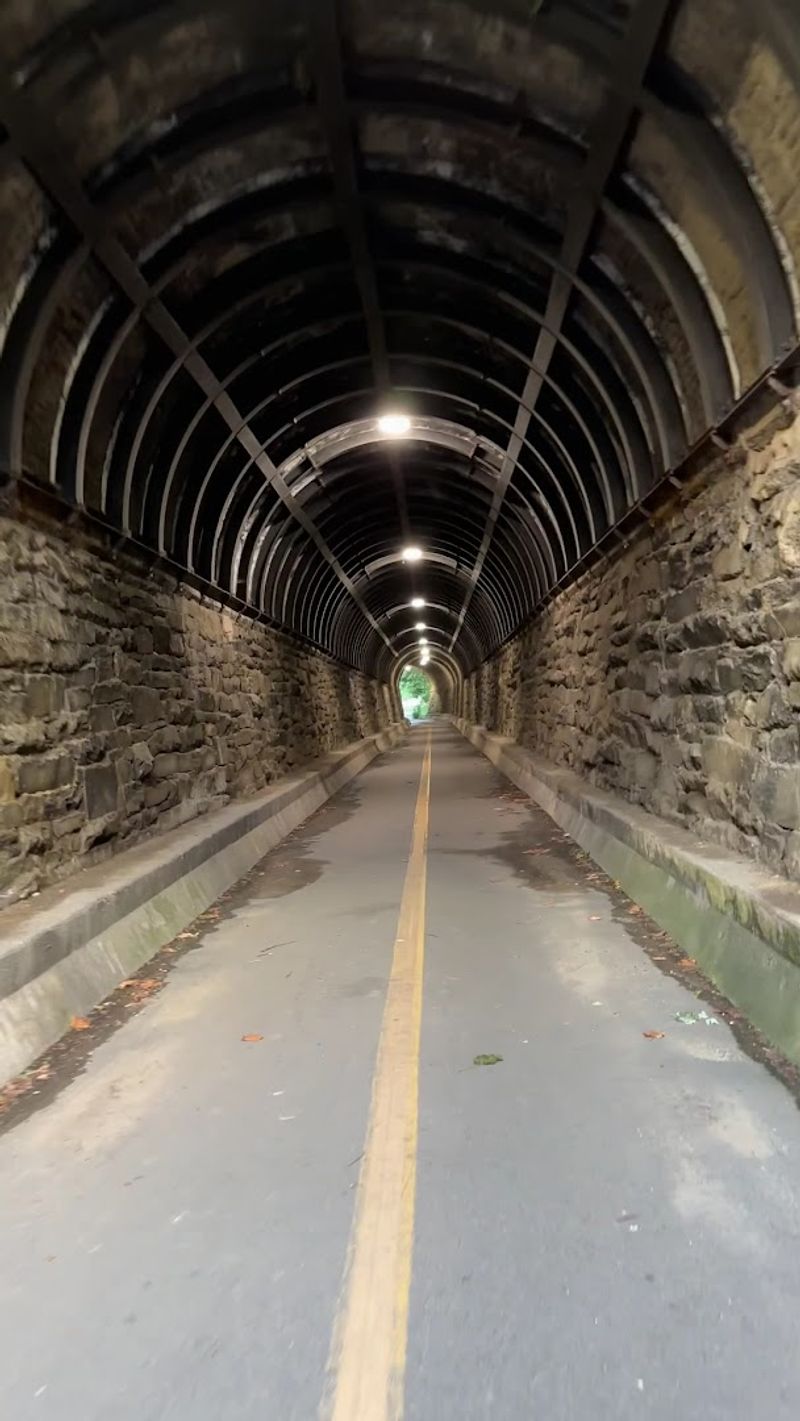
Long before the first shots rang out over Fort Sumter, a railroad was quietly threading its way through the Virginia landscape. The Orange and Alexandria Railroad was founded to push trade westward, connecting the bustling waterfront of Alexandria to the interior of the state.
On a spring day in 1851, the very first locomotive made its inaugural run right up to the entrance of what would become one of the most storied passages in Virginia. That moment marked the beginning of a transportation artery that would outlast wars, economic shifts, and entire generations of Alexandria residents.
The tunnel itself was completed in 1856, bored through earth and stone using a cut-and-cover method that was impressively engineered for its era. Workers shaped vaulted walls from gray sandstone and laid brick arches overhead, creating a structure that still stands with remarkable dignity today.
Named after John Wilkes, an English statesman who famously championed the American colonies, the passage carries a legacy far bigger than its modest 170-foot length suggests. Every stone in that tunnel was placed with purpose.
The Civil War Turns the Tunnel Into a Lifeline
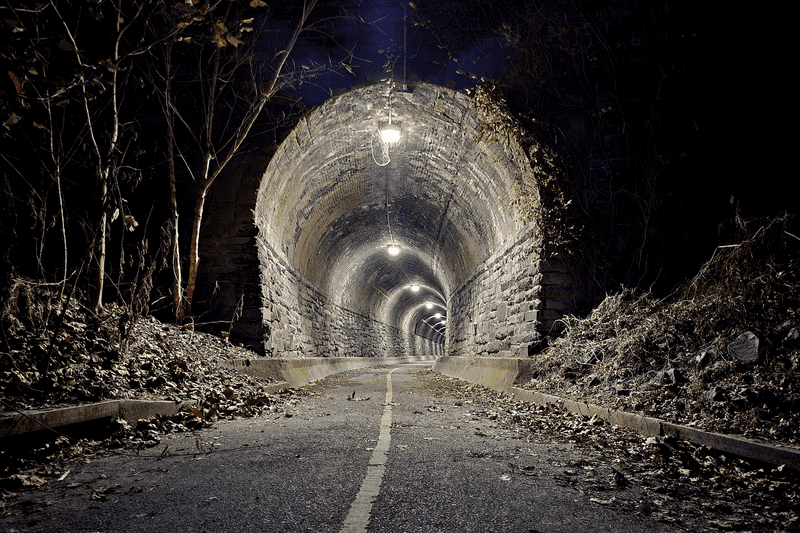
When the Civil War erupted across Virginia, the Union Army wasted absolutely no time seizing the Orange and Alexandria Railroad. The entire line, including this underground passage in Alexandria, became a critical military asset almost overnight.
Supplies, ammunition, and equipment rolled through the Wilkes Street Tunnel with urgent regularity. The United States Military Railroad took operational control, and the tunnel transformed from a commercial corridor into a wartime artery pumping resources toward Richmond and points further south.
What makes this chapter especially compelling is who did much of the hard labor. Formerly enslaved and free Black laborers, classified as “contraband” by Union forces, were employed to repair and maintain the tracks near the tunnel.
Their sweat and effort kept this logistical lifeline functioning under the pressure of an entire war. Virginia was the epicenter of the conflict, and Alexandria sat right at the crossroads of everything.
Walking through the tunnel today, knowing that soldiers and laborers once moved urgently through the same arched passage, gives the whole experience a weight that no history book can fully replicate. It is genuinely breathtaking.
Grim Stories That Still Echo Off the Walls
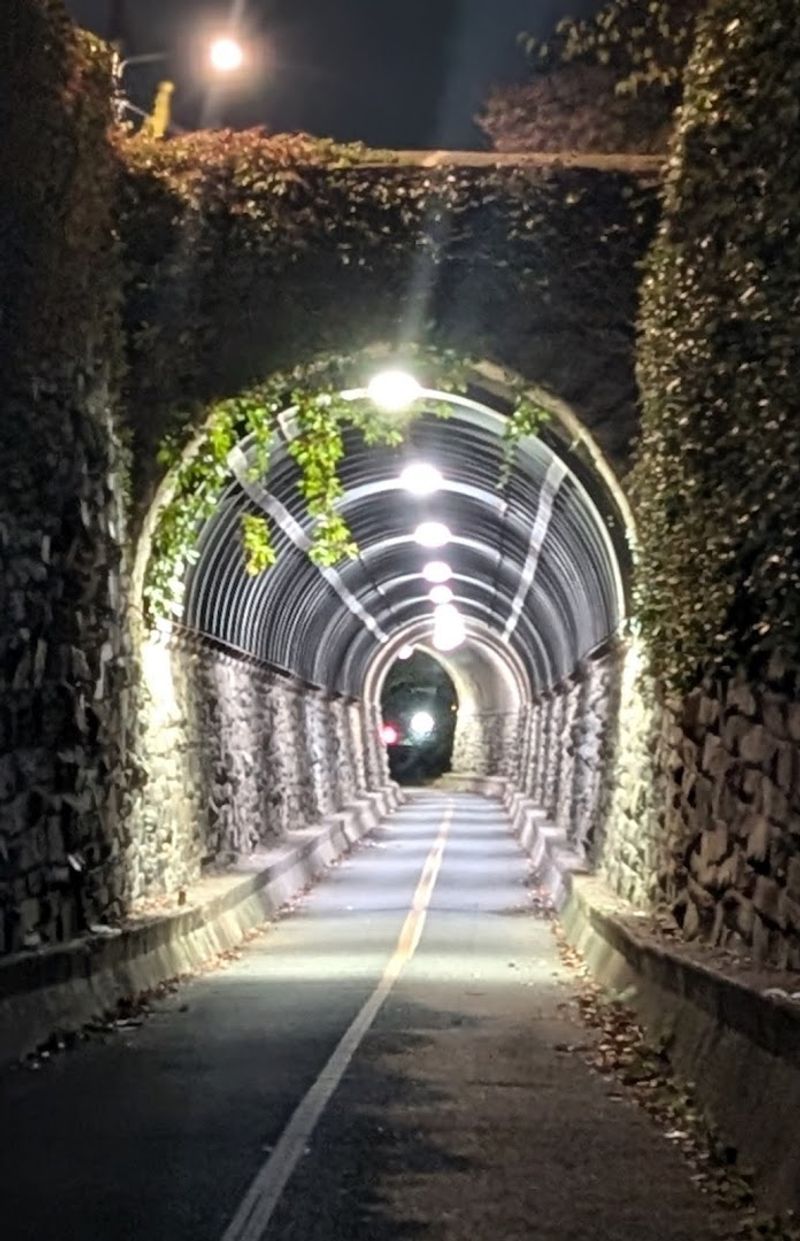
Not every story from the Wilkes Street Tunnel is one of heroism and industry. The Alexandria Gazette, a newspaper that documented life in the city during the Civil War era, reported what it called odd occurrences and malfeasance happening within and around the tunnel during Federal occupation.
A young Union volunteer was stabbed to death inside the passage, allegedly for his bounty money. Another individual met a gruesome end when a train crushed his skull.
A drunken soldier stumbled onto the tracks and lost a leg. These are not ghost stories invented for tourism; they are documented incidents that paint a disturbing picture of life around this underground corridor during one of America’s most chaotic periods.
Local lore has since grown thick around these tragedies. Alexandrians whisper about a ghost train that supposedly rumbles through at odd hours, and more than a few people have claimed to hear sounds they could not explain.
Virginia has no shortage of haunted history, but this particular tunnel earns its reputation honestly. The stories embedded in its stone walls are not exaggerated, they are simply true, and that makes them far more chilling than any fiction.
The Architecture That Has Stood for Over a Century
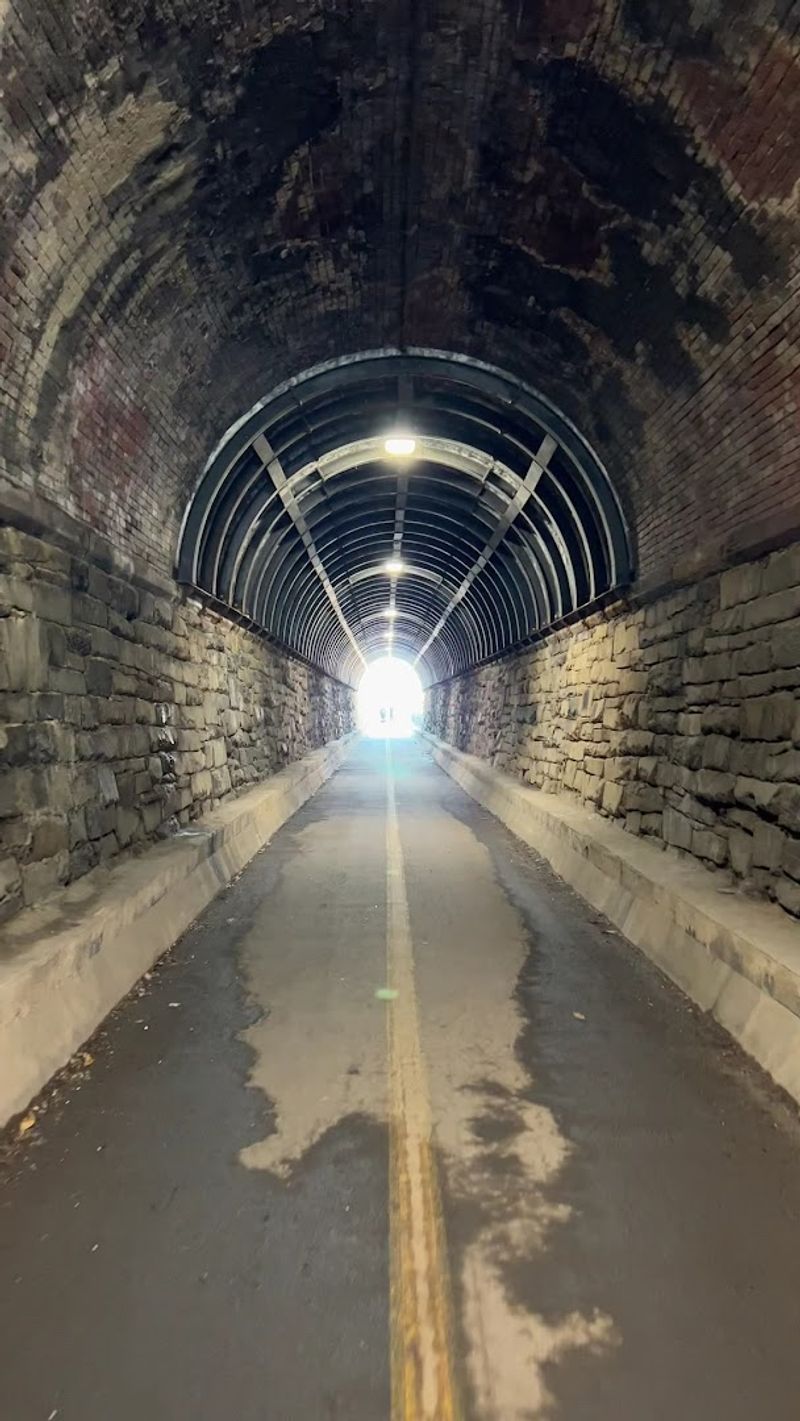
Staring up at the vaulted ceiling of this tunnel is a genuine architectural treat. The builders used a cut-and-cover technique, essentially digging a trench, constructing the tunnel shell, and then covering it back over with earth.
It sounds simple, but executing it in the 1850s with the tools available required serious skill.
Gray sandstone forms the primary material of the walls, giving the interior a cool, textured appearance that feels almost cathedral-like in its solemnity. Brick arches reinforce the structure overhead, and the combination of these two materials creates a visual rhythm that is surprisingly beautiful for what was originally a purely functional passage.
What strikes me most is how intact the whole thing remains. After more than a century and a half of use, including heavy wartime traffic, the structural bones of the Wilkes Street Tunnel are impressively sound.
A significant refurbishment in 2007 and 2008 added modern lighting and steel reinforcement, ensuring the passage would remain safe for pedestrians while preserving its historic character. Virginia takes its architectural heritage seriously, and this tunnel is a perfect example of thoughtful preservation done right.
The stonework alone is worth the visit.
From Railroad Tracks to a Pedestrian Walkway
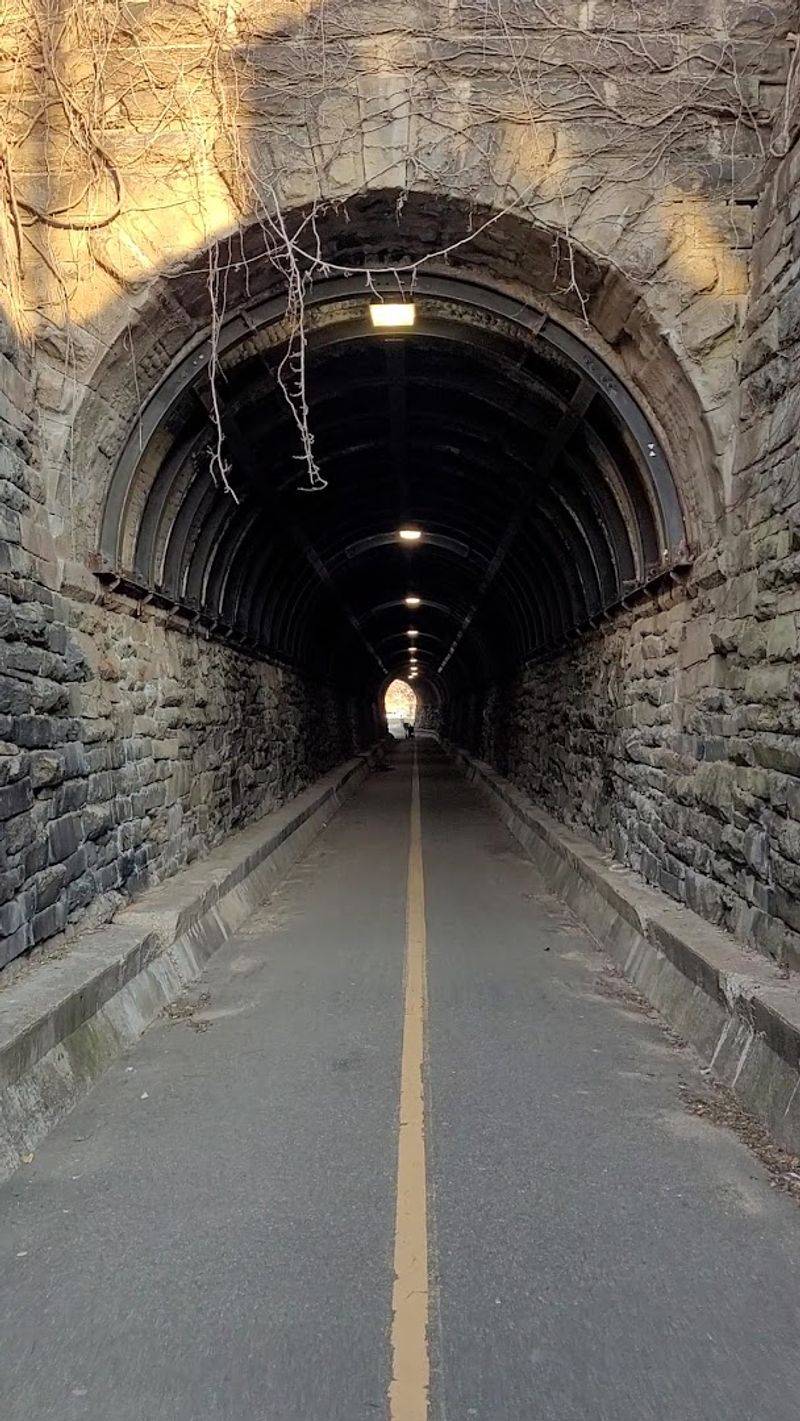
By 1975, the industrial activity that had once made the Alexandria waterfront hum with commerce had slowed dramatically. Declining freight needs meant the railroad tracks running through the Wilkes Street Tunnel were no longer earning their keep, and so the rails were pulled up and an era officially ended.
Rather than sealing the tunnel or demolishing it, the city of Alexandria made a far more inspired decision. After six months of dedicated restoration work, the passage was reopened as a pedestrian walkway, giving the public direct access to the waterfront through a genuinely historic corridor.
That transformation was a stroke of civic genius.
Today, walking through the tunnel feels like stepping between two different worlds. Enter from Wilkes Street and you are in a quiet residential neighborhood with brick sidewalks and colonial architecture.
Exit on the other side and suddenly the Potomac River opens up before you in a sweeping waterfront view that stops people in their tracks. The contrast is almost theatrical.
The Wilkes Street Tunnel essentially acts as a dramatic doorway between Old Town’s landward streets and the open beauty of the river. Very few pedestrian passages anywhere in Virginia can claim that kind of spatial magic.
The Neighborhood That Grew Up Around the Tunnel
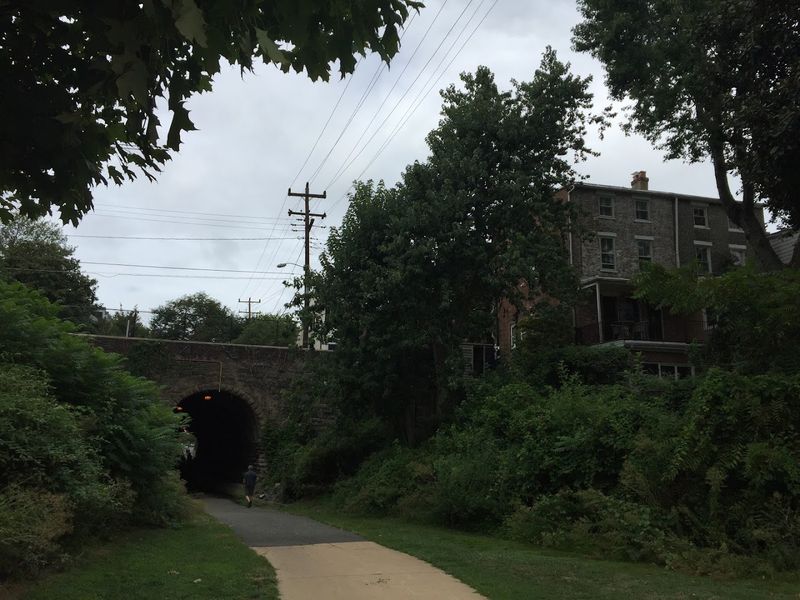
A historical plaque positioned near the tunnel entrance tells a story that deserves far more attention than it typically receives. It commemorates Hayti, a neighborhood established in the 1800s by free Black residents of Alexandria.
The name itself is a nod to the Caribbean nation of Haiti, which held powerful symbolic meaning for free Black communities across America during that period.
The area around the tunnel was once known as the Bottoms, a late 18th-century Black neighborhood centered around Alfred Street Baptist Church, which still stands and still serves its congregation today. The proximity of this community to the railroad tunnel meant that the lives of free Black Alexandrians were deeply intertwined with the industrial activity happening just outside their doors.
During the Civil War, when the tunnel became a military installation, that relationship grew even more complicated and significant. The contraband laborers who maintained the railroad tracks near the Wilkes Street Tunnel were part of this broader community.
Virginia’s history is layered with stories of Black resilience and contribution, and the neighborhood around this tunnel is one of the most tangible places where that history can still be felt and honored.
Why Photographers Absolutely Love This Spot
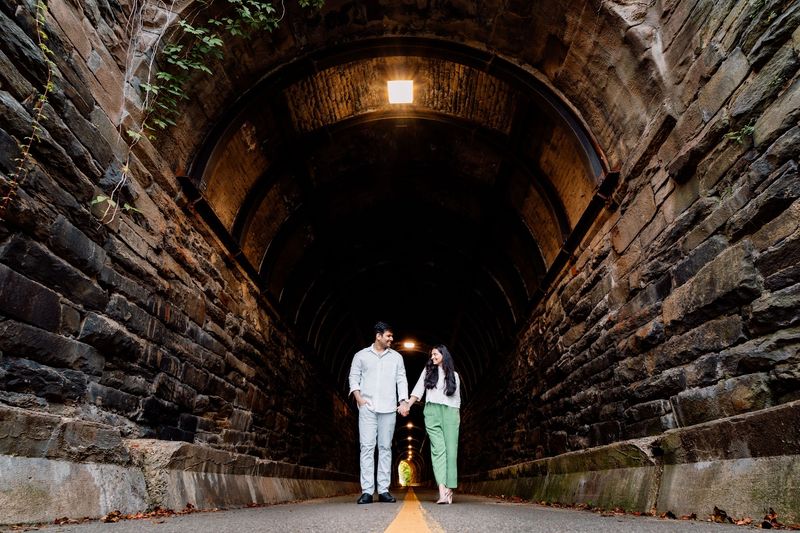
Word has spread among photographers in the Washington DC metro area, and the Wilkes Street Tunnel has quietly earned a reputation as one of the most photogenic spots in all of Virginia. The combination of arched stonework, warm lighting, and the long vanishing-point perspective of the corridor creates a frame that practically composes itself.
Engagement photos taken here have a moody, timeless quality that no studio backdrop could replicate. The textured walls catch light in ways that shift dramatically depending on the time of day, giving photographers a surprising range of looks from a single location.
Early morning visits offer a cool, misty atmosphere, while midday light streaming through the tunnel entrance creates a dramatic silhouette effect.
Portrait sessions, architectural studies, and even fashion shoots have all found a home here. The fact that the tunnel is open around the clock means creative types can visit at whatever hour suits their vision best.
I spent nearly an hour just watching the light change as clouds moved overhead, and the results were genuinely stunning. If you carry a camera anywhere in your travels through Virginia, adding the Wilkes Street Tunnel to your shot list is a decision you will absolutely not regret.
The Ghost Train Legend That Refuses to Fade
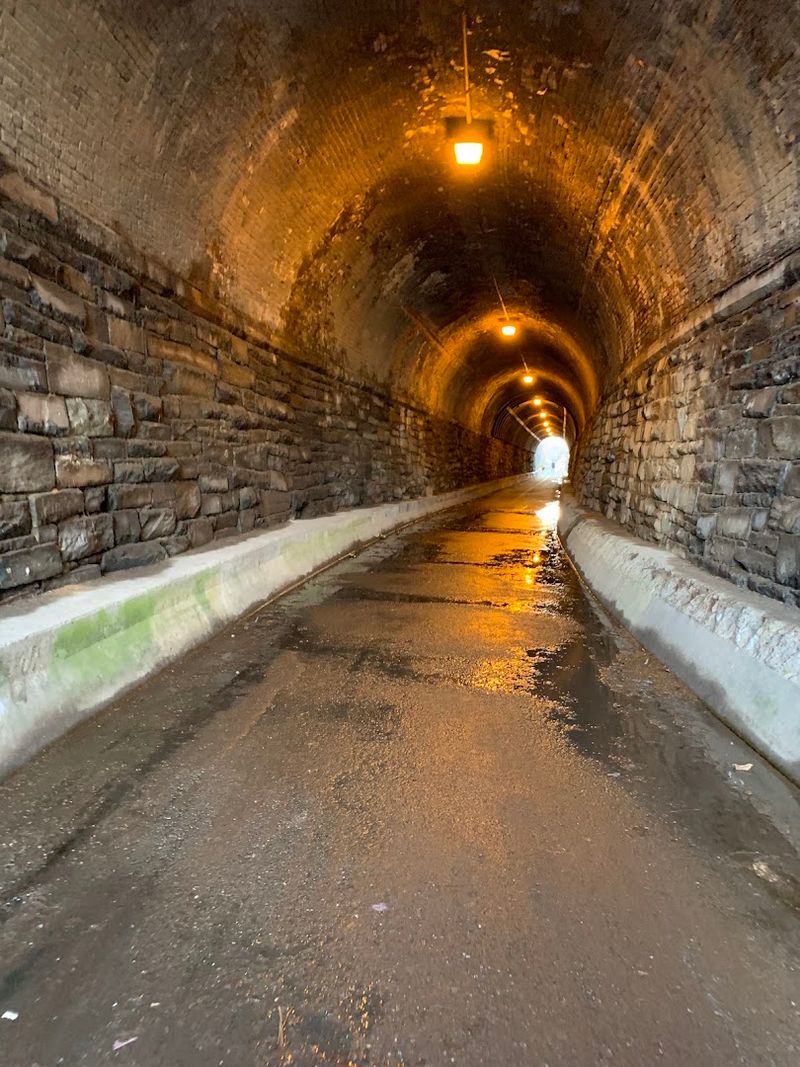
Ask any longtime Alexandria local about the Wilkes Street Tunnel after dark and you will likely get a story. The legend of a ghost train is the most persistent piece of folklore attached to this passage, and it has been circulating for decades without any sign of fading.
People claim to hear the distant rumble of a locomotive rolling through the tunnel at night, even though the tracks have been gone since 1975. Some attribute the sound to the nearby Amtrak line, which runs close enough to create an audible vibration.
Others are not so sure. The darkness inside the tunnel, combined with its long, narrow shape and acoustically reflective stone walls, creates an environment where sound behaves in genuinely unusual ways.
Add in the documented violent incidents from the Civil War era and the natural human tendency to connect tragedy with paranormal activity, and the ghost train legend starts to feel almost inevitable. The Wilkes Street Tunnel does not need to manufacture atmosphere.
Its real history is strange and dark enough to fuel a dozen ghost stories without any embellishment. Virginia has plenty of haunted landmarks, but this one earns its reputation through sheer historical weight rather than marketing.
Old Town Alexandria Surrounds the Tunnel With More History
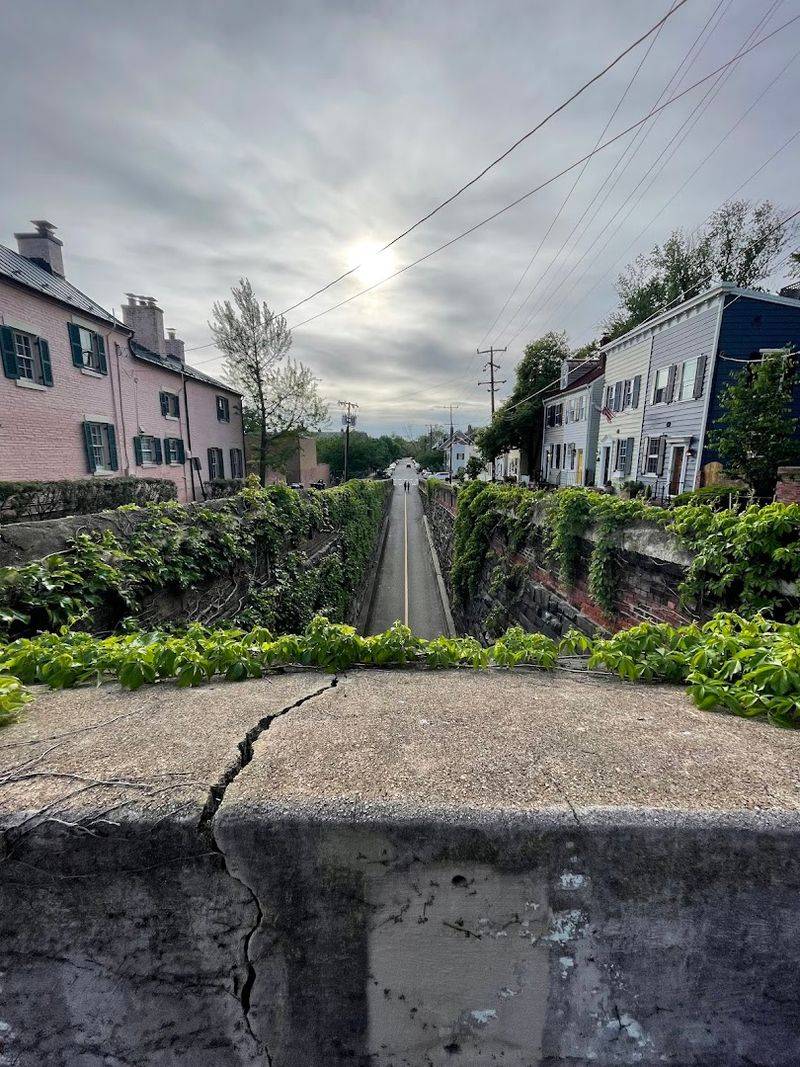
The Wilkes Street Tunnel does not exist in isolation. It sits squarely within Old Town Alexandria, one of the most historically dense neighborhoods in the entire country.
Step outside the tunnel’s northern entrance and you are immediately surrounded by colonial-era architecture, brick-paved streets, and a streetscape that has been remarkably preserved.
Old Town is the kind of place where every block seems to carry a new historical marker. The Smith and Perkins Foundry, which once manufactured locomotives for the very railroad that ran through the Wilkes Street Tunnel, was located nearby.
The Alfred Street Baptist Church, one of the oldest Black congregations in Virginia, still holds services just a short walk away.
The Potomac River waterfront, accessible directly through the tunnel, offers a completely different sensory experience. Parks, open water views, and the skyline of Washington DC across the river all come into view the moment you emerge from the passage.
For anyone spending a day in Alexandria, the tunnel serves as both a historical attraction and a practical connector between two very different but equally rewarding parts of the city. Old Town rewards slow exploration, and the tunnel is the perfect anchor point for a full afternoon of wandering.
Planning Your Visit to the Wilkes Street Tunnel
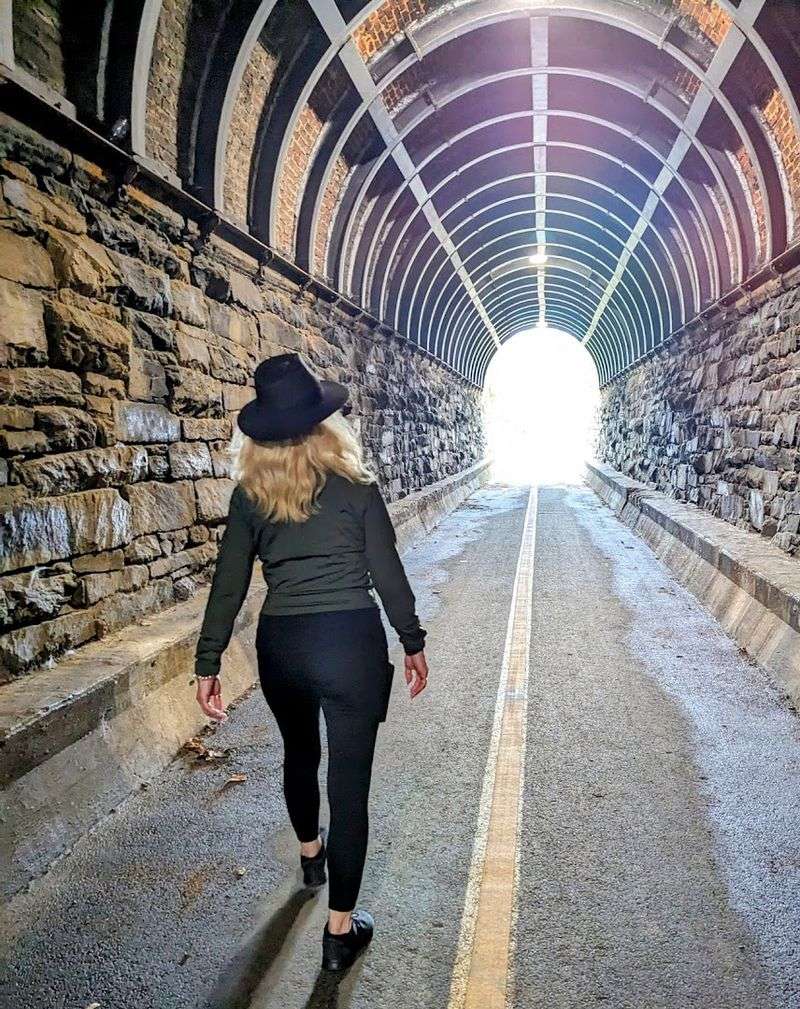
Getting to the Wilkes Street Tunnel is genuinely easy, and the best part is that it costs absolutely nothing to experience. The passage is open around the clock, every single day of the year, making it one of the most accessible historical landmarks in Virginia.
Arriving during daylight hours gives you the best view of the stonework and architecture inside.
The address is 398 Wilkes St, Alexandria, VA 22314, and parking in the surrounding Old Town neighborhood is available along nearby streets. The tunnel is also very walkable from the King Street Metro station, making it an excellent addition to a car-free day trip from Washington DC.
I recommend arriving in the morning when the light is soft and the pedestrian traffic is light. Bring a camera, wear comfortable shoes, and plan to linger a little longer than you think you will need.
The historical plaque near the entrance is worth reading carefully before you step inside. Once you pass through the arch and feel the cool air of that sandstone corridor, the tunnel has a way of slowing you down naturally.
Virginia has handed you a genuine gift here, and the Wilkes Street Tunnel is the kind of place that stays with you long after you have left it behind.
