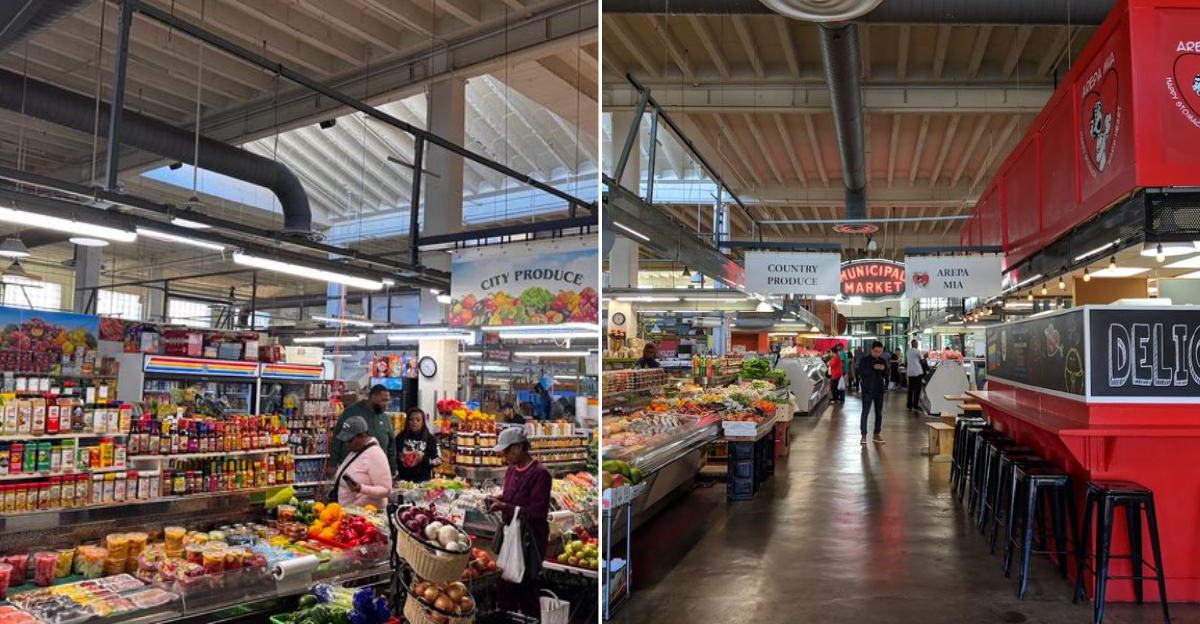
What do you get when a devastating fire clears the land, a women’s club raises the money, and a tent becomes a farmers market? A historic Georgia institution that has been feeding a city for over a century.
This market was born in 1918 on the ashes of the Great Atlanta Fire, originally operating from a massive tent where urban shoppers could buy directly from farmers. The Atlanta Woman’s Club stepped up, raised nearly $300,000, and built a permanent brick-and-concrete building that opened in 1924.
But here is the complicated part: during the Jim Crow era, Black vendors were forced to sell from the curb outside, giving the market its long-standing nickname, the “Curb Market.” At the time, this location was the exact geographic center of Atlanta, making it the place where everyone came to shop.
Over the years, it has launched some of the city’s most beloved restaurants, including a famous burger joint and a burrito spot.
You can still taste that history in every local tomato and handmade pastry. The building has changed, but the heart of the market? That part never left the curb.
Built From The Ashes Of A 1917 Inferno
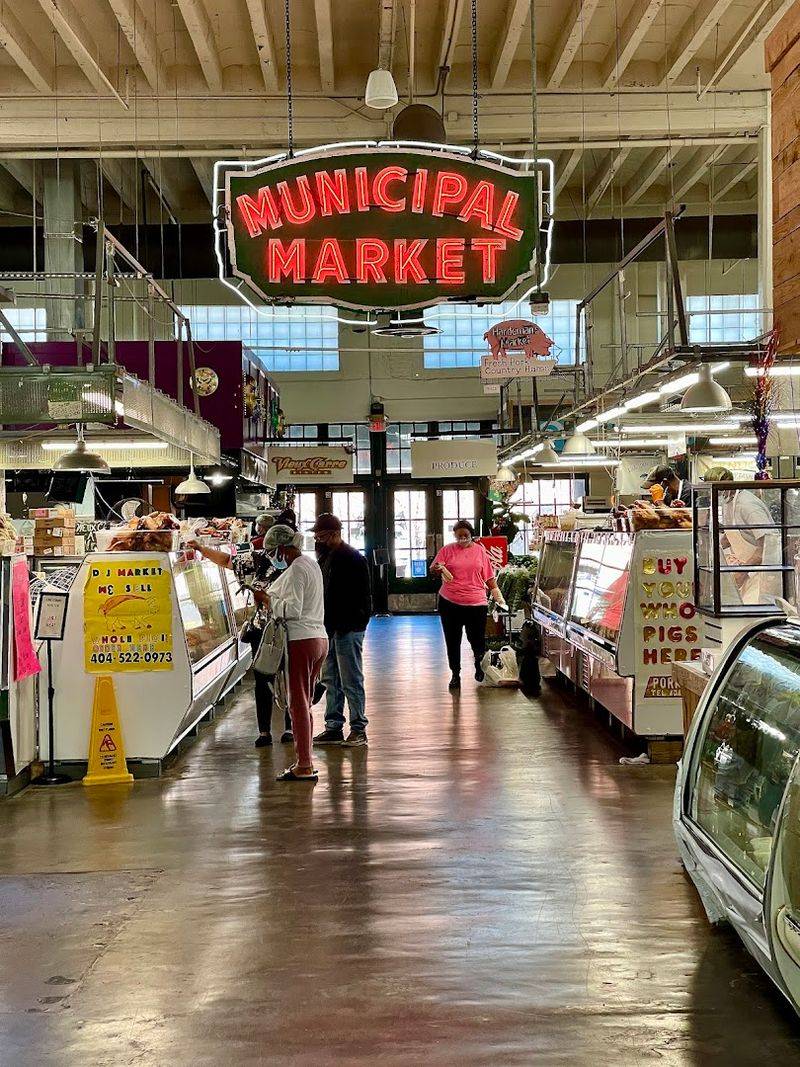
Here is the wild part you can almost feel before anyone says a word: this market literally rose from smoke and grit, and the spirit of rebuilding hangs in the rafters like a friendly whisper. You look down the aisles, and you can almost picture neighbors clearing debris, choosing hope, and staking a table where community could grow again.
It is not dramatic to say the air still carries a sense of earned calm, like a neighborhood saying we are still here.
Walk a few steps and the story jumps from history to right now, because the vendors tell it with every crate and skillet. A farmer talks collards while a baker slides sweet loaves onto a rack that snaps with steam.
You listen, nod, sample a slice, and realize the whole place is a lesson in starting again with better ingredients and clearer intentions.
The market is not a museum, which is honestly my favorite thing about it. The past explains the bones, sure, but the heartbeat is present tense and very alive.
When a kid leans in to ask about a peach variety and an elder answers softly, the story moves forward in small, beautiful ways.
Georgia pride shows up not as a speech but as a table piled high with color and care. You taste it, you hear it, and then you carry it with you.
That is the rebuild you can actually feel.
A 1924 Fireproof Brick Building By A Ten Eyck Brown
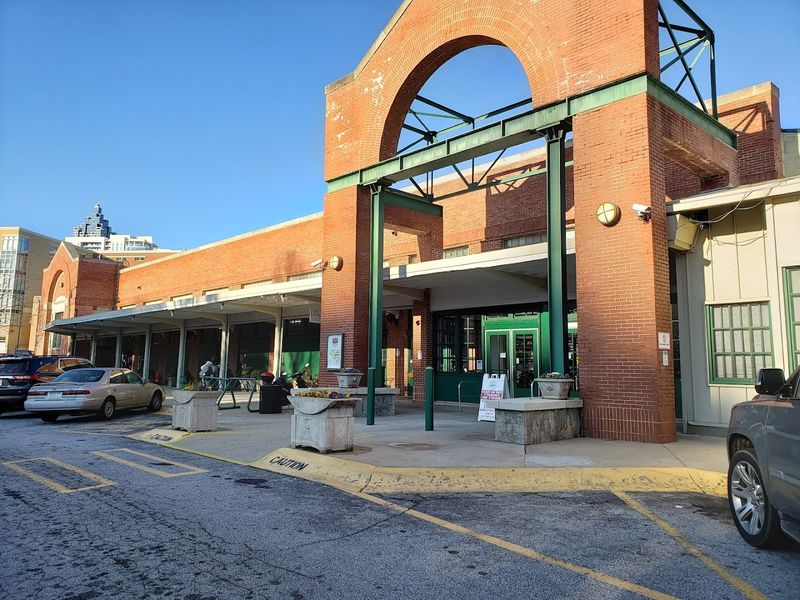
Look up at the brick and you can tell someone planned for strength and calm, like the building itself is saying go ahead and trust me. The arches, the rhythm of the windows, the solid lines that hold light without showing off, it all feels quietly confident.
You push through the doors, and the city’s noise fades just enough to hear voices trading recipes.
This is where the address finally sticks in your mind, because the place owns its corner with a grounded posture: The Municipal Market, 209 Edgewood Ave SE, Atlanta, GA 30303. The street hums, the facade breathes, and the entrance pulls you into the everyday ritual of buying peaches, chatting about okra, and grabbing a biscuit.
That handshake between outside and inside is what I love here most.
Design nerd moment, if you will, because the brick does more than hold up a roof. It sets a tone of safety and steadiness, which you immediately feel when you see families, elders, and new arrivals all relaxing under the same ceiling.
The market becomes a room for trust, not just transactions.
Inside, the warmth of the structure supports the warmth of the people. Georgia light filters through and lands on tomatoes, coolers, and smiling faces.
You stand there, smiling back, and think yeah, this place was built to last, and you can feel it in your shoulders.
Once A Tent Market Now A 45,000 Square Foot Hub
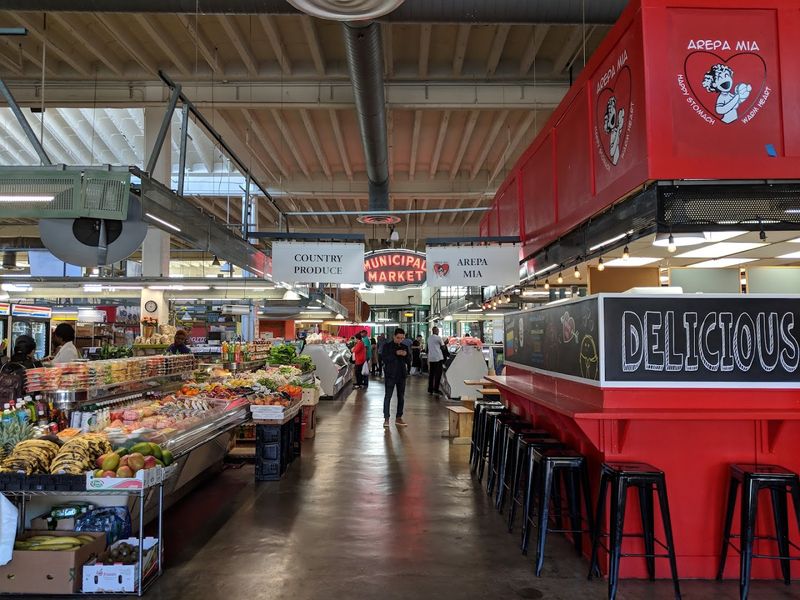
I love picturing this place as a simple tent, with canvas snapping and neighbors trading greens by hand, because it makes the current scene feel even sweeter. Now you get this sprawling, inviting hall where rows of vendors set up like a neighborhood pantry, easy to navigate and easier to love.
The ceiling stretches overhead, and the light settles in like a steady friend.
Walking the length of the market is like reading a long, unhurried letter. Every stall adds a line, and you do not rush, because there is always something that catches your eye.
Someone calls out a greeting, a skillet hisses, and your plans soften into whatever smells best right now.
What I really notice is how open space changes behavior in a very kind way. People move slower, talk longer, and point to things they want to share.
The design makes visiting feel like an invitation rather than a chore, and you go with it.
Georgia farmers bring the color, and local makers bring the stories that travel home in your bag. You leave room for the unexpected, maybe a jam you did not plan to buy or a green you have not cooked before.
The tent might be gone, but the spirit of easy exchange is still the roof over everything here.
The Only Publicly Owned Market In Atlanta Today
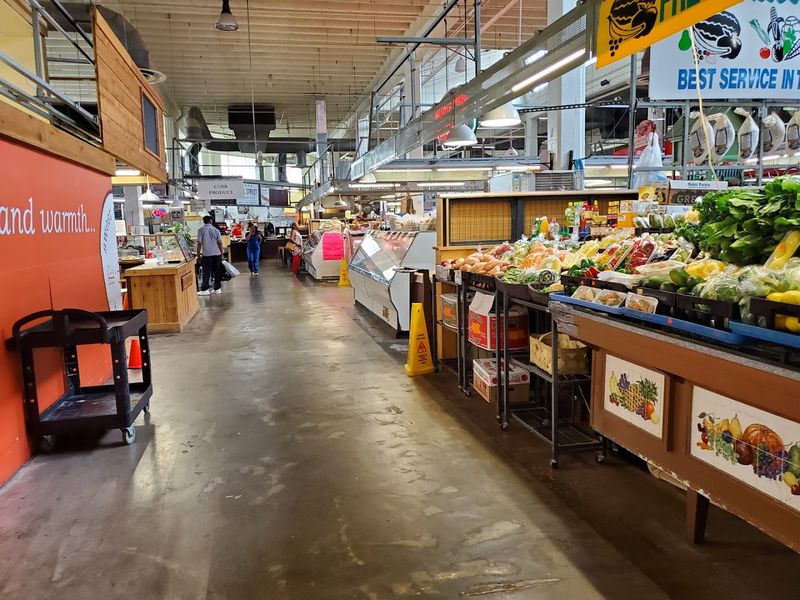
This is the part I brag about when friends ask what makes it different, because being publicly owned changes the whole vibe in ways you can literally sense. Decisions feel like they center people over flash, and that shows up in the mix of vendors and the energy of the aisles.
You are not being steered toward a single idea of the city, you are seeing the city as it actually lives.
Walk through slowly and you notice community boards, flyers for neighborhood events, and conversations that do not feel rushed. Folks check in, compare notes on produce, and nudge you toward their favorite stall with real affection.
It is the kind of civic heartbeat you cannot buy, but you can join.
I think the public side invites a certain patience from everyone. Vendors explain, neighbors recommend, and kids get to ask curious questions without someone shooing them along.
The market becomes a classroom, a pantry, and a gathering space rolled into one room.
In Georgia, the word public has weight, and here it feels welcoming rather than formal. You feel that in how the doors stay open to new ideas and familiar traditions at the same time.
By the time you reach the exit, you understand why it matters that this place belongs to the people who fill it every day.
A Nonprofit Hub For Local Entrepreneurs
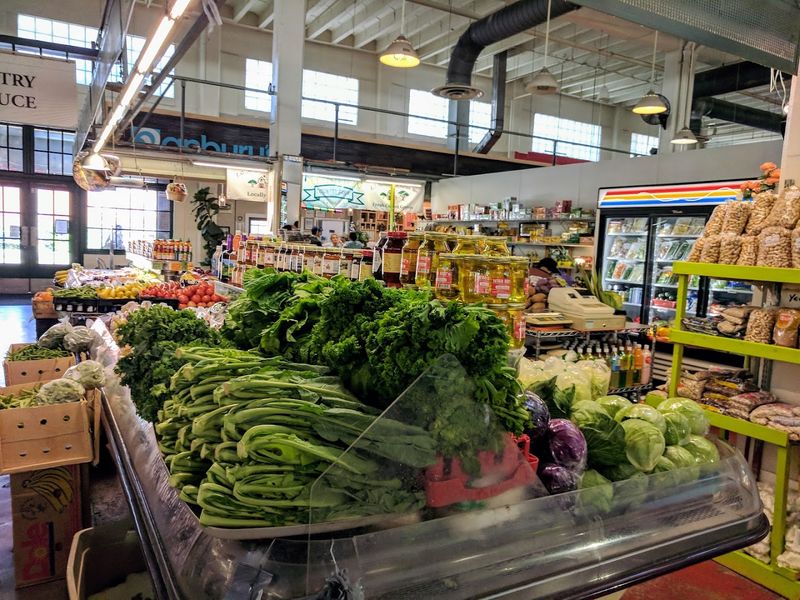
What I love most here is how the market acts like training wheels and a launchpad at the same time. New food makers set up, learn the dance of rush hours, and sharpen their menus based on real conversations.
The stakes feel real, but the support is equally real, which makes the whole scene inviting.
You can watch someone perfect a recipe right in front of you and then see a line form because the idea just works. People spread the word faster than any ad could, and the momentum feels earned.
Every small win echoes, and you end up cheering with your order slip in hand.
There is a generosity that runs through the place, where advice moves as freely as spices. Veteran vendors lean in with tips, regulars point you toward their favorites, and the market staff keeps things steady and kind.
It is community as infrastructure, not just sentiment.
Georgia roots show in the ingredients and the way people collaborate without turning it into a production. When someone says try this and come back tomorrow, you actually want to, because your curiosity feels welcomed.
If you have ever dreamed about starting something small and honest, this hall makes that dream feel a little closer than it did when you woke up.
The Aroma Of Fresh Produce And Sizzling Soul Food
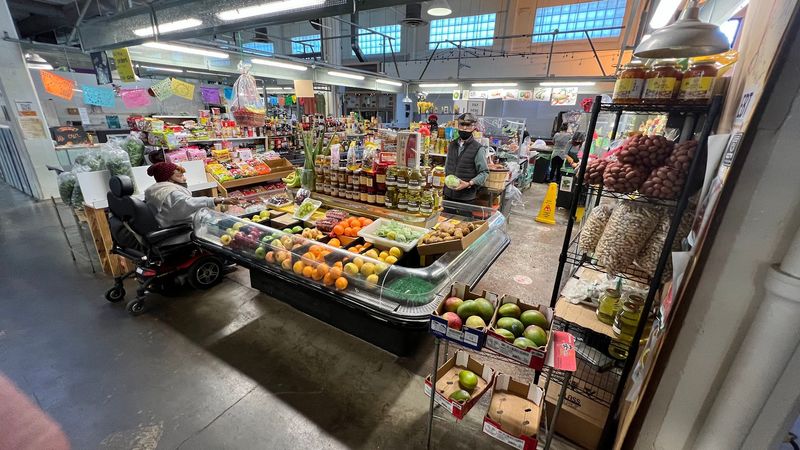
If scents could talk, this place would greet you before the door even finishes swinging shut. Bright citrus leans into warm cornmeal, and then a whisper of greens and pepper drifts through like a nudge to keep walking.
By the time you spot the grill, you are already halfway to placing an order.
It is not fancy, and that is the charm, because flavor here feels unhurried and generous. A cook lifts a lid and the room says yes in one long inhale.
You grab a simple plate, find a spot by the wall, and let the ingredients run the show.
What really gets me is the produce aisle glow. Piles of tomatoes, stacks of beans, herbs that snap when you bend them, it is a soft explosion of color without any fuss.
Someone hands you a slice of peach and suddenly the day is brighter by several shades.
Georgia tastes like summer long after the calendar moves on, and you can feel that in the easy confidence of the recipes here. Every bite reminds you that comfort can be vibrant, not heavy, and that tradition moves best when it is shared.
Honestly, I would come back just to breathe this in again and call it lunch.
Vendors From Ethiopia Korea And Venezuela Side By Side
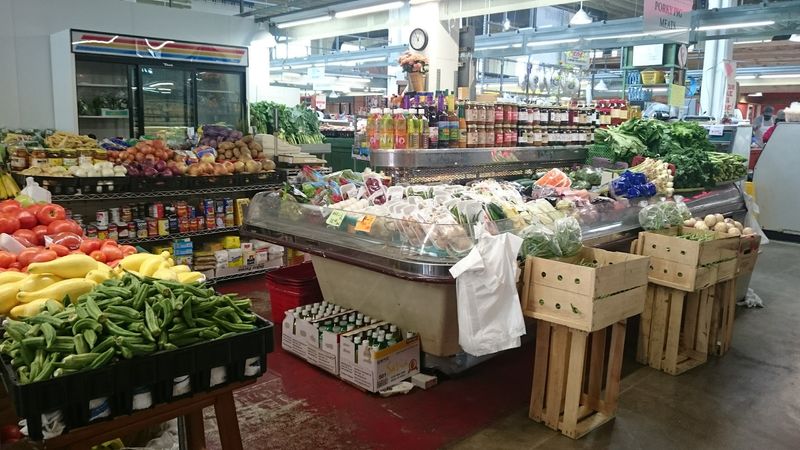
I love how global the lineup feels without turning into a theme park, because these stalls cook like they mean it and talk to you like a neighbor. You move from spicy stews to bright pickles to griddled corn pockets, and nothing feels out of place.
The mix reads like a neighborhood potluck that never has to end.
Grab a bite from one counter and wander a few steps for something completely different, and the flavors still play nice together. A tangy sauce meets a warm, earthy filling, and suddenly your tray becomes a tiny map of your afternoon.
The hardest part is pretending you were only stopping by for a quick look.
What I appreciate most is the respect humming across the counters. Folks explain ingredients with patience, nod at familiar faces, and keep the line moving with easy smiles.
You feel welcomed into recipes that traveled a long way to meet you.
Georgia has room for all of this, and the market proves it in the easiest, tastiest way possible. When a family shares a dish they grew up with and you love it instantly, that is culture becoming friendship.
I always leave a little braver about mixing flavors at home because the conversations here make experimenting feel natural.
Arepa Mia And Grindhouse Burgers Started Here
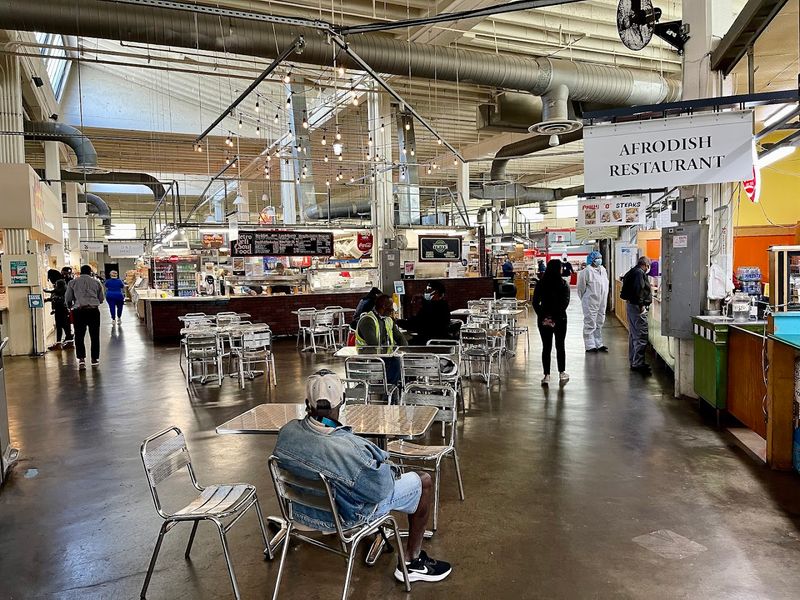
You know that thrill when you realize a place you love started in a modest stall, with a short menu and a lot of nerve? This market has launched more than a few hometown favorites, and you can still feel that spark at the counters today.
The lesson is simple and comforting: big flavor can begin at a tiny griddle with a good idea and steady hands.
I like asking vendors how they tested their first dishes, because the answers are always honest and specific. Someone tried a new sauce, someone swapped a pepper, someone listened when a regular said add a crunch.
Bit by bit, a following forms, and you see the room quietly rooting for them.
The best part is how accessible the whole process feels when you are standing there. You watch the line grow, you taste what earned it, and suddenly the origin story makes perfect sense.
There is no mystique, just effort, talent, and neighbors showing up.
In Georgia, that kind of slow build carries a sweet dignity. The market lets it unfold in public, bite by bite, so everyone gets to participate.
If you are chasing a good meal and a good story, you find both here without trying, and you walk away grinning.
A Living Crossroads Of Culture And Community
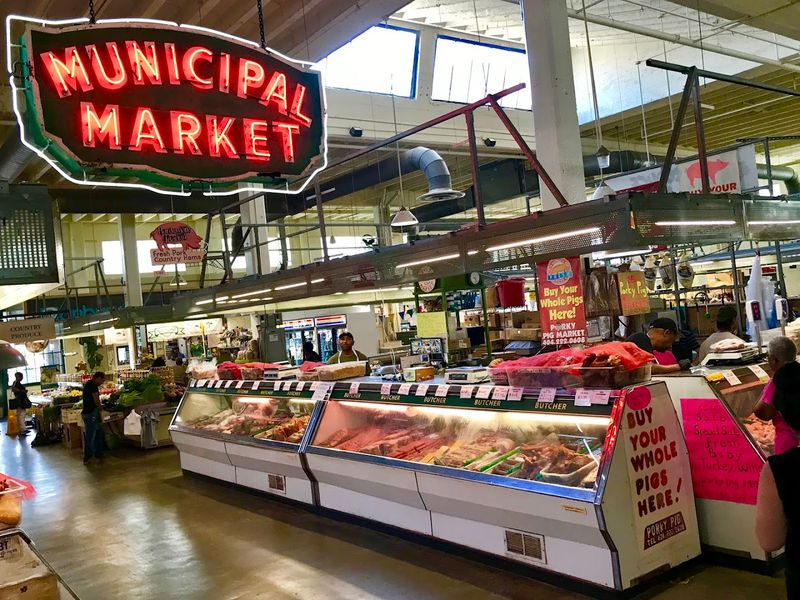
Stand in the main aisle for a minute and watch the city stream by in soft focus, and you will see why this place matters. Elders trade cooking advice with students, families steer strollers past spice jars, and every hello sounds like an invitation.
It is not performative, it is just daily life gathered under a generous roof.
I always notice how people relax their shoulders in here. The market gives permission to slow down without feeling like you are in anyone’s way.
You find a rhythm, sample a bite, and let a simple conversation carry you a few steps farther than you planned.
Culture shows up as food, sure, but it also shows up as the patience to explain a recipe and the curiosity to try one you have never tasted. That exchange is the heartbeat of the hall.
You are part of it the moment you ask a question.
Georgia keeps showing up in accents, ingredients, and stories that crisscross the room with easy confidence. The place feels like a living postcard that keeps writing itself, one tray at a time.
When you leave, you carry more than snacks, you carry a little more of the city than you had when you walked in.
One Last Lap Before The Market Closes For Sunday
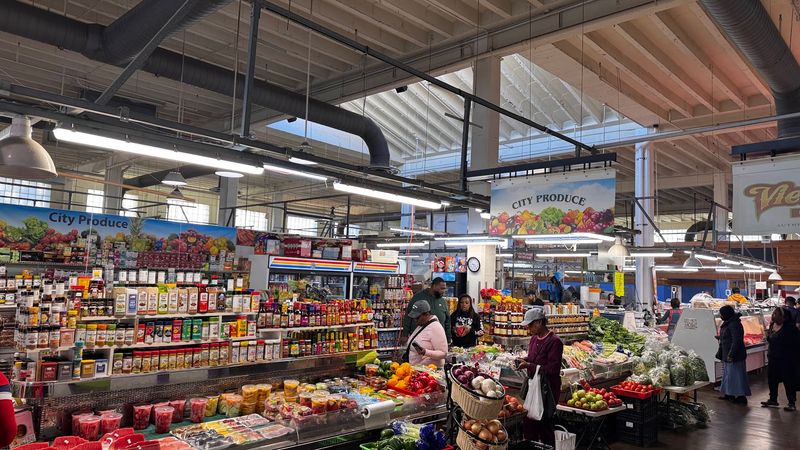
There is a special calm that lands in the last stretch before closing, when the grills quiet and the produce folks tuck in the brightest tomatoes. You take that final lap like a gentle ritual, eyes soft, steps slower, making small choices that feel like thank yous.
It is the market’s quieter smile, and I love it.
Vendors trade end of day jokes, someone wipes down a counter, and a kid waves goodbye with a crumb still on their cheek. You tuck a jar into your bag for later and realize you are already planning the next visit.
That is how the place gets under your skin in the best possible way.
Walking to the door, you look back and see the bones of the hall holding a peaceful glow. The roof carries the day’s stories without any rush, like a friend keeping a seat warm for you.
Tomorrow will be busy again, but right now the quiet feels kind.
Georgia evenings have a way of stretching time, and this room knows that trick perfectly. Step outside, breathe the street air, and let the last flavors linger a little longer than you expected.
You came for snacks and left with a memory that feels steady enough to carry through the week.
