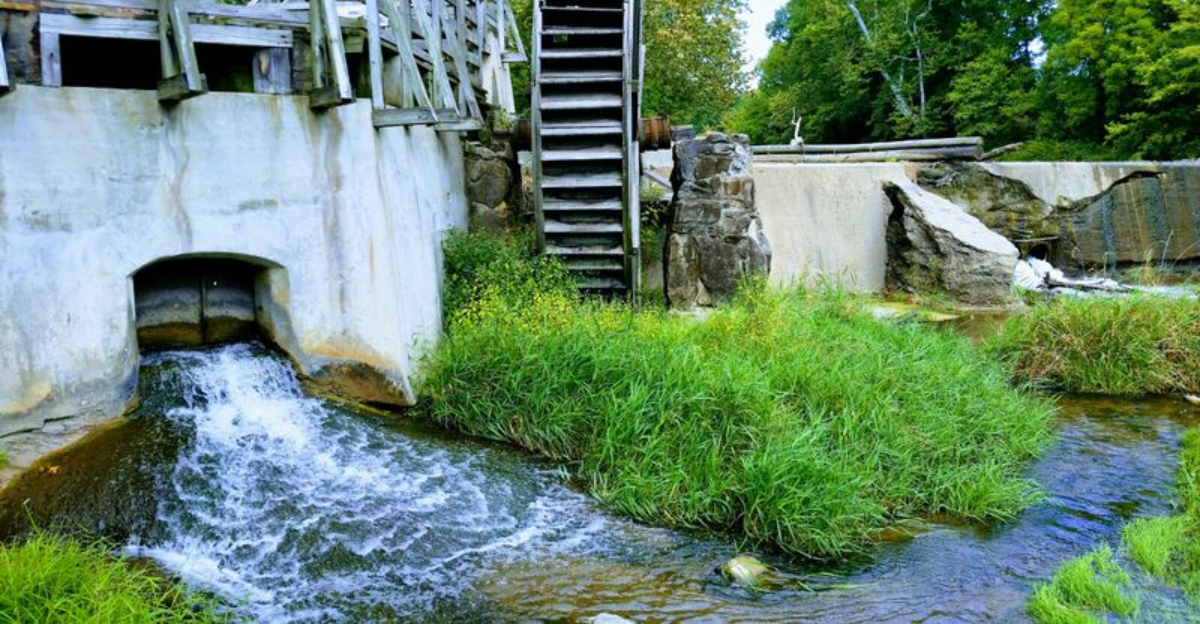
There are places in Indiana that feel like the rest of the world simply forgot to catch up with them, and I mean that as the highest compliment. This little village in Parke County is exactly that kind of place.
The old mill still turns, the creek still runs, and the general store still carries the comforting scent of fresh-ground flour on a good day. I’ve driven past countless historic markers across the state without stopping, but here I pulled over and stayed a while.
There’s something quietly humbling about a working gristmill that has been doing its job since the 1820s; it puts life into perspective in a way few places can. For anyone who appreciates history, craftsmanship, or just the kind of calm that comes from stepping back in time, this corner of Indiana is genuinely unforgettable.
A Gristmill That Actually Still Works
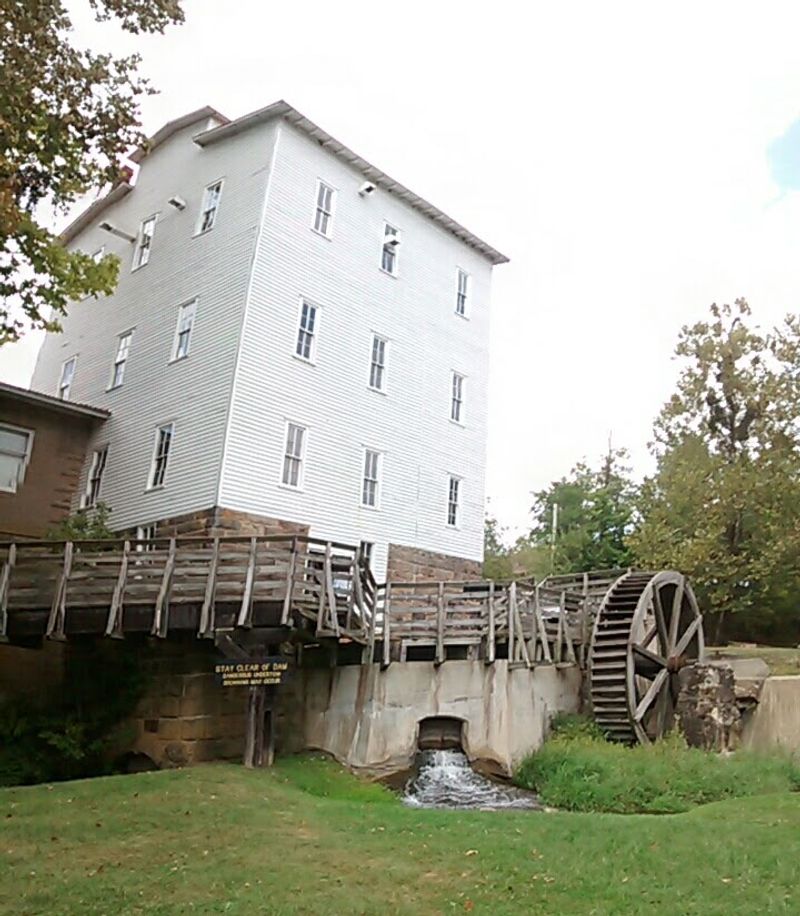
Most historic mills in America are museums. You walk through, read a plaque, and leave.
Mansfield Roller Mill is different in the best possible way because it still grinds grain, and you can watch it happen.
Built around 1820 and later rebuilt after a fire, this mill has been part of the Parke County landscape for two centuries. The machinery inside is a fascinating mix of old and functional, with rollers and gears that actually do the work they were designed to do.
Watching grain move through the process and come out as flour on the other end is genuinely mesmerizing, even if you have zero interest in milling history.
The mill operates as part of the Indiana state park system today, which helps ensure it stays preserved and running. Staff members are knowledgeable and happy to explain how everything works without making it feel like a lecture.
You can hear the machinery hum and feel the floor vibrate slightly underfoot, which makes the whole experience feel alive rather than preserved under glass.
For anyone who grew up in rural Indiana, there is something deeply familiar about this place. For visitors who did not, it is a window into how communities once fed themselves.
Either way, the Mansfield Roller Mill earns every bit of attention it gets.
Fresh-Ground Flour You Can Actually Take Home
One of the most satisfying parts of visiting Mansfield is leaving with something you cannot find at a regular grocery store. The mill produces stone-ground and roller-ground flour and cornmeal that gets sold right on-site, which means you are taking home something that was ground just days or even hours before you arrived.
There is a real difference in the taste and texture of freshly milled flour, and bakers who care about their ingredients will notice it immediately. The cornmeal especially has a depth of flavor that pre-packaged grocery store versions simply cannot match.
If you enjoy making cornbread, pancakes, or homemade bread, picking up a bag here is worth the trip on its own.
The general store attached to the mill is where you browse and buy, and it has the kind of unhurried atmosphere that makes you want to linger. Shelves are stocked with locally produced goods alongside the mill products, so there is plenty to look through.
It feels like shopping the way it used to feel before everything moved online and overnight.
Taking home a bag of Mansfield flour also makes for a great conversation starter. People always want to know the story behind it, and the story of a working 200-year-old mill is one worth telling.
It is edible history in the most practical sense possible.
The Quaint General Store Worth Wandering Through
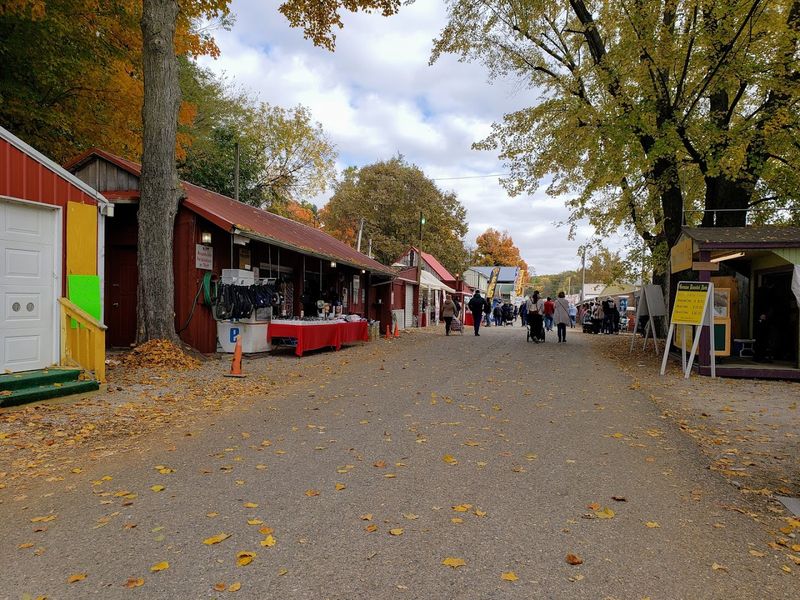
General stores used to be the heartbeat of small communities, and the one at Mansfield Village keeps that tradition alive with genuine charm. It is not a themed replica or a tourist trap dressed up to look old.
It feels like a place that simply never stopped being what it always was.
Browsing through the shelves here is a slow, pleasant kind of activity. You will find locally made jams and jellies, handcrafted goods, and of course the mill products that draw many visitors in the first place.
The pace inside is unhurried, which is refreshing when so much of daily life moves at full sprint.
The building itself adds to the experience. Old wooden floors, natural light coming through modest windows, and the faint smell of grain in the air all create an atmosphere that feels authentic without being performative.
You get the sense that people who work here actually care about the place and what it represents.
Parke County as a whole leans into its heritage in a way that feels genuine rather than manufactured, and the general store at Mansfield is a perfect example of that. Whether you are picking up a bag of cornmeal, browsing for a gift, or just taking in the atmosphere, it is the kind of stop that reminds you why small-town Indiana still has so much to offer anyone willing to slow down for a moment.
Parke County’s Covered Bridge Country Surrounds It
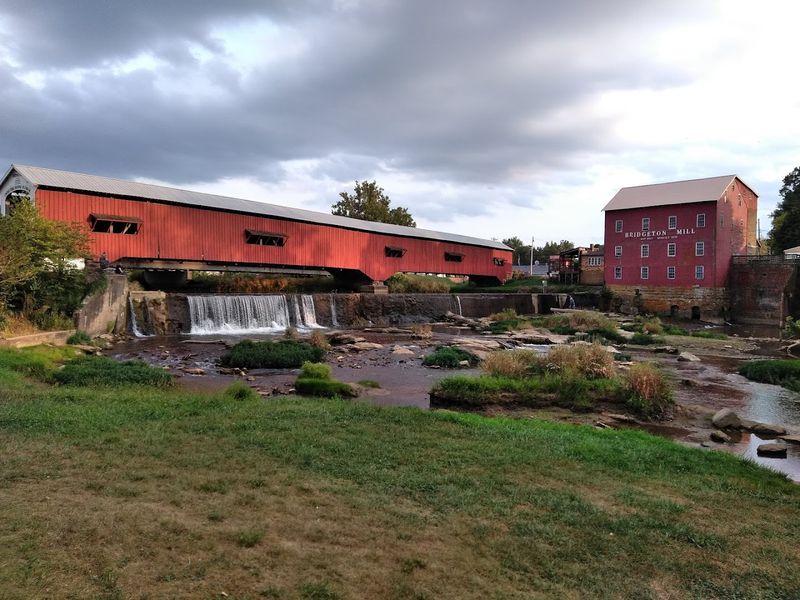
Parke County calls itself the Covered Bridge Capital of the World, and with 31 historic covered bridges still standing, that title is not an exaggeration. Visiting Mansfield Village means you are already in the middle of some of the best covered bridge scenery in the entire country.
Many of these bridges are within a short drive of the village itself, making it easy to combine a mill visit with a leisurely afternoon of bridge-hopping along quiet country roads. The Leatherwood Station Covered Bridge and the Sim Smith Covered Bridge are among the ones worth seeking out nearby.
Each one has its own character and history, and the drives between them take you through some genuinely beautiful Indiana farmland.
Every October, Parke County hosts its famous Covered Bridge Festival, which draws visitors from across the Midwest and beyond. If you can time your Mansfield visit to coincide with the festival, you will get a fuller picture of what makes this corner of Indiana so special.
The energy during festival season is warm and communal in a way that feels increasingly rare.
Even outside of festival time, driving the covered bridge routes is a peaceful and picturesque experience. Pack a lunch, take your time, and let the roads lead you where they will.
Parke County rewards the kind of unhurried exploration that most modern travel itineraries never leave room for.
The Natural Beauty of Raccoon Creek and Mill Pond
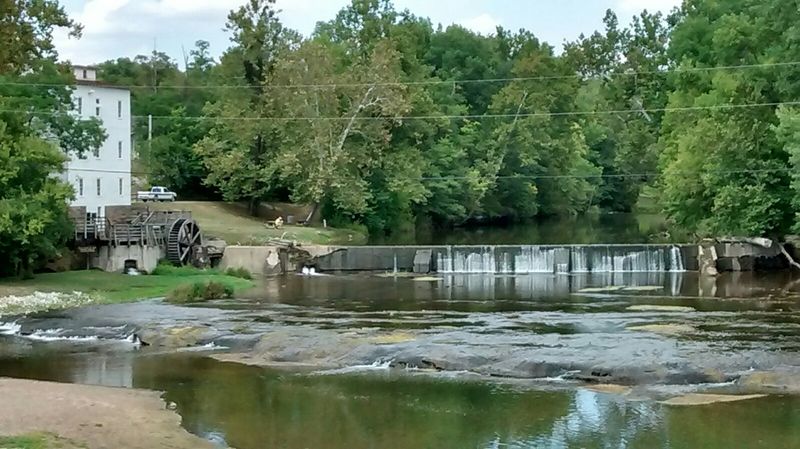
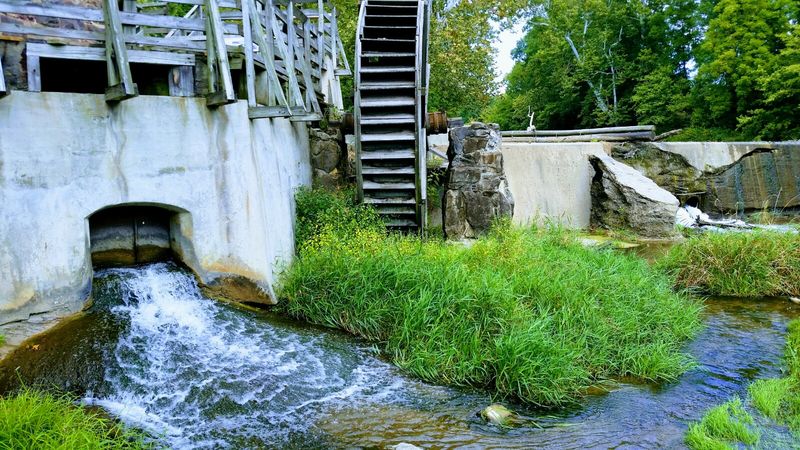
Water is at the heart of what makes Mansfield work, both literally and aesthetically. Raccoon Creek feeds the millpond that powers the mill, and the result is a setting that looks like it belongs on a postcard rather than an off-the-beaten-path stop in west-central Indiana.
The millpond is calm and reflective, especially in the early morning or late afternoon when the light hits it just right. Sitting near the water for a few minutes and watching the mill operate nearby is one of those simple pleasures that does not require any planning or expense.
It is just a genuinely beautiful spot that rewards people who take the time to notice it.
Wildlife is active around the creek and pond throughout the year. Herons, turtles, and various waterfowl make regular appearances, and the surrounding tree canopy provides shade and a sense of quiet that is hard to find closer to town.
In fall, the reflection of changing leaves in the still water is particularly striking.
For photographers, both amateur and serious, Mansfield offers layered compositions that combine natural and historic elements in a way that is almost unfairly photogenic. The mill, the water, the old bridge nearby, and the surrounding woods all come together in a scene that feels timeless.
It is the kind of place that looks better in person than in any photo, which is saying something.
History That Goes Back to the Early 1800s
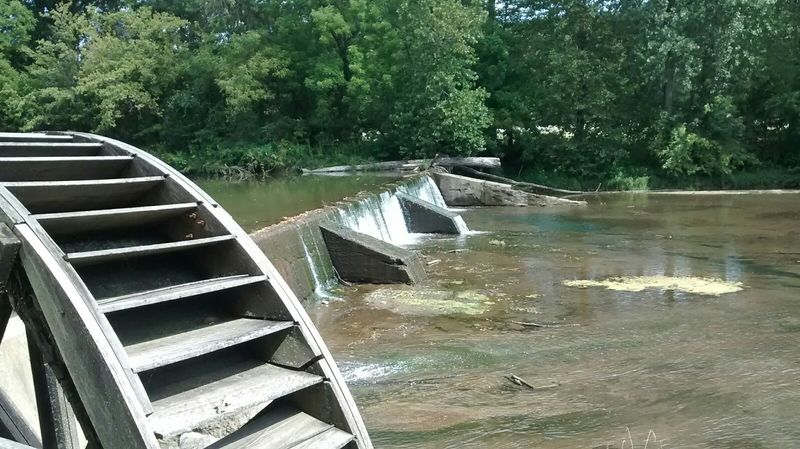
The story of Mansfield Village is woven into the broader story of Indiana’s early settlement, and that history is genuinely fascinating for anyone who likes to understand how places came to be. The mill site dates to around 1820, which means it was operating when Indiana had only been a state for a few years.
Early settlers in this region depended on mills like this one for survival. Grinding grain into flour and meal was not a quaint hobby but an essential part of keeping communities fed through long winters and busy growing seasons.
Mansfield was a hub of activity in ways that are hard to imagine when you stand in the quiet village today.
The mill survived fires, floods, and the slow economic shifts that shuttered most of its counterparts across the state. The fact that it still stands and still operates is a small miracle of preservation and community commitment.
Indiana has lost so many of its historic structures to time and neglect that the ones that survive carry extra weight.
Learning this history while standing inside the mill, surrounded by machinery that has been doing its work for generations, gives the visit a depth that is hard to replicate in a traditional museum setting. History feels more real when it is still in motion, and at Mansfield, it very much still is.
That connection to the past is worth more than any exhibit.
Nearby Attractions That Round Out the Day Trip
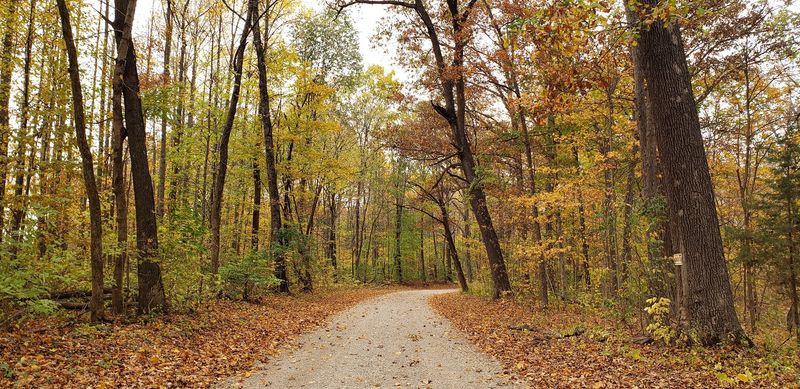
Mansfield Village is a wonderful destination on its own, but the surrounding area gives you plenty of reasons to make a full day of it. Turkey Run State Park, located at 8121 E Park Road in Marshall, Indiana, is one of the most dramatic natural landscapes in the state and sits just a short drive away.
The park features deep sandstone gorges, suspension bridges, and miles of trails that range from easy walks to more challenging scrambles through rocky terrain. It is the kind of place that surprises people who assume Indiana is flat and featureless.
The combination of a mill visit and an afternoon hike through Turkey Run makes for a genuinely memorable day outdoors.
The town of Rockville, which serves as the Parke County seat, is worth a stop as well. Located at the intersection of US 36 and US 41, Rockville has a charming courthouse square with local shops and a relaxed small-town atmosphere.
It gives you a sense of the community that surrounds and supports places like Mansfield Village.
Billie Creek Village, at 69 Billie Creek Road in Rockville, is another nearby living history site with historic buildings and demonstrations that complement the Mansfield mill experience nicely. Stringing these stops together into a single day trip through Parke County creates a rich and varied experience that leaves you understanding why locals are so proud of this part of Indiana.
Dear Reader: This page may contain affiliate links which may earn a commission if you click through and make a purchase. Our independent journalism is not influenced by any advertiser or commercial initiative unless it is clearly marked as sponsored content. As travel products change, please be sure to reconfirm all details and stay up to date with current events to ensure a safe and successful trip.
