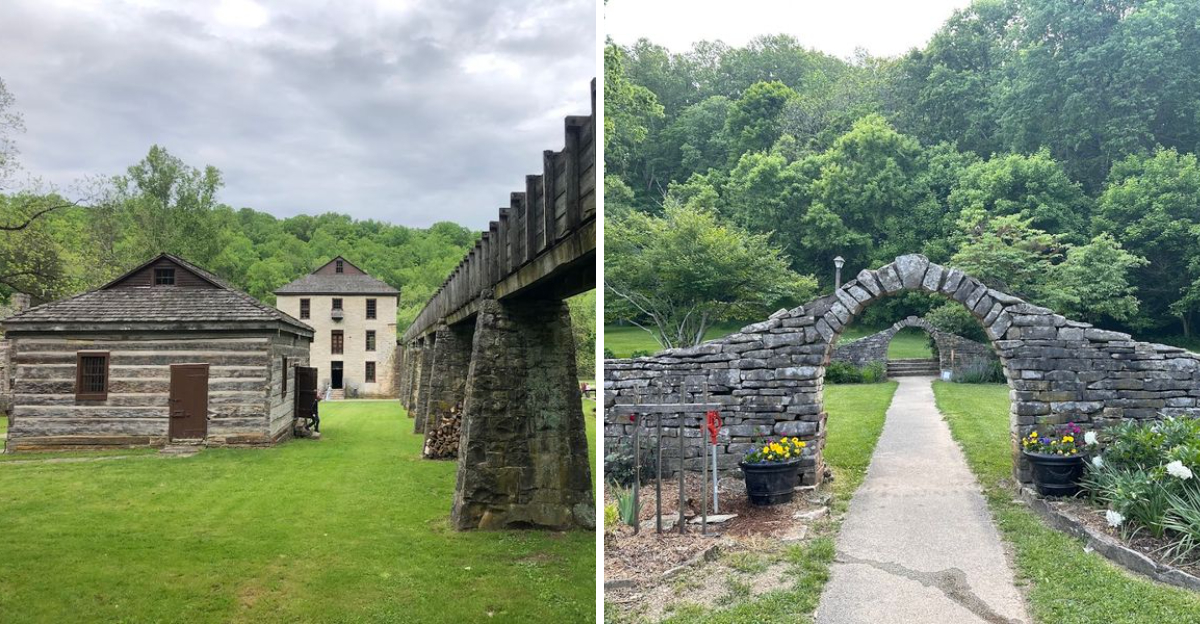
There are places in Indiana where history does not just sit behind a glass case. This historic village is one of them.
Tucked inside a scenic state park, it brings the 1800s to life through a collection of restored log cabins, stone buildings, and a working grist mill that still turns the way it did generations ago. Walking through the village feels less like visiting a museum and more like stepping directly into another century.
I have always believed the best way to understand the past is to move through it, to see the homes, tools, and buildings people once depended on every day. This place makes that possible in a way that feels surprisingly real.
Whether you remember visiting on a school field trip or you are discovering it for the first time, the experience has a way of lingering with you long after you leave.
A Working Grist Mill That Still Grinds Real Corn
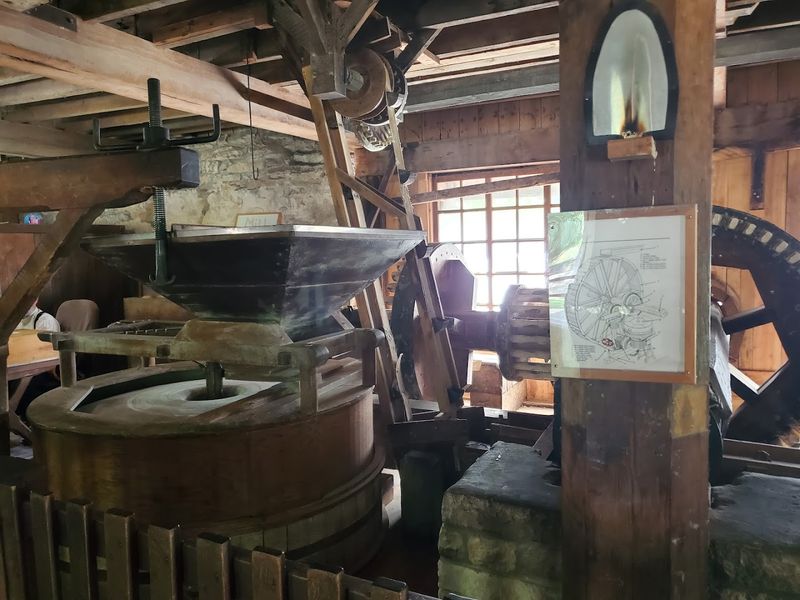
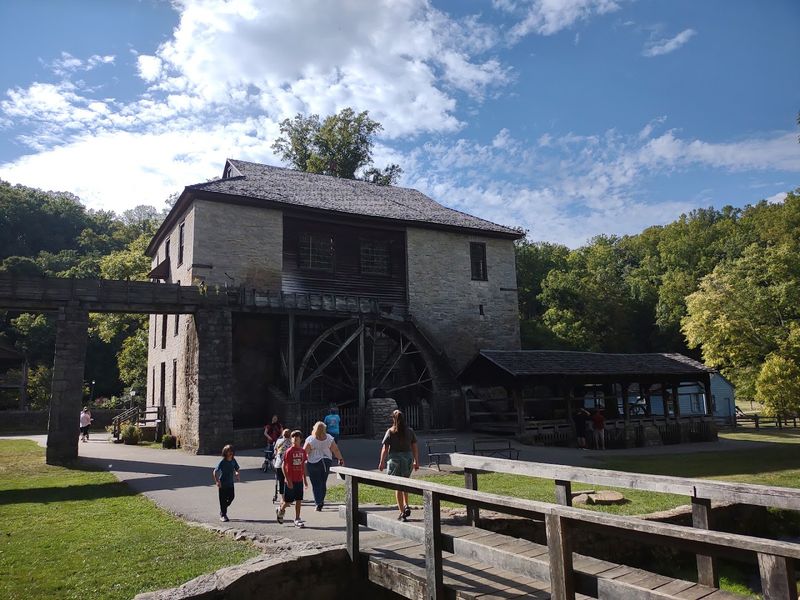
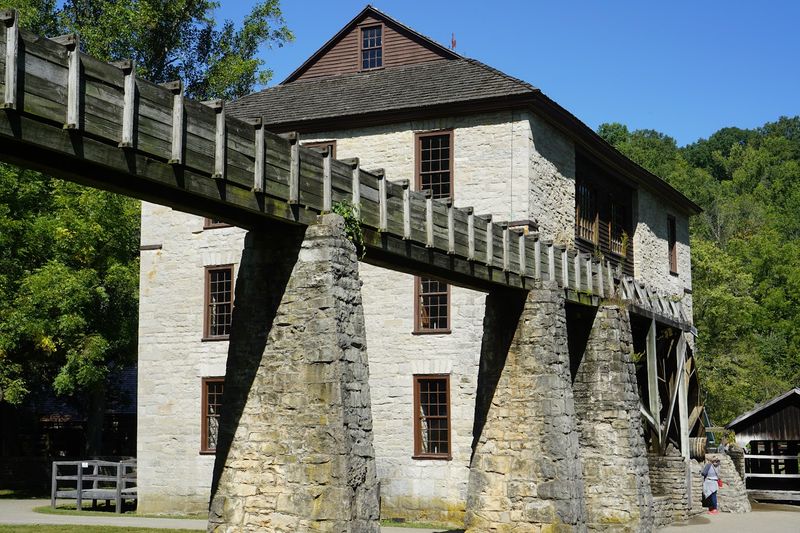
Not many places in the country can say their grist mill is still doing exactly what it was built to do. The three-story stone grist mill at Pioneer Village is fed by a cave-fed underground stream, and when it runs, it grinds Indiana-grown corn into fresh cornmeal you can actually buy and take home.
That alone makes this place worth the drive.
Watching the millstones turn and feeling the low hum of the machinery through the floor is oddly moving. It connects you to the everyday labor of people who lived here nearly two centuries ago.
The mill operates on a limited basis, so checking ahead before your visit is a smart move if seeing it in action is your main goal.
You can pick up freshly milled cornmeal at the store nearby, and knowing it came from this very mill makes cornbread taste a little different at home. The building itself is a feat of early American craftsmanship, built from local stone with a precision that still holds strong today.
This is not a replica or a movie set. It is the real thing, preserved and still breathing, right here in southern Indiana.
Log Cabins and Historic Buildings You Can Actually Walk Through
Most history museums ask you to look but not touch. Pioneer Village flips that idea almost entirely.
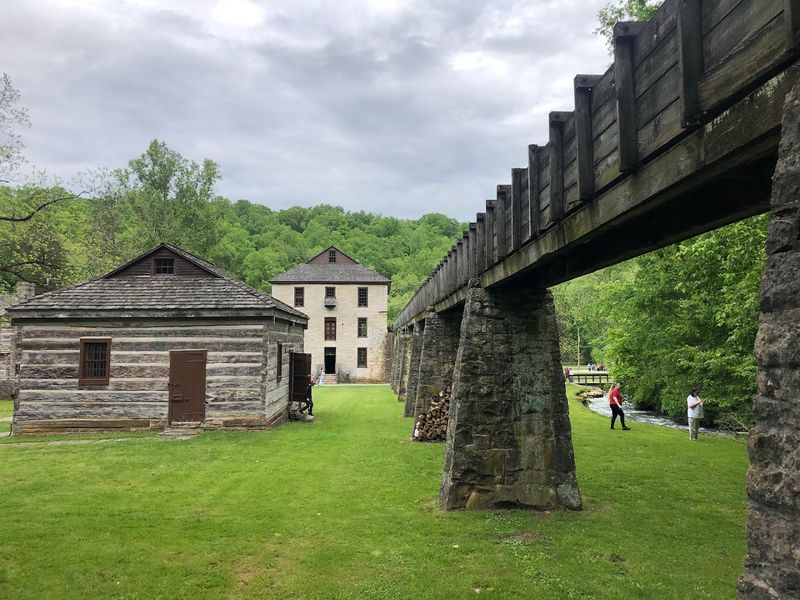
Over a dozen historic log and stone buildings are open for visitors to walk through, and almost every one of them is furnished with period-accurate items that make you feel like the original residents just stepped out for a moment.
From the tavern to the apothecary, the tannery to the weaver’s shop, each building tells a specific story about what daily life looked like in a small Indiana settlement in the early 1800s. The signage throughout the village is detailed and easy to follow, so even younger visitors come away understanding what they saw.
What makes this experience stand out is how unhurried it feels. You are free to linger in a doorway, study the tools hanging on a wall, or just sit quietly inside a cabin and take it all in.
There is no audio tour barking in your ear and no velvet rope keeping you at a distance. The buildings have been lovingly restored and maintained, and that care shows in every corner.
Families regularly spend two to three hours here without running out of things to notice. It is one of those rare places where slowing down actually feels like the right pace.
Live Reenactors Who Bring the Past to Life
History books can tell you what happened. Reenactors can show you how it felt.
On weekends from April through October, volunteers and interpreters take up posts throughout Pioneer Village, demonstrating trades and daily tasks the way they were actually done in the 1800s. You might find someone at the loom, working leather, or explaining the apothecary’s remedies with the kind of passion that makes you lean in closer.
One visitor described watching a reenactor make corn husk dolls while delivering a full history of the village without missing a stitch. That kind of engagement is rare, and it transforms a walk through old buildings into something genuinely memorable.
The volunteers here tend to have deep personal investment in what they share, and it comes through clearly.
The annual Candlelight Tour during the Persimmon Festival, typically held on the last full weekend in September, is a standout event where the entire village comes alive after dark. Church revivals, music in the tavern, leather working, and weaving demonstrations fill the village with activity that mirrors what a busy weekend in the original settlement might have looked like.
If you can only visit once a year, making it during that festival is a decision you will not regret. It is one of the most atmospheric evenings southern Indiana has to offer.
The Cave-Fed Stream and Nature Trail Worth Exploring
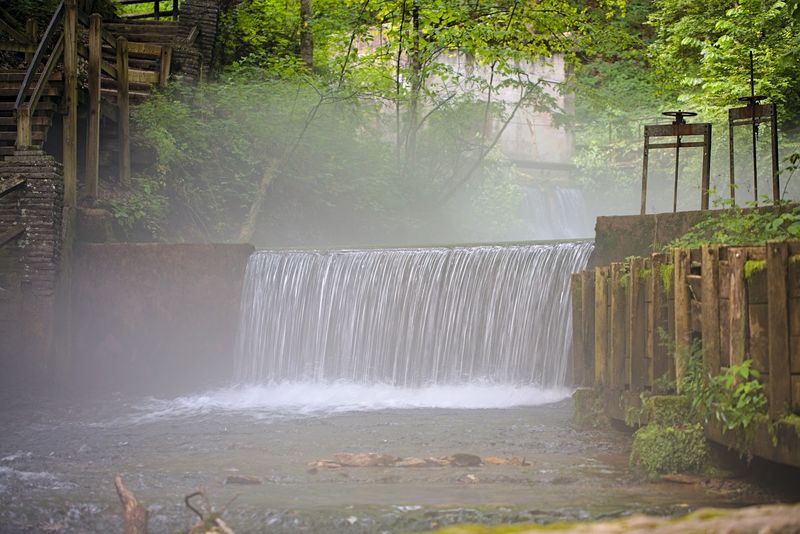
Water is at the heart of everything Pioneer Village was built around. The cave-fed stream that powers the grist mill originates from a natural cave system within the park, and there is a short trail that takes you right to the cave entrance.
Walking that path gives you a completely different perspective on why settlers chose this particular valley as their home.
The stream itself is clear and cool, and kids are especially drawn to it. The surrounding landscape of Spring Mill State Park is genuinely beautiful, with dense trees and limestone formations that remind you just how dramatic southern Indiana geography can be.
Visiting in fall when the foliage shifts into full color turns the whole trail into something that belongs on a postcard.
The park also connects to the Shawnee Hills region, an area known for its rugged natural beauty and unique ecology. Paved walkways run through the village to accommodate different mobility needs, but the trail to the cave involves a bit more natural terrain, so wearing comfortable shoes is always the right call.
Whether you are here for history or simply for a walk through genuinely pretty Indiana woods, the natural setting around Pioneer Village adds a layer to the visit that you simply cannot find in a classroom or a city museum. Nature and history meet here in a way that feels completely effortless.
An Ideal Destination for Families and School Field Trips
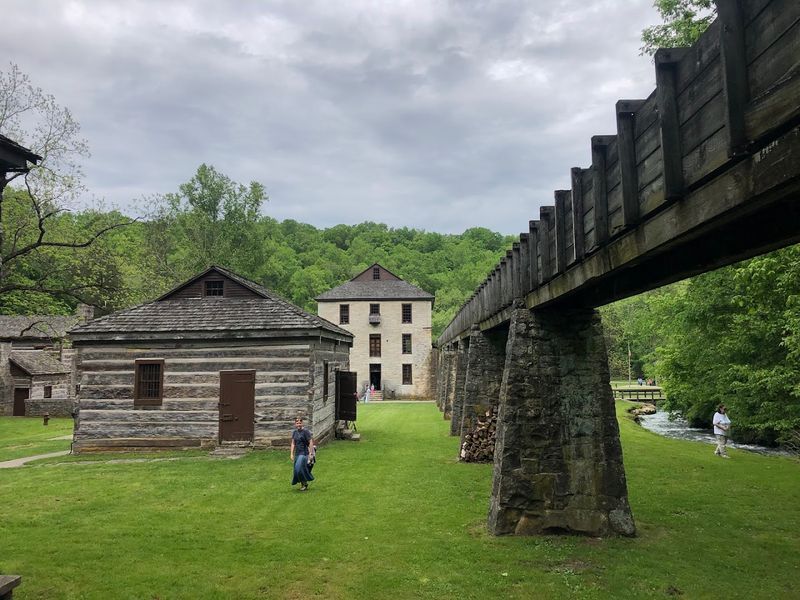
Spring Mill State Park and Pioneer Village have been a staple of Indiana school field trips for generations. Teachers bring students year after year because the hands-on learning environment is unlike anything a textbook can replicate.
Children who might fidget through a lecture will stand completely still watching a millstone spin or listening to a volunteer explain how pioneers made their own medicine from local plants.
For families visiting on their own, the village is just as rewarding. The paved walkways make it accessible for strollers and wheelchairs, and the open layout means kids can move at their own pace without feeling rushed or confined.
There is also a playground, a pool, and a picnic area within the broader park, making it easy to turn a history stop into a full day out.
Nearby, the Gus Grissom Memorial honors Mitchell native and astronaut Virgil “Gus” Grissom, adding another layer of Indiana pride to the visit. The memorial is located within the park and includes exhibits about his life and contributions to the space program, including pressed penny machines that younger visitors tend to love.
Spring Mill Inn, located at 3333 IN-60, Mitchell, IN 47446, offers meals and lodging right inside the park, so there is no need to leave if you want to stretch the day into an overnight stay. It is the kind of place that earns repeat visits.
Included With State Park Admission and Genuinely Worth Every Penny
One of the most surprising things about Pioneer Village is the price. Access is included with standard Indiana State Park admission, which makes it one of the most generous historic experiences in the entire state.
For what you get, the value is almost hard to believe. There are no separate ticket booths, no premium tiers, and no upsells waiting inside.
Visitors who have compared it to larger paid attractions, including Conner Prairie in Fishers, have walked away feeling like Pioneer Village delivered just as much, if not more, in terms of authenticity and atmosphere. The site is well maintained, the bathrooms are clean, and the grounds are kept with obvious care.
None of that happens by accident.
The volunteers and staff who keep this place running bring a level of dedication that goes well beyond a job description. Their enthusiasm for the history of Spring Mill comes through in every interaction and every carefully restored corner of the village.
Whether you are visiting solo, with a partner, or with three generations in tow, the experience scales beautifully. You can spend ninety minutes or an entire afternoon and still feel like you got more than you came for.
In a time when quality experiences often come with steep price tags, Pioneer Village stands as proof that the best things in Indiana do not always cost a fortune.
A Year-Round Destination With Something Different Every Season
Most outdoor historic sites have a peak season and then go quiet. Pioneer Village holds its character across all four seasons in a way that keeps people coming back.
Summer brings the fullest schedule of reenactors and mill demonstrations. Fall transforms the entire park into one of the most visually striking landscapes in southern Indiana, with hardwood trees shifting into deep golds and reds against the limestone buildings.
Winter visits offer a quieter, more contemplative experience. The crowds thin out, and you can move through the village at a genuinely unhurried pace.
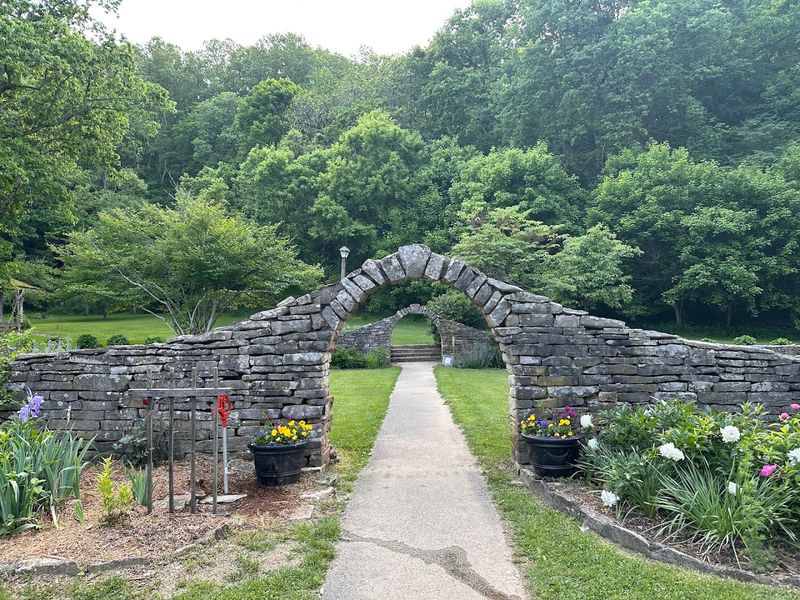
Spring brings blooms across the park grounds and a fresh energy as the season’s programming kicks back into gear. No matter when you arrive, the core experience of walking through a preserved 1800s settlement remains constant and compelling.
For those planning a longer trip, the surrounding Mitchell area offers additional stops worth making. The Spring Mill State Park campground and Spring Mill Inn at 3333 IN-60, Mitchell, IN 47446 make it easy to stay overnight.
The nearby Bluespring Caverns at 1459 Blue Spring Caverns Road, Bedford, IN 47421 offers an impressive underground boat tour through one of the longest navigable underground rivers in the country. Pairing Pioneer Village with a cavern tour makes for a genuinely full southern Indiana weekend that blends history, nature, and local character in a way that feels anything but ordinary.
Dear Reader: This page may contain affiliate links which may earn a commission if you click through and make a purchase. Our independent journalism is not influenced by any advertiser or commercial initiative unless it is clearly marked as sponsored content. As travel products change, please be sure to reconfirm all details and stay up to date with current events to ensure a safe and successful trip.
