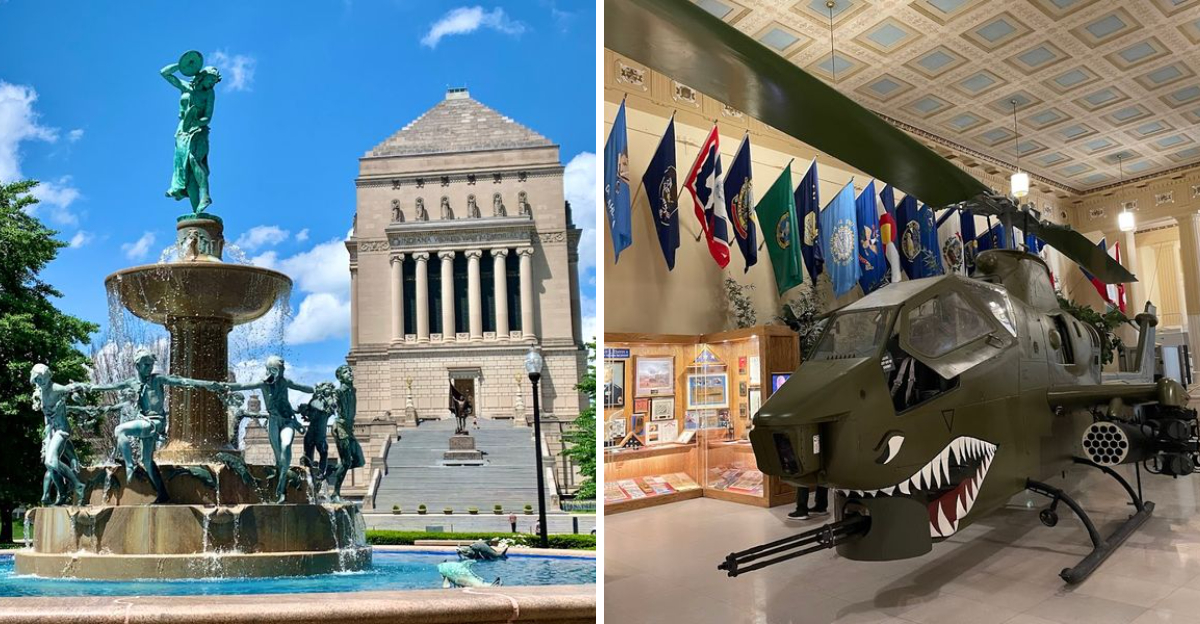
Walking through downtown Indianapolis, I’ve passed the Indiana War Memorial Plaza countless times, and each visit reveals something new that stops me in my tracks. This isn’t just another museum tucked away in the city.
It’s a living tribute spread across 25 acres, the largest urban memorial plaza dedicated to veterans in the entire country. The neoclassical architecture rises from the heart of Indianapolis like a beacon, drawing you toward stories of sacrifice, courage, and the Hoosiers who answered the call throughout American history.
From the Revolutionary War to modern conflicts, this place connects us to something bigger than ourselves. I find myself returning not just for the history lessons, but for the quiet moments of reflection the memorial inspires.
Whether you’re a history enthusiast, an architecture lover, or simply looking for a meaningful experience in Indianapolis, the Indiana War Memorial Plaza offers something that few places can match. The best part?
Admission is free, making this profound experience accessible to everyone who wants to honor those who served.
Stunning Neoclassical Architecture That Rivals National Monuments
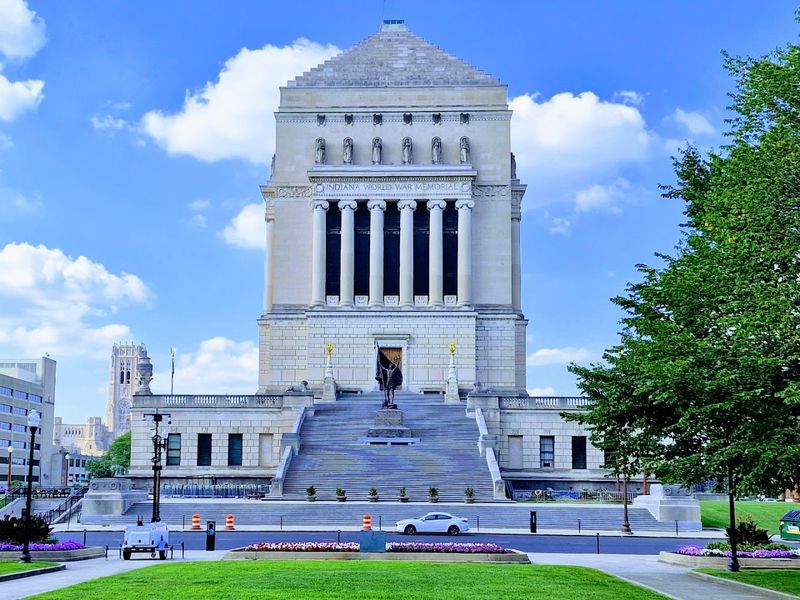
The Indiana War Memorial building commands attention with architectural grandeur that belongs in Washington D.C. Designed by architects Walker and Weeks, this limestone masterpiece features towering columns that reach skyward like ancient sentinels.
The building’s exterior showcases classic Greek and Roman influences, with intricate detailing that rewards close inspection.
Massive bronze doors welcome visitors into a space where every design element carries symbolic weight. The symmetry and proportion of the structure create a sense of permanence and dignity befitting its purpose.
Natural light filters through carefully placed windows, illuminating marble surfaces that glow with warmth.
The plaza surrounding the memorial extends the architectural vision across multiple city blocks. Fountains, sculptures, and landscaped areas create outdoor rooms for contemplation and remembrance.
Walking the grounds, you’ll notice how the buildings frame the sky, creating dramatic vistas from every angle.
Art Deco influences blend seamlessly with neoclassical elements throughout the complex. The craftsmanship evident in every carved detail speaks to the dedication of those who built this memorial during the 1920s and 1930s.
These architectural choices weren’t arbitrary but deliberate expressions of respect and permanence.
The memorial’s design philosophy emphasizes timelessness over trends. Unlike modern buildings that date themselves within decades, this structure feels as relevant today as when it first opened.
The architecture itself becomes a form of storytelling, communicating values of honor, sacrifice, and enduring memory through stone and bronze.
The Breathtaking Shrine Room With Its Towering Flag Display
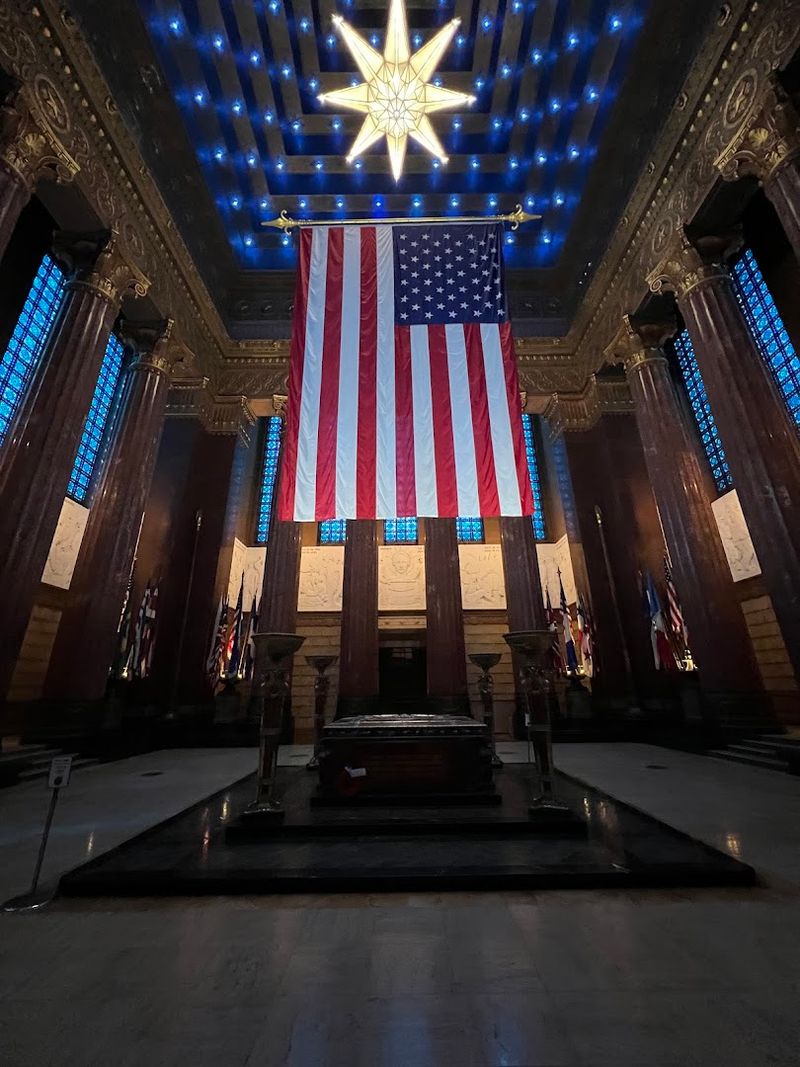
Ascending to the Shrine Room feels like entering a sacred cathedral dedicated to American service members. The space soars overhead, supported by enormous marble pillars that dwarf visitors standing below.
At the room’s heart hangs an American flag so large it takes your breath away, measuring approximately 50 feet in length.
The altar area creates a focal point for reflection and remembrance. Soft lighting emphasizes the room’s reverent atmosphere, encouraging quiet contemplation.
Every surface features meticulous craftsmanship, from the polished marble floors to the ornate ceiling decorations overhead.
This isn’t a space you rush through. The room’s acoustic properties create a hushed quality that naturally encourages whispered conversations and thoughtful silence.
Many visitors report feeling overwhelmed by the combination of architectural beauty and solemn purpose.
The Shrine Room serves as the memorial’s spiritual center, hosting ceremonies and special events throughout the year. Veterans and their families often visit to pay respects in this dignified setting.
The room’s design intentionally evokes feelings of awe and gratitude, reminding us of sacrifices made on our behalf.
Photographing the space presents challenges due to its vast scale and lighting conditions. No image truly captures the experience of standing beneath that enormous flag, surrounded by marble columns that seem to reach toward heaven.
The Shrine Room represents the memorial’s highest achievement in creating sacred space for public remembrance, offering a powerful counterpoint to our often hurried modern lives.
Comprehensive Military Museum Spanning American Conflicts
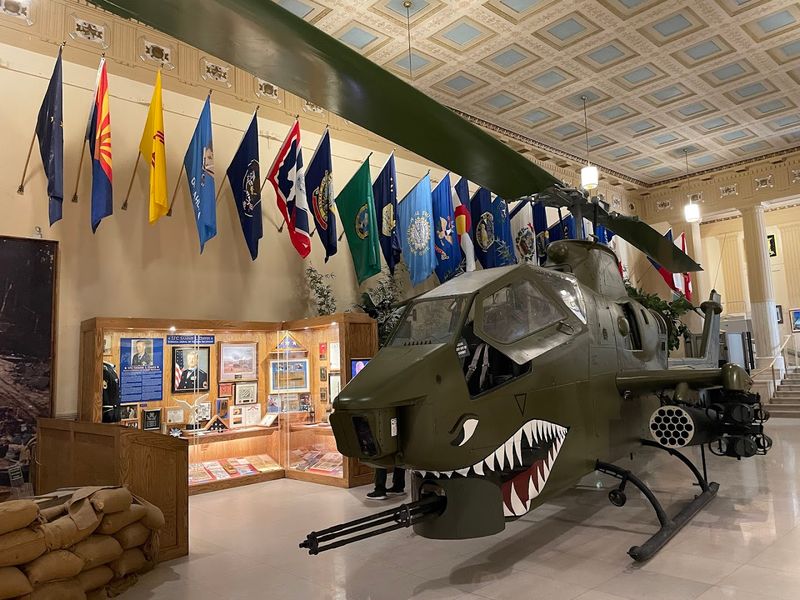
The museum collection spans centuries of American military history, with special emphasis on Indiana’s contributions to each conflict. Exhibits begin with the French and Indian War and Revolutionary War, featuring authentic artifacts that bring these distant conflicts into sharp focus.
Original uniforms, weapons, and personal items create tangible connections to soldiers who served generations ago.
World War I receives extensive coverage, appropriate given the memorial’s original dedication to that conflict. Detailed dioramas recreate trench warfare conditions, while artifact displays include everything from gas masks to handwritten letters from the front.
The exhibit comparing boots and shoes worn by different armies offers fascinating insights into the daily realities soldiers faced.
The museum excels at highlighting contributions from diverse communities. Exhibits documenting African American and women’s military service provide important historical context often overlooked elsewhere.
Indiana’s role in training pilots, manufacturing war materials, and sending soldiers to every major conflict becomes clear through thoughtfully curated displays.
Interactive elements include videos, models, and carefully constructed scenes that help visitors understand complex military operations. The USS Indianapolis exhibit stands out as particularly moving, honoring the heavy cruiser’s crew and their tragic fate.
A dedicated section on September 11th remembers Hoosiers lost in the attacks.
The museum’s chronological organization helps visitors understand how warfare evolved over centuries. From muskets to modern technology, the progression of military equipment tells its own story.
Plan to spend several hours exploring if you want to appreciate the full scope of the collection.
Free Admission With Optional Donations Supporting Preservation
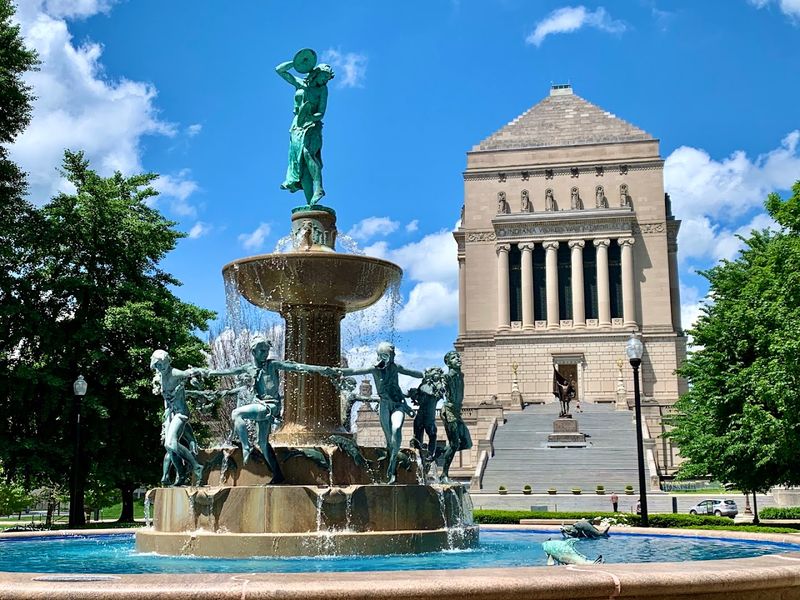
In an era when museum admission prices continue climbing, the Indiana War Memorial offers completely free entry to all visitors. This accessibility ensures that anyone interested in military history or honoring veterans can experience the memorial regardless of financial circumstances.
The policy reflects the memorial’s public mission and commitment to education.
A small donation box near the entrance allows visitors to contribute if they choose. These voluntary donations help fund ongoing maintenance, exhibit updates, and educational programming.
Even modest contributions make a difference in preserving this important historical resource for future generations.
The free admission policy makes the memorial an excellent destination for families, school groups, and budget-conscious travelers. You can return multiple times to explore different sections without worrying about ticket costs adding up.
This encourages deeper engagement with the exhibits and memorial spaces.
Staff members greet visitors warmly, offering orientation information and answering questions about the facility. Their friendly presence enhances the welcoming atmosphere.
The memorial operates on donations, grants, and state support rather than admission fees, demonstrating a commitment to public access.
Visiting without financial barriers removes one obstacle to honoring veterans and learning about military history. The value provided far exceeds what you’d expect even from paid attractions.
Hours of educational content, stunning architecture, and moving tributes await every visitor who walks through the doors.
Consider leaving a donation if you’re able, knowing your contribution directly supports preservation efforts. The memorial’s maintenance requirements are substantial given the building’s age and size, making every donation meaningful in protecting this irreplaceable resource.
The Magnificent Auditorium With Exceptional Acoustic Design
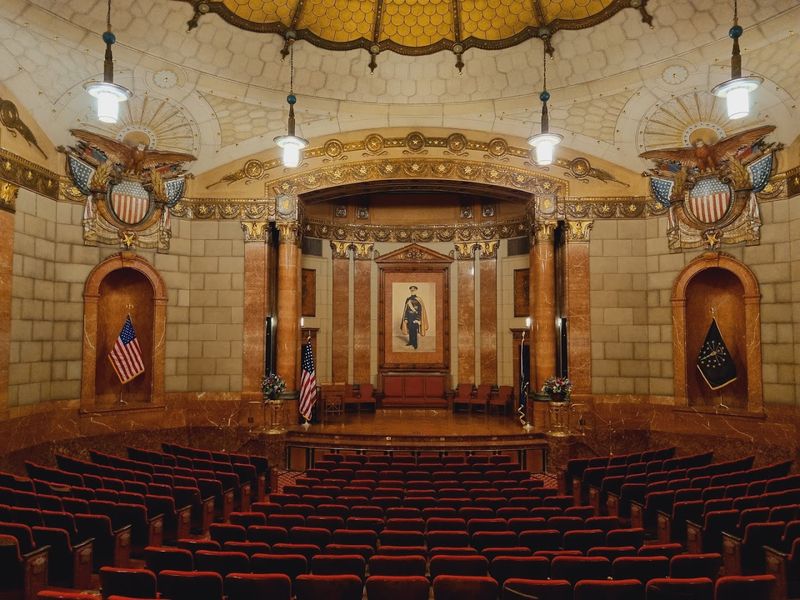
Beyond the museum spaces, the memorial houses an auditorium that rivals concert halls in its acoustic quality and architectural beauty. The room feels more like a chapel than a performance venue, with decorative elements that complement the building’s overall aesthetic.
Ornate details cover every surface, from the ceiling to the wall treatments.
The auditorium hosts various events throughout the year, from memorial services to educational programs. Its design serves multiple purposes while maintaining the building’s solemn character.
Seating arrangements allow for both large gatherings and more intimate ceremonies.
Acoustic engineering from the 1920s and 1930s still impresses modern visitors and performers. The room’s proportions and materials create natural sound amplification without electronic enhancement.
Voices carry clearly to every seat, making the space ideal for speakers and musical performances alike.
Architectural details throughout the auditorium reward careful observation. Carved woodwork, decorative plaster, and period lighting fixtures demonstrate the craftsmanship invested in every corner of the memorial.
The space reflects an era when public buildings received the same attention to detail as private palaces.
Many visitors spend time simply sitting in the auditorium, absorbing its peaceful atmosphere. The room encourages reflection and offers a quiet retreat from the busy streets outside.
Its chapel-like qualities make it particularly meaningful for veterans and families remembering loved ones.
The auditorium represents another example of how the memorial’s designers created spaces that elevate the human spirit. Every element works together to inspire reverence and gratitude, transforming a simple room into something transcendent and memorable.
USS Indianapolis Memorial Honoring Naval Tragedy And Heroism
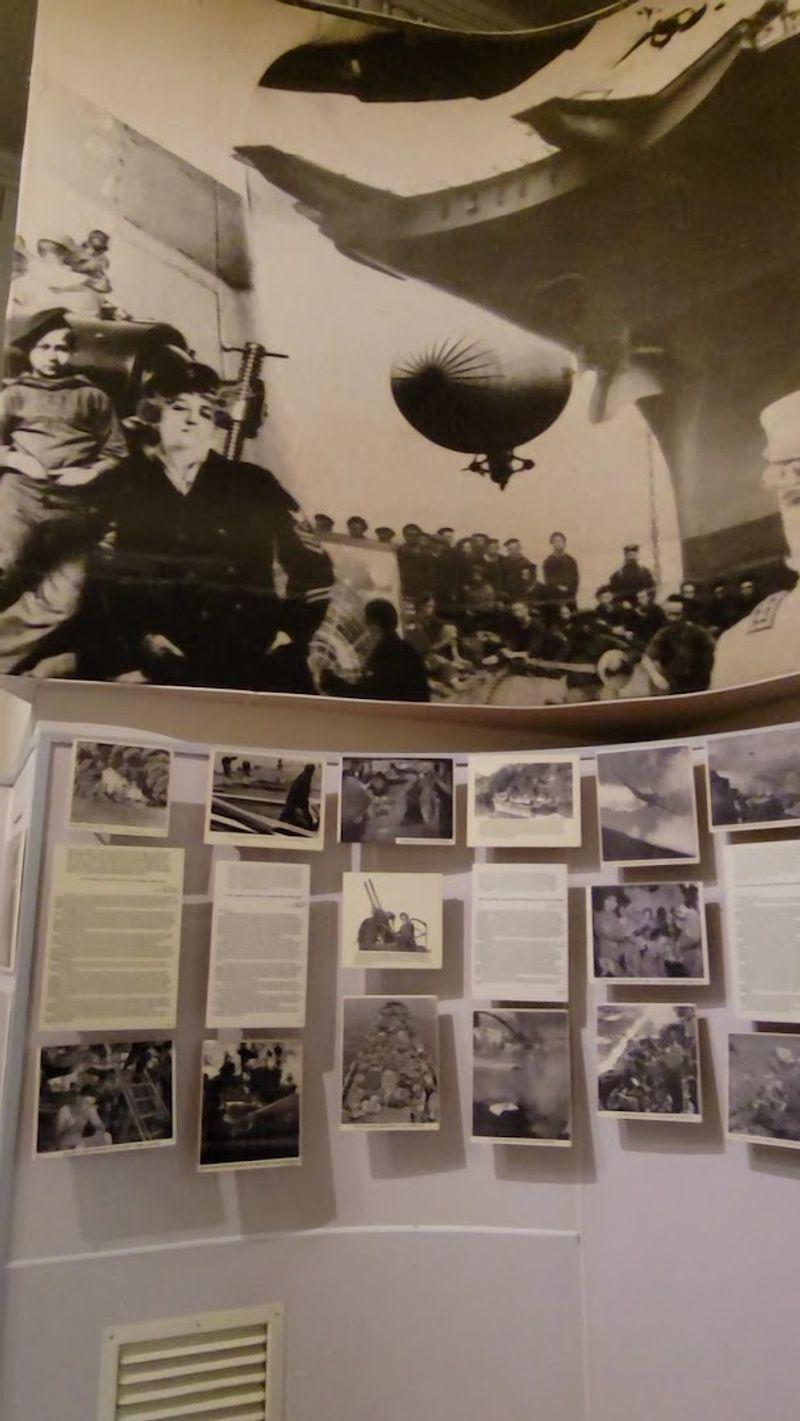
Among the museum’s many exhibits, the USS Indianapolis display stands as one of the most emotionally powerful. The heavy cruiser delivered components for the atomic bomb before being torpedoed in July 1945, leading to one of the worst naval disasters in American history.
Only 316 of the 1,196 crew members survived days in shark-infested waters.
The exhibit honors both those who perished and the survivors who endured unimaginable conditions. Artifacts, photographs, and personal accounts bring the tragedy into sharp focus.
Many Indiana families lost loved ones in the disaster, making this memorial particularly meaningful for local visitors.
Detailed explanations help visitors understand the sequence of events that led to the sinking and the delayed rescue. The Navy’s failure to notice the ship’s absence compounded the tragedy.
Survivors’ testimonies describe the terror of floating in the Pacific, watching shipmates succumb to injuries, exposure, and shark attacks.
The display includes ship models showing the Indianapolis in its prime and explaining its wartime service. The cruiser’s role in delivering atomic bomb components to Tinian Island adds historical significance beyond the sinking itself.
This mission contributed directly to ending World War II.
Visitors often spend extended time at this exhibit, reading individual stories and studying photographs of young sailors. The human cost of naval warfare becomes impossible to ignore.
The memorial ensures these men’s sacrifice won’t be forgotten, preserving their memory for generations who never experienced World War II.
The exhibit demonstrates how the Indiana War Memorial connects state history to national and global events, showing how Hoosiers participated in defining moments of American history.
Central Downtown Location Near Additional Historic Sites
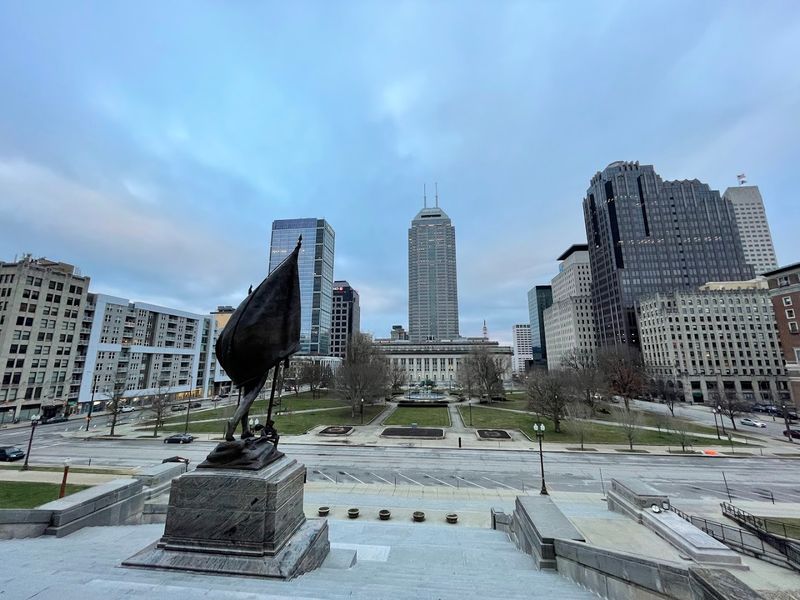
The memorial’s location at 55 East Michigan Street places it at the center of Indianapolis’s downtown historic district. The surrounding area features additional monuments, parks, and cultural attractions within easy walking distance.
After exploring the memorial, you can continue your historical journey through the city’s most significant sites.
Monument Circle sits just blocks away, featuring the Soldiers and Sailors Monument that predates the War Memorial. This 284-foot limestone tower offers observation deck views of downtown Indianapolis.
The monument honors Civil War veterans and serves as the city’s most recognizable landmark.
The American Legion National Headquarters at 700 North Pennsylvania Street continues the district’s military theme. This Art Deco building houses the organization founded by World War I veterans.
Its location reinforces the area’s identity as a center for veteran remembrance and service.
White River State Park lies nearby at 801 West Washington Street, offering green space, museums, and the Indianapolis Zoo. The Indiana State Museum at 650 West Washington Street provides broader context about Hoosier history and culture.
These attractions create a full day of exploration possibilities.
Numerous restaurants and cafes surround the memorial area, making it easy to plan meals around your visit. Mass Ave, running northeast from downtown, features local eateries and shops in renovated historic buildings.
The cultural district offers everything from casual dining to upscale restaurants.
Paid street parking and parking garages serve the area, making access convenient for drivers. The memorial’s central location also makes it accessible via public transportation and rideshare services.
Its position in the heart of Indianapolis ensures easy integration into any downtown itinerary.
