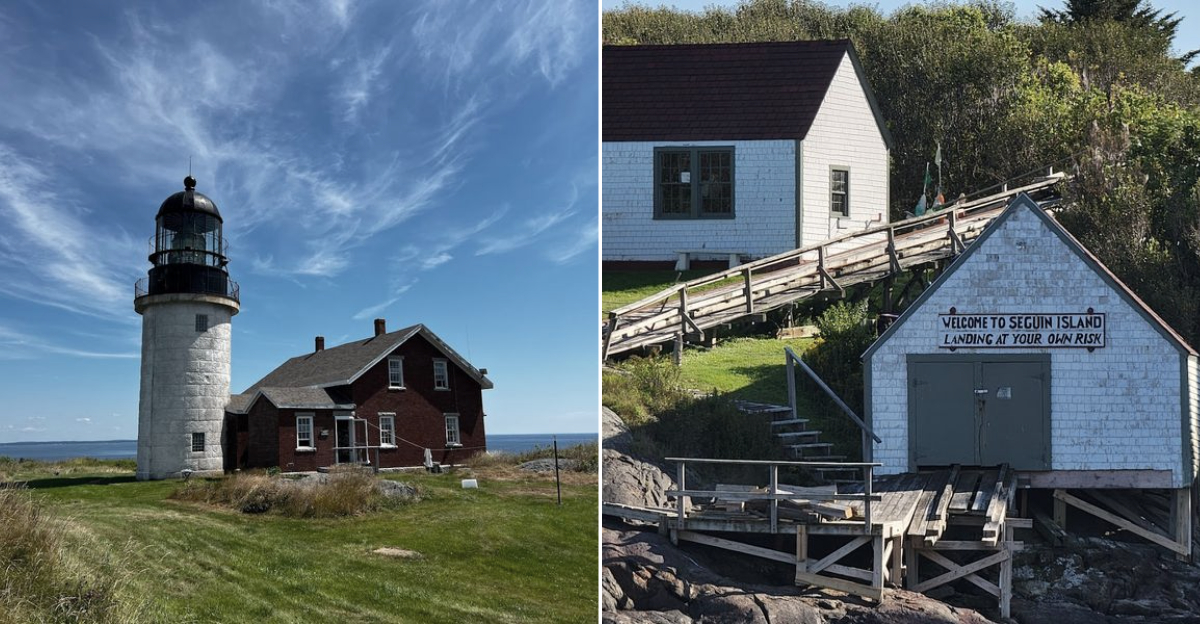
A lighthouse commissioned by George Washington, a ghost story involving a piano, and the brightest beacon on the Maine coast. This historic island light has it all.
The tower was built under the nation’s first public works act in 1795, making it the second-oldest lighthouse in the state and the first ever built on a Maine island. The current granite tower, constructed in 1857, is the tallest in Maine, with a rare first-order Fresnel lens that can be seen for over 20 miles.
But the real draw for ghost hunters? The legend of a keeper’s wife who played the same piano song over and over until her husband snapped.
Visitors still claim to hear a lone melody drifting across the fog. The light was automated in 1985, but a nonprofit now hires seasonal keepers to maintain the island and welcome curious guests.
You can even see the state’s last surviving historic tramway, used to haul supplies up the bluff. So which fog?shrouded island holds a tragic tune and a restless spirit?
Pack your ears and a sense of the eerie. The piano may start playing before you even reach the door.
Maine’s Highest Lighthouse Since 1795
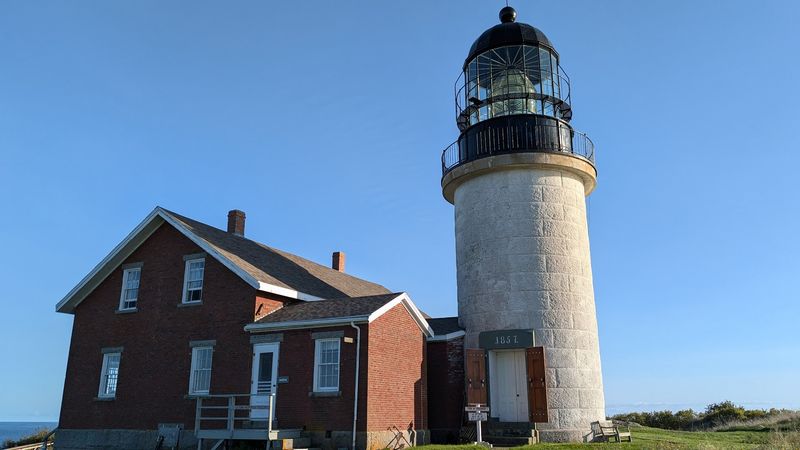
Start with the climb, because that is where your breath syncs with the place and your ears tune to the wind. Maine does height in a humble way, and this tower wears it like an old sweater that still fits.
The view slides open as if a curtain is pulled back, and the horizon feels wider than whatever you carried over with you.
Up close, the stone looks worked by hands and weather, a steady reminder that utility can be beautiful without even trying. You see flecks of lichen, old paint, and salt lines that read like annotations on a long, ongoing draft.
The lantern sits above it all, steady and unfussed, like someone who knows the punchline but would rather let you discover it slowly.
People talk about the ghost first, but the height does something simpler, almost kinder. It puts you above your own noise just long enough to hear the ocean think.
And if a piano phrase floats on the air when the fog noses in, well, you let it pass through and leave what it wants to leave.
A Remote 64 Acre Island Two Miles From Phippsburg
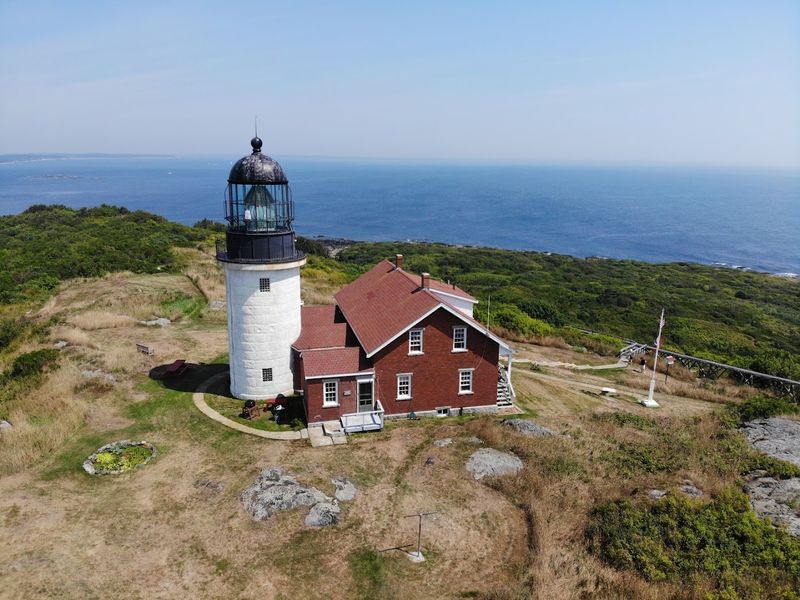
The remoteness hits first, then the quiet that follows a few beats later, like your ears are adjusting. You are standing on Seguin Island, feeling the wind thread through scrub and grass, with gulls wheeling by as if they own the lease.
It is the kind of quiet that does not feel empty, more like a room where someone just stepped out.
For reference, here is the full address you asked me to include: Seguin Island Light Station, Seguin Island, Phippsburg, ME 04562. You only need that once, because after you arrive, you will not forget where you are.
The mainland looks close and far at the same time, like a memory you can almost reach but not quite.
People from Maine say the weather flips here with its own logic, and you can feel that moodiness under your boots. The paths curve past wildflowers and rock ledges that have their own vocabulary.
If you hear soft music drifting from the keeper’s place, do you mention it, or do you let the island keep its small theater going?
The 1857 Brick Tower With A Black Lantern Room
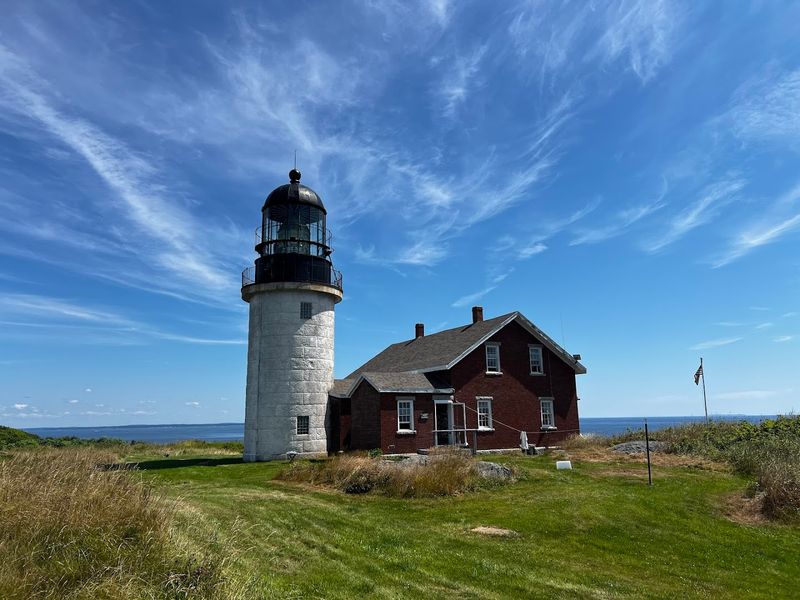
Walk right up to the brick and run a hand over the texture, because it tells you more than any plaque ever could. You feel grit, warmth, and a kind of patient stubbornness that suits coastal Maine perfectly.
The color shifts with the light, moving from russet to umber, while the lantern above frames the sky like a careful photograph.
The ironwork has that handsome, lived?in look that never begs for attention. Seams, bolts, and railings all line up with practical confidence, like they know the routine and do not need praise.
It is the kind of structure that lets weather talk first, then speaks up only when the sea gets pushy.
Sometimes, a shadow moves where the stairwell bends, and you pause without meaning to. Maybe it is angle and fog, or maybe it is a memory practicing its lines, waiting for a quiet audience.
Either way, the tower does not lean on the legend, because it holds its ground just fine on its own.
A First Order Fresnel Lens Casting Light For 20 Miles
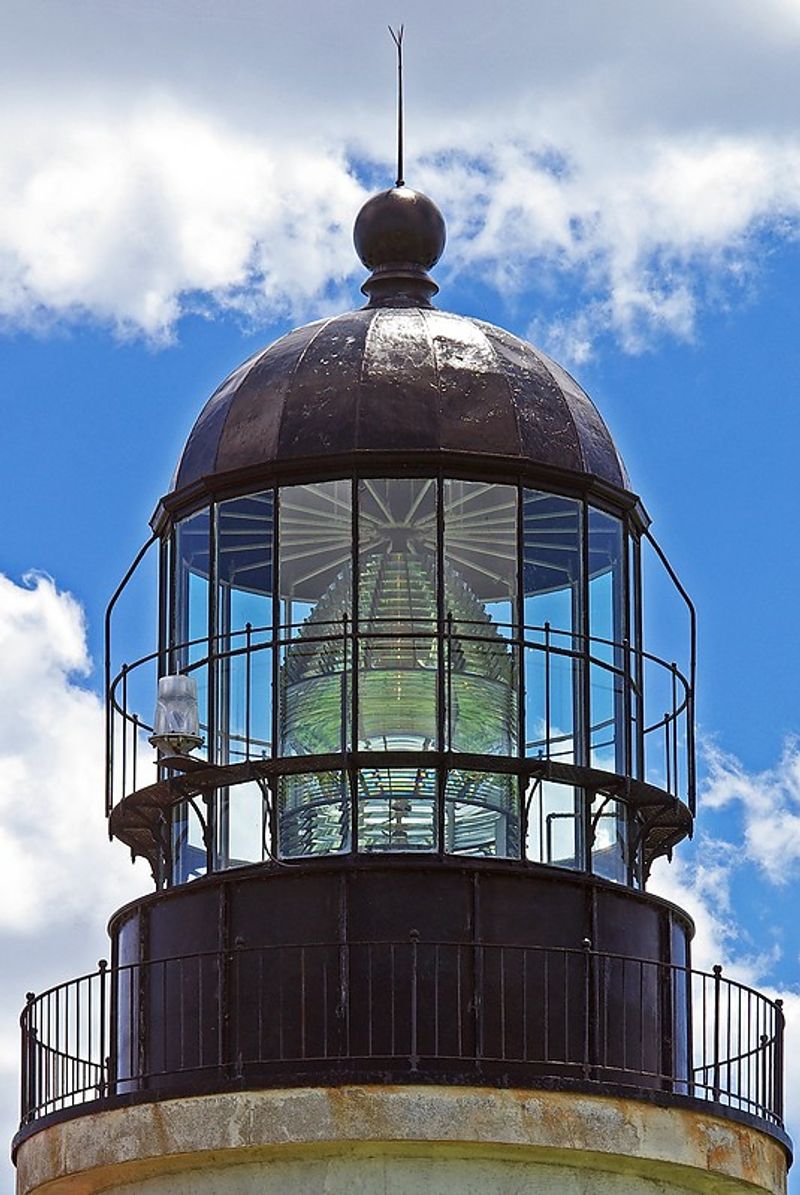
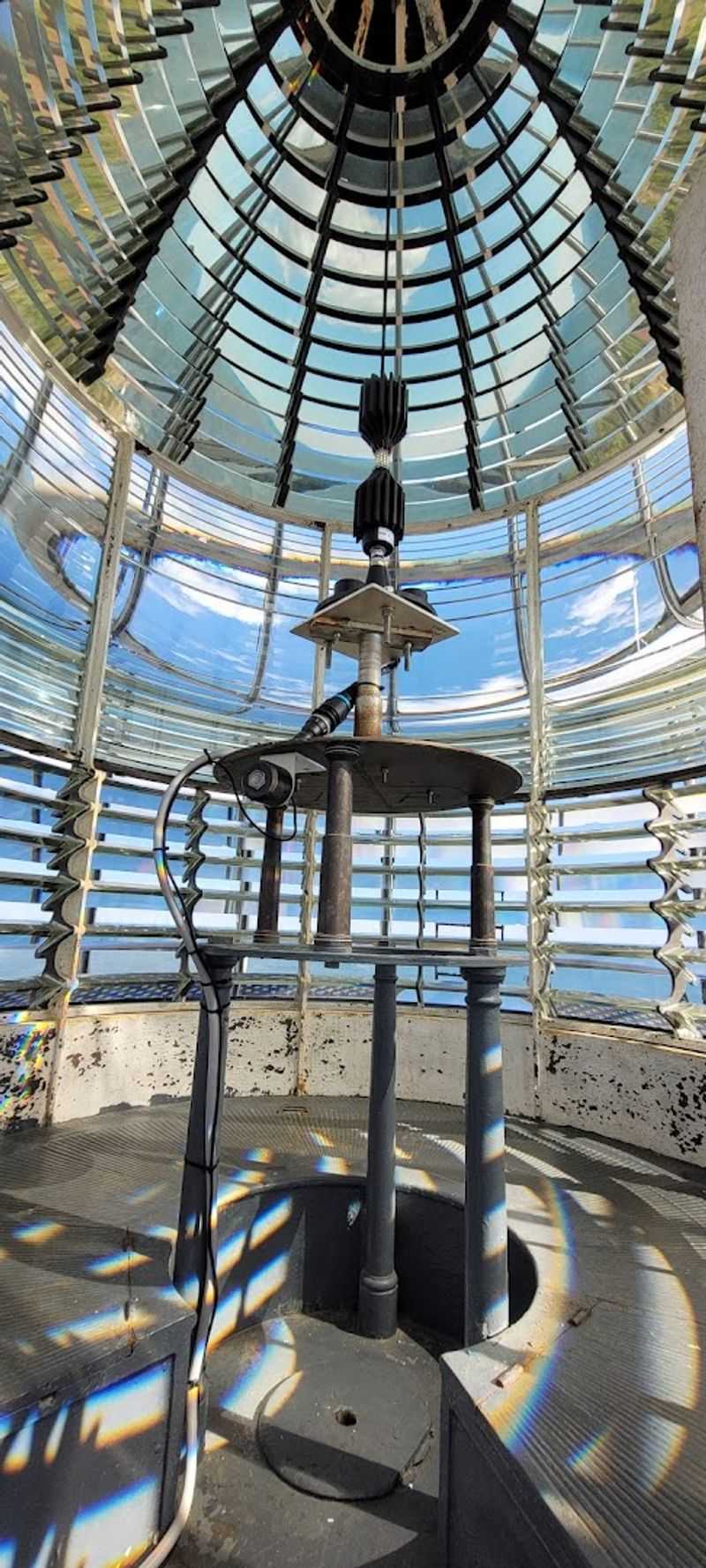
Step into the lantern room and you meet geometry you can feel. Glass prisms bend the day into ribbons, and your reflection stacks itself in quiet, prismatic echoes.
The whole thing looks delicate but stands with a composure that feels almost human, like a watchful neighbor who never misses a beat.
Every groove has a purpose, and the brass carries that mellow sheen of long, honest work. You get why mariners trusted this place, not because it shouted, but because it showed up, night after night, without drama.
The light lands on the water and suddenly the surface flattens into a path your eyes can follow without thinking.
Stories say the music sometimes starts here, a faint, patient phrase rising with the glow. Maybe it is the wind working the glass, or maybe it is the island humming to itself after company leaves.
Either way, you lean in, catch the shape of the sound, and let it fold into the view.
The Island Once Set A Record For Fog In 1907
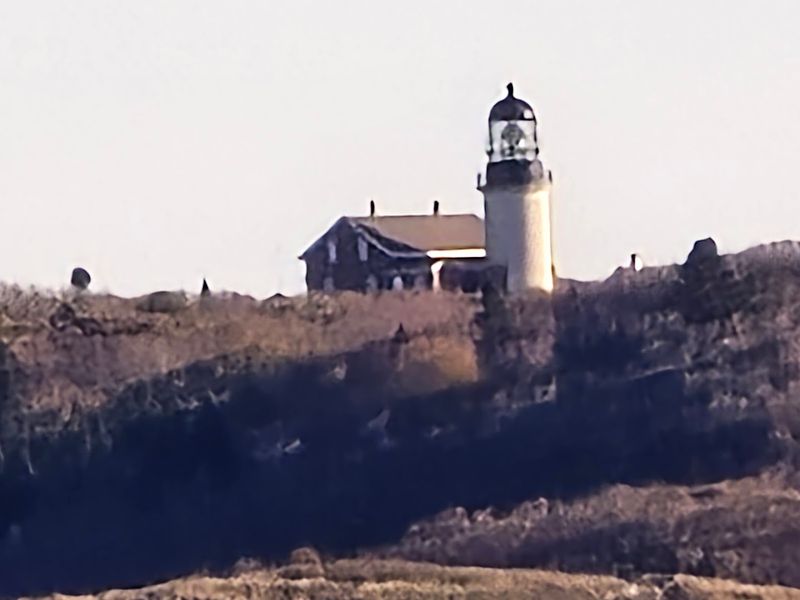
Fog here is not a visitor, it is a roommate with opinions. It slides in with the tide, arranges the furniture, and asks you to lower your voice.
Maine fog does that generous thing where it softens the edges but sharpens your hearing, and suddenly every gull and bell sounds a little closer.
On days like that, you understand why keepers watched the sky like a clock. The island shrinks to a few familiar shapes, and the path to the tower becomes a small act of faith.
Boots scuff, your jacket taps your shoulder, and the whole place narrows into a quiet, careful frame.
People love to quote records, but the feeling of it is the real headline. You breathe slower, you notice the color of wet rope, and you give the water the last word.
If music threads through the gray, it is only natural to wonder who is practicing scales when no one else is around.
A Steam Whistle And A Fog Bell From The 1800S
You hear the place before you see it, a low note that settles in your ribs and stays awhile. The old signal gear sits with a kind of theater kid confidence, ready to fill the stage whenever the curtain of fog drops.
Metal, rope, and wood all share that seasoned Maine patina that comes only from long, salty company.
Stand close and you feel the instruments as much as you hear them. Vibrations step through the ground, and even your jacket zipper seems to buzz in sympathy.
The bell has that round, bronze voice that feels older than language, the kind of sound that convinces you to slow down and listen properly.
Legends float easily in a soundscape like this, because every echo arrives with its own personality. Was that a scale, or just wires sighing in the damp air?
Either way, the signals keep their post, pragmatic and loyal, while the story stretches its legs in the background.
A Tramway Built In 1895 To Haul Supplies
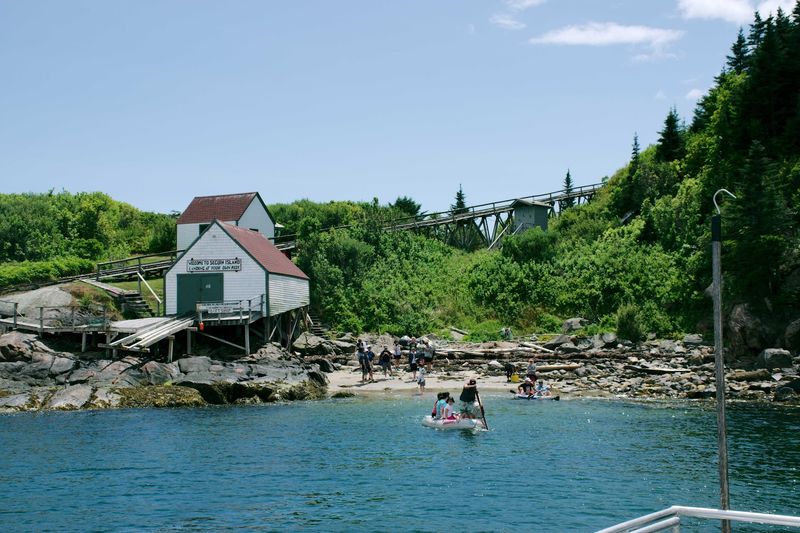
The rails climb the hill like a tidy sentence that knows exactly where it is going. Even resting, the tramway feels kinetic, like it could shrug and get to work if you asked nicely.
Boards, bolts, and cable make a plainspoken chorus that fits the island’s practical personality.
Imagine crates rattling up while the cove breathes and the gulls debate overhead. You can almost feel the rhythm in your knees, a steady rise that turns effort into routine.
This is the part of Maine that prizes sturdy solutions, built once and kept in shape by hands that understand seasons and salt.
Some swear they hear an extra step on the platform when the air gets heavy. Maybe it is the line settling, maybe it is a story tapping your shoulder to see if you will turn.
Either way, the rails point you uphill, and you follow without much need for conversation.
The Keeper’s House Where Piano Music Still Echoes
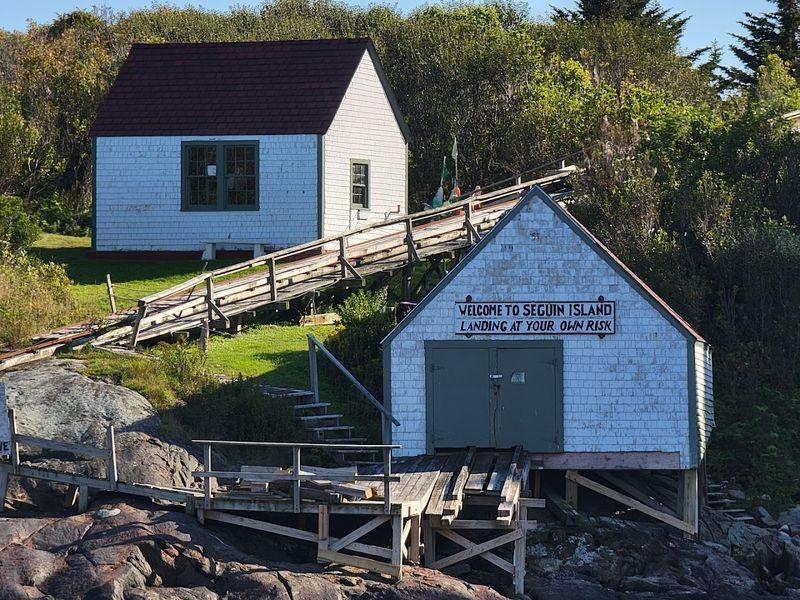
Step into the keeper’s house and the air changes, like someone cracked a door in another room. Floorboards answer your footfall with patient creaks, and the walls hold that lived?in warmth of old paint and salt.
A piano waits by the window, quiet as a cat that knows the routine.
This is where the tale finds its voice, retold by caretakers and visitors and anyone who loves a story with fog and feeling. Some nights, a few notes drift out like a memory stretching awake, and you stand very still without deciding to.
Historians will remind you that paperwork does not back it up, and you nod, because facts and folklore often share a porch without needing to match.
So you listen. Maybe you hear only the wind combing the grass and the stove ticking as it cools.
Or maybe a simple melody rises, steady and brave, and you let it finish before you touch the door.
Guests Often Feel A Cold Draft On Quiet Nights
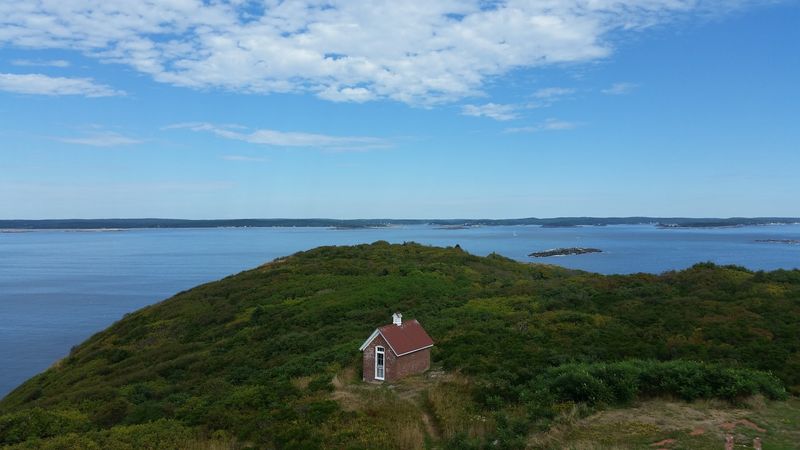
Nights stretch differently out here, like time is walking barefoot to avoid the squeaky boards. When the air settles, a thin draft slips along the hallway with the tact of a polite guest.
It is not dramatic, just specific, as if the island is checking locks and turning down the sheets.
People swap stories on the porch, comparing what they felt and what they heard, and Maine folks tend to shrug kindly at both. Maybe you catch a line of music, or maybe it is rope knocking a loose board in an honest, windy rhythm.
Either way, the quiet gets textured, which is its own kind of thrill.
If you ask me, lean into it a little. Stand by the stairwell, count a breath, and see if the air changes on your cheek.
And if you ask out loud who is there, be ready for the very normal sound of your own voice coming back.
One Last Look Before The Ferry Returns To Popham Beach
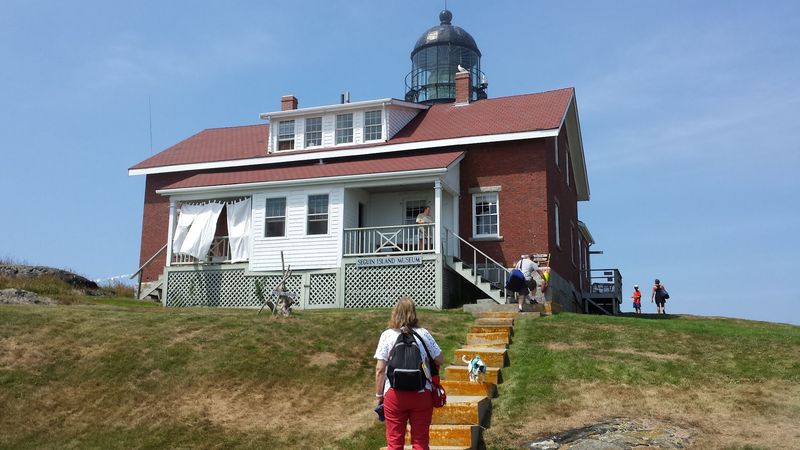
Leaving always sneaks up, even when you promised yourself a slow goodbye. You take that last lap around the yard, glance up at the lantern, and let the view braid itself into something you can carry home.
The grass brushes your shins, the gulls sound off, and the boathouse waits with patient, weathered manners.
The ride back aims you toward Popham Beach, and the mainland lifts into focus in that gentle Maine way. Salt dries on your sleeves while the island shrinks behind you, not hurt, just private again.
Someone mentions the piano, someone else says it is probably the wind, and both versions feel fine to keep.
One more look over your shoulder, because you will want the picture to be clear later. The tower holds steady, the house keeps its counsel, and the water pats the hull like an old friend.
You promise yourself you will come back, and the horizon makes room for the thought.
